36 guides
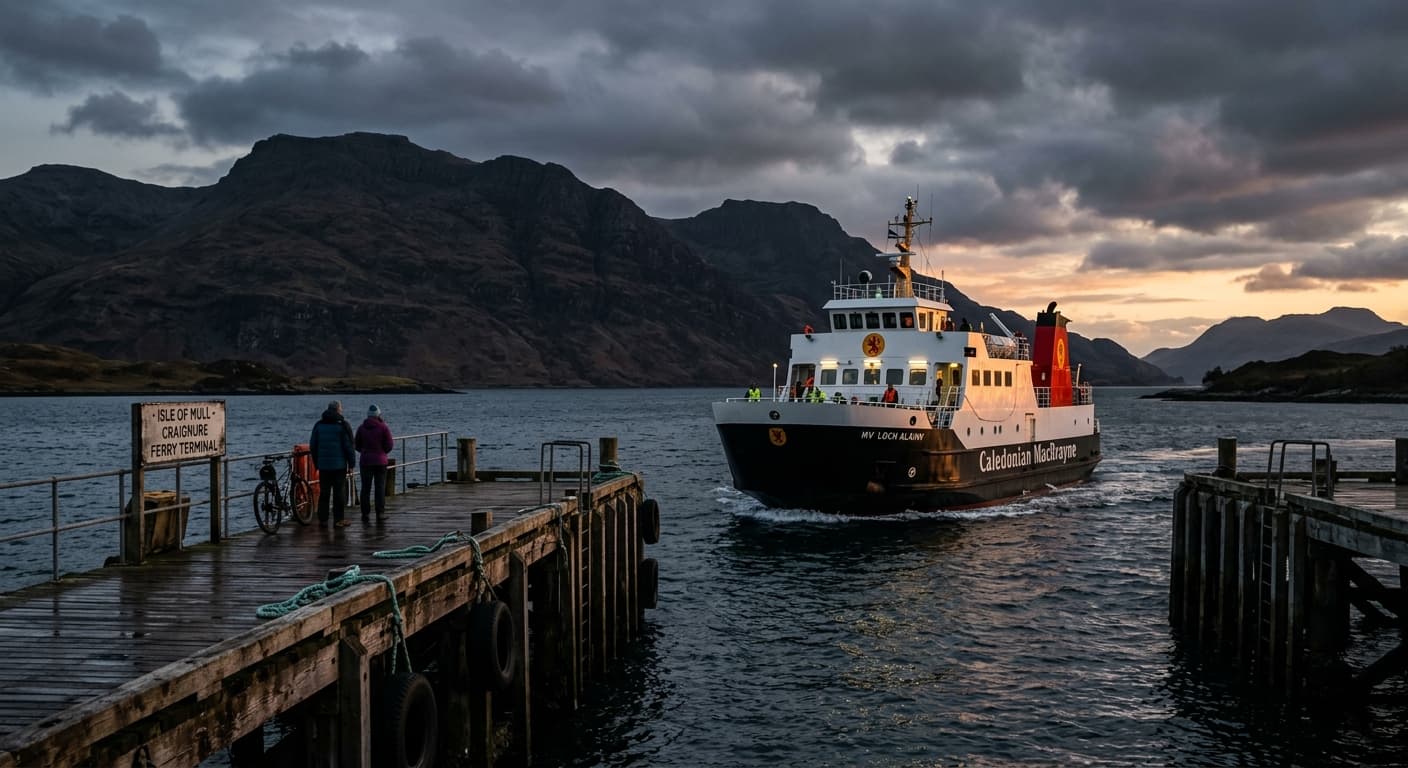
Argyll, Cowal & the Southern Hebrides
George Orwell called it "extremely un-get-atable" when he holed up on Jura to write Nineteen Eighty-Four, and this scattered region of mainland mountains, ferry-linked islands and Atlantic oakwoods still rewards those willing to navigate rough ground, faint paths and timetables dictated by the sea.
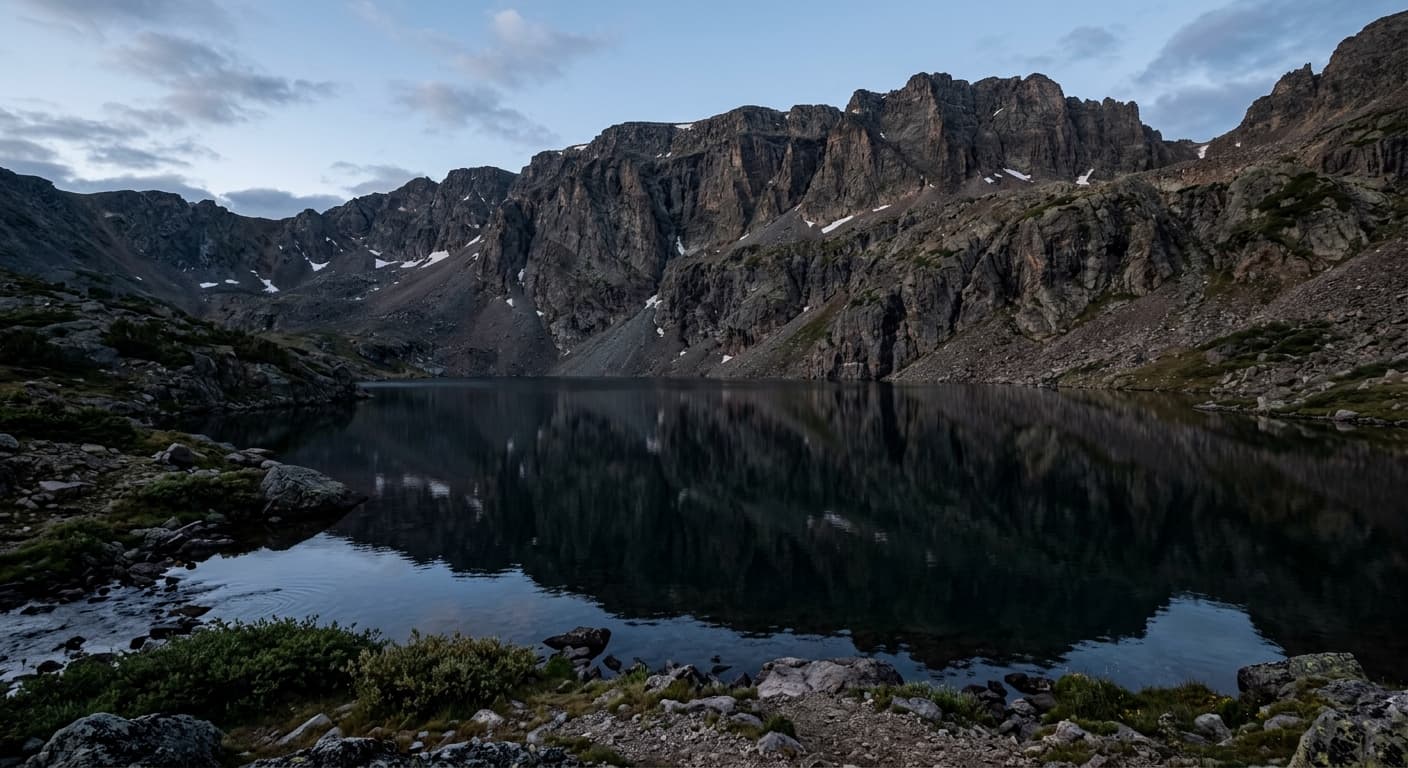
Bannau Brycheiniog (Brecon Beacons)
While everyone queues up Pen y Fan, the Brecon Beacons quietly hide sweeping escarpments, glacial lakes, limestone gorges and miles of empty ridges that reveal themselves the moment you walk in almost any other direction.
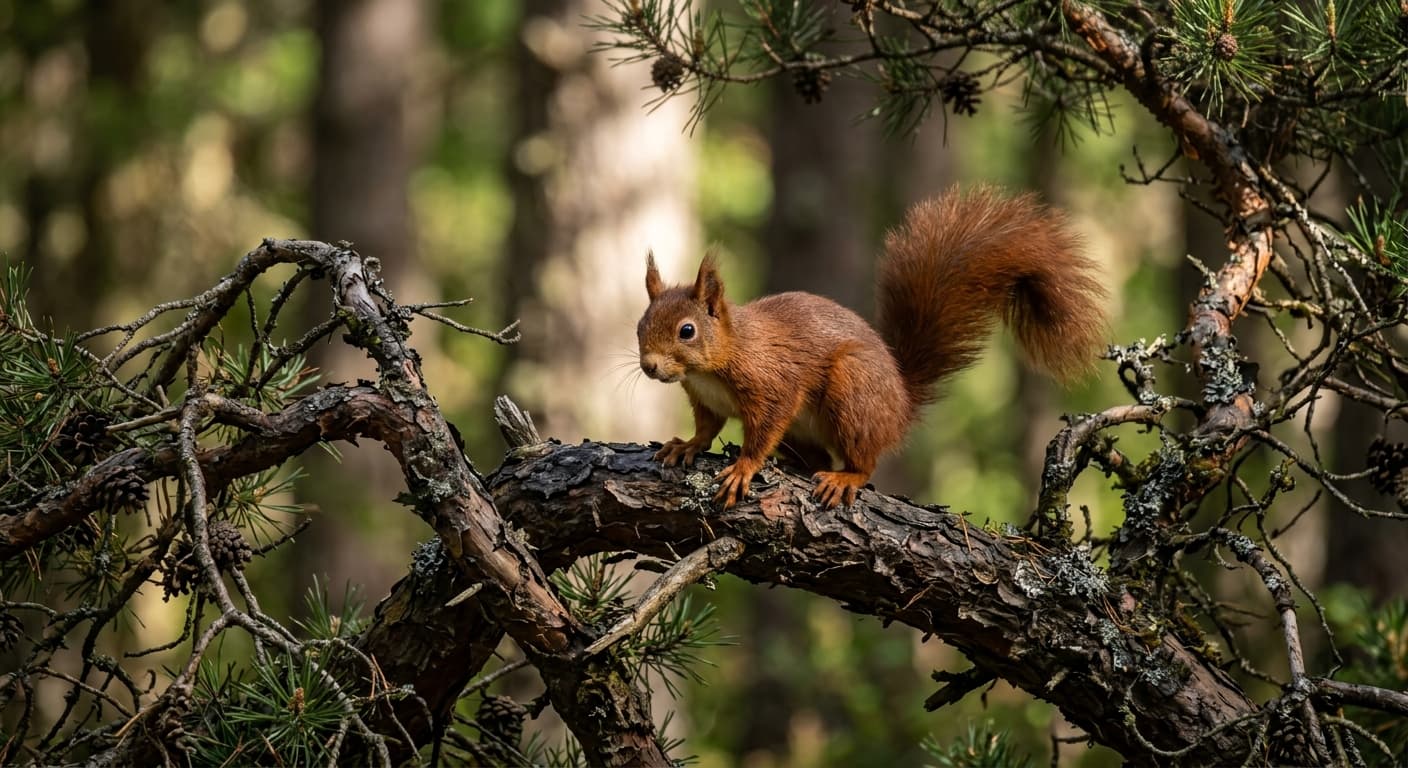
Cairngorms
The Cairngorms aren't just a collection of peaks to tick off—they're a vast, uncompromising plateau where Britain's wildest mountain terrain meets ancient pinewoods, and where you'll need to respect the distance, weather and scale if you want to come back with good memories rather than expensive rescue stories.
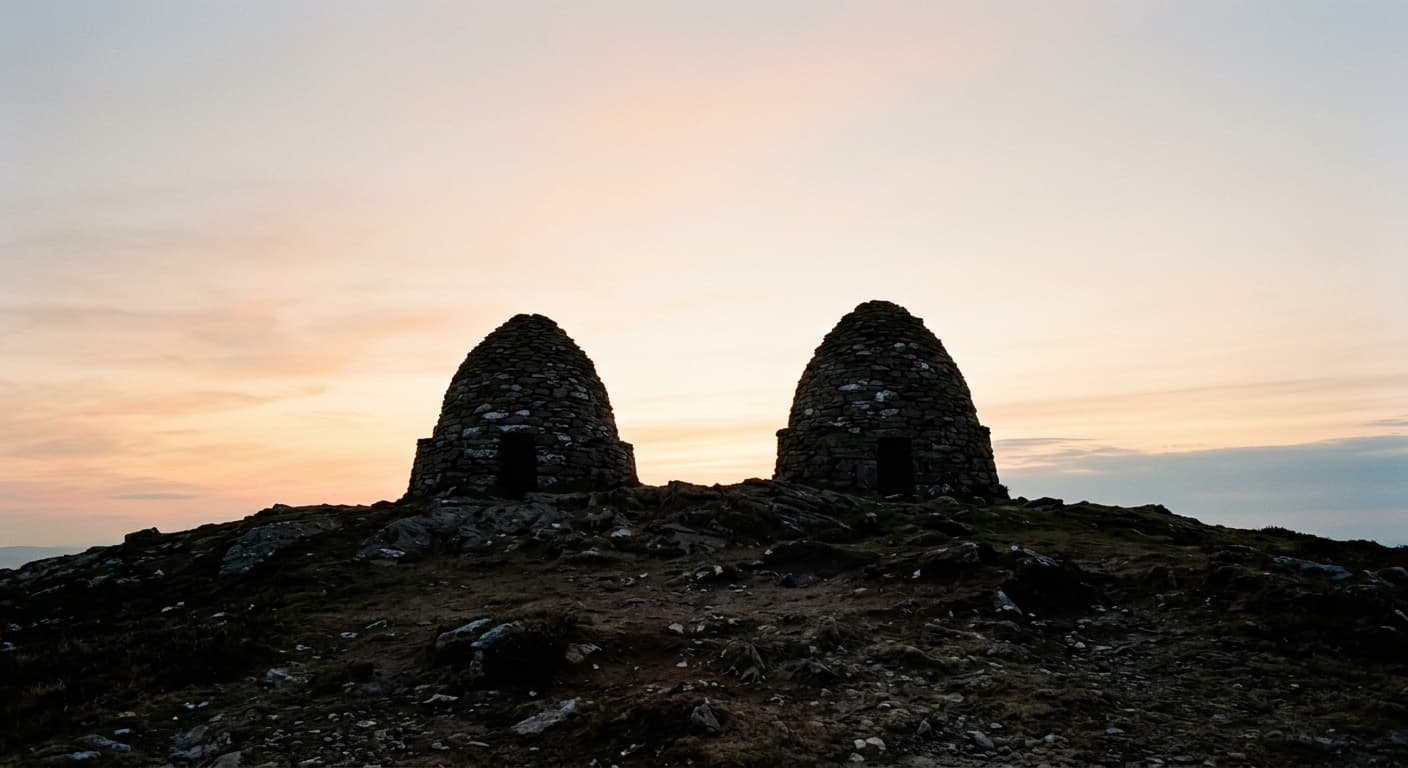
Cambrian Mountains & Mid Wales
The Cambrian Mountains are where you'll find Wales's least-walked high ground — remote, frequently pathless, and demanding proper navigation through blanket bog and moorland that sends three major rivers towards different coasts.
Central Scotland
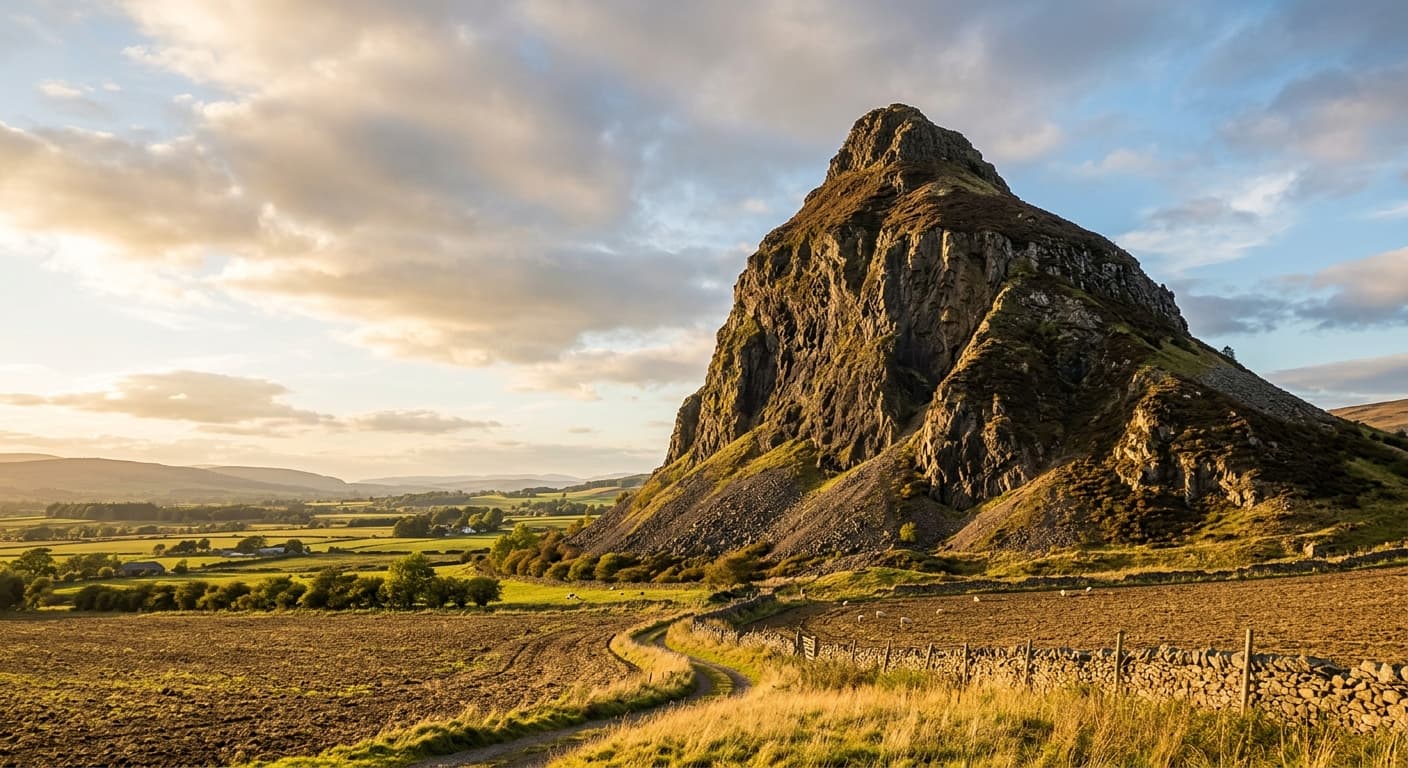
Central Scotland's hill ranges sit closer to Glasgow, Edinburgh and Stirling than you might imagine, turning proper upland ridge walks into realistic after-work escapes rather than weekend expeditions. The Ochils, Pentlands and Campsies offer everything from steep volcanic summits to long, exposed moorland traverses — and whilst the cities remain visible below, these hills can feel surprisingly wild once the weather turns.
Connemara
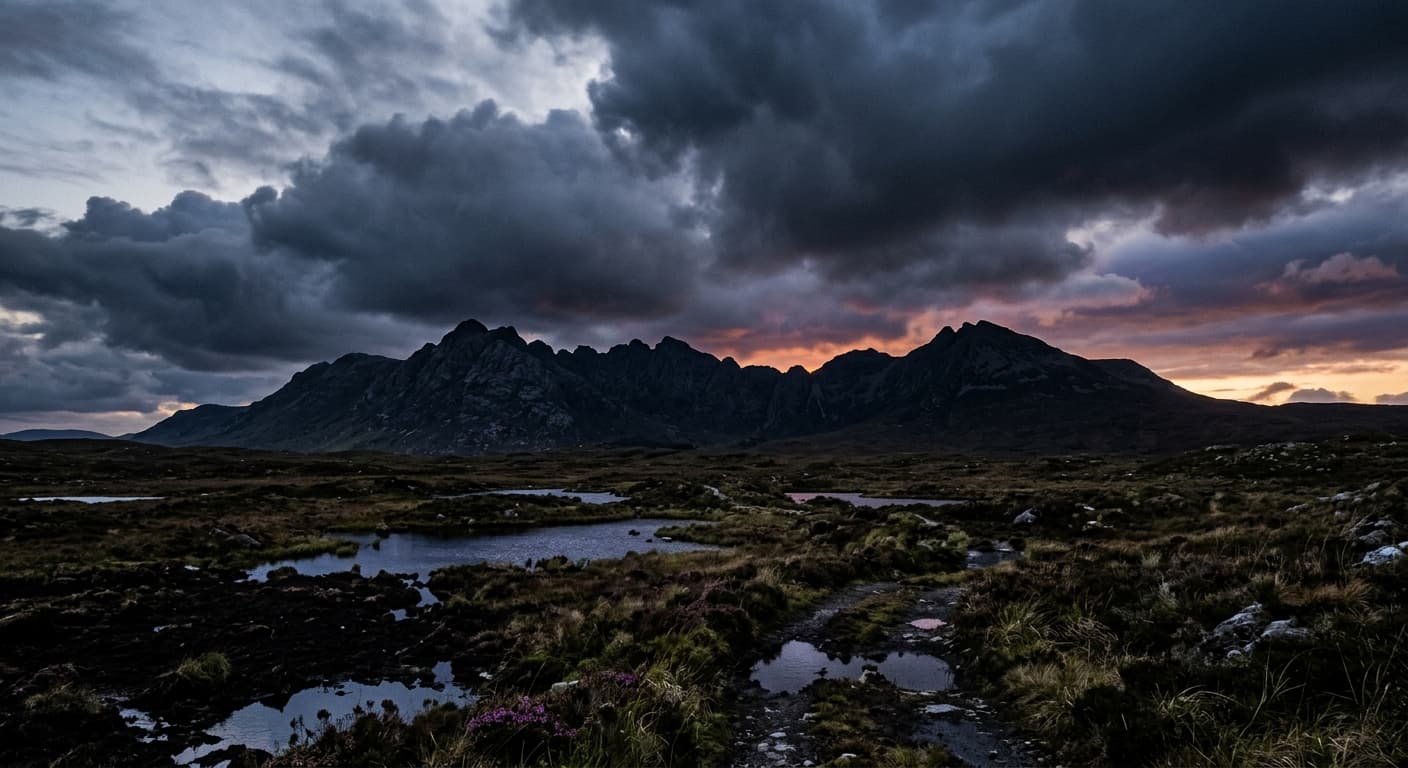
South Mayo and central Galway — the Twelve Bens, Maumturks, and Connemara’s wild Atlantic uplands.
Cork & Beara
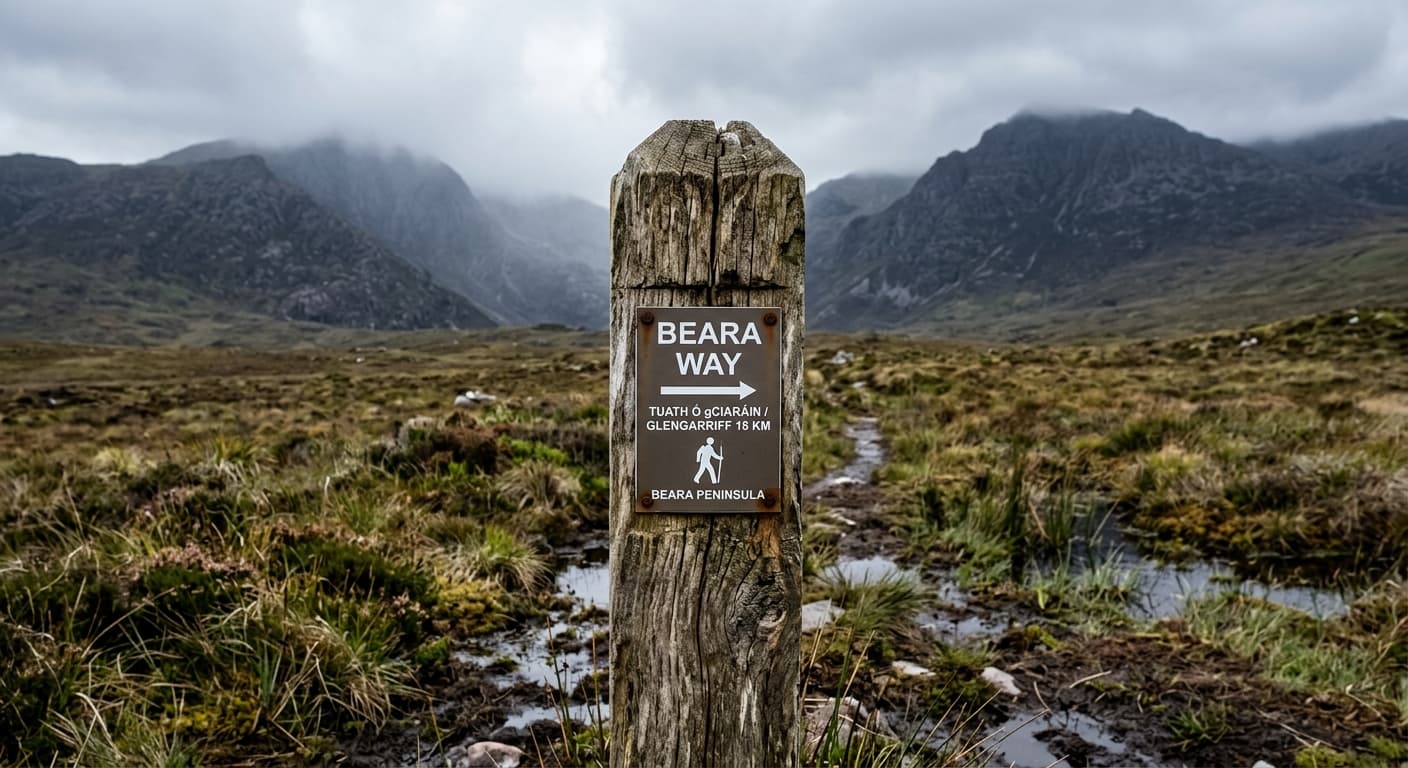
The Beara Peninsula, Shehy Mountains, and the wild uplands of west and north Cork.
Dartmoor & Exmoor
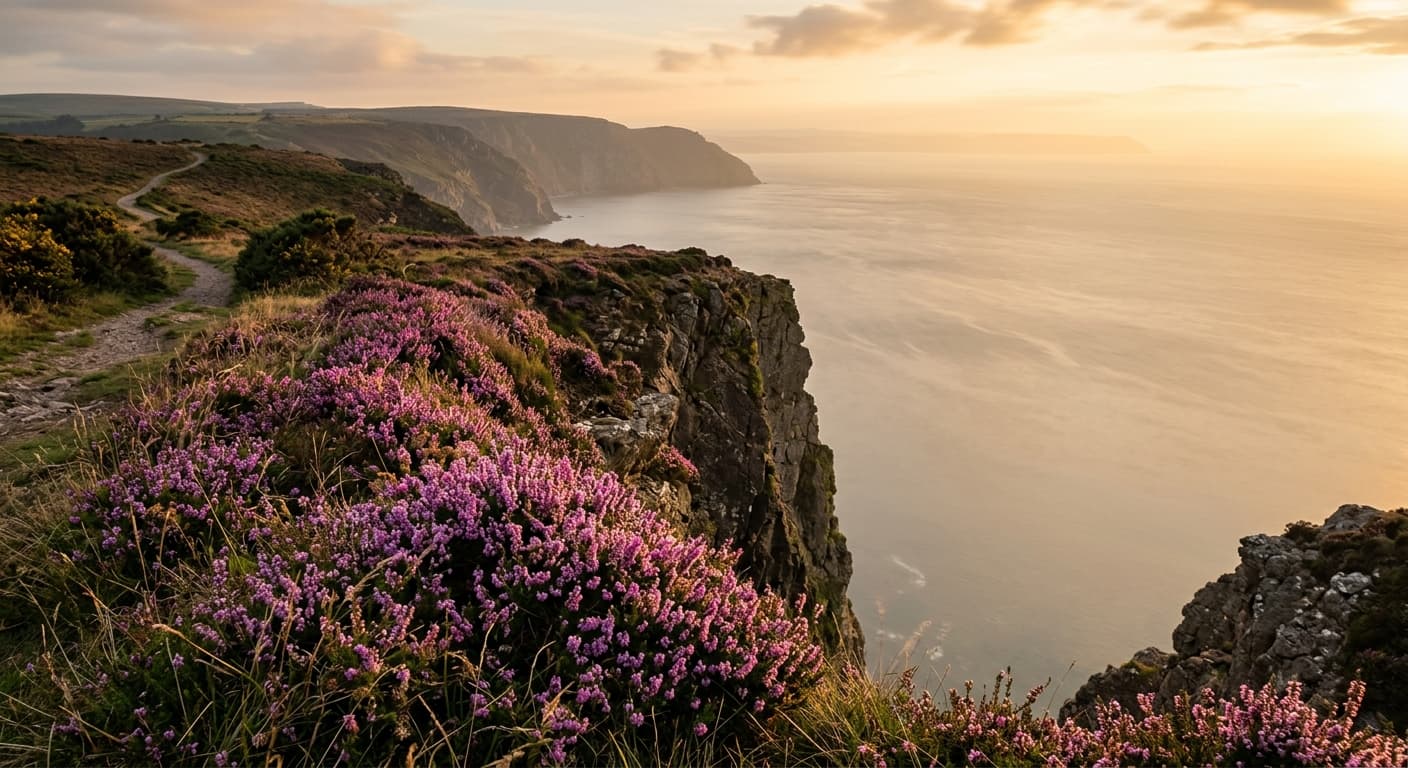
Dartmoor and Exmoor give you two very different versions of moorland walking — one a granite plateau littered with prehistoric ruins and bogs, the other a gentler heathered upland that abruptly plunges into some of England's highest sea cliffs — and both still feel genuinely wild enough to get you into trouble if you're not paying attention.
Donegal
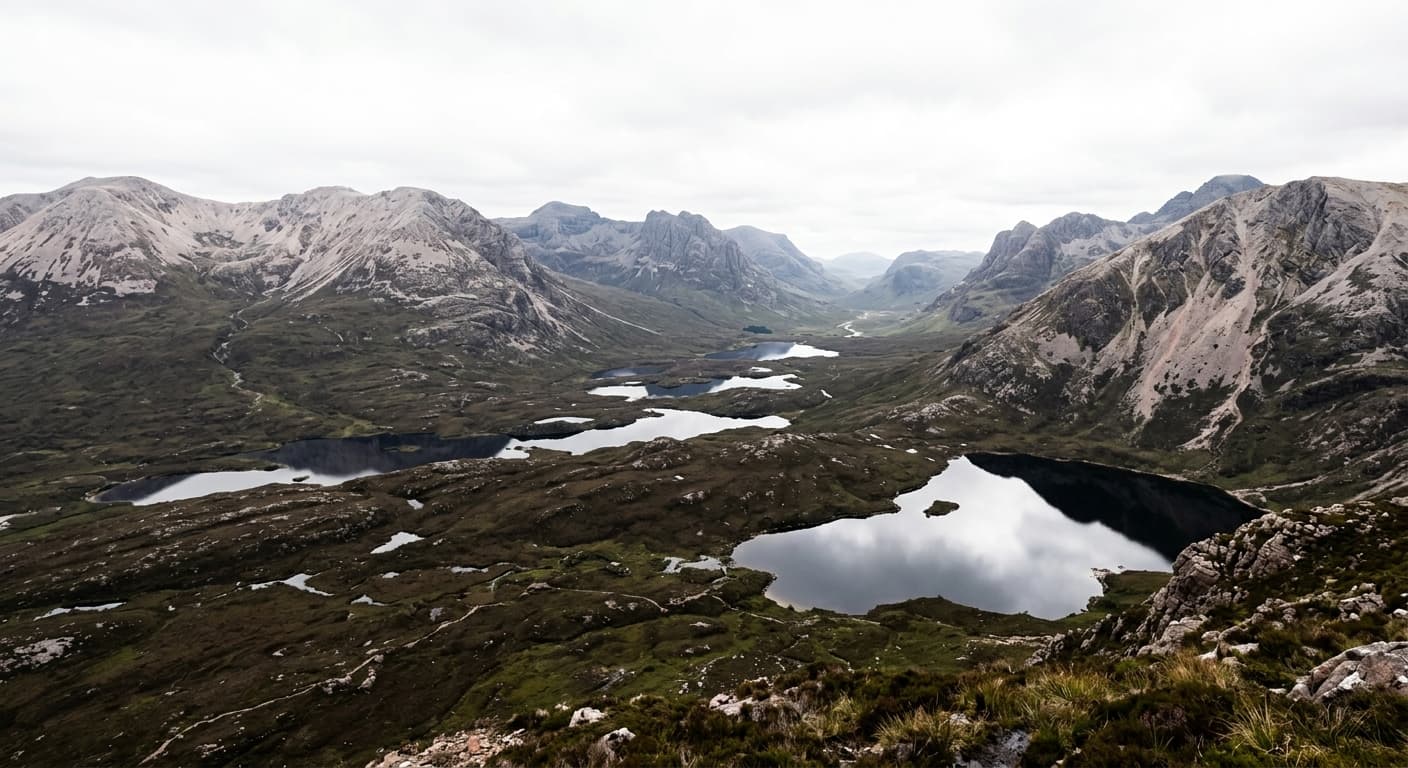
Errigal, Muckish, the Derryveagh Mountains, the Blue Stacks, and Glenveagh National Park.
East Highlands
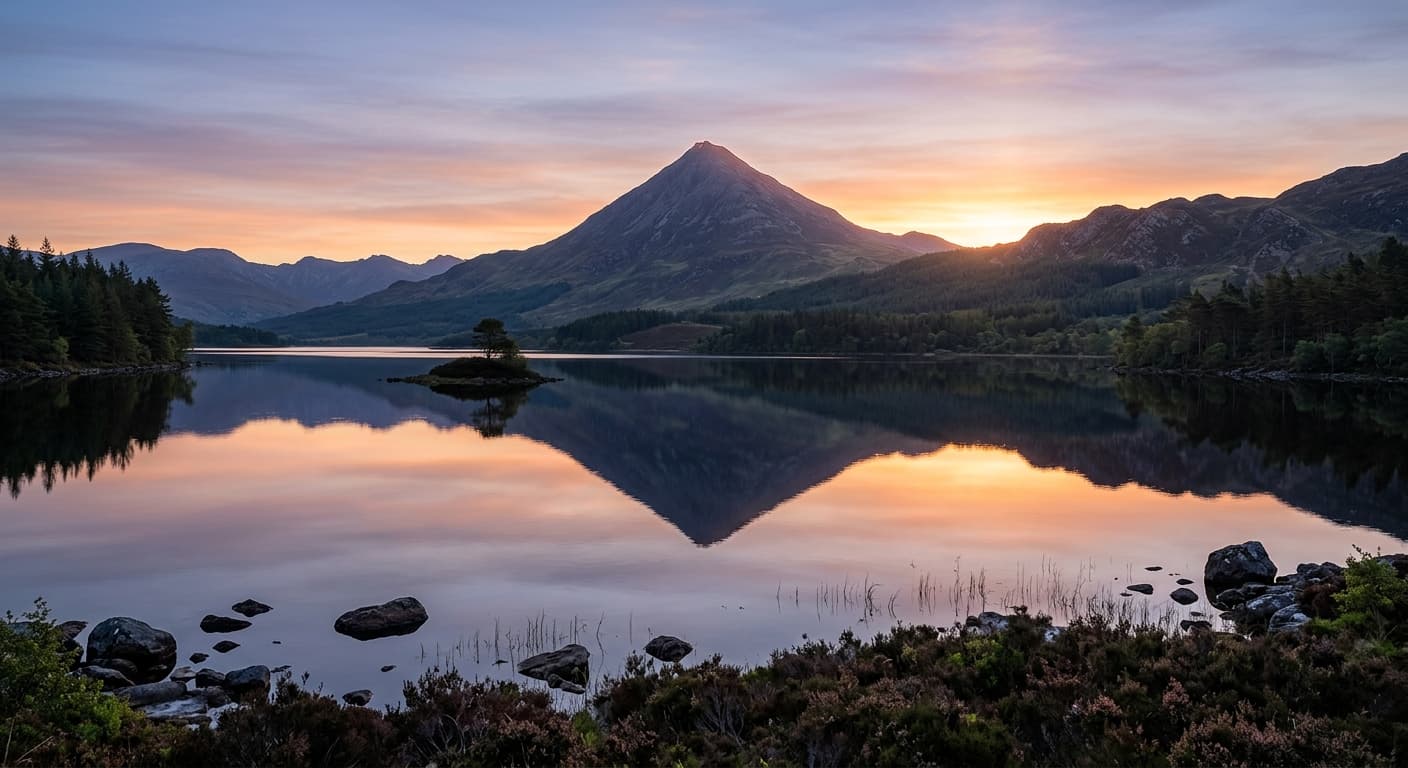
Highland Perthshire offers a gentler introduction to Scotland's high country than the rugged west, but Ben Lawers, Schiehallion and the long, quiet reaches of Glen Lyon still deliver proper mountain days when the weather turns. The landscape here favours the walker who appreciates a good circuit — linking several Munros along airy ridges before descending through woodland to somewhere with a pub and a reasonable chance of drying your boots. It's mountains with infrastructure, in the best possibl
England
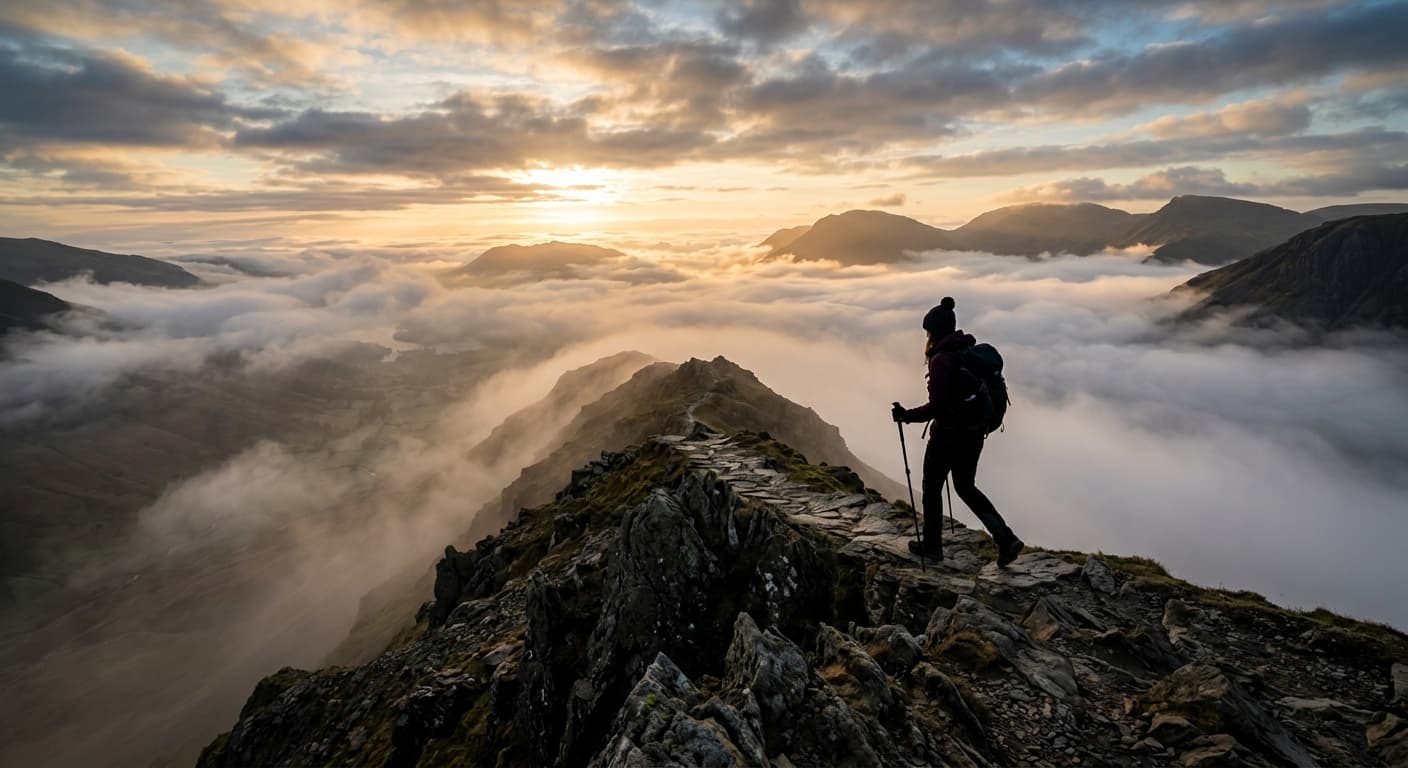
From the Lake District and Pennines to Dartmoor, the South Downs and England’s long-distance trails.
Eryri (Snowdonia)
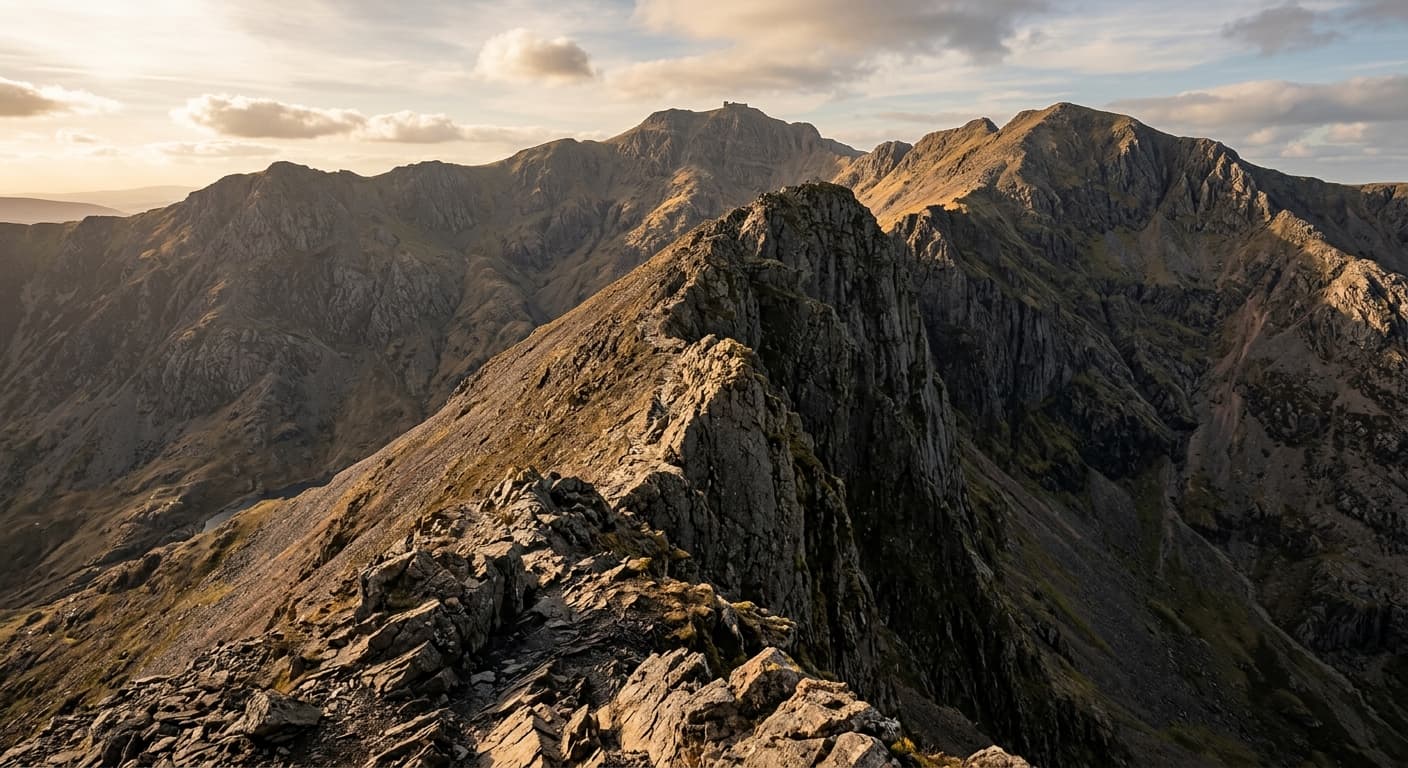
The mountains of Eryri contain everything from Wales's highest summit and its most famous knife-edge scramble to heather-choked ridges in the Rhinogydd where you'll wonder if anyone's been through in months — and discovering which bits are busy and which aren't is half the point.
Isle of Arran
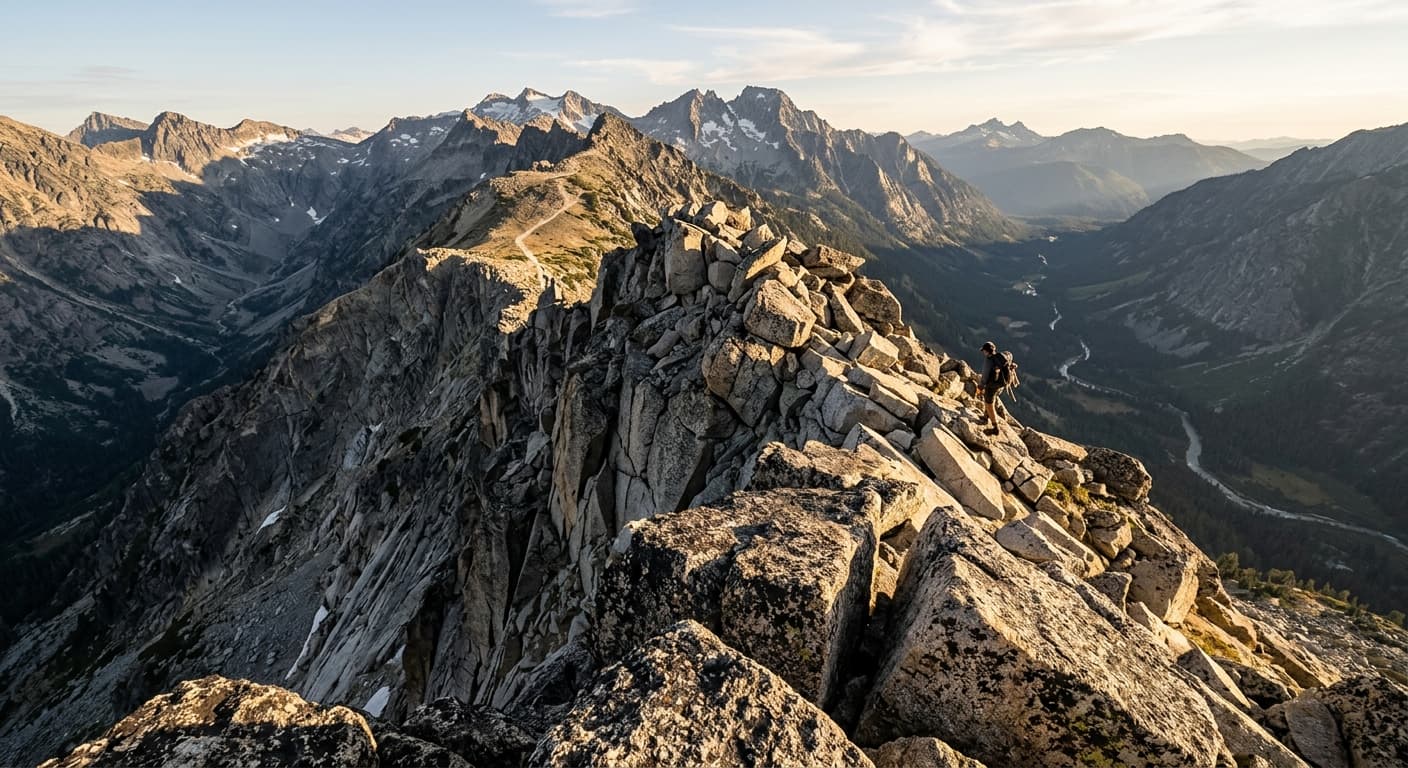
The Isle of Arran manages to cram proper granite ridges, serious rocky traverses, quiet moorland hills and a complete 109km coastal trail into a space you can actually reach by ferry and explore without spending half your life in the car.
Isle of Man
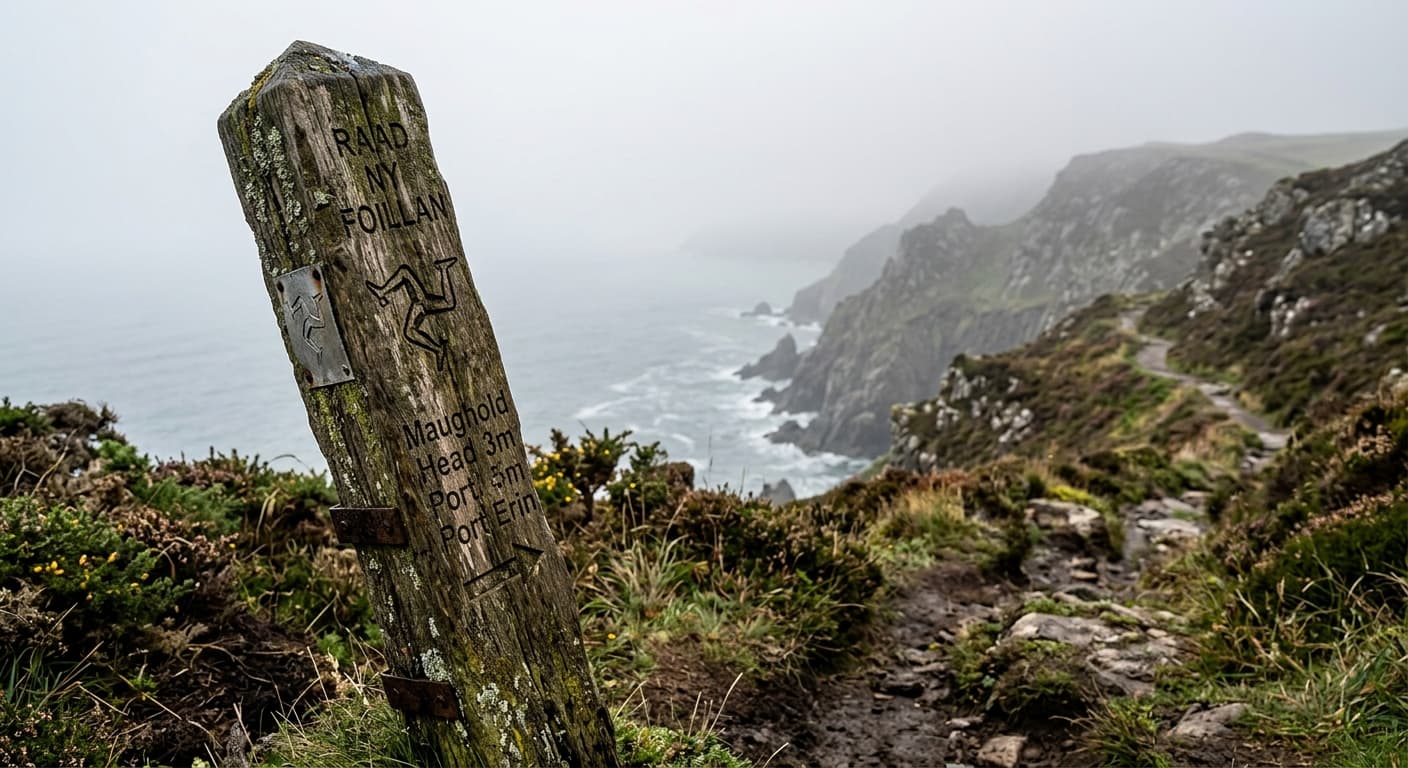
The Isle of Man offers a rare combination of proper hill walks, nearly 100 miles of coastal path, and ancient routes threading through Norse ruins and abandoned mines — all without the usual British requirement of driving for hours between them. Snaefell might be the high point, but North Barrule delivers the finer ridge walk, and the glens remain quietly excellent when the weather turns difficult. For such a modest patch of the Irish Sea, it packs in an impressive amount of vertical gain and hi
Isle of Skye
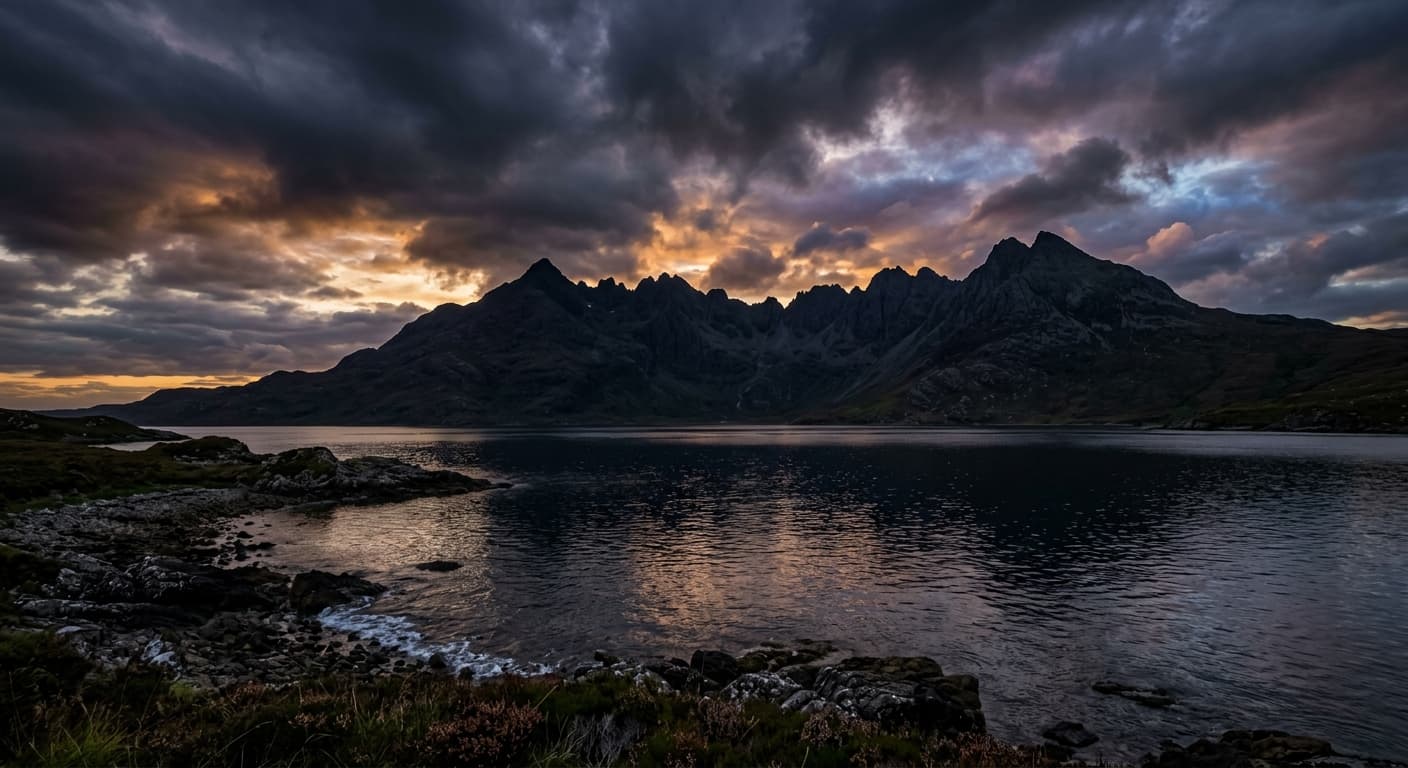
The Isle of Skye manages to cram Britain's most challenging mountains, a dozen Munros that demand actual scrambling and climbing skills, and enough jagged ridges to keep mountaineers both terrified and delighted into a single island that's somehow only 60 miles long.
Kerry & Killarney
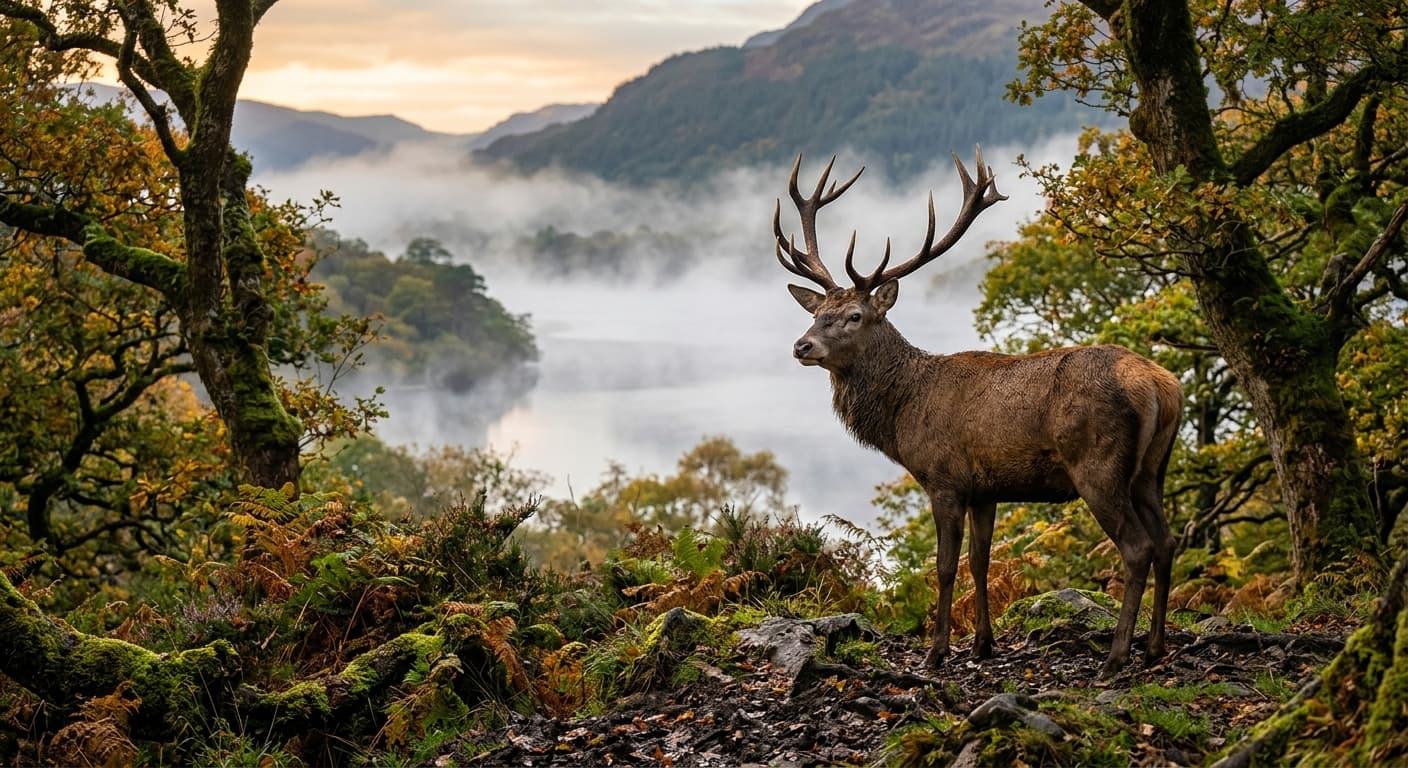
Killarney National Park, MacGillycuddy’s Reeks, and the mountain peninsulas of Kerry.
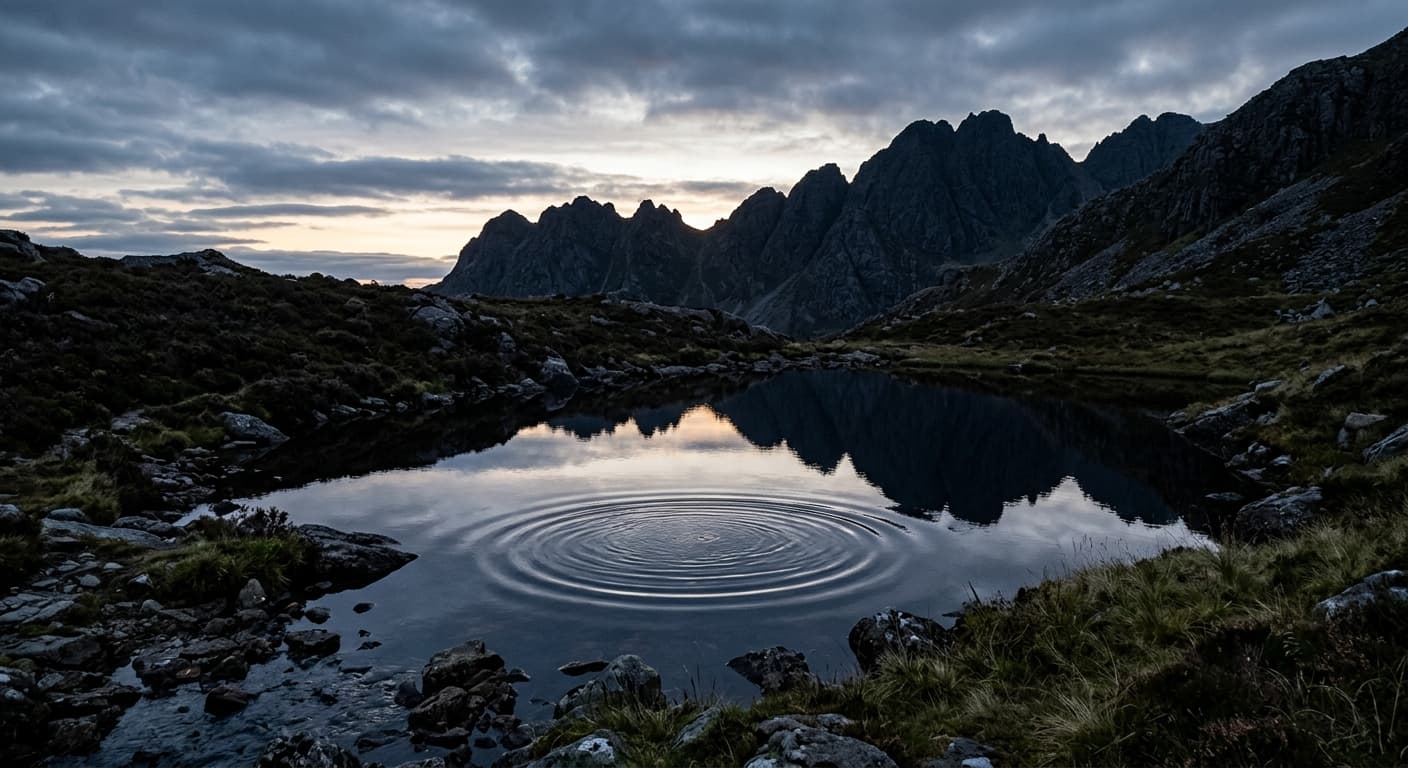
Lake District
England's most celebrated national park — a landscape of glacial lakes, ancient fells, and the walking heritage of Alfred Wainwright.
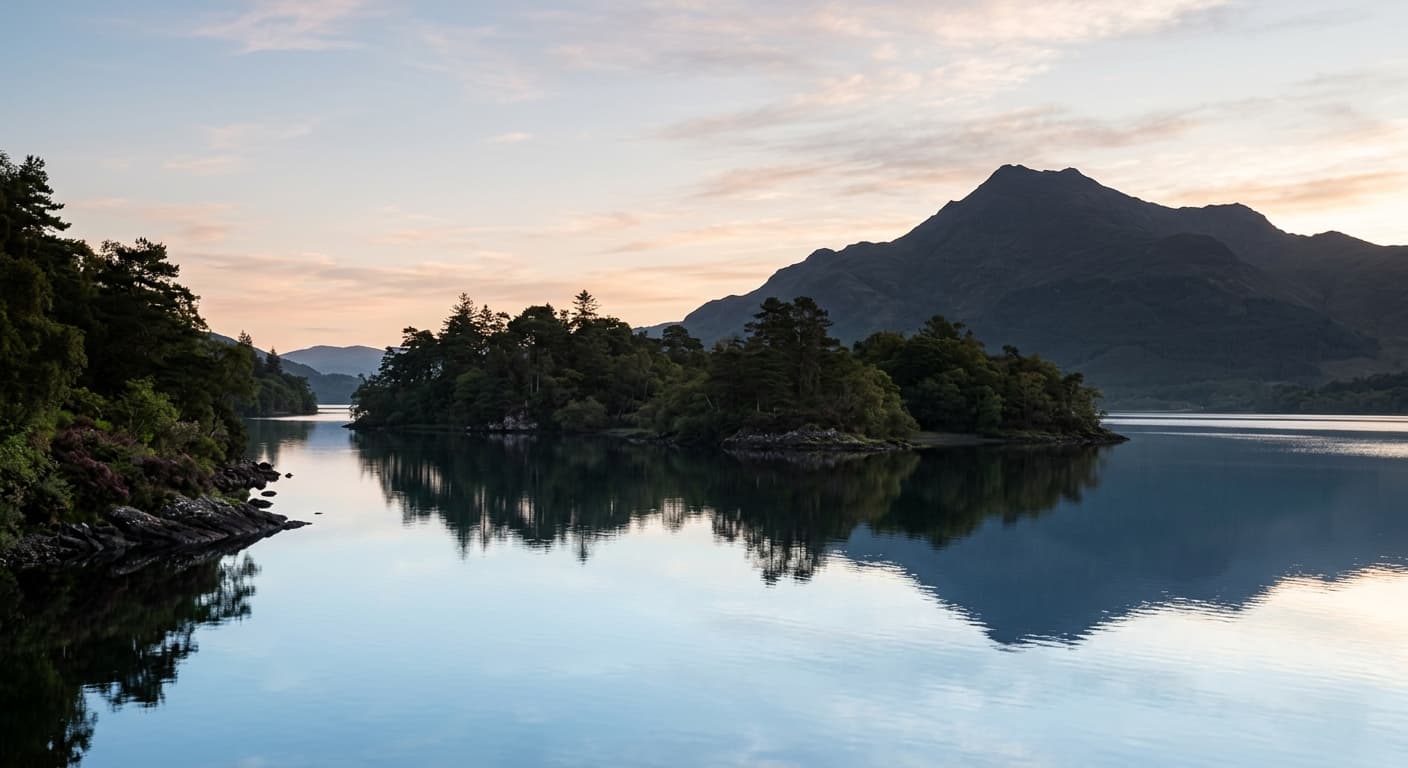
Loch Lomond & The Trossachs
Straddling the Highland Boundary Fault where Scotland's gentle Lowlands abruptly give way to proper mountains, Loch Lomond and The Trossachs offers everything from wooded lochside strolls to serious ridge scrambles — often on the same afternoon.
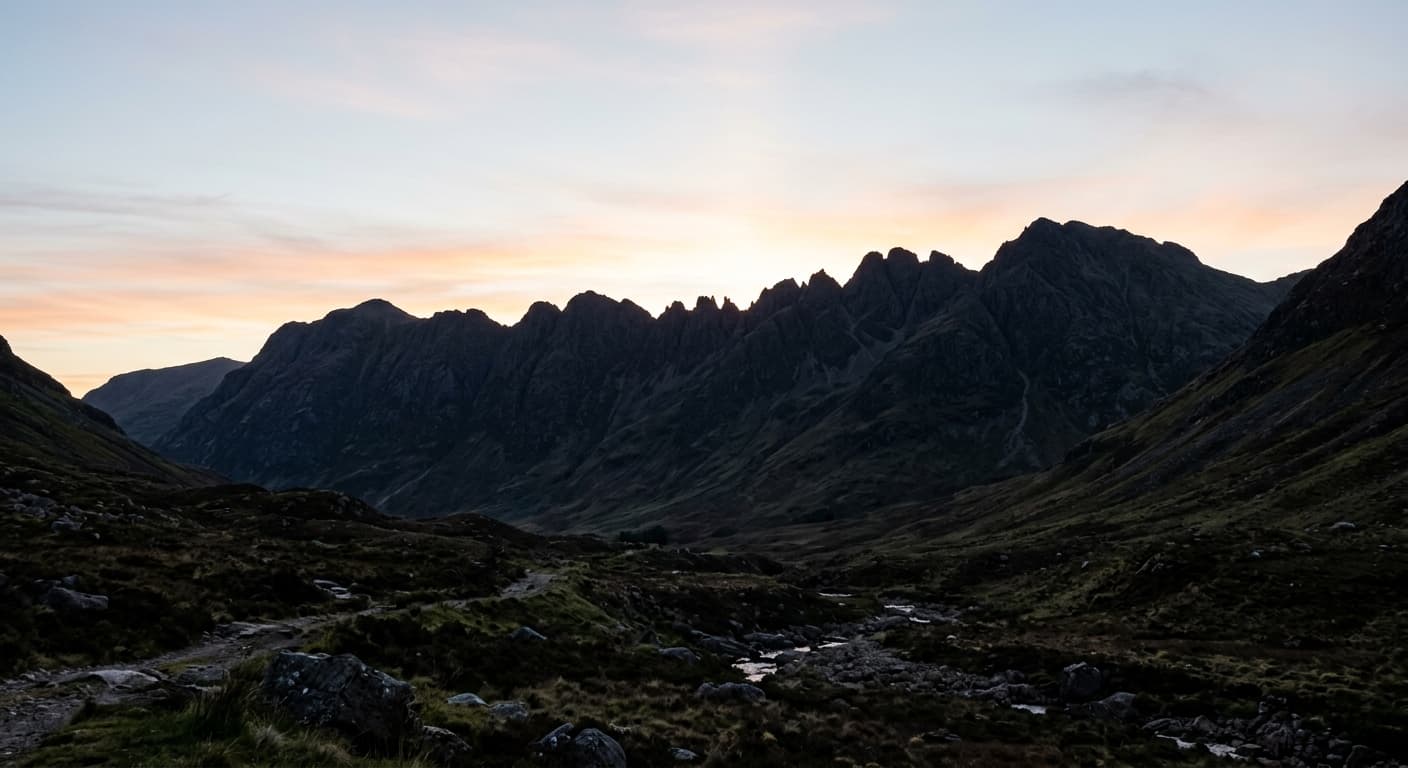
Lochaber & Glen Coe
If you're drawn to Britain's most serious ridge walking — exposed scrambles, multi-Munro circuits and mountains that demand competence rather than enthusiasm — Lochaber and Glen Coe deliver precisely that, with Ben Nevis presiding over a landscape where gentle starts routinely lead to steep, consequential terrain.
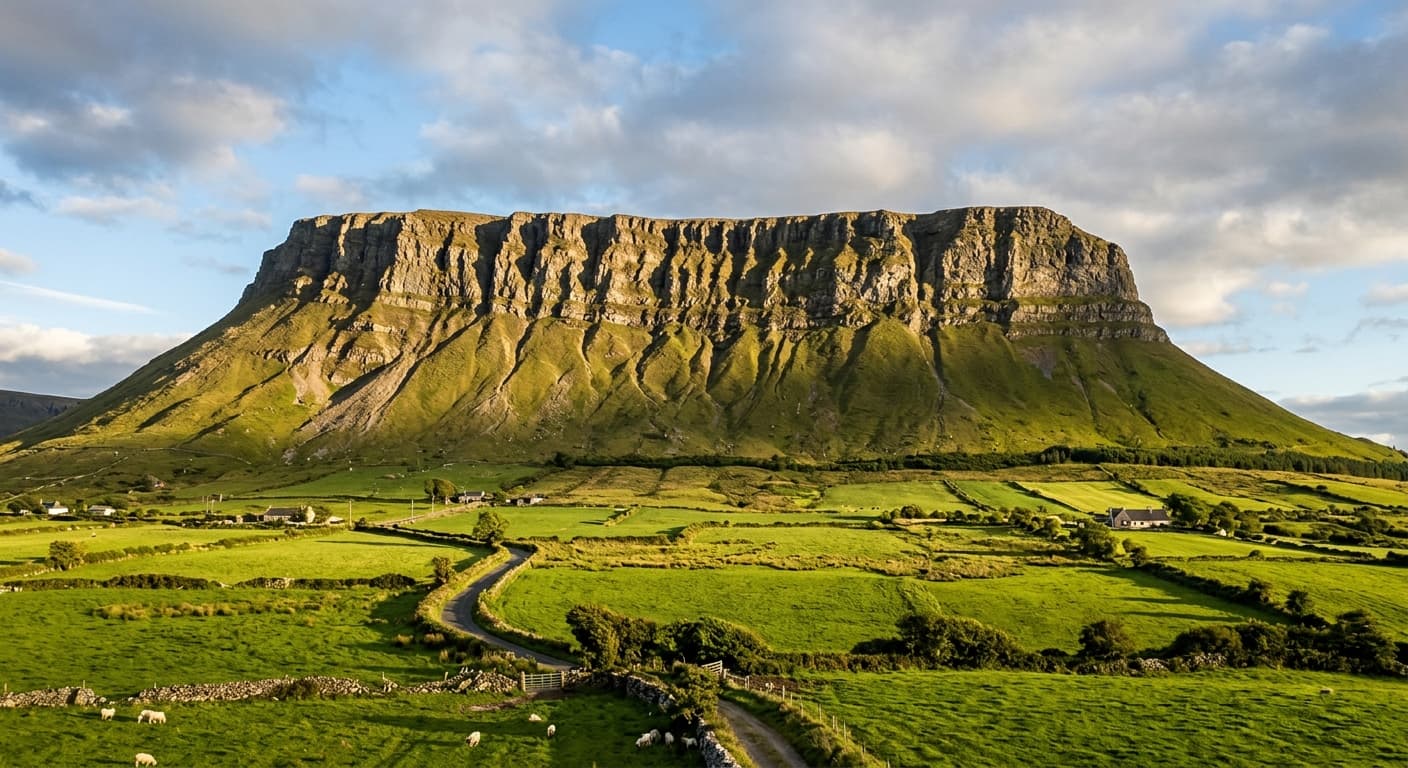
Mayo, Sligo & Wild Nephin
Wild Nephin, Nephin Beg, Achill Island, and the wider hills of Mayo, Sligo, north Roscommon, Leitrim, and west Cavan.
Mull & the Small Isles
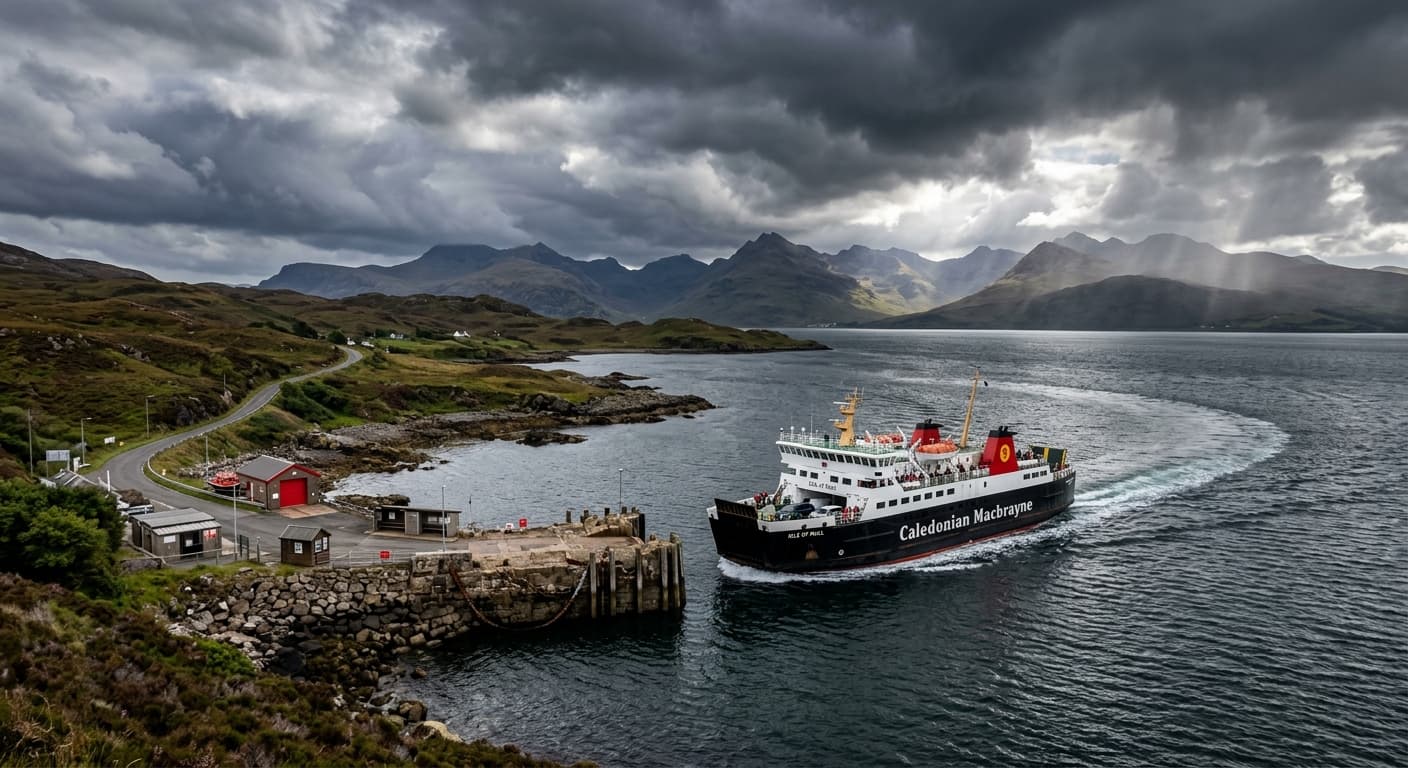
Mull delivers Scotland's only island Munro outside Skye, Rum offers one of the country's finest compact mountain ranges, and the Small Isles prove you don't need great height to build a proper hill—all linked by ferries, shaped by volcanoes, and best tackled with a weather eye and a flexible timetable.
Munster & South East
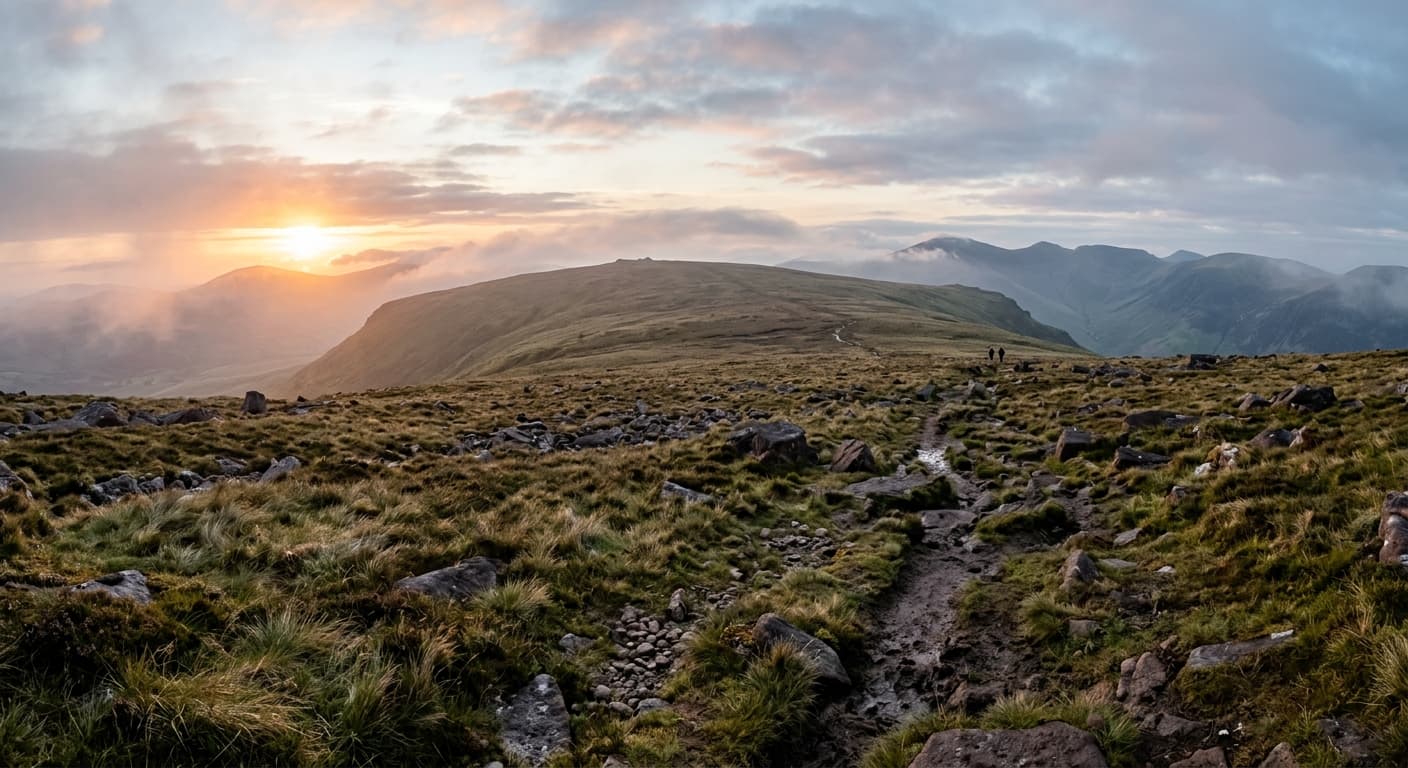
The Galtees, Knockmealdowns, Comeraghs, and the hills of Clare, Tipperary, and Waterford.
North Pennines
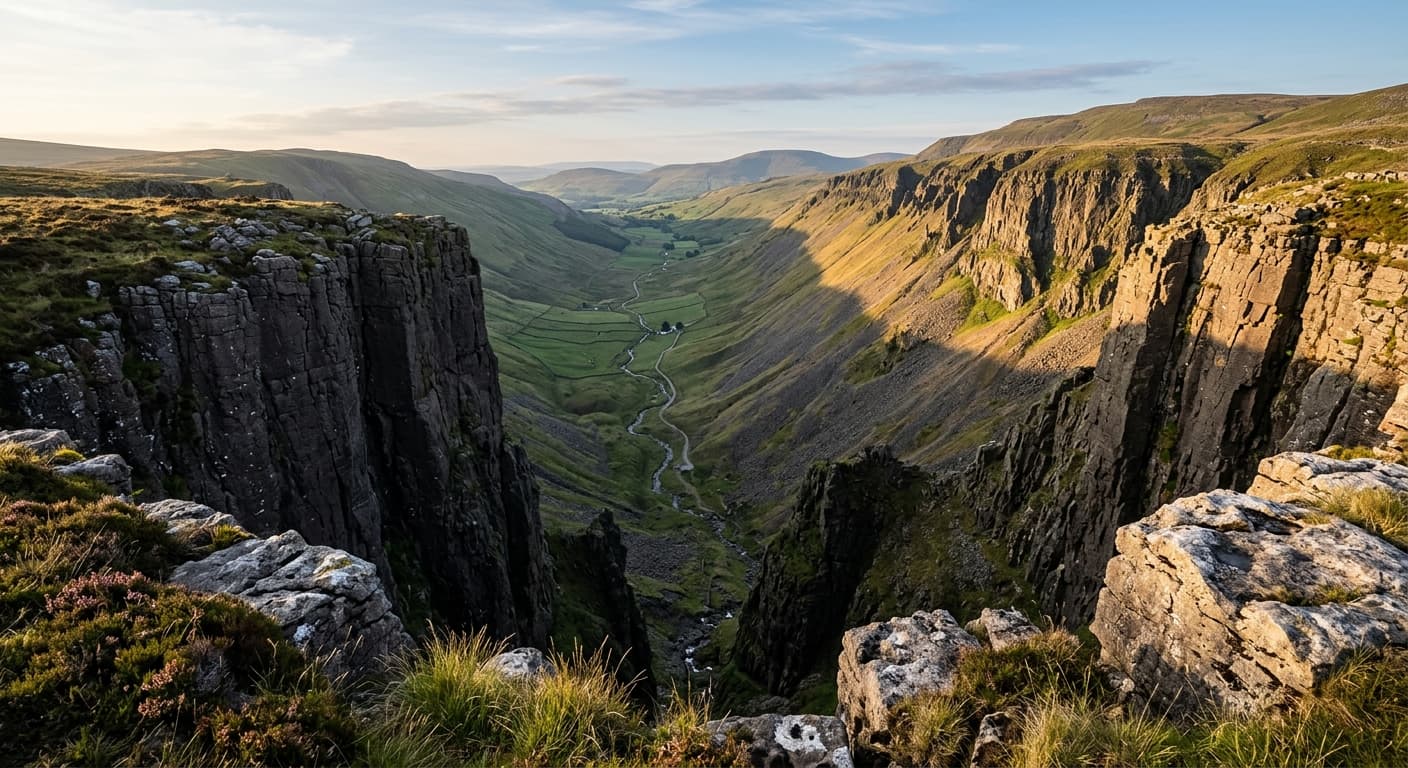
The North Pennines offer something most British uplands can't: genuine emptiness. Between the Lakes and the Dales lies a vast, windswept landscape of rounded summits, dramatic glacial valleys and abandoned lead mines that have quietly returned to the moor. This is walking country for those who value solitude and substance over Instagram moments — though High Cup Nick might change your mind on that last point.
North West Highlands
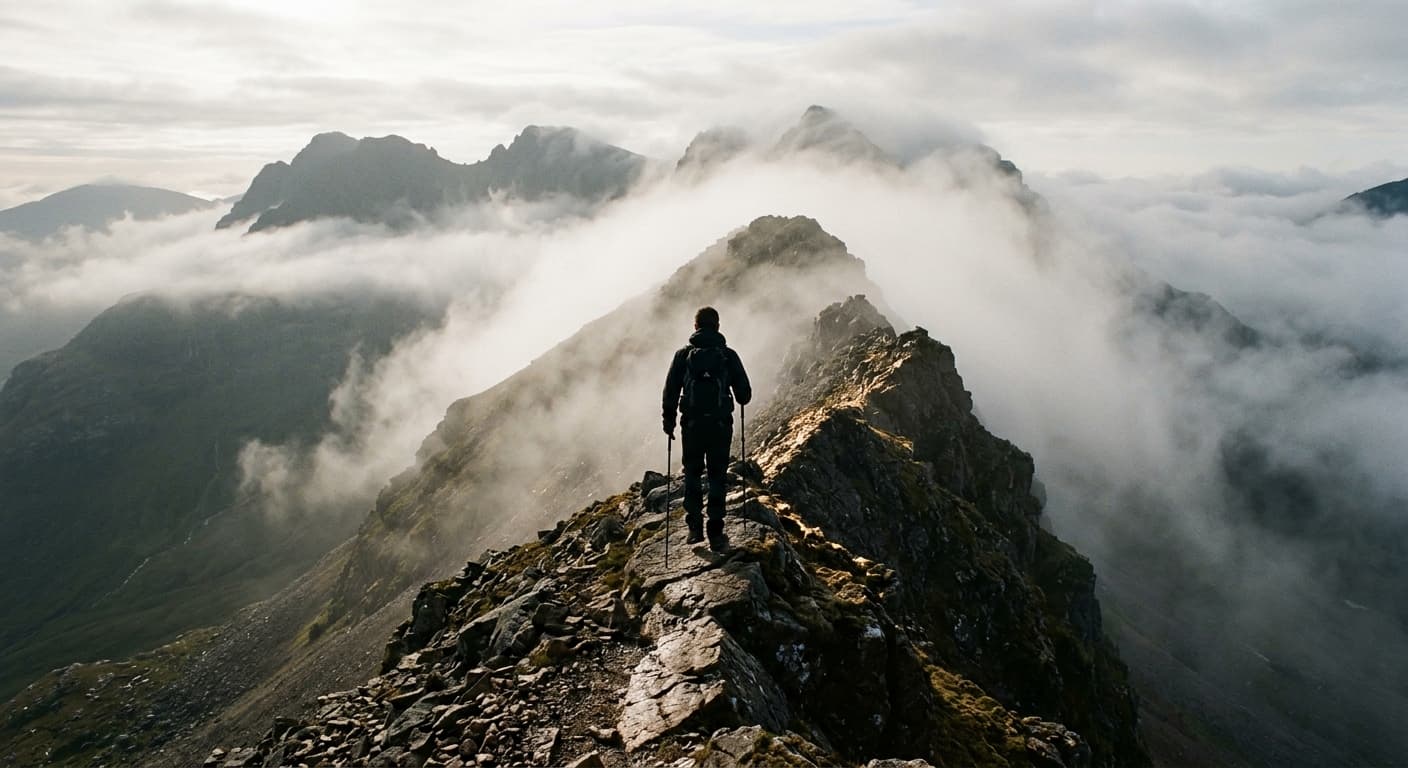
Discover the North West Highlands through regional facts, seasonal walking advice and ten TrailTrack favourite mountains across Assynt, Torridon and Wester Ross.
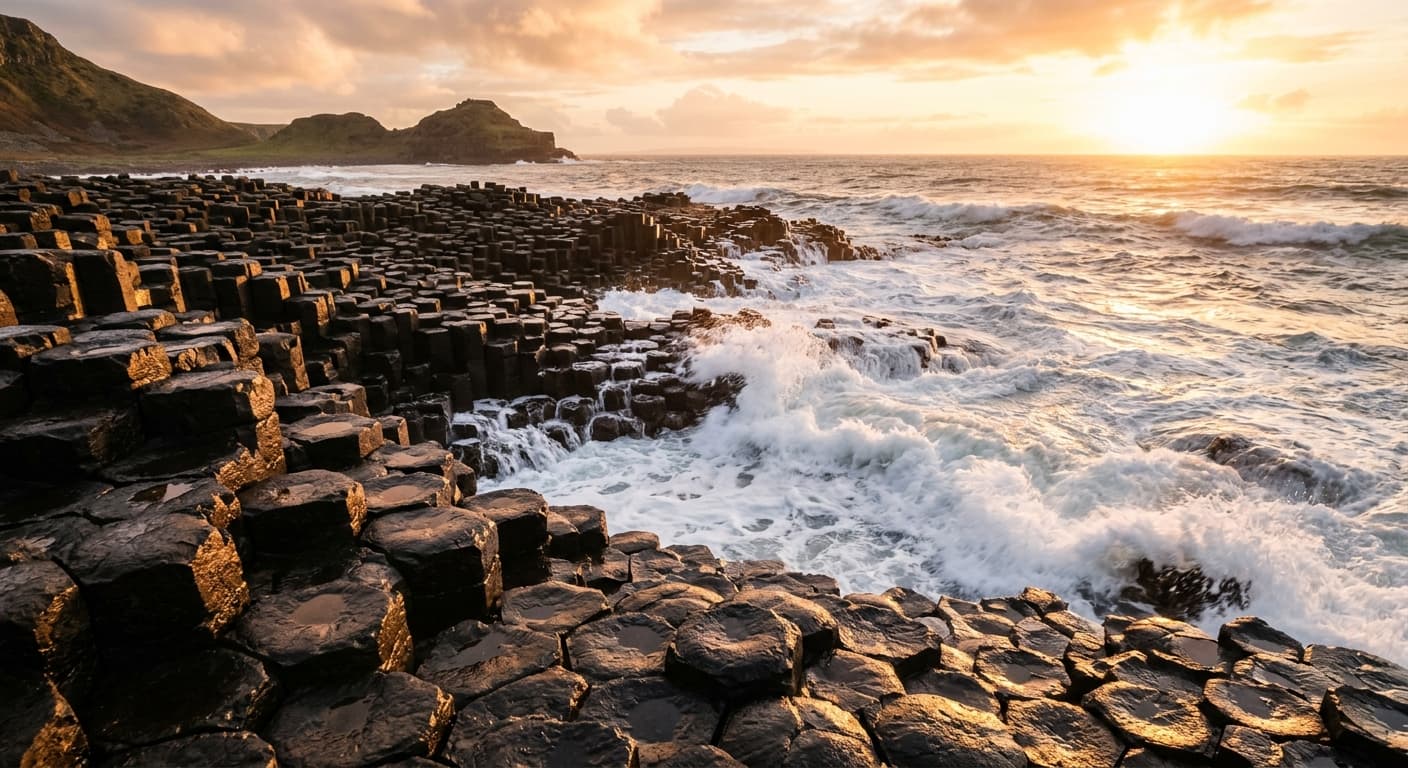
Northern Ireland
Granite mountains, wild peat uplands, basalt cliffs and long-distance trails connecting six remarkably varied counties.
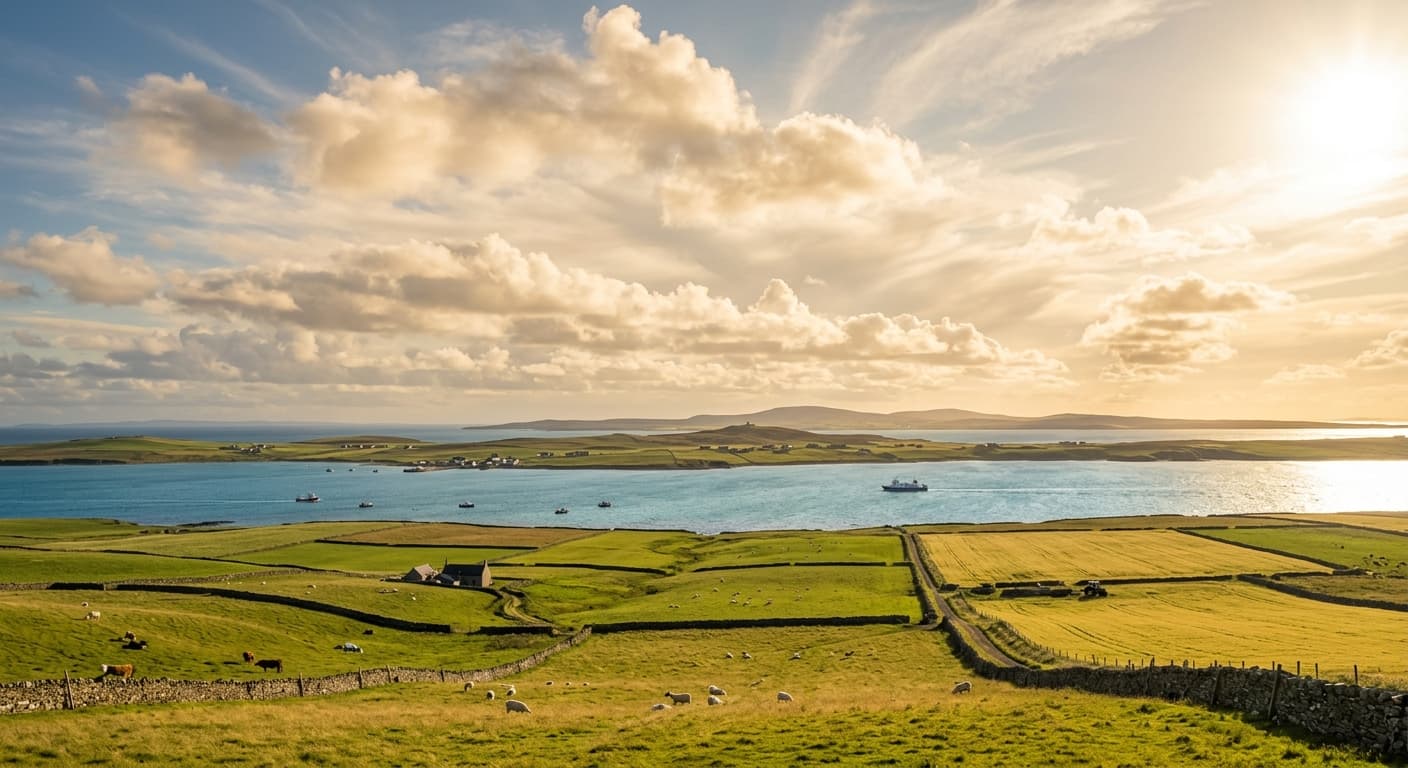
Northern Isles
Orkney and Shetland offer genuinely remote island walking where nineteen hours of midsummer daylight, Arctic summit plateaus, Britain's tallest sea cliffs and the occasional passing orca matter considerably more than bagging any particular height.
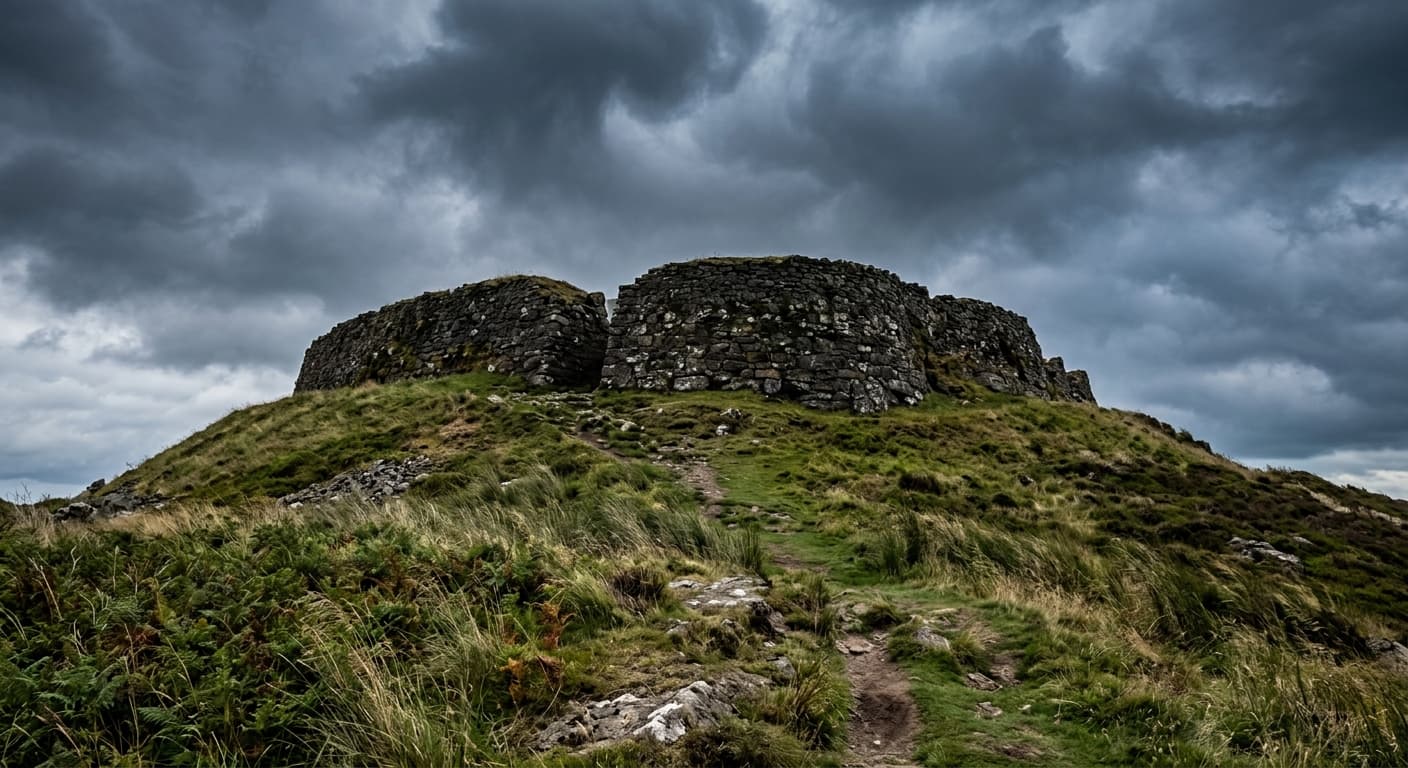
Northumberland
Northumberland offers some of England's emptiest, most atmospheric walking — from the remote Cheviot summits and Hadrian's Wall's volcanic crags to tidal causeways and Iron Age hillforts. With roughly two people per square kilometre and more than 70 castles scattered across varied terrain, it's the sort of place where finding solitude requires little more than showing up.
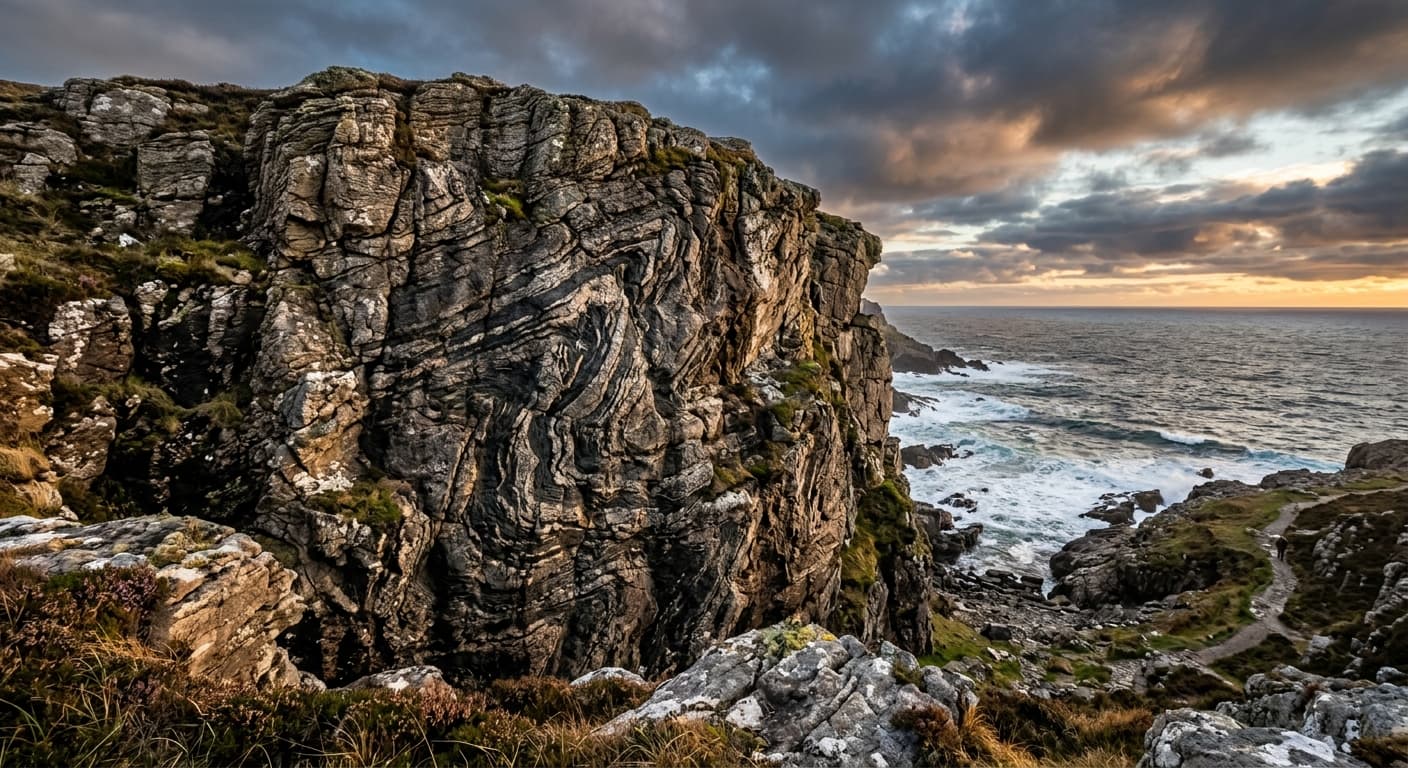
Outer Hebrides
The Outer Hebrides might lack towering Munros, but when your modest summit starts at sea level and stands completely exposed to Atlantic storms, height becomes rather irrelevant.
Peak District
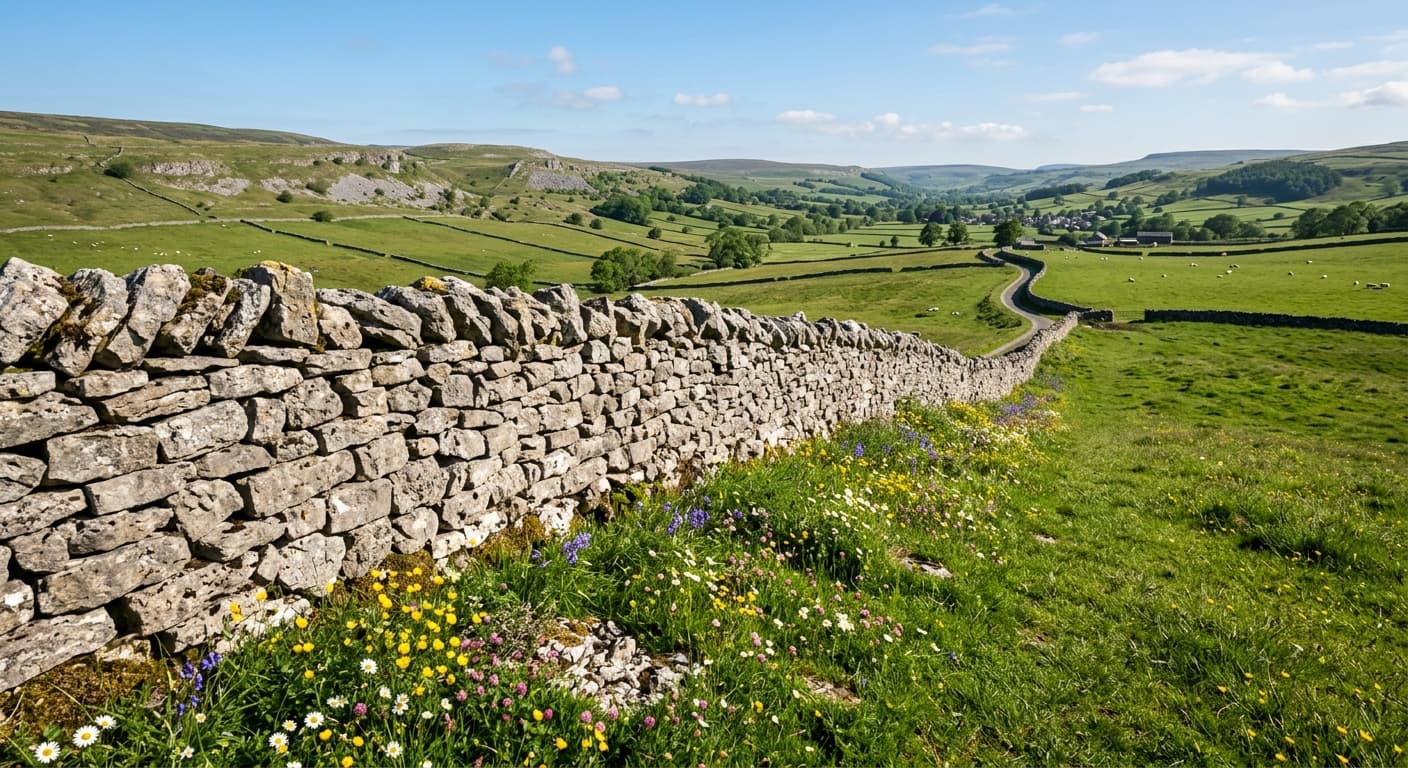
Britain's first national park splits neatly into two personalities — the wild gritstone moors of the Dark Peak in the north and the softer limestone dales of the White Peak in the south — offering everything from remote peat plateaux where paths vanish in cloud to dramatic valleys shaped by centuries of walking, climbing and a rather famous act of trespass.
Republic of Ireland
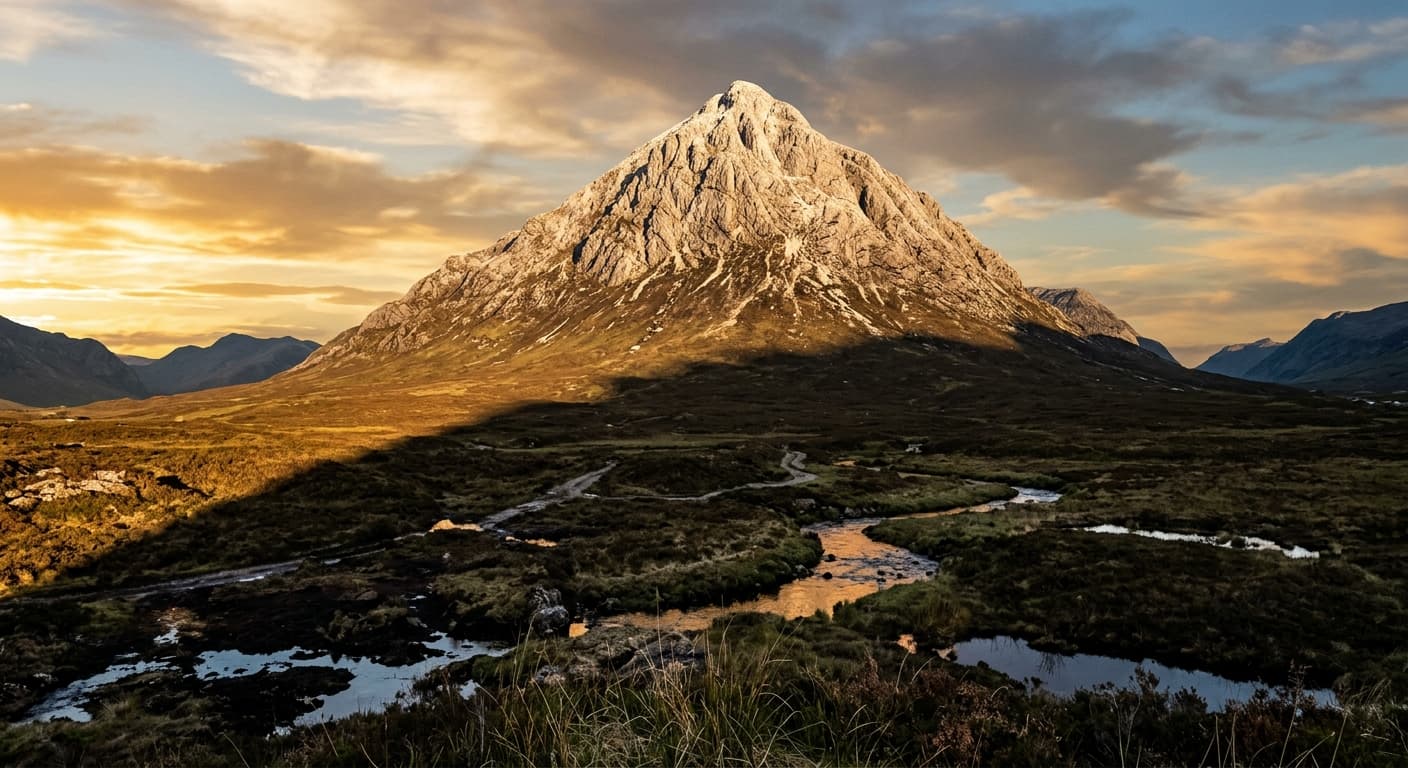
Atlantic mountains, broad peat uplands, glacial valleys and thousands of kilometres of waymarked walking trails.
Scotland
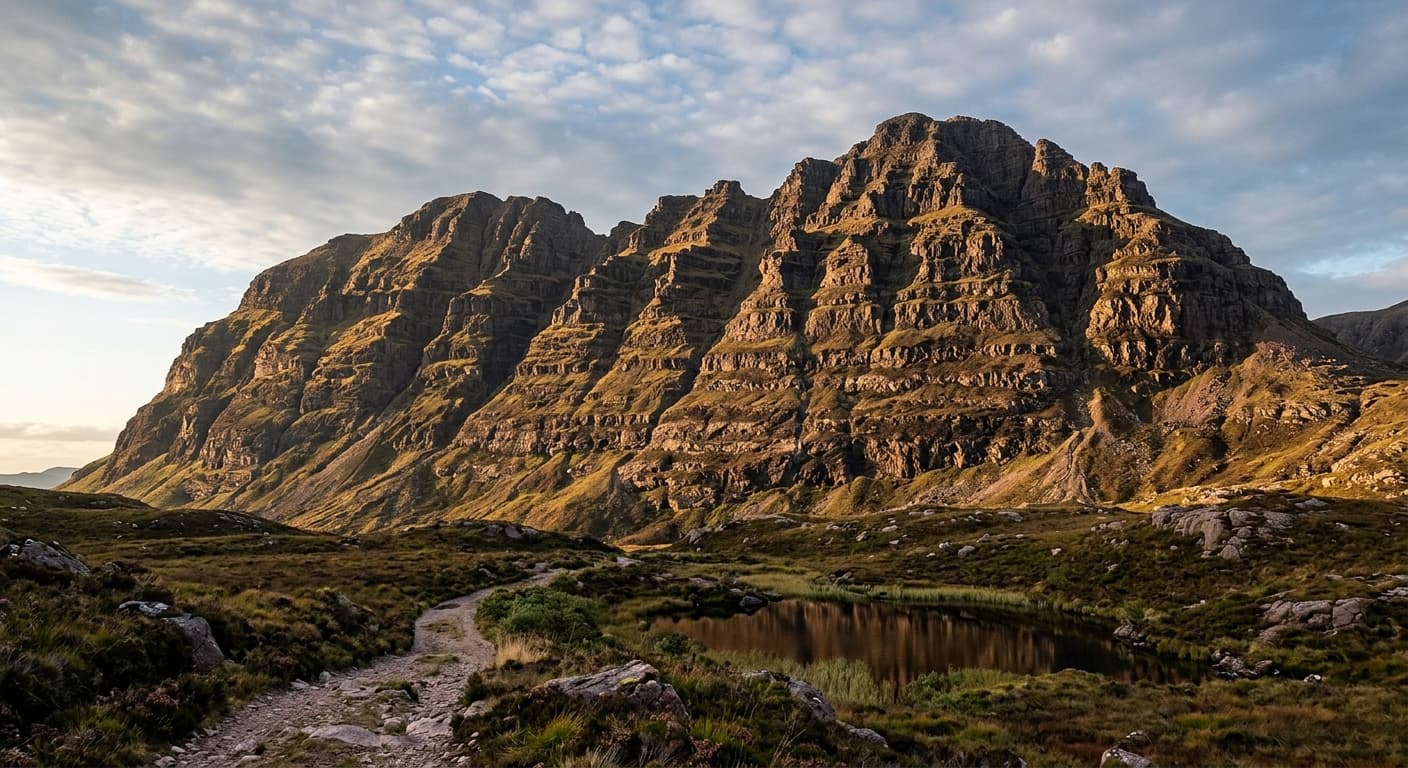
Scotland's mountains aren't just about ticking off the famous 282 Munros — though plenty do exactly that — but rather about choosing the kind of day you want, from Torridon's terraced sandstone giants to the quiet, rolling emptiness of the Southern Uplands. Whether you're after exposed ridges that demand scrambling skills or accessible hills where meeting another walker counts as an event, the country offers dozens of distinct mountain landscapes, each shaped by different rock, weather and remot
South West Wales
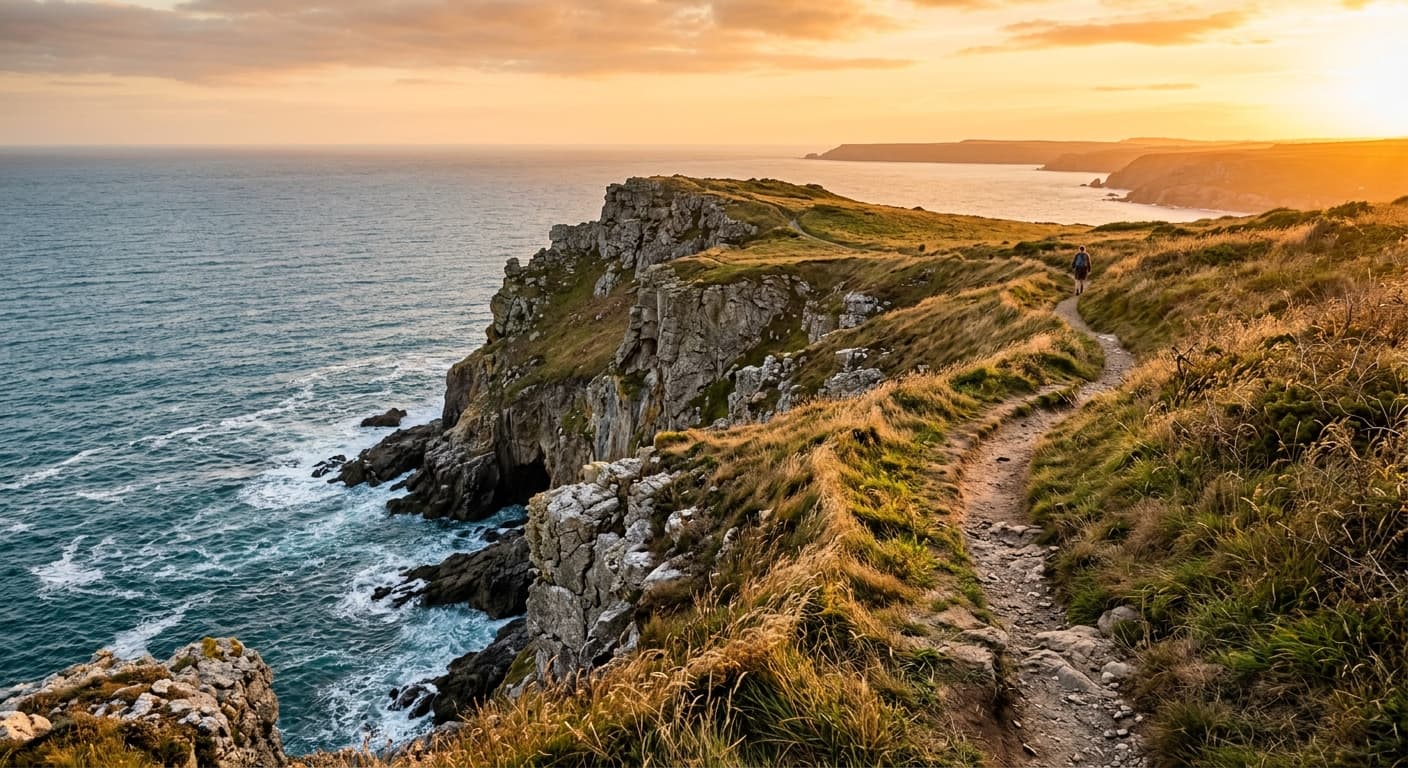
If you're after walking that feels genuinely old—prehistoric tracks, quiet moorland ridges and limestone headlands where the crowds haven't quite arrived—South West Wales offers exactly that, without requiring you to queue for the privilege.
Southern Uplands
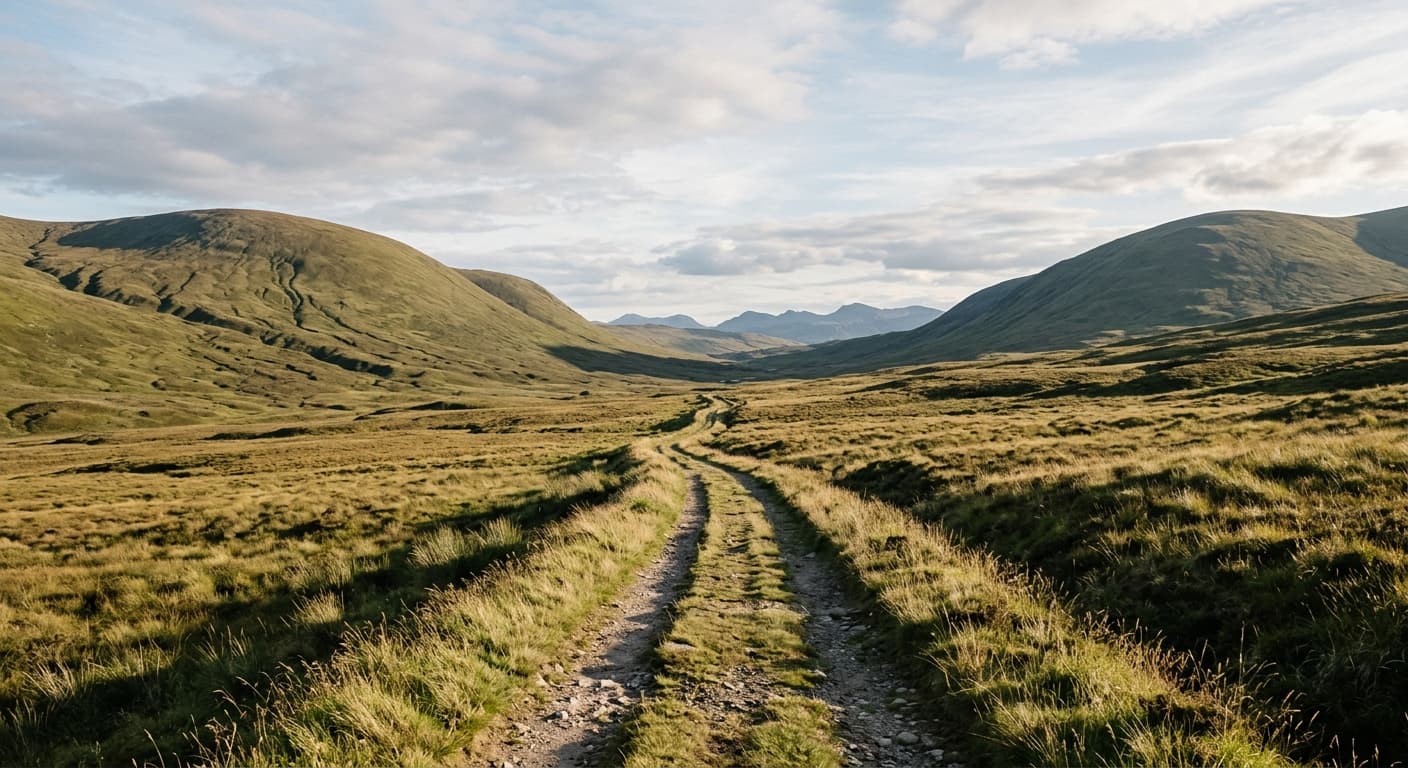
The Southern Uplands stretch from Galloway to the Borders, offering the kind of walking where another person on the hill genuinely counts as company. They lack the drama of the Highlands but make up for it with long, quiet ridges, proper remoteness and navigation that gets interesting when the mist drops. If you prefer your hills empty, your days long and your solitude uninterrupted, this is where Scotland does understatement rather well.
Wales
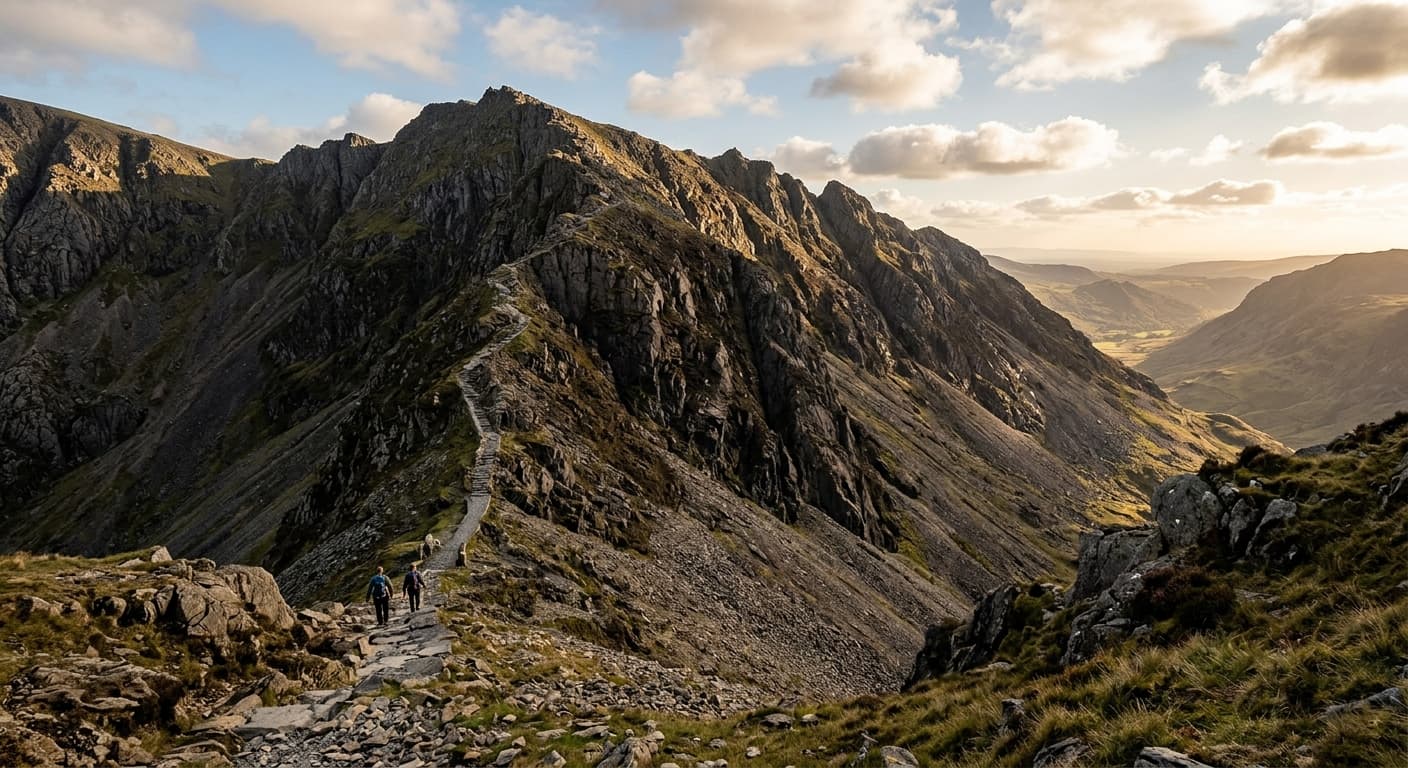
A country of high mountain ridges, remote uplands, ancient paths and almost 1,400 kilometres of walkable coastline.
Wicklow Mountains & Midlands
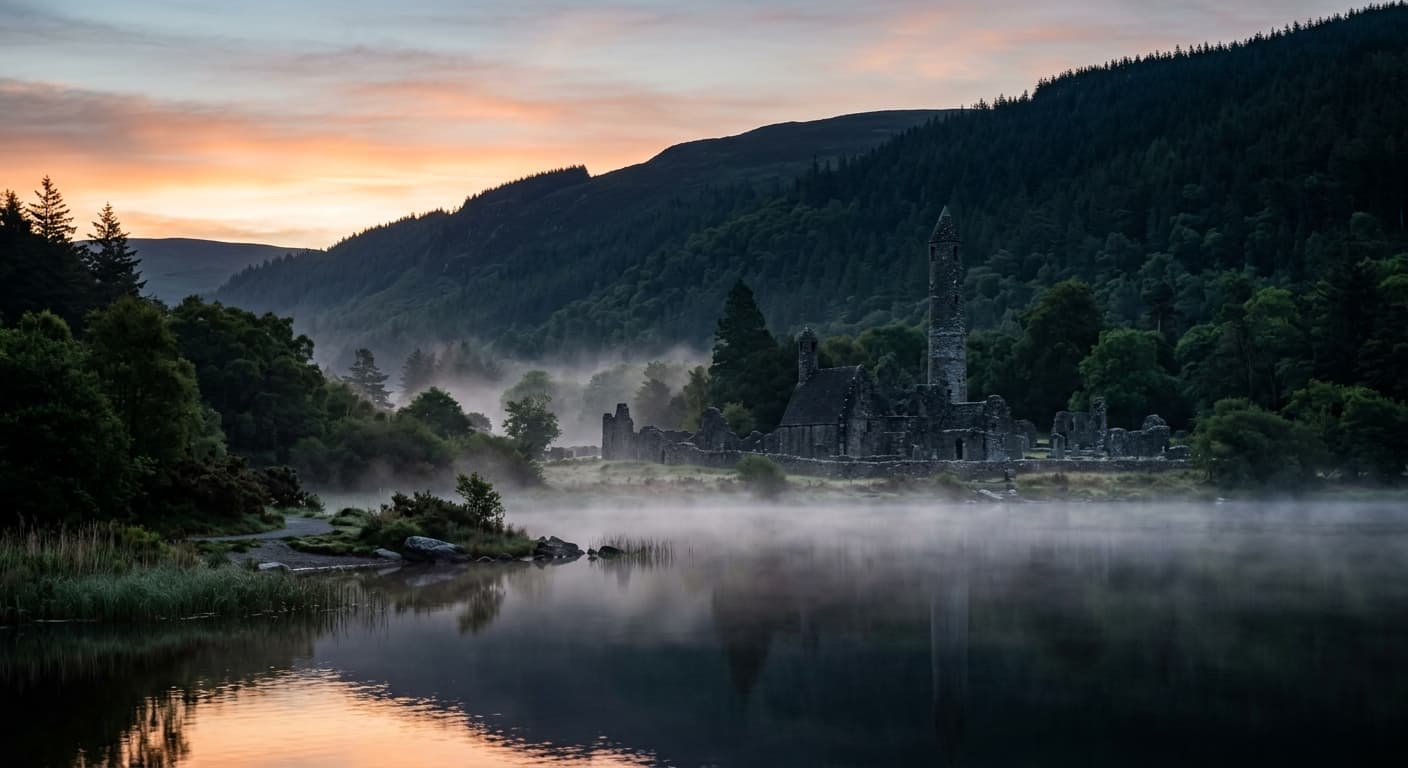
The Wicklow Mountains, Central Lowlands, and the Slieve Bloom Mountains of the Irish Midlands.
Yorkshire Dales & Moors
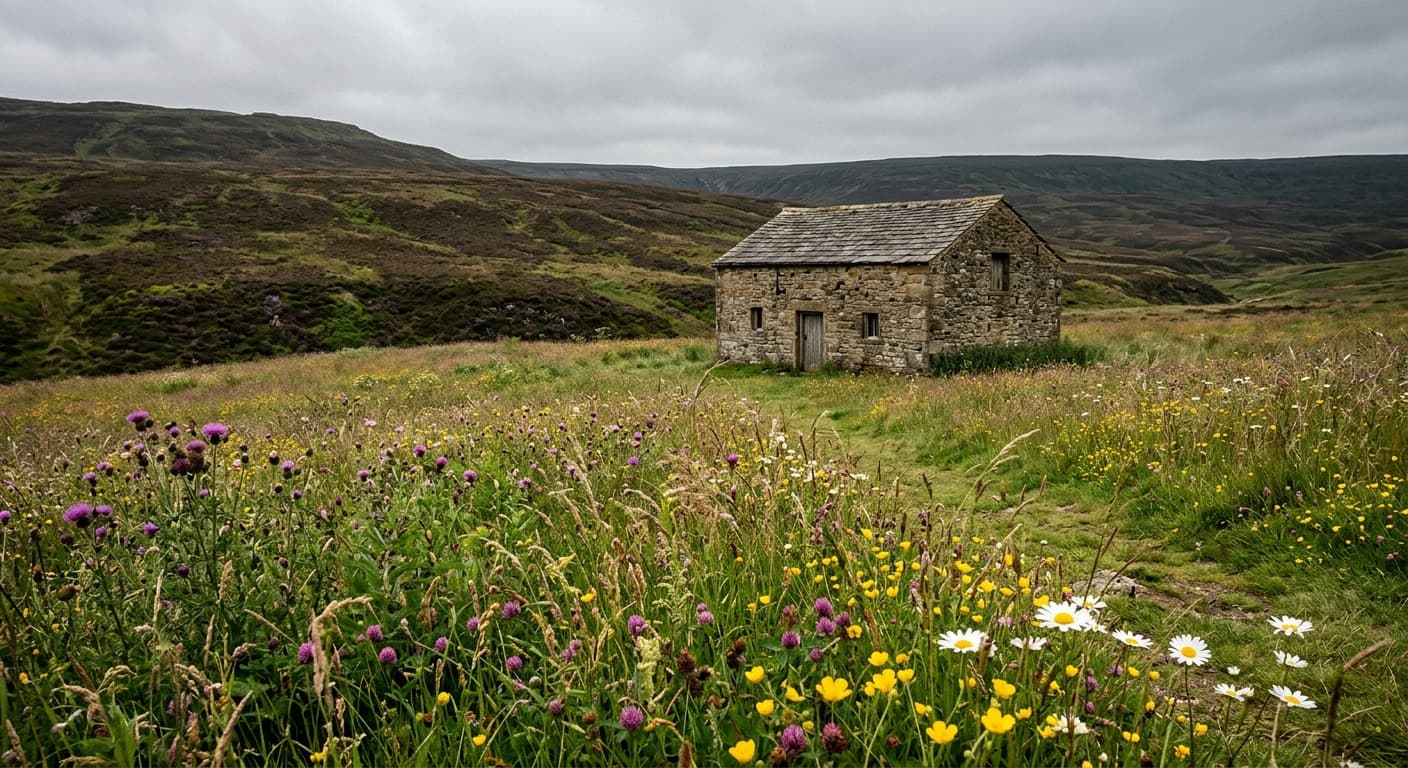
Yorkshire's two national parks give you limestone valleys that swallow rivers whole, heather moorland that goes on longer than expected, and a working landscape shaped by farmers and miners rather than conservation committees. Whether you're after the classic Three Peaks challenge or quieter routes through Swaledale's barns and meadows, this is walking that rewards going beyond the famous viewpoints—where Yorkshire turns out to be considerably bigger and rougher than it first appears.