14 guides
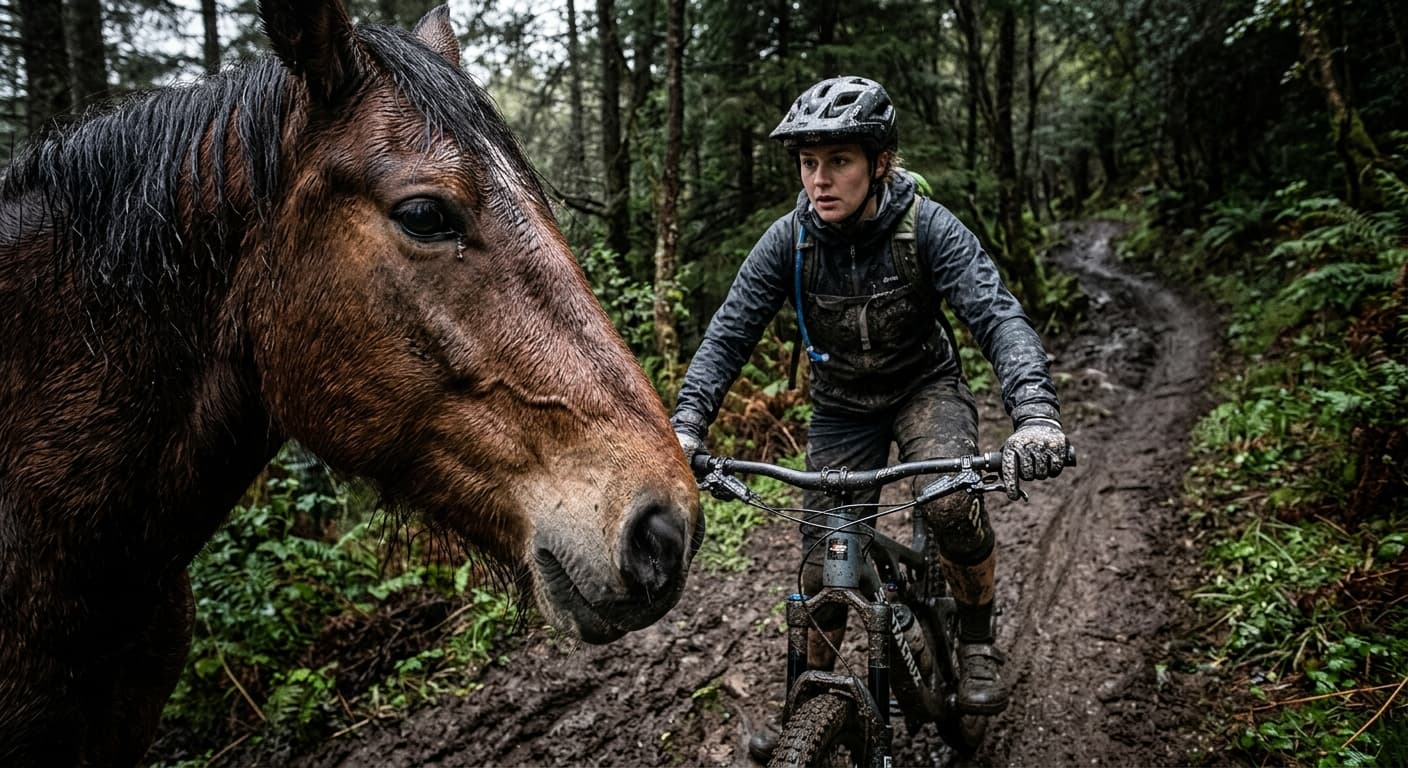
Who has right of way on a bridleway?
Turns out there's an actual pecking order on bridleways—cyclists are legally required to give way to both walkers and horses, which is useful to know before you go hurtling round a blind corner and discover a very large animal with opinions.
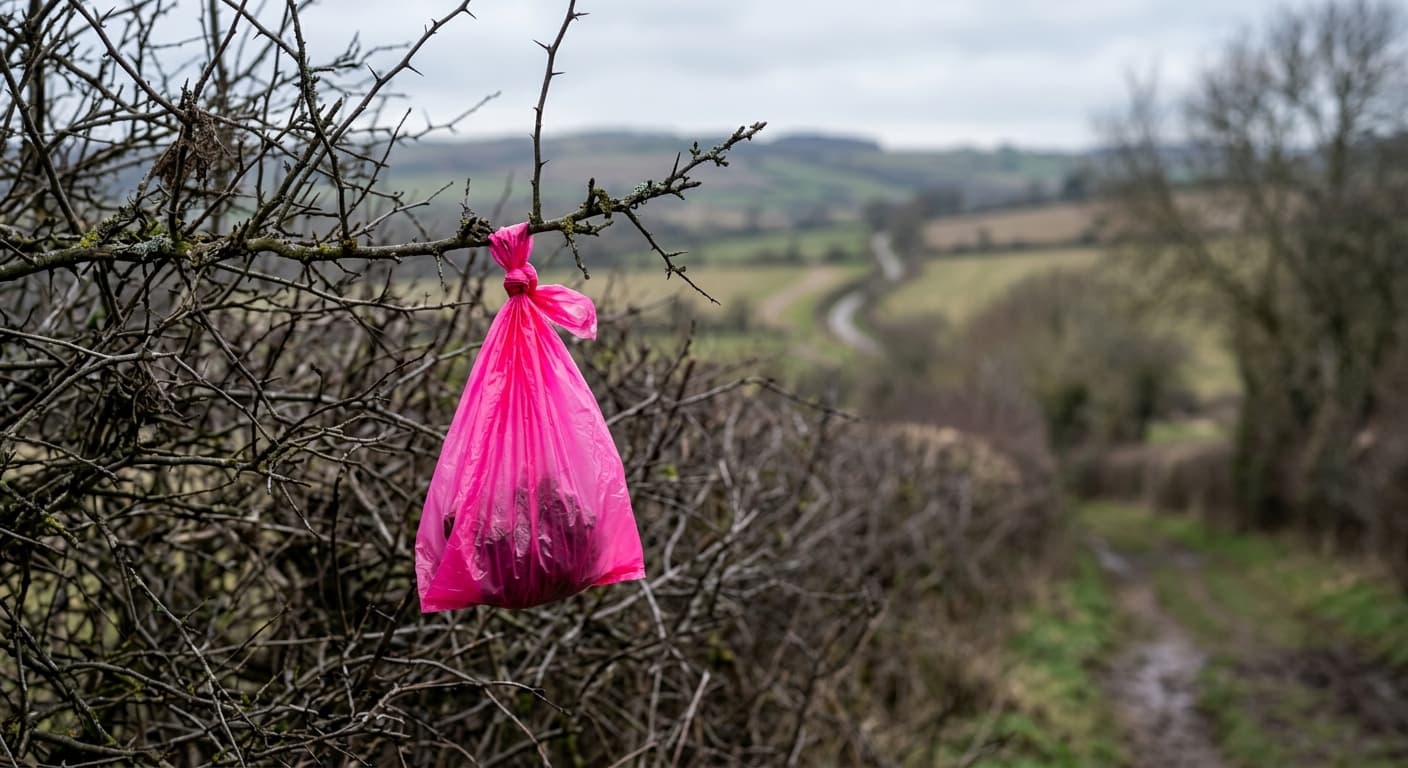
No bin? Take it home: why dog poo bags belong in your pocket, not a hedge
If you've ever wondered why Britain's hedgerows are festooned with neon poo bags like the world's worst bunting, here's a straightforward explanation of why the "I'll pick it up on the way back" excuse doesn't wash and what you're actually supposed to do instead.
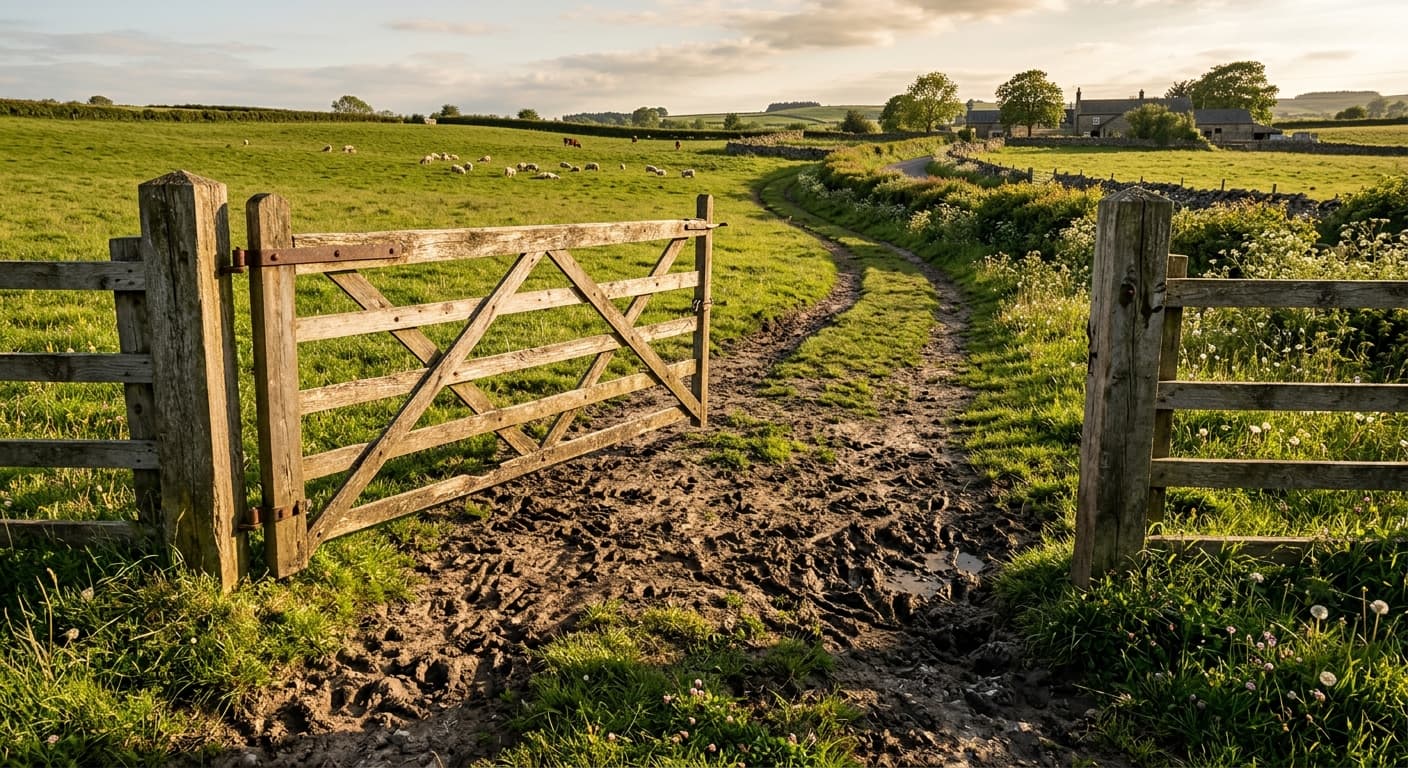
Why you shouldn't automatically close every gate you find in the countryside
The countryside rule about always closing gates behind you is actually wrong—the official Countryside Code says to leave them as you find them, because that open gate might be deliberately open for livestock movement, water access, or a dozen other reasons you'll never see.
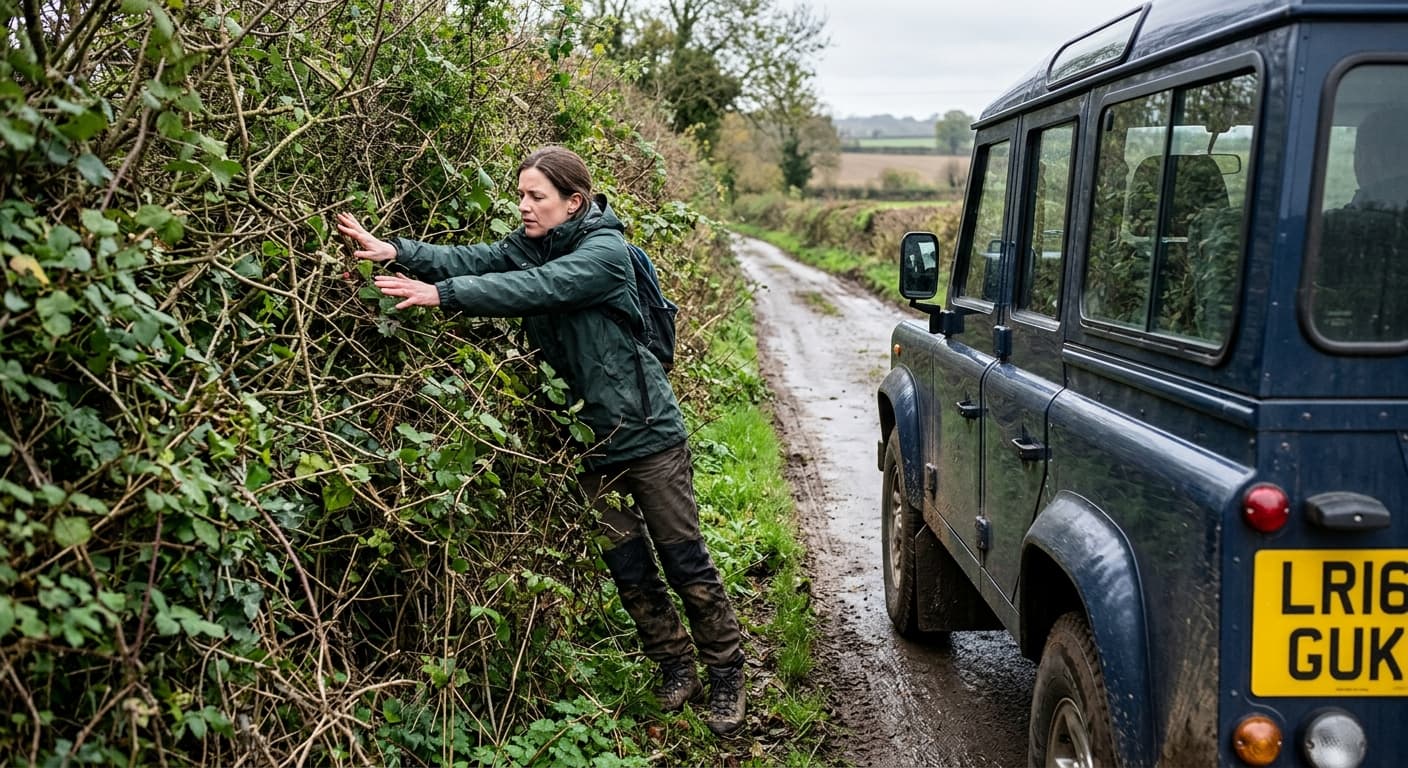
Which side of the road should you walk on in the countryside?
If you've ever found yourself ambling down a country lane wondering whether you should be facing the oncoming Land Rover or letting it surprise you from behind, the answer is firmly the former – walking on the right-hand side means you can at least see what's about to flatten you and take appropriate hedge-diving action.
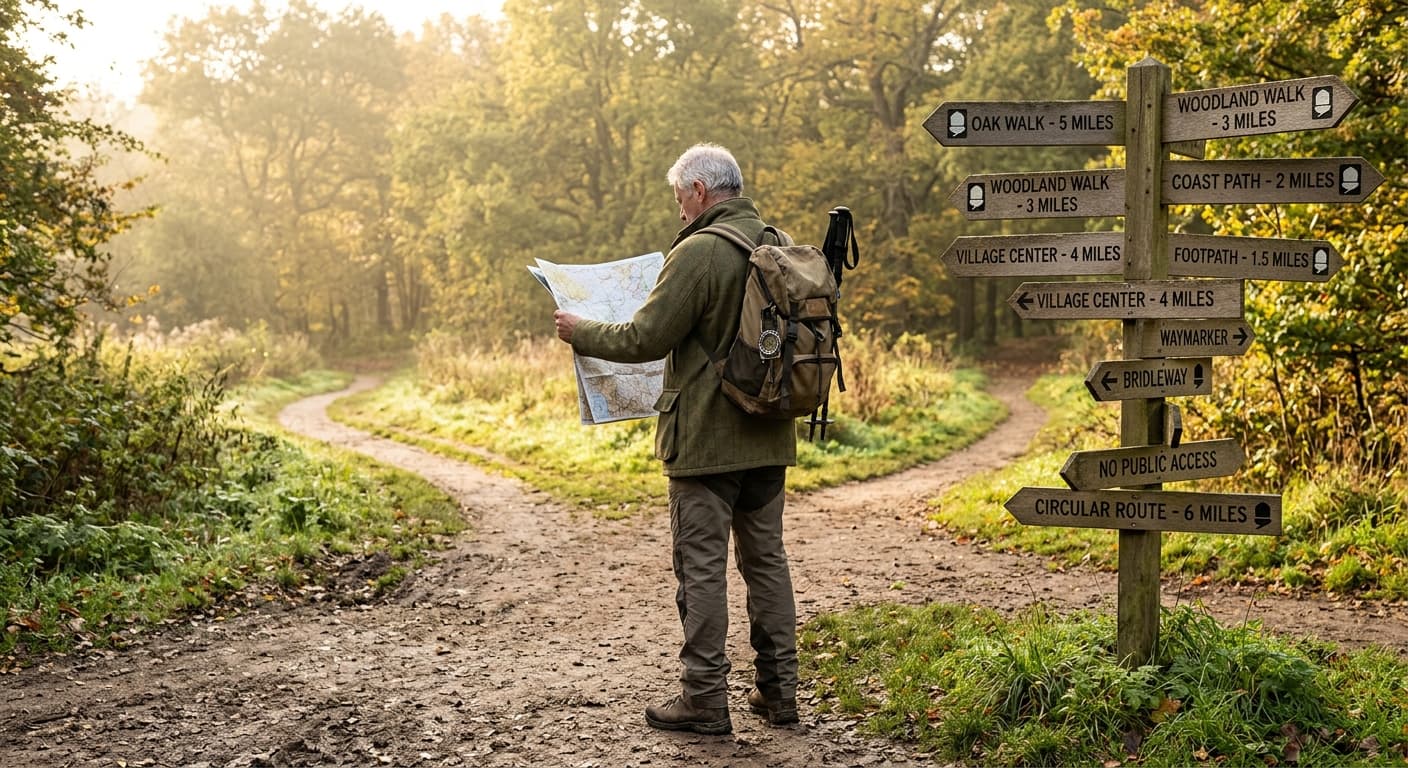
What the acorn waymark actually means
That little acorn symbol on British footpath signs isn't decorative — it means you're on a National Trail, one of seventeen officially designated long-distance routes through England and Wales. But here's the catch: whilst it confirms you're on the right path, it doesn't actually tell you whether you're allowed to cycle it, ride it, or push a wheelchair along it. Turns out there's rather more to a simple acorn than you'd think.
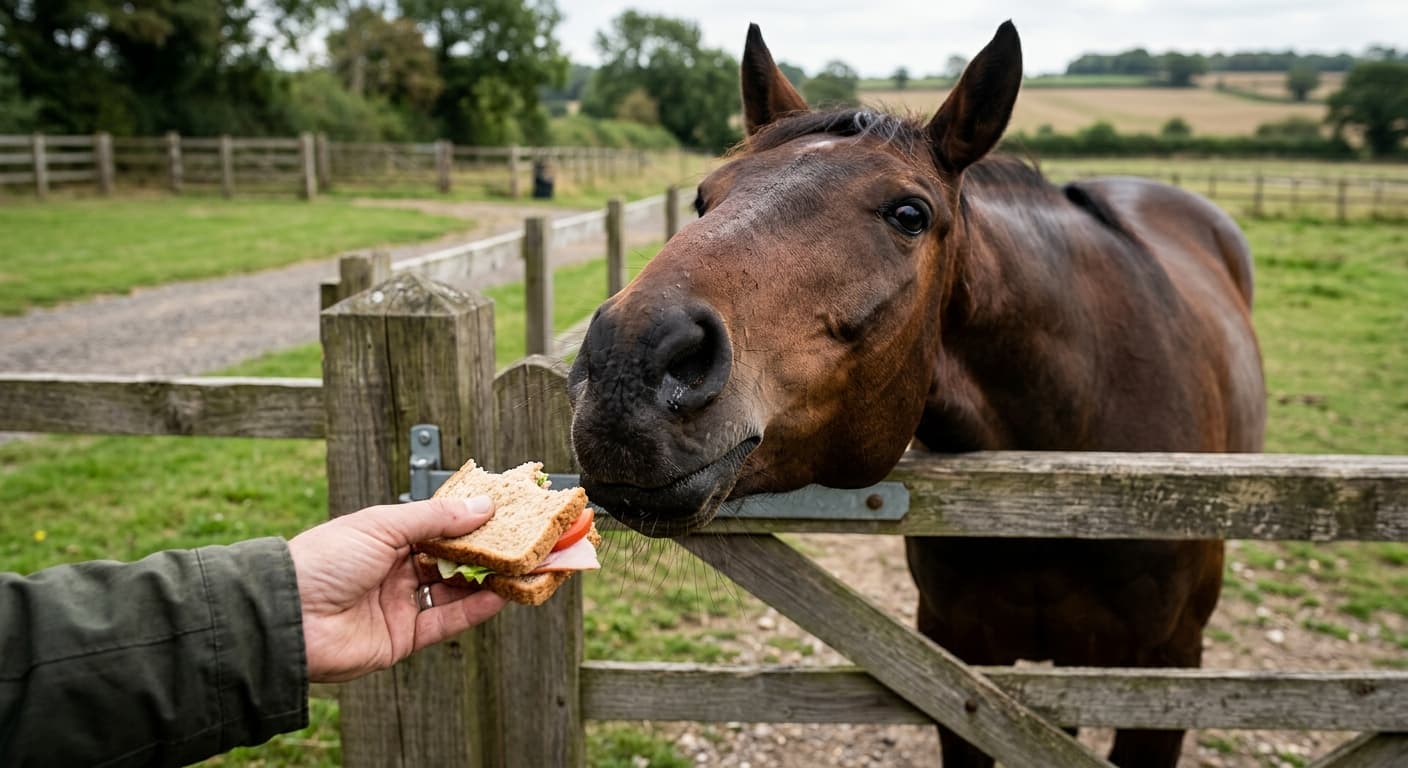
Why you shouldn't feed animals in the countryside
That horse leaning over the fence looks keen on your sandwich, but the Countryside Code says don't feed livestock, horses or wild animals — it can harm them. Also worth knowing: keep your distance from all animals out there, because they can be unpredictable, particularly when they've got young ones about.
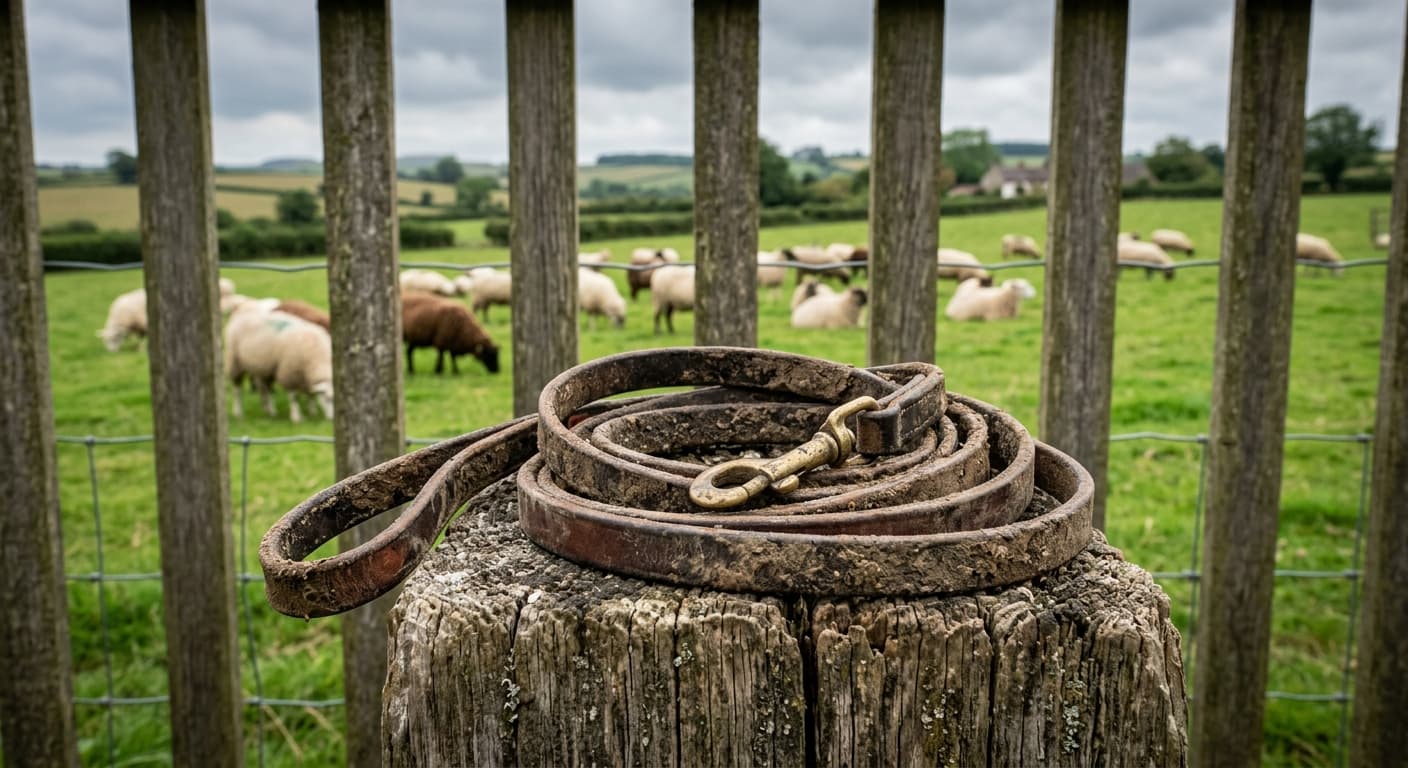
When Your Dog Actually Needs to Be on a Lead (Whether You Agree or Not)
The rules aren't quite as simple as 'my dog's friendly, so it's fine' — they change depending on where you're walking, what time of year it is, and whether there happen to be sheep in the next field. Ground-nesting birds get legal protection from March to July, livestock areas require leads all year round, and some access land doesn't want your dog there at all. Assuming 'under control' just means they'll probably come back when you shout can land you in trouble, and everyone else in a mess.
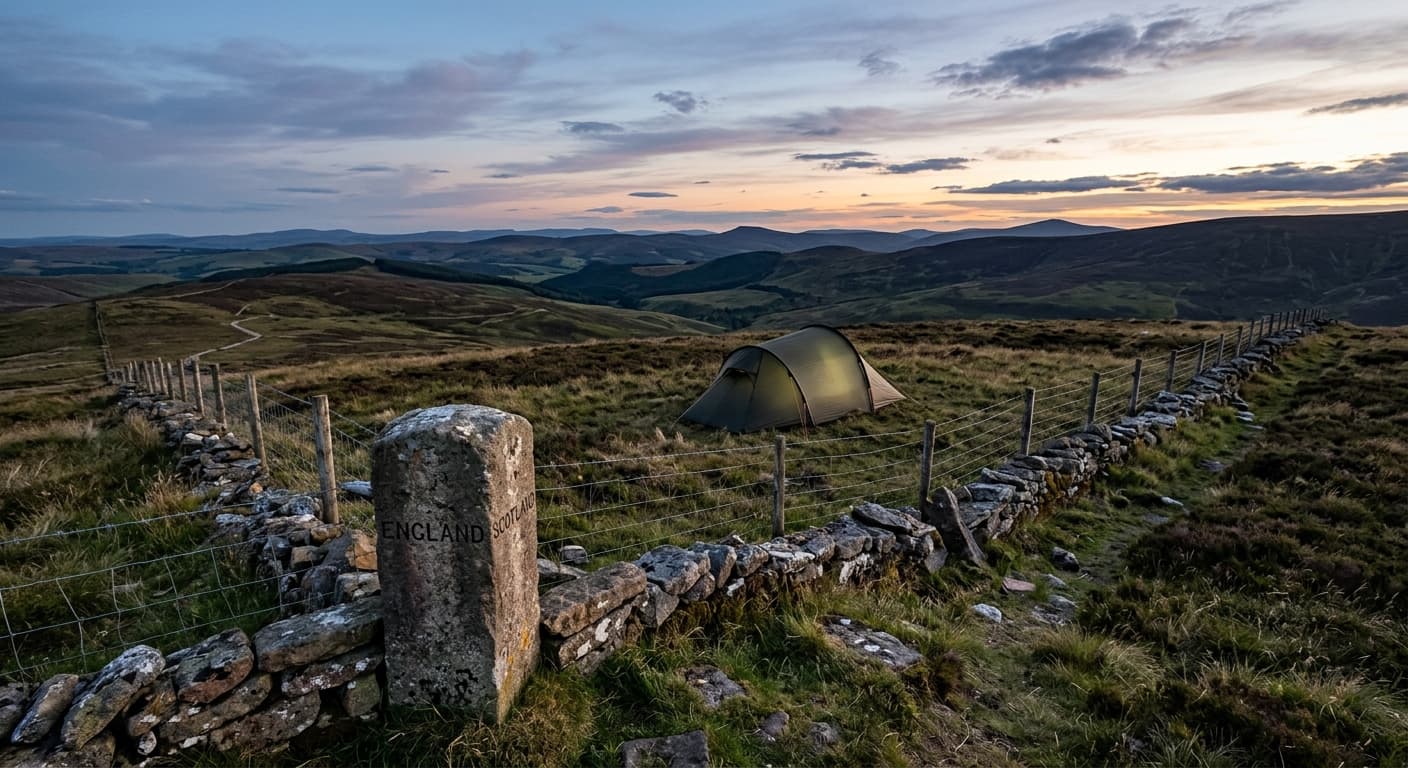
The Wild Camping Grey Area: Where You Can, Where You Can't, and Why Scotland's Different
Britain's wild camping laws are a proper muddle: you generally need permission in England and Wales, Dartmoor's commons offer a genuine legal right to pitch, and Scotland grants access across most land under its own statute. The confusion comes from assuming that permission to walk somewhere includes permission to sleep there, which it usually doesn't, and the legal ground shifts beneath your boots without so much as a signpost to warn you.
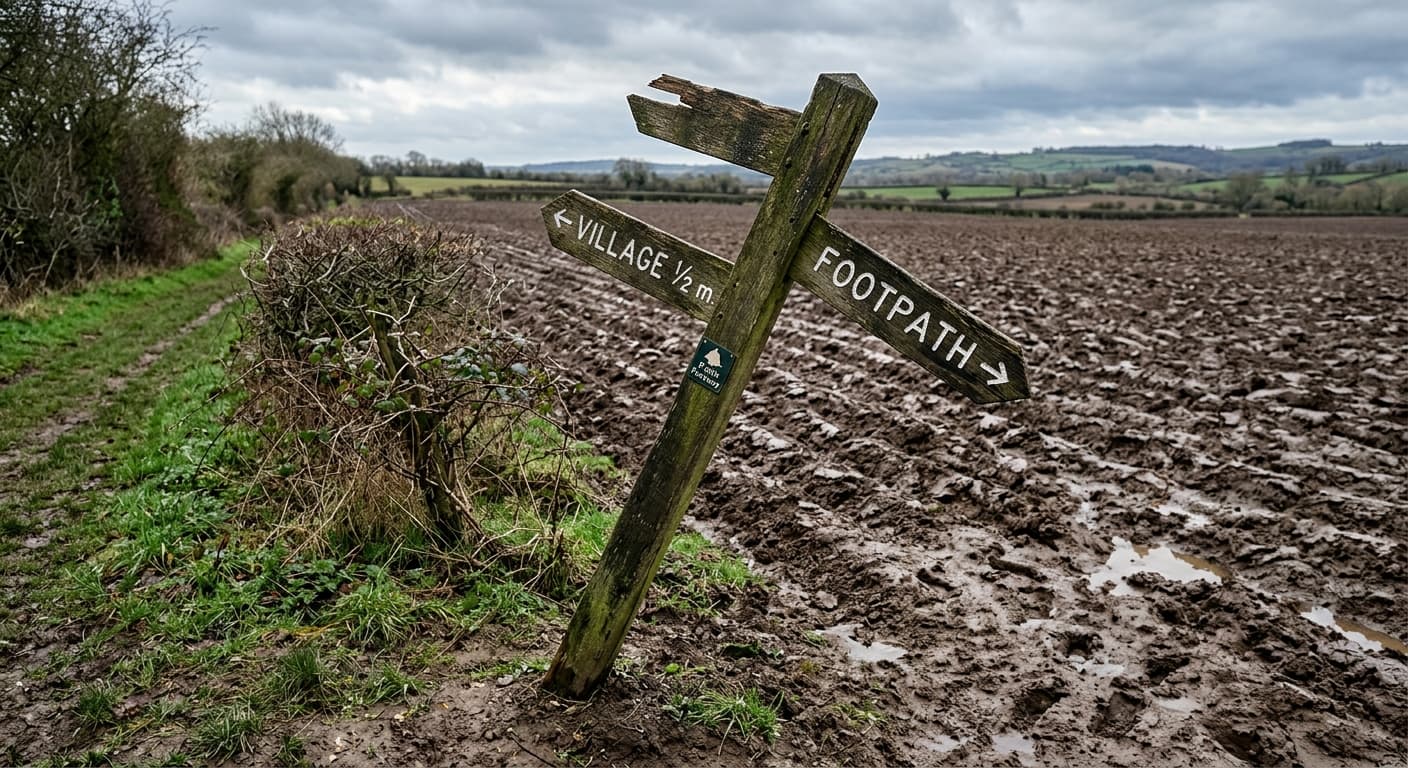
What to Actually Do When a Farmer Tells You You're Trespassing
Sometimes you are trespassing, sometimes the path is legitimately diverted, and sometimes farmers are simply wrong about where rights of way run. How you respond determines whether it becomes a polite correction or a police matter, and knowing the law helps more than getting defensive.
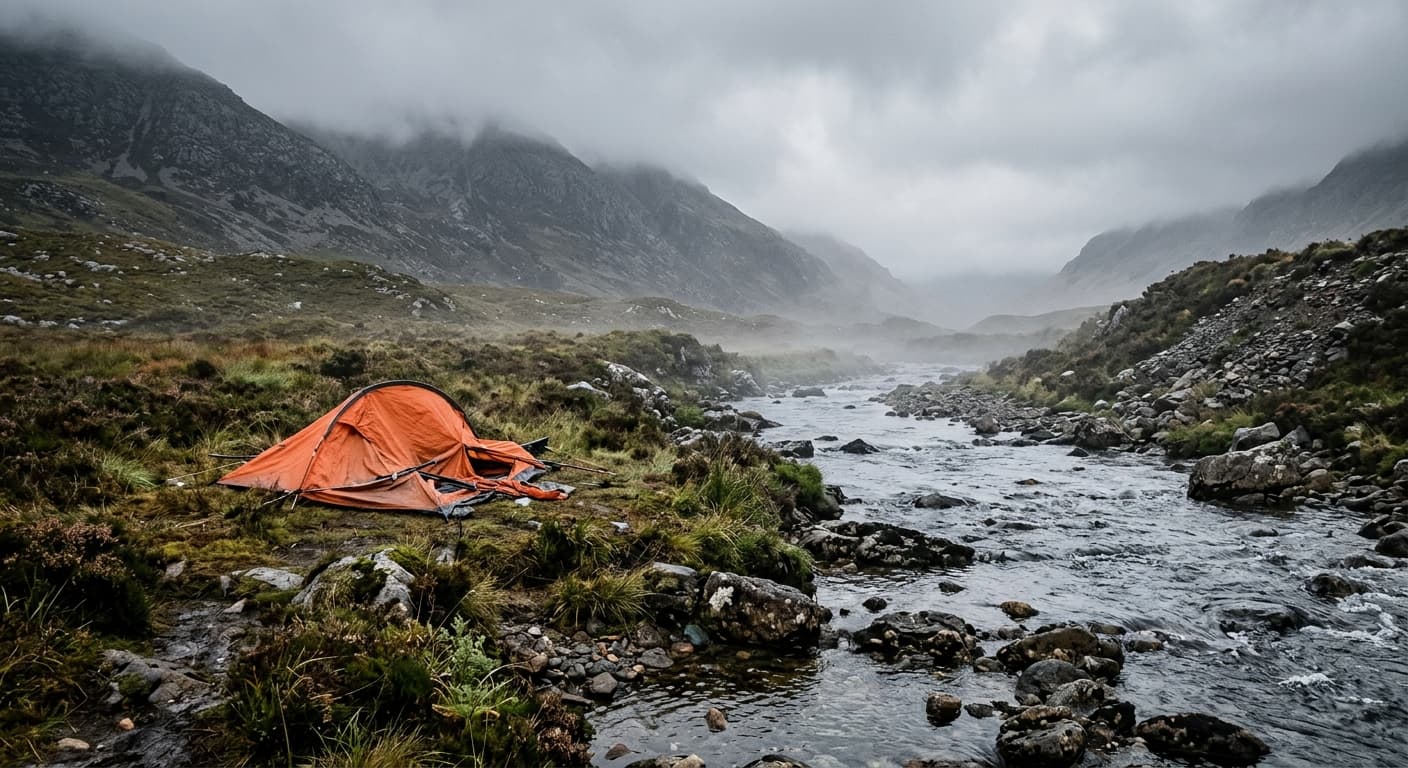
Leave No Trace
Leave No Trace is a set of outdoor ethics designed to minimise human impact on wild places — plan ahead, stay on trail, pack out rubbish, leave what you find, minimise campfire impact, respect wildlife, and be considerate of others. It originated in American wilderness but translates unevenly to Britain's managed countryside.
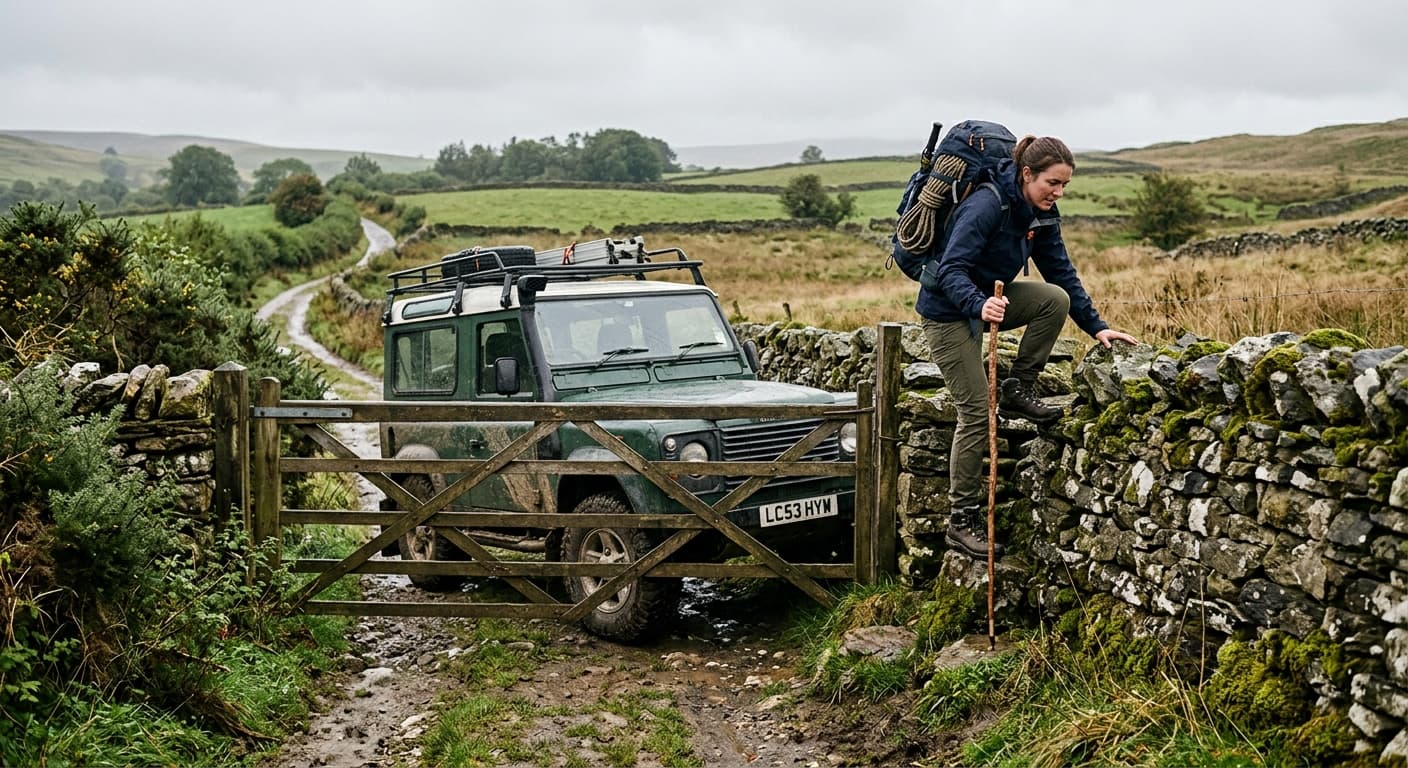
Respect Other People
Respecting other people in the countryside means keeping dogs under control, closing gates behind you, not blocking paths or access points, and generally not being the person who ruins someone else's walk. Most of it is common sense, but knowing the specifics helps avoid awkward encounters with farmers, horse riders, and fellow walkers.
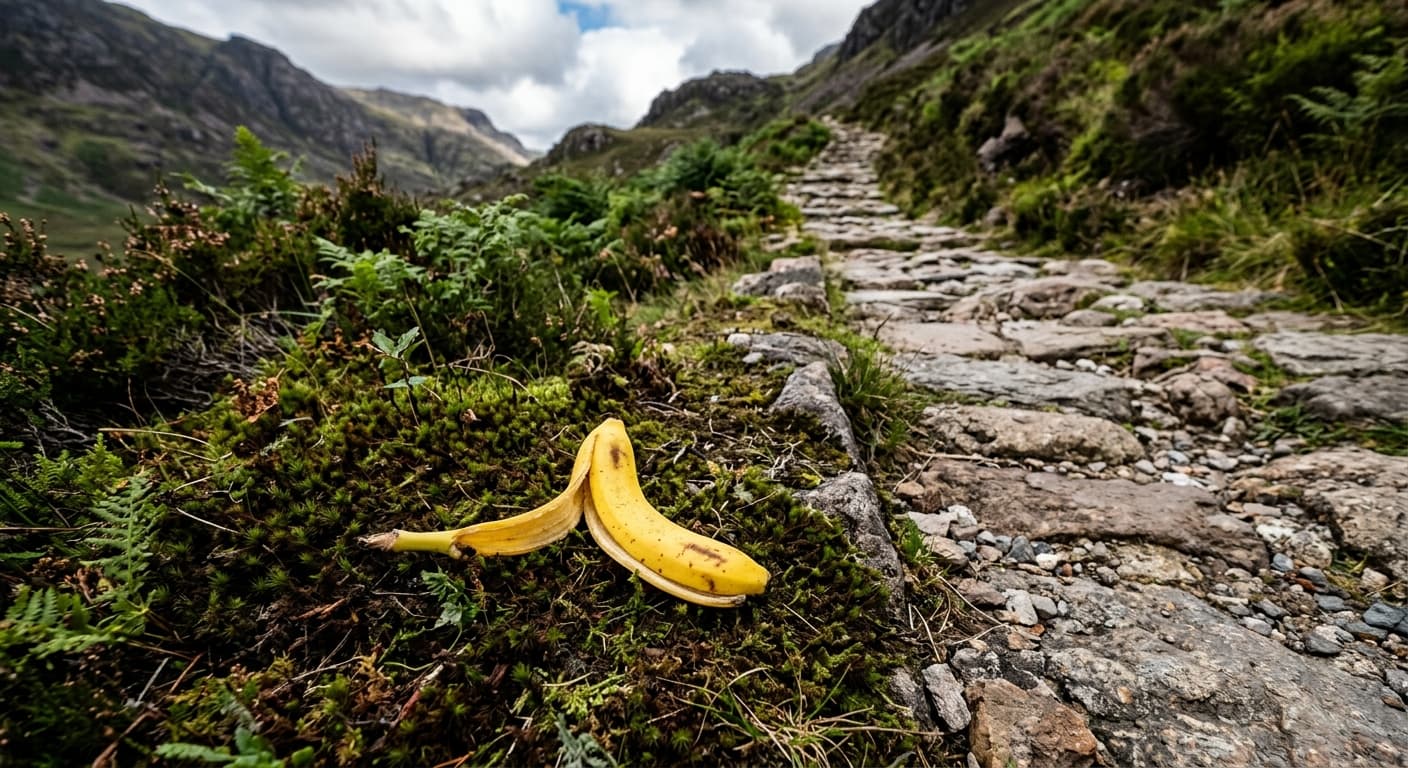
Protect the Natural Environment
Protecting the natural environment covers using marked paths and durable ground where required to prevent erosion, taking all litter home (including organic waste like banana skins), not picking flowers or disturbing wildlife, and leaving gates and stones exactly as you found them. It's about making sure the countryside looks the same after you've walked through it.
Enjoy the Outdoors Responsibly
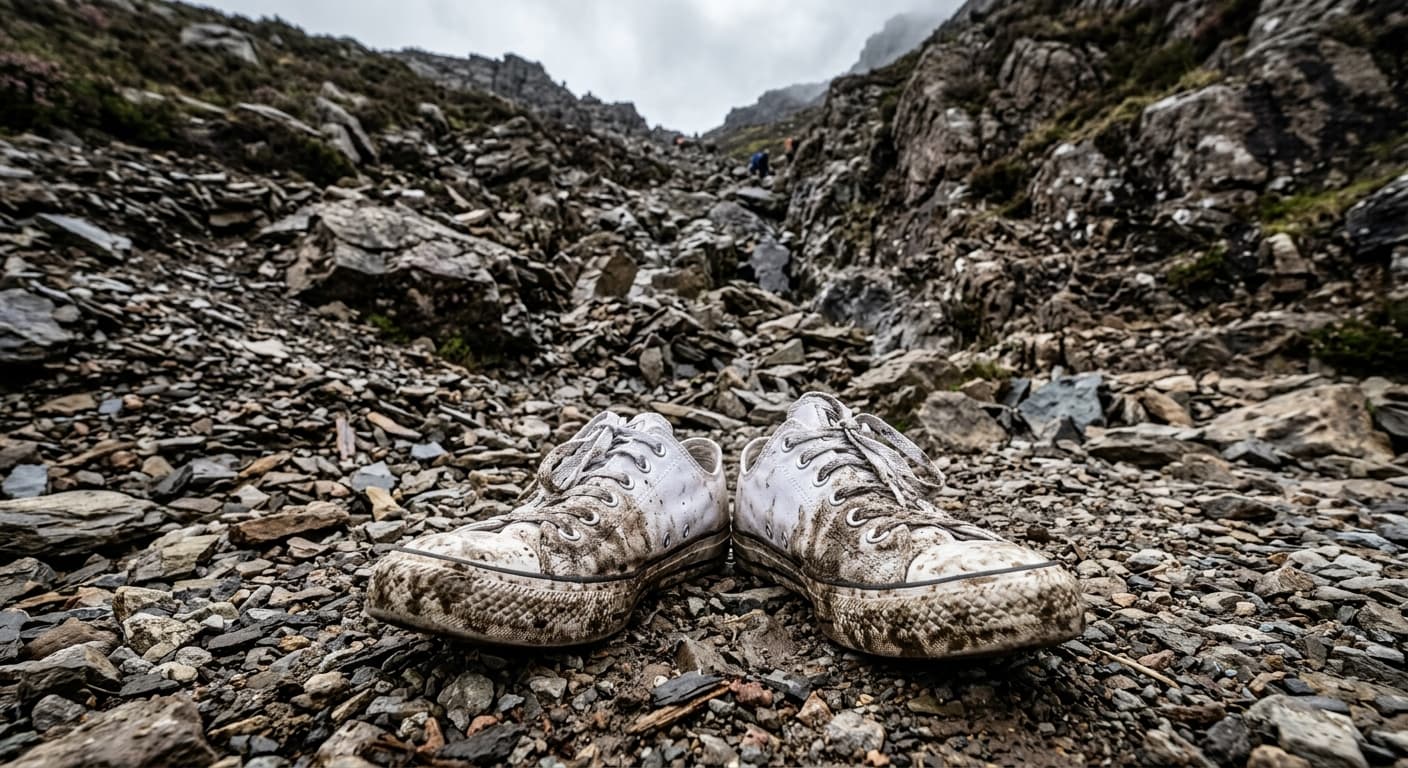
Enjoying the outdoors responsibly means planning routes within your ability, checking weather and access restrictions, following local signs and bylaws, and knowing what to do if things go wrong. It's the part of the Countryside Code that keeps you safe and legal rather than just polite or tidy.
What Is The Countryside Code?
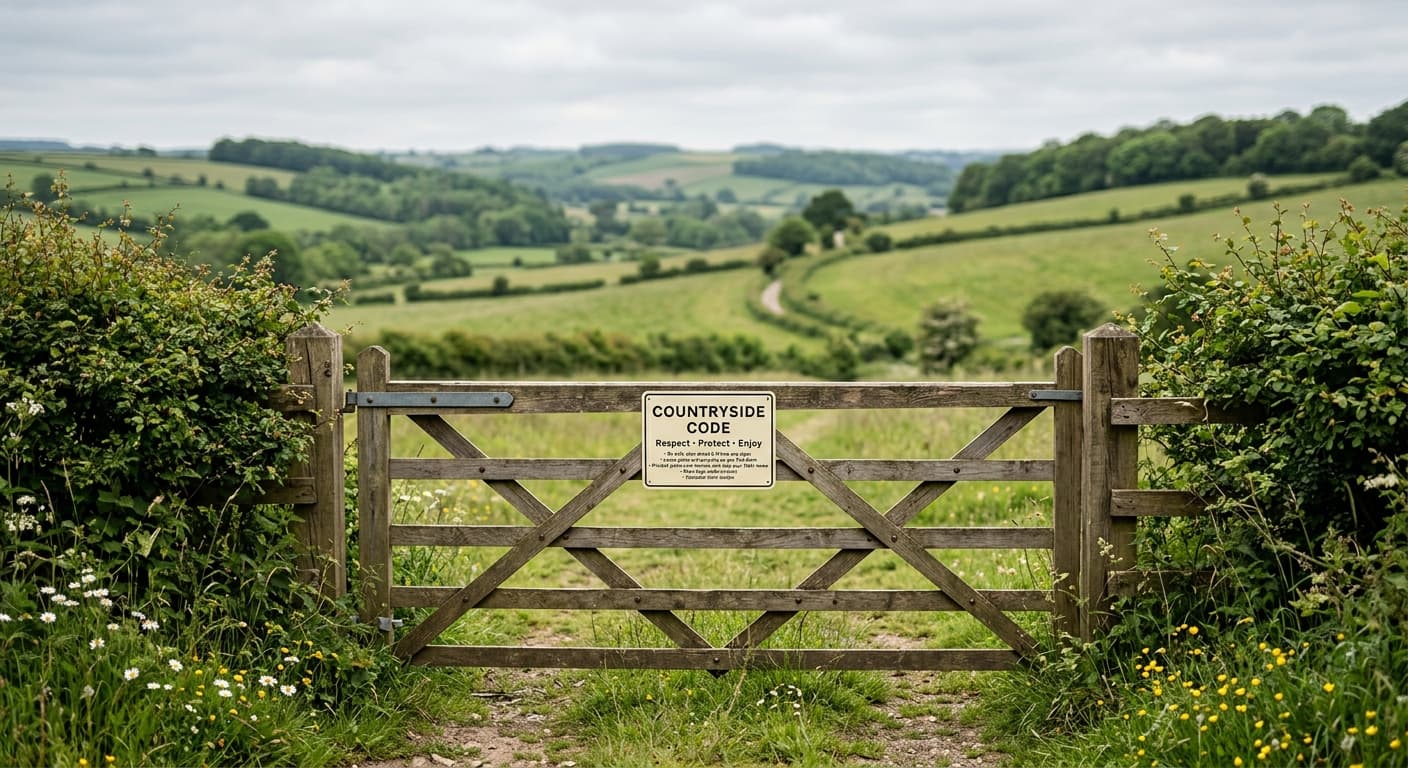
The Countryside Code is the official guidance for anyone visiting the English and Welsh countryside — respect other people, protect the natural environment, and enjoy the outdoors responsibly. It's not legally binding, but several of the behaviours it describes are.