The Beara Mountains
Rocky Atlantic ridges
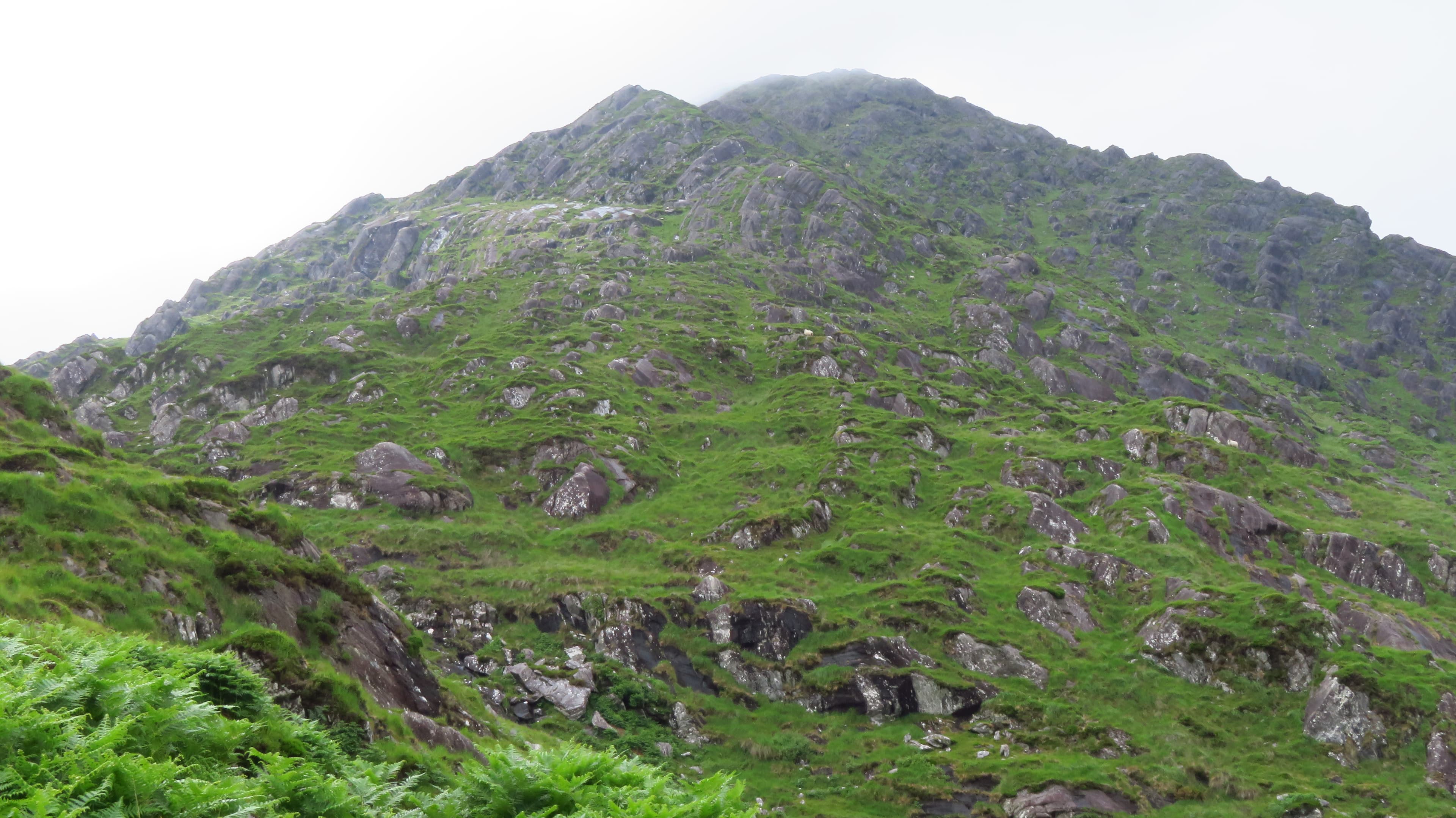
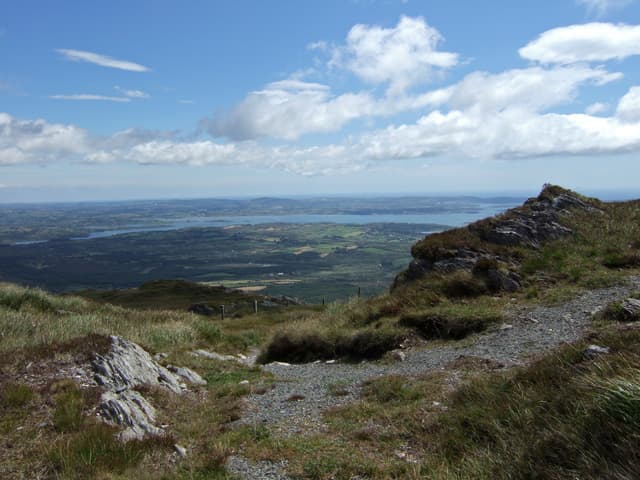
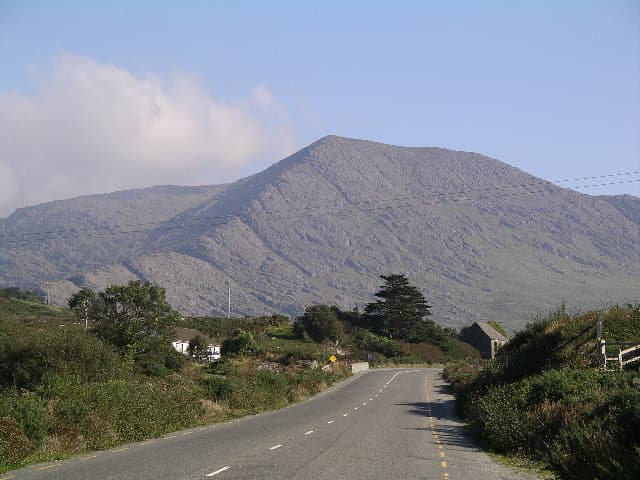
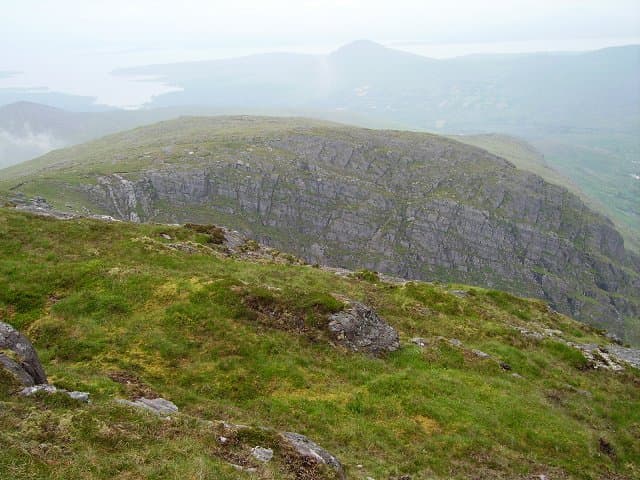
Hungry Hill, Knockowen and Sugarloaf Mountain form a rugged spine above Bantry Bay, combining rough sandstone, glacial corries and extensive coastal views.
Region guide
“A circular route through magnificently rugged mountain and seacoast scenery.”
— Sport Ireland, Ireland’s national body for sport and outdoor recreation, describing the Beara Way
Highest Mountain
Knockboy — 706mHighest Caha Summit
Hungry Hill — 685mBeara Way
242kmSheep’s Head Way
93kmThree Atlantic Peninsulas
Beara, Sheep’s Head and MizenIreland’s Only Cable Car
The Crossing to Dursey IslandAbout the region
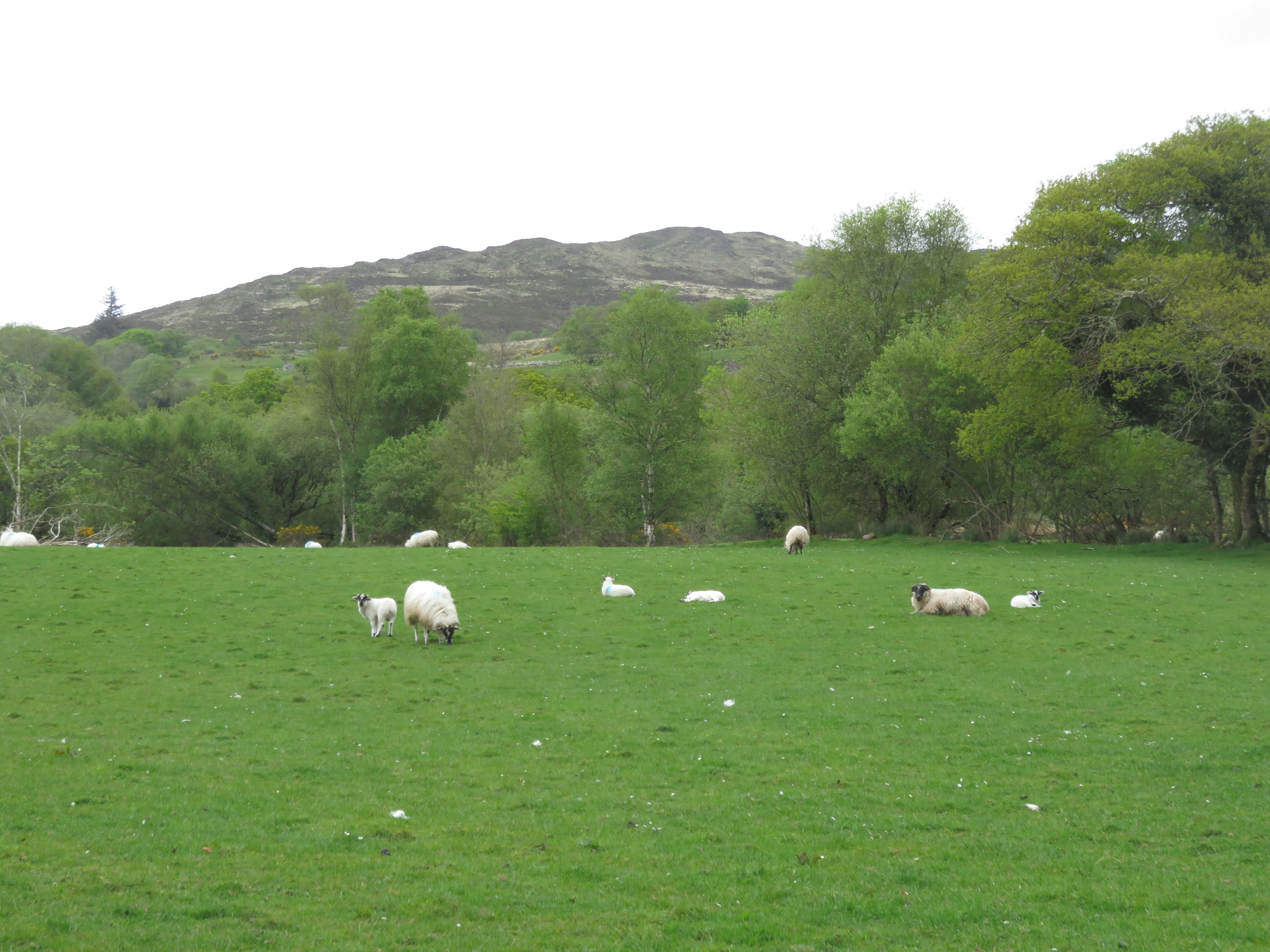
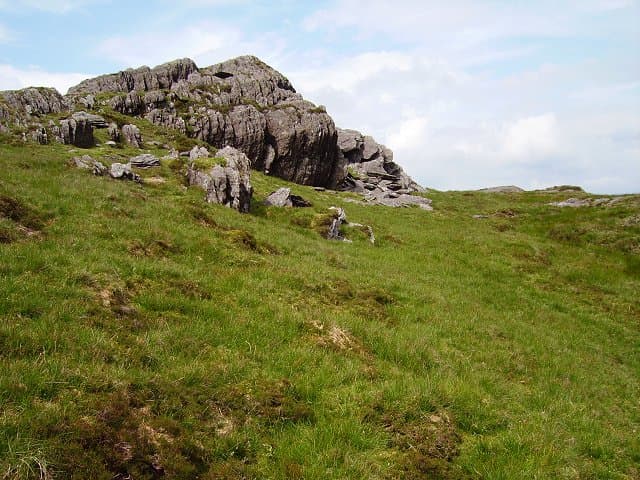
Cork’s finest walking country lies west of the city, where long sandstone ridges divide a succession of narrow Atlantic peninsulas. Beara carries the highest and most rugged mountains. Hungry Hill rises abruptly above Castletownbere, its rocky terraces, corries and waterfalls creating much tougher ground than its height suggests. Knockowen and Sugarloaf Mountain continue the Caha range eastwards towards the twisting road over the Healy Pass.
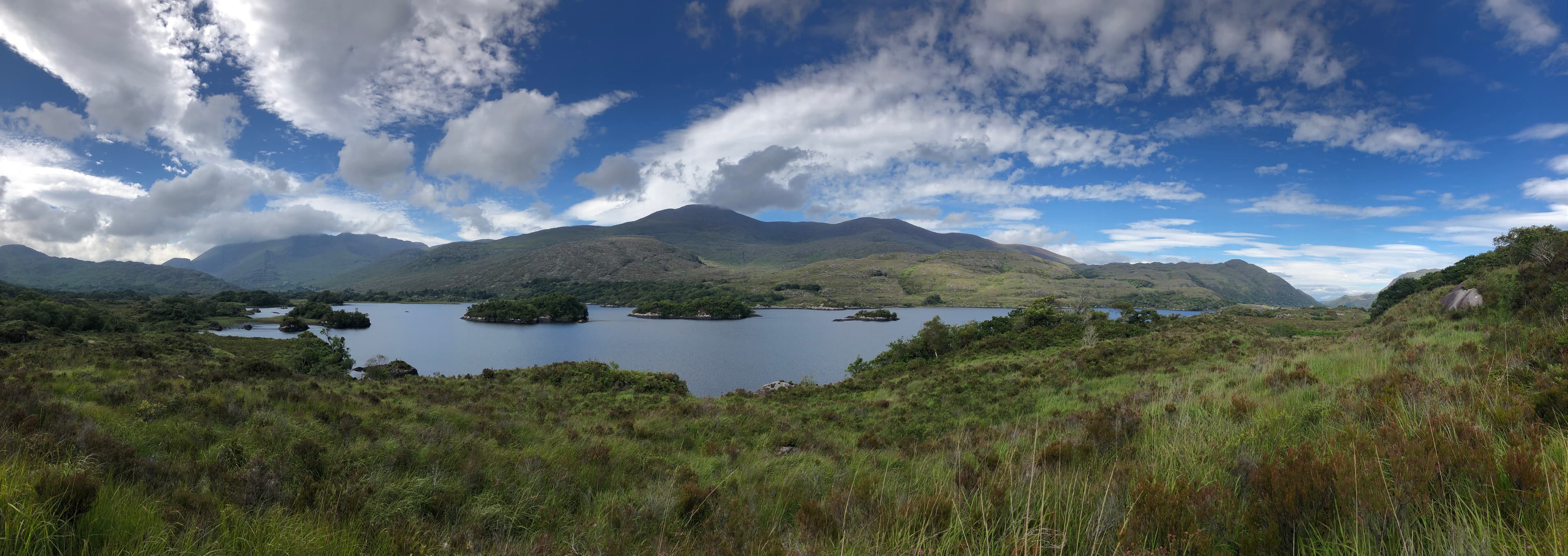
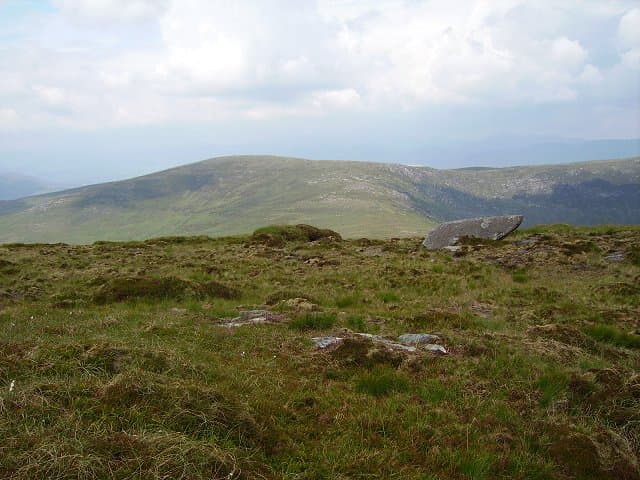
North of Bantry, the Shehy Mountains are broader, quieter and considerably wetter. Knockboy, the highest mountain in County Cork, stands above a remote landscape of blanket bog, forestry and scattered lakes. Nearby Gougane Barra provides shorter woodland and upland walks around the valley where the River Lee begins.
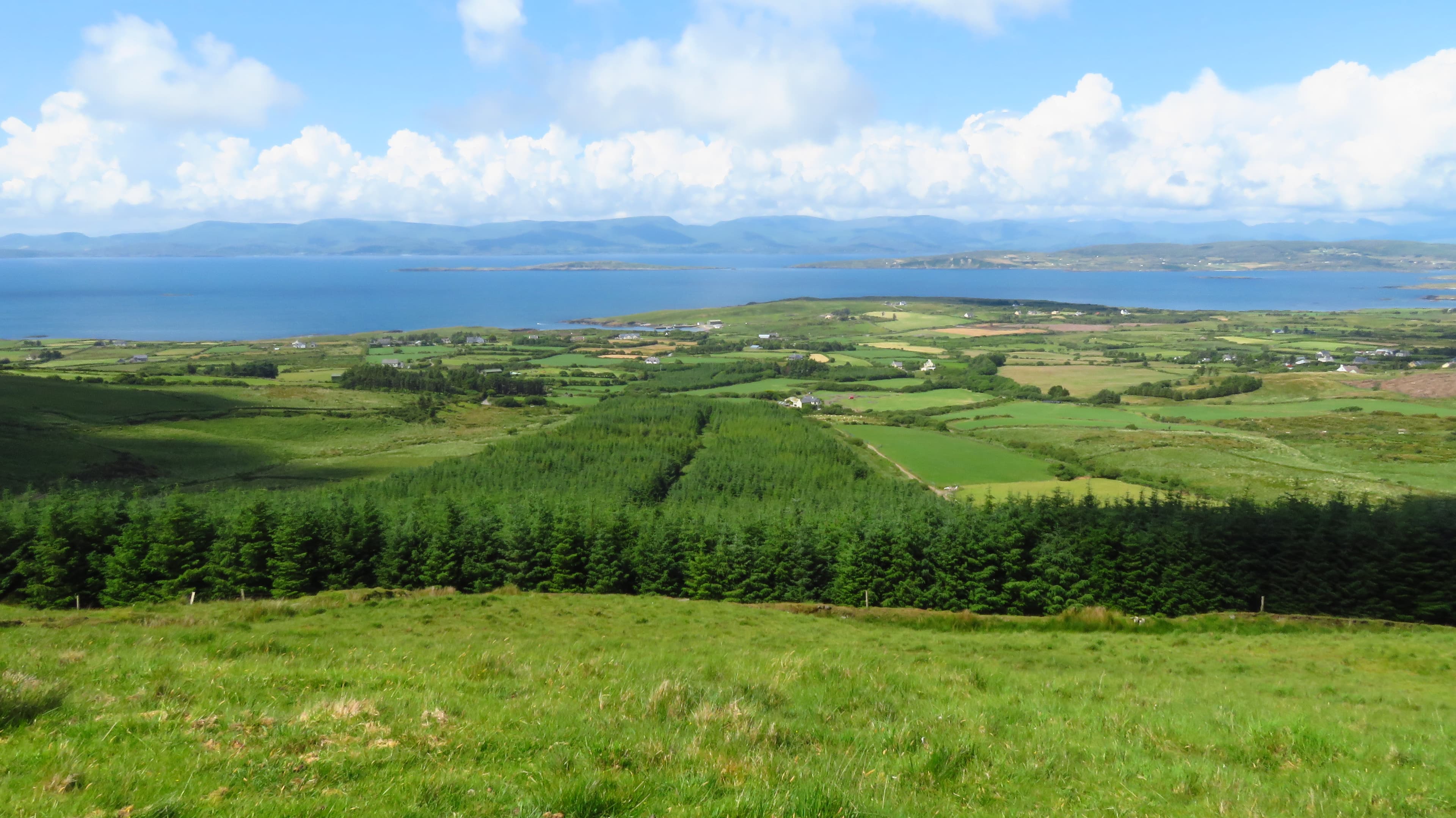
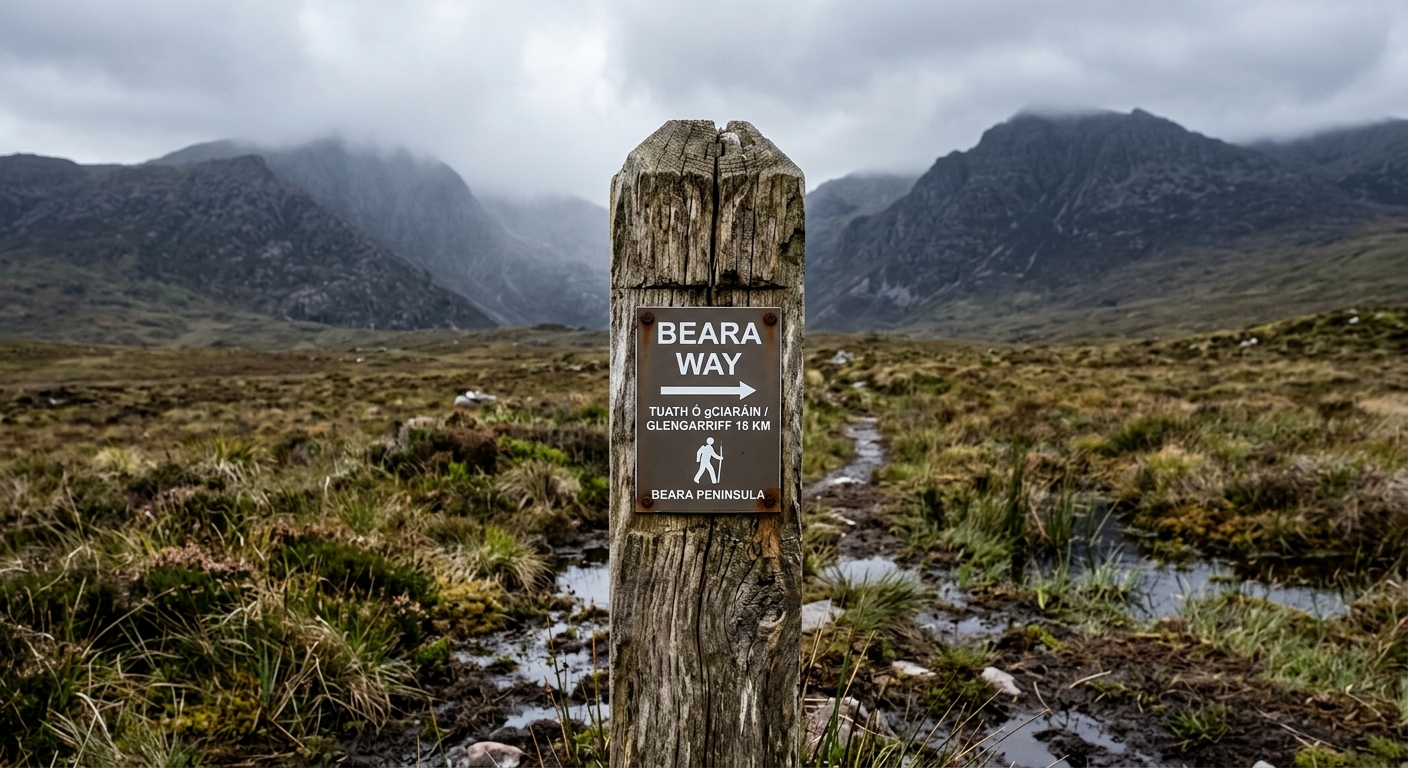
The Beara Way links Glengarriff, Castletownbere, Allihies and the peninsula’s smaller communities. It also reaches Bere Island and passes close to Dursey Island, where the mountains finally give way to open ocean. Farther south, the Sheep’s Head Way follows an exposed ridge between Bantry Bay and Dunmanus Bay, while Mount Gabriel and the Mizen hills provide lower coastal walking.
Northern Cork changes character again. Rounded hills, forest tracks and old mountain roads replace Beara’s broken rock, offering quieter walking around the upper Lee and Blackwater valleys.
Regional signature
The Beara Mountains
The Shehy Uplands
The Peninsula Trails
Longer days and improving visibility suit Hungry Hill and Knockowen. The Shehy Mountains can remain extremely wet after winter, even when lower paths have dried.
Best for: Beara ridges and quieter coastal trailsLong daylight allows ambitious ridge routes and longer stages between villages. Coastal trails can become busy, but the higher mountains usually remain quiet.
Best for: The Beara Way and peninsula crossingsClear autumn air can bring exceptional visibility across Bantry Bay and Kenmare River. Shorter days require careful timing on Beara’s slower rocky terrain.
Best for: Atlantic views and Gougane Barra woodlandAtlantic storms bring strong winds, heavy rain and rapidly changing visibility. Gougane Barra and lower woodland trails provide alternatives when the ridges are best left alone.
Best for: Experienced walkers and sheltered forest routesTrailTrack Favourites
Ten hills chosen by TrailTrack
Continue exploring
From rocky Beara summits to quiet Shehy bogland and long Atlantic trails, Cork’s western mountains provide rather more than the occasional sea view.