3 Billion Years
Europe’s oldest rocks
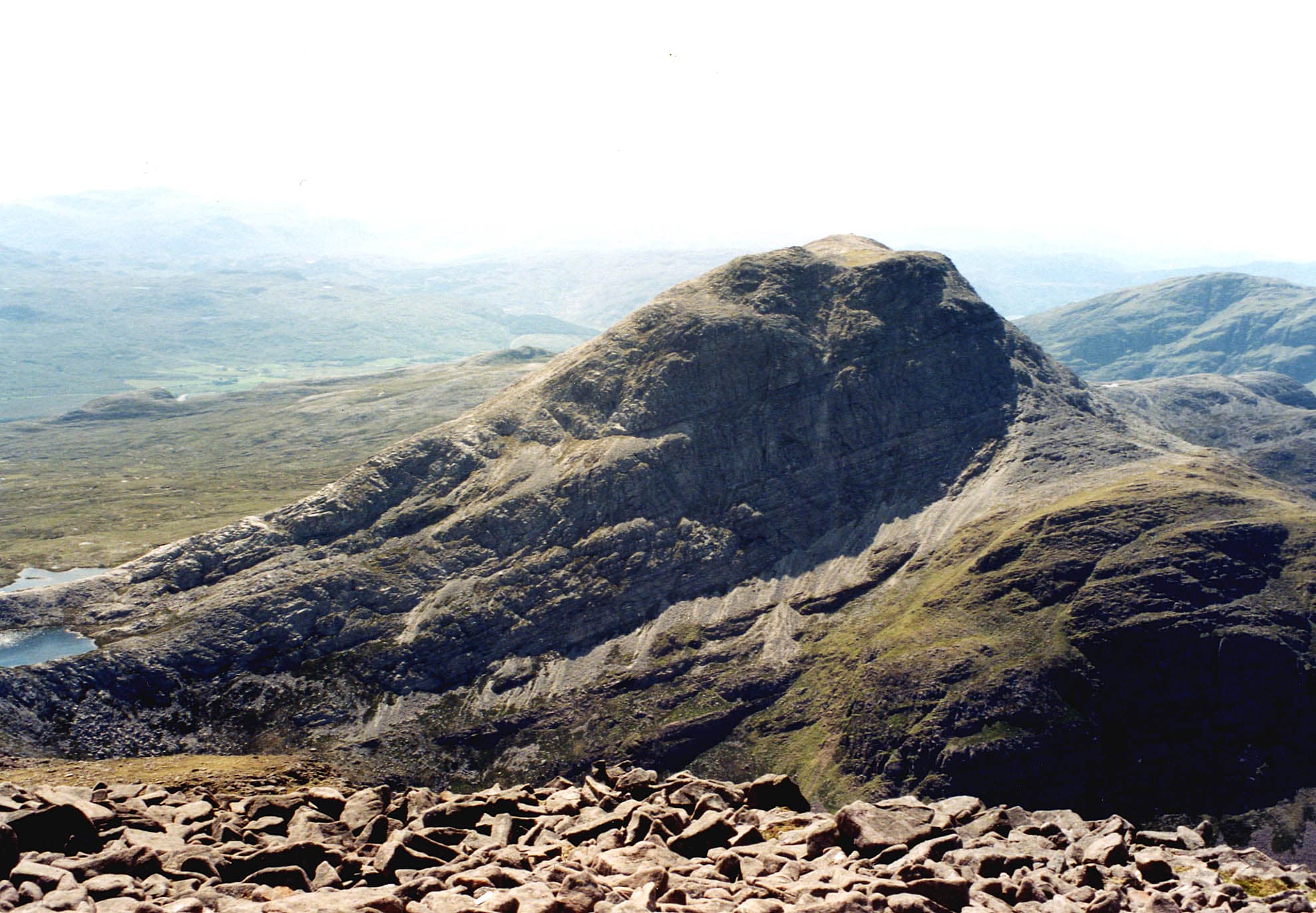
Lewisian gneiss forms the foundations of the North West Highlands. These rocks were already ancient long before the first plants or animals appeared on land.
Region guide
“Who possesses this landscape? The man who bought it or I who am possessed by it?”
— Norman MacCaig, A Man in Assynt
Highest Peak
Càrn Eige — 1,183 metresLargest Loch
Loch Maree — 28.7 km²Highest Waterfall
Eas a’ Chual Aluinn — 200 metresMost Northerly Munro
Ben Hope — 927 metresOldest Rocks
Lewisian gneiss — around 3 billion years oldFirst UK National Nature Reserve
Beinn Eighe — designated in 1951About the region
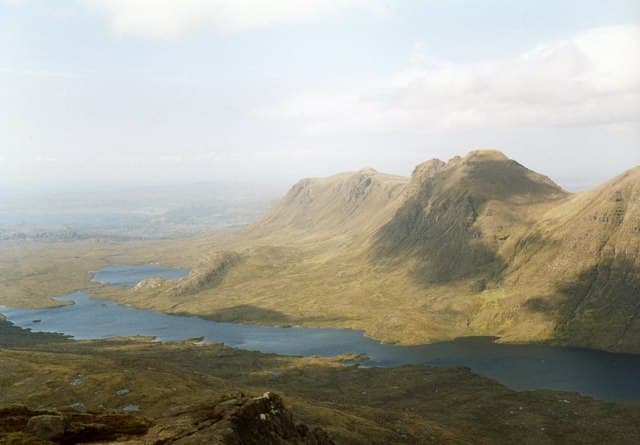
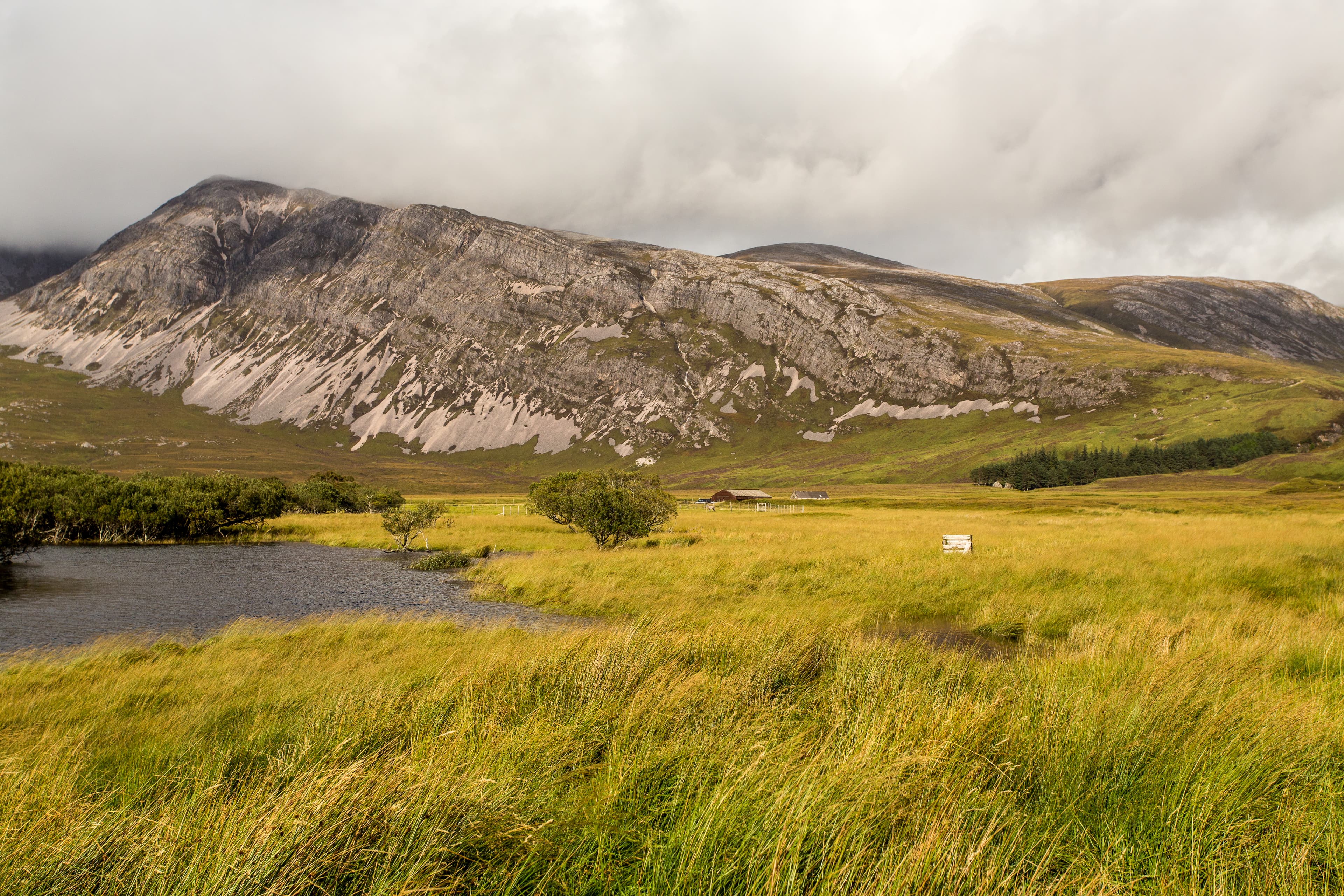
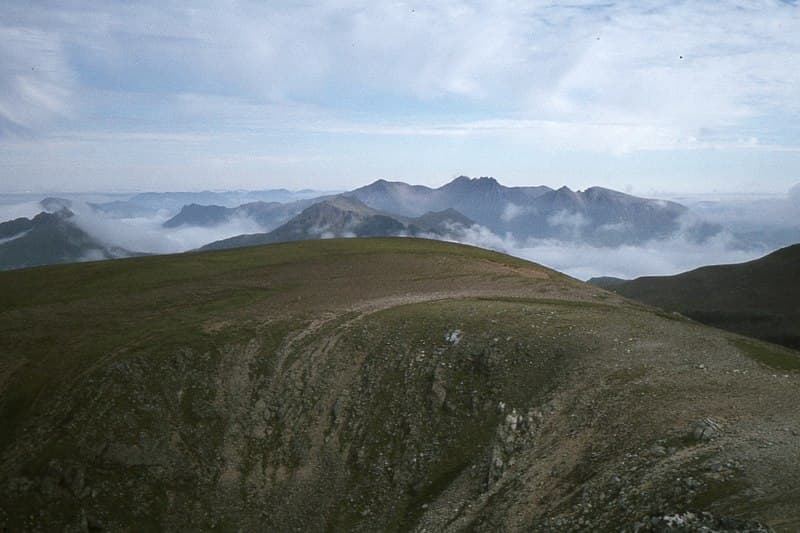
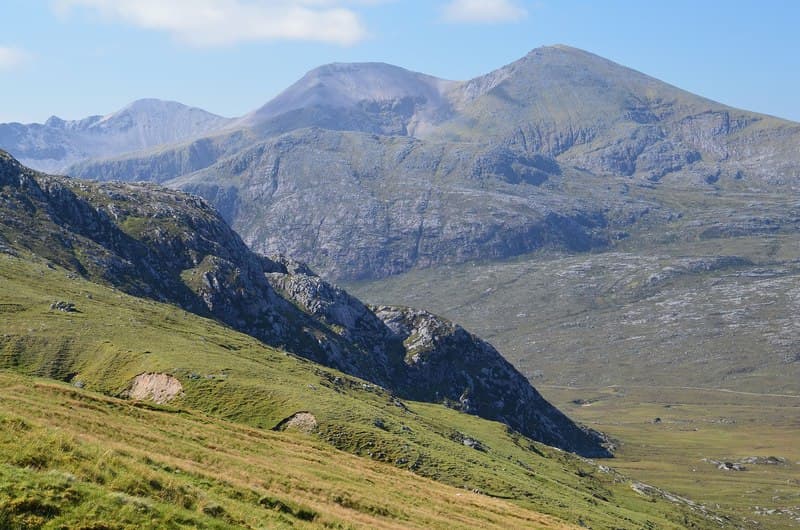
The North West Highlands feel different from almost anywhere else in Britain. Mountains rise abruptly from open moorland, ancient rock breaks through the surface and countless lochs fill the hollows between them. It is a landscape with very little interest in neat lines or convenient routes, which is largely the point.
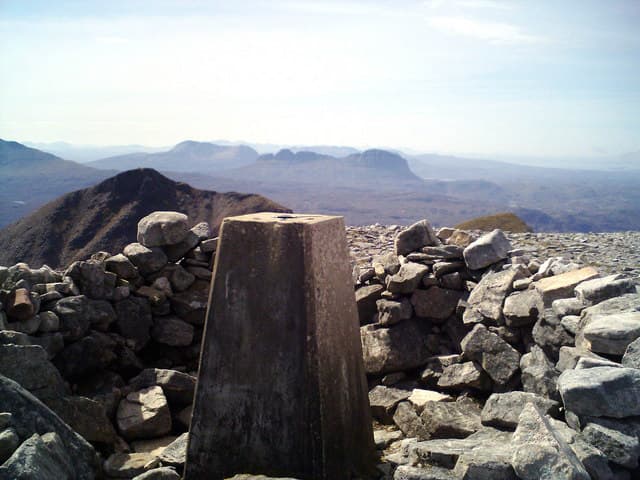
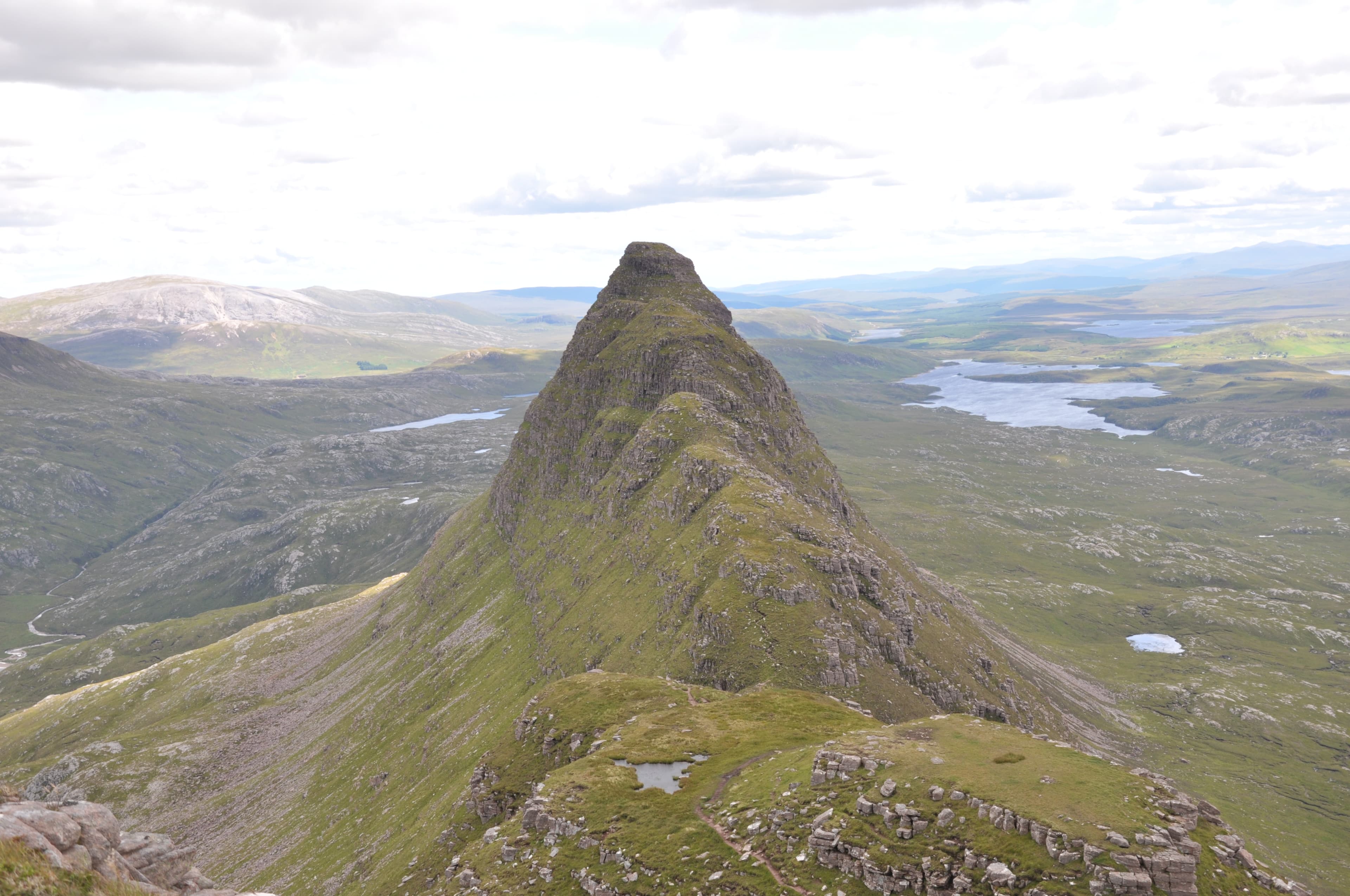
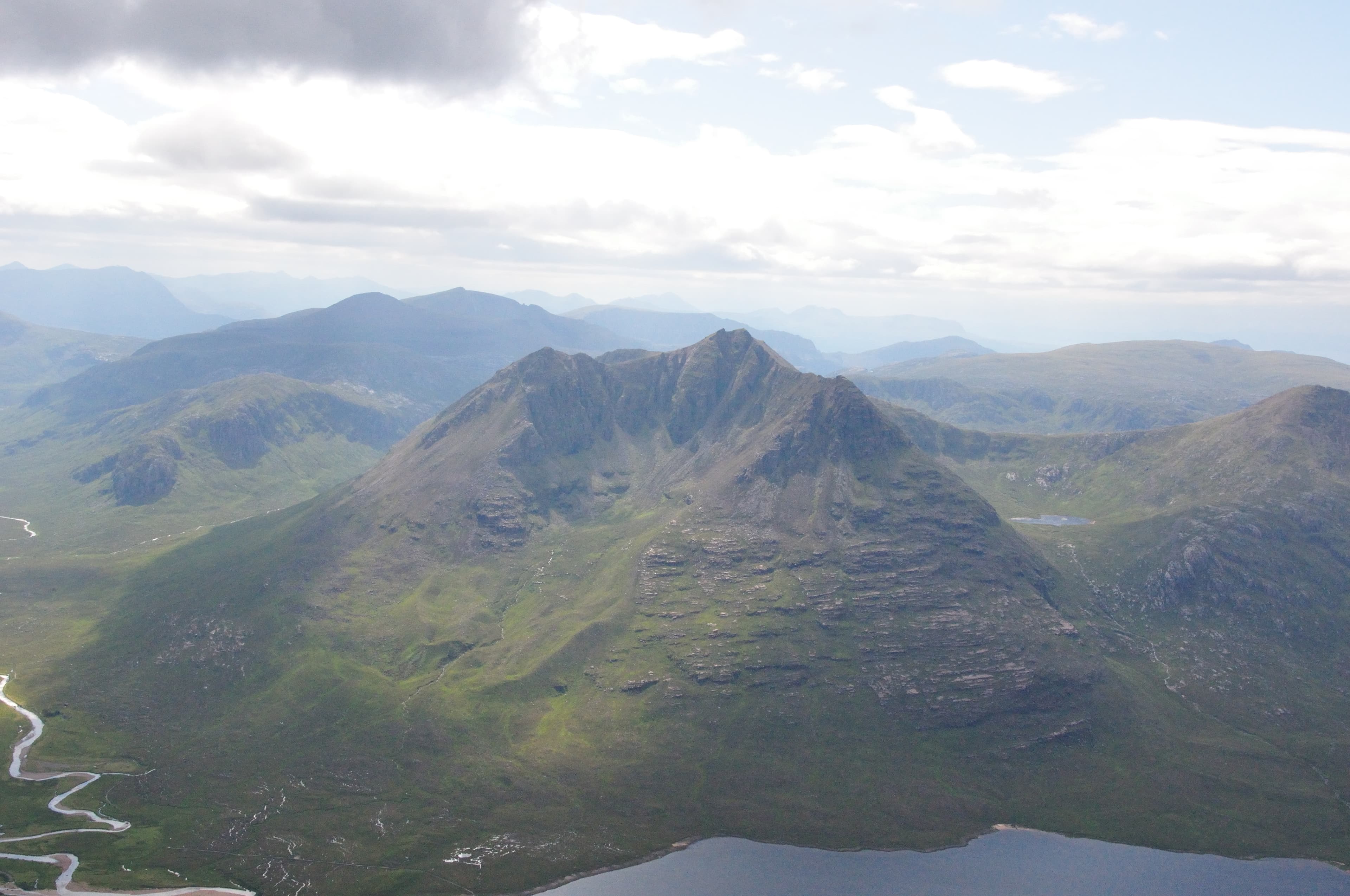
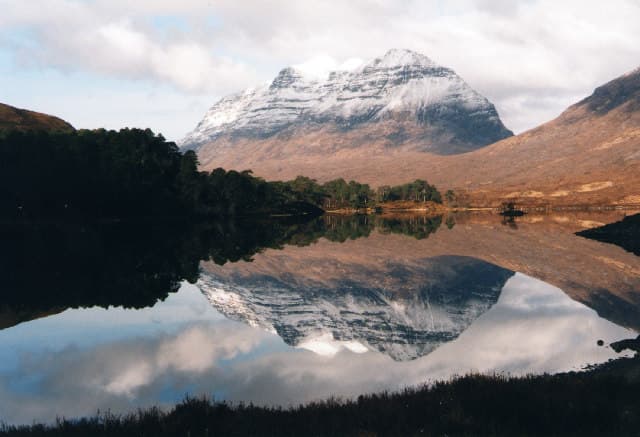
This is the home of Assynt, Torridon and Wester Ross, where unmistakable peaks such as Suilven, Liathach, An Teallach and Stac Pollaidh dominate the skyline. Some provide serious mountain days with narrow ridges and exposed scrambling; others offer gentler ways to reach views stretching across lochs, islands and the Minch. Even the lower walks can feel remarkably wild once the road has disappeared behind you.
Beyond the mountains, you will find white-sand beaches, fragments of ancient Caledonian pinewood and some of the oldest rocks in Europe. Loch Maree lies beneath the slopes of Beinn Eighe, while farther north, Eas a’ Chual Aluinn makes a 200-metre descent through the remote landscape of Assynt.
Distances are deceptive here and the weather is rarely short of opinions, but there are few better places to walk. Whether you come for a Munro, a coastal path or simply somewhere quiet, the North West Highlands tend to stay with you.
Regional signature
Ancient bedrock, isolated mountains and a famous geological boundary shape every walk through this remarkable region.
3 Billion Years
Mountains Apart
The Moine Thrust
Often the driest season, with clearer air and fewer midges. Winter conditions can remain on higher mountains well into spring.
Best for: Clear views, quieter mountainsVery long days give time for remote routes, although midges gather in sheltered, damp places. Carry repellent and expect changeable weather.
Best for: Long-distance walks, remote MunrosCooler days, fewer midges and rich colours across the glens. Check local deer-stalking information before leaving established paths.
Best for: Photography, lower-level walksShort daylight, deep snow and lengthy approaches make winter routes particularly serious. Full winter equipment and navigation skills are essential.
Best for: Experienced winter mountaineersTrailTrack Favourites
Ten hills chosen by TrailTrack
Continue exploring
From the great ridges of Torridon to the isolated peaks of Assynt, find your next walk through Britain’s wildest mountain landscapes.