13 guides
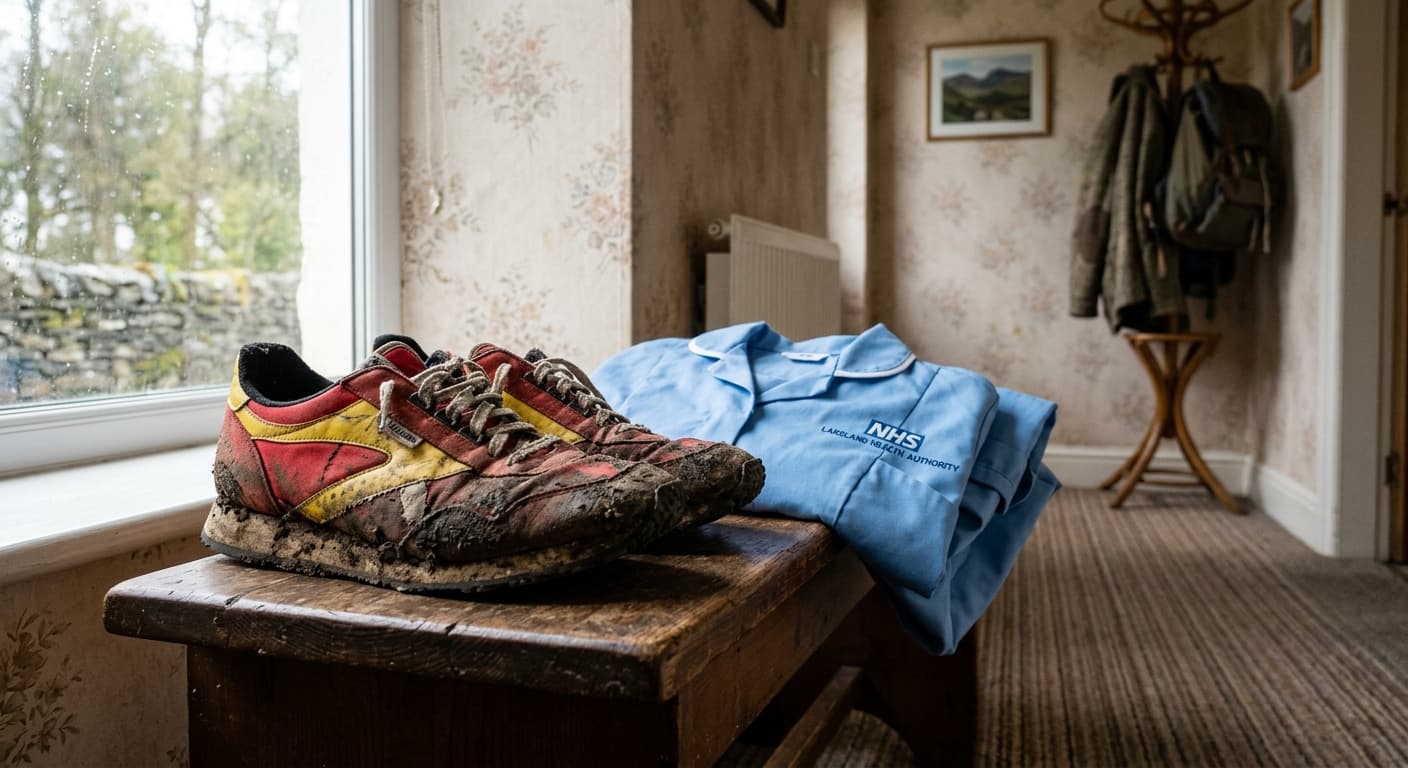
Helene Diamantides: The Doctor Who Set Women's Fell Running Records and Then Stopped Racing
In the 1980s, Helene Diamantides held multiple women's fell-running records, including the Bob Graham Round. She ran, worked as a GP, and quietly stepped back from competition without announcing retirement. Her records stood for years while she carried on walking.
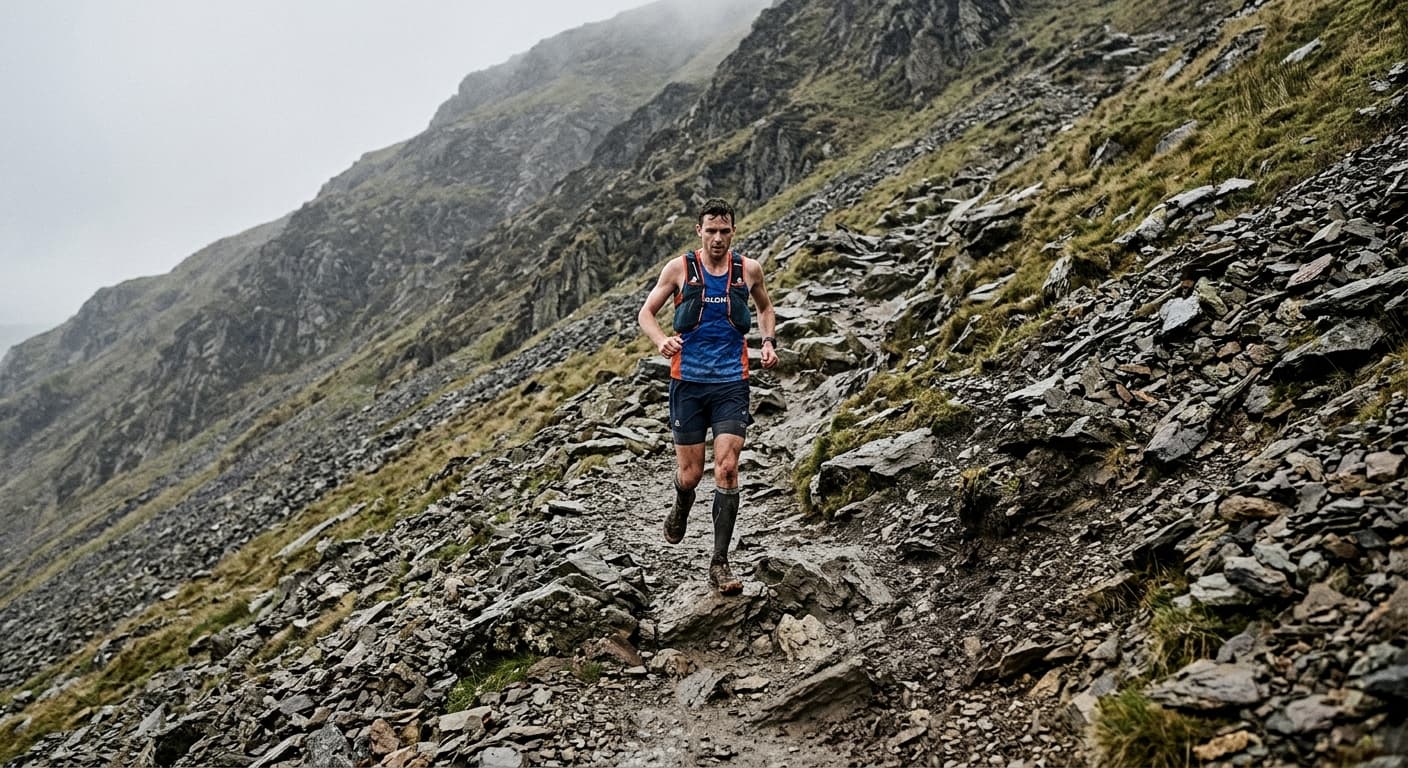
The Fifty-Metre Climb That Takes Five Minutes: When Gradient Stops Making Sense
Fell running includes sections so steep you're essentially scrambling with your hands — where forward progress is measured in breaths per step, not pace. Why some ascents are faster walked, and why admitting it doesn't make you slower.
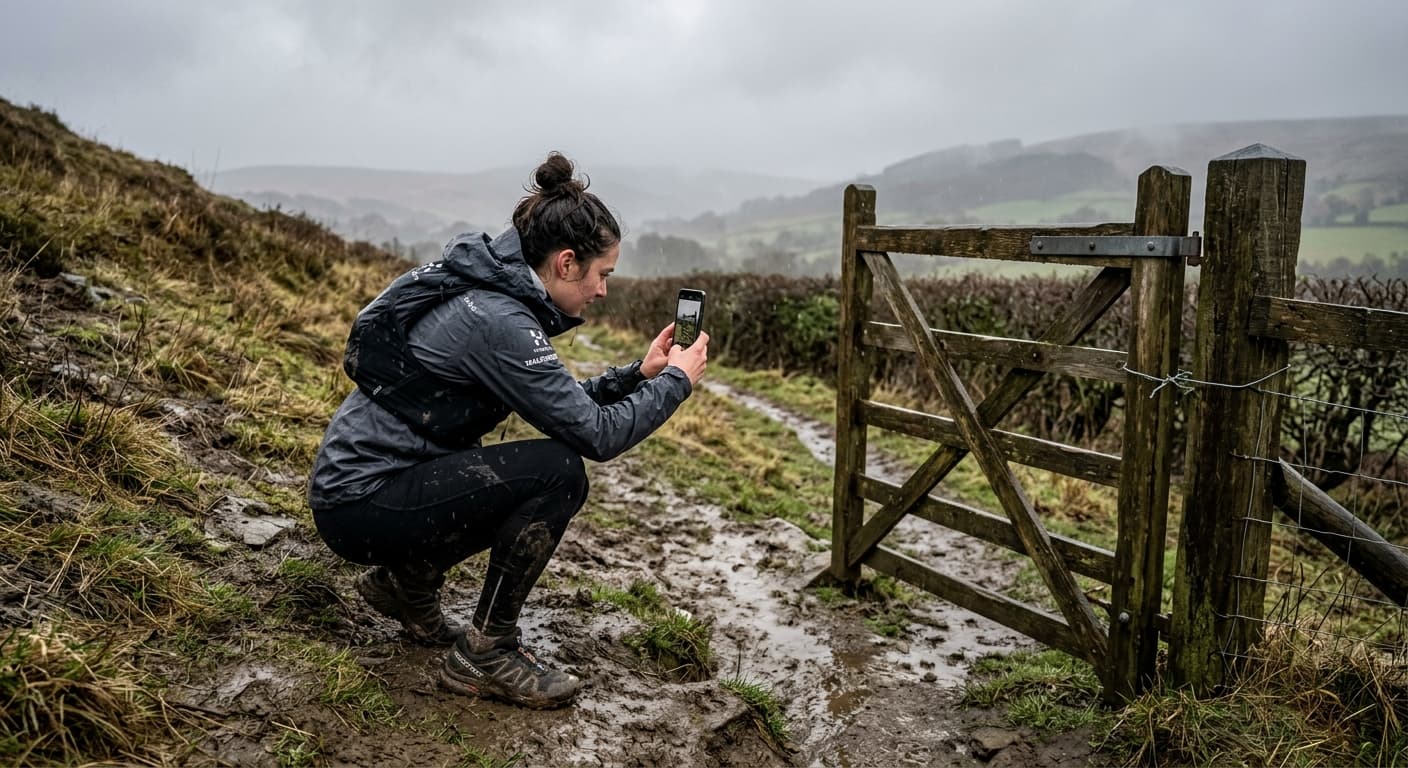
The Recce Run: When Walking the Route First Feels Like Cheating But Isn't
Most fell races expect you to know the terrain before the start gun goes off — which means spending weekends memorising gate positions, tricky descents, and where the path disappears entirely. Why reconnaissance is part of the sport, not homework avoidance.
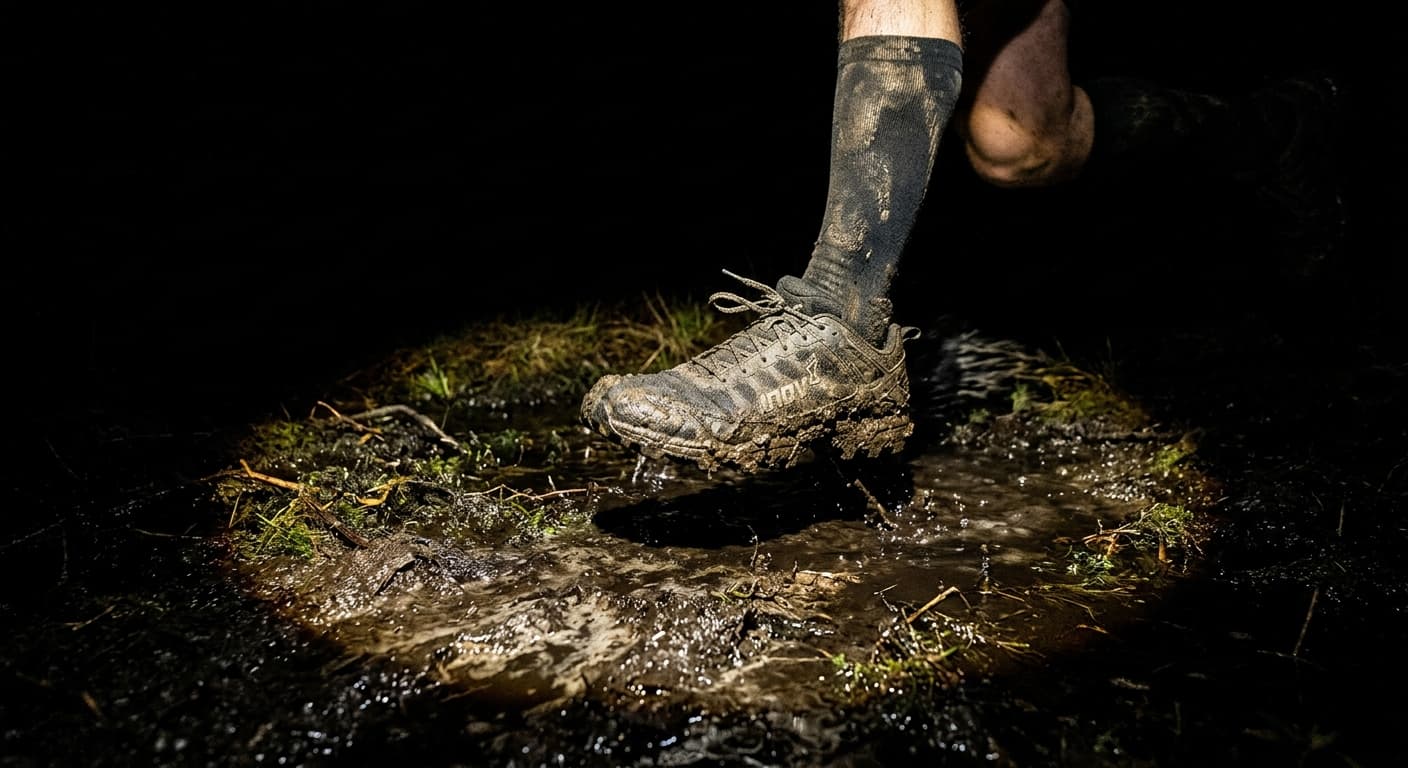
The Night Nav Run: When Your Head Torch Beam Is the Only Thing Between You and a Bog
Winter fell running means starting in the dark or finishing in it—often both—which turns navigation from map-reading into torch management, depth perception guesswork, and hoping that shadow is a rock and not a three-foot drop. Why some runners love it and most just tolerate it until March.
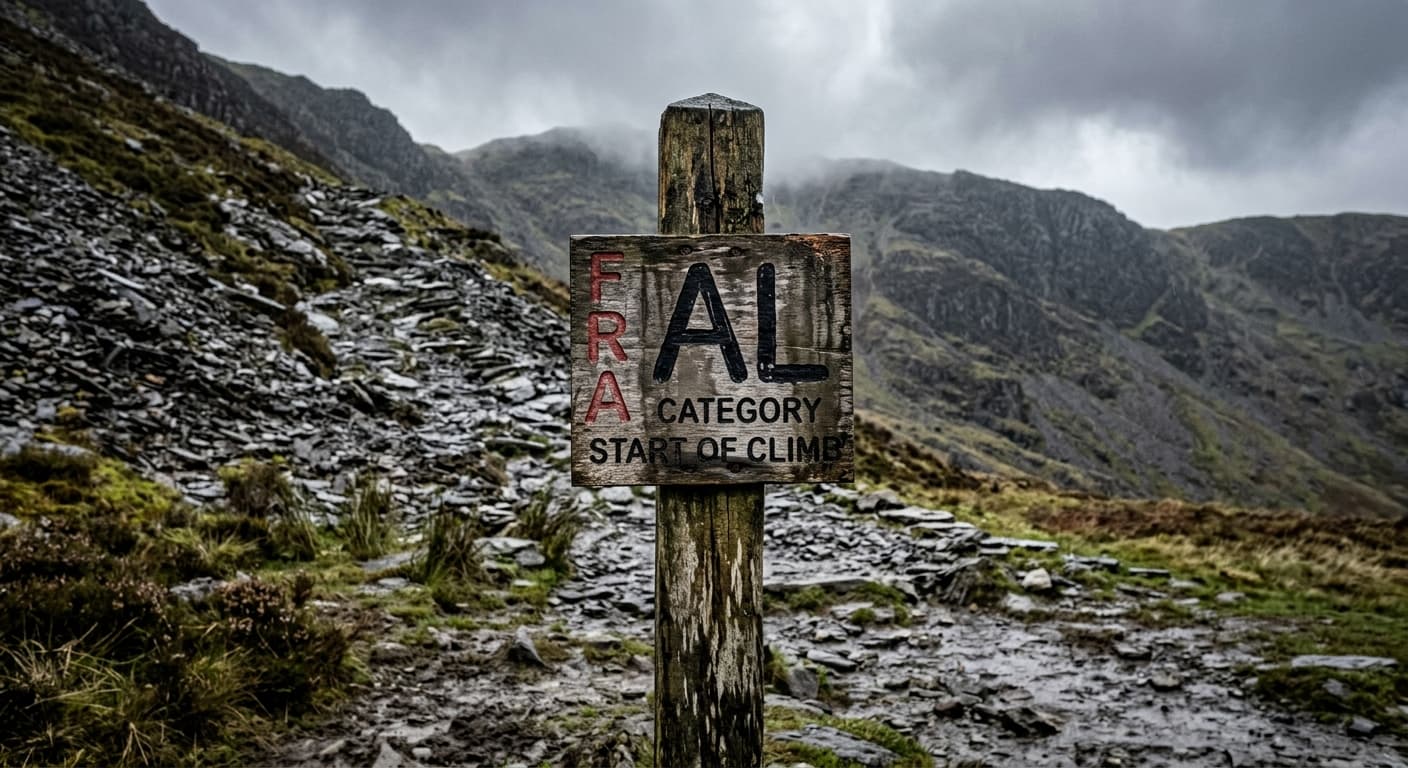
What AL Means in Fell Racing: Category A for Severity, Long for Distance
AL is the Fell Runners Association code for a category A race—long distance and serious ascent—not a navigation requirement or a promise that the route is unmarked. Whether you need to navigate depends on the individual race, the weather, and how well the course is flagged on the day.
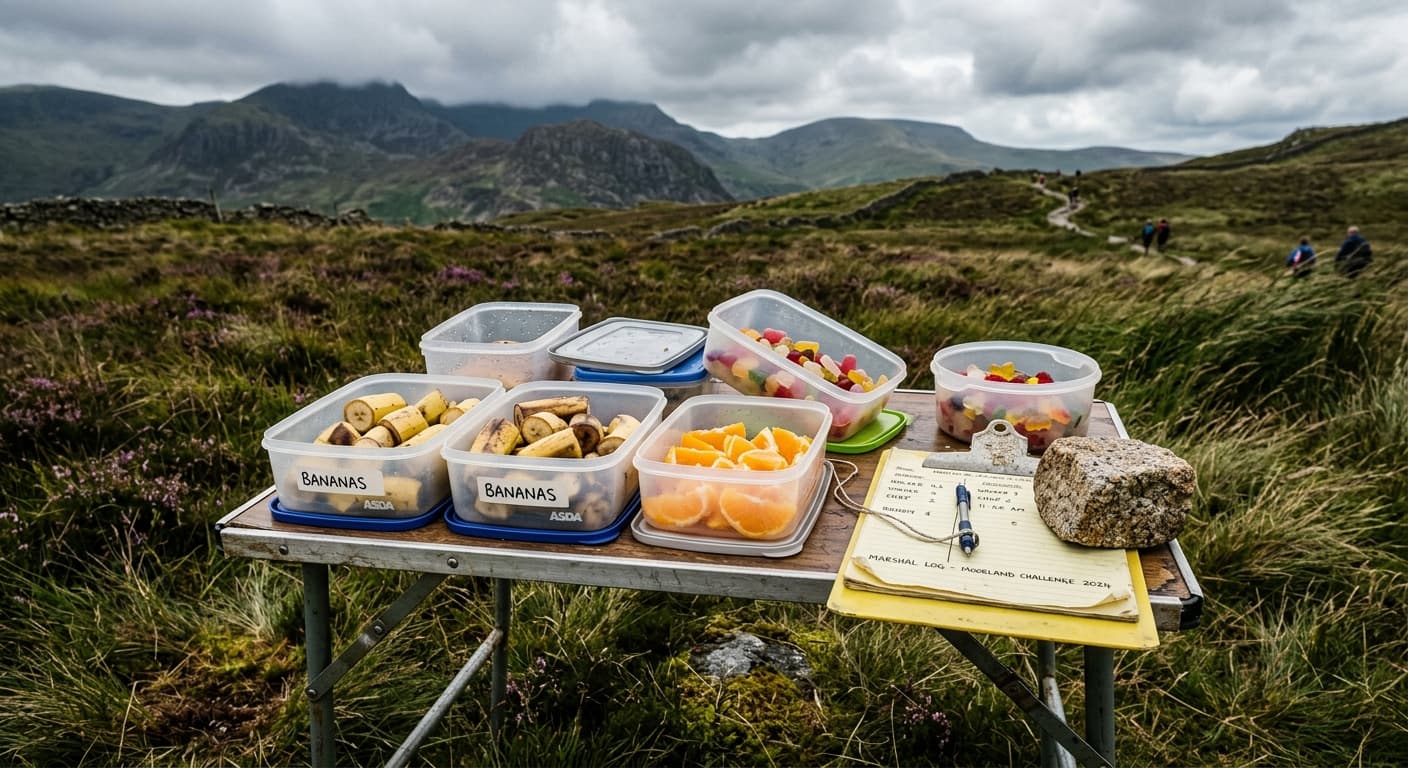
Fell-Race Fuelling: Checkpoints, Self-Sufficiency, and What Runners Actually Carry
Some long fell races provide food at checkpoints; others require complete self-sufficiency and offer nothing. Runners carry gels, bars, cake, or whatever works for them, and there's no universal fell-running rule that says you eat at manned stations instead of carrying your own fuel.
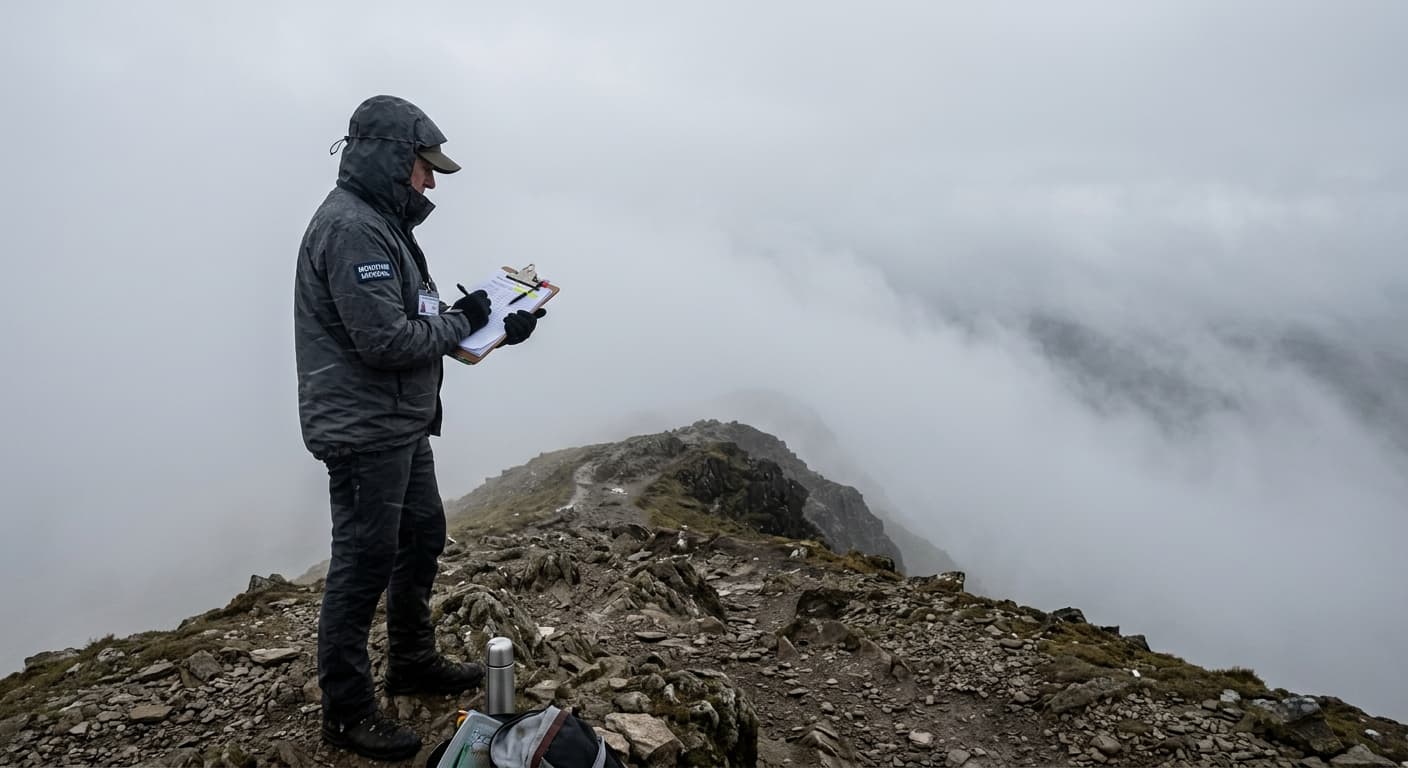
The Checkpoint Volunteer Economy: Why Fell Races Depend on People Who Don't Run
Every fell race needs marshals standing on windswept cols for six hours, manning gates, radioing positions, and confirming you're still upright. Most of them are retired runners, farmers, or Mountain Rescue—none of them are paid, and without them the sport doesn't exist.
Joss Naylor: The Shepherd Who Ran Fells Because Farms Don't Pay Themselves
While Wainwright was drawing the routes, Naylor was running them—seventy-two peaks in under twenty-four hours, not for sponsorships or glory, but because he was a working shepherd who happened to be indestructibly fast. He still lives on the same Wasdale farm.
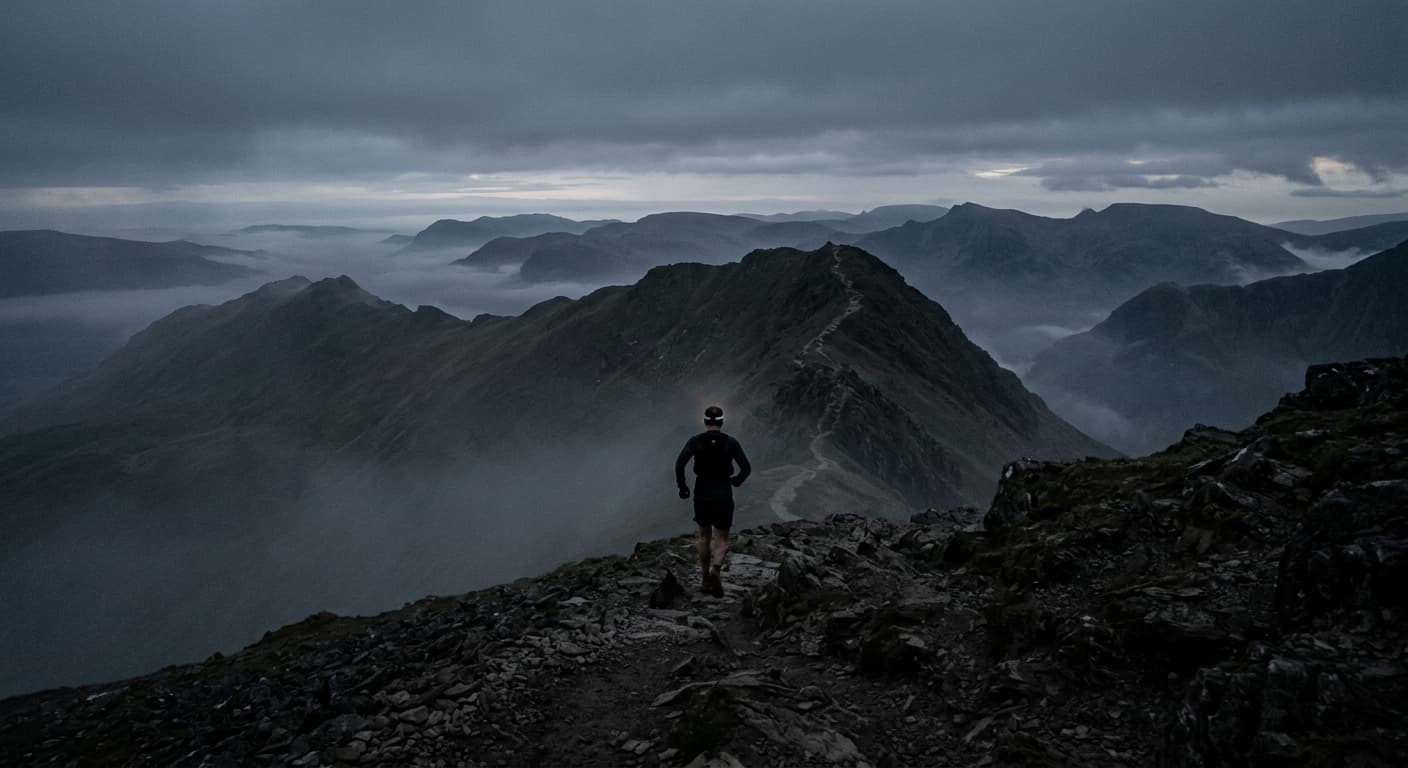
Bob Graham: The Guesthouse Owner Who Ran Forty-Two Peaks in a Day Because He Could
In 1932, a Keswick landlord invented the round that still defines Lakeland fell running—not for fame or funding, just to see if his legs would manage it before he turned forty-three. Now about thirty people a year try to match him, and most of them don't run guesthouses.
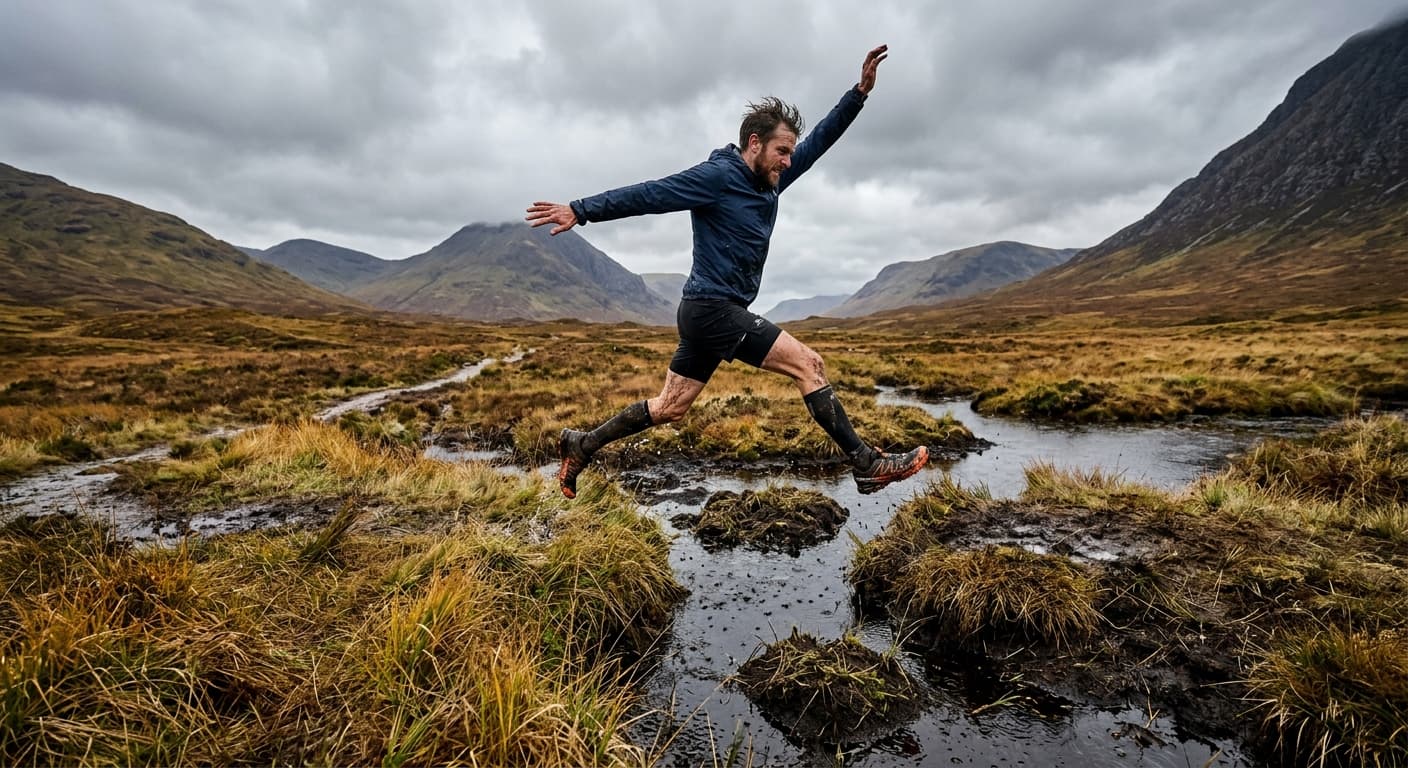
Bog Trot Efficiency: The Least Dignified Running Technique You'll Need
At some point between the car park and the summit, most trails cross peat bog — that waterlogged stretch where your gait becomes part hop, part wade, part optimistic leap between tussocks. There's no elegant way through, but there are faster ways to be inelegant.
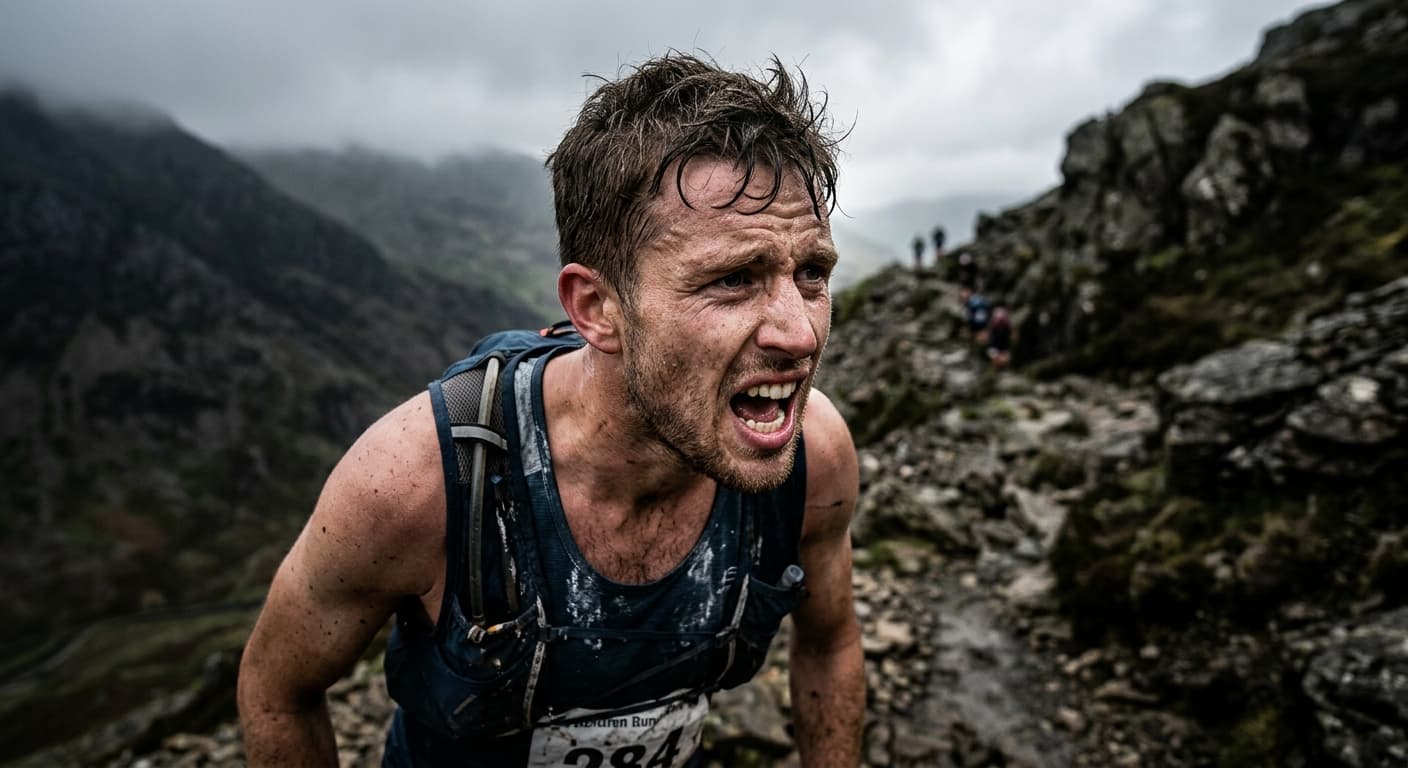
The Recalibration: Why Your Flat 10K Pace Means Nothing at 400 Metres
Altitude, gradient, and uneven ground conspire to make your usual pace feel like someone else's data. Experienced fell runners stop thinking in minutes per kilometre and start thinking in effort, terrain, and whether they can still breathe through their nose.
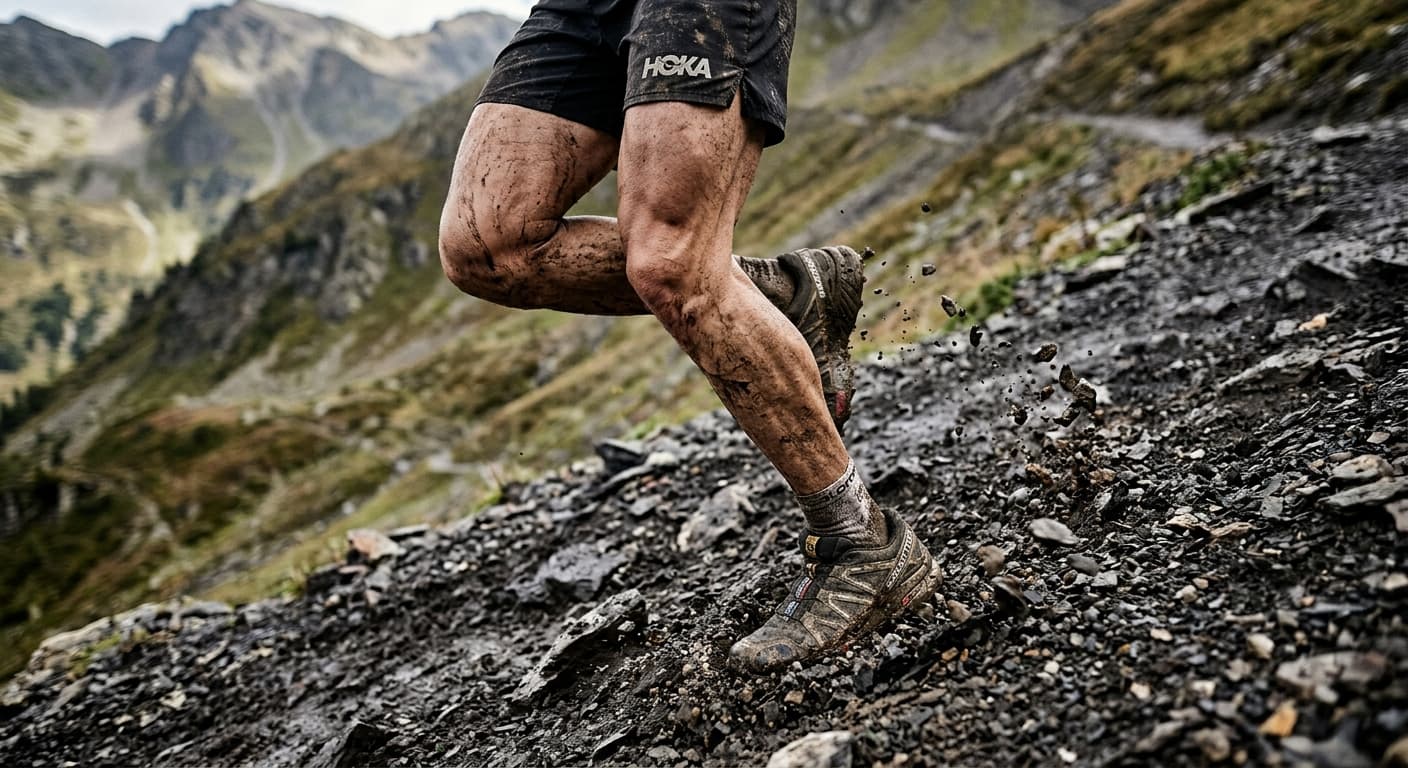
Descending Fast Without Looking Terrified: The Bit Nobody Teaches Fell Runner
Going uphill is cardiovascular. Coming down is trust — in your ankles, your shoes, and the idea that controlled falling counts as technique. Most fell runners spend two years looking hesitant before something clicks.
Trail Running vs Fell Running
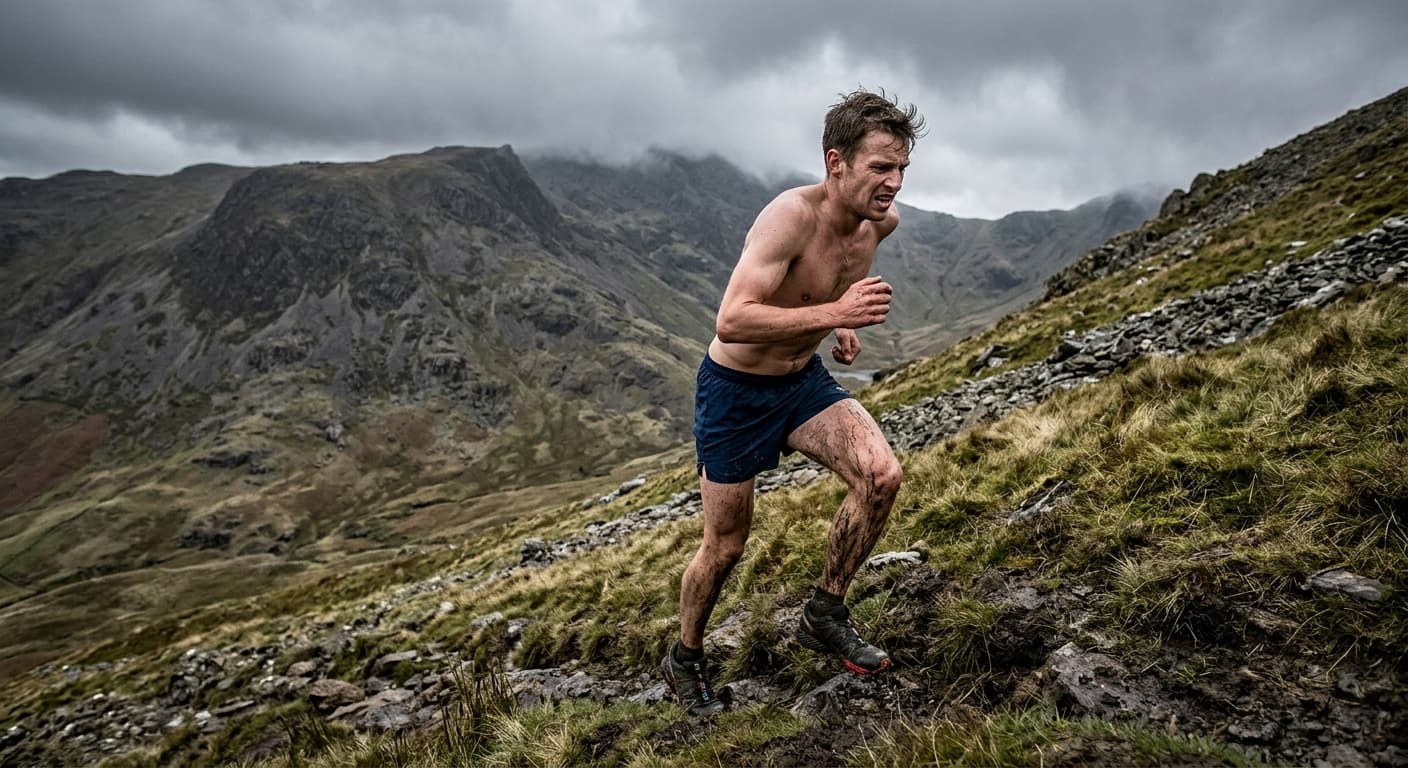
If you've ever wondered whether that person sprinting up a Lake District mountain is lost or just committed to a particularly masochistic hobby, here's how to tell the difference between trail runners (sensible paths, matching kit) and fell runners (no paths, no fear, possibly no sense) — plus where to start if you fancy joining either camp.