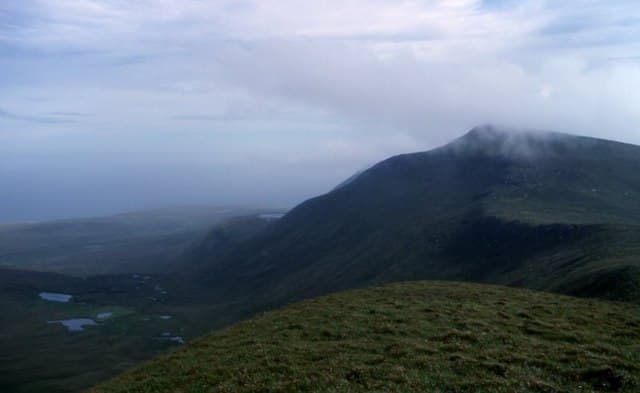
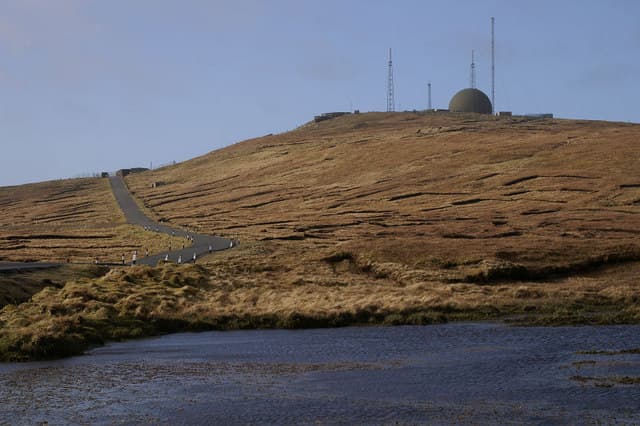
Hoy’s High Ground
Orkney’s wild exception
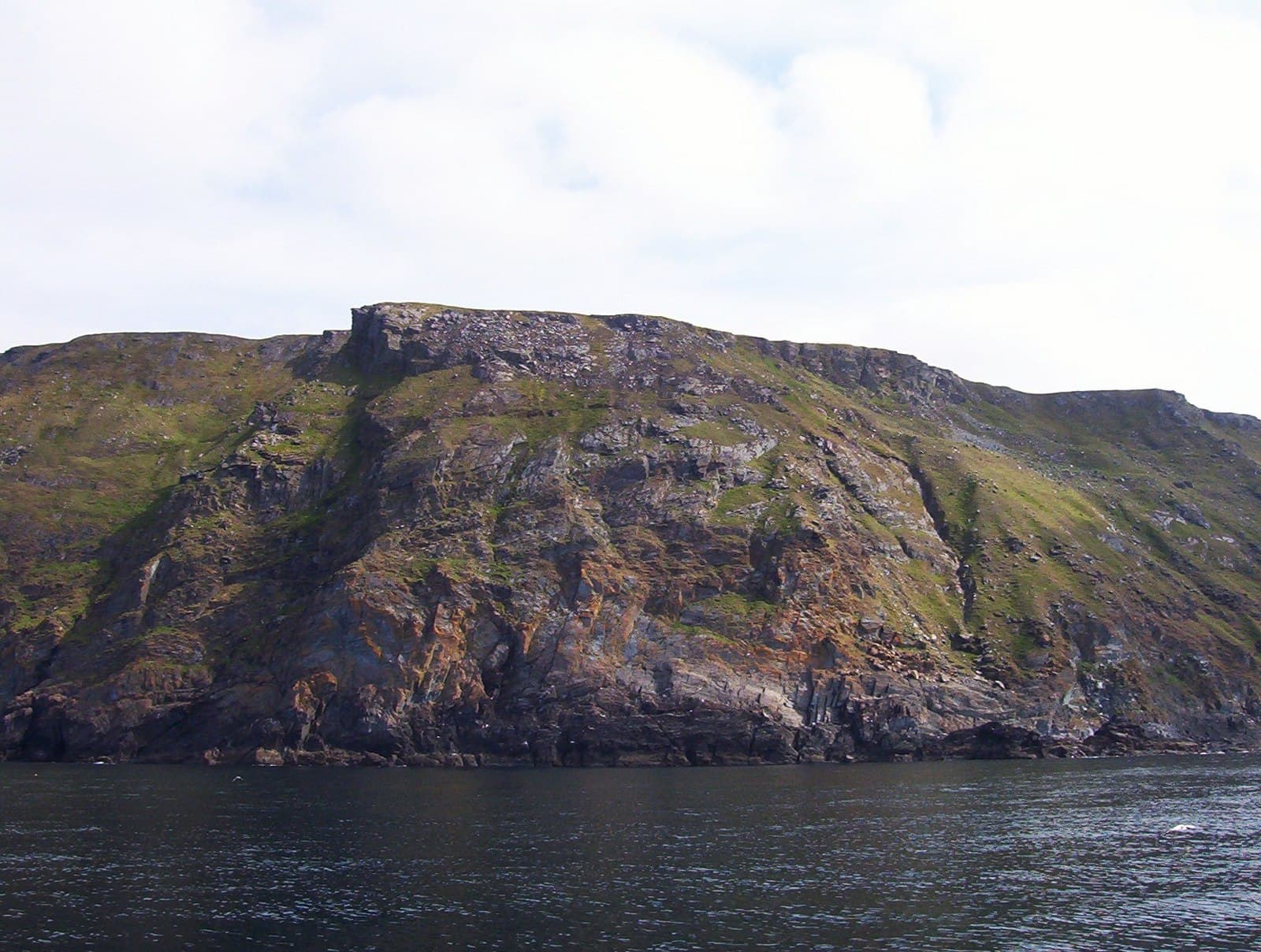
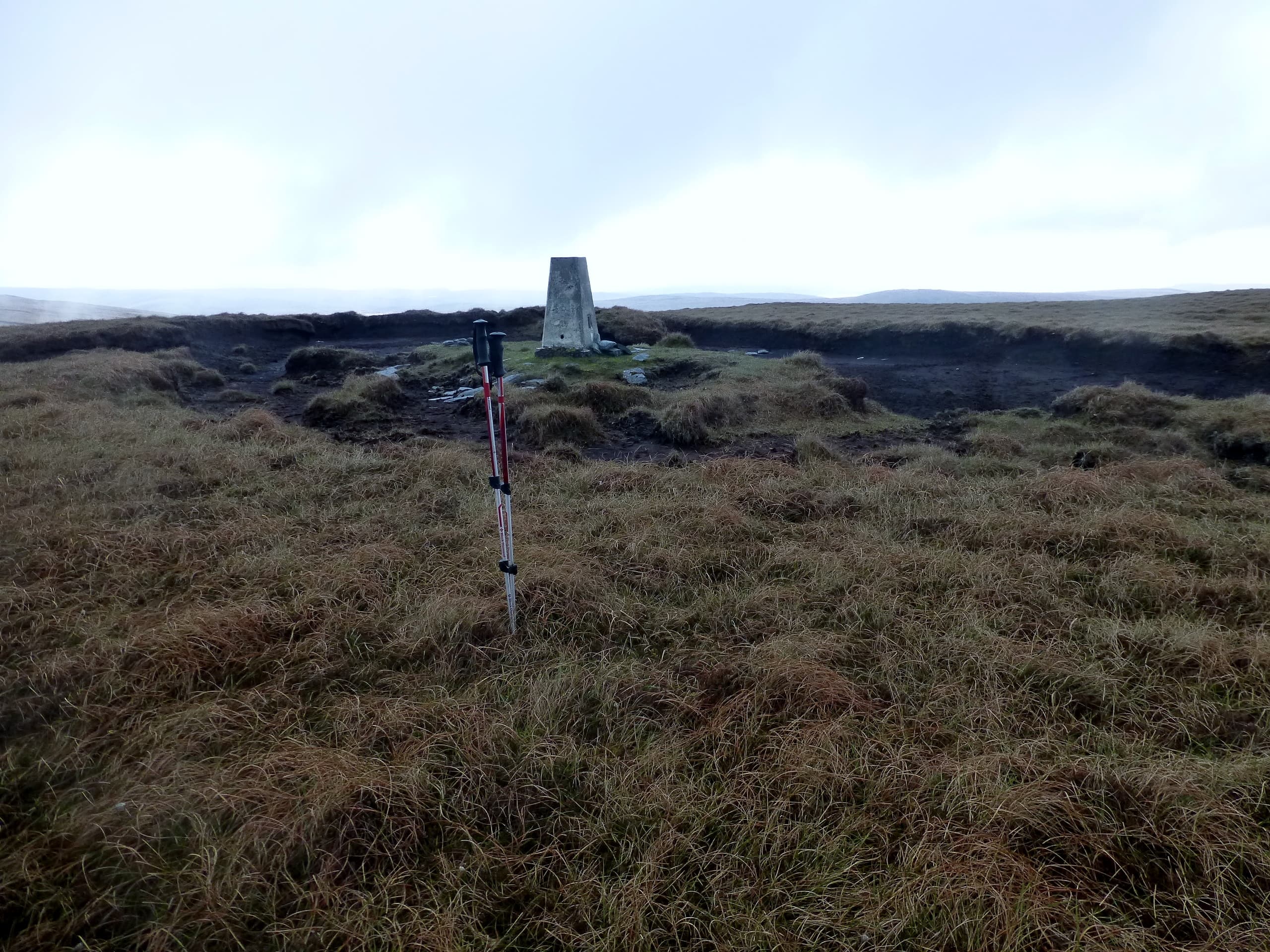
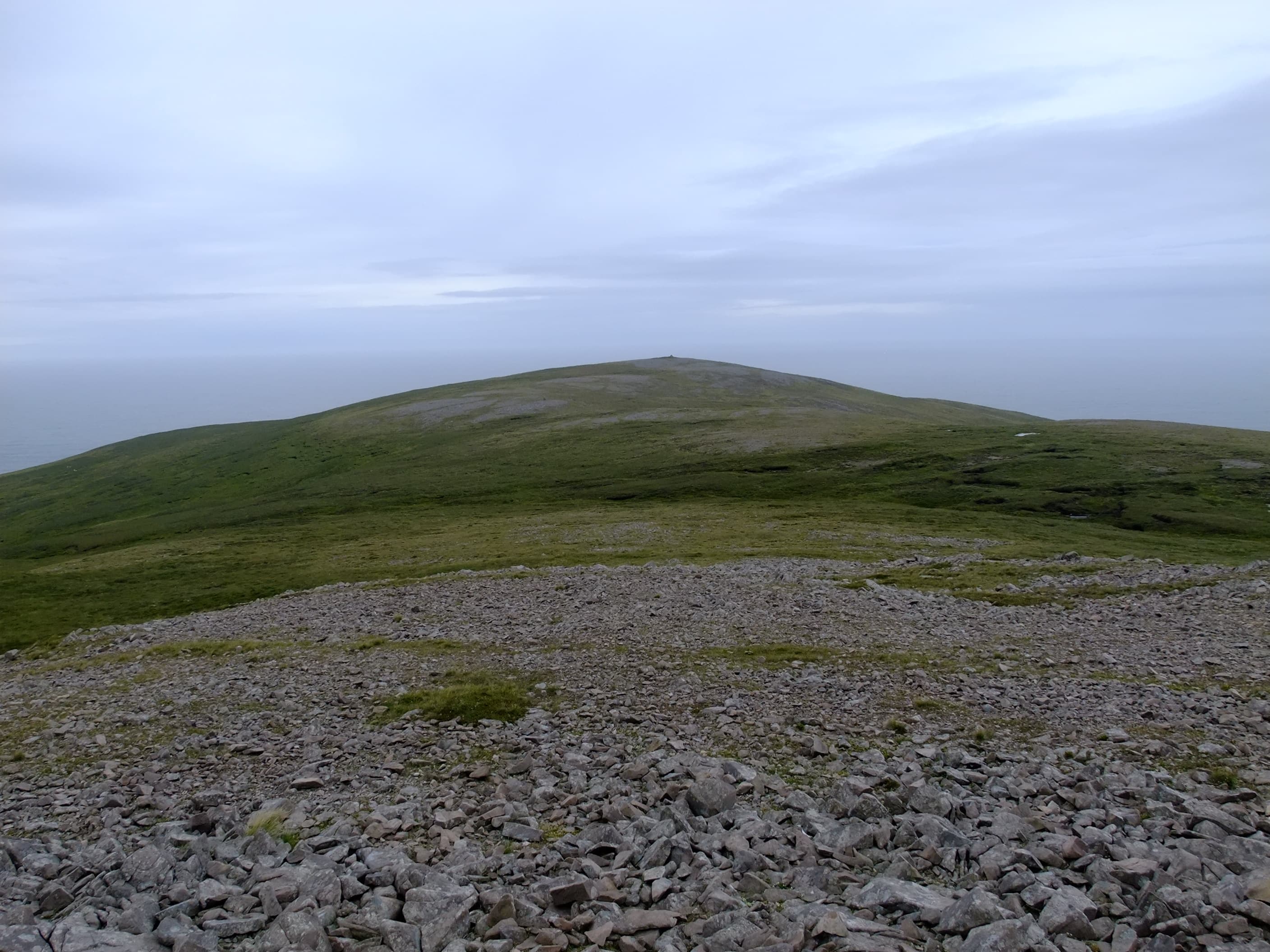
Ward Hill, the Cuilags and the cliffs of St John’s Head give Hoy a scale and ruggedness found nowhere else in Orkney.
Region guide
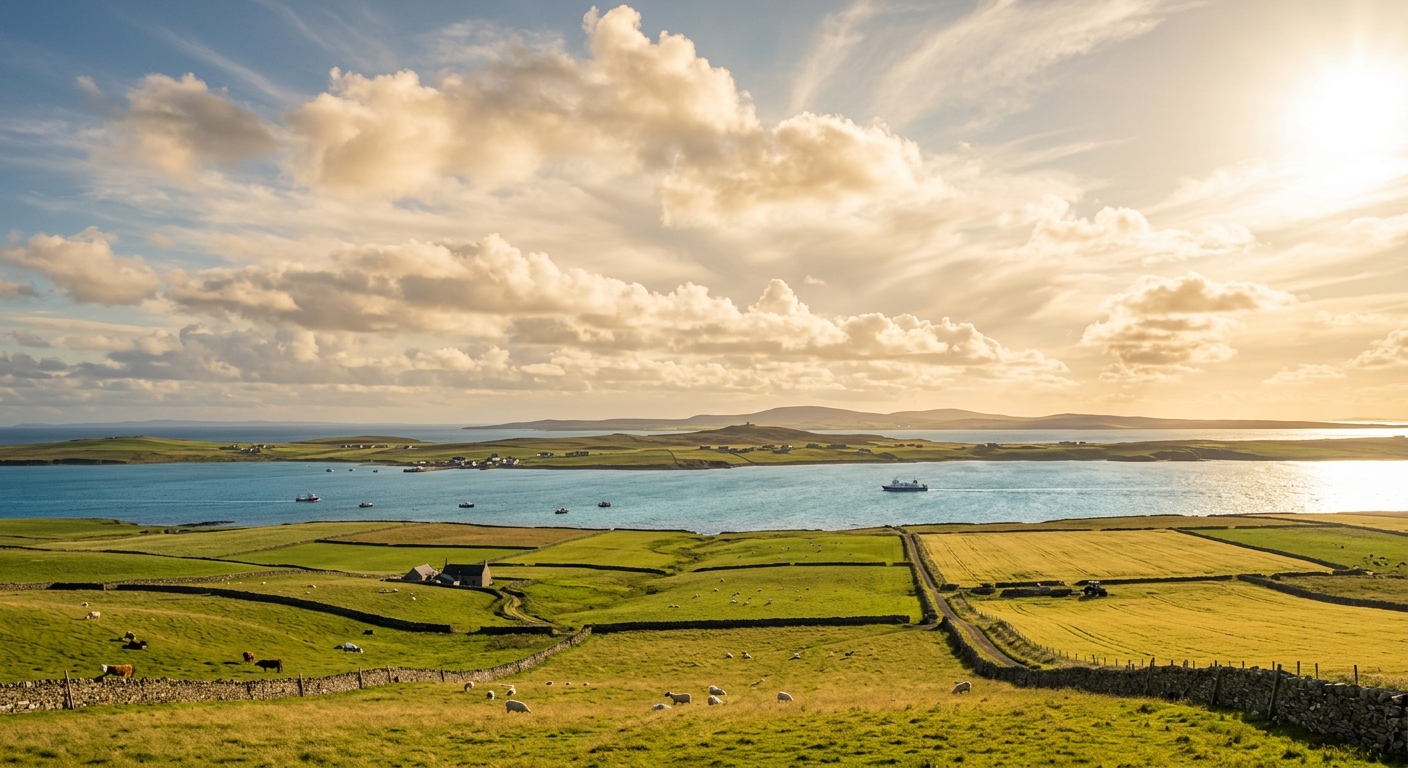
“On Orkney, there are long vistas from land to water and then land again. And more water. All under a huge sky.”
— Ann Cleeves, author and former Fair Isle Bird Observatory worker
Highest Point
Ward Hill — 481mHighest Shetland Summit
Ronas Hill — 450mSea-Cliff Giant
St John’s Head — 351mFamous Sea Stack
Old Man of Hoy — 137mInhabited Islands
36Midsummer Daylight
More Than 19 HoursAbout the region
The Northern Isles offer two distinctly different kinds of island walking. Orkney is largely open and gently rolling, with routes crossing farmland, moorland and enormous sandstone cliffs. Shetland is rougher and more broken, its hills rising between narrow voes, exposed headlands and an intricate coastline where the Atlantic and North Sea are rarely far apart.
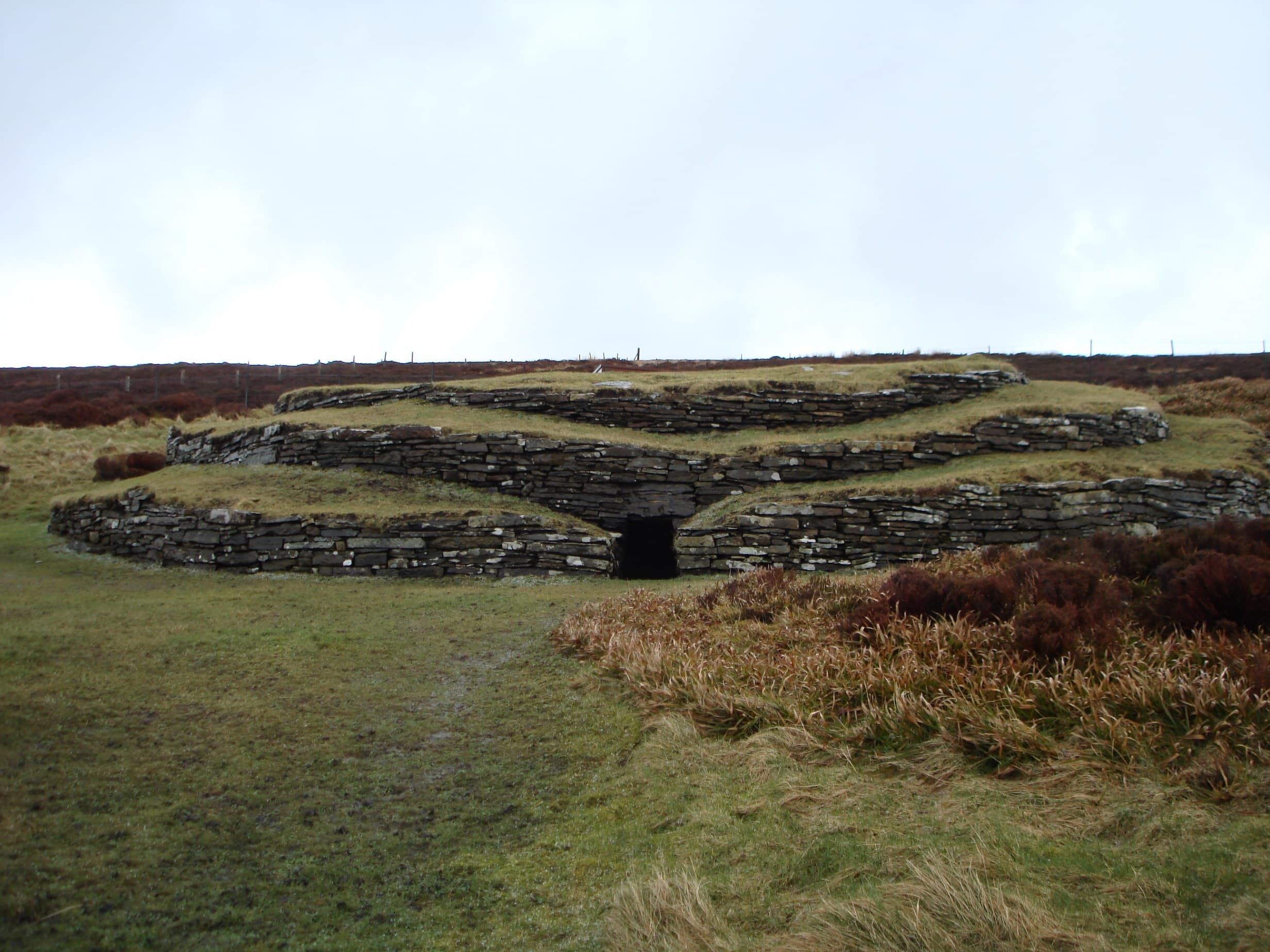
Hoy is Orkney’s great exception. Ward Hill reaches 481 metres, while the island’s western coast culminates in St John’s Head and the Old Man of Hoy. Elsewhere, lower-level walks connect beaches, sea cliffs and internationally important prehistoric sites beneath skies that seem far larger than the land.
Shetland’s hills may be modest in height, but they seldom feel small. Ronas Hill has a surprisingly Arctic summit plateau, Foula’s Da Sneug rises above some of Britain’s most formidable sea cliffs, and Fitful Head provides an exposed coastal climb above the Atlantic. On Unst, routes around Saxa Vord and Hermaness reach Britain’s northern edge.
These are islands where conditions matter more than altitude. Strong winds, rough ground and sudden changes in visibility can transform a short walk. Choose the right day, however, and the reward is extraordinary: empty hills, immense horizons and coastal walking accompanied by seabirds, seals and occasionally orcas.
Regional signature
Hoy’s High Ground
Shetland’s Island Summits
The Simmer Dim
Migrating birds return to the cliffs while longer days open up the island hills. Conditions remain cool, windy and changeable.
Best for: Seabird colonies and quieter coastal pathsThe simmer dim brings more than 19 hours of daylight in Shetland. Ferry services are at their fullest, although nesting birds require care near cliffs and moorland.
Best for: Long hill days and island-hoppingLow sunlight sharpens the cliffs, beaches and open moorland. Atlantic weather becomes increasingly unsettled, so flexible plans are useful.
Best for: Clear coastal light and quieter islandsMidwinter brings fewer than six hours of daylight, frequent gales and occasional snow. Clear nights may produce displays of the northern lights, known locally as the Mirrie Dancers.
Best for: Experienced walkers and northern skiesTrailTrack Favourites
Ten hills chosen by TrailTrack
Continue exploring
Follow the hills to Scotland’s northern edge, where every summit ends in sea and midsummer days seem reluctant to finish.