The Mountain North
Ridges, cwms and scrambles
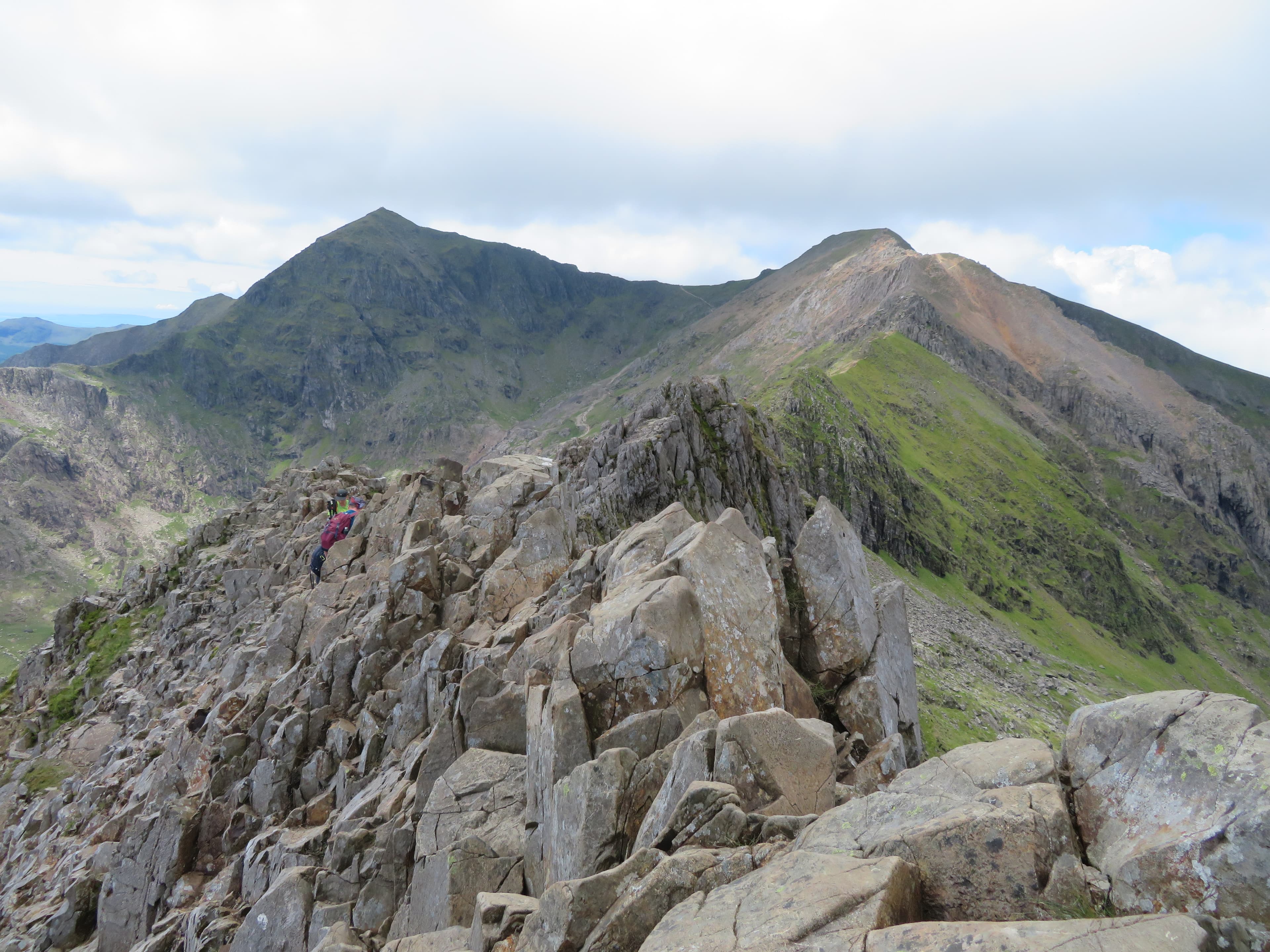
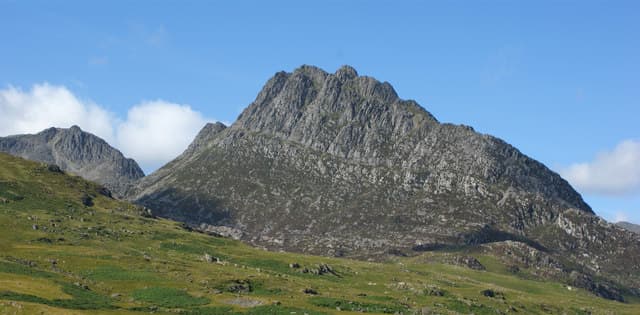
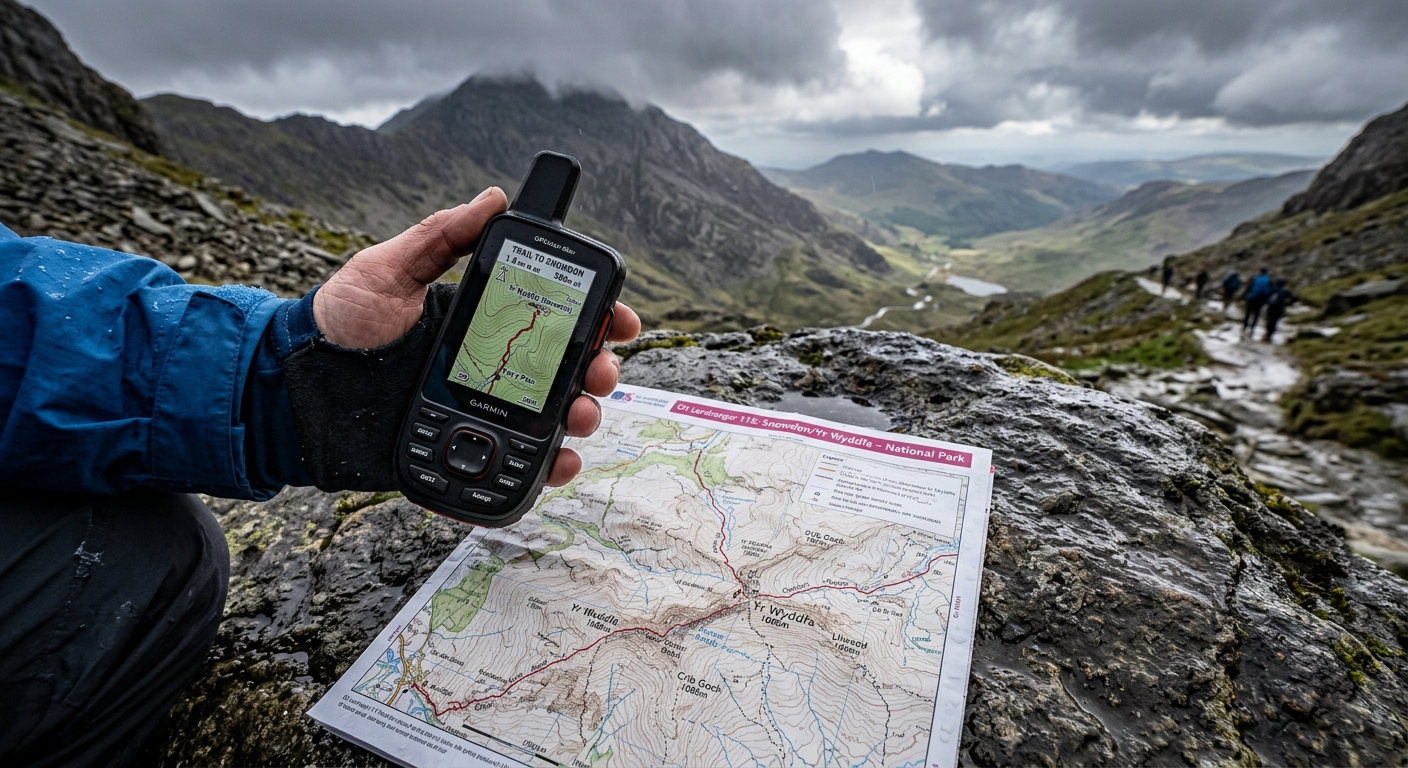
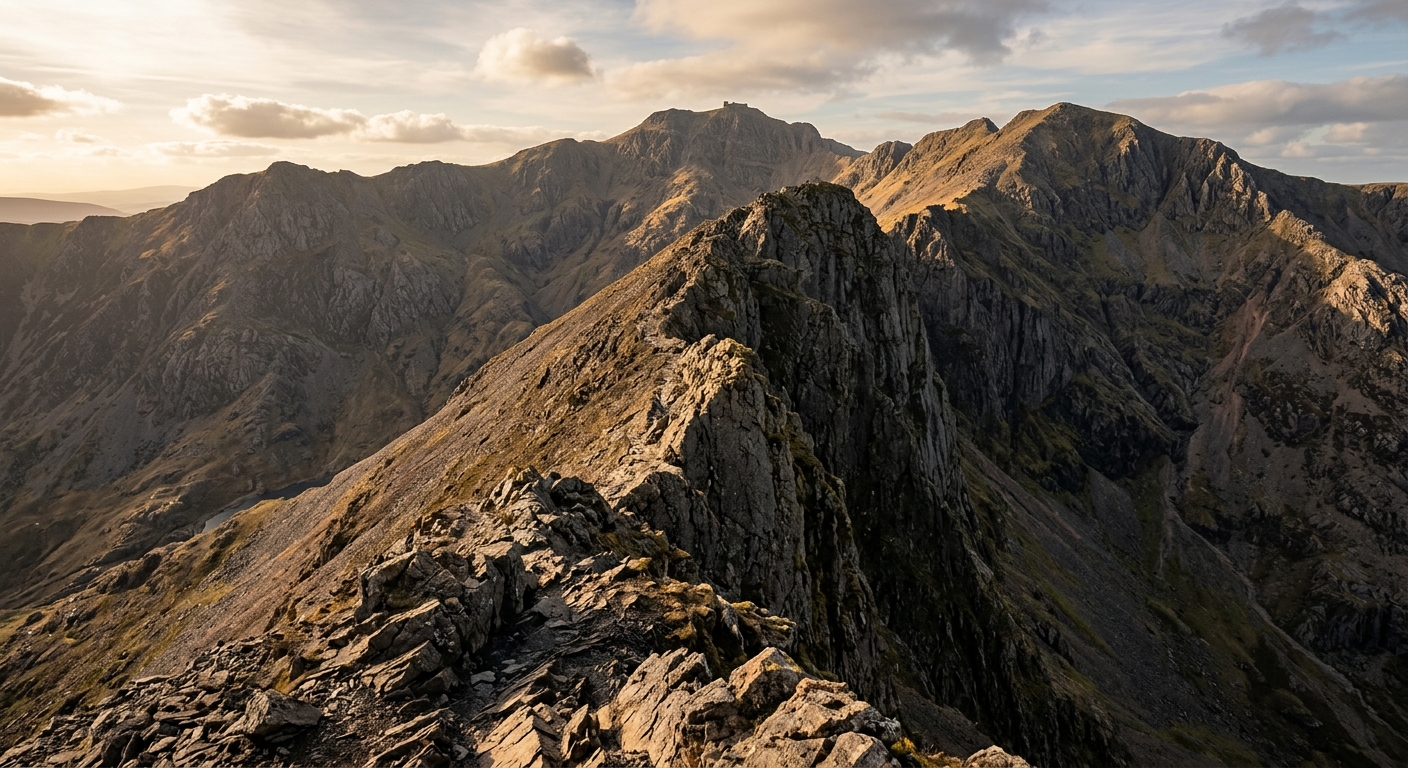
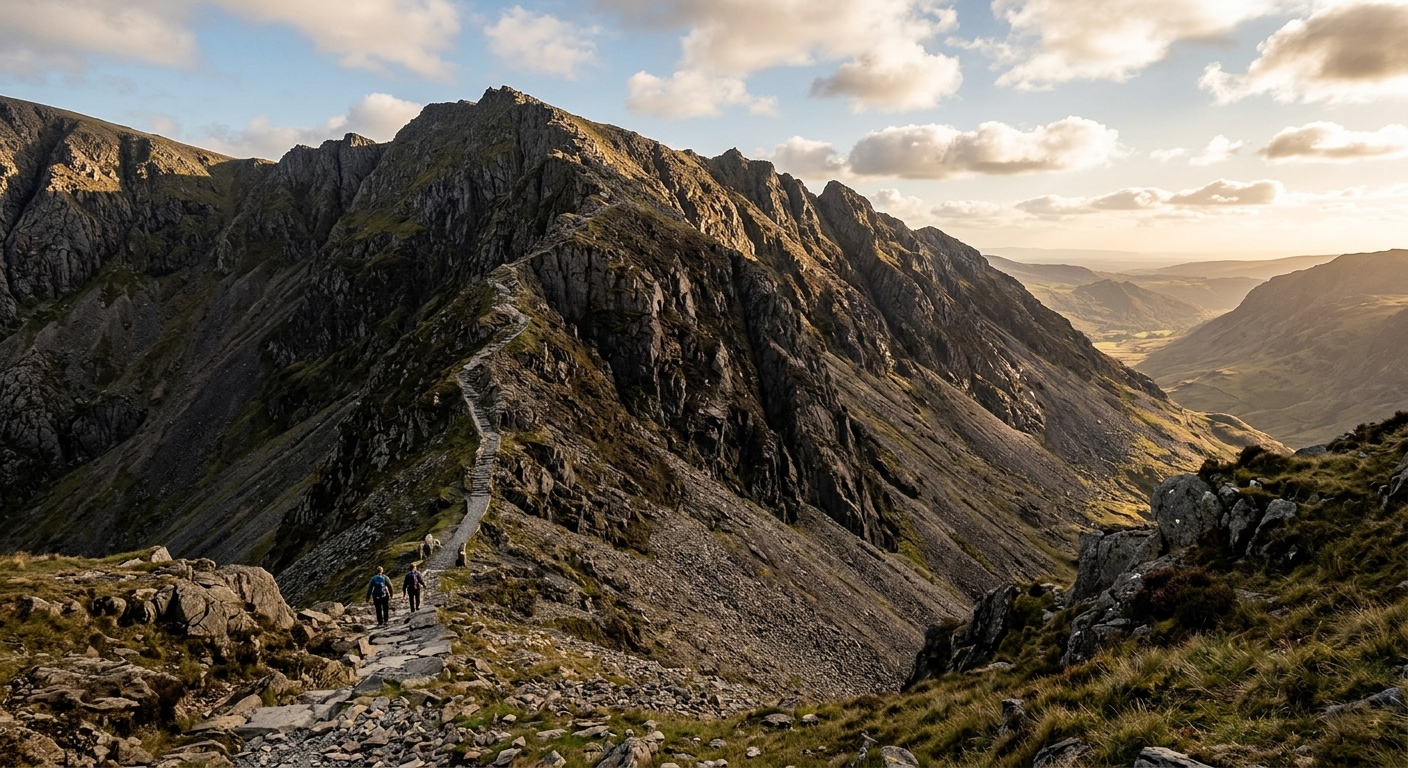
Eryri contains all 15 Welsh summits above 3,000 feet, alongside classic scrambling ground including Tryfan, Crib Goch and the rocky Glyderau.
Region guide
“But it is not for its scenery alone that Wales is deserving of being visited.”
— George Borrow, Victorian traveller and author of Wild Wales
Highest Mountain
Yr Wyddfa — 1,085mWelsh 3000s
15 SummitsNational Parks
ThreeWales Coast Path
1,400kmCambrian Way
479kmCambrian Way Ascent
Approximately 22,500mAbout the region
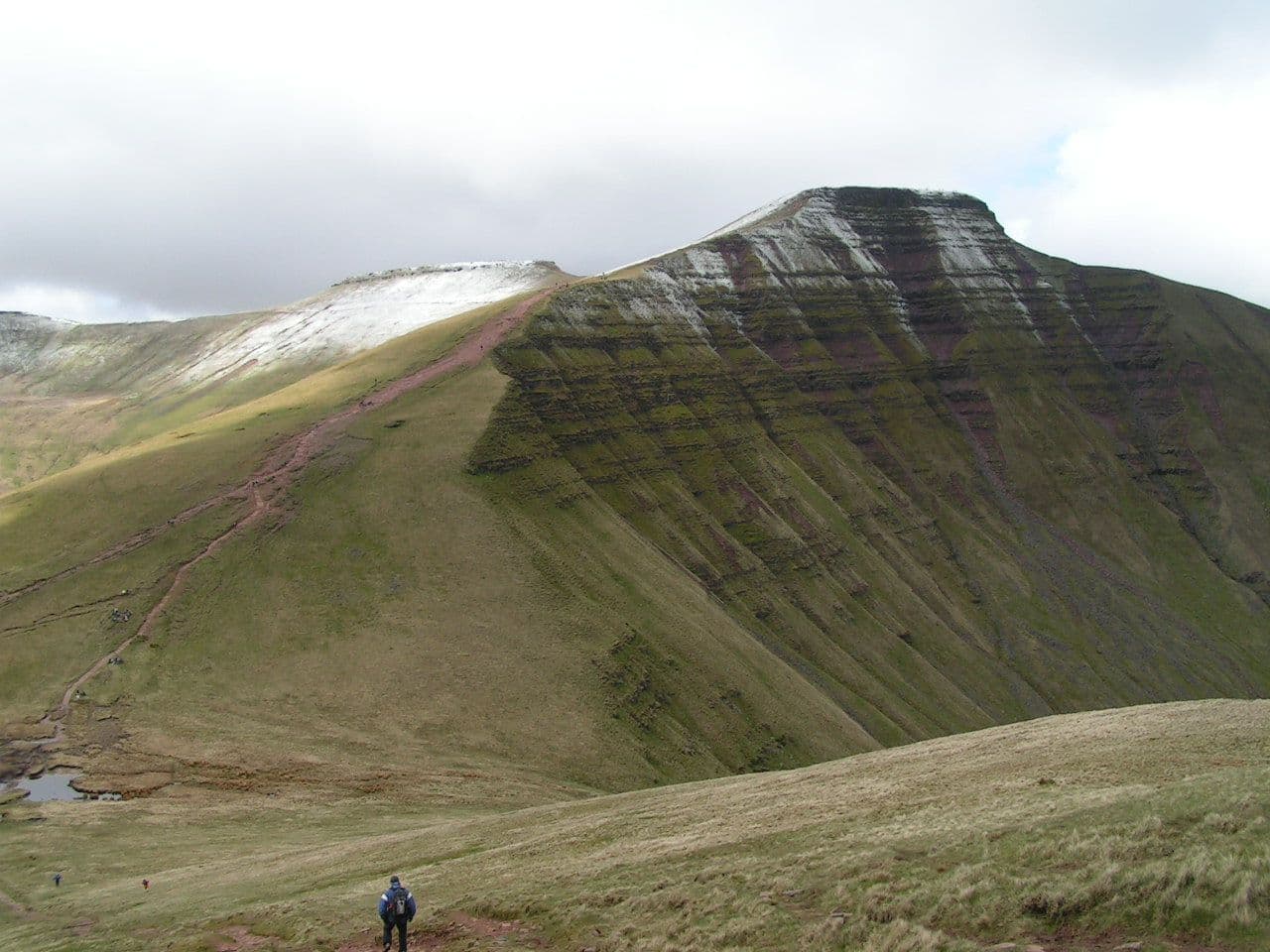
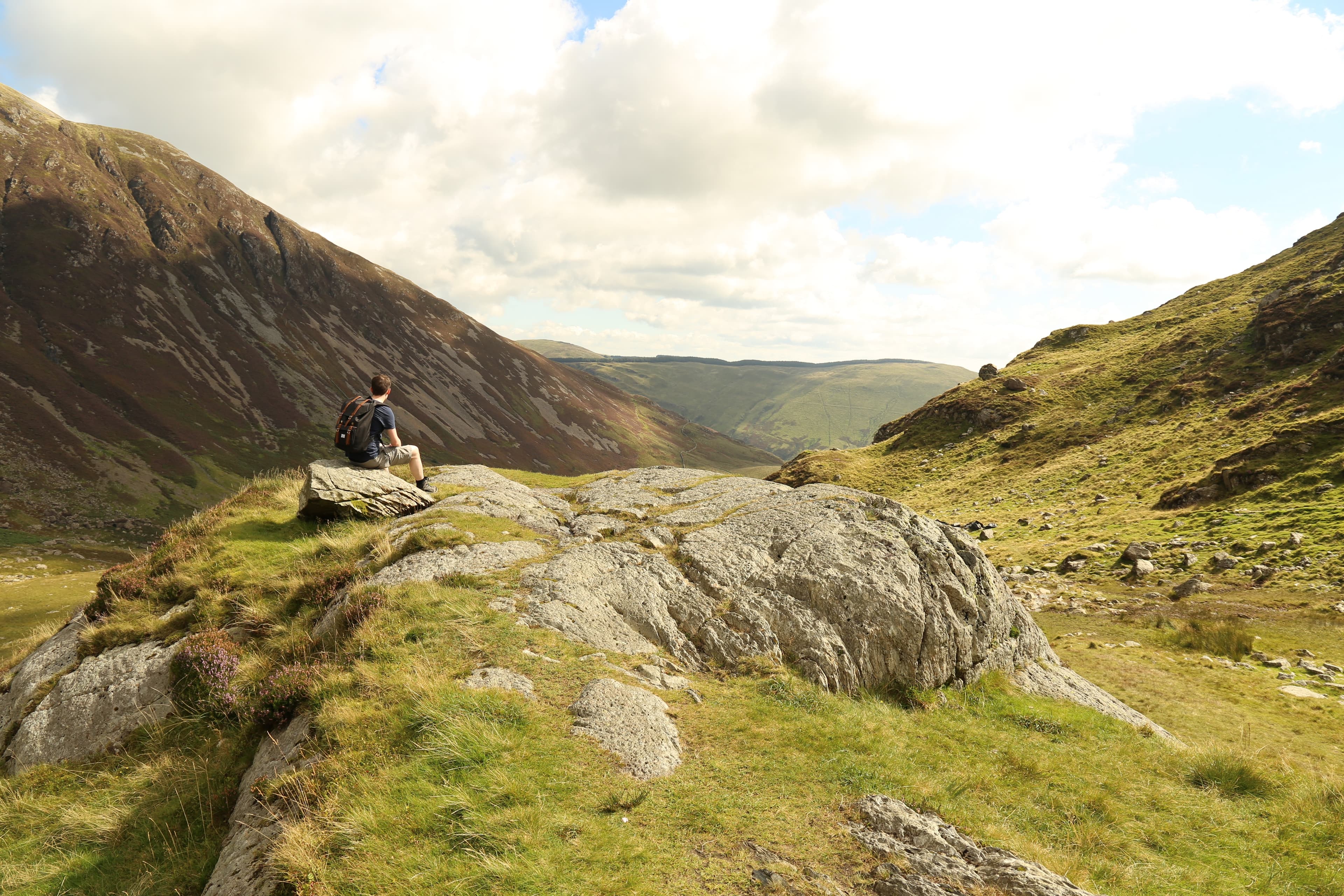
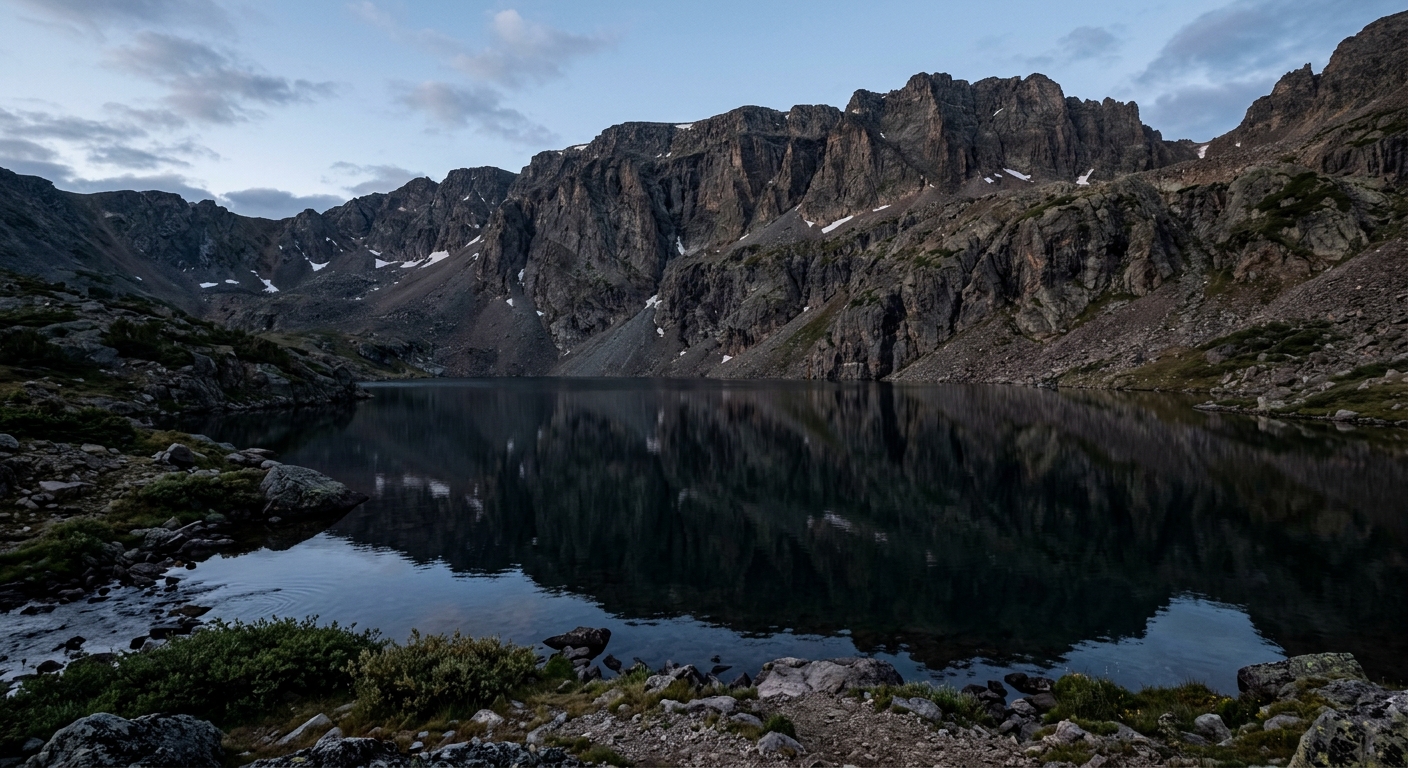
Wales fits an extraordinary range of walking into a relatively small country. In the north, the mountains of Eryri rise through sharp ridges, glacial cwms and rocky plateaux, providing everything from accessible valley walks to exposed scrambles. The Carneddau feel broad and remote, the Glyderau are rough and dramatic, while the Rhinogydd remain stubbornly wild.
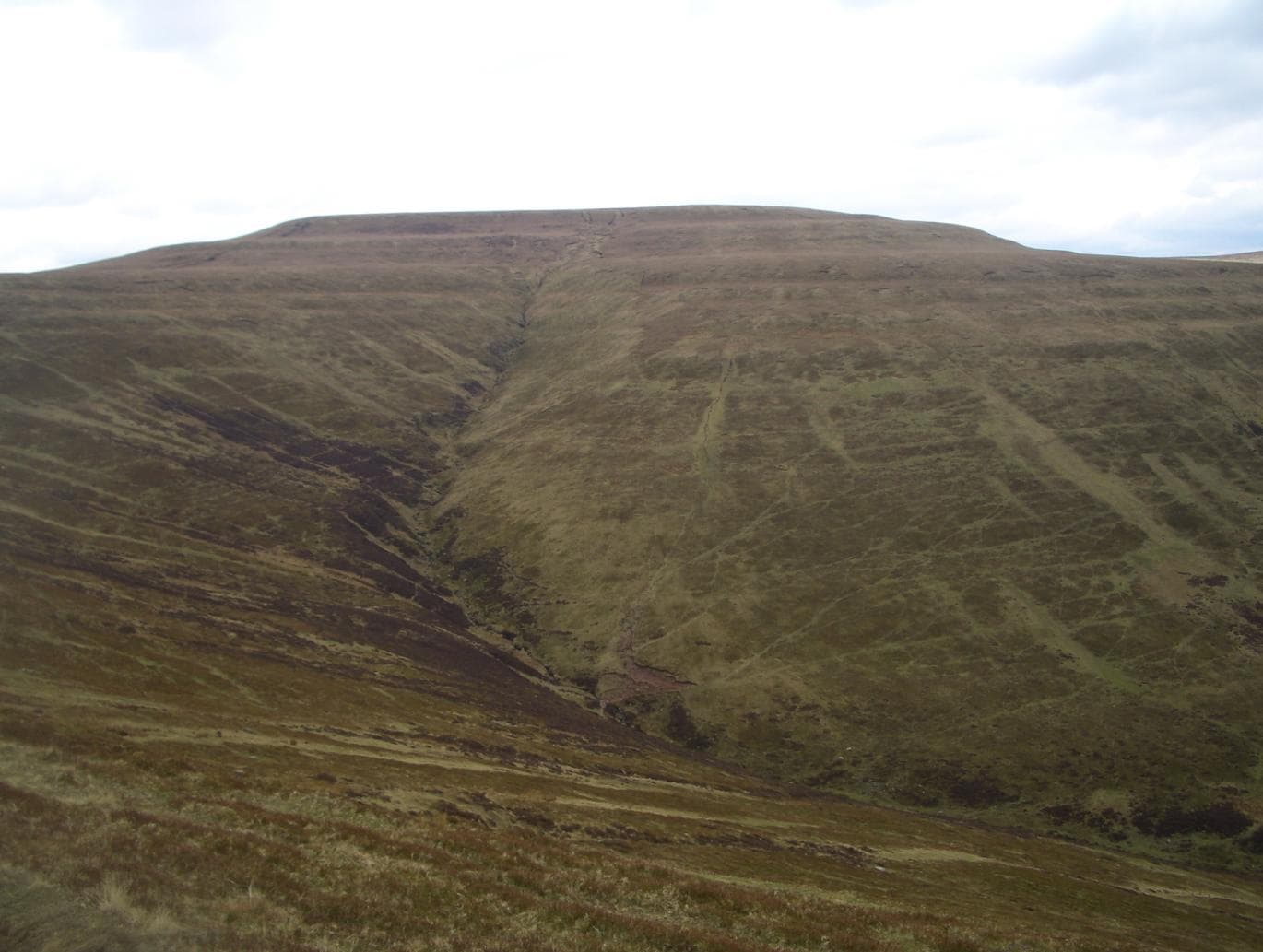
Mid Wales has a quieter character. Pumlumon, the Elan Valley and the Cambrian Mountains offer long days across open moorland, often with few paths and fewer people. This is country for walkers who enjoy navigating rather than following the person immediately ahead.
Farther south, Bannau Brycheiniog combines sweeping sandstone escarpments, waterfalls and the highest summits in southern Britain. The Preseli Hills, Gower and Pembrokeshire bring ancient ridgeways and Atlantic coast into the picture, while the Clwydian Range forms a chain of hillfort-topped summits along the northeastern border.
Long-distance walkers can cross the country on the Cambrian Way, trace its eastern edge along Offa’s Dyke or follow the entire coastline from Chepstow to the Dee Estuary.
Welsh mountains are rarely enormous, but height tells only part of the story. Weather, rough ground and wonderfully indirect paths usually provide the rest.
Regional signature
The Mountain North
The Wild Heart
The Western Edge
Longer days and improving conditions make spring excellent for hillwalking. Snow and ice can remain on the highest Eryri summits, while upland paths may still be saturated.
Best for: Quieter mountains and coastal flowersExtended daylight suits the Welsh 3000s, Cambrian Way stages and remote mountain circuits. Yr Wyddfa and Pen y Fan become busy, but quieter alternatives are never far away.
Best for: Long ridges and multi-day routesCooler air can bring excellent visibility across the mountains and coast. Woodland colour transforms the valleys, although daylight shortens quickly later in the season.
Best for: Clear views and quieter summitsSnow and ice can turn the northern mountains into serious mountaineering terrain. Lower ridges, coastal hills and sheltered valleys offer less committing options.
Best for: Experienced mountaineers and lower hill walksTrailTrack Favourites
Ten hills chosen by TrailTrack
Explore TrailTrack guides, collections and hiking route guides for this region.
Explore the collectionWales Regional LibraryIf you've ever wondered where the myths of Welsh dragons and sunken kingdoms actually came from—or just fancy a decent hike with a GPX file that won't lead you into a bog—this library connects the legends to the landscape and gives you the routes to go find them yourself.Open the regional libraryChoose an area
Open a regional guide for walking highlights, local knowledge and TrailTrack favourites.
Continue exploring
From exposed mountain ridges to empty moorland and cliff-top paths, Wales offers enough walking to fill a lifetime—and enough weather to keep it interesting.