Ten protected landscapes
The National Parks
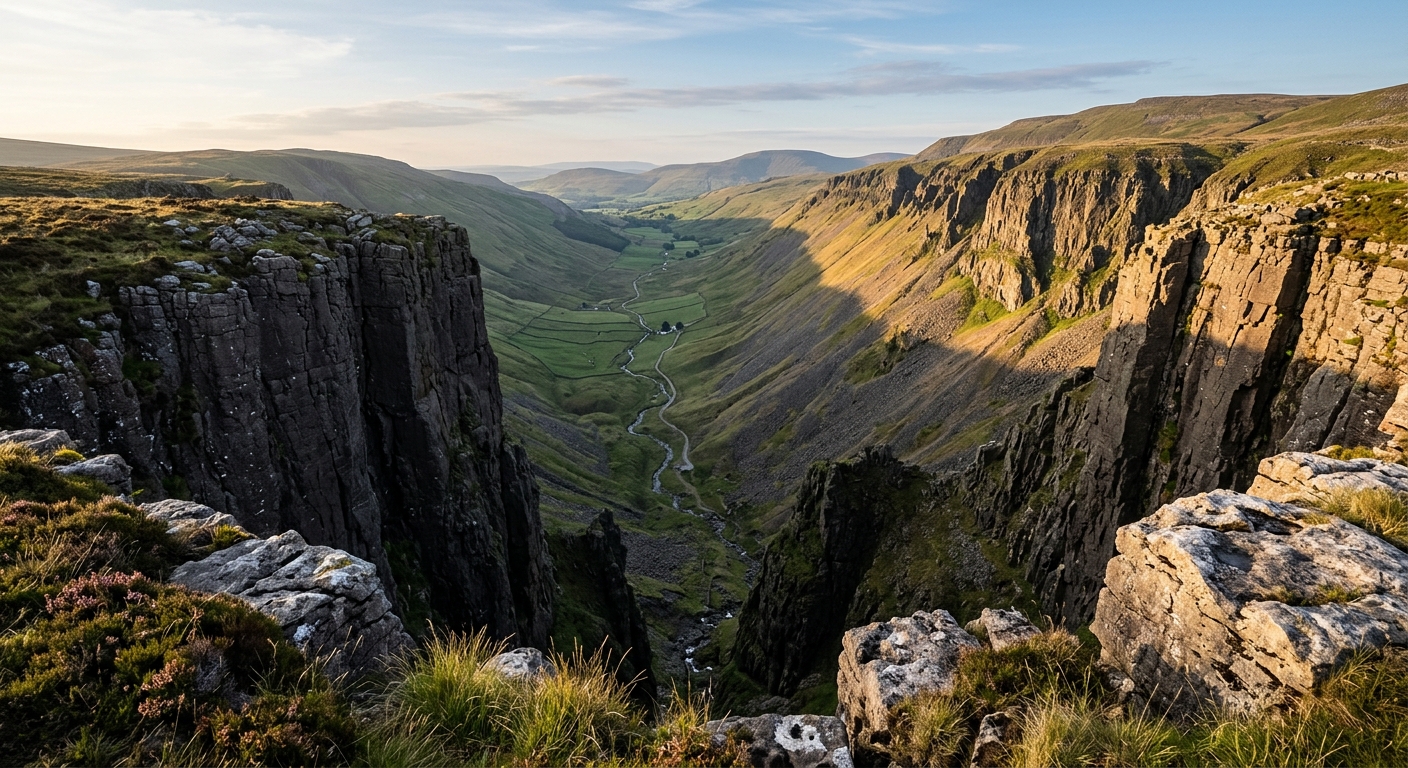
England’s National Parks encompass high mountains, peat moors, ancient woodland, chalk downs, wetlands and more coastline than the word “park” might initially suggest.
Region guide
“One should always have a definite objective, in a walk as in life — it is so much more satisfying to reach a target by personal effort than to wander aimlessly.”
— Alfred Wainwright
Highest mountain
Scafell Pike — 978mHighest southern summit
High Willhays — 621mNational parks
10Longest National Trail
South West Coast Path — 1,014kmFirst National Trail
Pennine Way — Opened 1965Yorkshire Three Peaks
39kmAbout the region
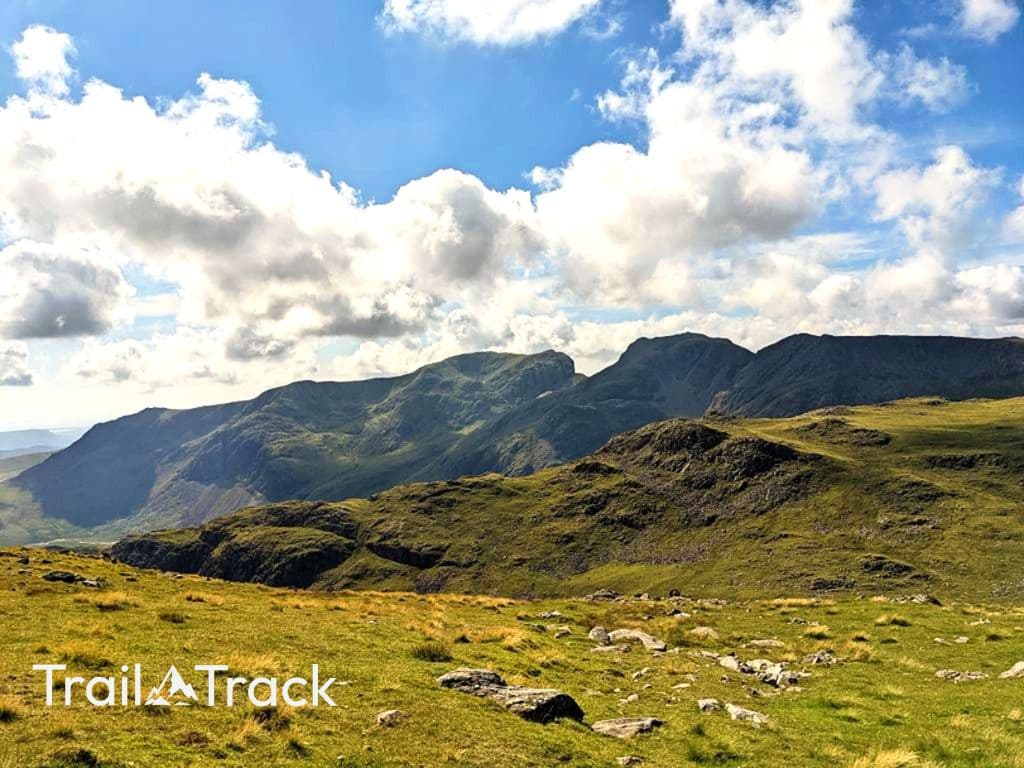
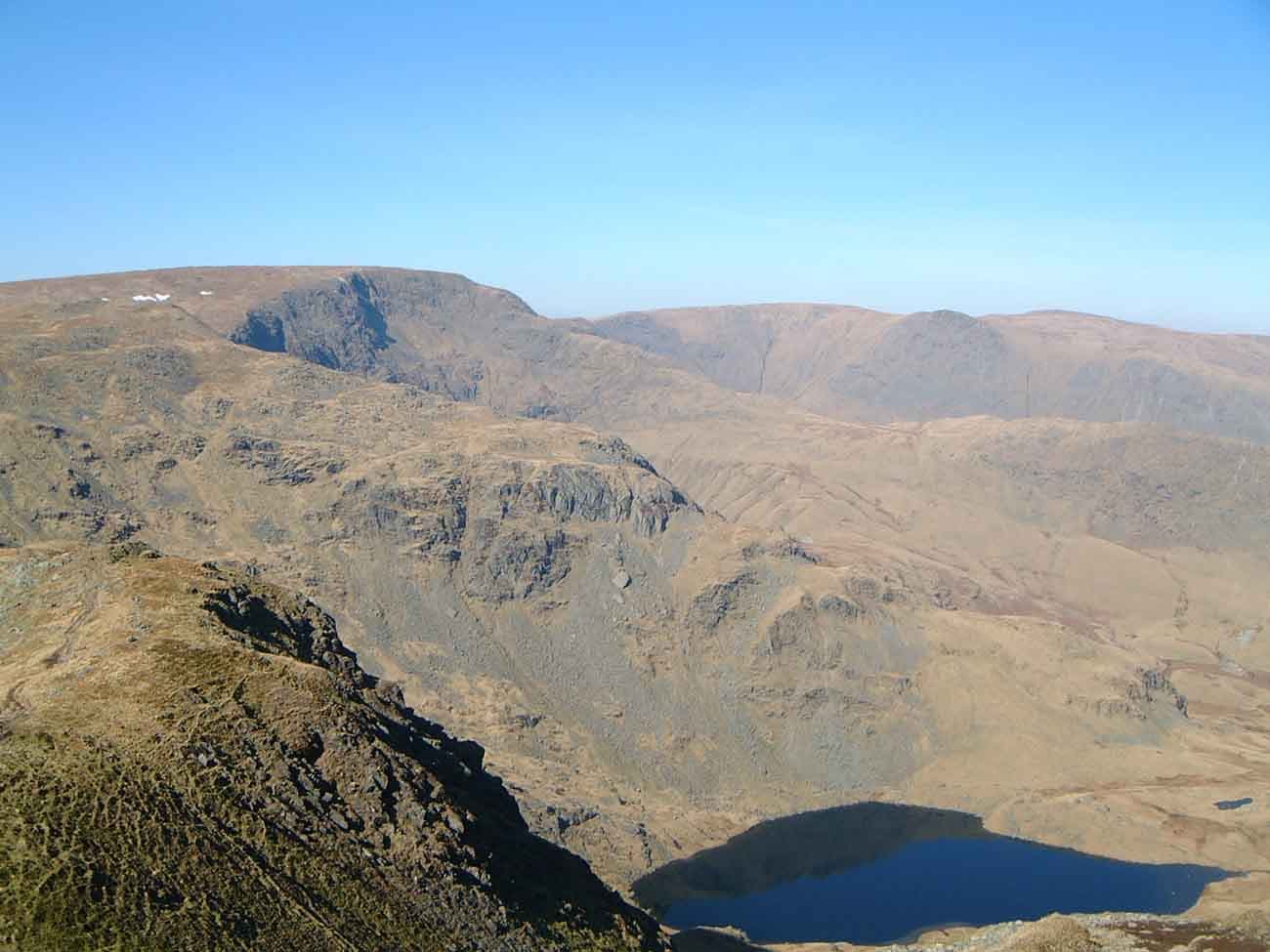
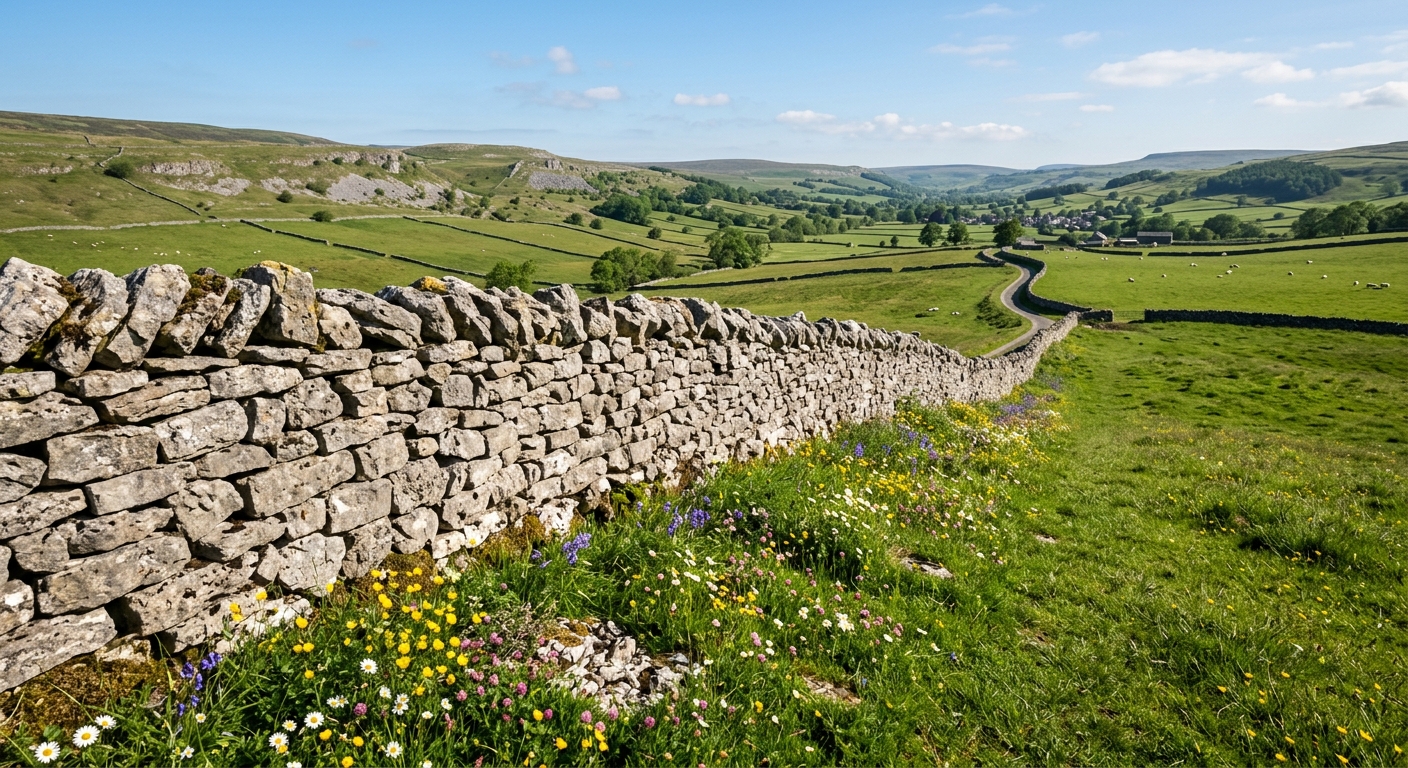
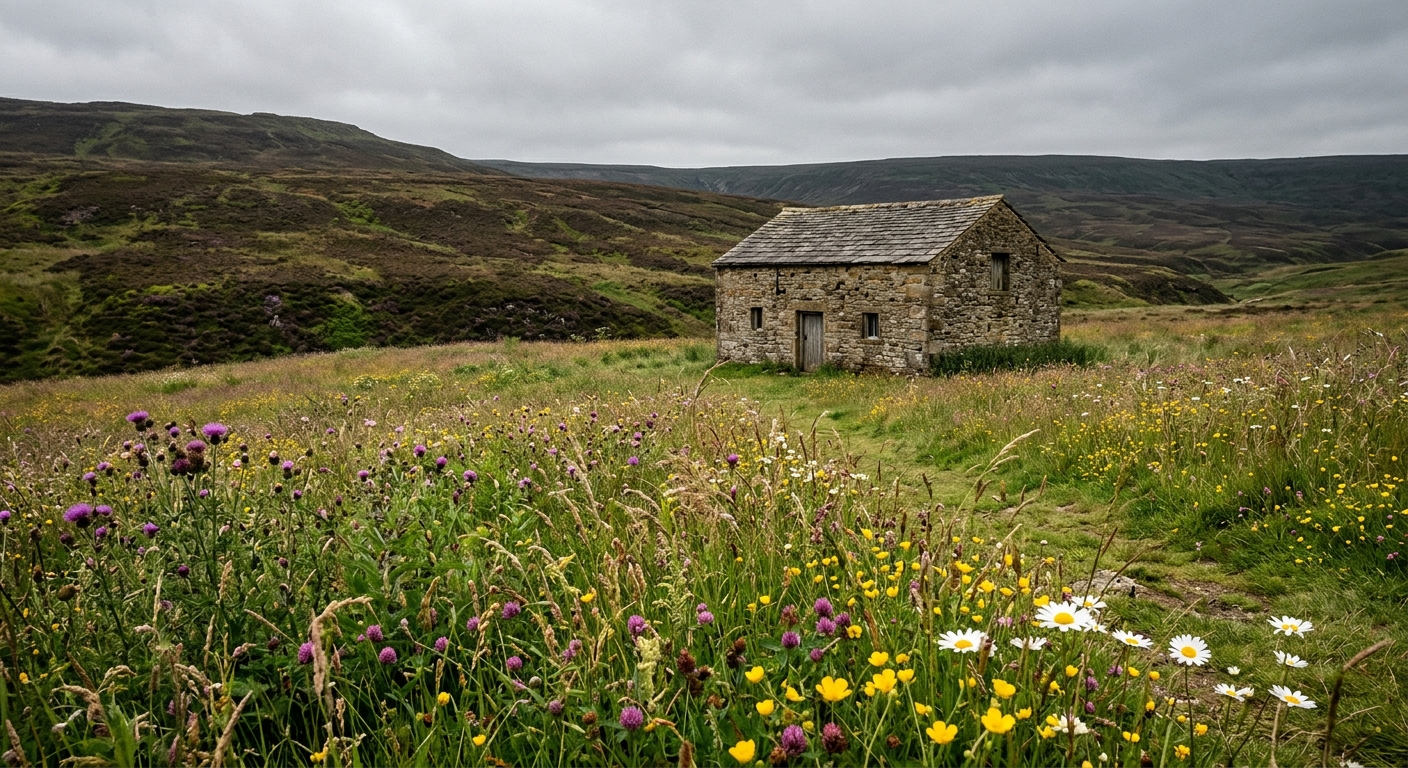
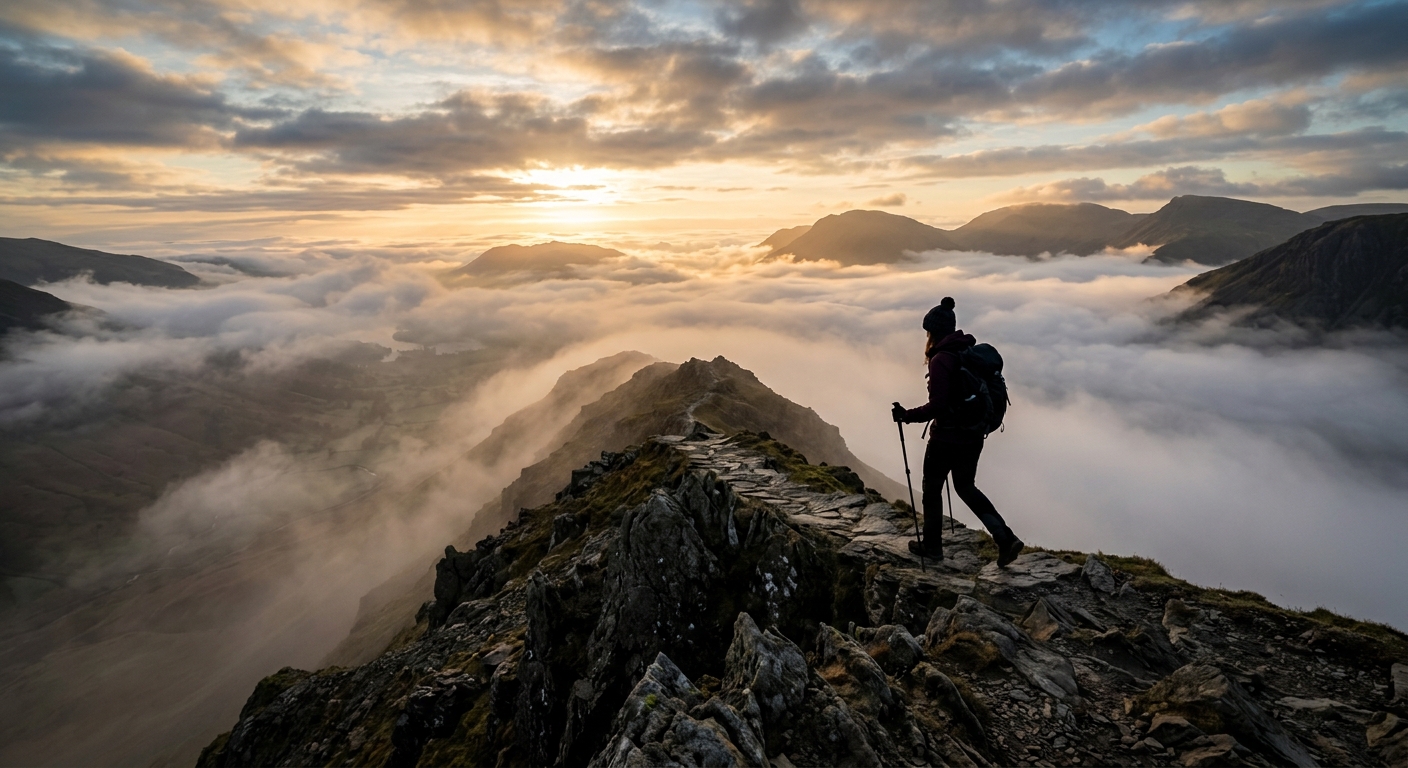
England’s walking landscape changes dramatically within relatively short distances. The Lake District contains its highest and rockiest mountains, with narrow ridges, glacial valleys and hundreds of possible fell combinations. Eastwards, the Pennines form a broad upland spine stretching through the Yorkshire Dales, North Pennines and Peak District towards the Cheviots.
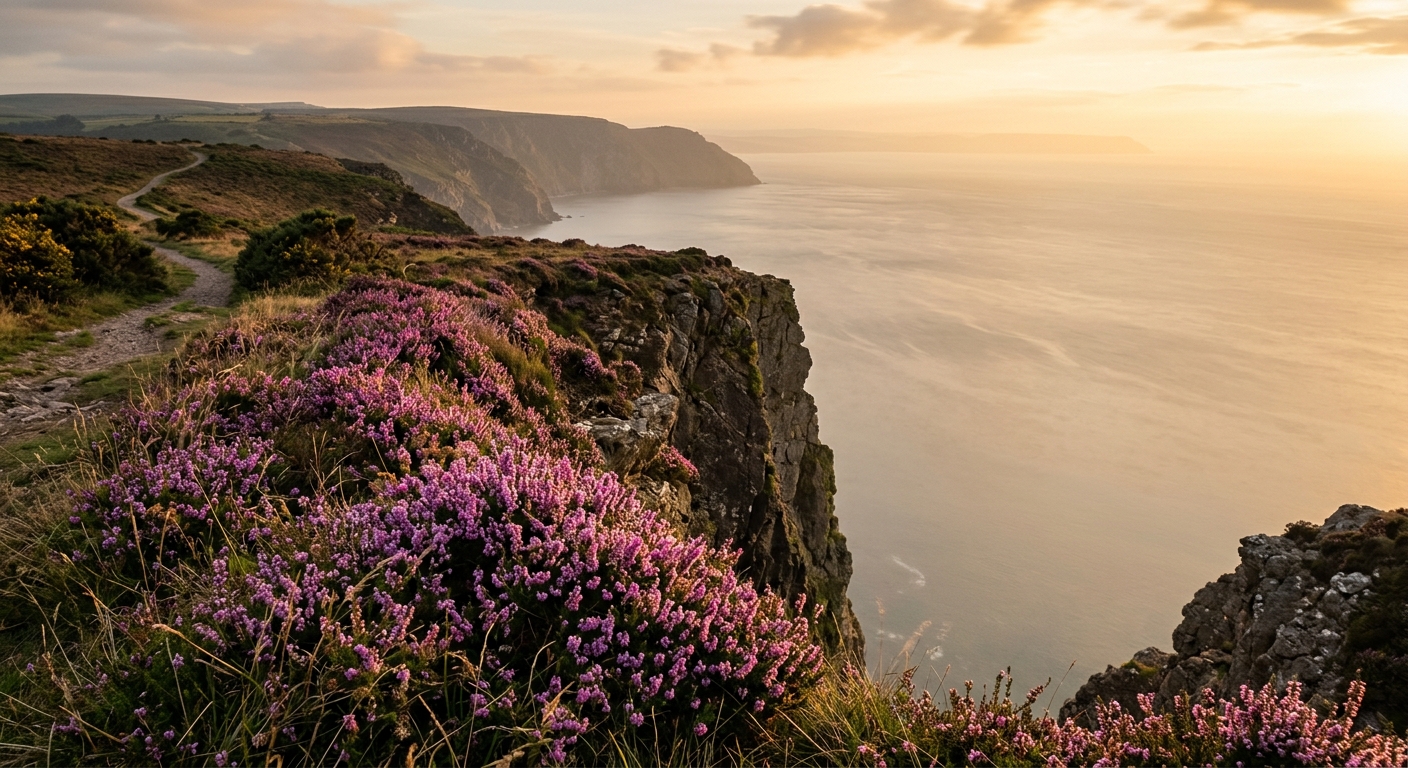
Farther south, height becomes less important. Dartmoor’s granite tors rise above open moorland and wooded valleys, while Exmoor combines rounded hills with some of England’s highest sea cliffs. The Malverns, Cotswolds, Chilterns and North Wessex Downs offer long ridges, ancient tracks and extensive views without requiring a morning spent climbing scree.
England’s footpath network also makes journeys possible on a much larger scale. The Pennine Way follows the backbone of the country, the Coast to Coast crosses three national parks, and the South West Coast Path traces more than 1,000 kilometres of cliffs, coves and headlands. Numerous shorter National Trails follow historic boundaries, rivers and chalk escarpments.
The popular summits can be busy, but empty ground is rarely far away. Choose a neighbouring ridge, an unfashionable valley or a day with slightly questionable weather and the crowds generally solve themselves.
Regional signature
Ten protected landscapes
Mountains from Derbyshire to Scotland
Thousands of miles to explore
Paths begin to dry, daylight increases and woodland flowers appear across the lower hills. Snow and ice can still affect the highest northern summits.
Best for: Quieter trails and improving mountain conditionsLong days suit extended ridge routes and multi-day journeys. Popular mountains become busy, so early starts and less obvious approaches are worthwhile.
Best for: Long-distance trails and family walksCooler air often brings excellent visibility across the Pennines, Lakes and southern downs. Shortening days require more careful planning on longer routes.
Best for: Woodland colour and clear ridge viewsThe Lake District and high Pennines can become serious winter terrain. Southern hills, woodland paths and coastal trails offer alternatives, although mud is generally included.
Best for: Experienced mountain walkers and lower-level routesTrailTrack Favourites
Ten hills chosen by TrailTrack
Choose an area
Open a regional guide for walking highlights, local knowledge and TrailTrack favourites.
Continue exploring
From mountain ridges and open moors to chalk downs and thousand-kilometre coast paths, England offers rather more walking than anyone can sensibly finish.