The Munros
282 mountains above 3,000ft
Sir Hugh Munro published his first list in 1891. Completing every summit has since become one of Britain’s defining hillwalking challenges.
Region guide
“For me, it was never what I did, but what I saw, that was important”
— Tom Weir, Scottish mountaineer, writer and presenter who spent more than half a century exploring Scotland’s hills and wild places
Highest Mountain
Ben Nevis — 1,345mMunros to Complete
282Longest Ridge Challenge
Cuillin Ridge — 12kmMost Remote Munro
A' Mhaighdean — 966mClassic Long-Distance Trail
West Highland Way — 154kmLargest National Park
Cairngorms — 4,528km²About the region
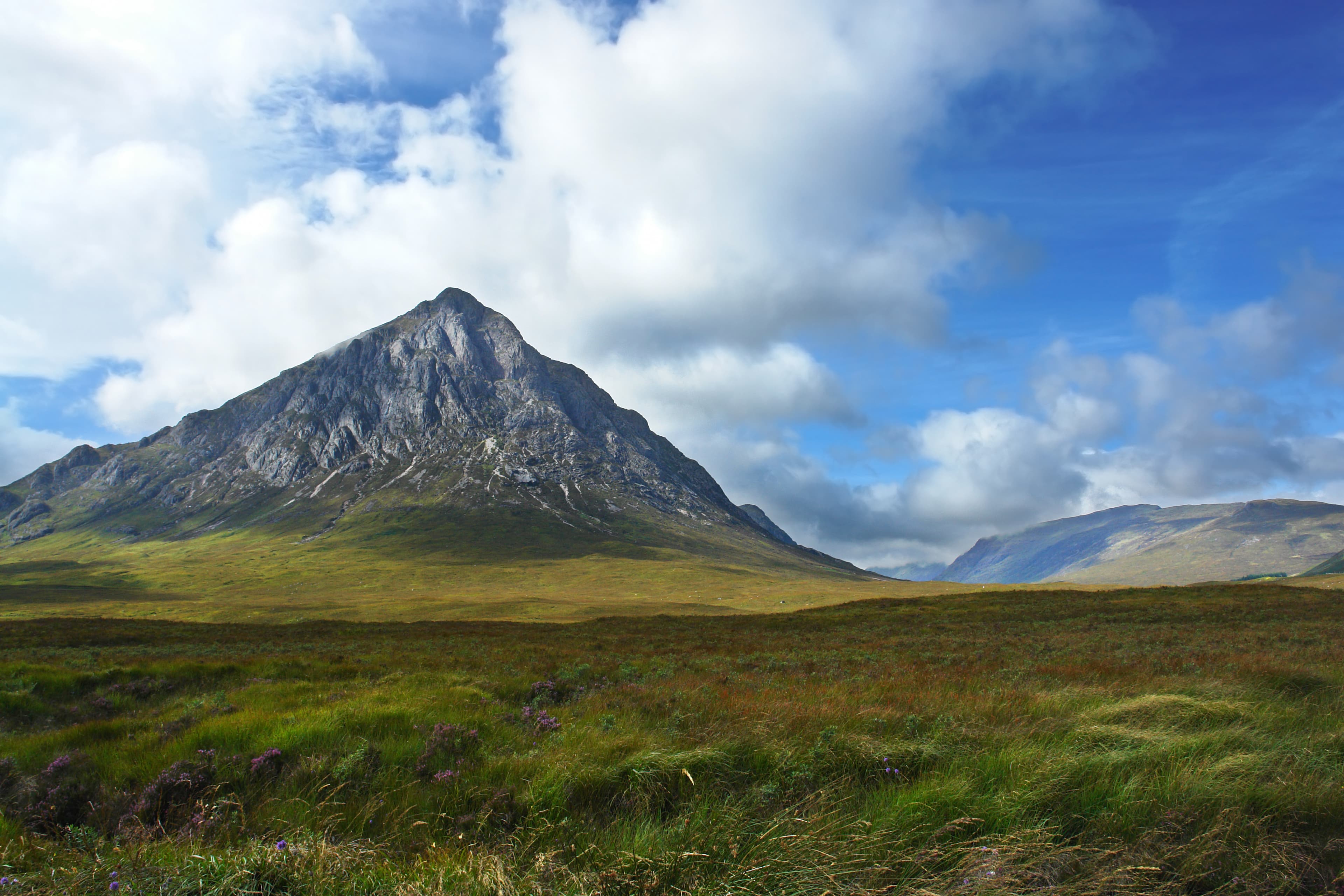
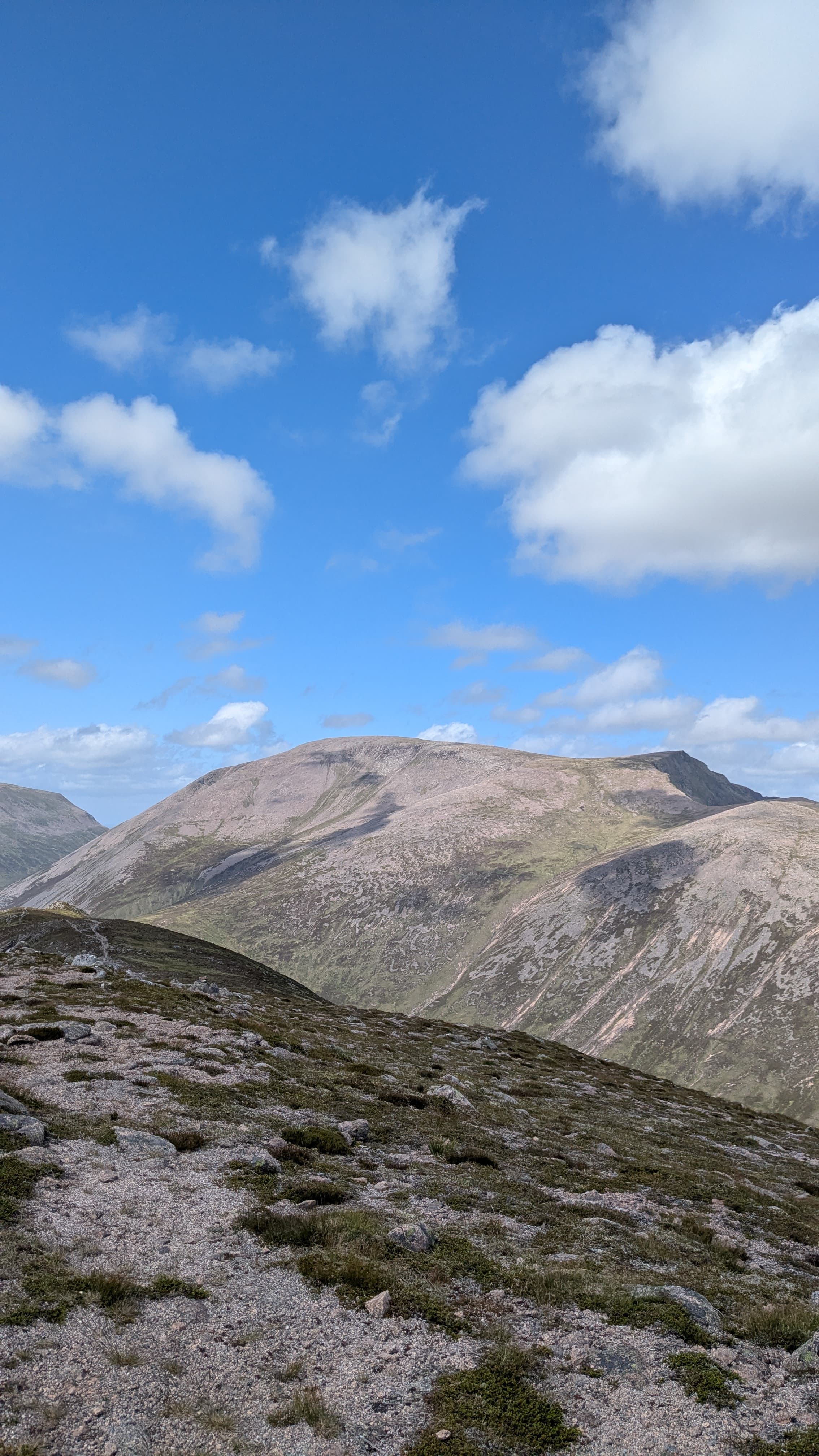
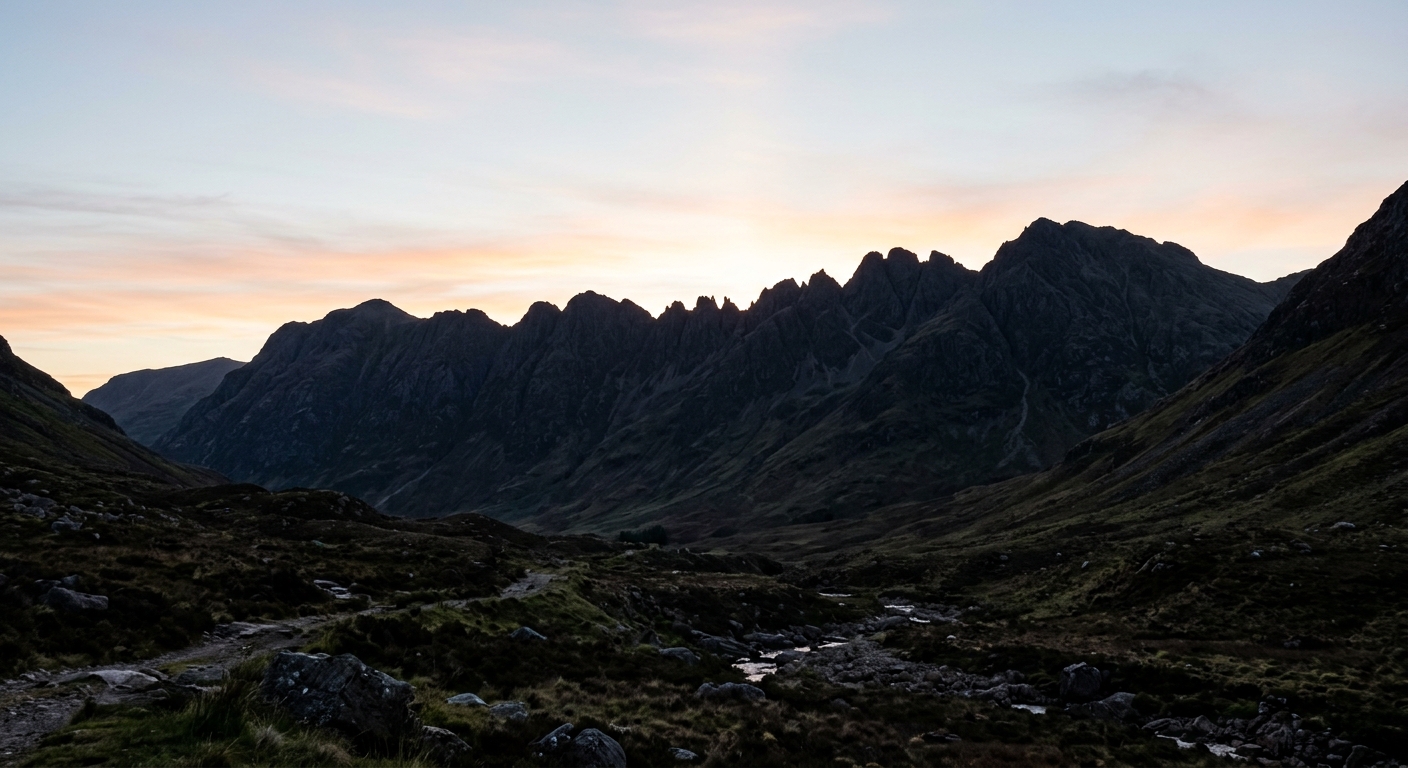
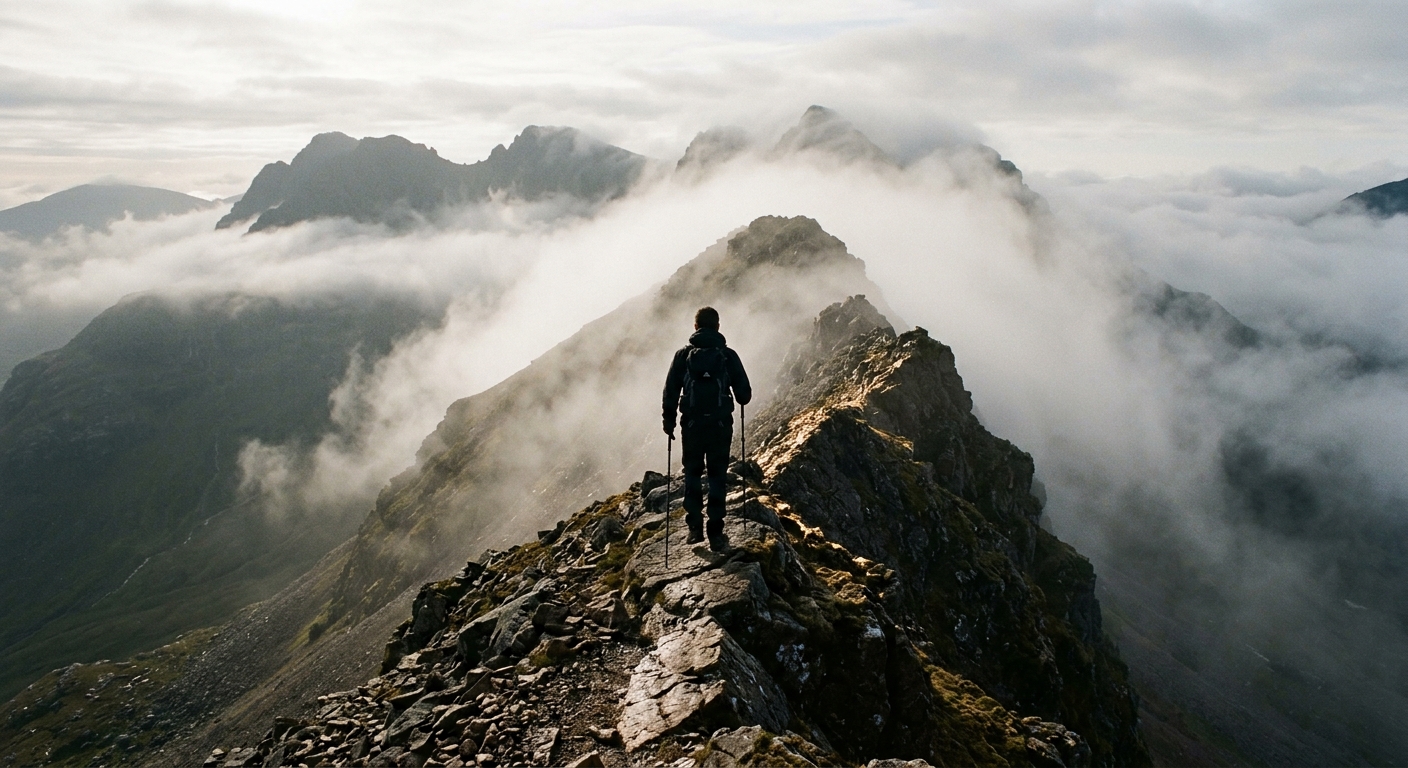
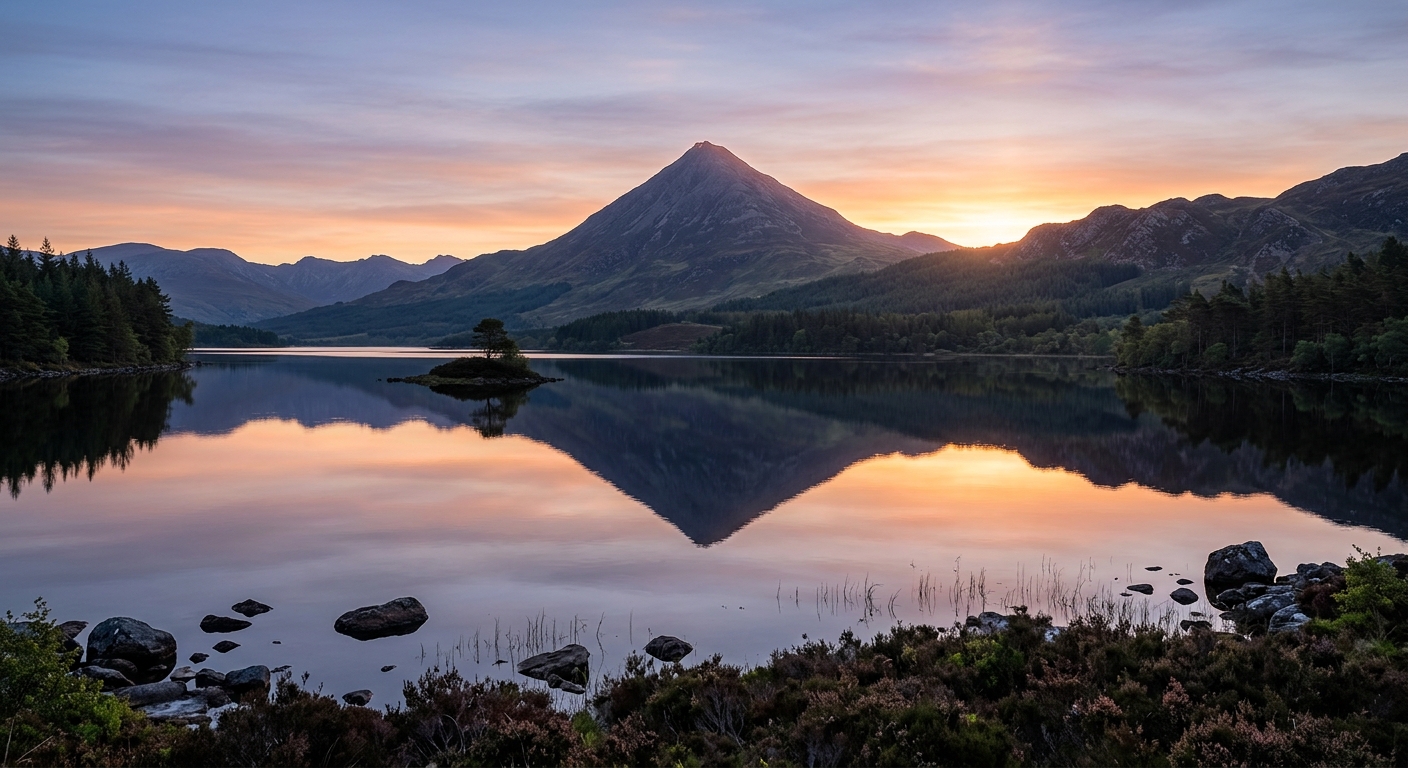
Scotland is not one mountain landscape but dozens of them, each with its own character. The Cairngorms spread across vast plateaux shaped by Arctic weather, while Glen Coe and Lochaber concentrate steep ridges, volcanic crags and some of the country’s greatest mountain routes into a comparatively small area.
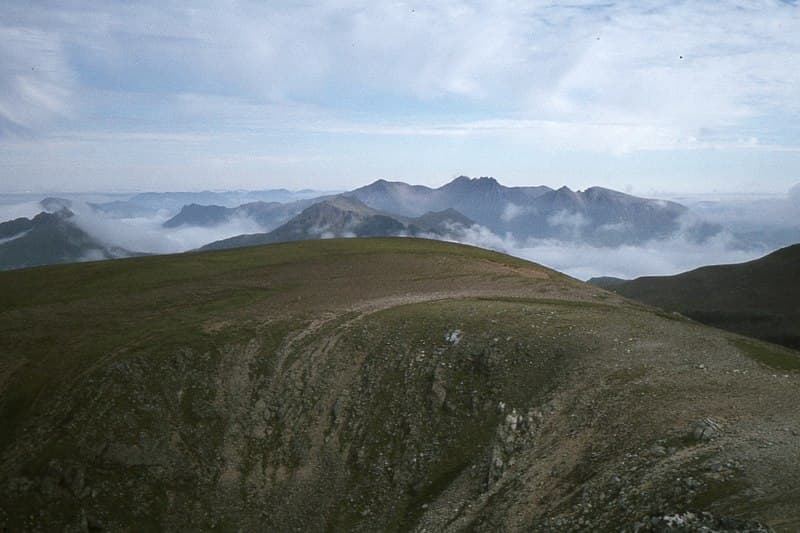
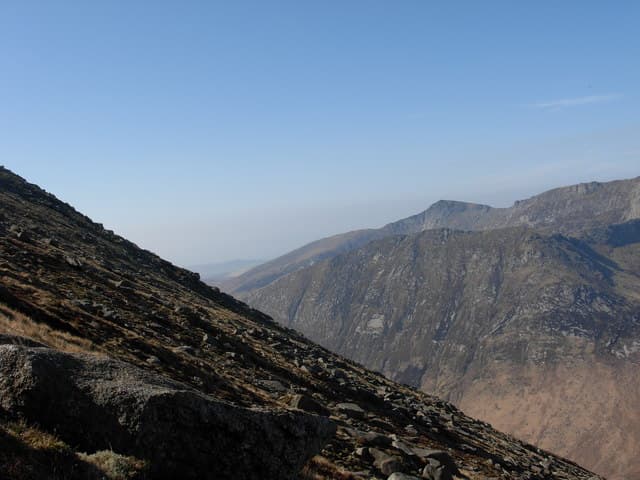
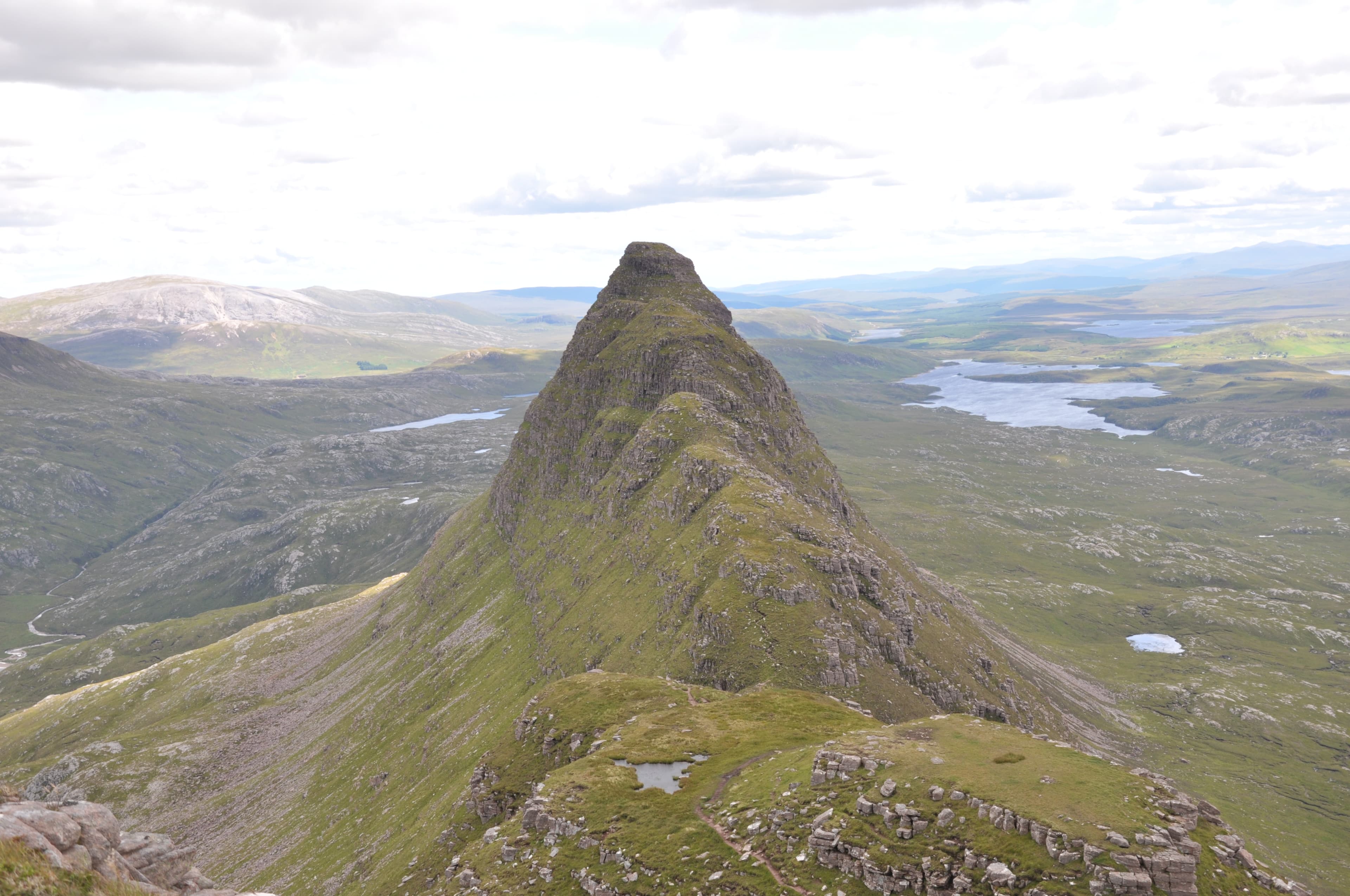
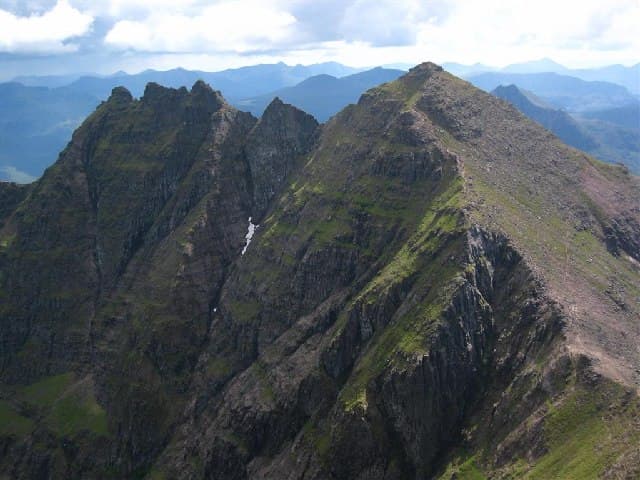
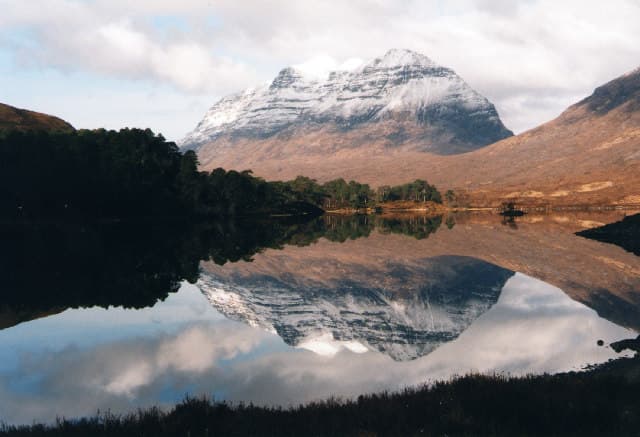
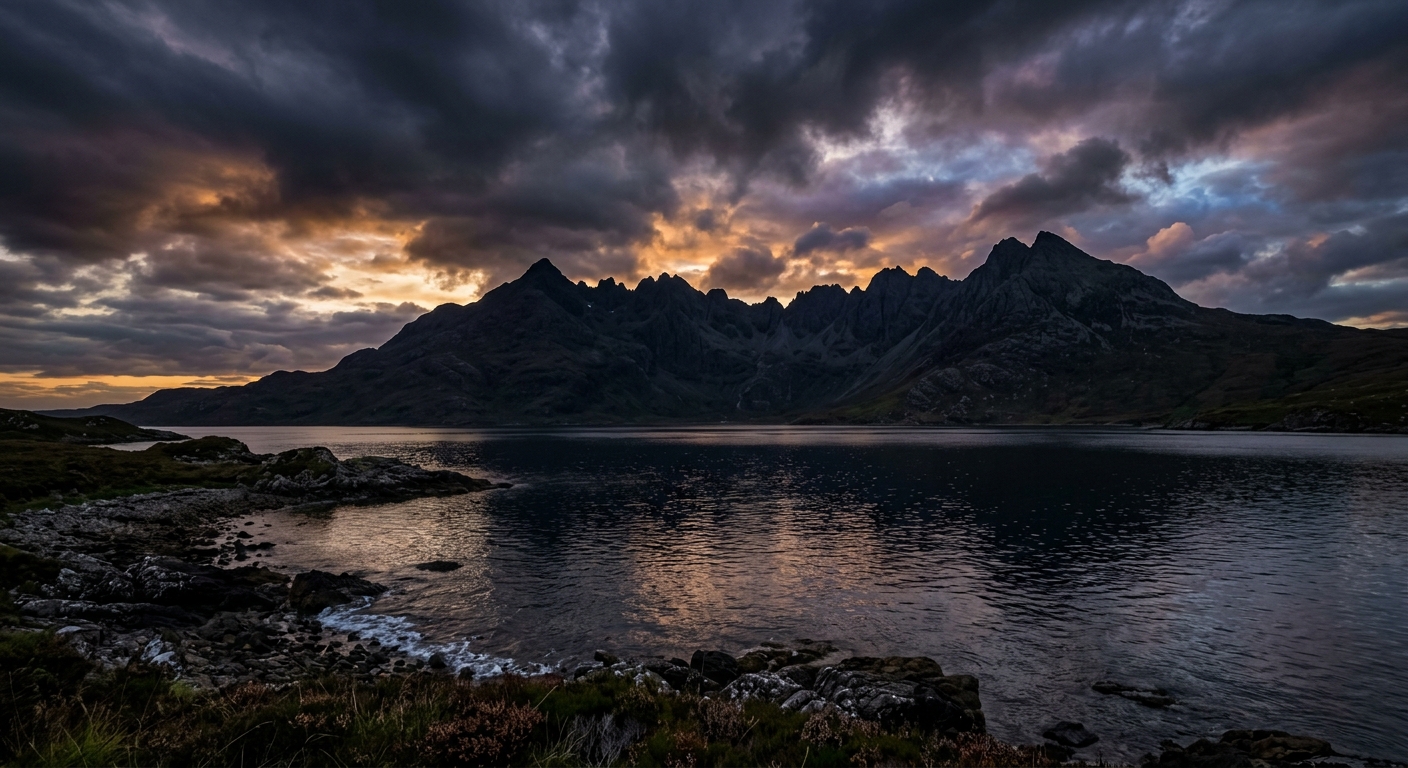
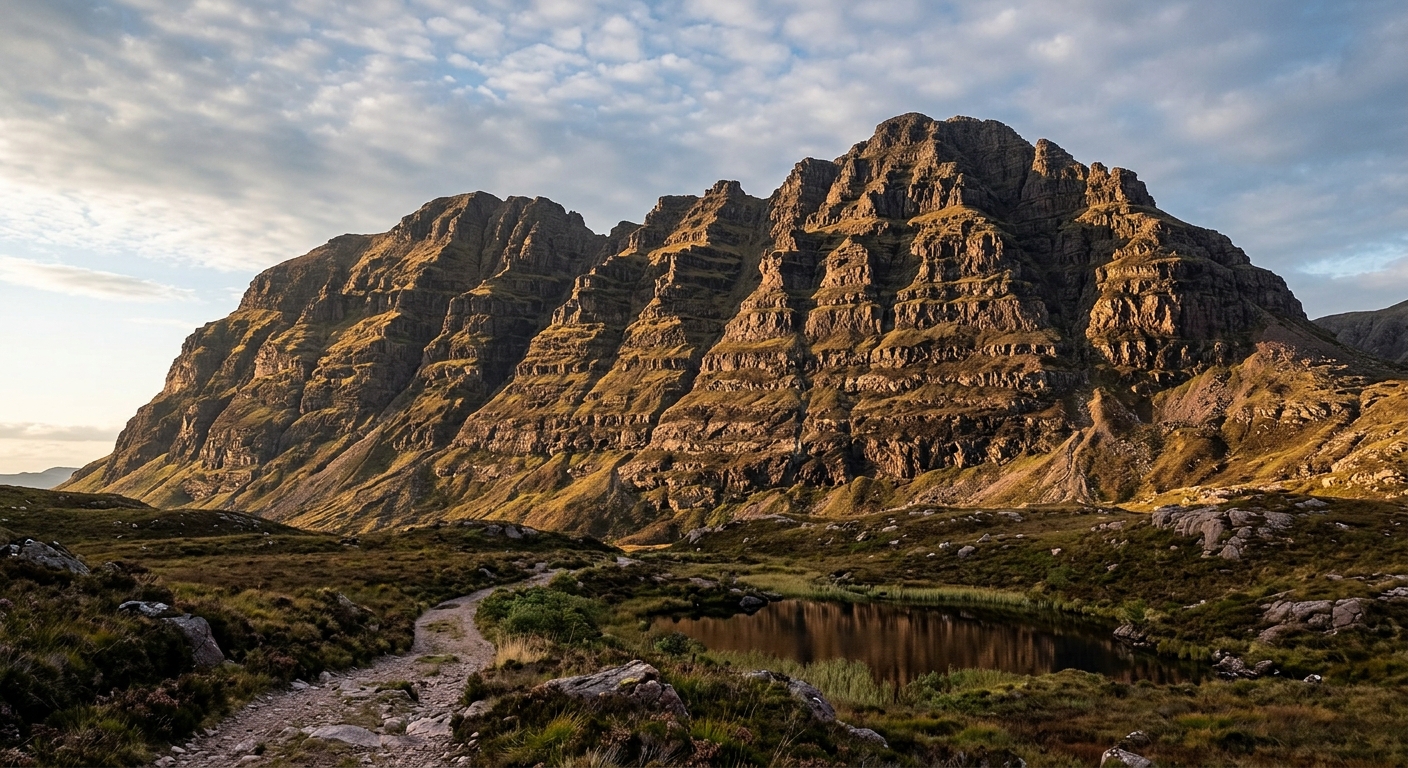
Farther north, Torridonian sandstone forms the terraced giants of Liathach, Beinn Alligin and An Teallach. Beyond Ullapool, isolated mountains such as Suilven and Stac Pollaidh rise abruptly from a wilderness of moorland, rock and scattered lochs. The islands add another dimension: Skye’s Cuillin demand scrambling and mountaineering skills, while Arran, Mull, Rum and Harris offer ridges that rise almost directly from the sea.
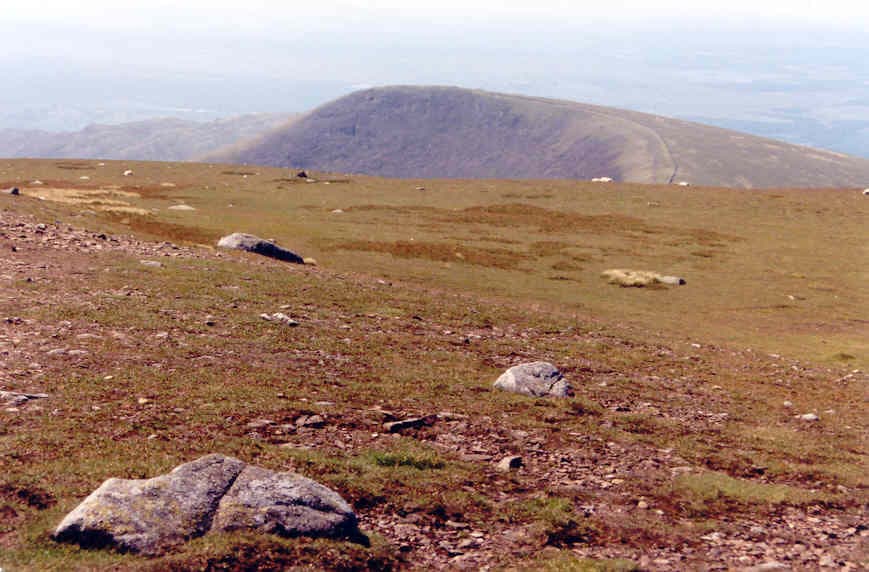
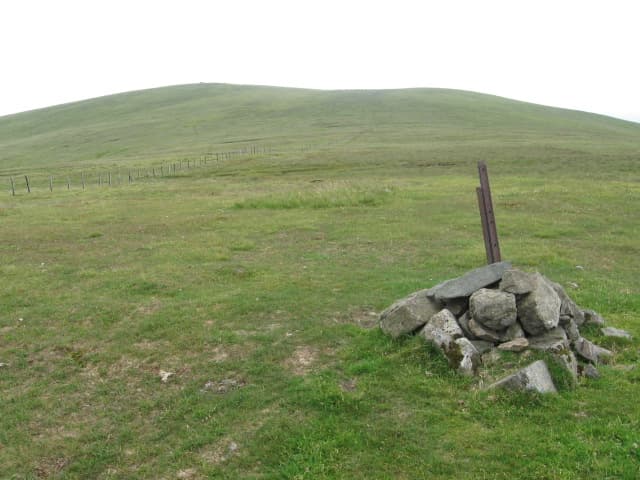
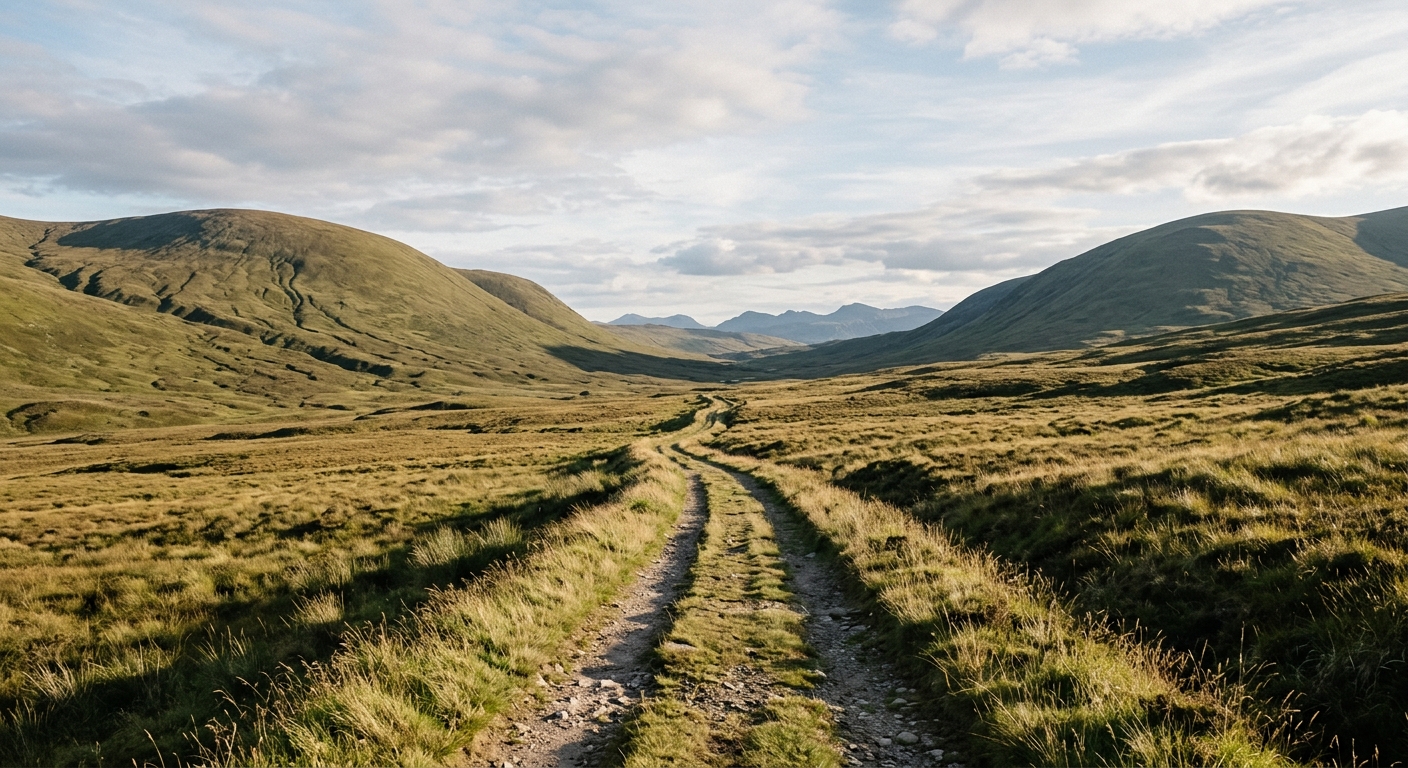
Scotland’s lower hills should not be treated as supporting acts. The Ochils, Pentlands and Campsies provide accessible ridge walking, while the Southern Uplands offer long, quiet days across rolling ground where another walker can be something of an event.
The famous challenge is completing all 282 Munros, but Scotland rewards a broader approach. Corbetts, Grahams, coastal hills and pathless island summits often provide greater solitude. Height is only part of the story here; distance, weather, terrain and remoteness usually have rather more to say about the day.
Regional signature
The Munros
The Great Ridges
The Long Journey
Lengthening days and fewer midges make spring a rewarding time to walk. Winter conditions can remain on higher summits, particularly across the Cairngorms.
Best for: Clearer air, quieter mountains and lingering snowExtended daylight opens up Scotland’s longest routes and island traverses. Midges thrive in still, damp conditions, while popular Munros can become busy.
Best for: Long mountain days and remote expeditionsCooler air, changing woodland and fewer insects make early autumn particularly rewarding. Daylight shortens quickly and the first significant snow can arrive on high ground.
Best for: Highland colour and sharp summit viewsSnow and ice transform Scotland’s mountains into serious mountaineering terrain. An ice axe, crampons and the skills to use them are often essential above the snowline.
Best for: Experienced winter mountaineers and lower-level walksTrailTrack Favourites
Ten hills chosen by TrailTrack
Explore TrailTrack guides, collections and hiking route guides for this region.
Explore the collectionScotland Regional LibraryA library of Scottish walking guides covering everything from the stories behind Munros and Corbetts to lesser-known lochs and proper hiking routes with GPX files, because Scotland has rather more to offer than the usual tourist trail.Open the regional libraryChoose an area
Open a regional guide for walking highlights, local knowledge and TrailTrack favourites.
Continue exploring
From local hills to pathless Highland summits, Scotland offers enough wild ground for several lifetimes of walking.