The 1940s
Written from experience
Nan Shepherd drew upon years spent walking, sleeping and exploring in the Cairngorms to write The Living Mountain, looking beyond summits to the water, wildlife and weather.
Region guide
“These hills hold astonishment for me.”
— Nan Shepherd, The Living Mountain
Highest Peak
Ben Macdui — 1,309 metresNational Park Area
4,528 km²Munros
55Highest Mountains
Five of the UK’s six highestHighest Large Loch
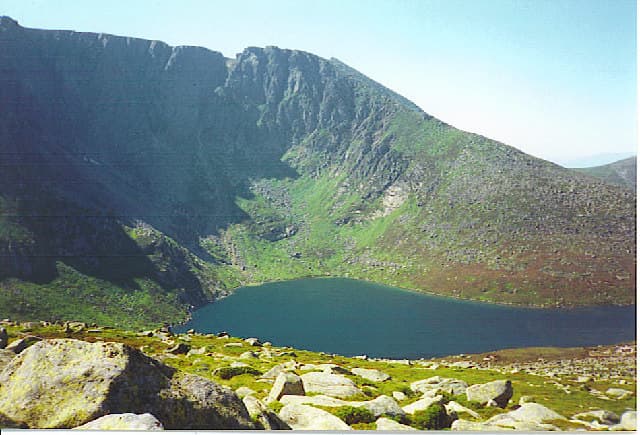
Loch Etchachan — 927 metres above sea levelLowest Recorded Temperature
Braemar — -27.2°CAbout the region
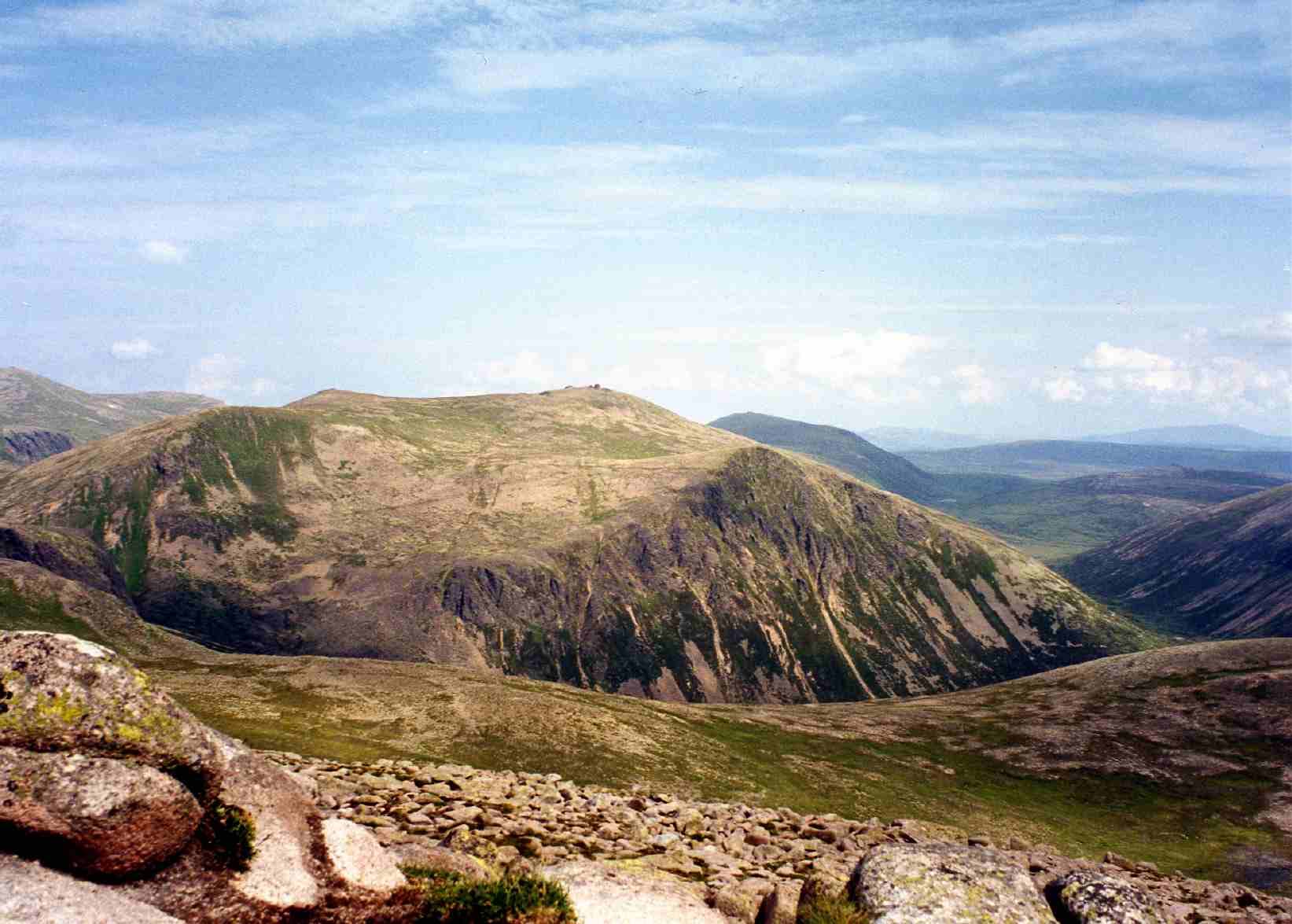
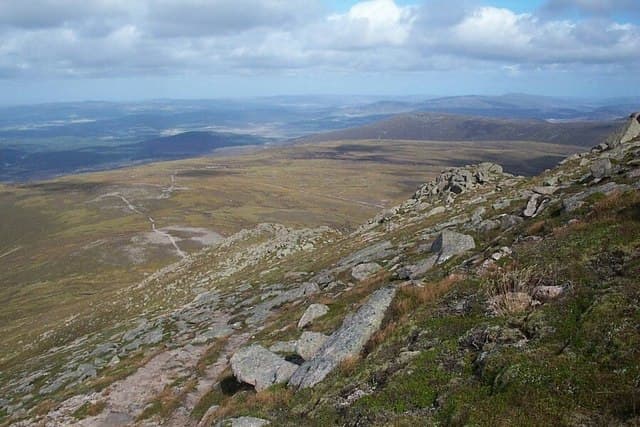
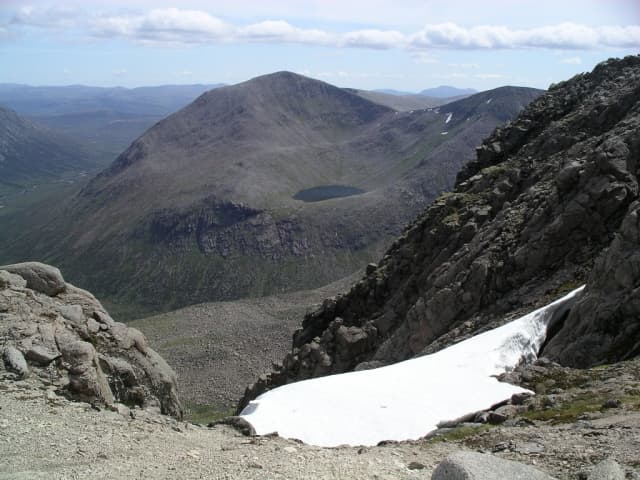
The Cairngorms are built on a scale rarely encountered elsewhere in Britain. Broad plateaux rise above deep glens, enormous corries cut into the mountain edges and long approaches place some summits many miles from the nearest road. It is less a collection of individual peaks than one great sweep of high ground.
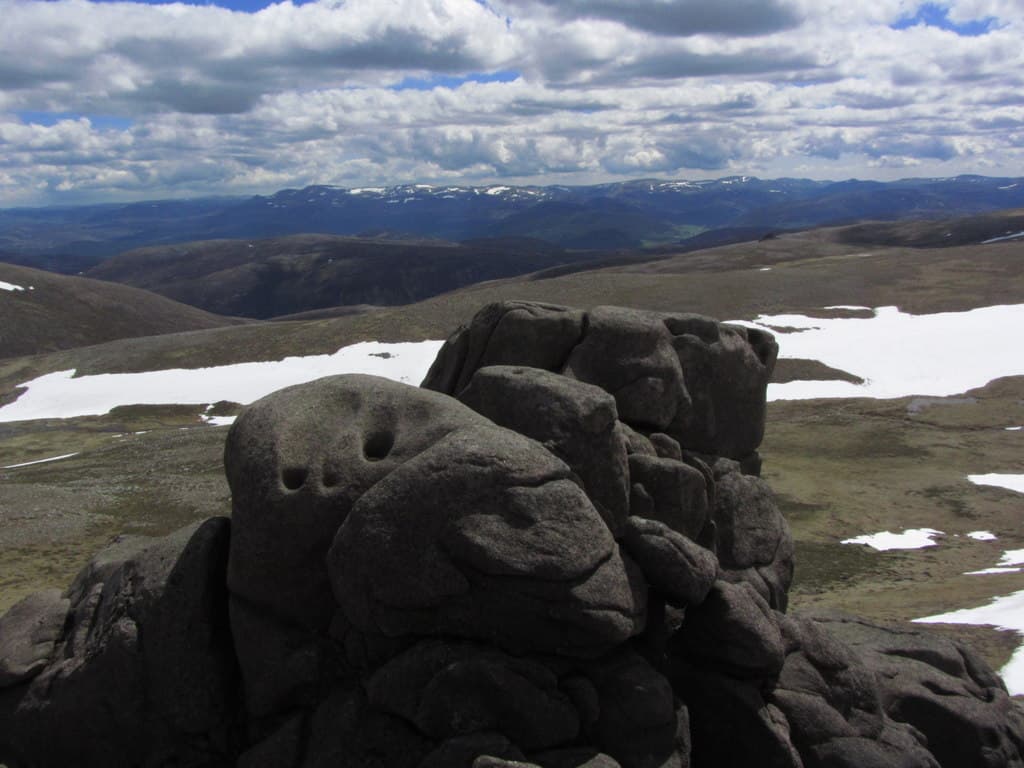
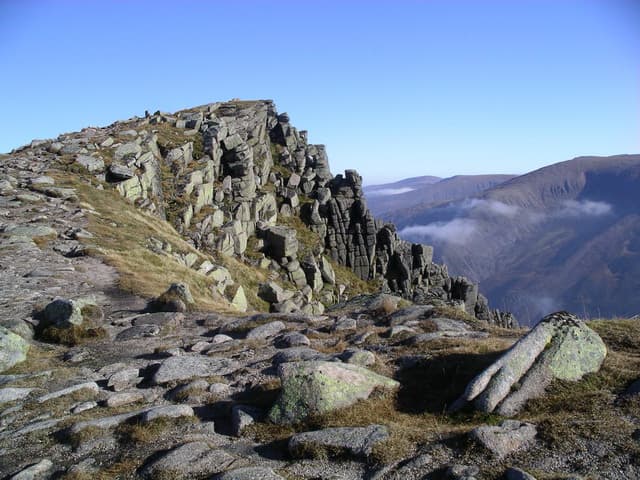
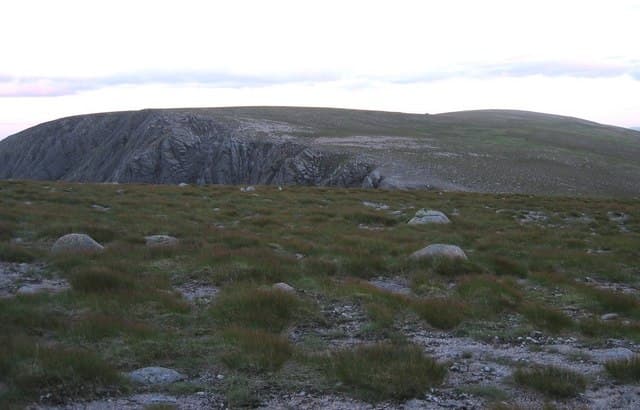
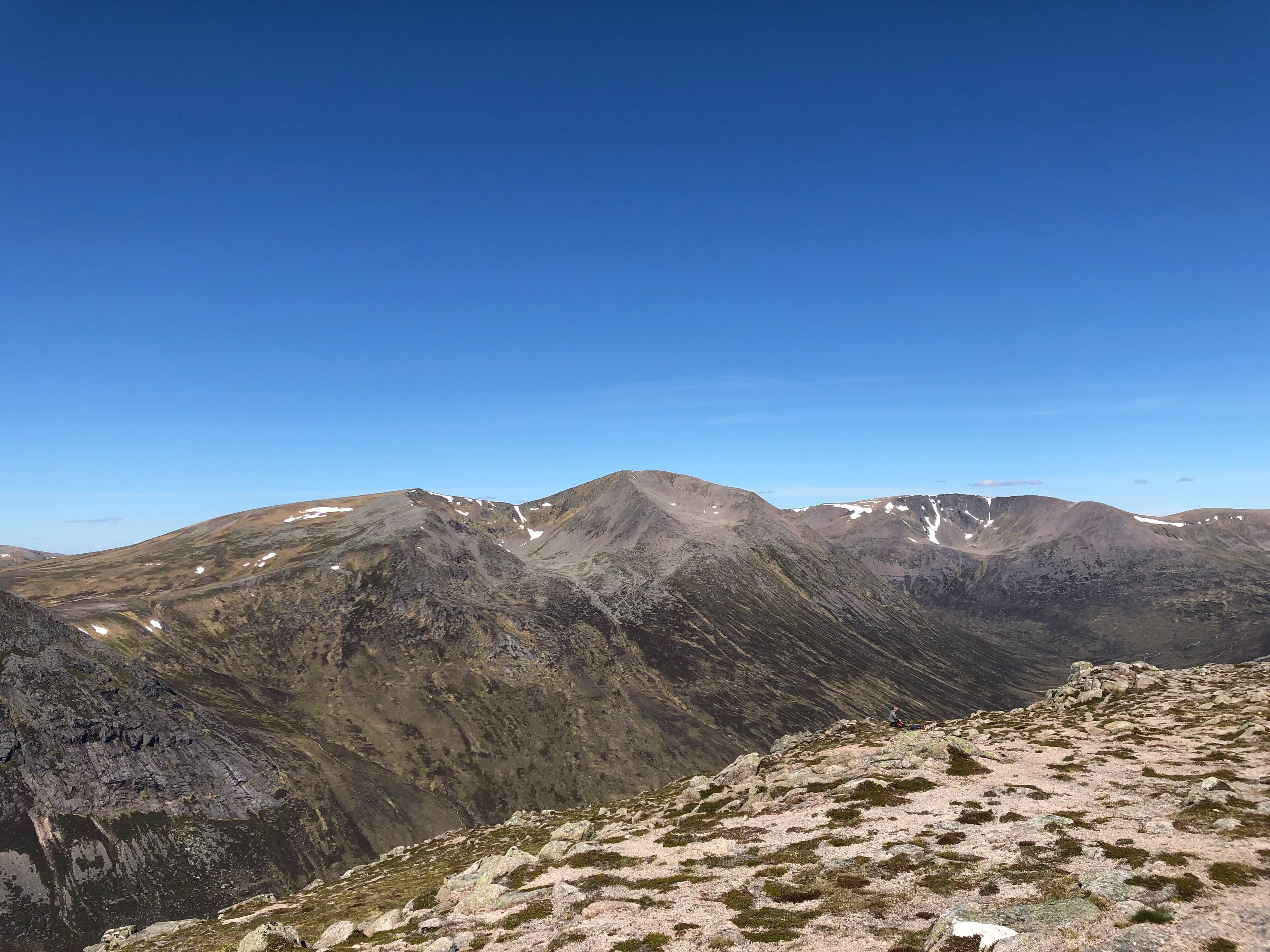
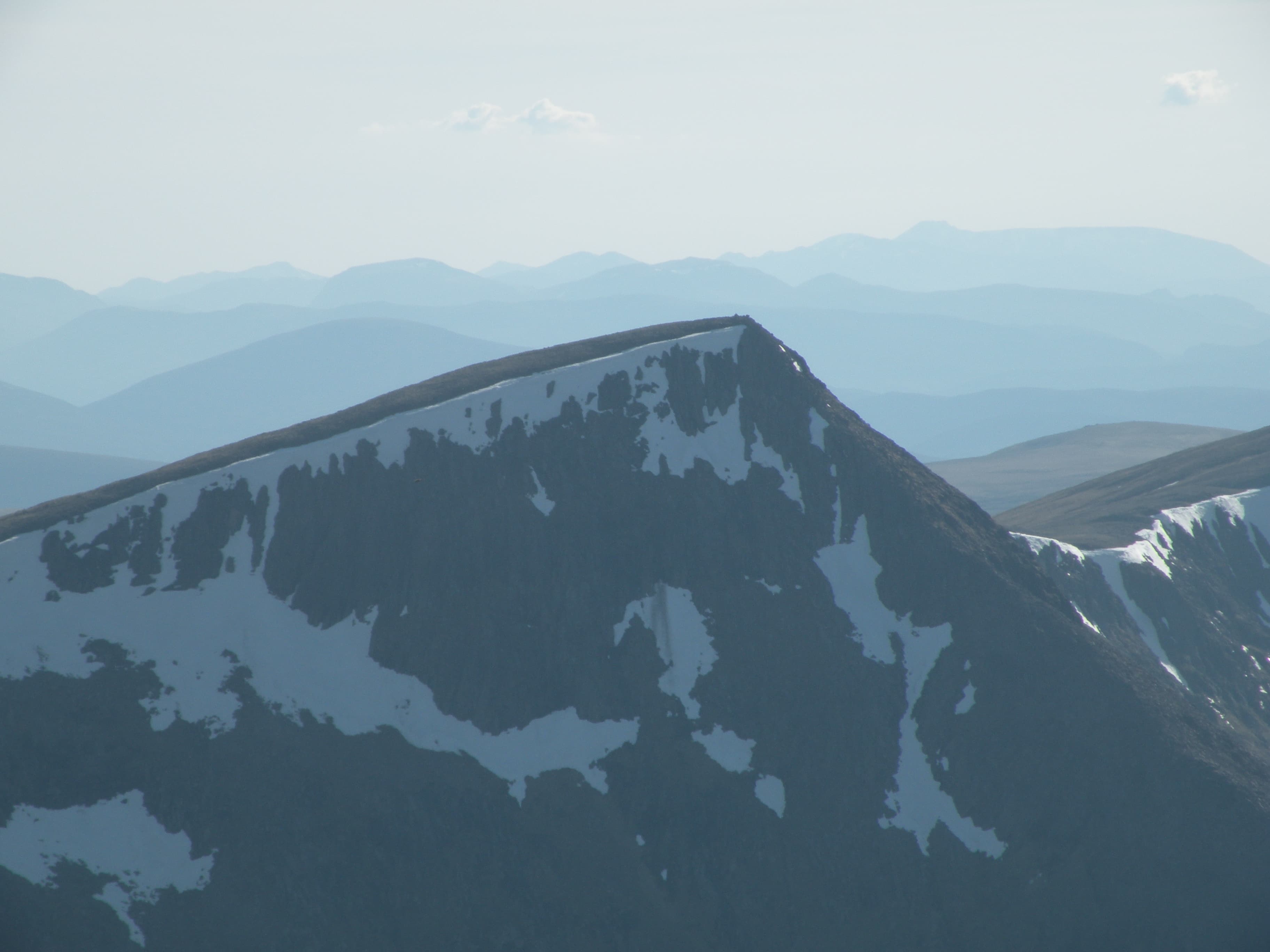
Ben Macdui, Braeriach and Cairn Toul are among the highest mountains in the country, but height is only part of their character. Granite tors crown Ben Avon and Beinn Mheadhoin, the cliffs of Sgòr Gaoith fall sharply towards Loch Einich, and the Lairig Ghru cuts through the range as an ancient route between Speyside and Deeside.
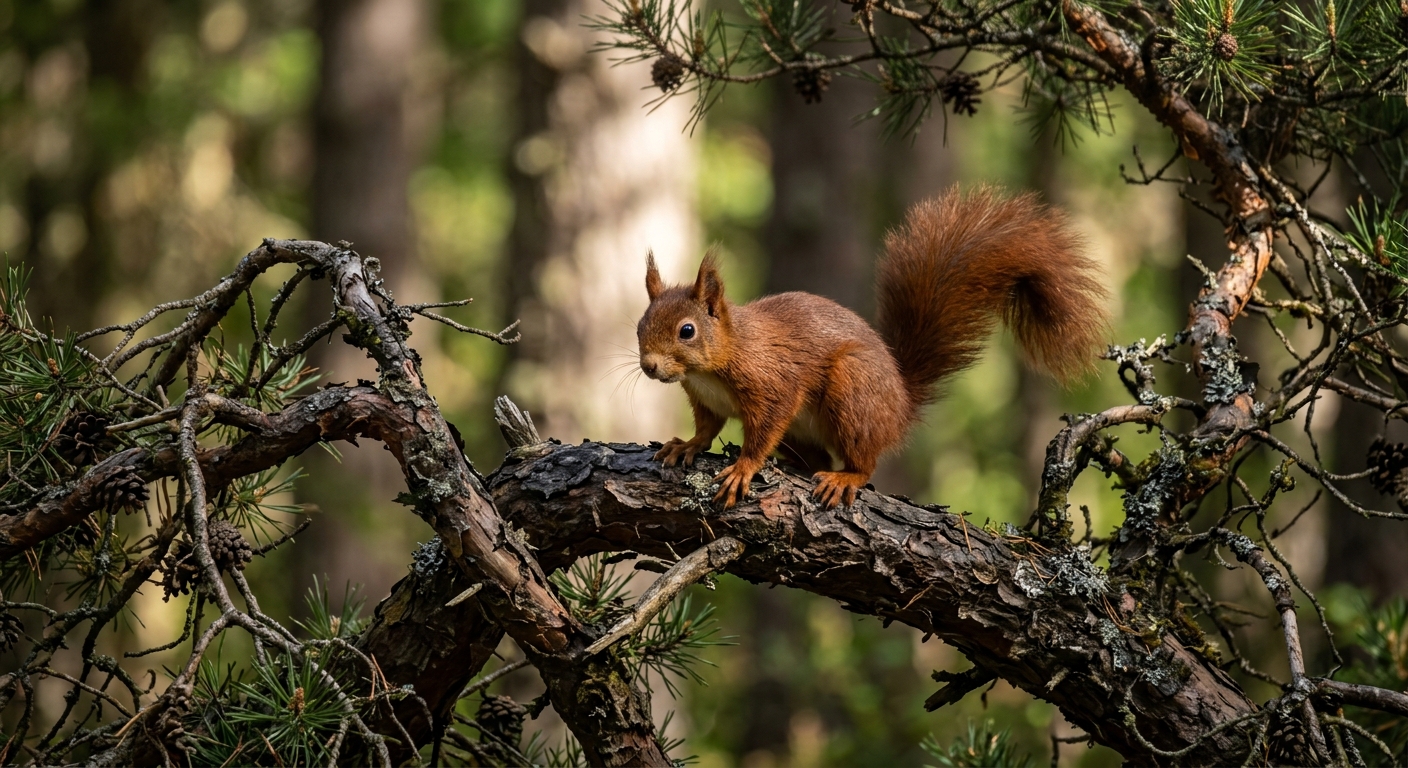
Below the plateau, the landscape changes completely. Caledonian pinewoods surround lochs and rivers, providing routes through Rothiemurchus, Glenmore and Glen Feshie for walkers who have no desire to spend the day counting contour lines. Red squirrels, crested tits and capercaillie live among the trees, while ptarmigan and mountain hare occupy the higher ground.
Conditions can change remarkably quickly. A calm glen may sit beneath strong winds, cloud and lingering snow on the plateau. Come prepared, however, and the Cairngorms offer everything from quiet woodland paths to some of Britain’s longest and most memorable mountain days.
Regional signature
The 1940s
1977
A Lasting Influence
Longer days return, but snow, ice and cornices can remain across the plateau. Lower woodland and lochside routes usually become accessible much earlier.
Best for: Pinewoods, quieter hill daysLong daylight makes remote summits and major traverses possible. Even in summer, high winds, cold rain and poor visibility can arrive with little warning.
Best for: Long routes, remote MunrosThe pinewoods and glens take on rich colour while the hills become noticeably quieter. Shortening days and the first significant snow require careful planning.
Best for: Photography, woodland walksThe plateau becomes a serious Arctic-like environment with deep snow, ice, cornices and frequent whiteouts. Full winter skills and equipment are essential.
Best for: Experienced winter mountaineersTrailTrack Favourites
Ten hills chosen by TrailTrack
Continue exploring
From ancient pinewoods to Britain’s highest mountain plateau, find your next walk in the wild heart of the Highlands.