214 Fells
Across 7 volumes
Between 1955 and 1966, Alfred Wainwright wrote and illustrated his Pictorial Guides — seven volumes covering 214 separate fells. Every page was drawn and lettered by hand.
Region guide
“The fleeting hour of life of those who love the hills is quickly spent, but the hills are eternal”
— Alfred Wainwright
Highest Peak
Scafell Pike — 978mDeepest Lake
Wastwater — approximately 74m deepHighest Mountain Water
Broad Crag TarnWettest Inhabited Place
Seathwaite - averages around 3,552mm of rain each yearTallest Waterfall
Scale ForceHome of The Wainwrights
214 fellsAbout the region
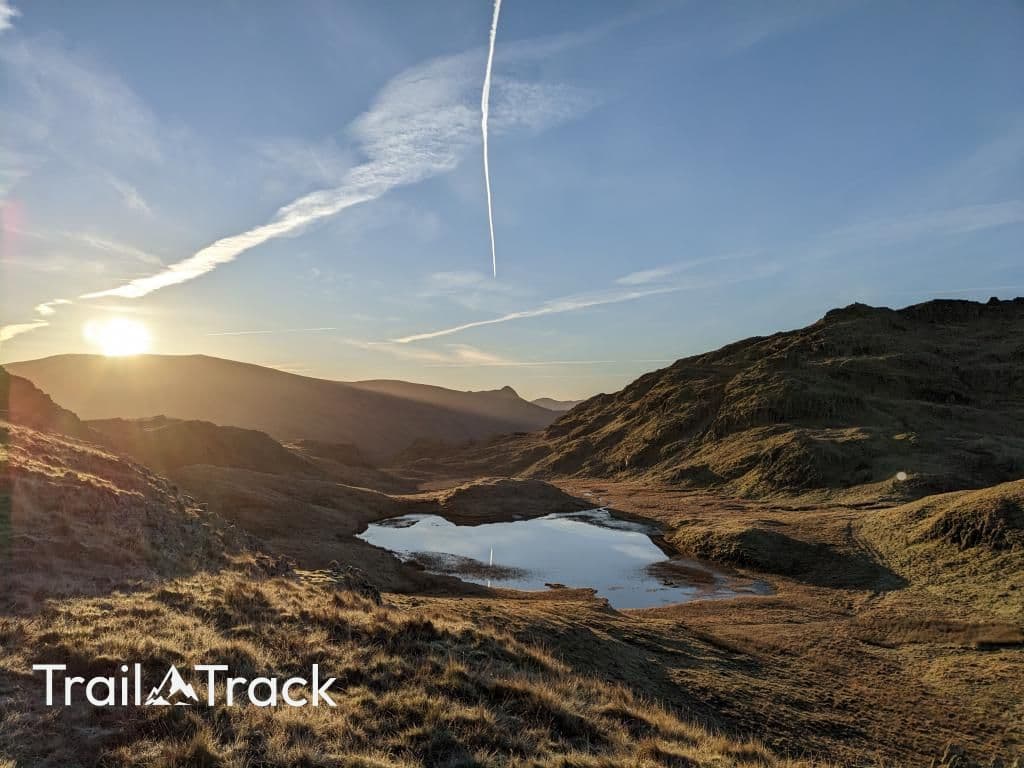
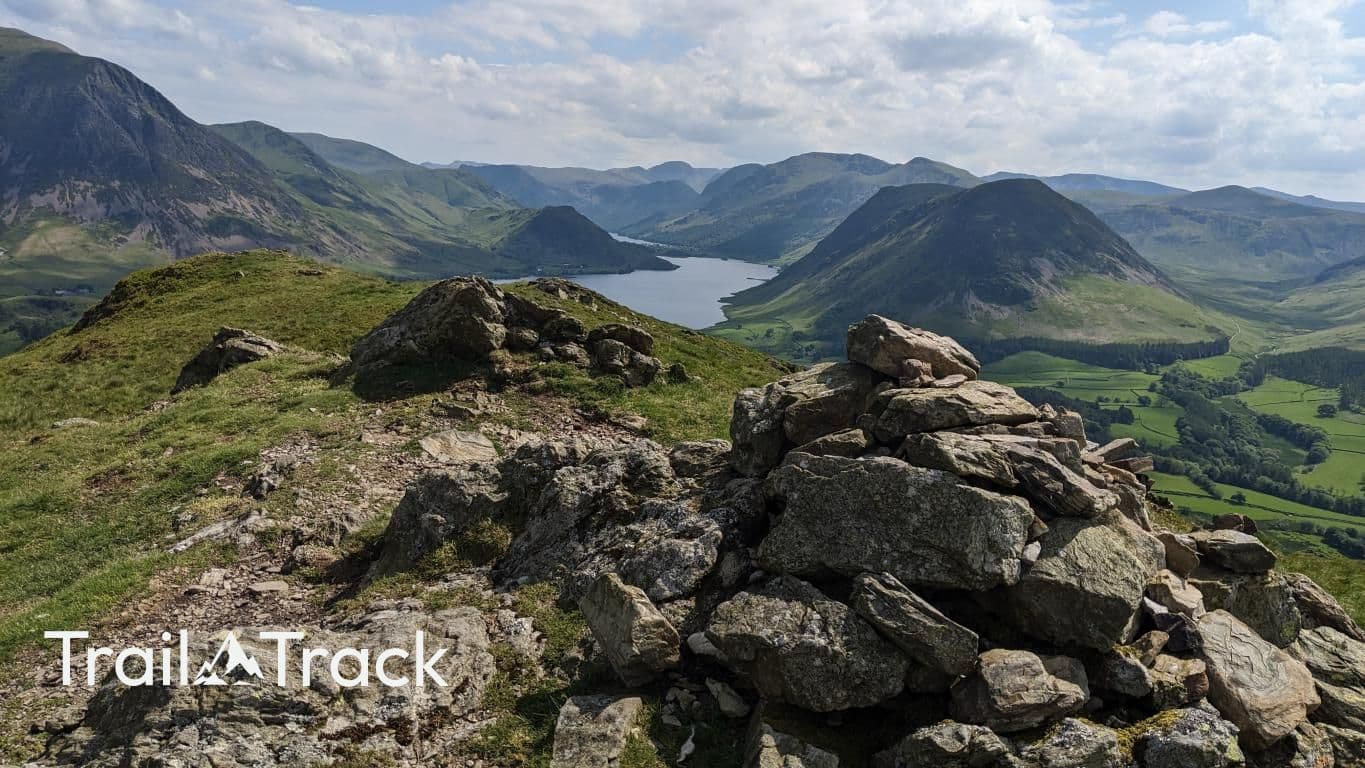
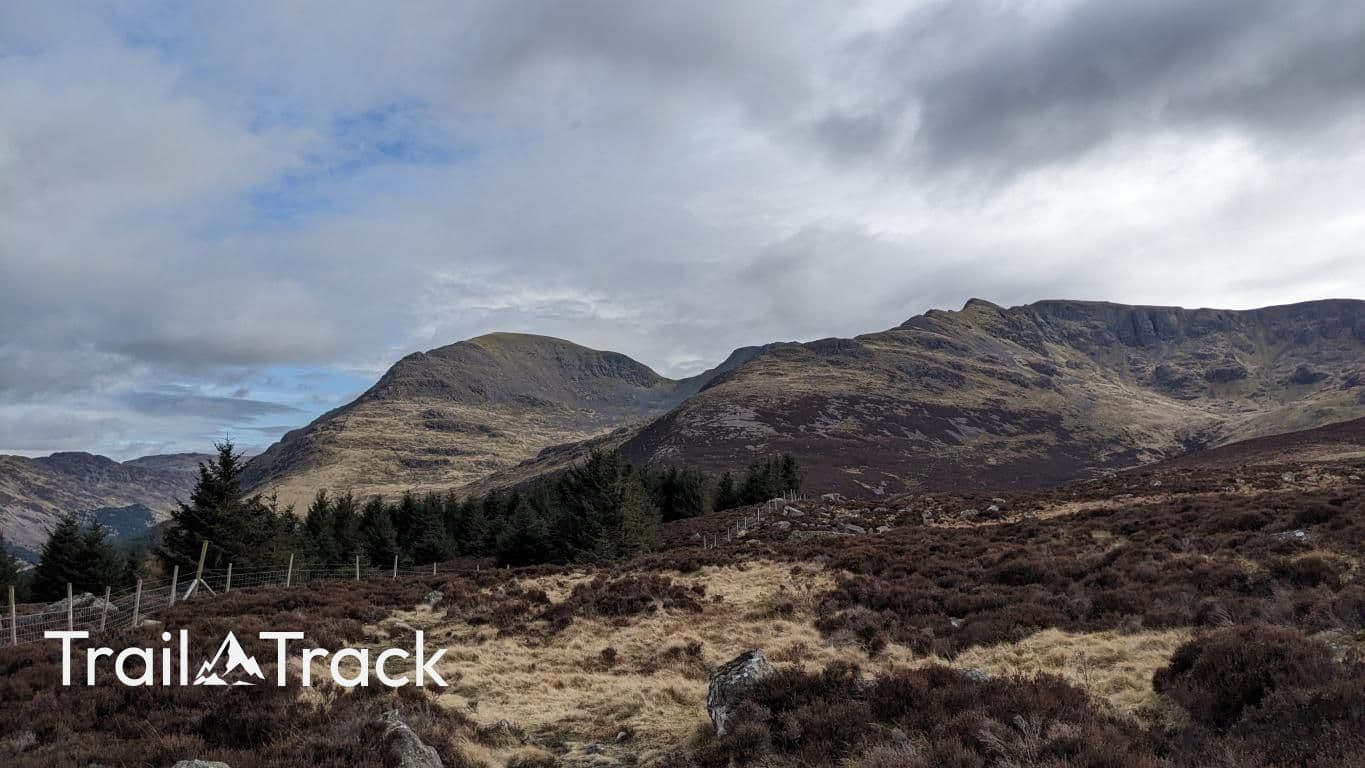
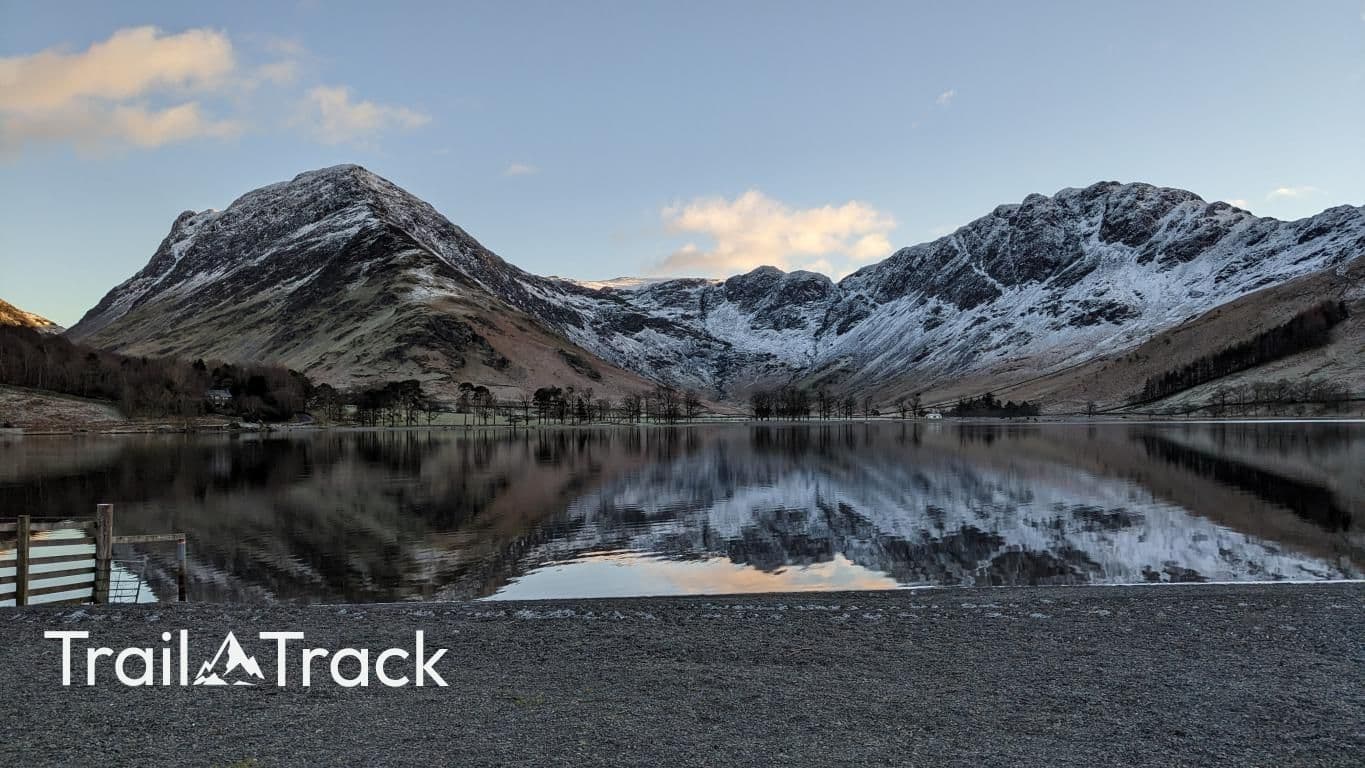
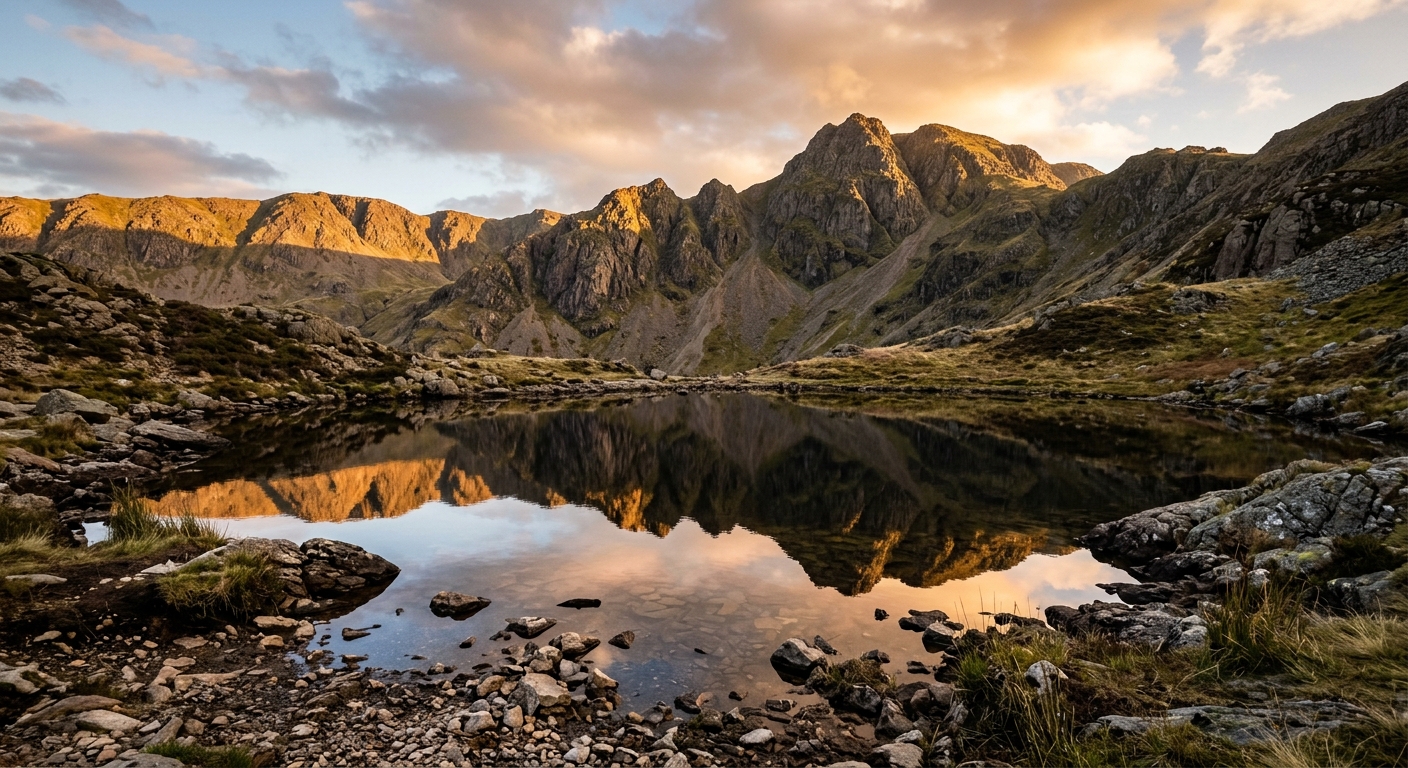
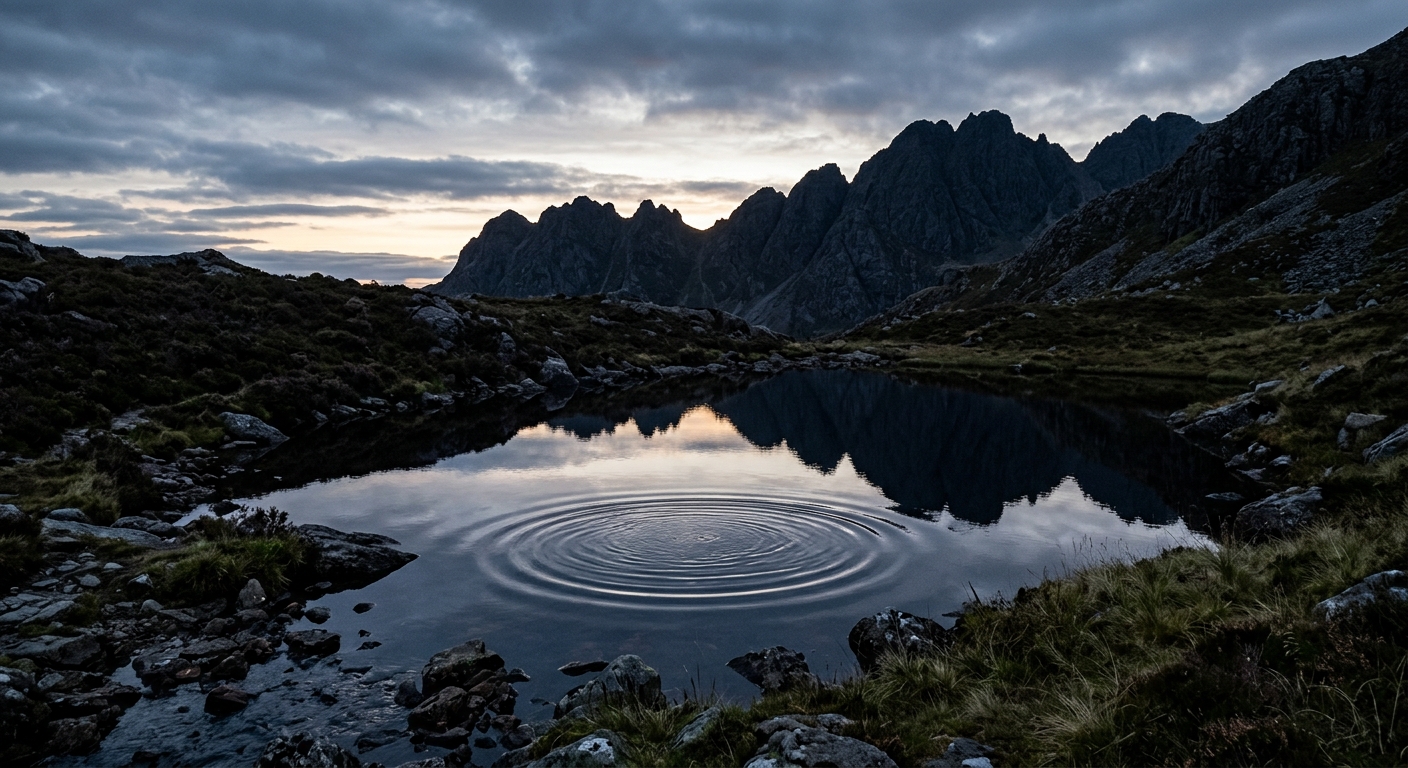
The Lake District packs an extraordinary amount of landscape into one corner of north-west England. High rocky fells rise above deep glacial valleys, while lakes, tarns and fast-running becks fill the spaces between them. It is beautiful, certainly, but rarely as gentle as the postcards suggest.
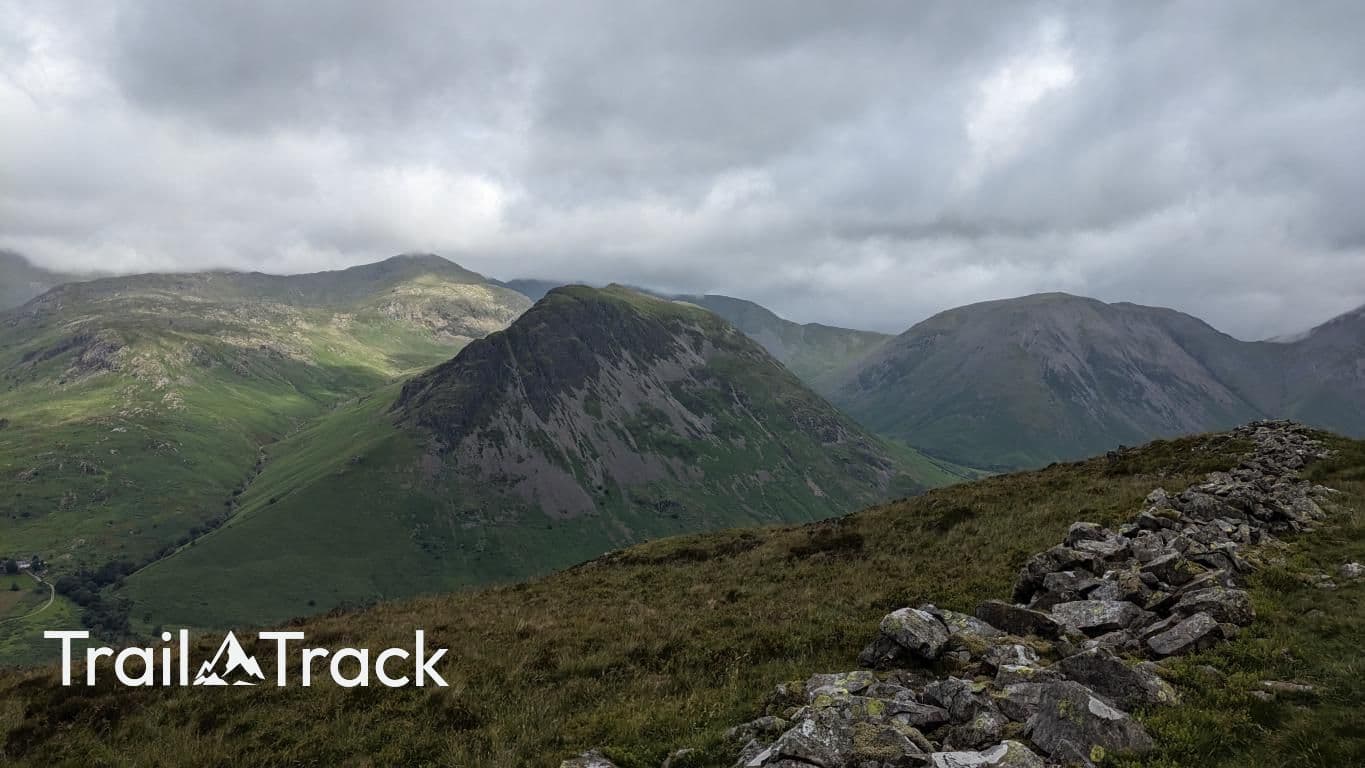
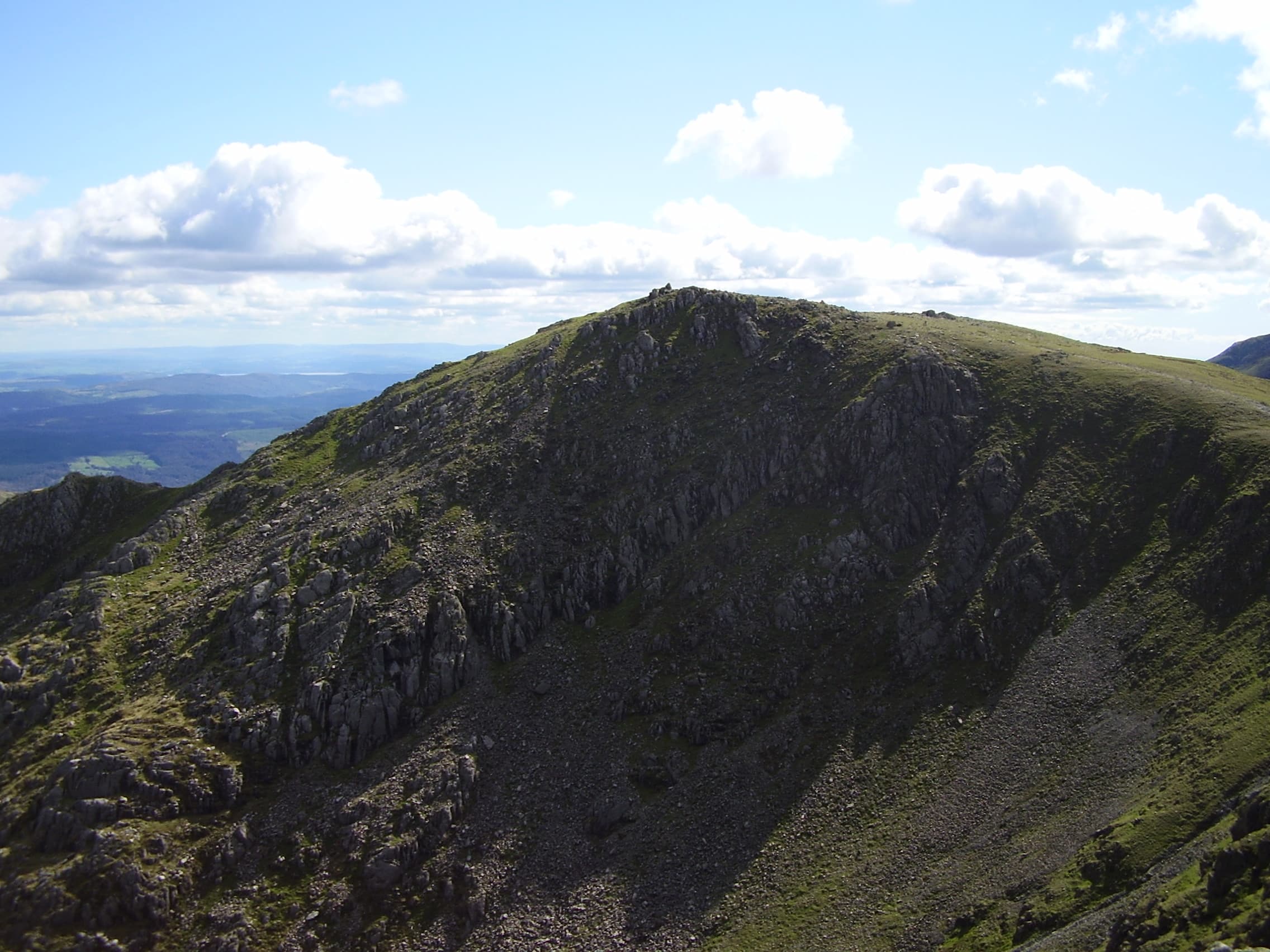
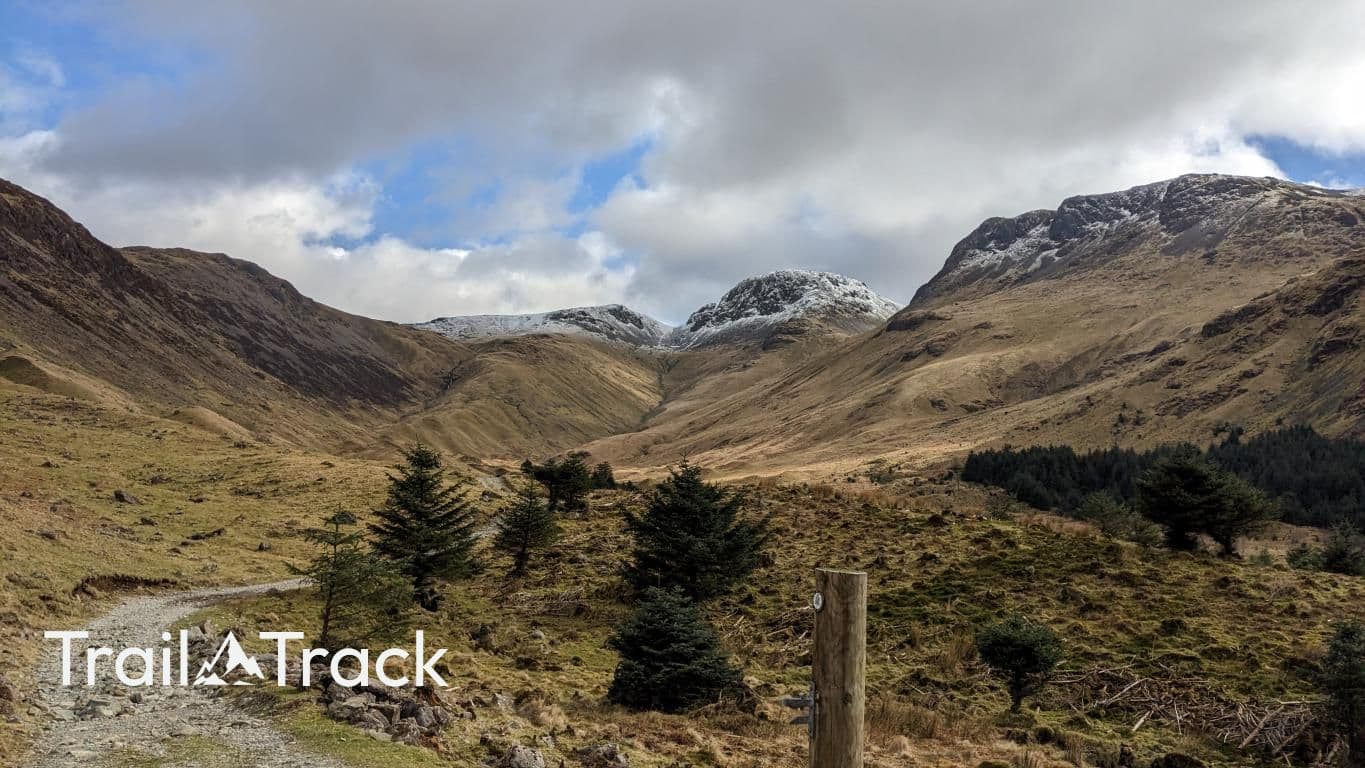
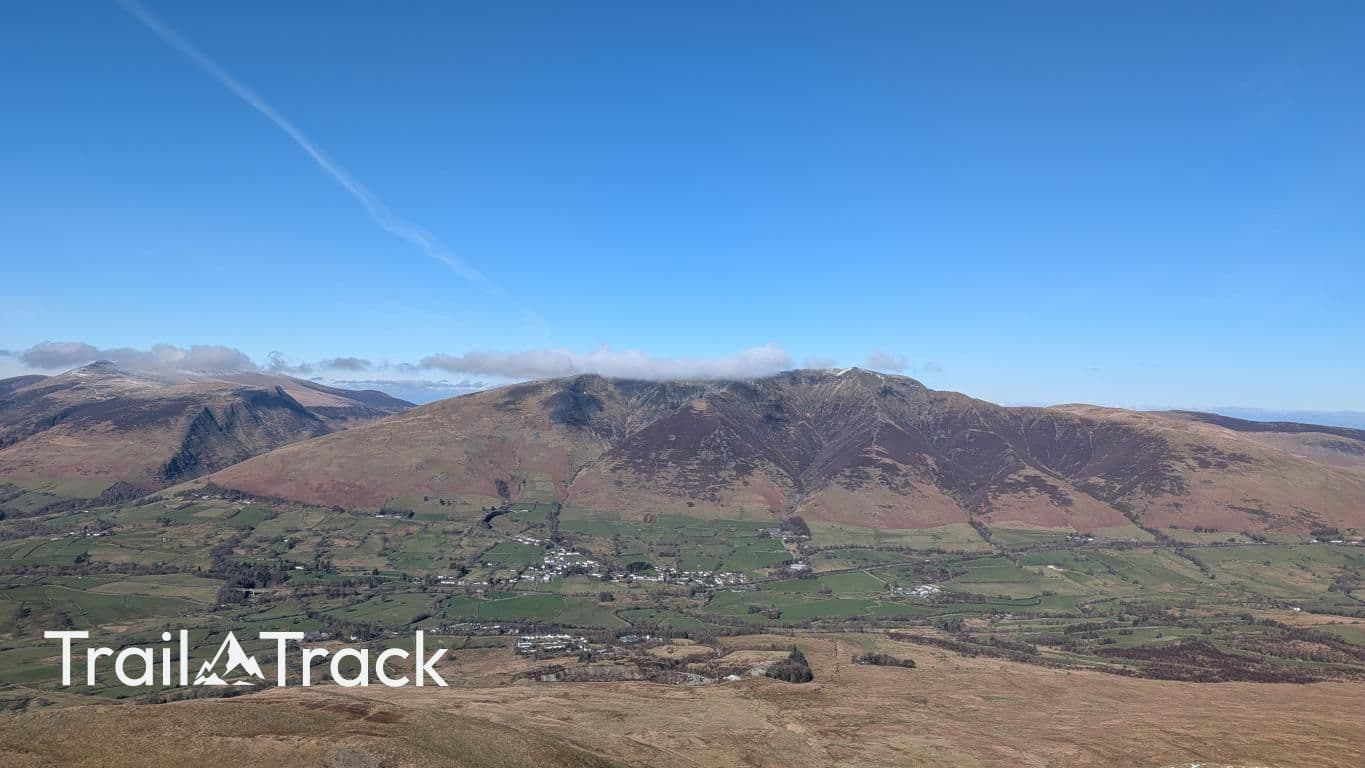
The central mountains contain England’s highest ground. Scafell Pike, Great Gable and Bowfell form a rugged skyline above Wasdale and Eskdale, while Helvellyn, Blencathra and the northern fells provide long ridges and sweeping views. Away from the famous summits, quieter valleys such as Ennerdale, Mardale and Duddon retain a distinctly wilder character.
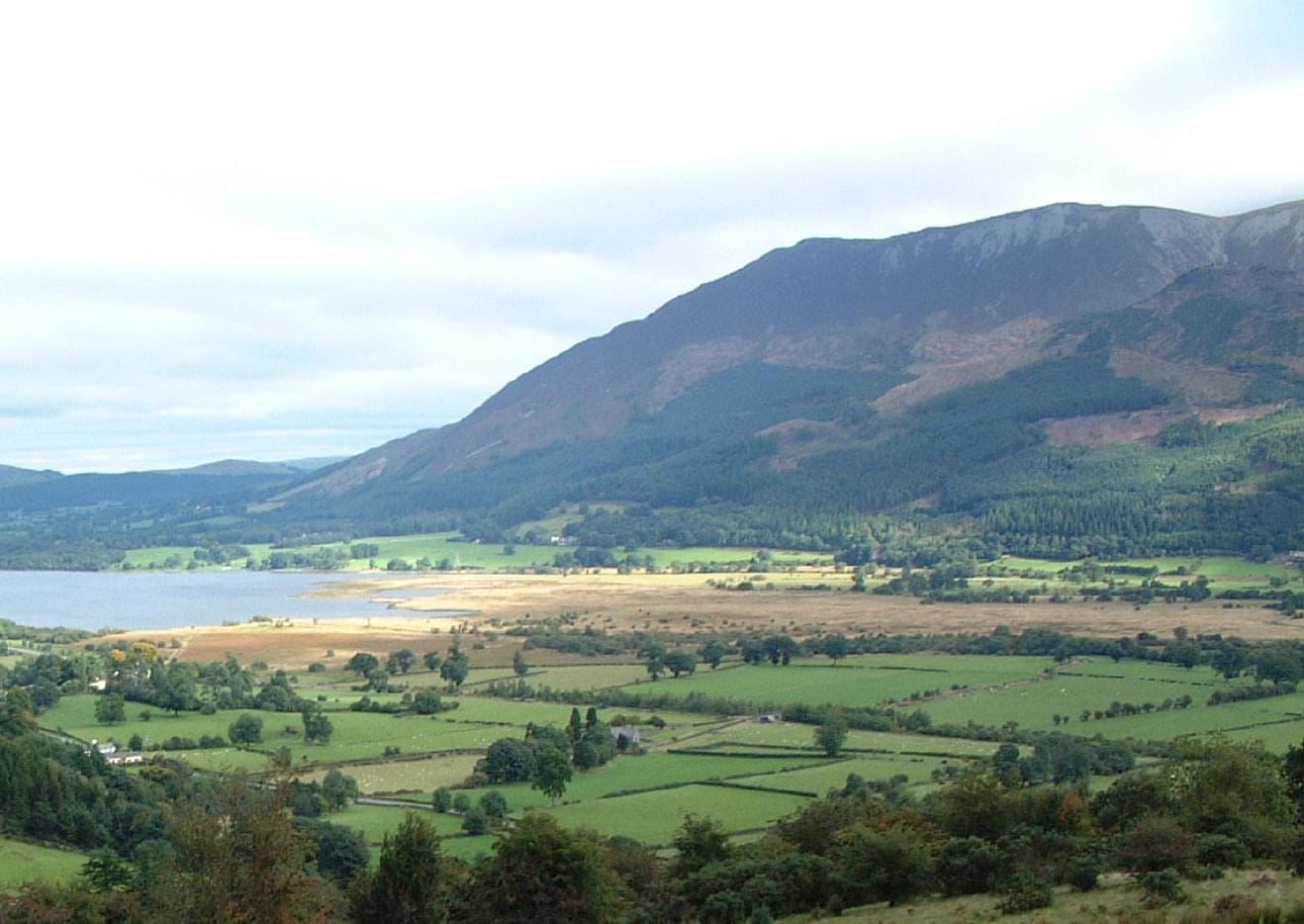
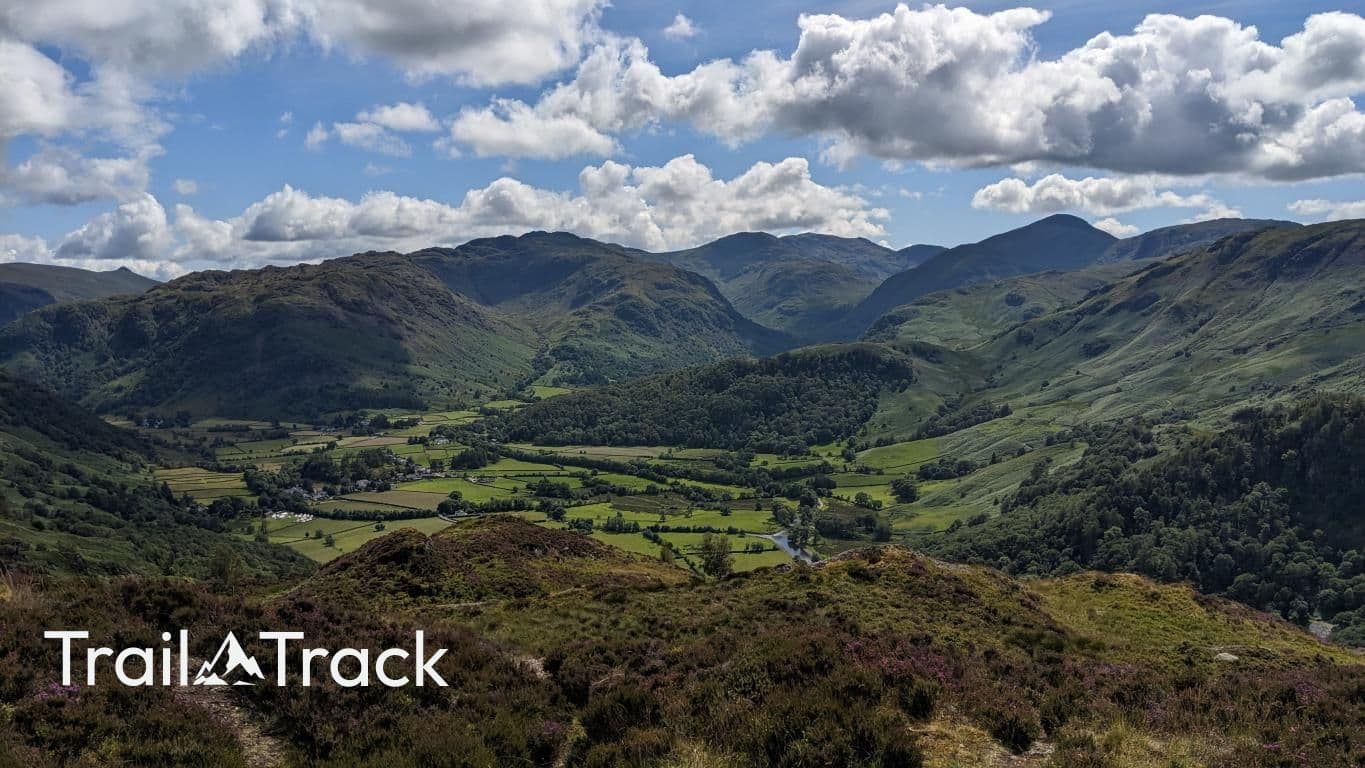
Every part of the region feels different. Borrowdale is enclosed by woods and crags, the Langdales are dominated by steep rock faces, and Ullswater stretches beneath broad grassy ridges. Old packhorse paths, quarry tracks and shepherds’ routes now provide some of Britain’s finest walking.
This is also a landscape shaped by writers, farmers, climbers and campaigners. Wordsworth, Beatrix Potter and Alfred Wainwright each helped change how people understood it. Their Lake District was not simply scenery to admire, but somewhere to walk through, care for and occasionally get thoroughly soaked in.
Regional signature
214 Fells
13 Years
A Movement
Conditions improve and the valleys begin to fill with colour. Snow can linger on the highest tops, so check conditions before heading above 700m.
Best for: Quieter trails and spring landscapesLong daylight opens up the major ridges, although popular fells can become busy. Early starts are rewarded with quieter paths and cooler climbs.
Best for: Beginners, family routesRich colours spread through the valleys and the busiest paths begin to quieten. Clear autumn days can provide some of the finest visibility of the year.
Best for: Photography, long ridgesConditions above the snowline can become serious very quickly. Winter equipment, navigation skills and experience may be required on the higher fells.
Best for: Experienced walkers onlyTrailTrack Favourites
Ten hills chosen by TrailTrack
Explore TrailTrack guides, collections and hiking route guides for this region.
Explore the collectionLake District Regional LibraryA carefully curated collection of Lake District walking guides, routes with downloadable GPX files, and stories about the fells, tarns and landscapes that reveals why this corner of England remains worth exploring even when you've seen it a hundred times before.Open the regional libraryContinue exploring
From quiet valley paths to the highest ground in England, the Lake District always has another fell waiting.