19 guides

The Dodds: When Three Regional Lists Became One Metric Classification
Between 500 and 600 metres sits a collection of hills that used to be split across Deweys, Donald Deweys and Highland Fives—until the idea emerged in 2014 to unify them under a single name that works across Britain.
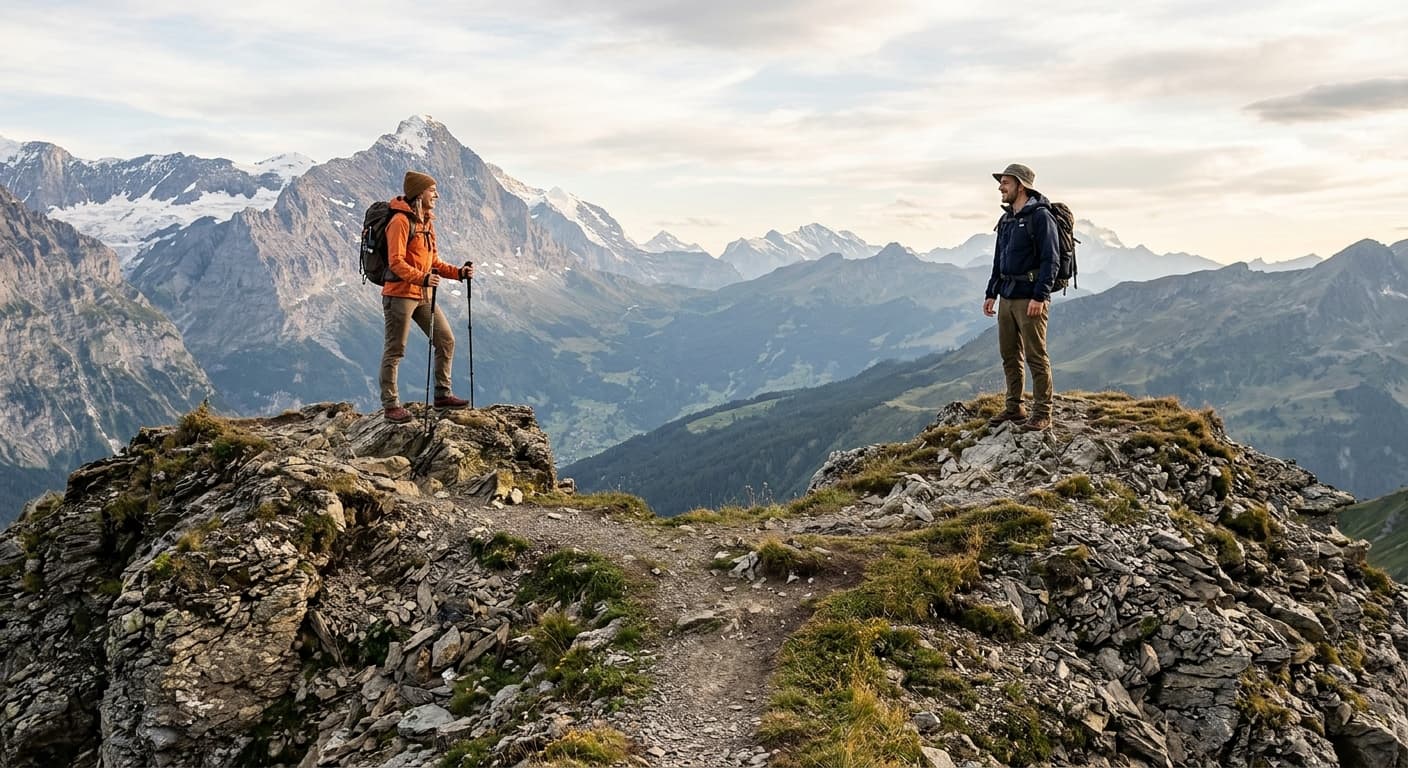
Vandeleur-Lynams and the 15-metre line between an Irish summit and a subsidiary top
The Vandeleur-Lynam list uses a 15-metre prominence threshold, low enough that it includes subsidiary tops alongside independent mountains. As at 31 December 2023 it contained 275 locations above 600 metres: 209 mountain summits, 14 hill summits just short of 2,000 feet, and 52 subsidiary tops with less than 30 metres of prominence.
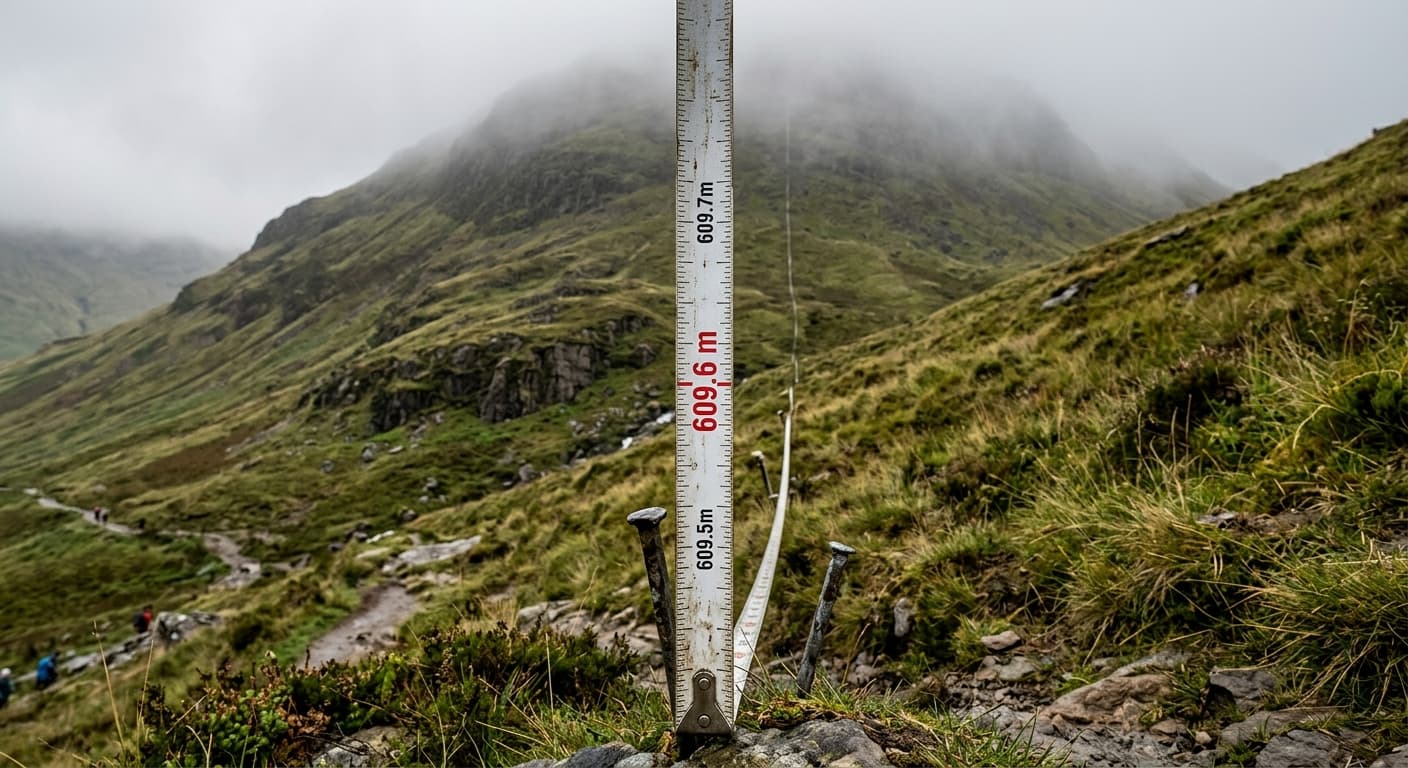
The Deweys: hills that live in the gap between 500 metres and somebody else's problem
The Deweys are hills between 500 and 609.6 metres that existed in a classificatory blind spot until someone decided in 1995 that perfectly decent hills shouldn't be ignored just because they're not quite tall enough for the more famous lists.
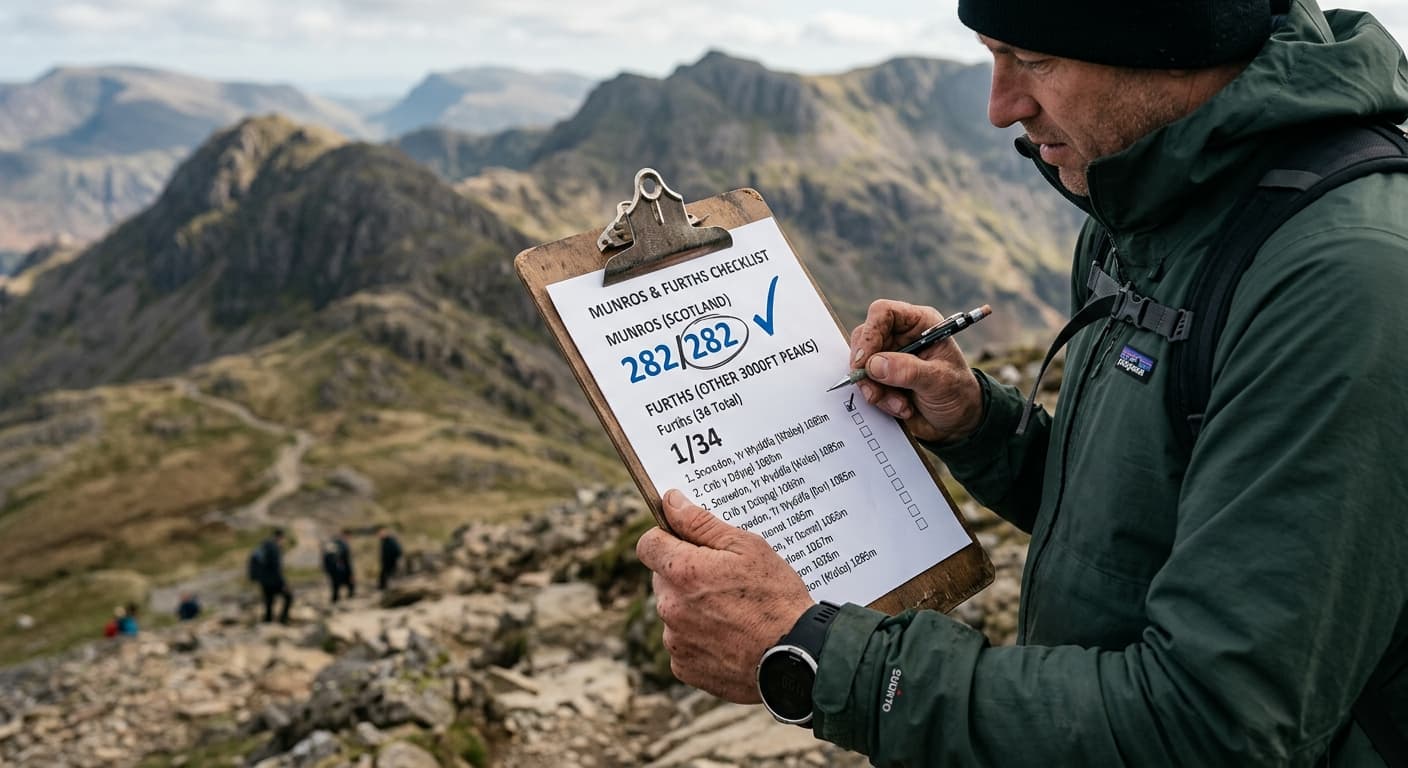
The Furths: Britain's other 3000-footers
If you've ticked off Scotland's 282 Munros and need something to do with your weekends that doesn't involve developing an entirely new obsession, there are 34 more 3000-foot peaks scattered across Wales, England and Ireland that the Scottish Mountaineering Club has quietly been maintaining in their official tables since 1953.

Simms: the hill category that tidied up the lists
If you've ever wondered why British hill lists seem unnecessarily complicated, Simms offer a rare moment of clarity. Introduced by Alan Dawson in 2010, a Simm is any summit over 600 metres with at least 30 metres of drop all round – a definition that consolidated several older, overlapping lists like Murdos, Corbett Tops, Graham Tops and Hewitts into something more coherent.
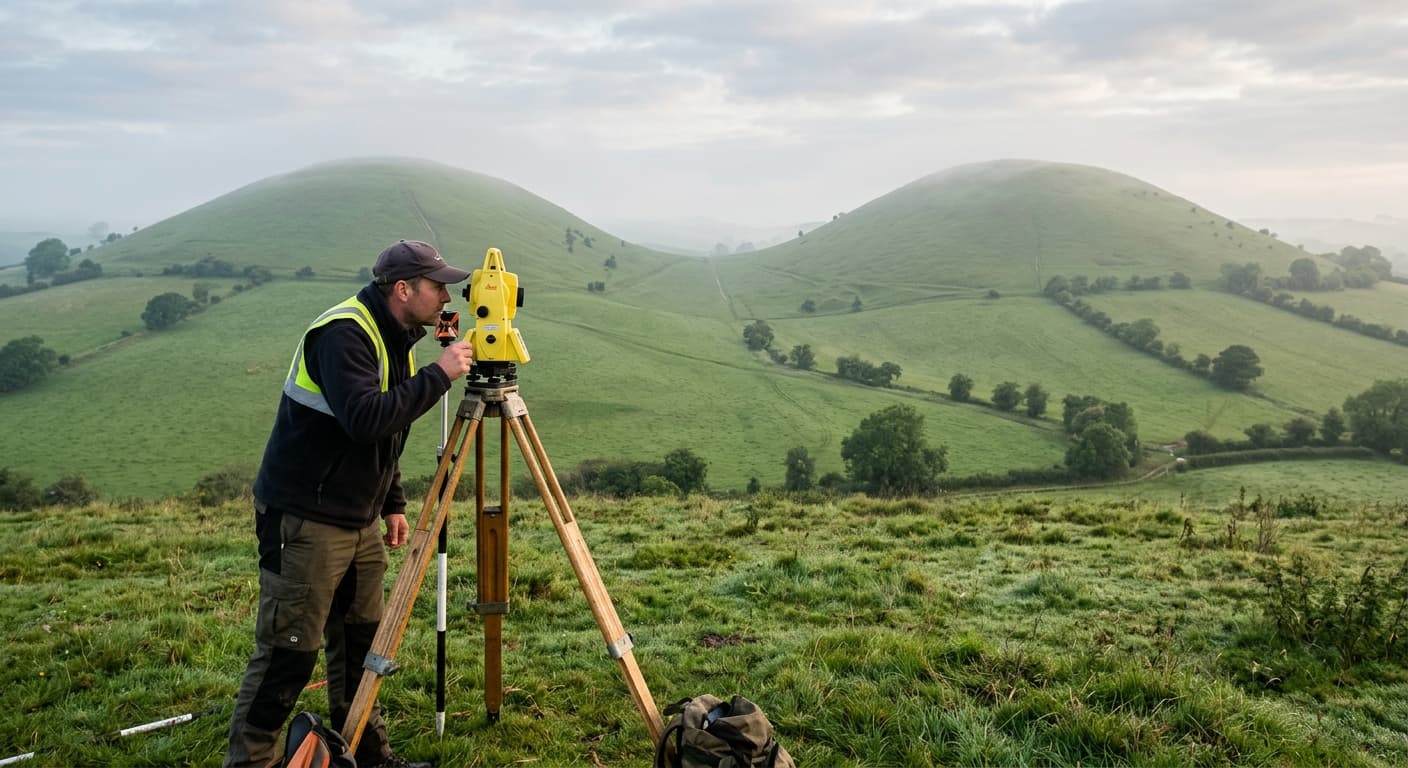
The Donalds and Donald Tops: how the Scottish Lowlands got their own hill lists
The Scottish Mountaineering Club maintains two related but distinct classifications for Lowland hills over 2000 feet. Donald Tops include summits with at least 50 feet of drop, though those with less than 100 feet must also demonstrate sufficient topographical merit, while Donalds are a subset selected using an additional separation formula. Percy Donald's original tables started it all, giving the lower hills their own system separate from the famous Munros up north.
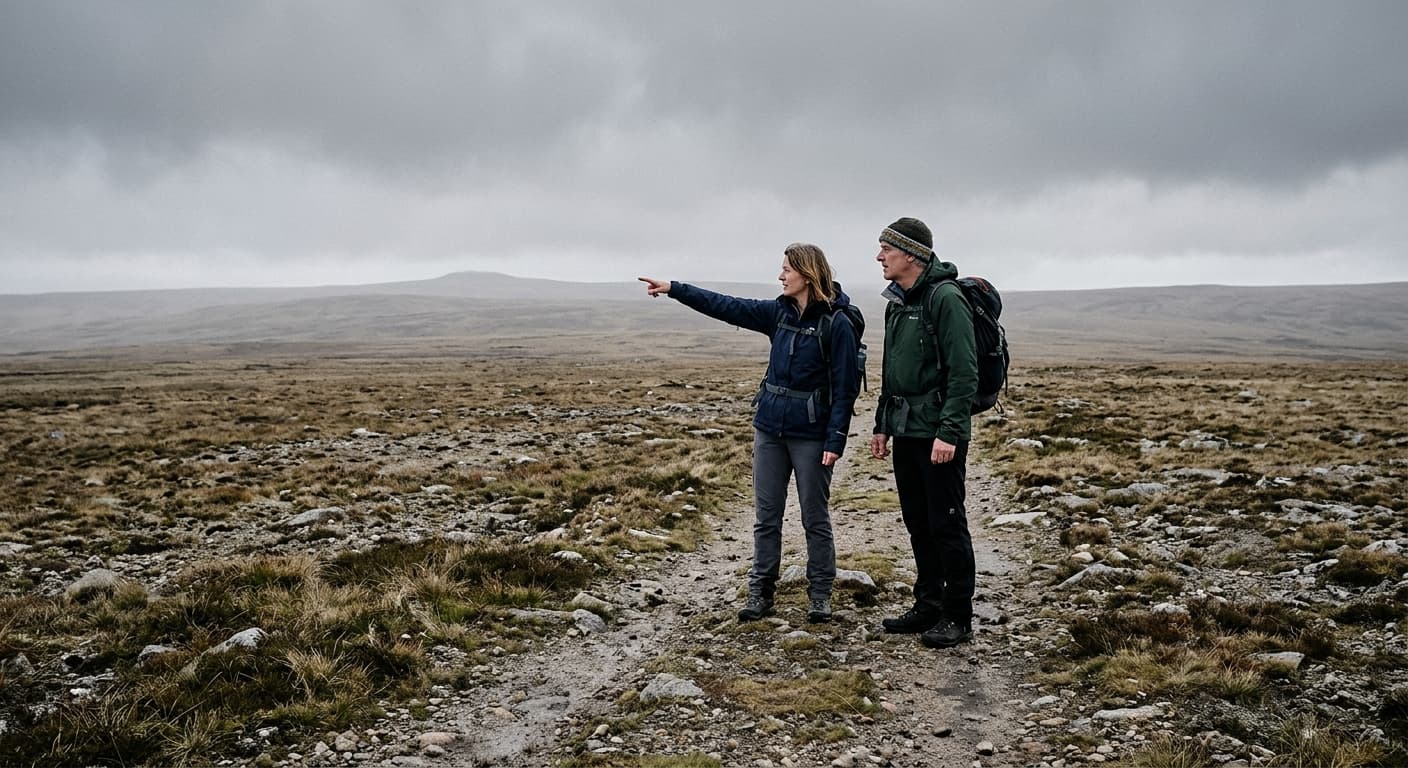
The HuMPs: The Geography of Independence
Forget the highest peaks and look at the hills that stand on their own—this is the fascinating, mathematical world of the HuMPs.
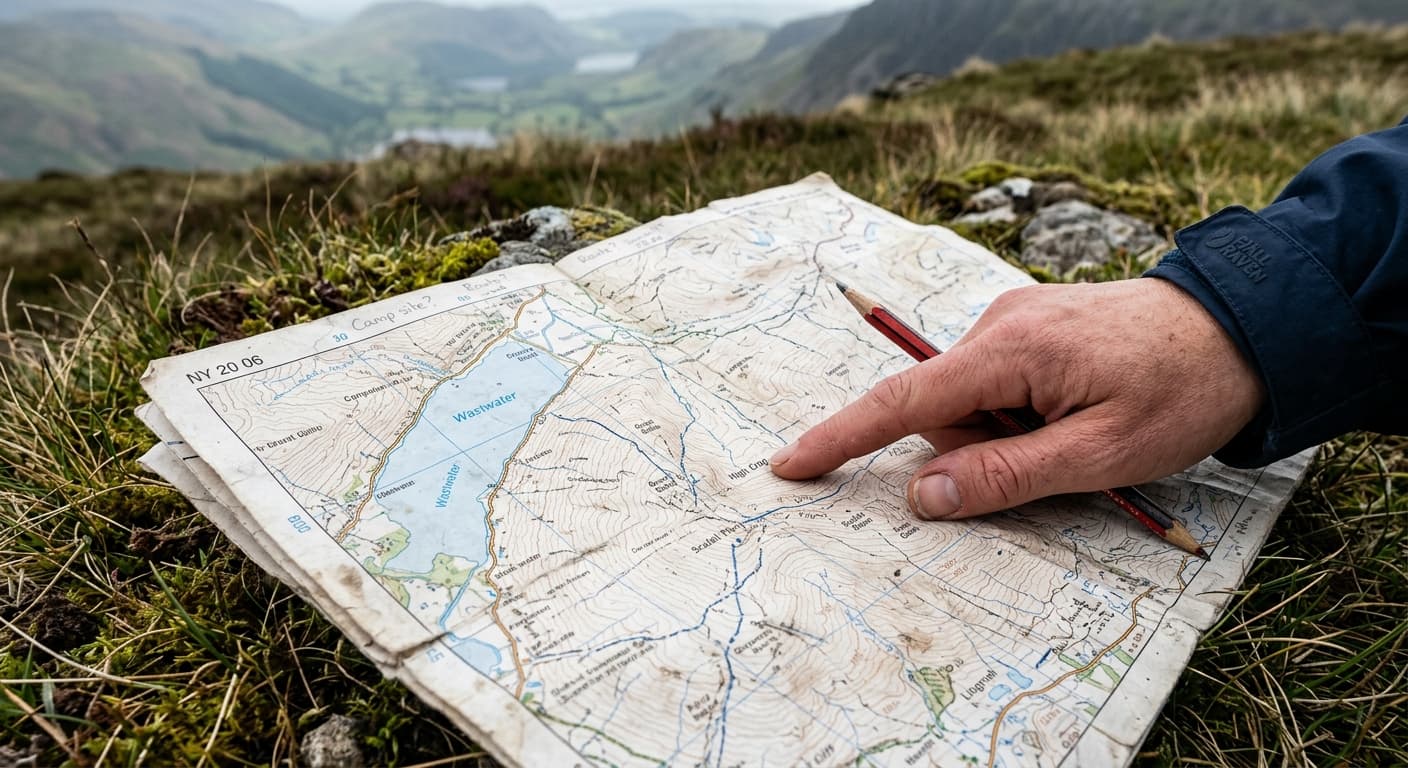
The 541: A Hiker’s Guide to the Lake District Birketts
The Wainwrights draw the crowds, but the Birketts lead you into the wildest, quietest corners of the fells
The Hewitts: A Study in Prominence and Persistence
A classification that ignores the "pretty" peaks to focus on the physical effort and distinct logic of the high ground.
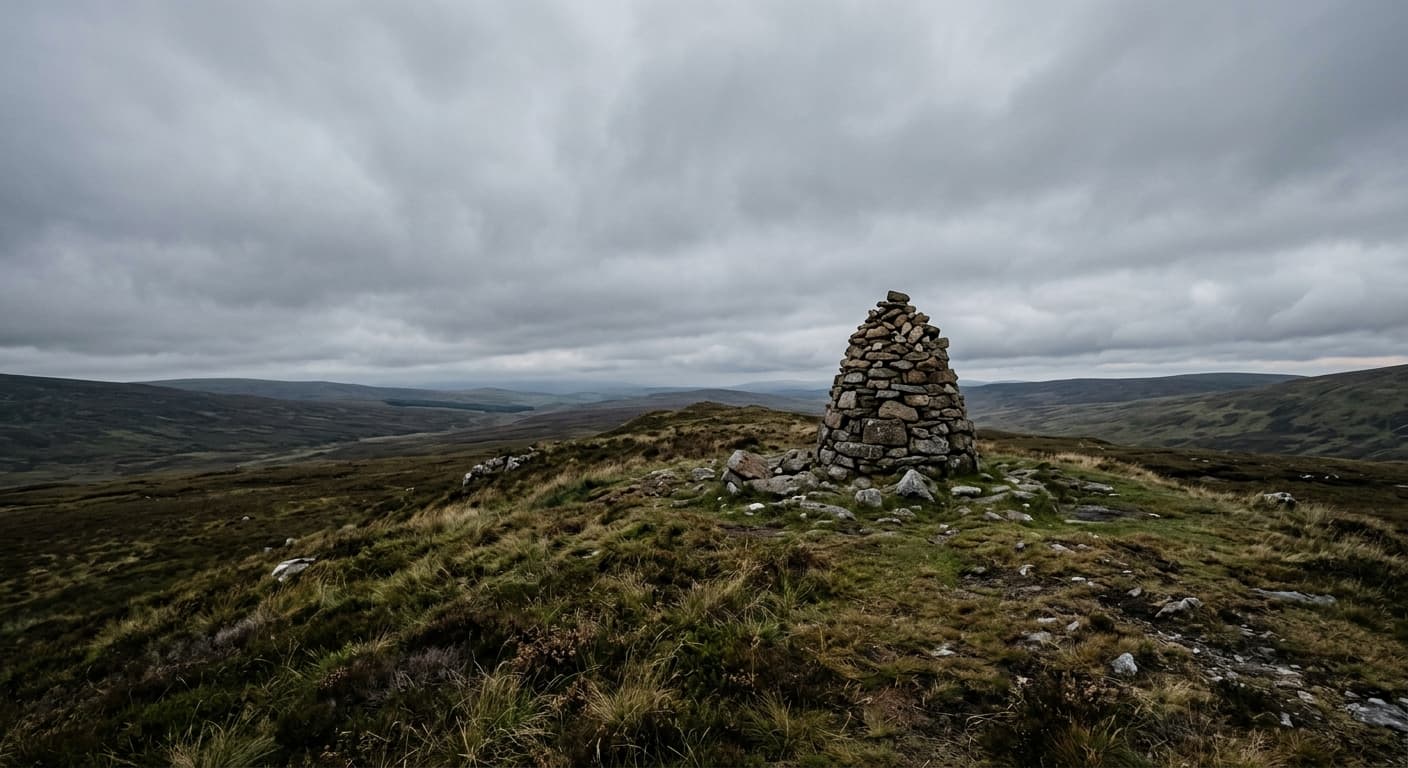
The Dales 30: A Quieter Way to See the High Country
If you’ve spent any time following the queues up Ingleborough, you’re missing the best parts of the Dales—the 30 summits where the silence is actually real.
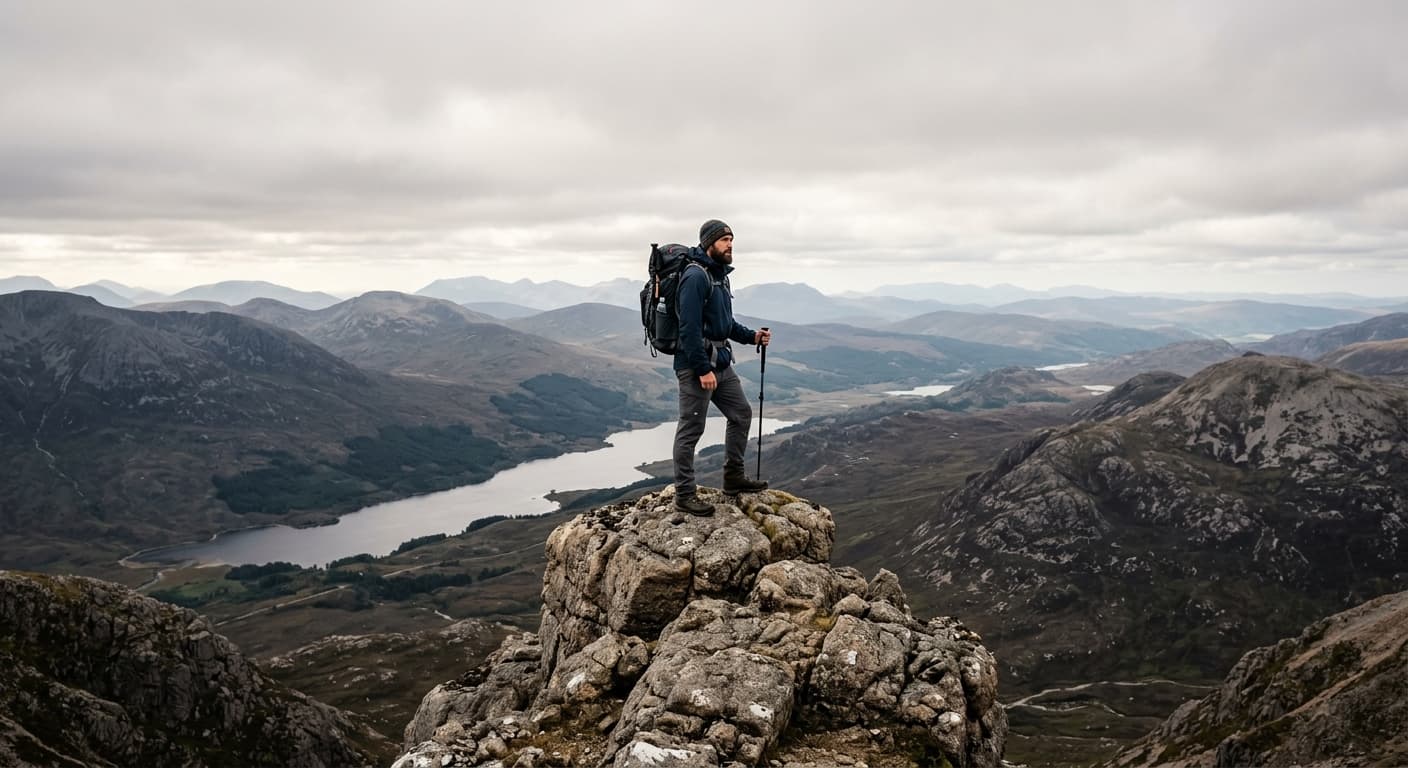
The Synges: The Search for the 670
If you're tired of the crowds on the main fells, it’s time to start looking for the Synges.
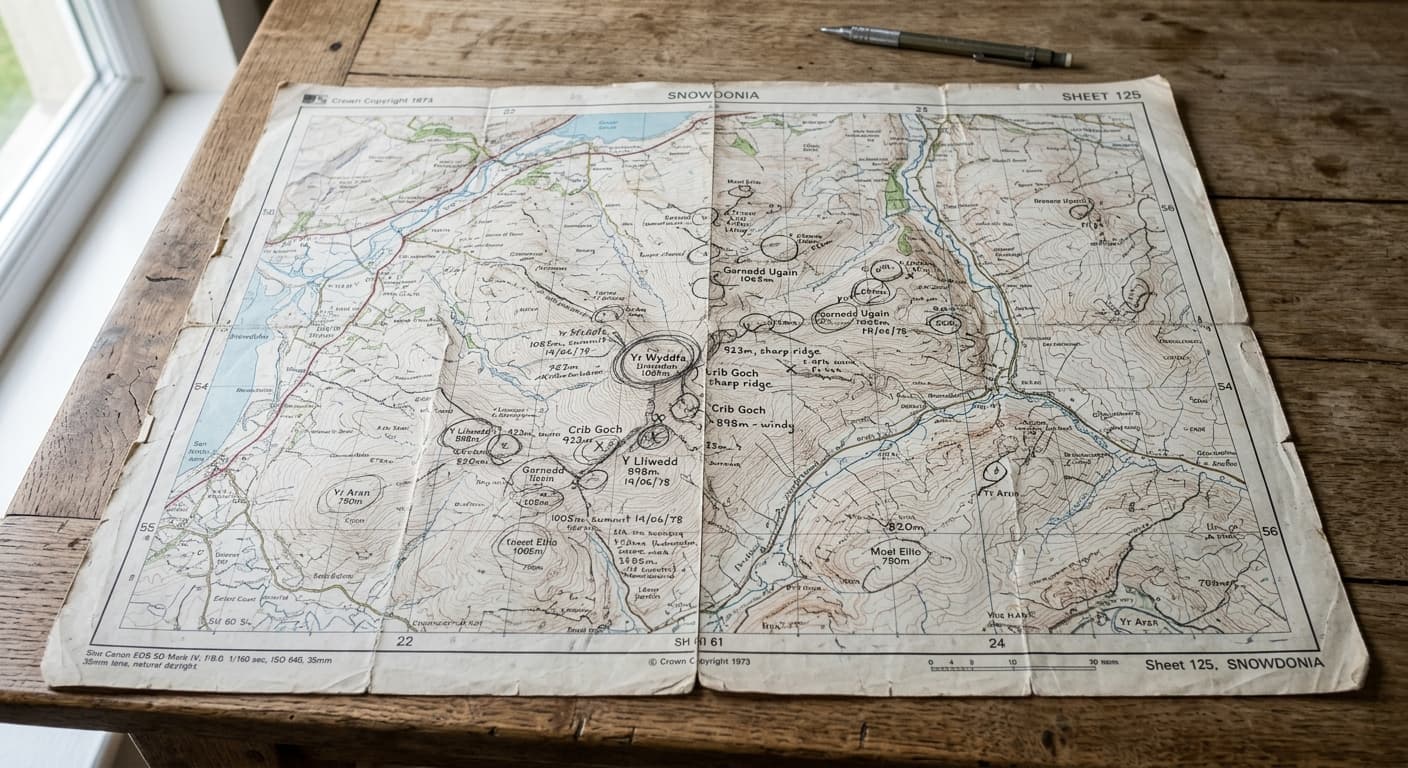
The Bridges: Understanding the Real Mountains of England and Wales
A look at George Bridge’s fixed 1973 list of 407 summits, its 2,000-foot and 50-foot origins, and how modern surveys differ.
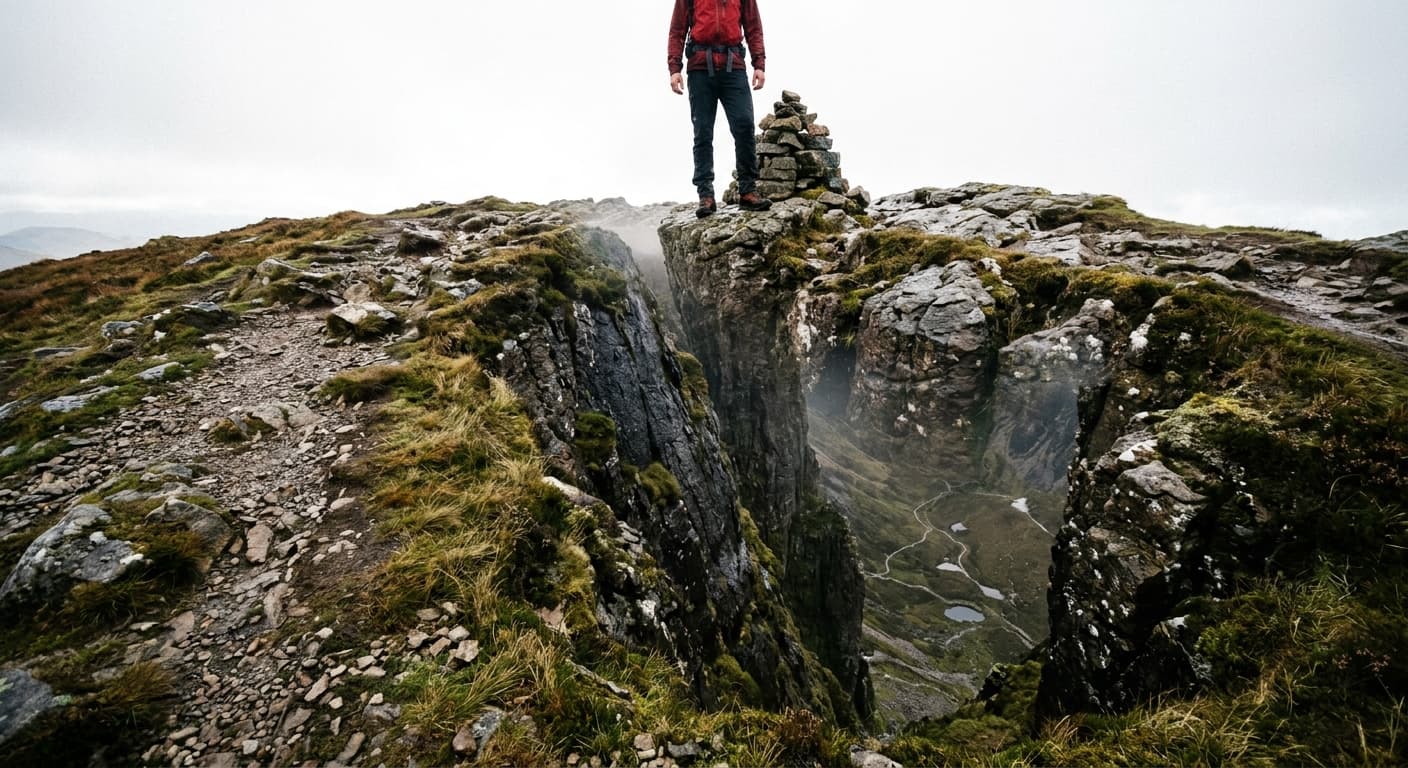
Marilyns: Why a 150-Metre Drop is the Real Test of a Hill
Think altitude is everything? See why a 150-metre drop identifies Britain’s 1,550 Marilyns, and how the list changed in 2025.
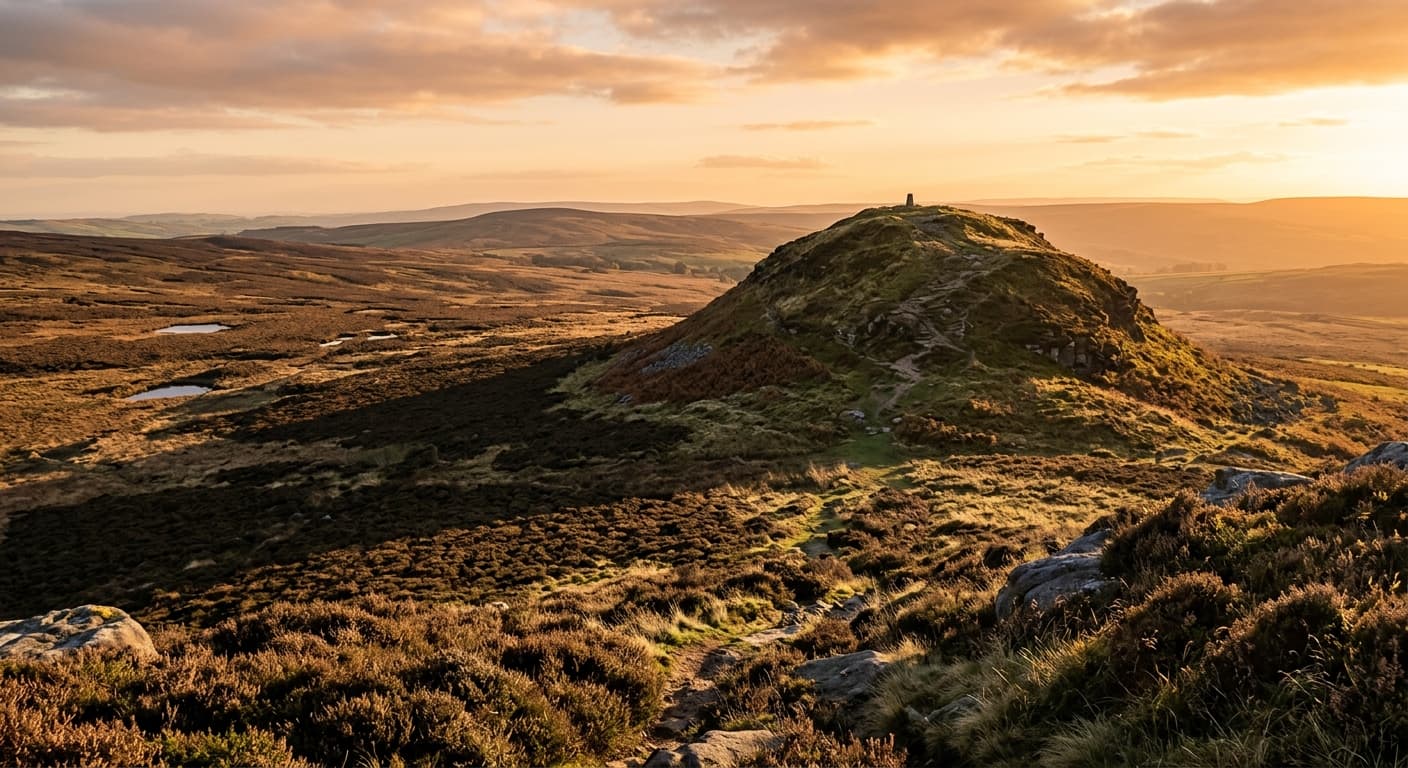
THE CLEMS: FINDING THE QUIET CORNERS OF THE COUNTRYSIDE
If you’re looking to get away from the crowds and find the hills that truly command their own space, you need to understand the unique logic of the Clems.
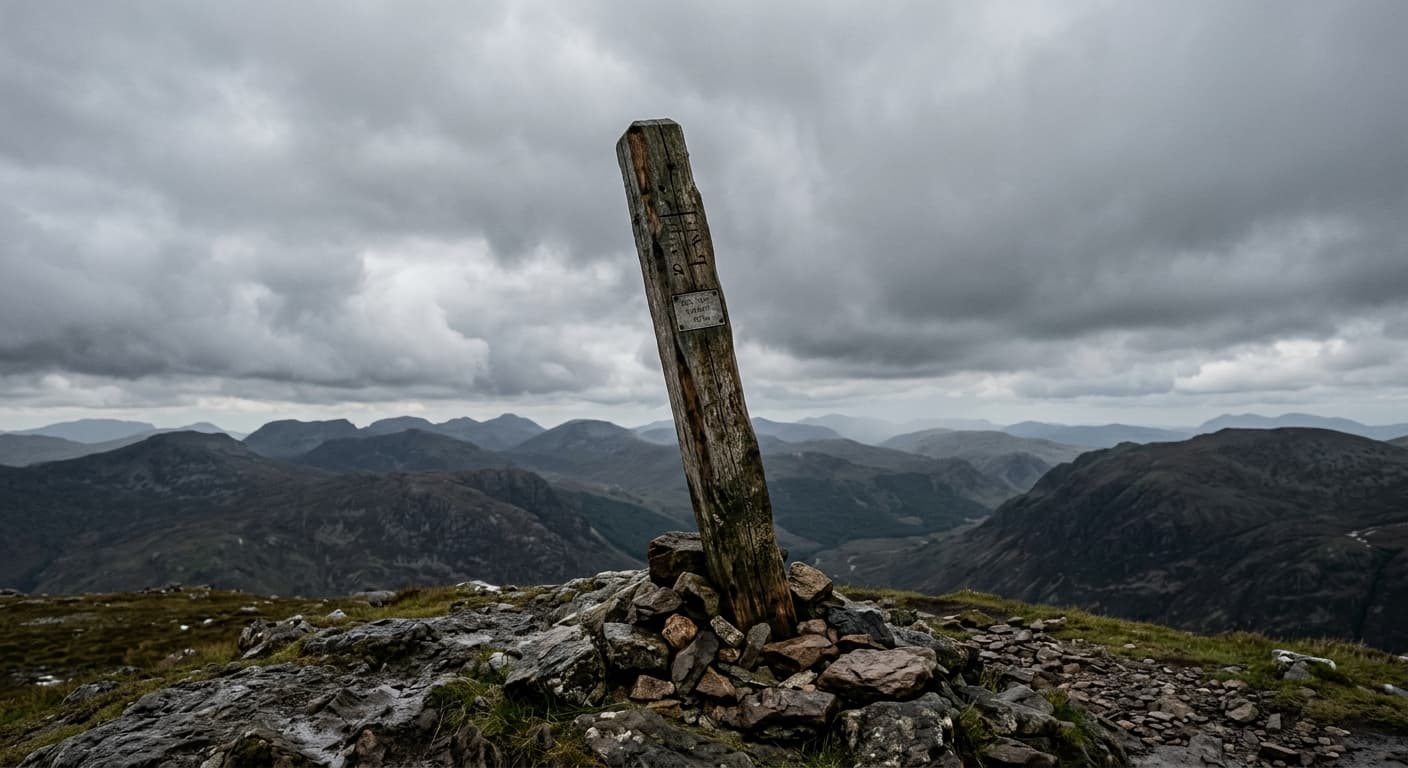
The Corbetts: Scotland’s 500-Foot Hill Climbing Obsession
While the Munros get the headlines, the 222 Corbetts offer a quieter route into the Scottish hills, each meeting a clear height and 500ft drop rule.

The Nuttalls: The 15-Metre Obsession
The Nuttalls are what happens when you decide that 2,000 feet of height is only the beginning of the argument.

The Outlying Wainwrights: The Final Frontier of the Lake District
Once you've finished the main 214 fells, the Outlying Wainwrights are the final chapter—a collection of 116 summits that trade tourist paths for lonely limestone and pathless peat.

The Munros: Scotland’s 3,000ft Standard
Everything you need to know about the 282 Munros—Scotland’s iconic list of 3,000ft peaks defined by strict height requirements and a century of hill-walking tradition.
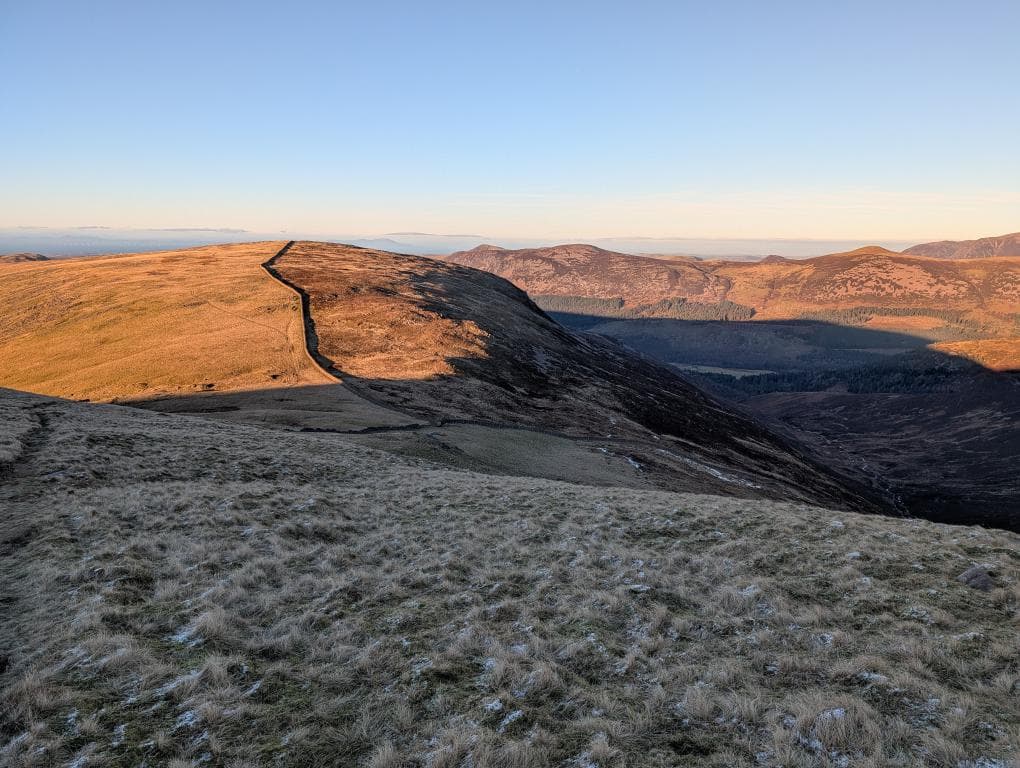
The 214: A Guide to the Wainwright Classification
A deep dive into the 214 Wainwrights, the unique list of Lake District fells chosen by one man's personal preference rather than strict elevation.