9 guides
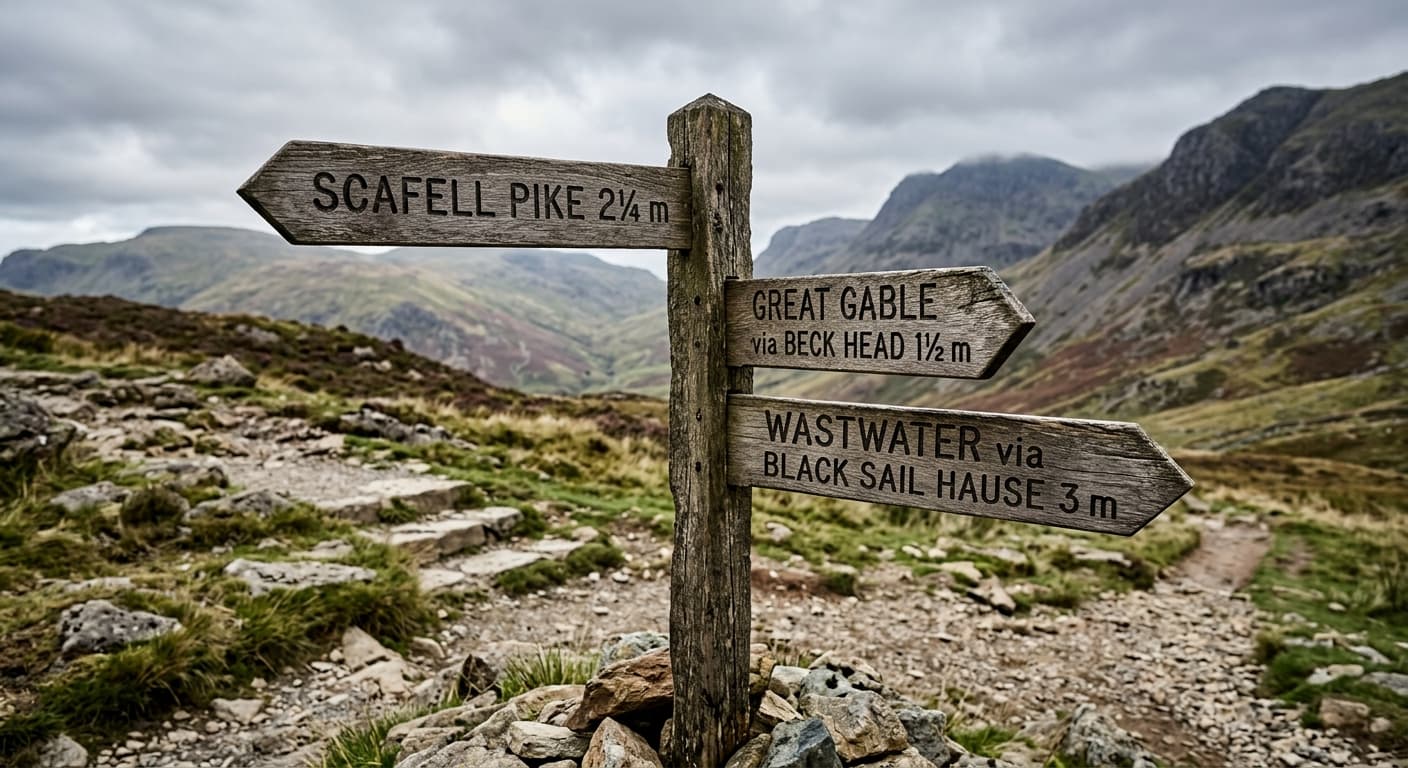
Pike, Dodd, and Hause: Why Northern Fells Have Their Own Vocabulary
If you've walked in the Lake District or northern Pennines, you'll have noticed that hills don't just have names—they have job descriptions. A pike is a pointed summit, a dodd is rounded or subsidiary, and a hause is the pass between them, but their origins aren't as straightforward as you might expect. While hause comes tidily from Old Norse hals (a neck or saddle), the other two have murkier histories, and together they show how fell terminology evolved from more than one linguistic source.
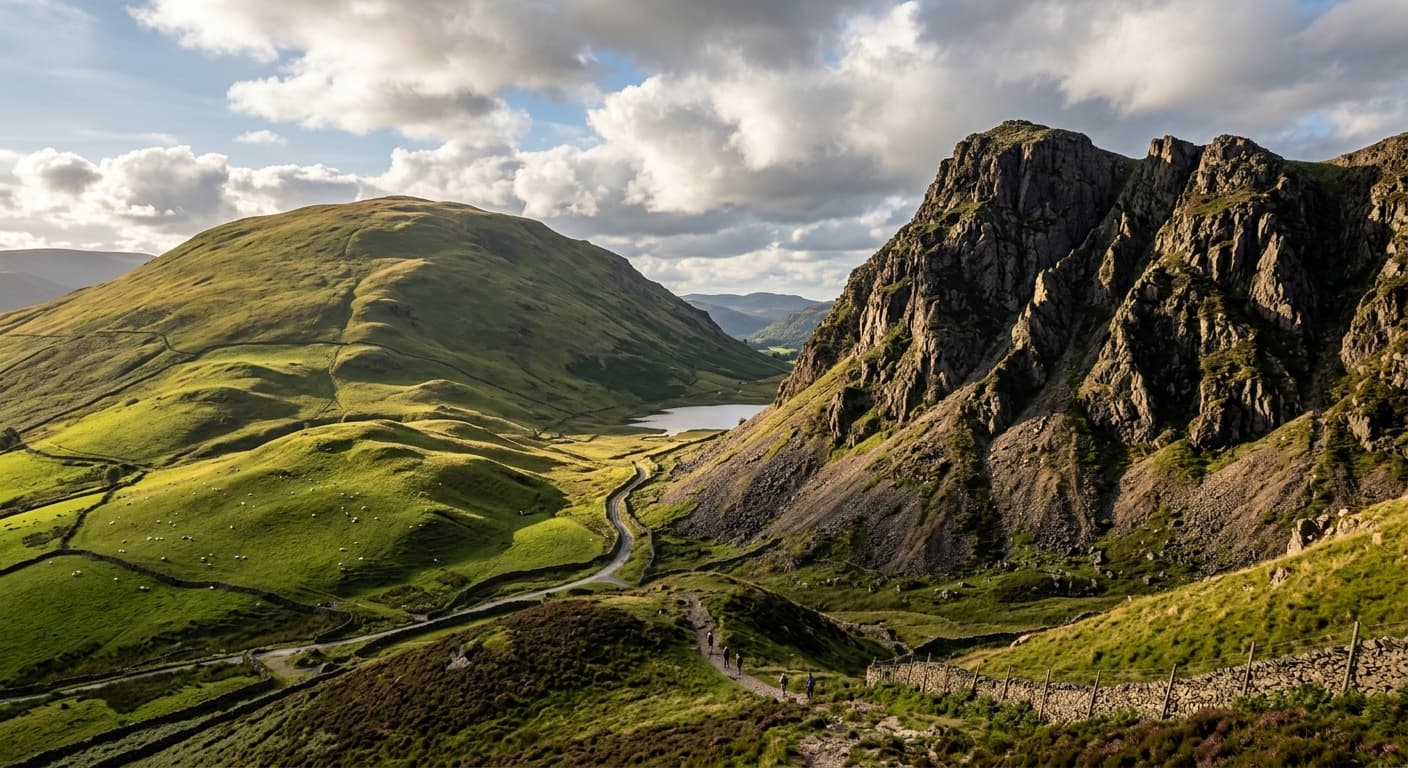
When Knott Means Not What You Think: The Double Meaning Crisis
A knott can be a rounded summit or a rocky outcrop, depending on which valley you're in and who named it first. This wouldn't matter except that your map has fourteen of them and they don't all follow the same rule. The result is a delightful mess of confusion for anyone trying to work out whether they're about to climb something gentle or scramble up something rather more committed.
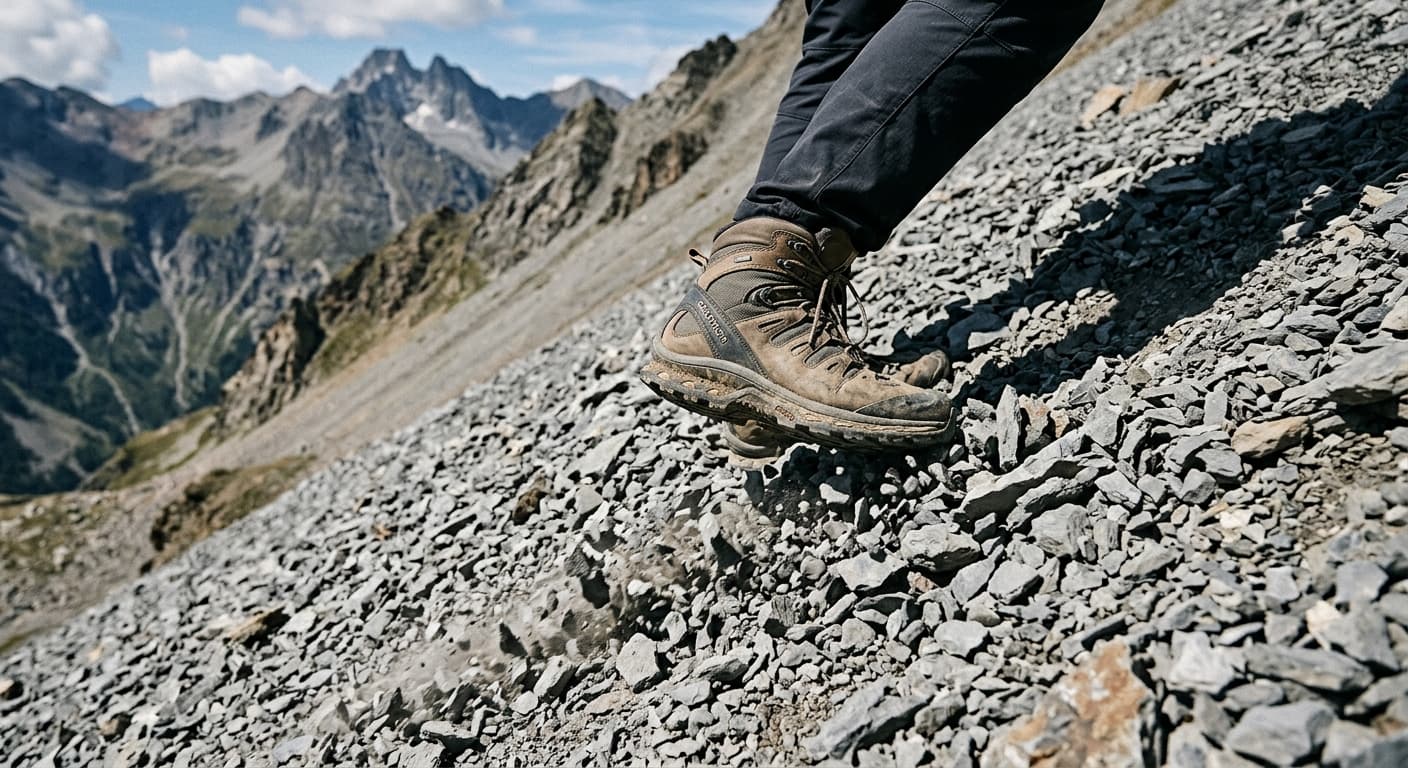
Crag, Scar, and Scree: Why Rock Features Have Such Slippery Names
If you've ever wondered whether that lump of rock is a crag or a scar, you're not alone—these landscape terms overlap more than they separate. A crag usually suggests climbable rock, a scar often implies a steeper face, and scree is the loose rubble beneath either, but regional usage and geological reality blur these boundaries considerably. Think of them as helpful descriptions rather than strict categories, and you'll save yourself a lot of confusion on the hillside.
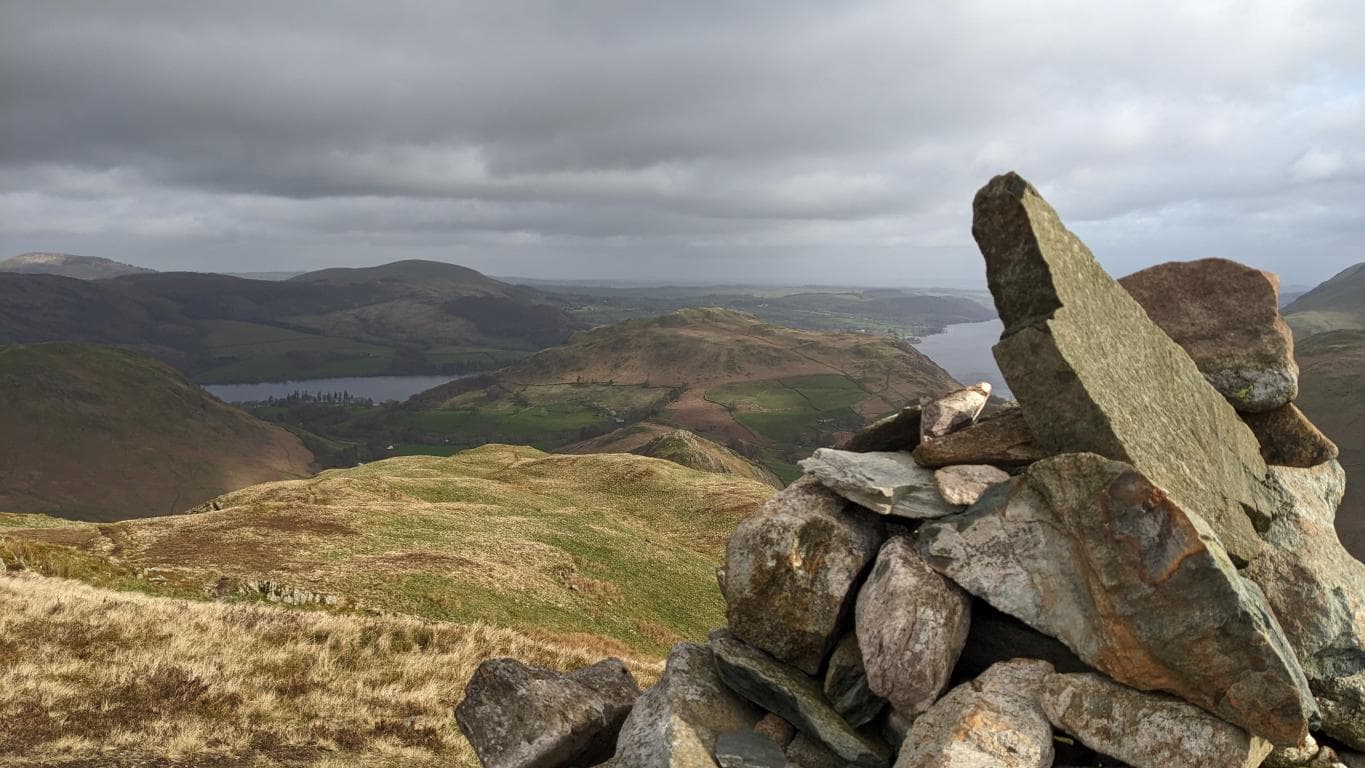
More Than a Pile of Rocks: Understanding Cairns
For thousands of years, cairns have served many purposes—from burials and memorials to boundaries and landmarks on high ground.
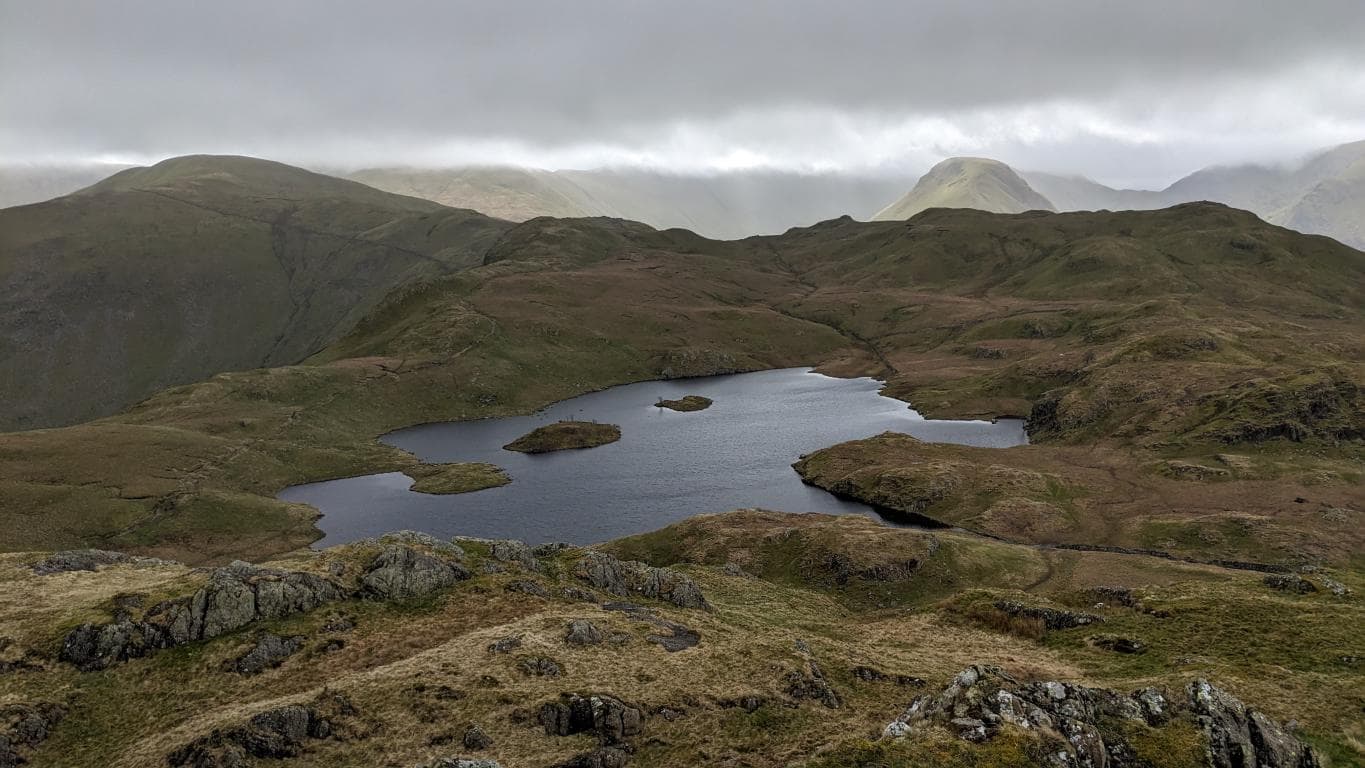
The Language of Water
A guide to the Norse and regional water terms found across the British uplands—and what they can, and cannot, tell you about the terrain.

The Great British Hill Naming Crisis
Ever wondered why the same hill names keep appearing on British maps? The answer lies in useful local descriptions that were never designed to be nationally unique.
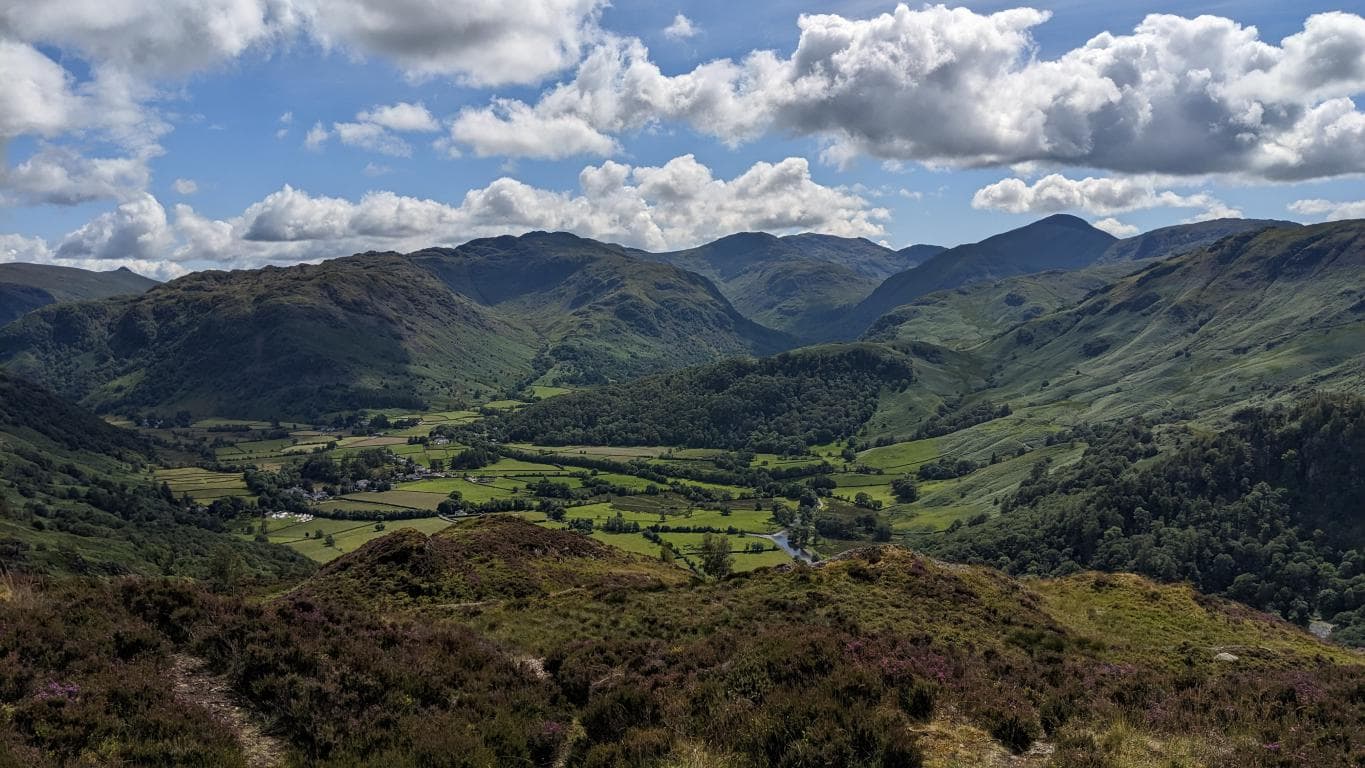
The Thousand-Year Misunderstanding
How centuries of Cumbric, Norse, Gaelic and English place-naming gave our best-known peaks debated meanings, layered names and a few accidental jokes.
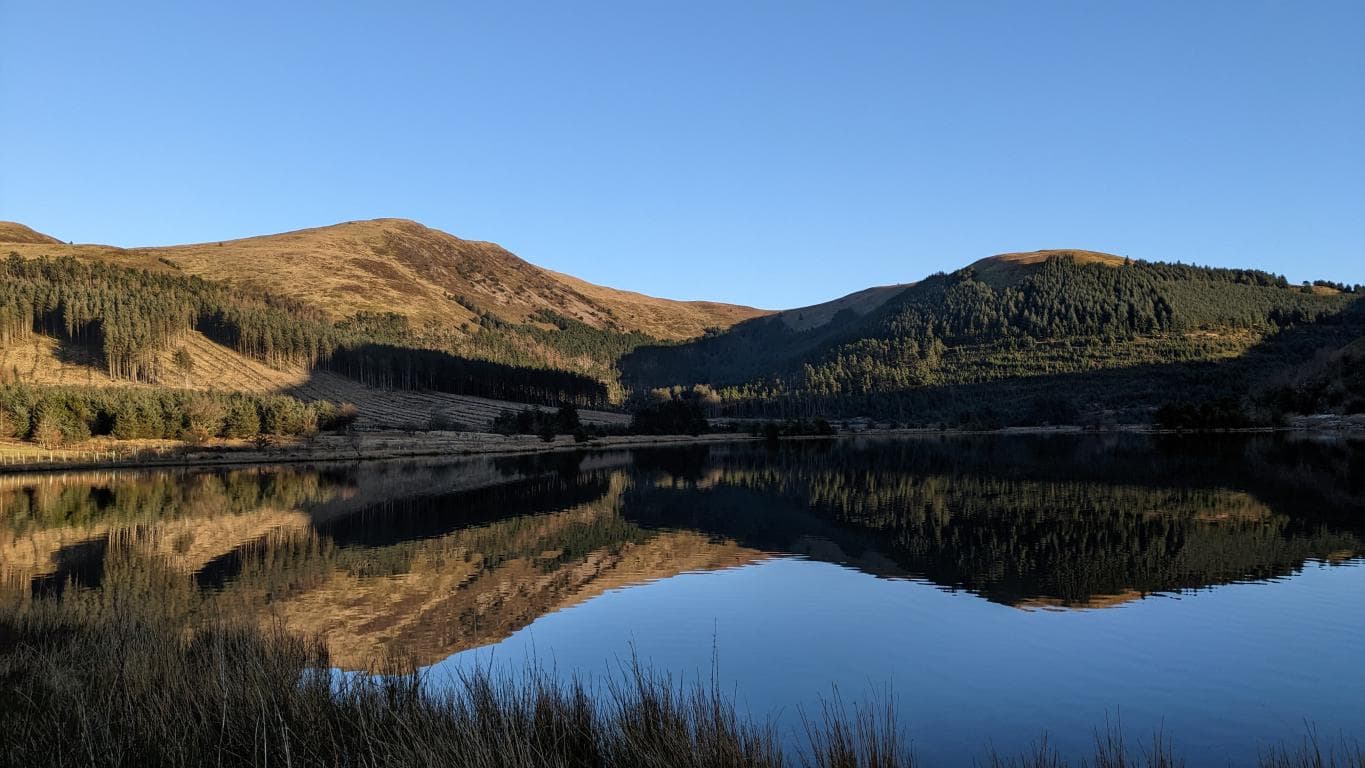
Is it a hill, is it a fell, is it a mountain?
The UK’s names for high places—hills, fells, mountains and tors—reflect language and local custom, while the familiar 2,000-foot line is a hill-list convention rather than an official OS rule.
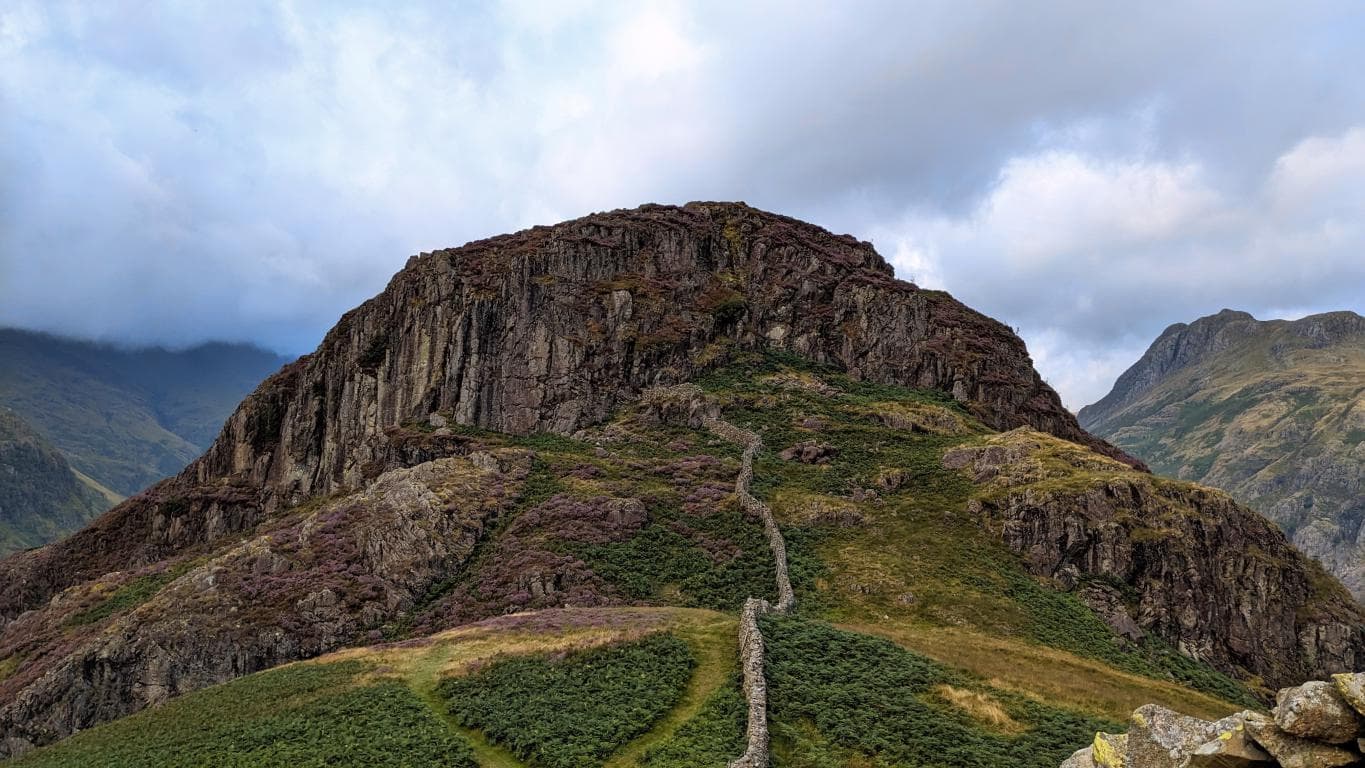
What Your Map is Trying to Tell You: Understanding UK Hill Names
Old Norse, Gaelic, Welsh and English hill-name elements can hint at shape, history or land use—but they are clues, not route descriptions or safety instructions.