14 guides
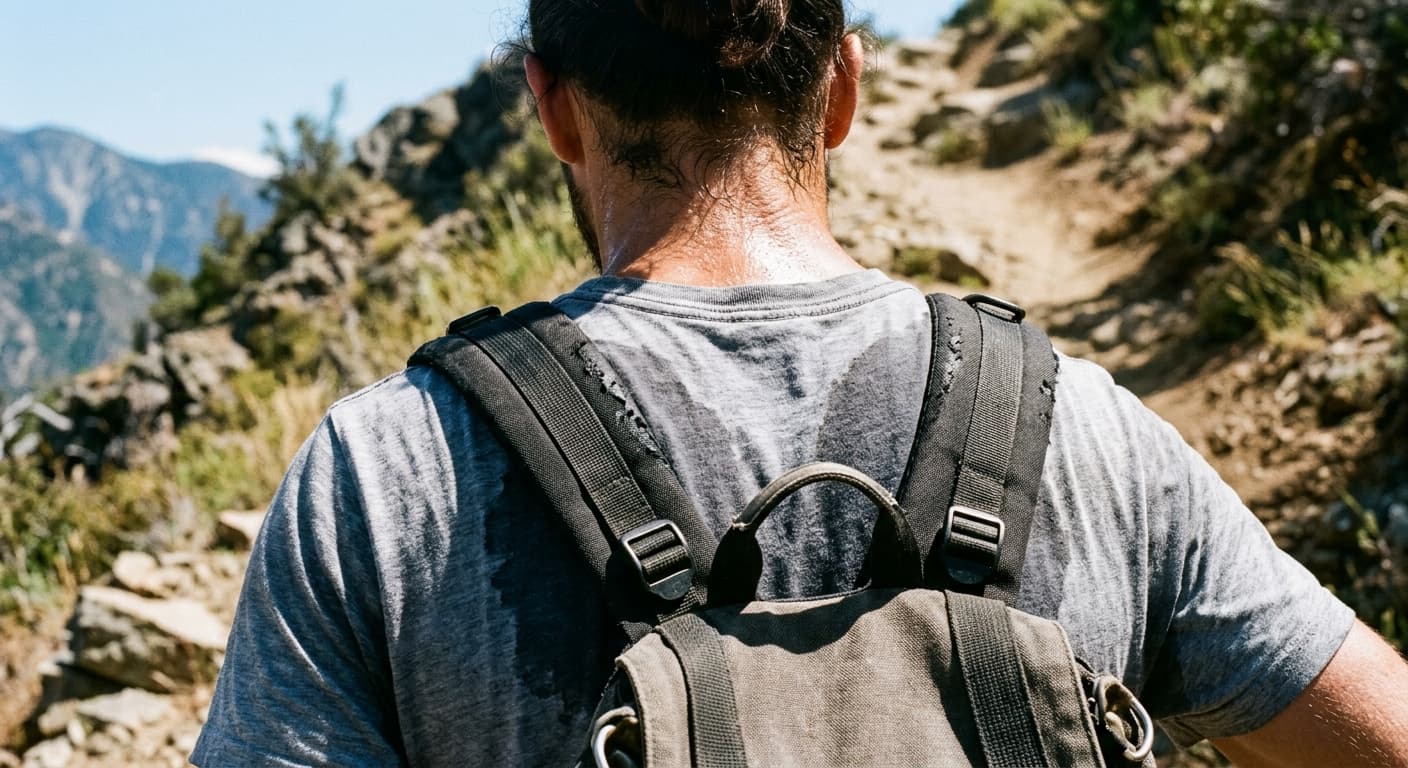
Heat Exhaustion on the Hills
Heat exhaustion happens on British hills more often than most walkers expect—warm days, sustained climbs and inadequate water combine to cause nausea, dizziness and confusion that people mistake for tiredness. Recognising the difference between fatigue and genuine heat illness, cooling down effectively and knowing when someone needs evacuation prevents heatstroke.
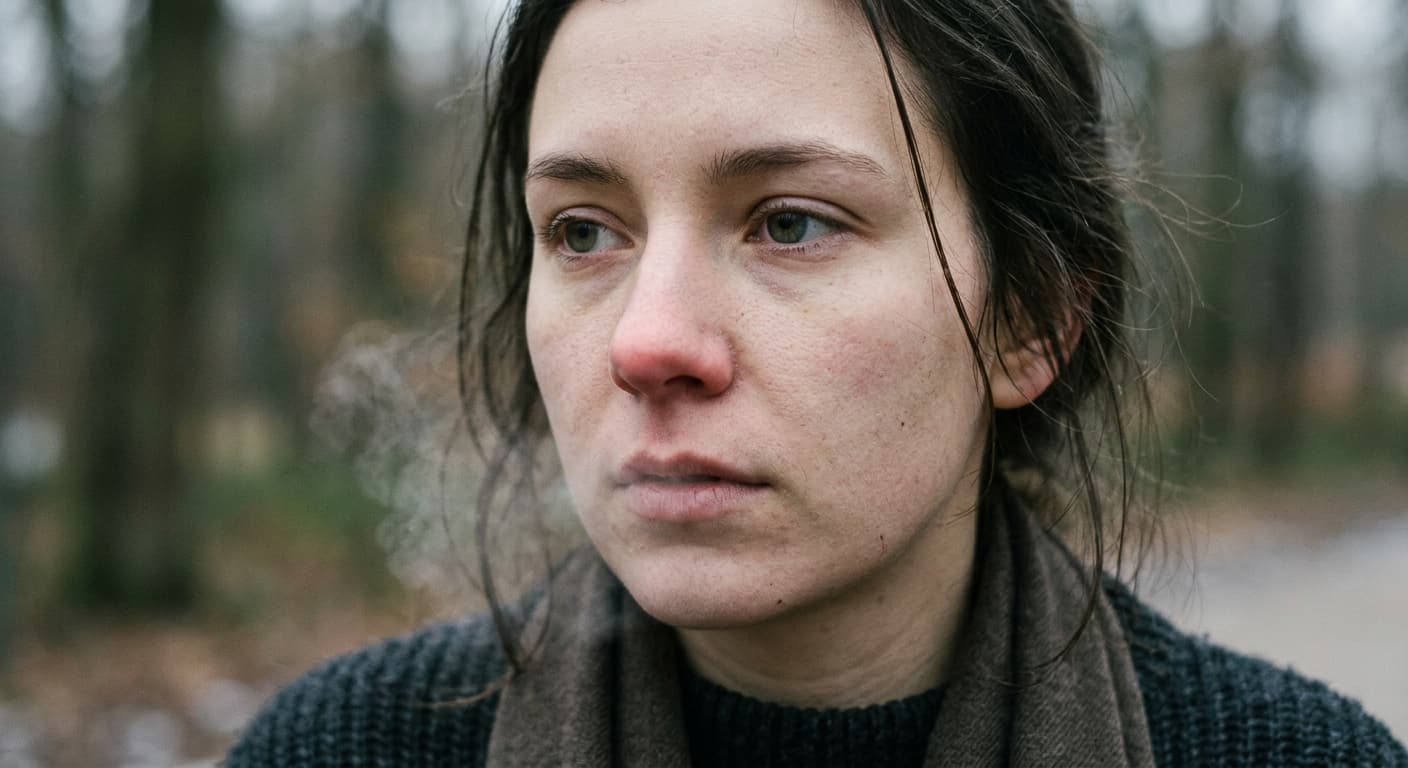
Hypothermia: The Warning Signs
Hypothermia starts with shivering and poor decisions, progresses through confusion and coordination loss, and ends with collapse—but each stage looks different and your group needs to recognise them in sequence. Spotting the early signs in yourself or others and acting before someone becomes dangerously cold prevents most serious cases.
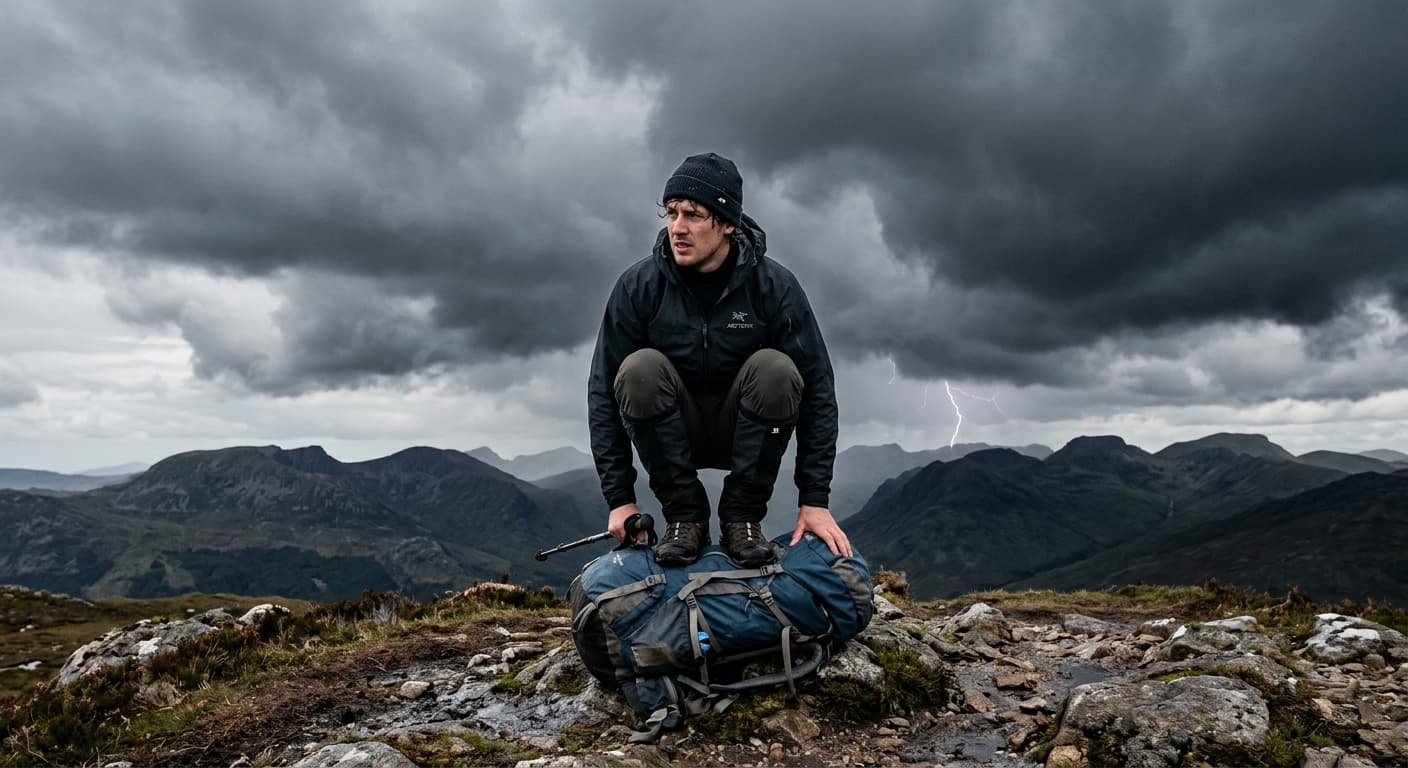
The Lightning Position Problem: What to Actually Do When Thunder Counts Down
Standing under a tree is dangerous. Lying flat is dangerous. Sheltering in a shallow cave is dangerous. The safest position involves squatting on insulation while minimising ground contact, and most people get it wrong because it feels absurd.
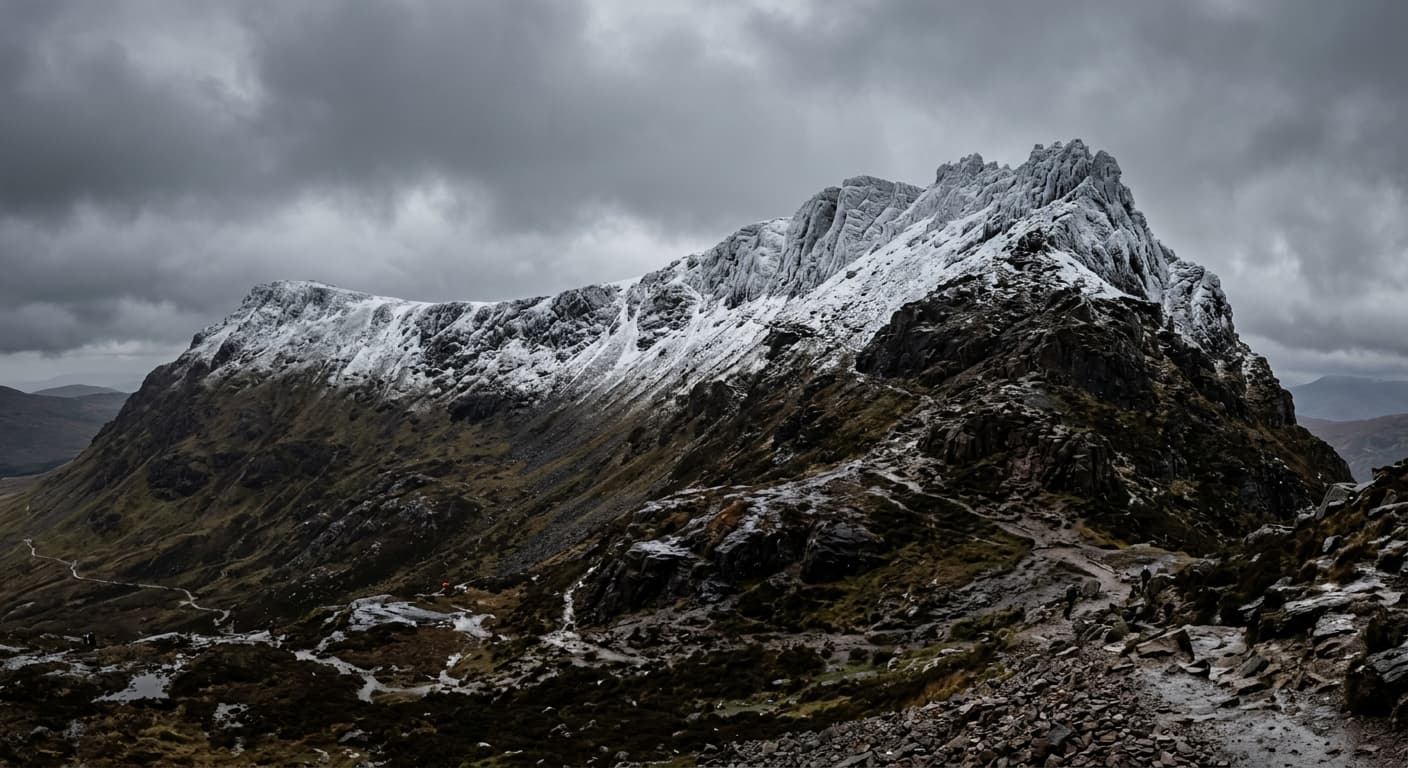
The Freezing Level: When Rain Below Means Ice Above
Mountain forecasts tell you the altitude where wet paths turn icy. The freezing level shifts daily—your map won't show it, but it matters.
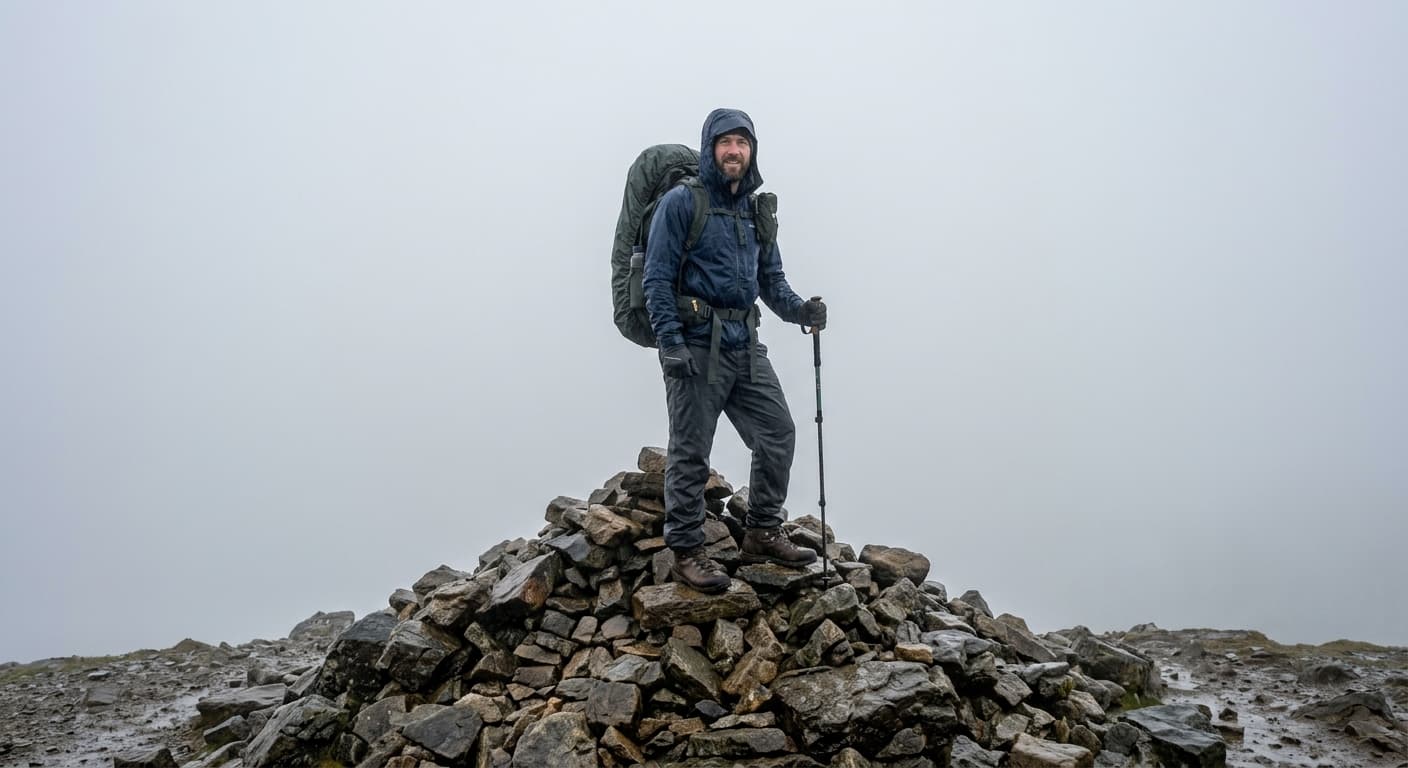
What Clag Actually Is (And Why It's Not Just Thick Fog)
Hill walkers use 'clag' to describe the specific low cloud that sits on summits and ridges when you're walking in it—thick, damp, navigationally useless, and distinctly different from valley fog in both how it forms and how long it stays. It's orographic cloud at ground level, and understanding that tells you whether it'll lift or settle in for the day.
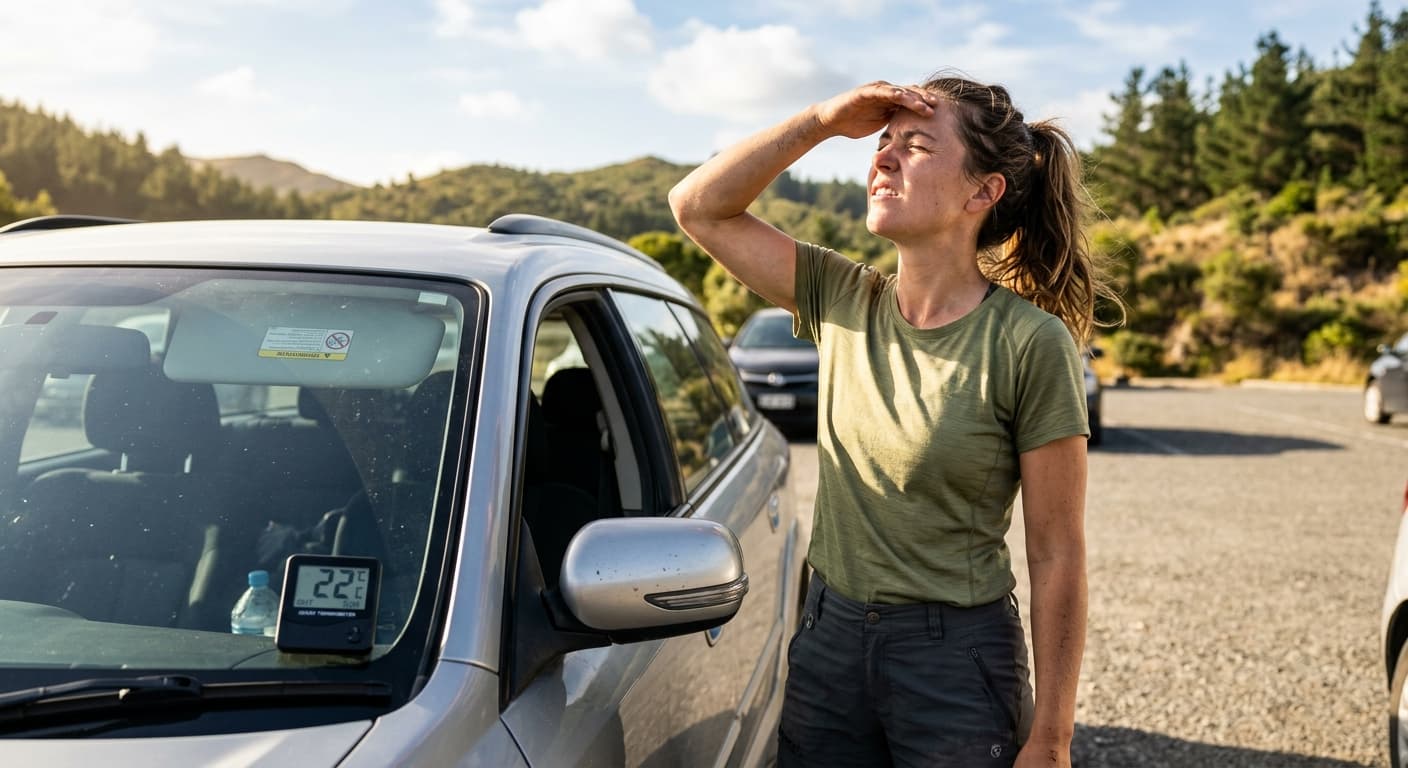
How Temperature Changes With Altitude in the Mountains
Work out how cold it'll actually be at altitude using proper lapse rates, not guesswork. Useful for route planning when the valley's warm.
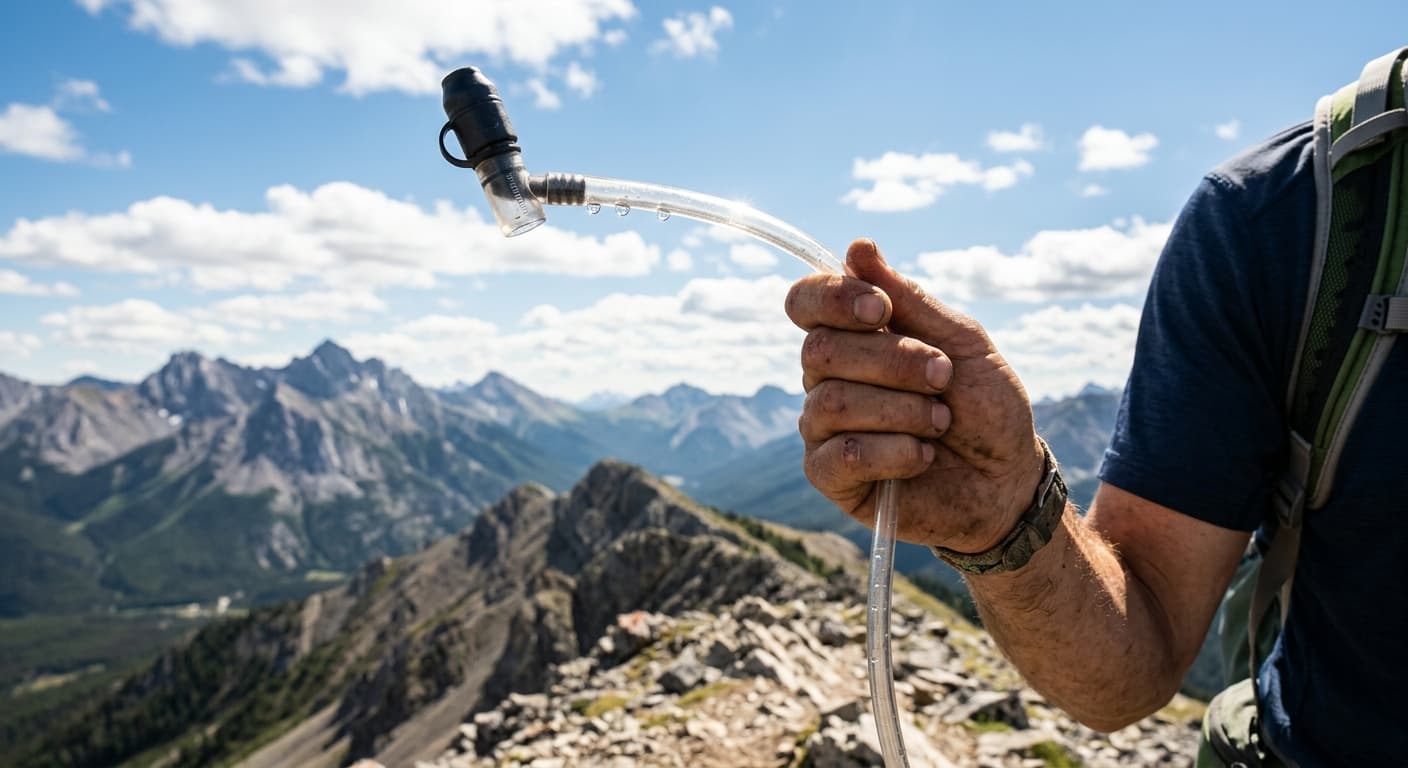
How Much Water to Carry on Summer Mountain Walks
Work out how much drink you need for exposed upland routes when it's warm. Heat and exertion matter more than you think—two litres isn't always enough.
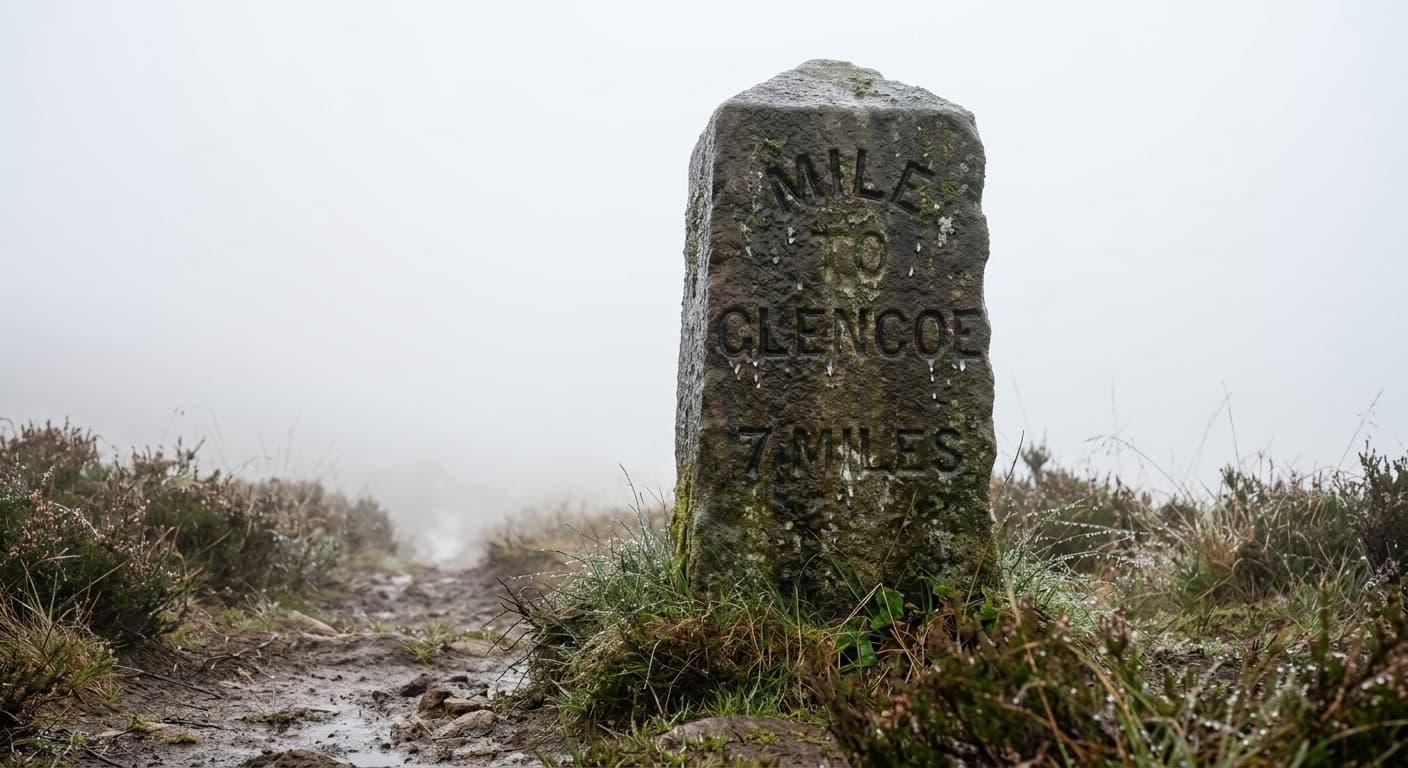
When Scotland's Haar Rolls Inland: Forecasting Sea Fog
North Sea fog doesn't always stop at the shore. How wind, temperature and pressure decide whether a haar burns off or settles in for days.
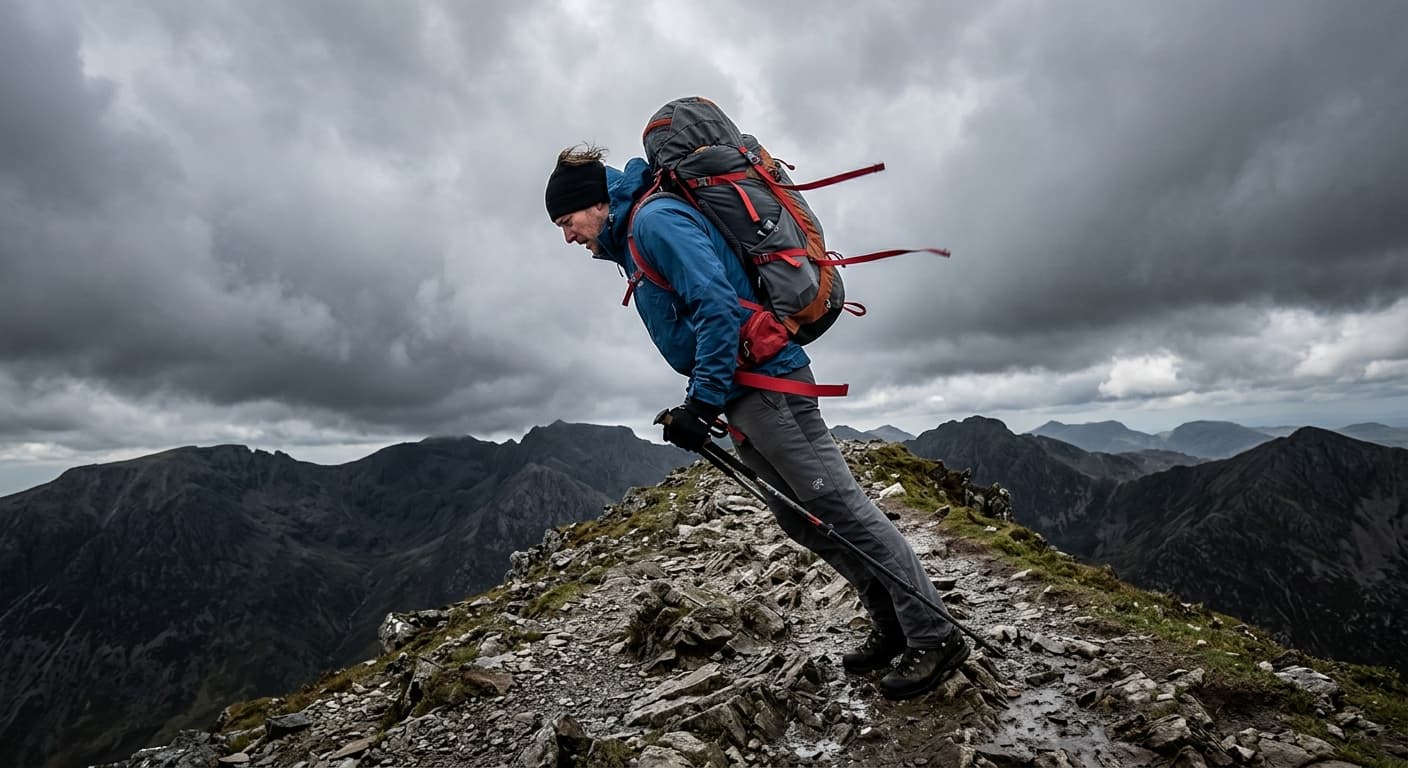
Why the Wind Accelerates When You're Already Having a Bad Day
Mountain wind doesn’t blow steadily—it can funnel and accelerate at col crossings and ridge lines. Here’s why exposed terrain can make a forecast wind feel considerably stronger.

Chasing the Inversion
From valley fog to summit sun: we break down the mechanics of cloud inversions and the weather signs that can improve your odds.

The Brocken Spectre
When the sun sits behind you and mist lies ahead, your shadow can loom across the cloud with coloured glory rings around it—a Brocken Spectre that is dramatic, personal and always worth viewing from a safe position.
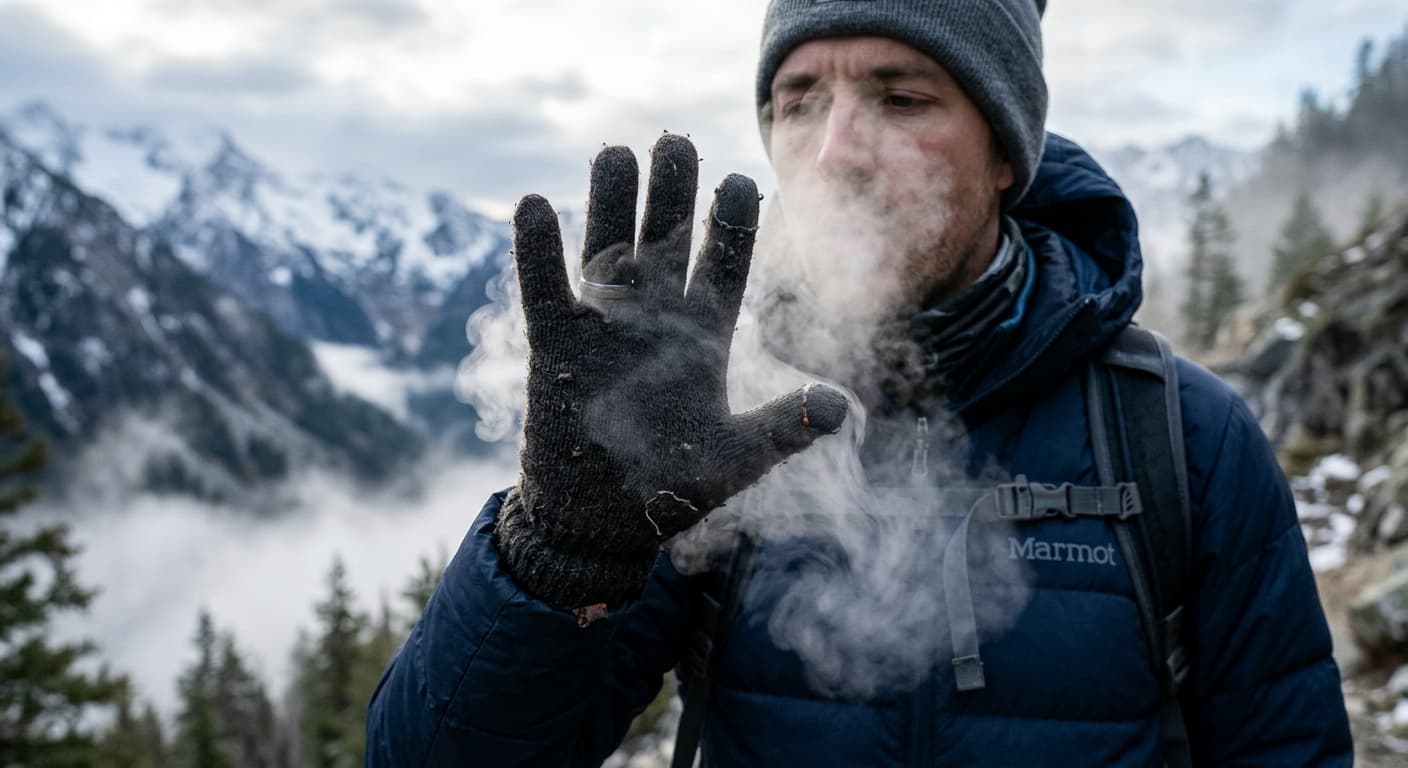
What Your Breath Actually Tells You About the Temperature
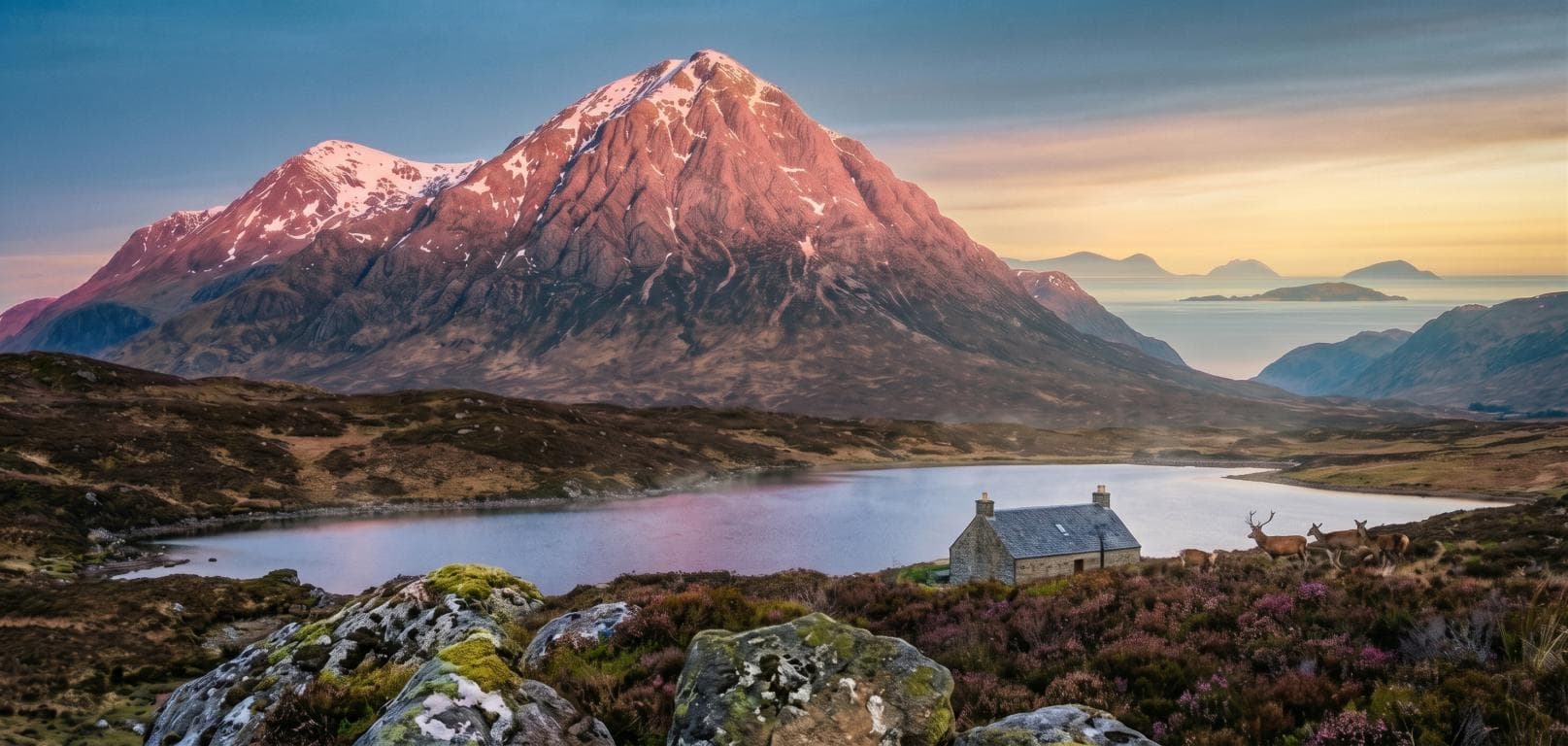
Alpenglow and Fata Morgana: UK Mountain Optical Illusions
On rare, still days, layered air can warp the horizon while low sunlight paints the ridges pink—proving the hills don’t have to be soaking wet to hold your attention.
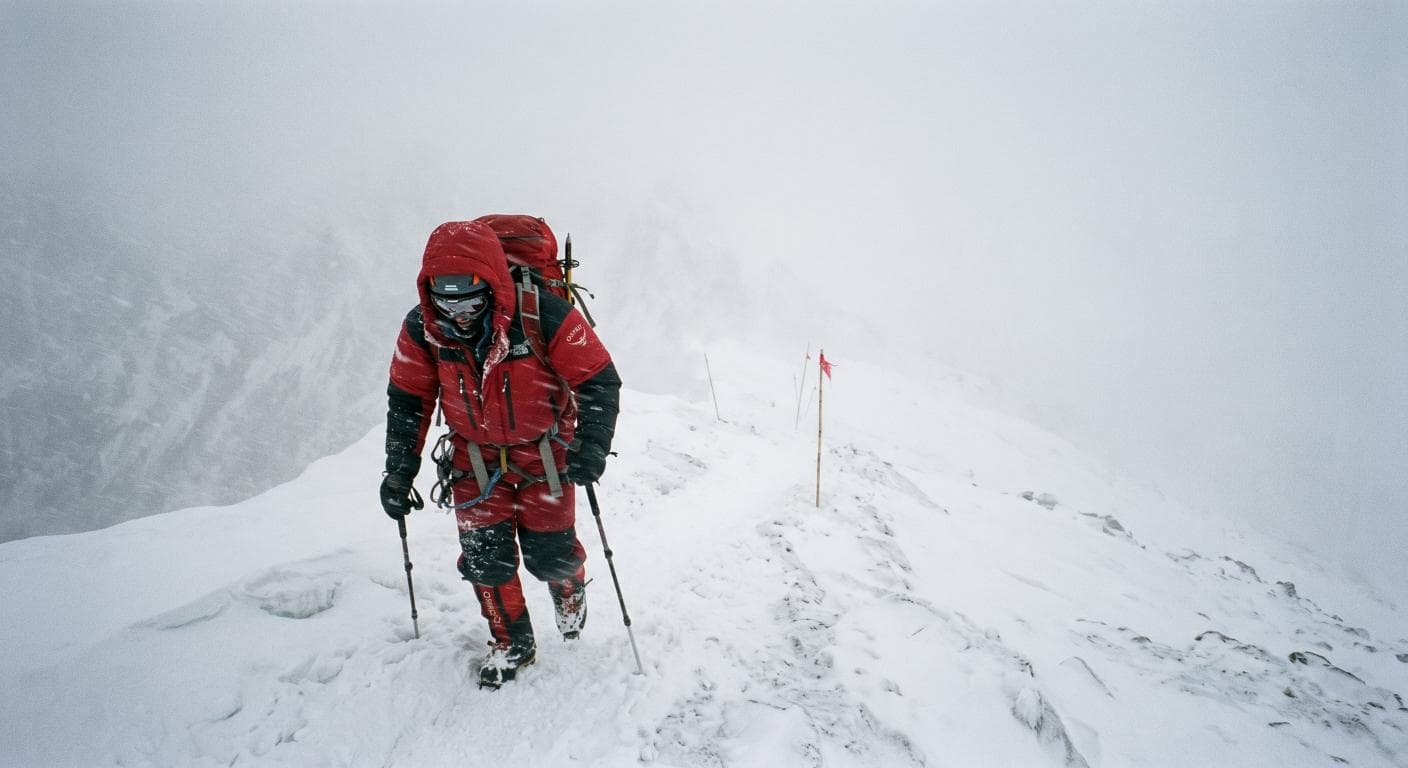
The Whiteout: Why You Can’t Walk in a Straight Line
When the ground and the sky become the exact same thing, safety becomes a slow, quiet matter of trusting the numbers.