10 guides
Does Tea in Your Flask Count Towards Hydration?
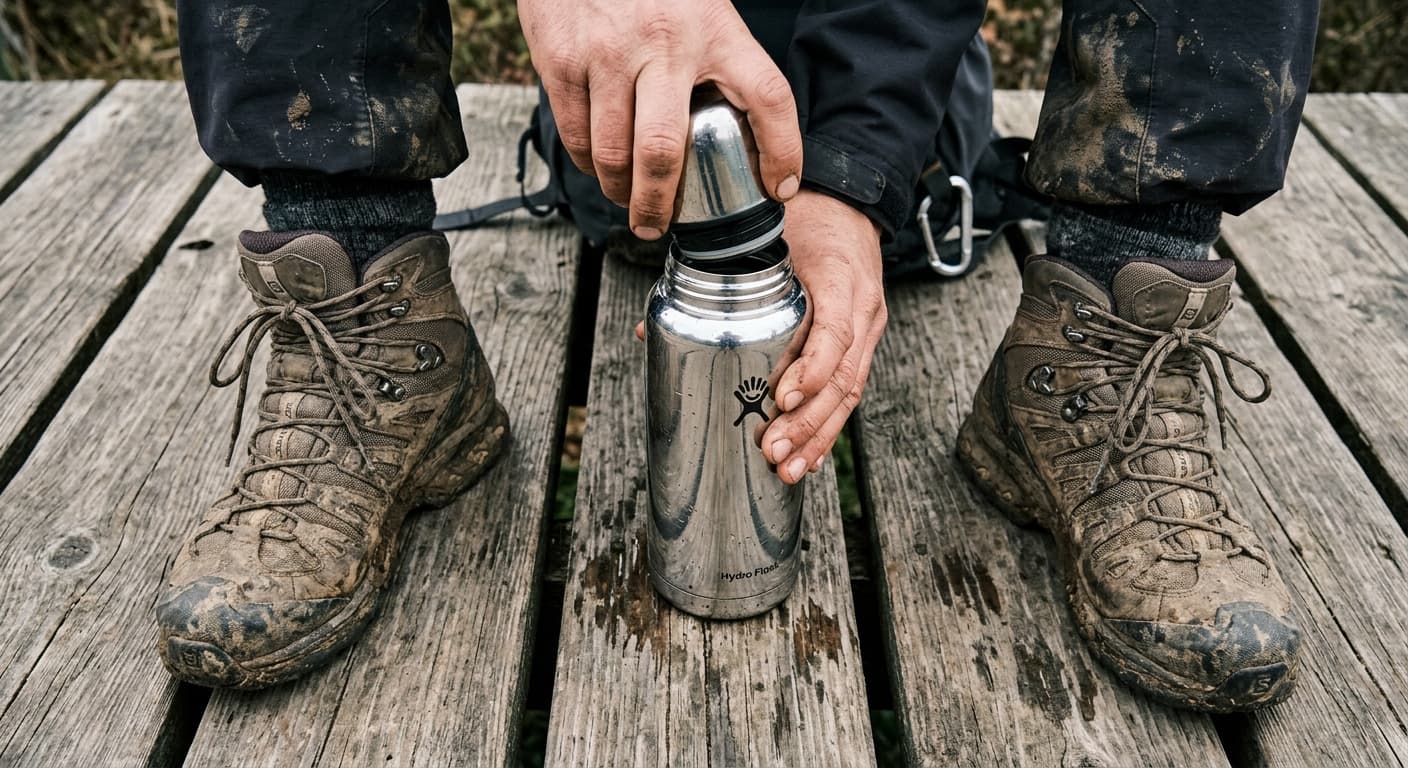
Caffeine's reputation as a dehydrator is largely undeserved. The fluid in your tea more than compensates for any mild diuretic effects, so yes, your flask counts towards staying hydrated.
Carbohydrate, Fat, Protein: What Each One Does on the Hill
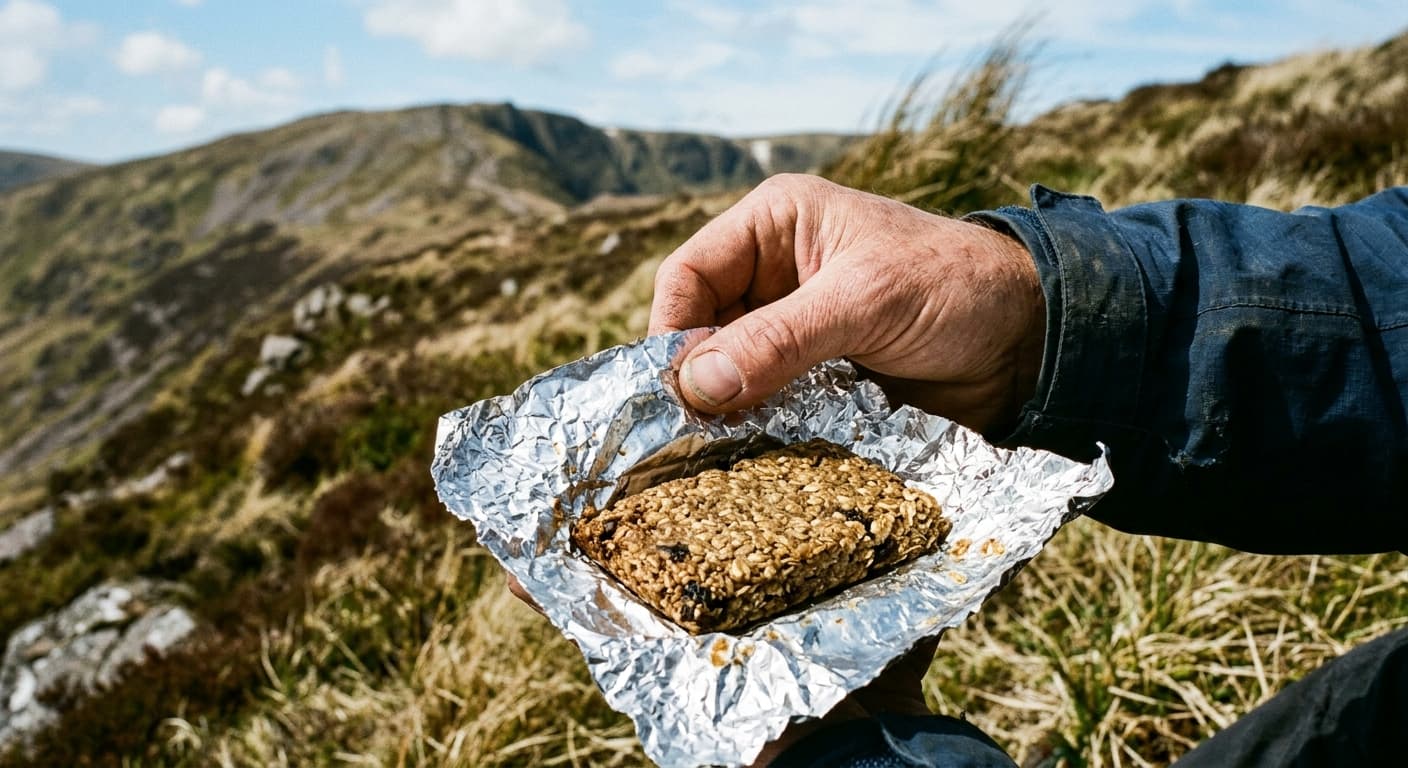
Carbohydrate is the main fuel for working muscles during harder activity, fat is energy-dense and can contribute to longer-duration fuelling, and protein is principally important for repair and recovery. Higher-fat foods can be slower to digest and may cause discomfort for some people during activity, so timing and personal tolerance matter—and a practical hill-food choice balances energy, portability, palatability and the likelihood you'll actually eat it.
Why Eating Regularly Matters More Than Eating Lots: Small Snacks on Long Days
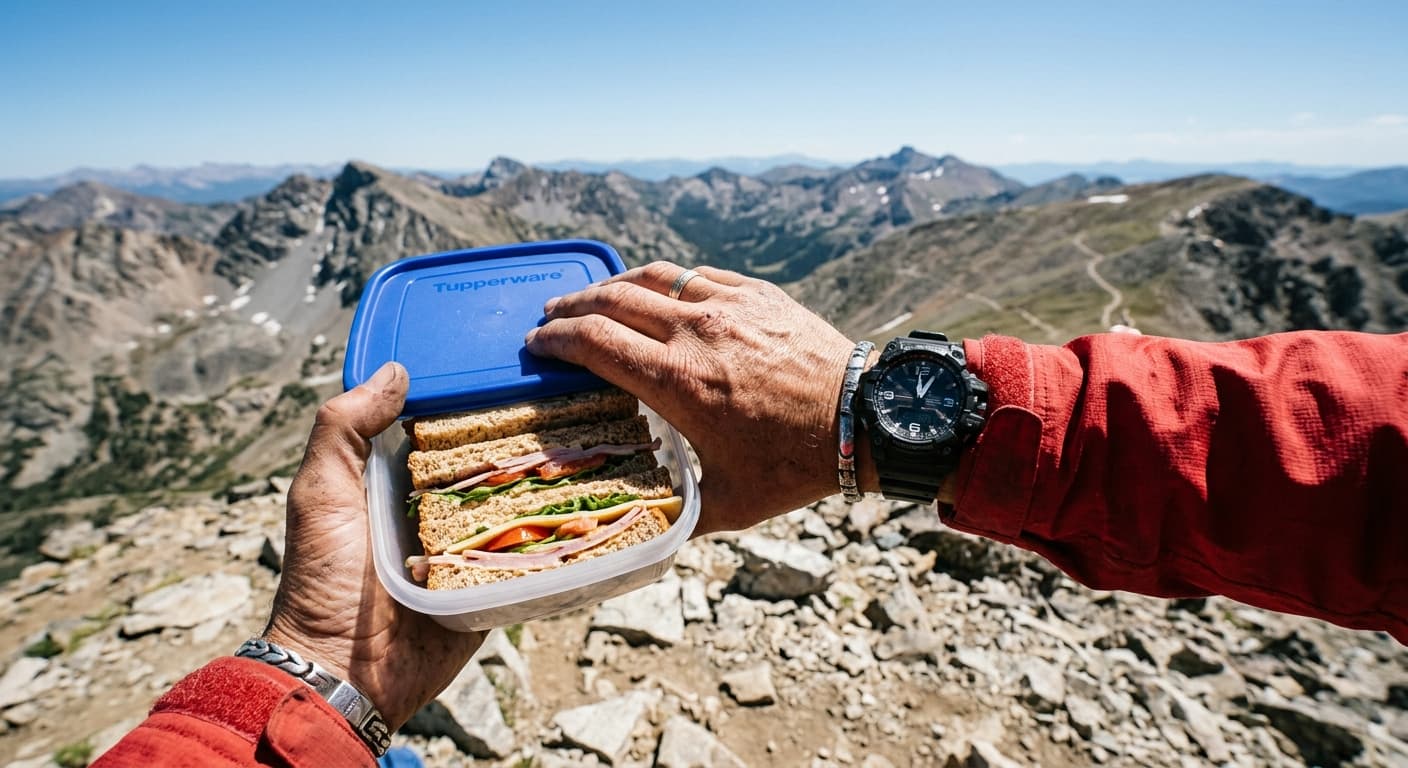
The BMC recommends carrying enough food, eating regularly throughout the day, and keeping something back in case things go wrong. Smaller, frequent snacks can be easier to manage during sustained activity than relying on one large meal, and for harder efforts lasting over an hour, carbohydrate consumed on the move can support performance—though needs remain individual.
What Your Sweat Actually Loses (And Why Plain Water Doesn't Replace It)
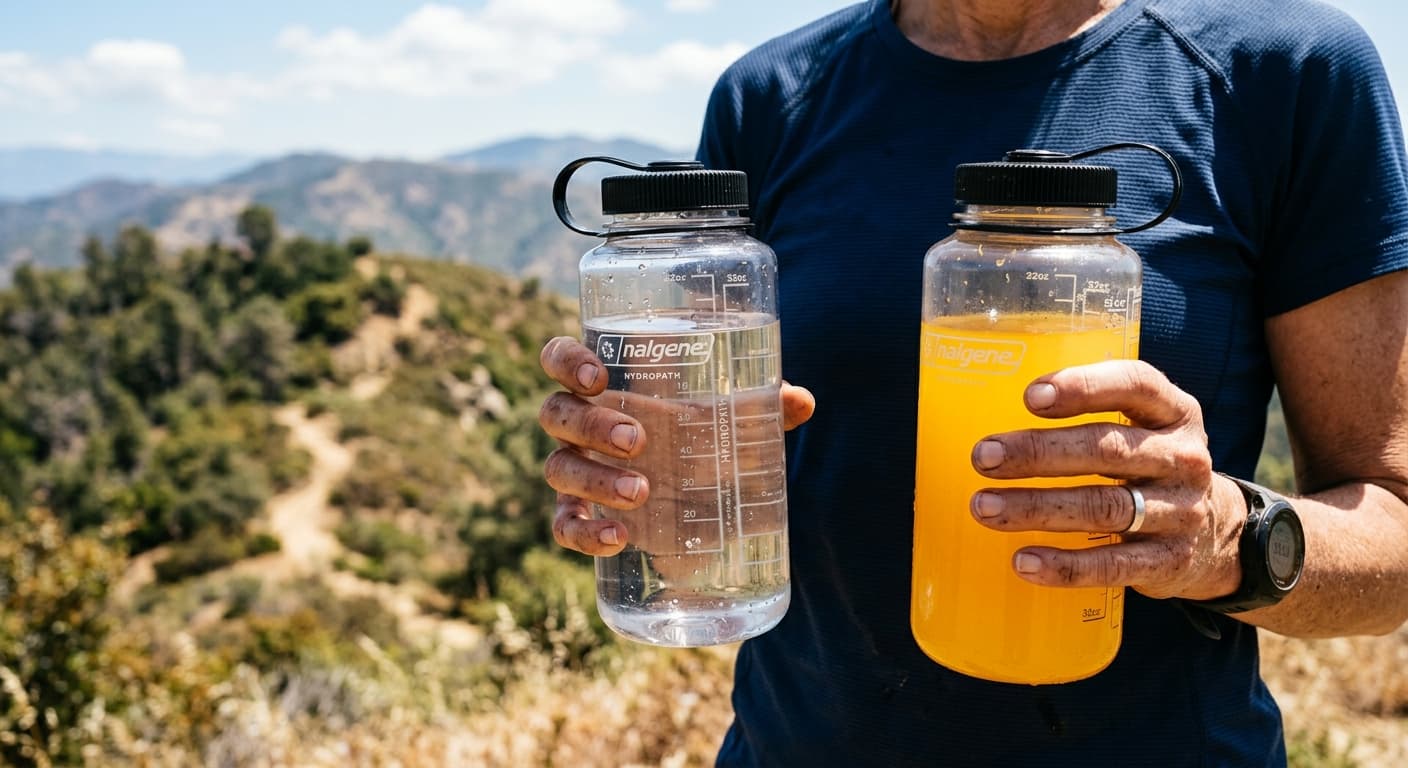
You lose sodium, potassium, magnesium and chloride when you sweat on the hills, but the concentrations aren't fixed—they vary by fitness, heat, and how much you're used to sweating. Replacing water alone dilutes what's left, which is why some walkers feel worse after drinking more.
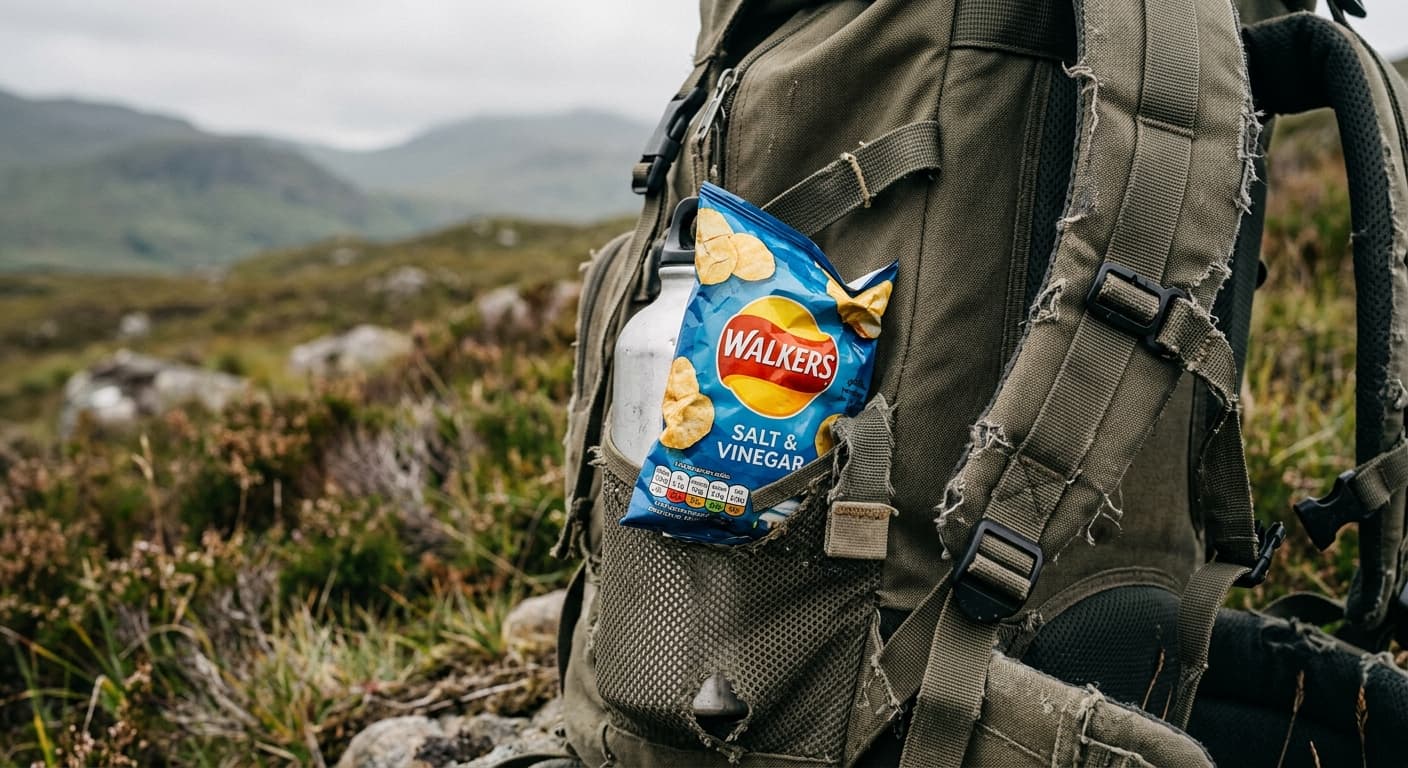
When Crisps Are Actually Useful: Salt, Carbohydrate and the Mid-Walk Snack
Sports nutrition brands sell electrolyte tablets in small plastic tubes, but a packet of ready salted crisps delivers sodium, potassium and quick energy without the premium. Not every solution needs to come in a foil sachet.
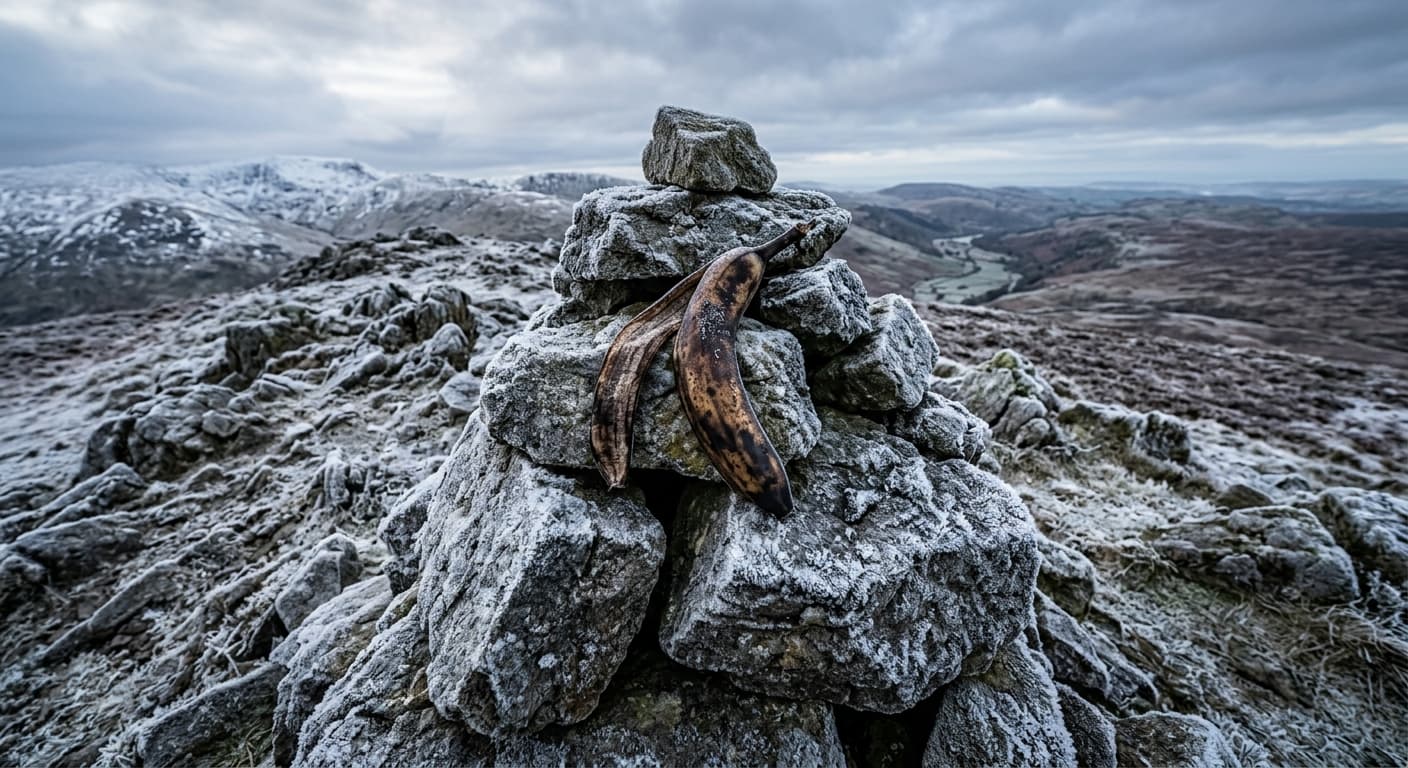
The Banana Peel Timeline: How Long ‘Biodegradable’ Actually Takes
Banana skins, orange peel and apple cores are organic, but decomposition on a cold, windswept fell takes months or even years—not the week or two most walkers assume. What rots quickly in a compost bin doesn't behave the same way on exposed rock.
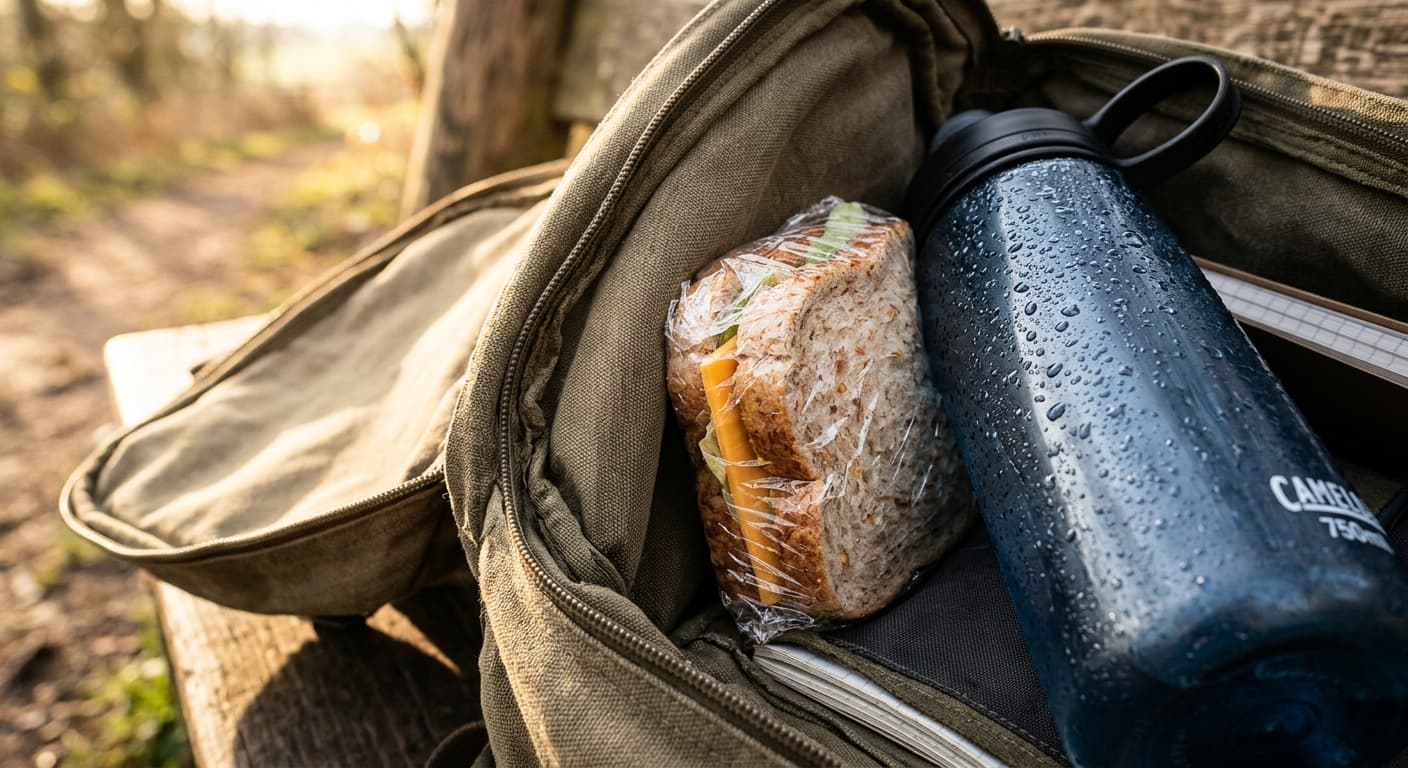
Keeping Your Packed Lunch Alive on the Mountain
A hillside picnic isn’t just a long lunch—it’s an extended tour without refrigeration for foods that normally live in the cold. Official guidance treats outdoor eating rather seriously, insisting that anything fridge-bound at home needs ice packs or frozen gel to survive the summit, while basic hand hygiene remains as important as it would be in your kitchen.
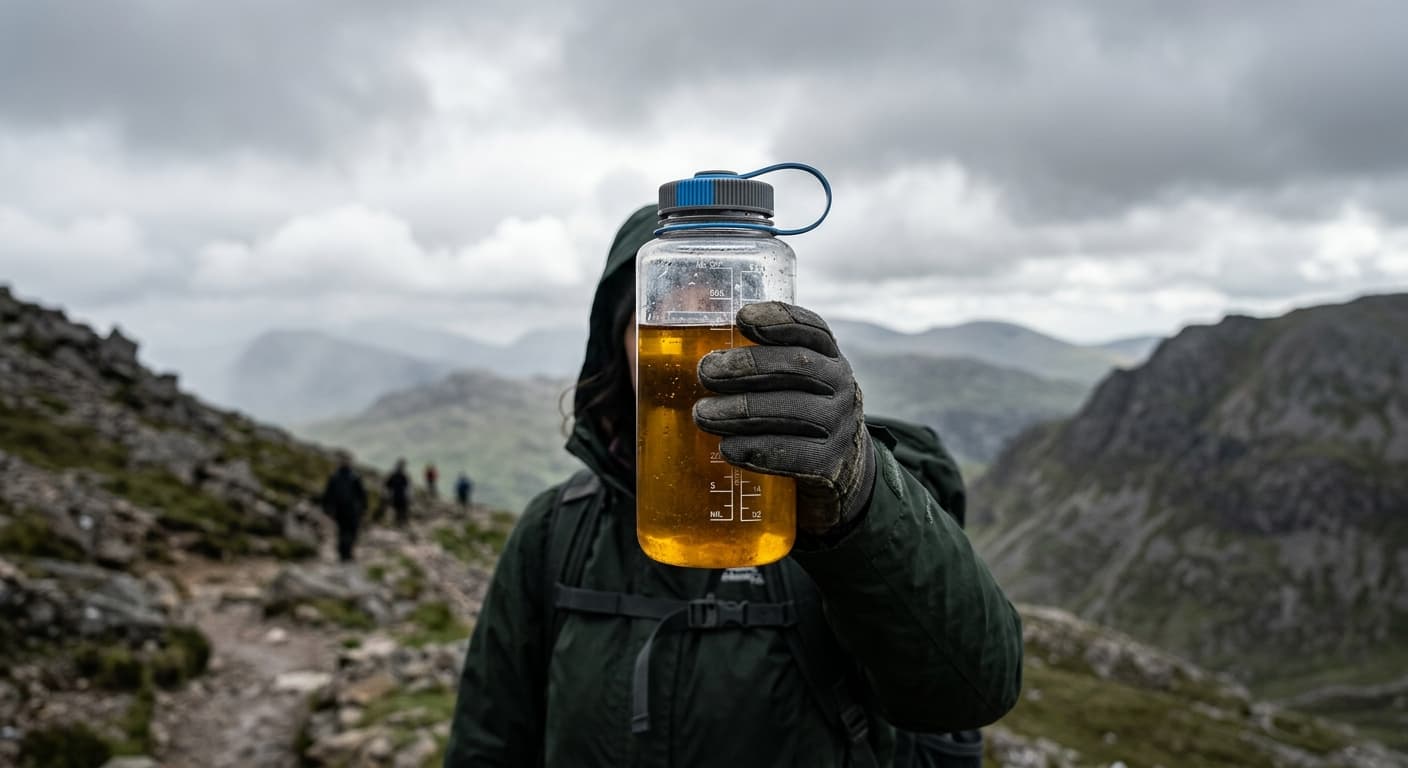
Dark Yellow Means You’ve Already Waited Too Long
Most walkers know they should drink water, but waiting until you’re thirsty is like waiting for the petrol light before you fill up—you’re already running low. Here’s what your body is actually telling you on the hills, and why sipping little and often matters more than you might think.
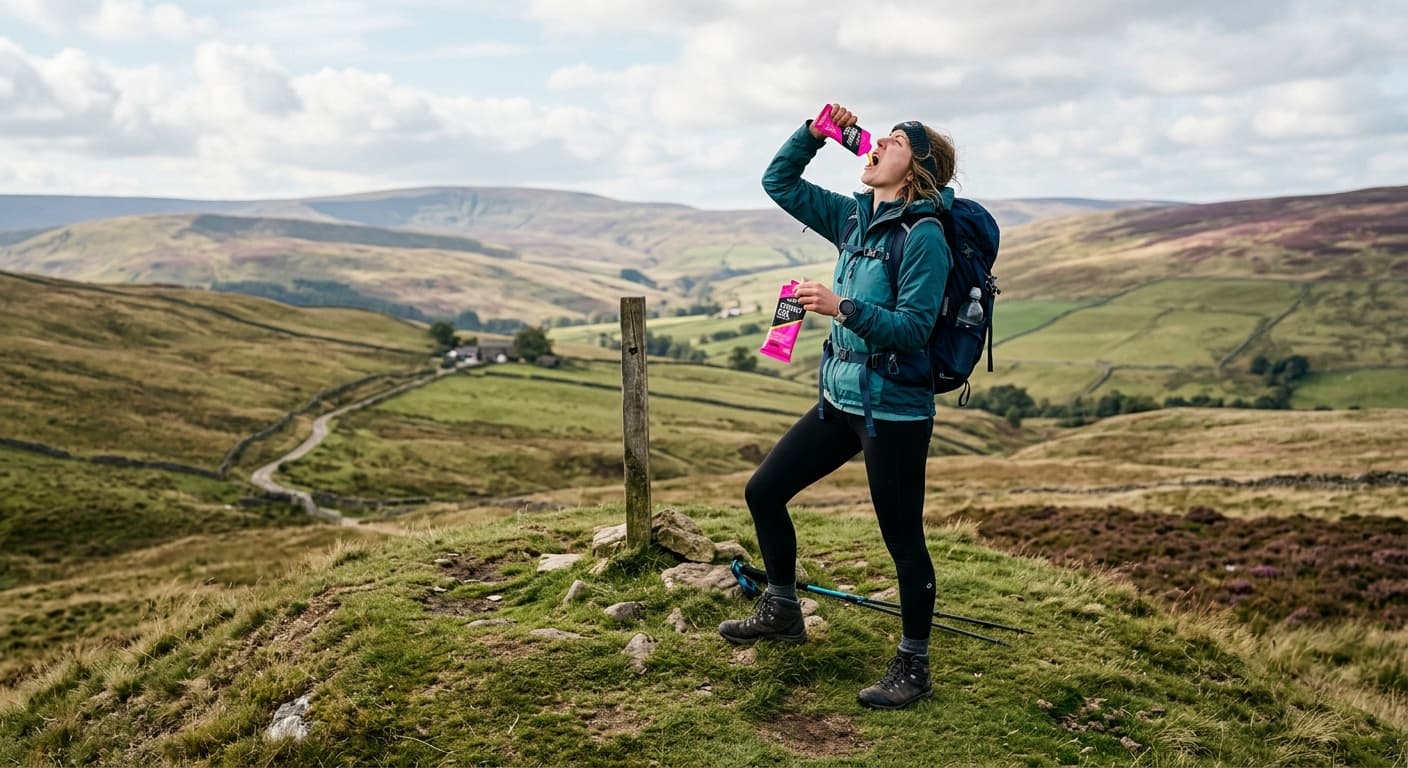
Do Walkers Really Need Energy Gels?
Somewhere between the sofa and an ultramarathon, the sports-nutrition industry would quite like you to believe that a normal walk requires specialist fuelling. Your muscles run on carbohydrate, but most ordinary walkers can get everything they need from ordinary food.
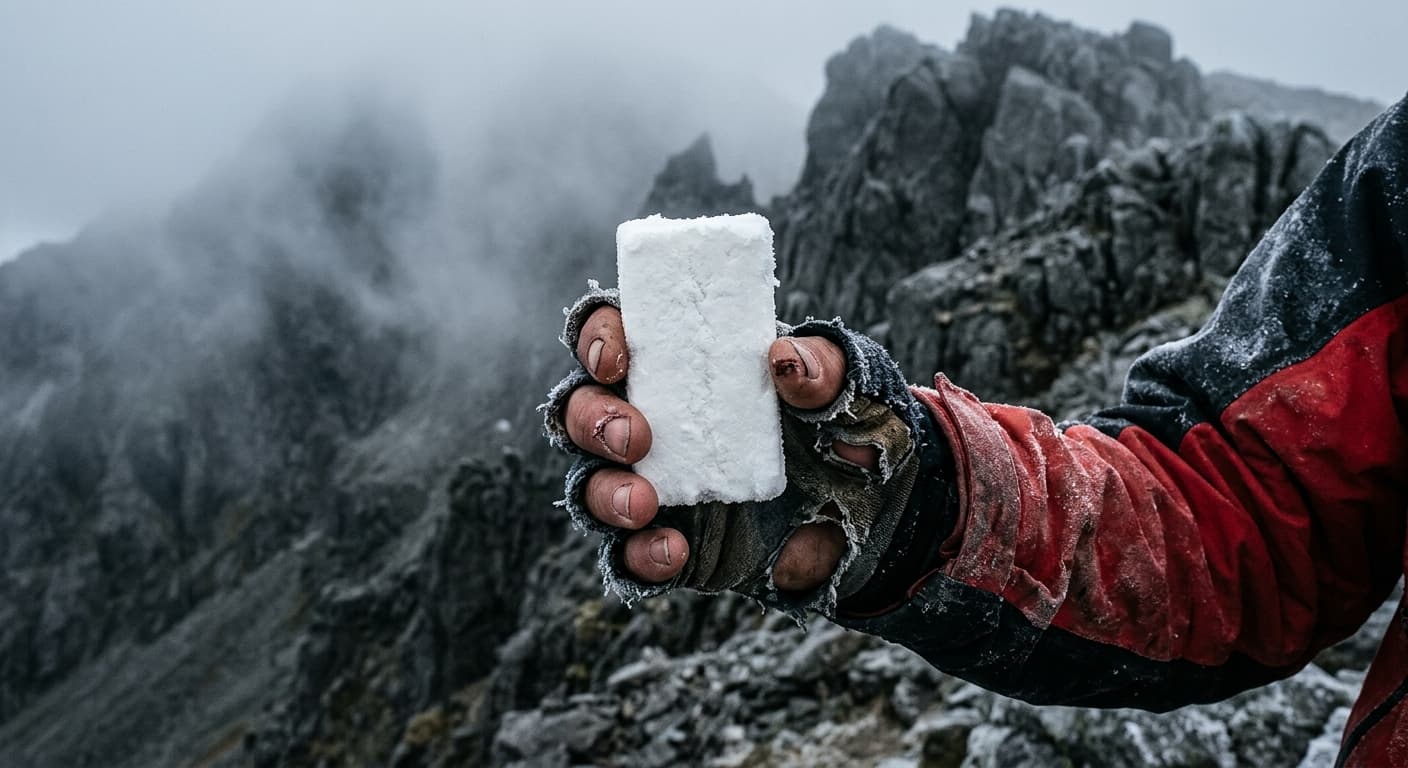
How Kendal Mint Cake Became Mountain Fuel
The legend claims it was invented by accident, but mint cakes were already appearing in Kendal records by the 1850s. What turned this Lake District confection into expedition kit was less about romance and more about its ability to remain edible in extreme conditions.