23 guides
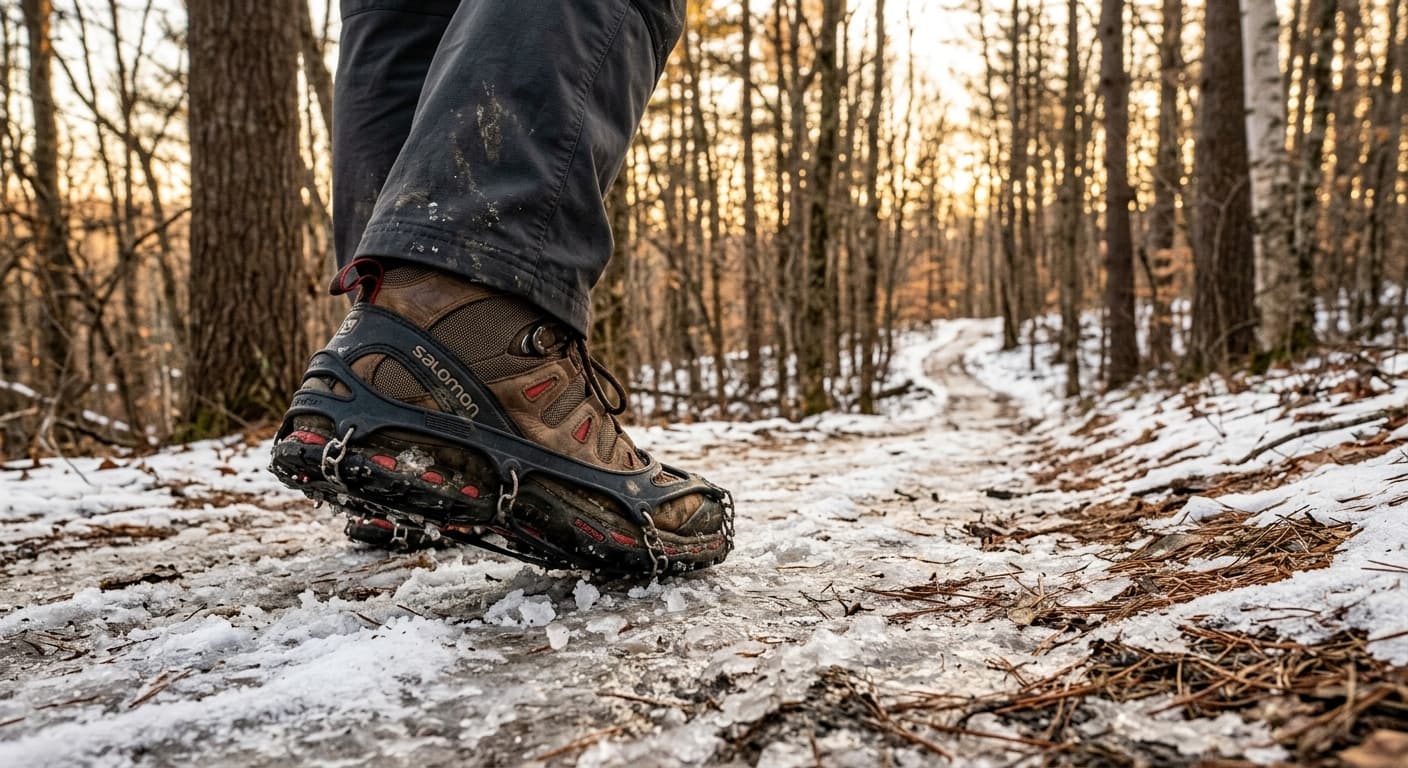
Microspikes Are Not Short Crampons
Understanding the actual difference between microspikes and crampons before you find yourself sliding down something steeper than your equipment can handle.
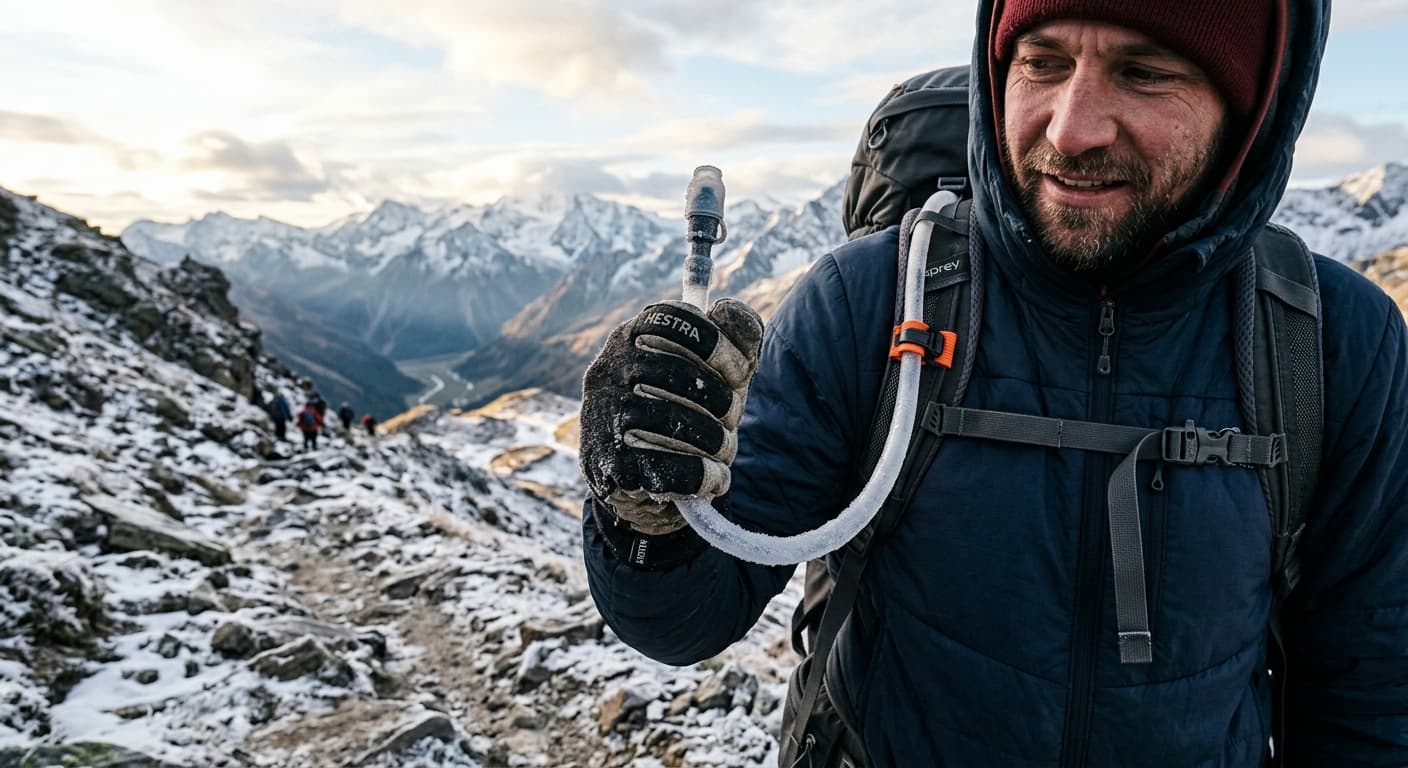
When Your Drinking Tube Freezes Before Your Water Does
That clever hands-free drinking tube works brilliantly until temperatures drop and you're left with frozen plumbing and no way to reach the water sloshing about in your pack.
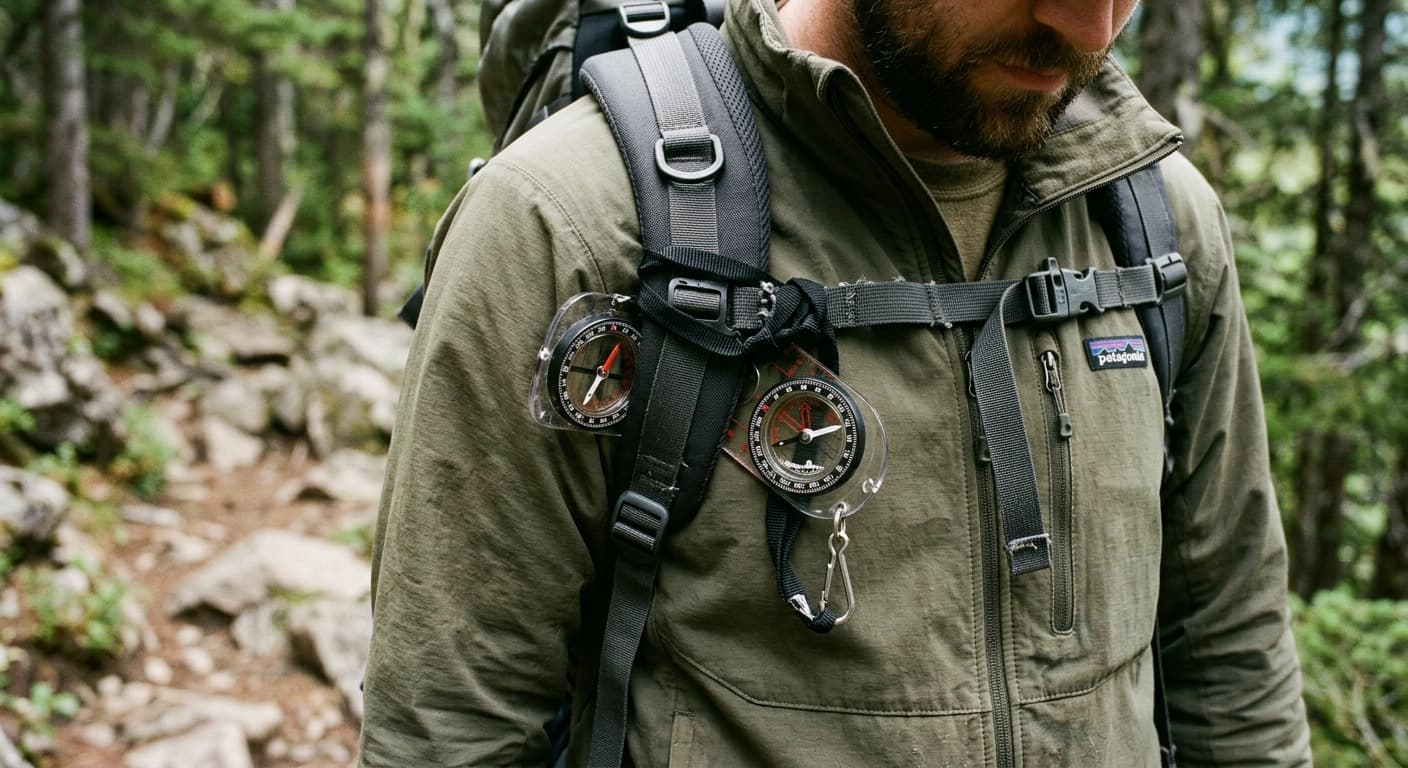
The Compass Lanyard: A Solution Nobody Actually Wanted
There's something deeply optimistic about the little cord that comes threaded through every compass, as if dangling a metal disc against your sternum whilst scrambling over fences is somehow more practical than keeping it in your pocket. Within an hour it's either caught on every protruding branch in the forest or wedged sideways under your rucksack strap, leaving you wondering whether the manufacturer has ever actually been outside.
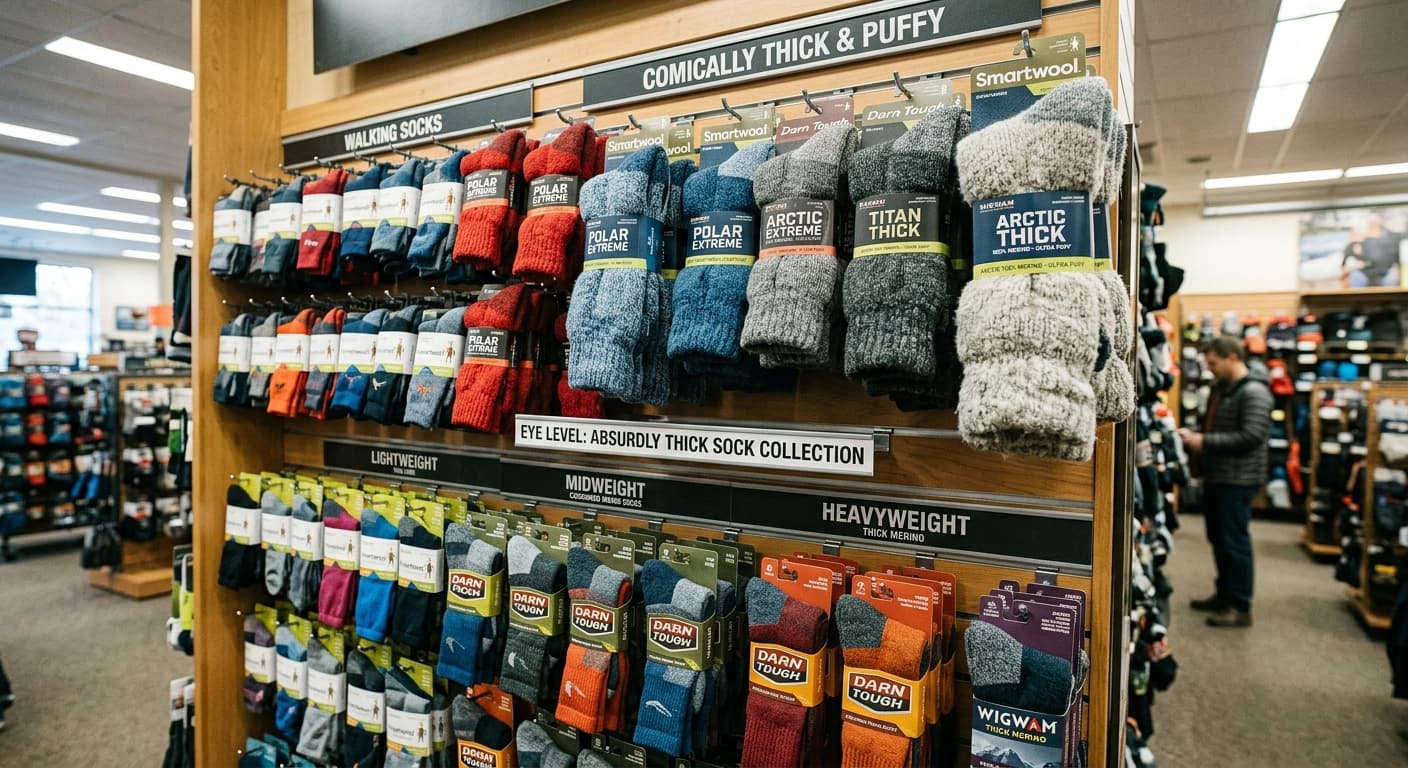
The Sock Thickness Paradox: Why More Cushioning Might Be Ruining Your Walk
Turns out the chunky walking socks you thought would make your hikes more comfortable are probably just turning your boots into sweaty torture chambers whilst compressing into damp pancakes by lunchtime.
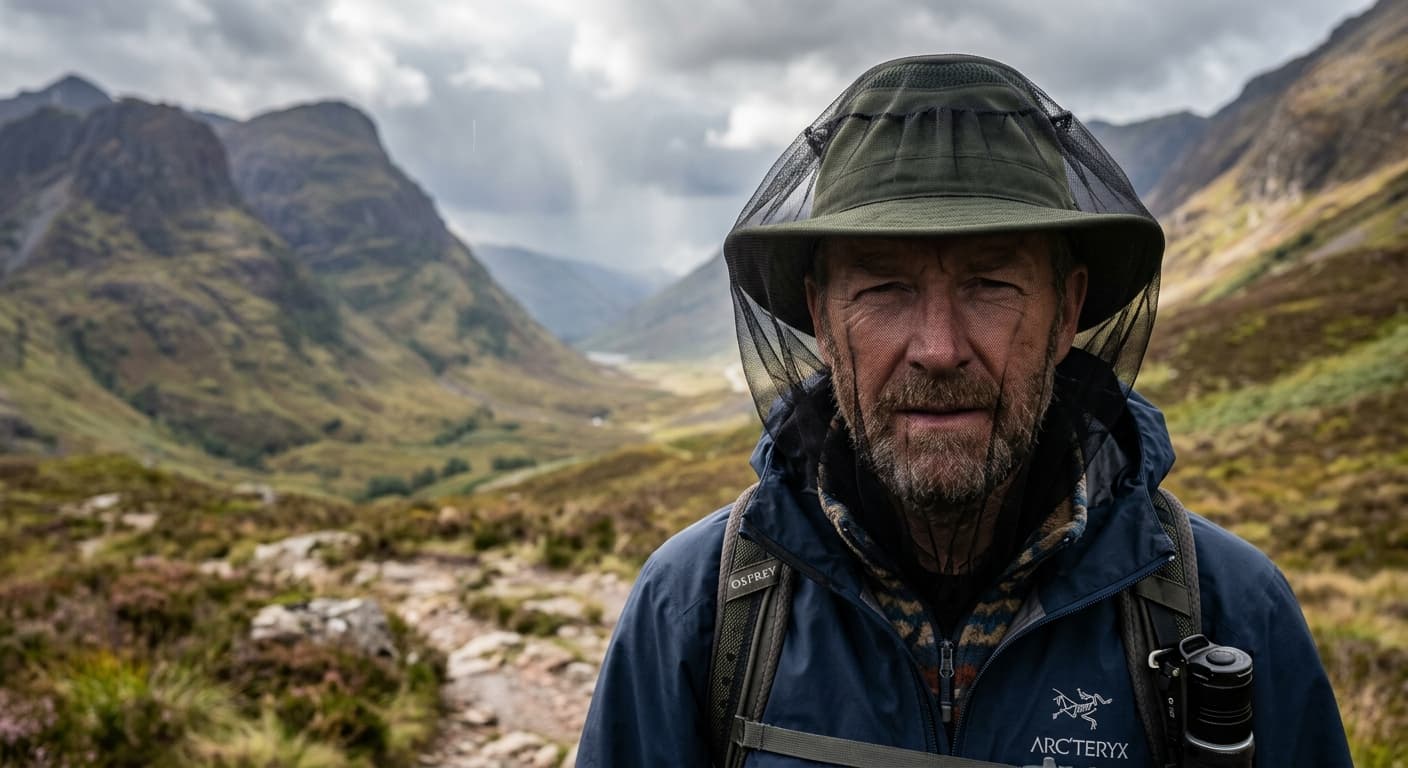
When midges attack: the case for repellent and a head net
If you've ever been swarmed by midges in the Scottish Highlands and wondered whether insect repellent or a head net might actually be worth the bother, here's a practical look at what works, what doesn't, and why sometimes looking slightly ridiculous is preferable to being eaten alive.
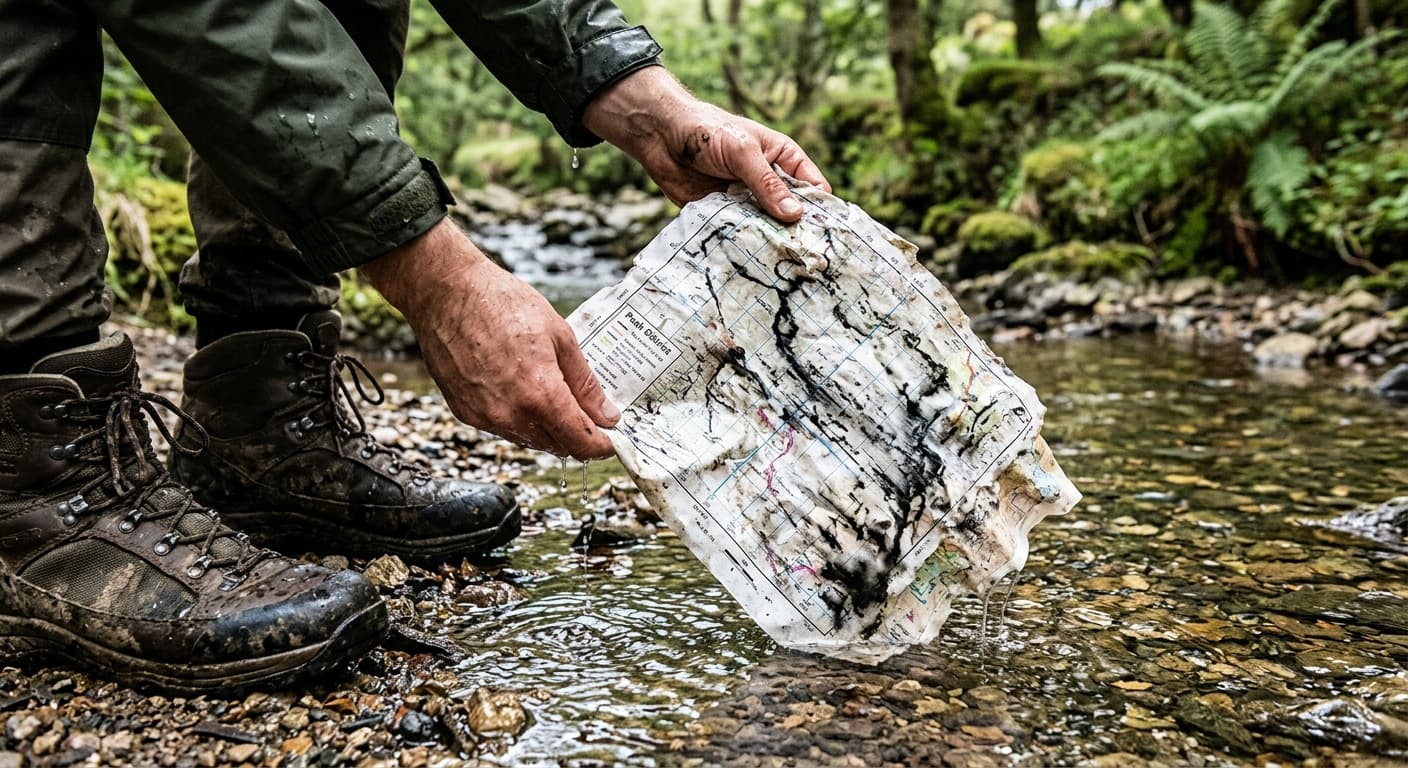
Paper maps, waterproof maps and map cases: what walkers actually need
OS sells both standard paper maps and waterproof Active versions, plus separate map cases to protect the paper ones. Which makes sense when phones die, lose signal, or take a tumble off a rock. Whether you need the weatherproof map, the case, or both depends on how often you walk, where you go, and whether you're the sort of person who drops things in streams.
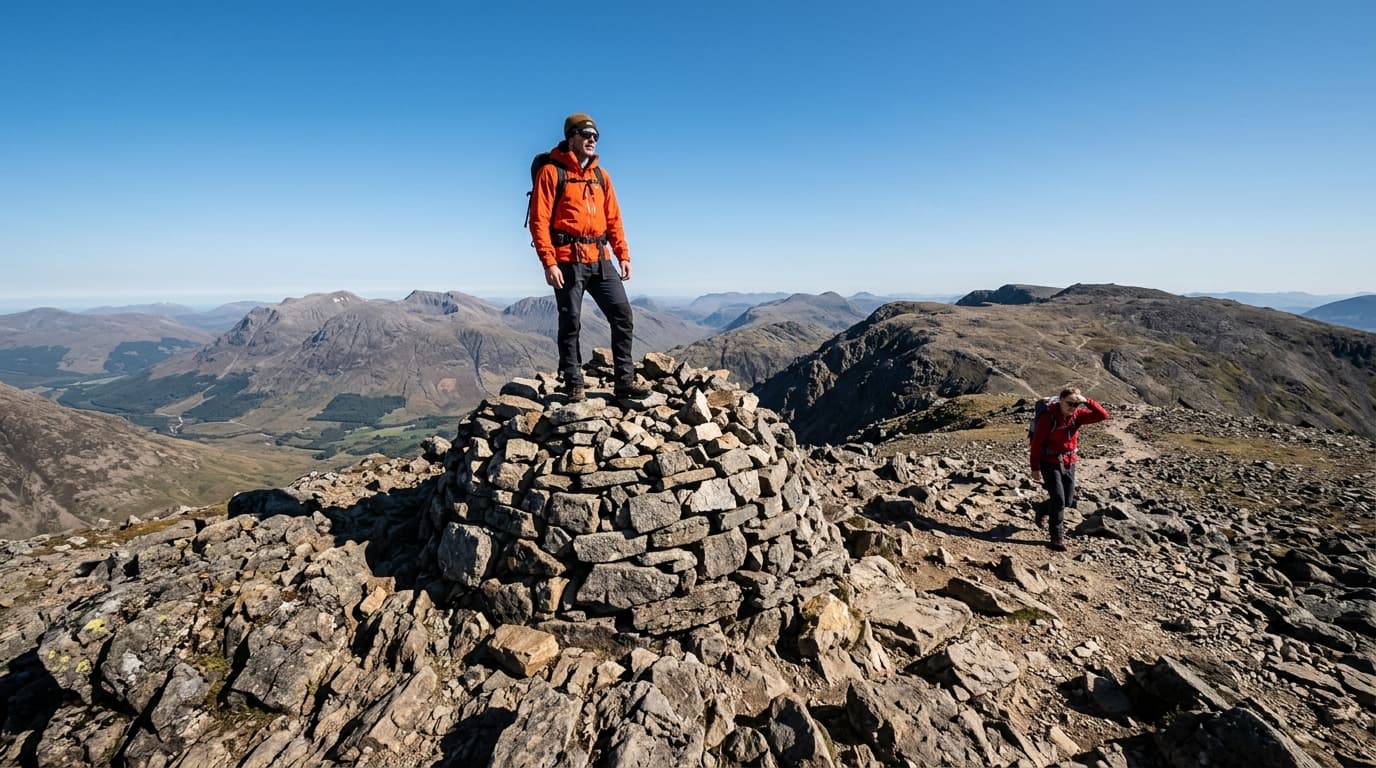
Why sunglasses matter more than you think when you're walking in the hills
Most people remember sunscreen but forget their eyes. UV damage doesn't only happen on tropical beaches — it gets worse at altitude and snow reflects enough radiation to cause actual snow blindness, not just squinting. Here's when eye protection stops being vanity and starts being safety kit.
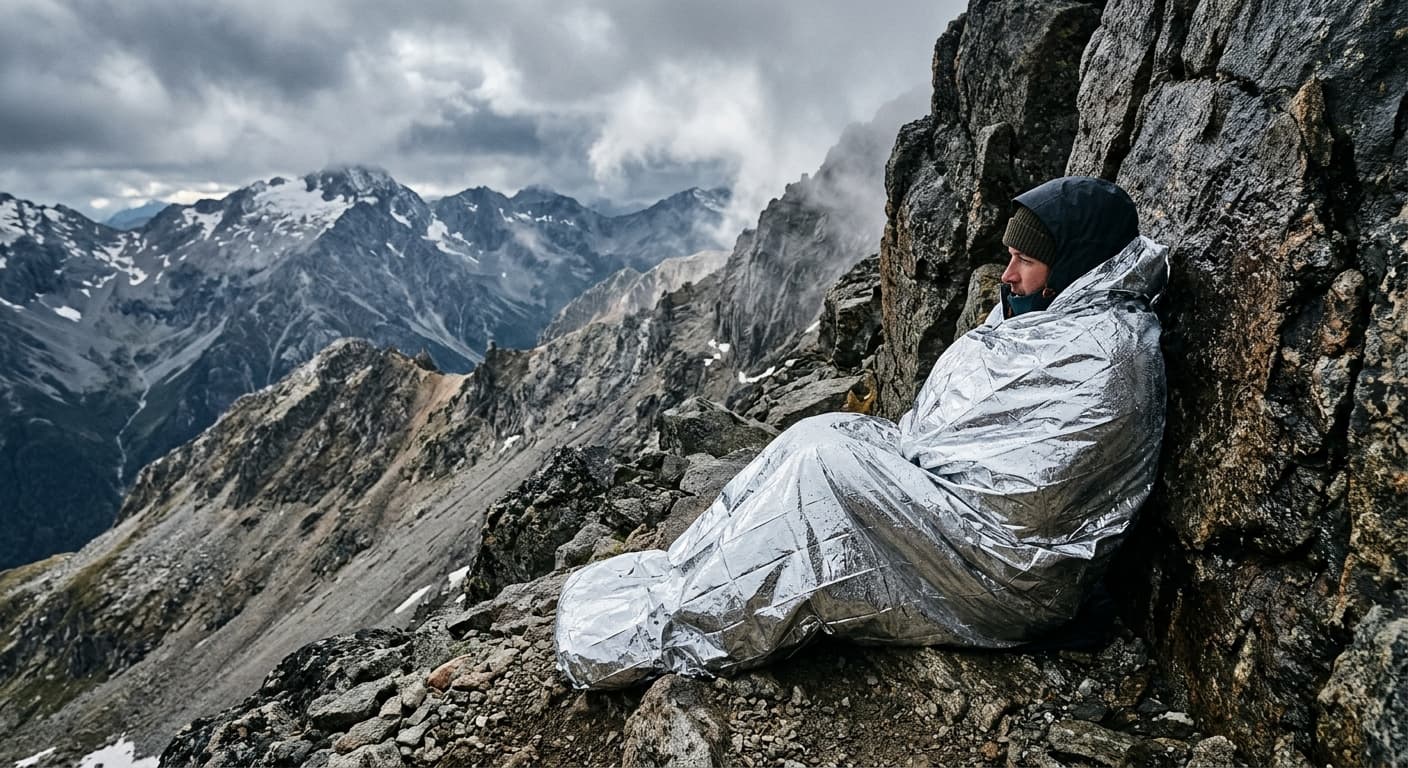
Do You Need an Emergency Bivvy Bag for Hillwalking?
Emergency bivvy bags are lightweight, cheap, and recommended kit for hillwalkers. Here's why rescue guidance says you should carry one.
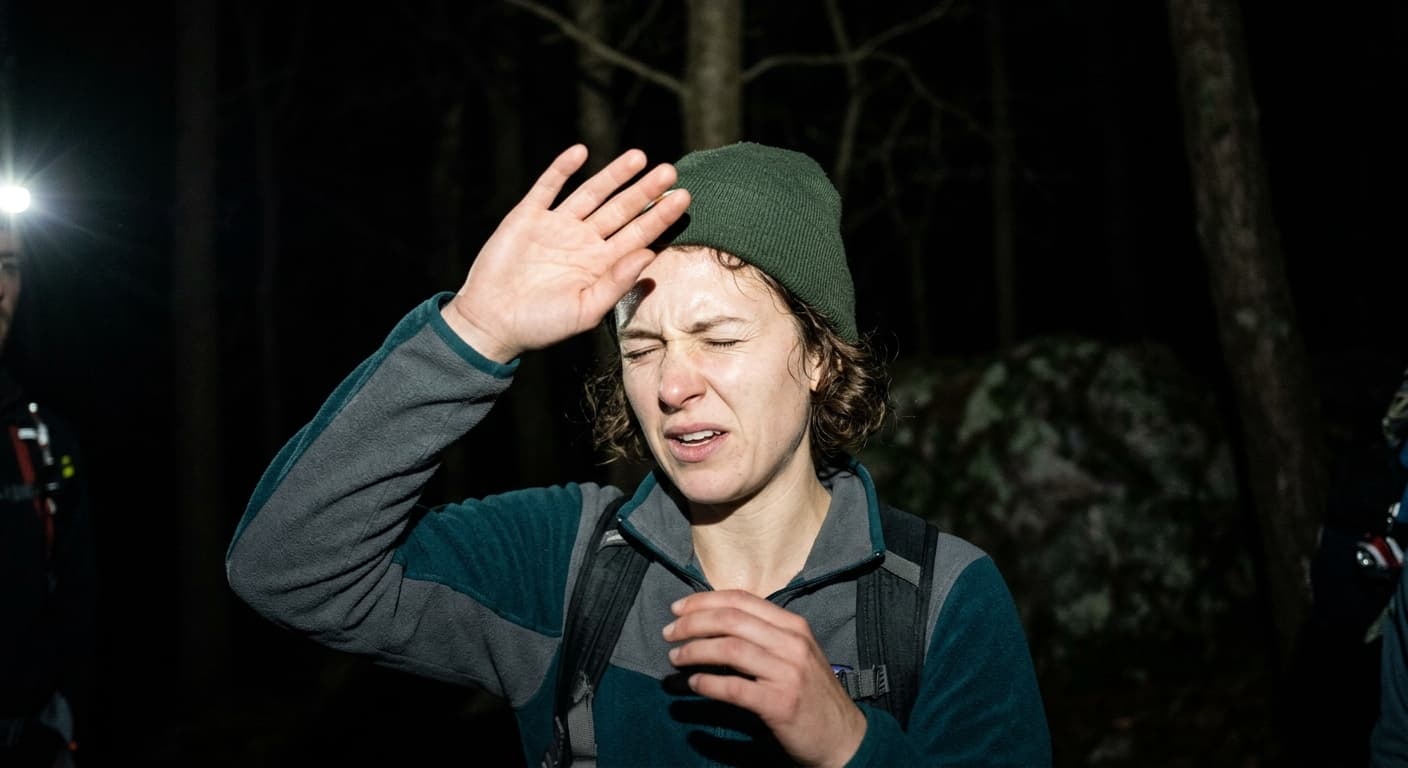
The Headtorch Lumen Arms Race: When Bright Enough Became Blinding
There's a certain type of person who thinks more is always better, which explains why headtorches now come with enough candlepower to signal passing aircraft. The trouble is that maximum brightness isn't always useful brightness—blinding your walking partner at three metres isn't ideal, and cranking up the lumens means watching your battery life vanish into the darkness accordingly.
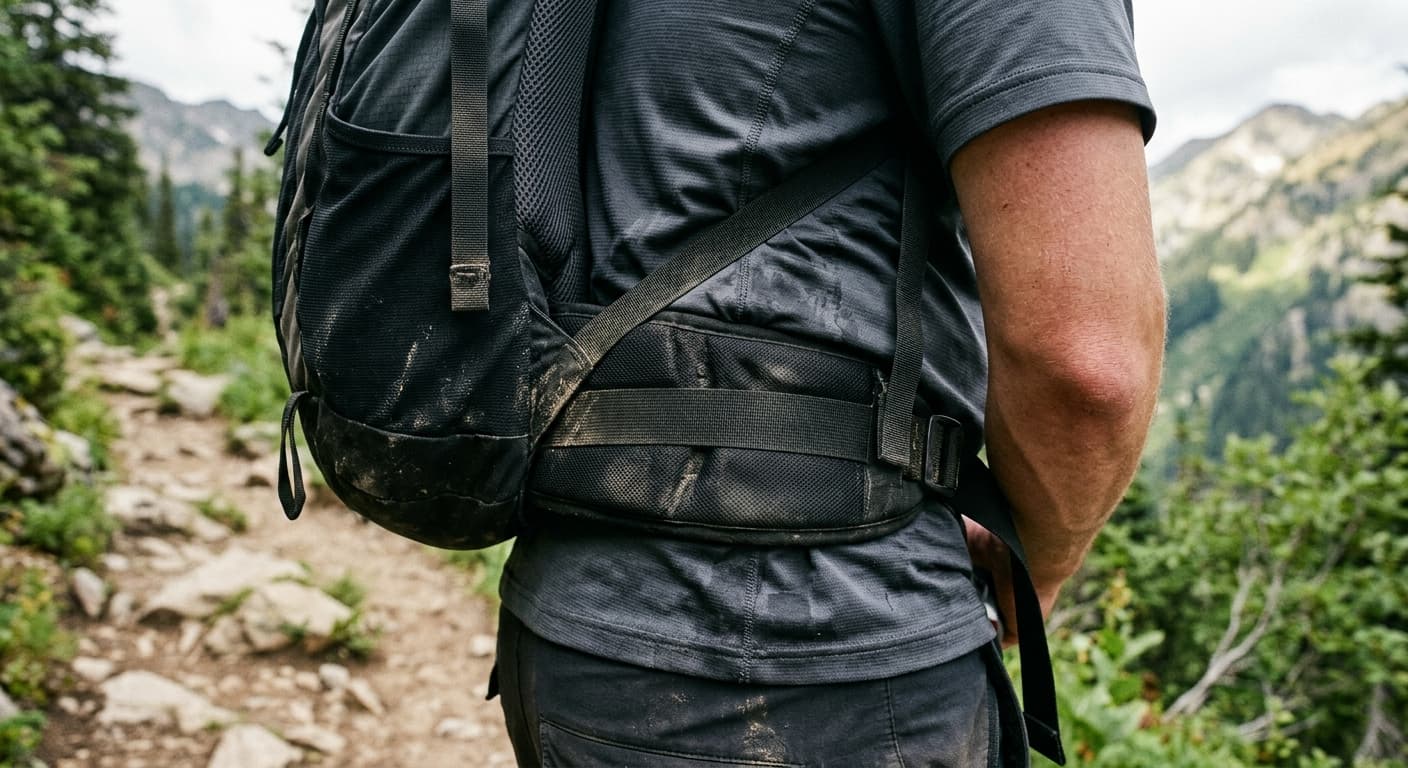
The Honest Weight of Your Rucksack
Everyone says pack light, but no one explains what your back is actually dealing with when you're carrying 12 kilos up a fell for four hours. This looks at load distribution, fatigue, and the point at which that extra fleece stops being comfort and starts being a structural problem.
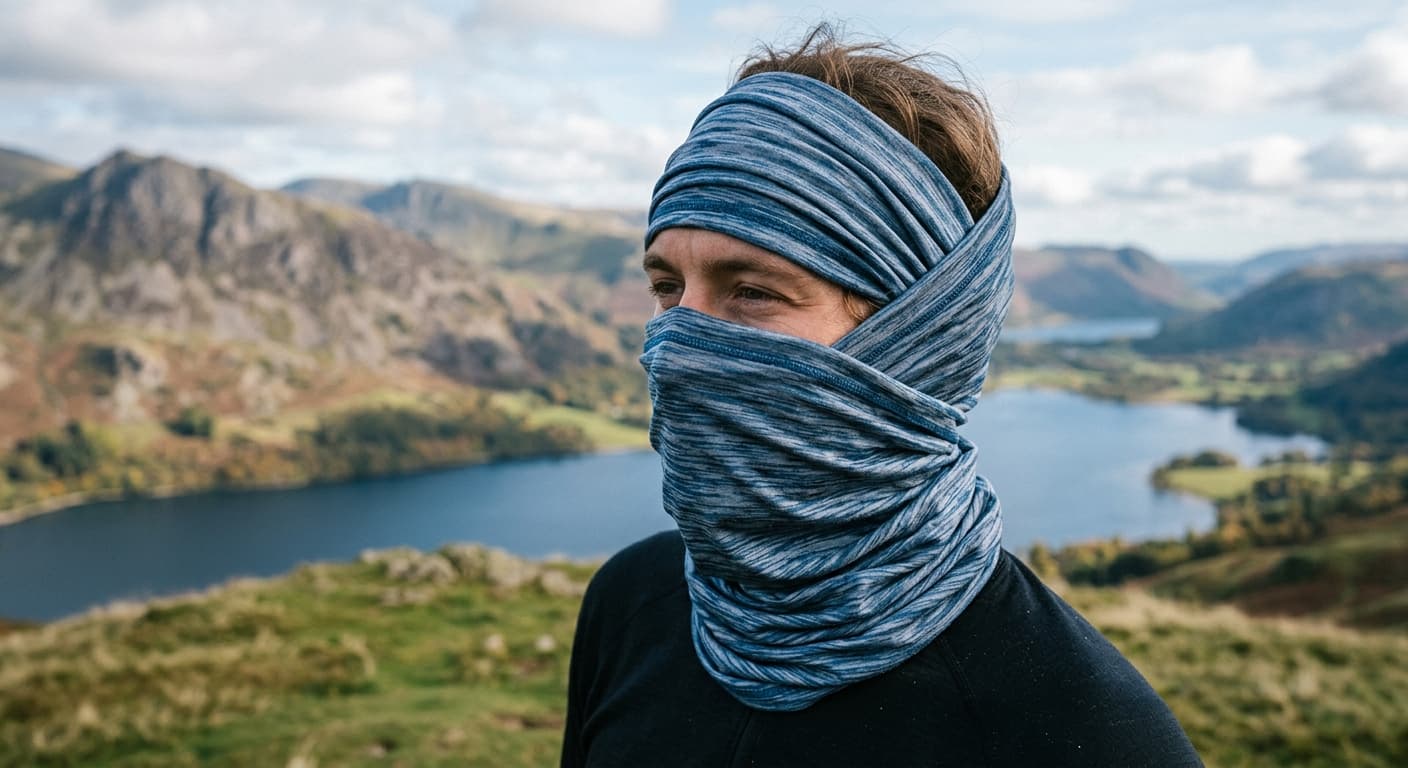
Buffs, Snoods, and Neck Things: The Geometry of Keeping One Bit Warm
That tubular fabric thing you pull over your neck can also go on your head, your face, or configure itself into several other positions depending on how committed you are to solving problems with a single piece of stretchy cloth. Whether any given tube will actually keep you warm, block the wind, let your skin breathe or shield you from the sun depends entirely on what it's made of and how it's put together—not on the fact that it's shaped like a tube.
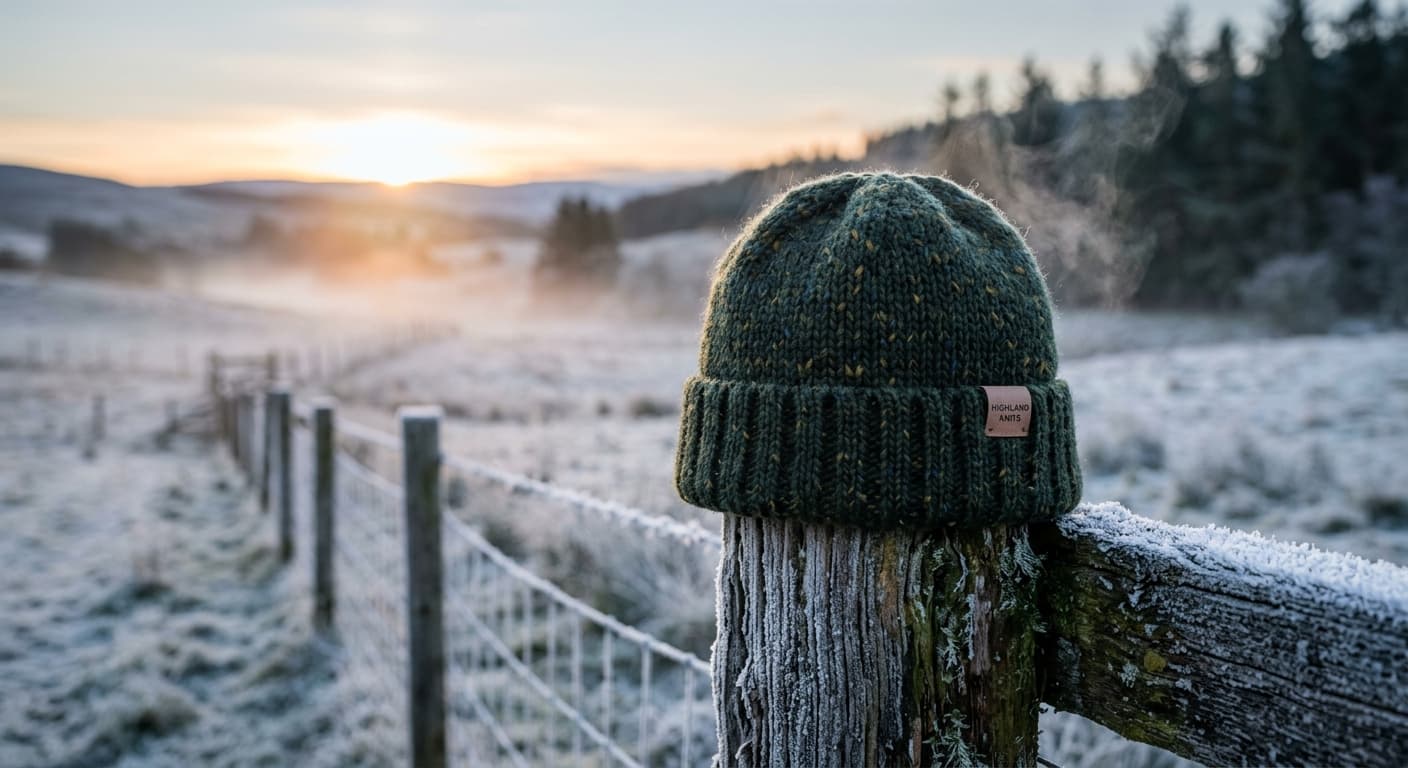
Your Head Isn't a Radiator (But It Does Lose Heat When You Forget Your Hat)
Contrary to the myth that half your body heat escapes through your skull, your head loses heat roughly in proportion to how much skin you've got on show—which is still enough to matter when it's cold. Covering it up does exactly what you'd expect: it stops that exposed bit of you from losing warmth to the air. Turns out a hat is just insulation that happens to sit on your head.
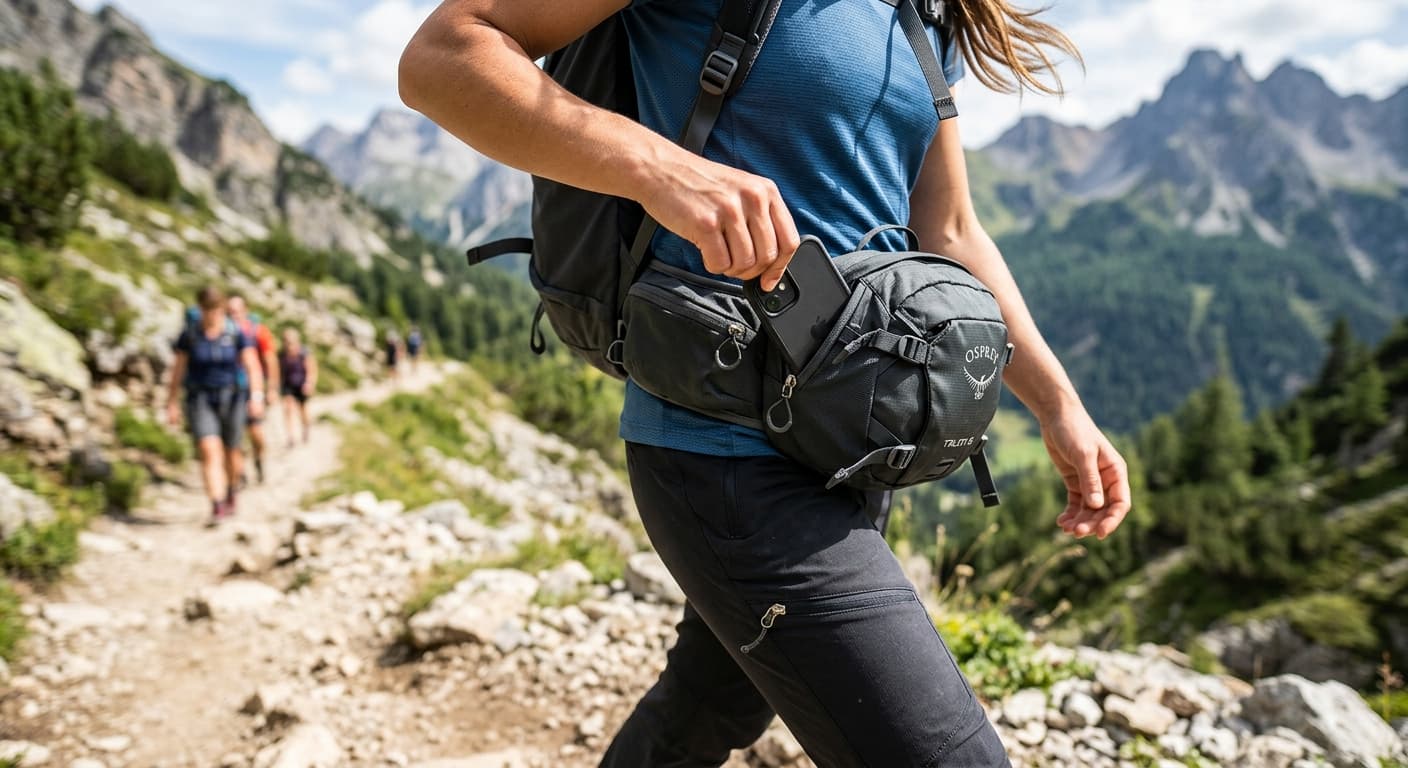
The Bum Bag Renaissance: When Walkers Started Calling Them Hip Packs
Whether you call it a bum bag or a hip pack, the waist-worn carrier has quietly become a proper bit of hiking kit. Modern designs range from tiny one-litre organisers for your keys and snacks to larger lumbar packs that'll hold water bottles and a spare layer, with zipped compartments and adjustable belts that let you grab your phone without stopping. They're sold for everything from proper walks to nipping to the shops, which is either practical or a sign we've all got too much stuff.
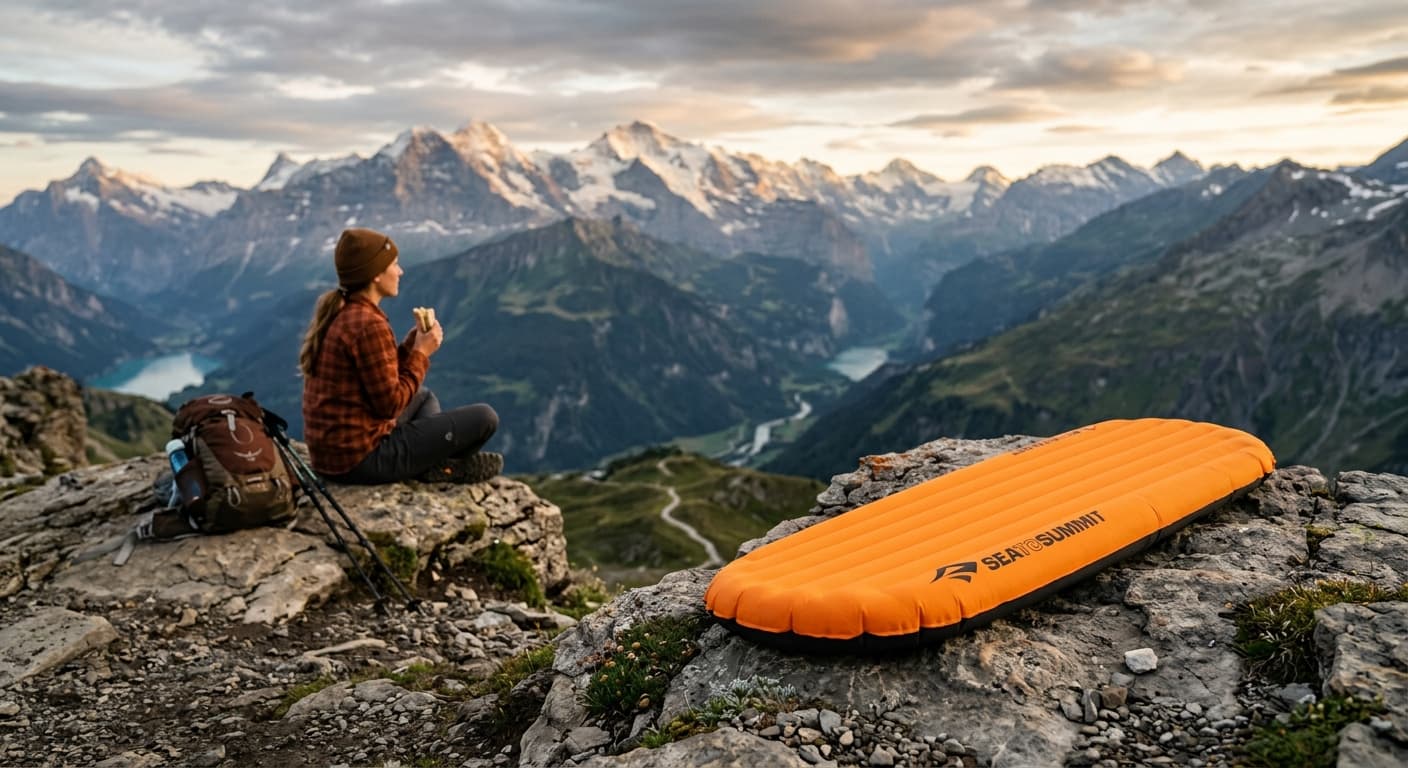
The Sit Mat Paradox: Carrying Comfort You'll Forget to Use
Insulated outdoor seats are designed to add comfort and reduce heat loss to cold ground, whether you go for closed-cell foam or inflatable versions. The trouble is remembering to actually sit on the thing rather than leaving it stuffed in your pack while you perch on a damp log. Some weigh as little as 80 grams, which at least means the guilt travels light.
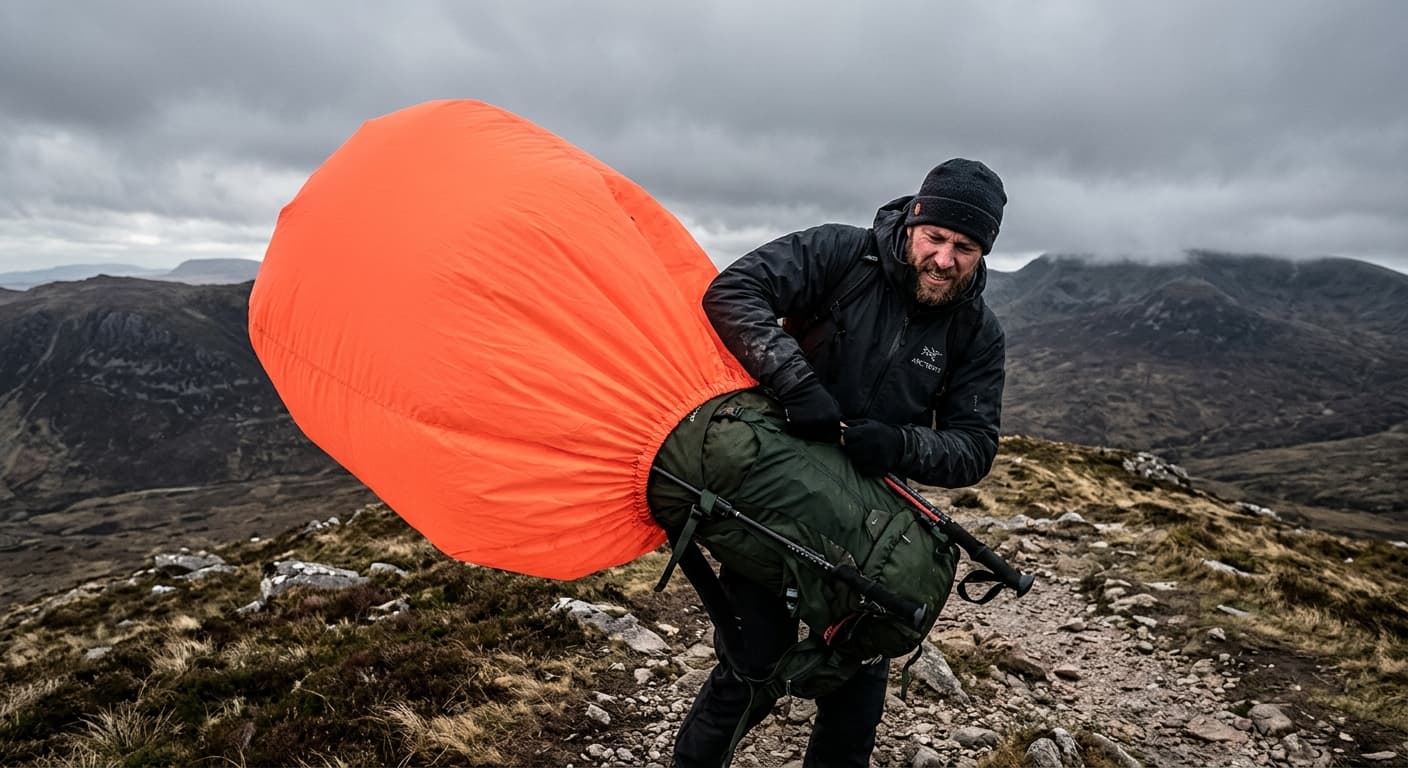
Rucksack Covers: Solving Wet Gear by Carrying More Stuff
The logic is sound — keep your bag dry by wrapping it in waterproof fabric. The practice involves wrestling a shapeless nylon sack over your pack in horizontal rain while it fills with air and tries to become a sail. Some people swear by them, others line the inside instead, and both groups think the other lot are doing it wrong.
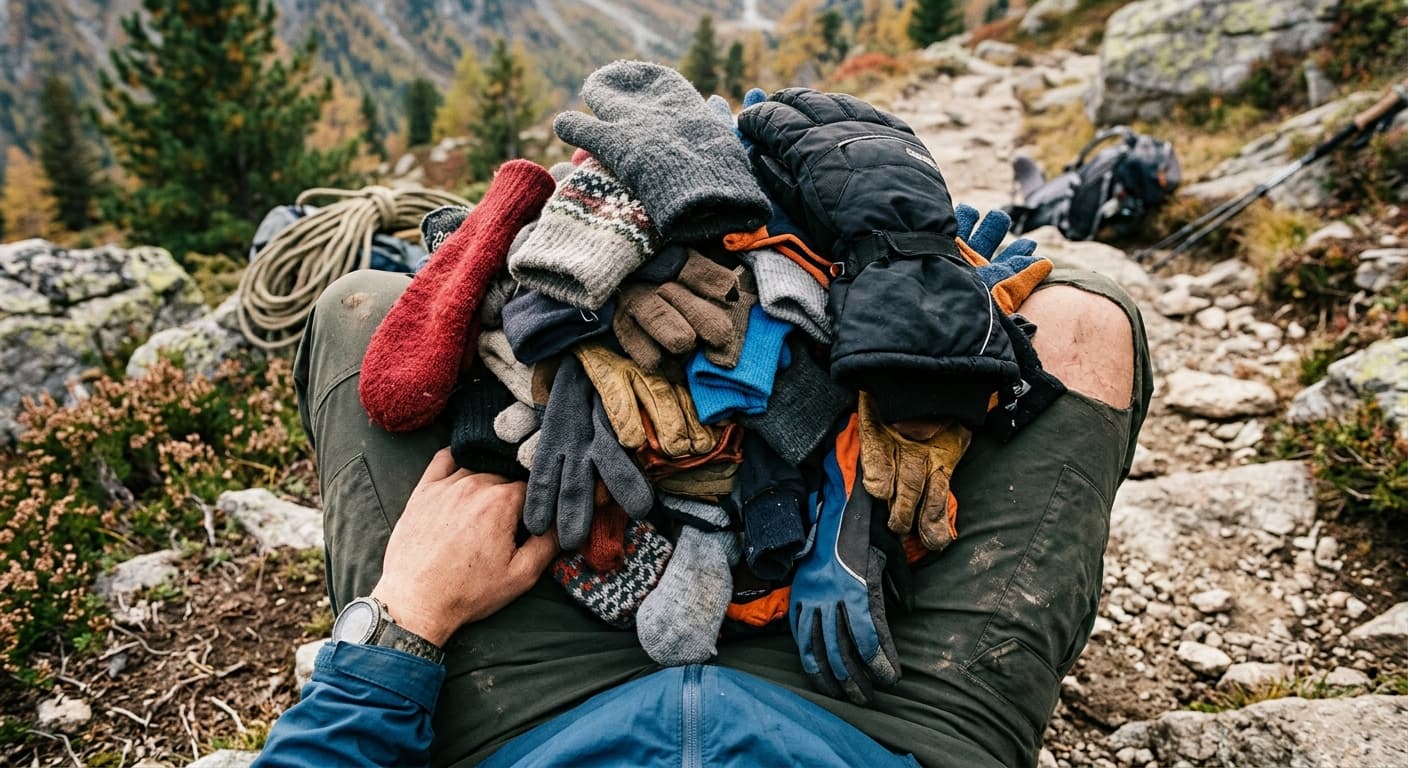
Gloves: The Impossible Compromise Between Warm and Useful
Your hands need to open zips, hold poles, check maps, and not go numb—ideally all at the same time. Why no single pair of gloves has ever solved this, and what combination might.
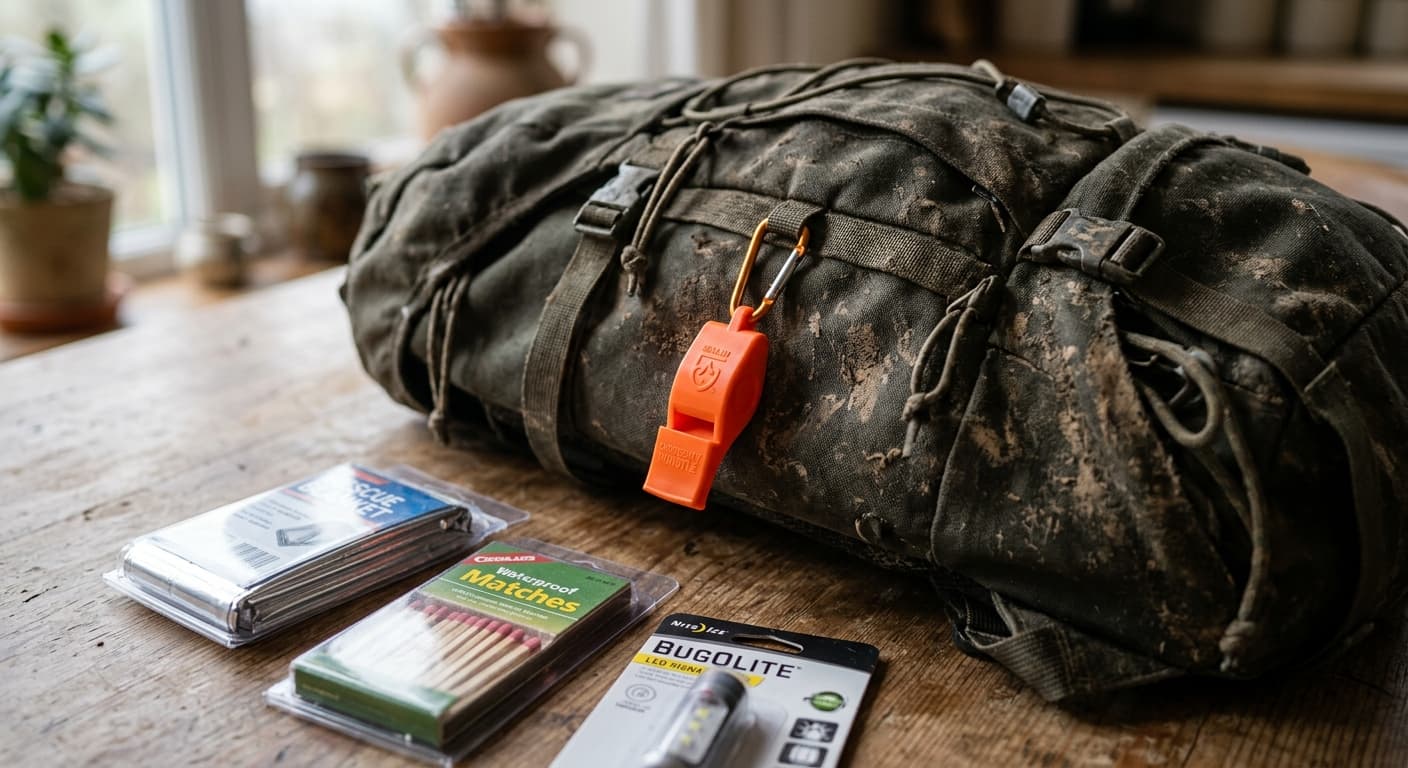
The Whistle You'll Never Actually Blow
Every safety guide says carry a whistle for emergencies. Almost nobody ever uses one, and most couldn't find theirs if they tried. Does this make it pointless kit or essential precisely because it sits unused?
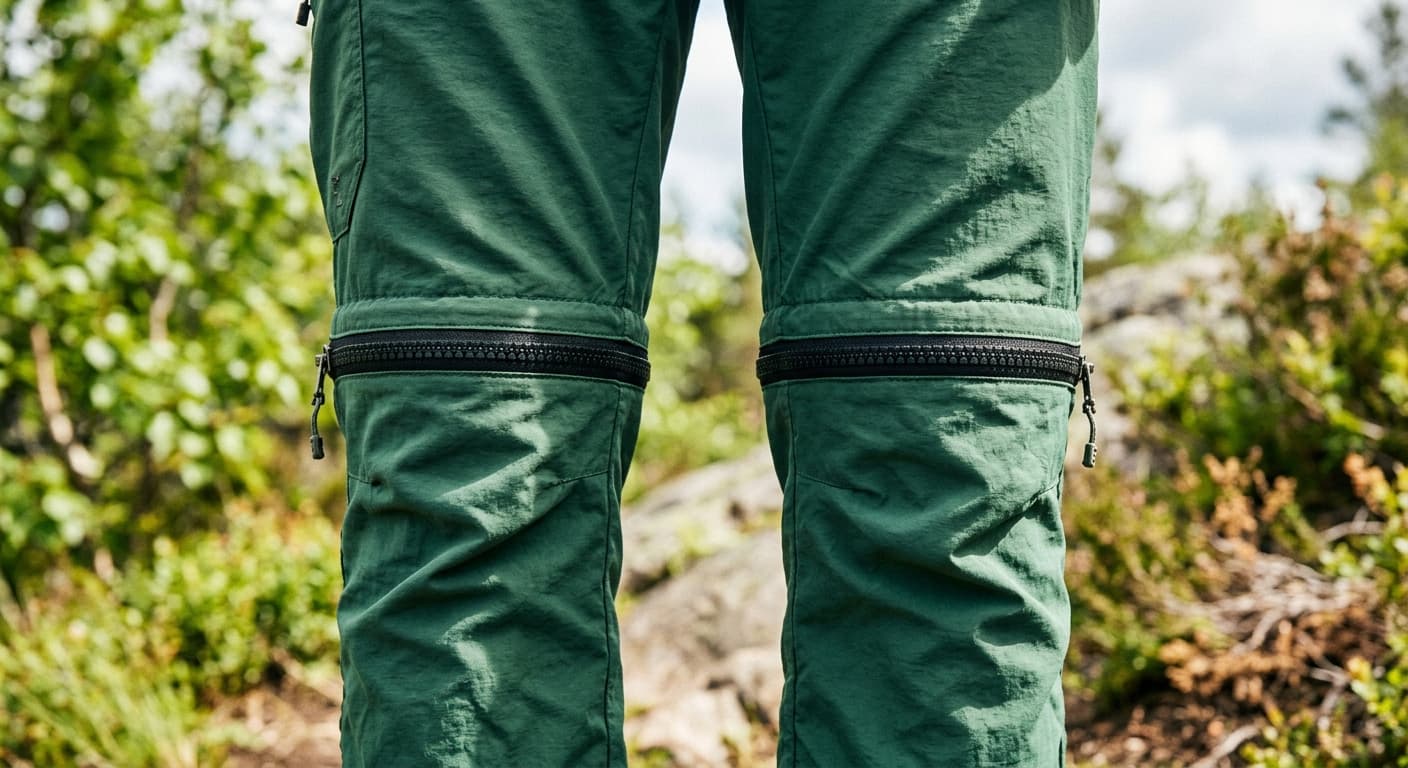
The Trouser-Short Dilemma and Why Zip-Offs Solve Nothing
Convertible trousers promise the best of both worlds and deliver the mediocrity of both instead. This examines what your legs actually need on a walk and why the answer is rarely 'zips at knee height'.
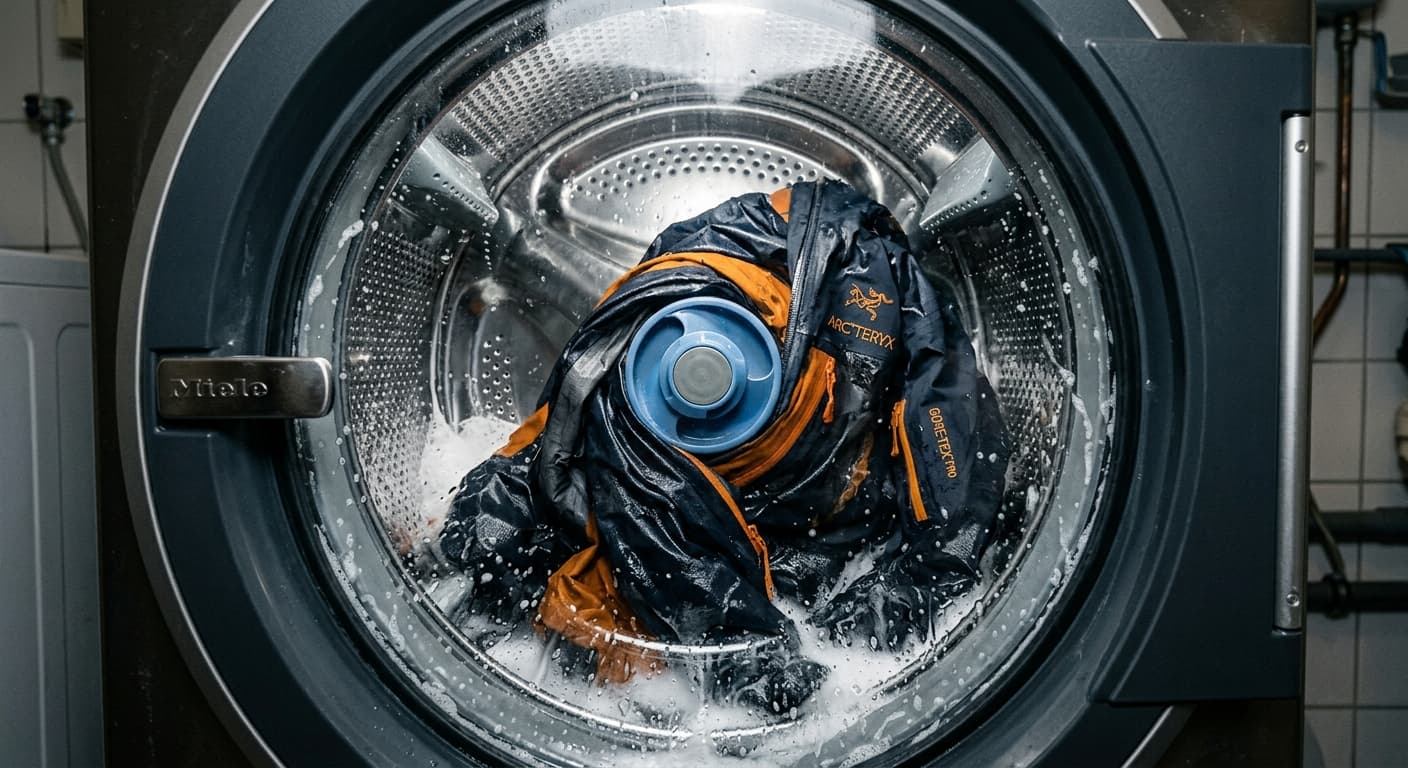
Why Your Waterproof Jacket Stops Being Waterproof
At some point between the shop and the summit, every waterproof jacket loses the argument with British rain. This looks at what actually happens to DWR coatings, membrane fatigue, and why expensive doesn't always mean drier.
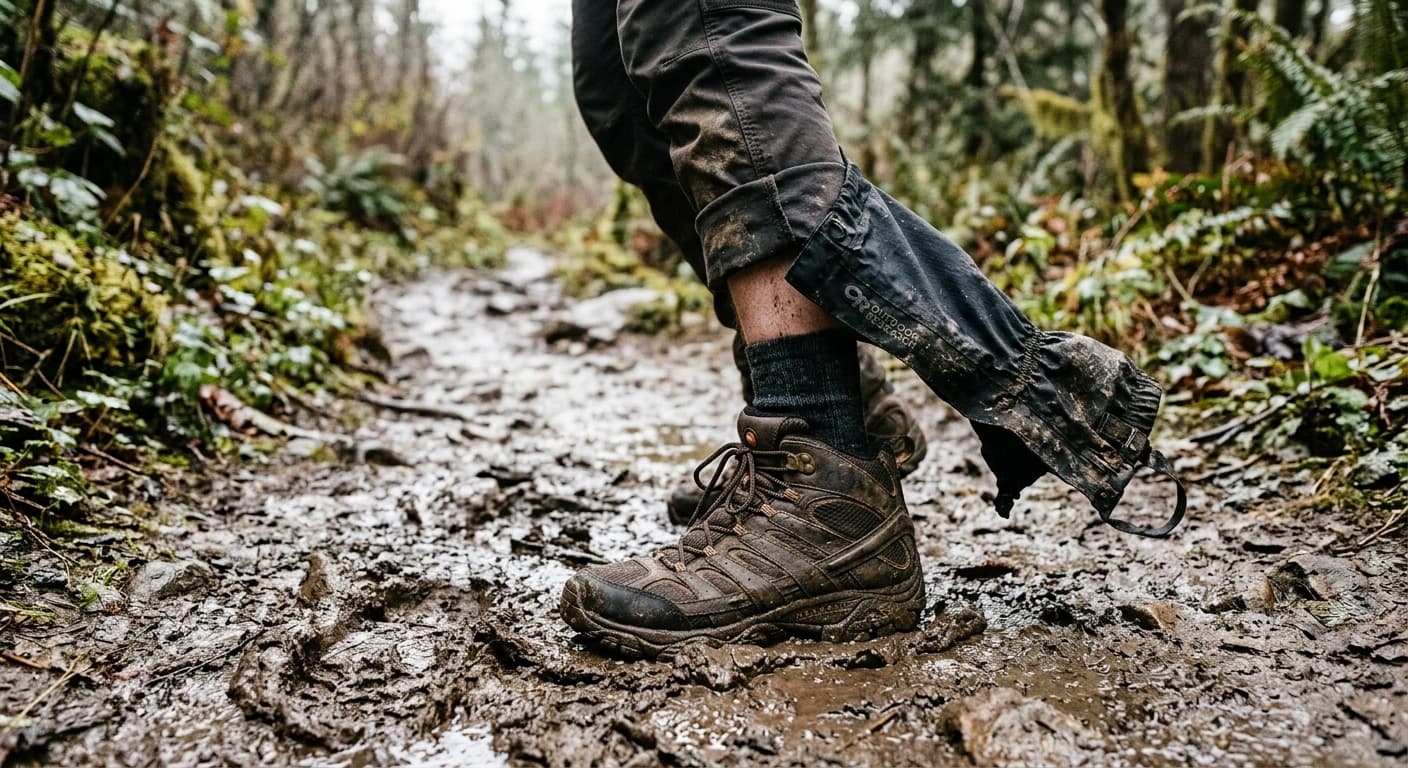
Do Gaiters Actually Stop Anything?
They're supposed to keep stones out of your boots and rain off your legs, but most of the time they're just flapping about looking vaguely practical. Here's what they're genuinely useful for, and when they're just optimistic fabric.
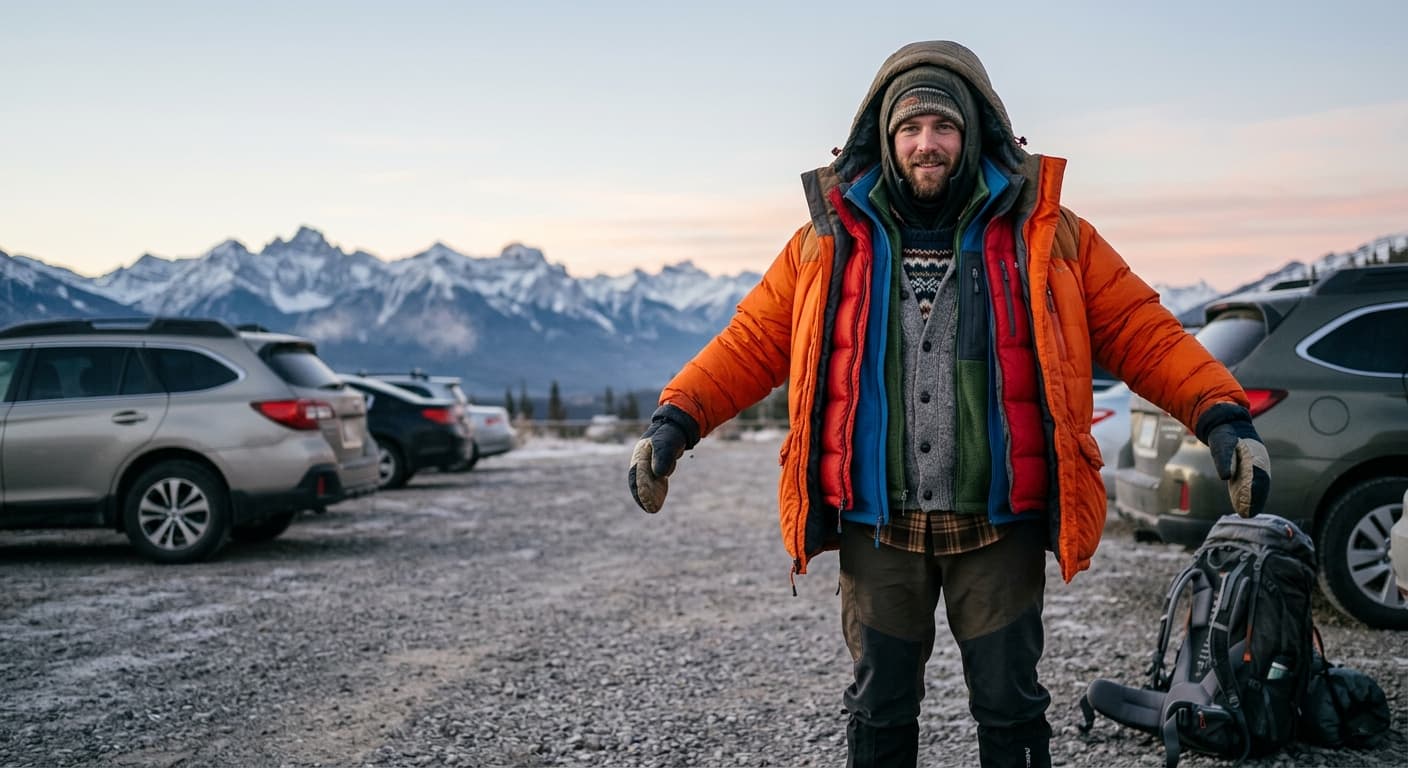
How Many Layers Is Too Many Layers?
The reason most walkers finish every hill walk either drenched in sweat or frozen solid is that they've spent years thinking layering is about staying warm when it's actually about not getting wet in the first place, which means learning to stop and strip off a fleece before overheating rather than after spending forty minutes marinating in your own dampness like a particularly regretful ready meal.
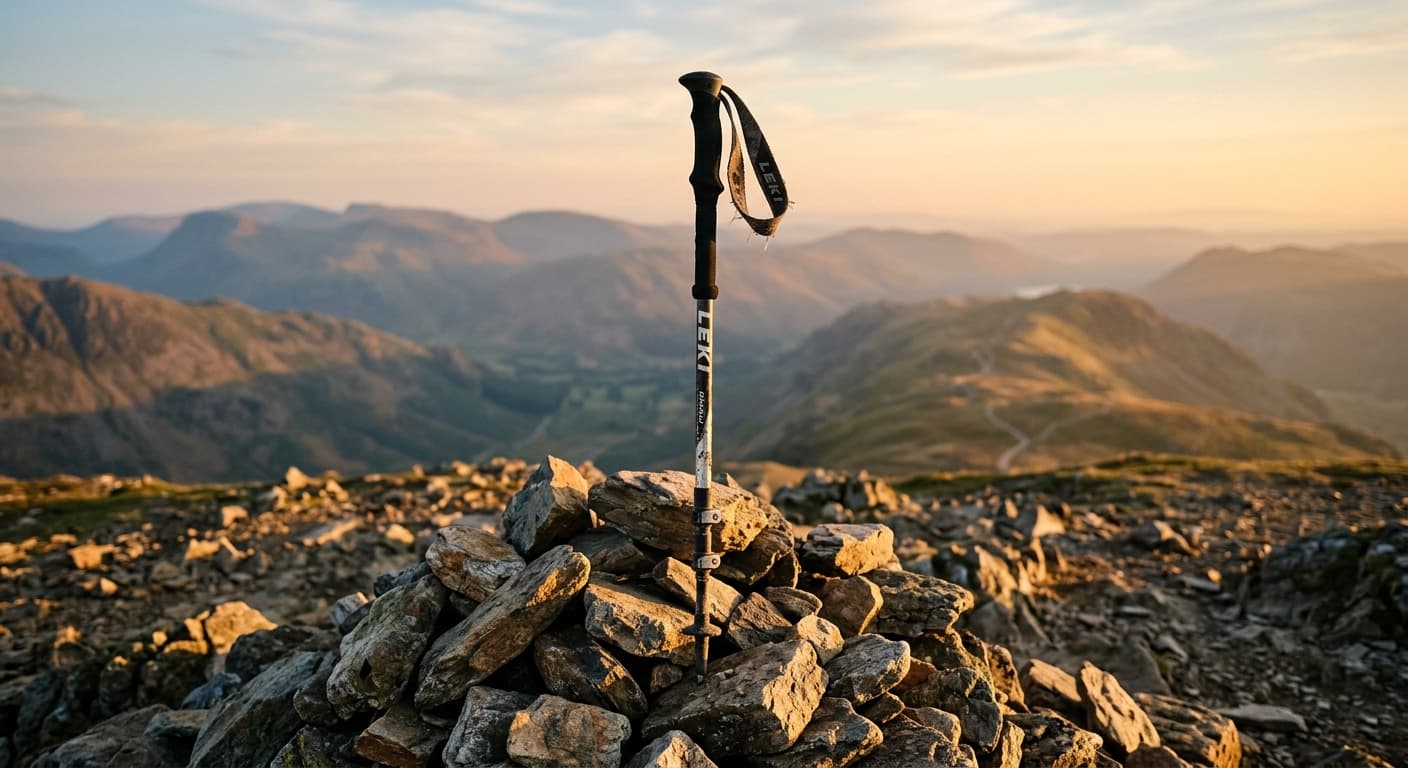
Are Hiking Poles Actually Worth It?
If you've been stubbornly avoiding hiking poles because they look a bit keen, the annoying truth is that the physics of redistributing load during long descents might actually justify the mild social embarrassment—especially once your knees start having opinions about it.
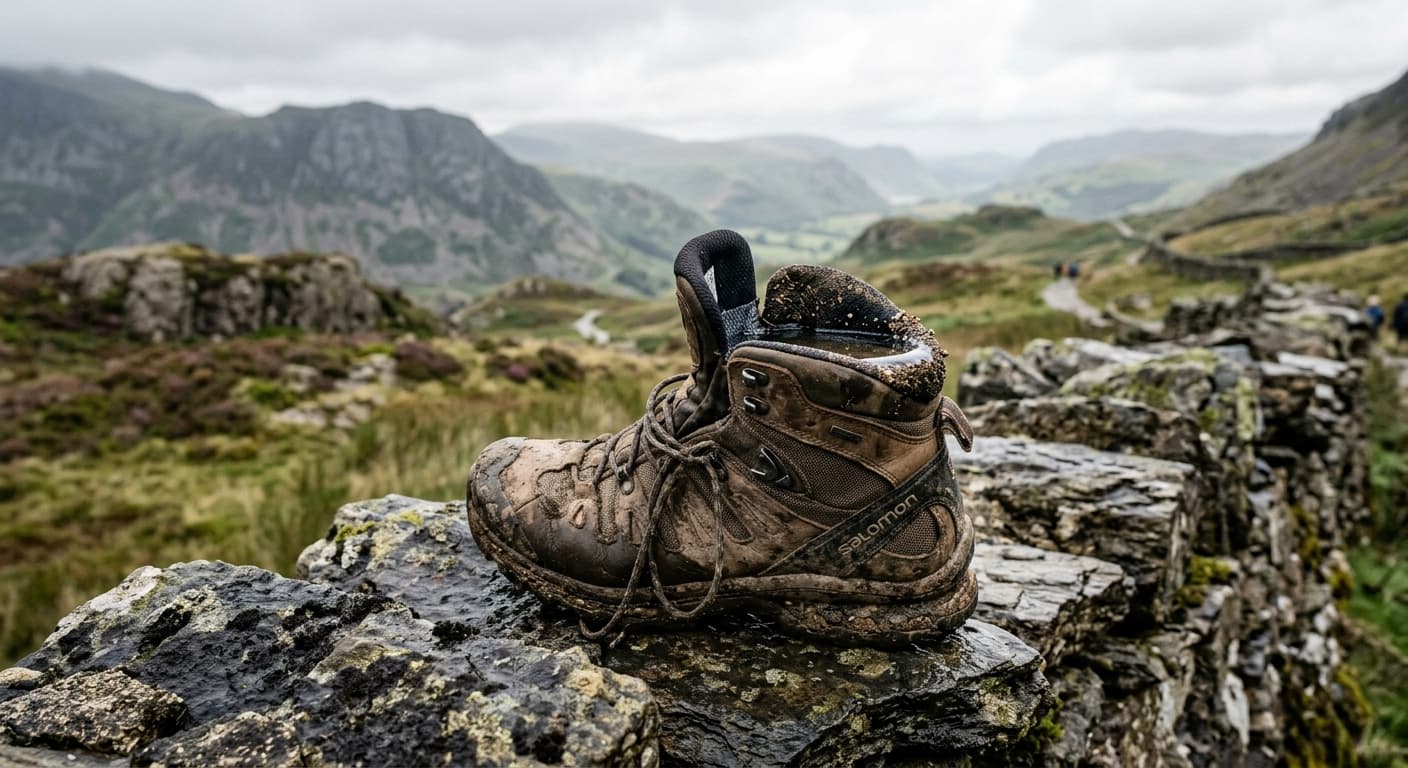
What Do Your Feet Actually Need on the Fells?
Everyone has an opinion on boots. Waterproof or not? Ankle support or trail runners? The answer, it turns out, depends less on the mountain and more on the feet inside them — and most of us have been getting it wrong for years.