6 guides
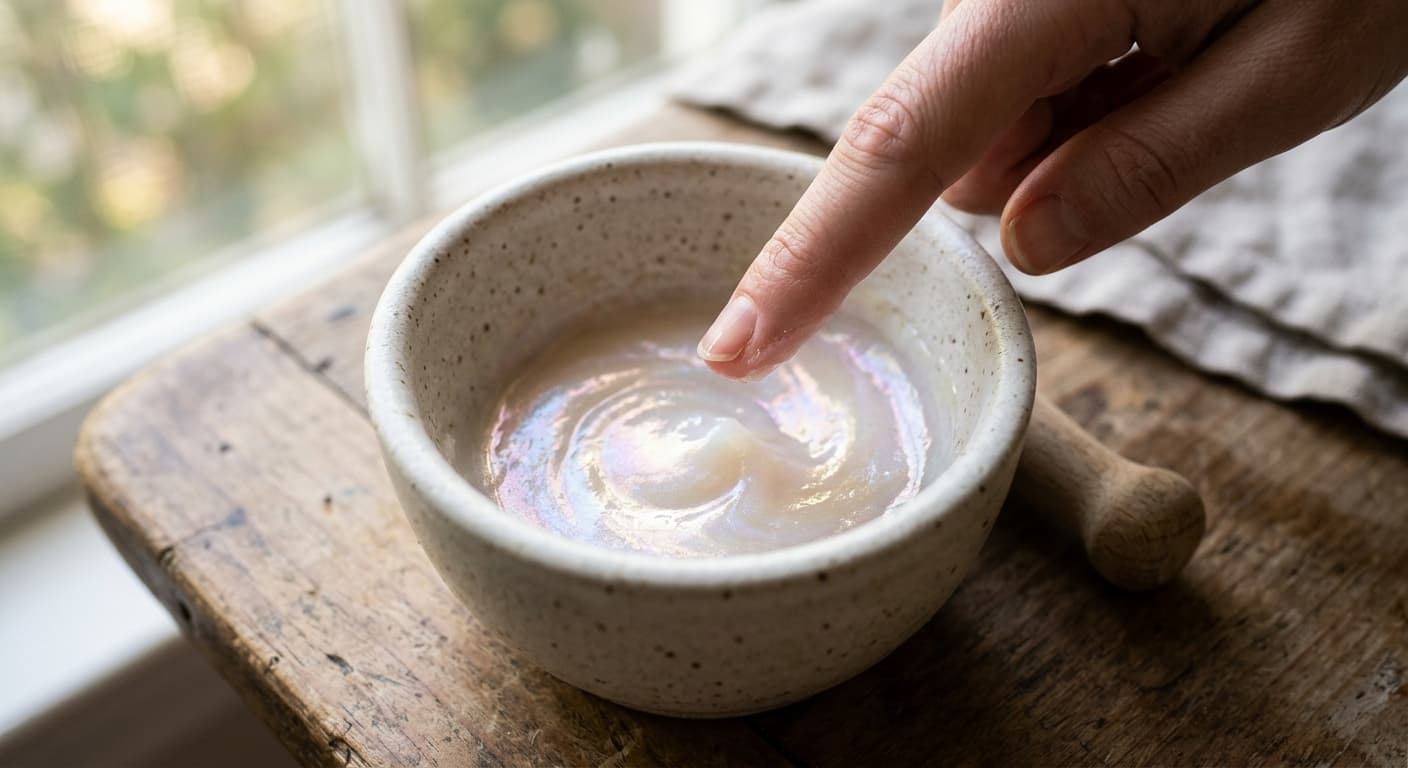
The Tylwyth Teg Midwife: When Fairies Needed Human Help and Paid in Ointment You Shouldn't Touch
A mortal midwife was summoned to deliver a fairy baby, then given ointment to rub on the child's eyes. When she touched her own eye with it and could suddenly see invisible fairy folk everywhere, they blinded that eye so she'd stop noticing them at market.
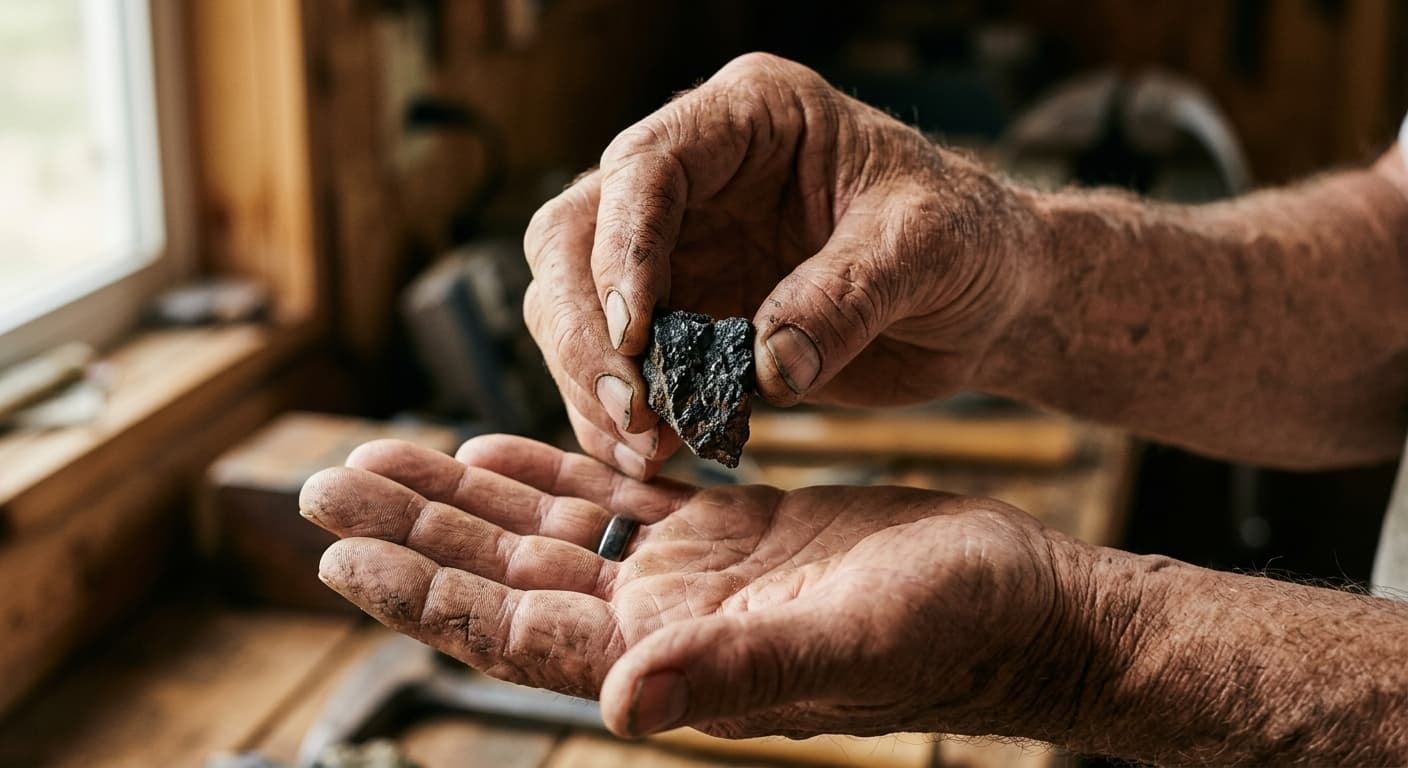
Ysgyryd Fawr and the Crucifixion Split: When a Welsh Mountain Cracked at Golgotha
The Skirrid's distinctive landslide scar is said to have opened at the exact moment Christ died on the cross, two thousand miles away. The split rock became a pilgrimage site, and fragments were supposedly kept as charms against drowning.
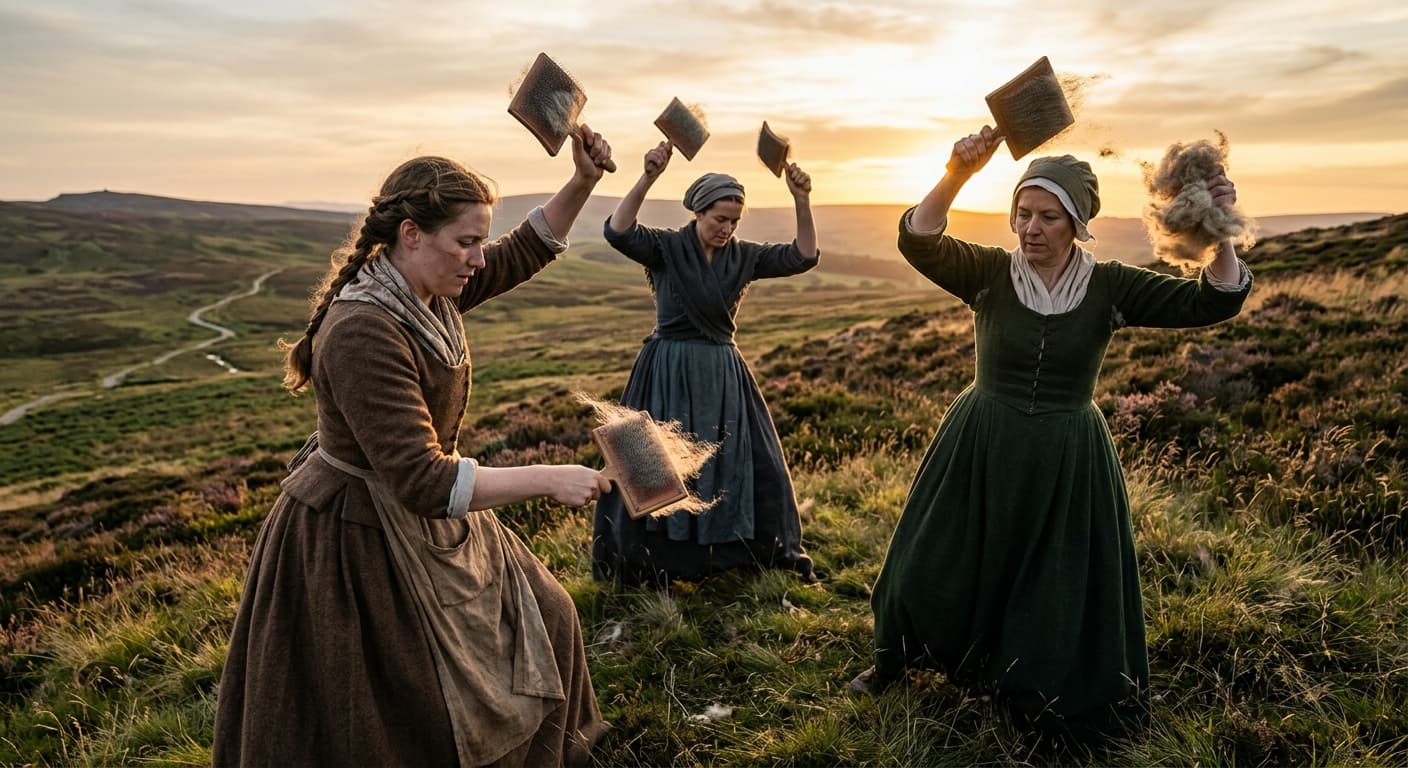
Moelfre's Stone Women and the Sabbath Punishment: When Three Women Turned to Rock for Working Sunday
Three women who winnowed corn on Sunday were said to have been turned to stone as divine punishment. An early account says the stones were later uprooted and rolled down the hill; this is Moelfre near Dwygyfylchi, not the separate hill near Barmouth.
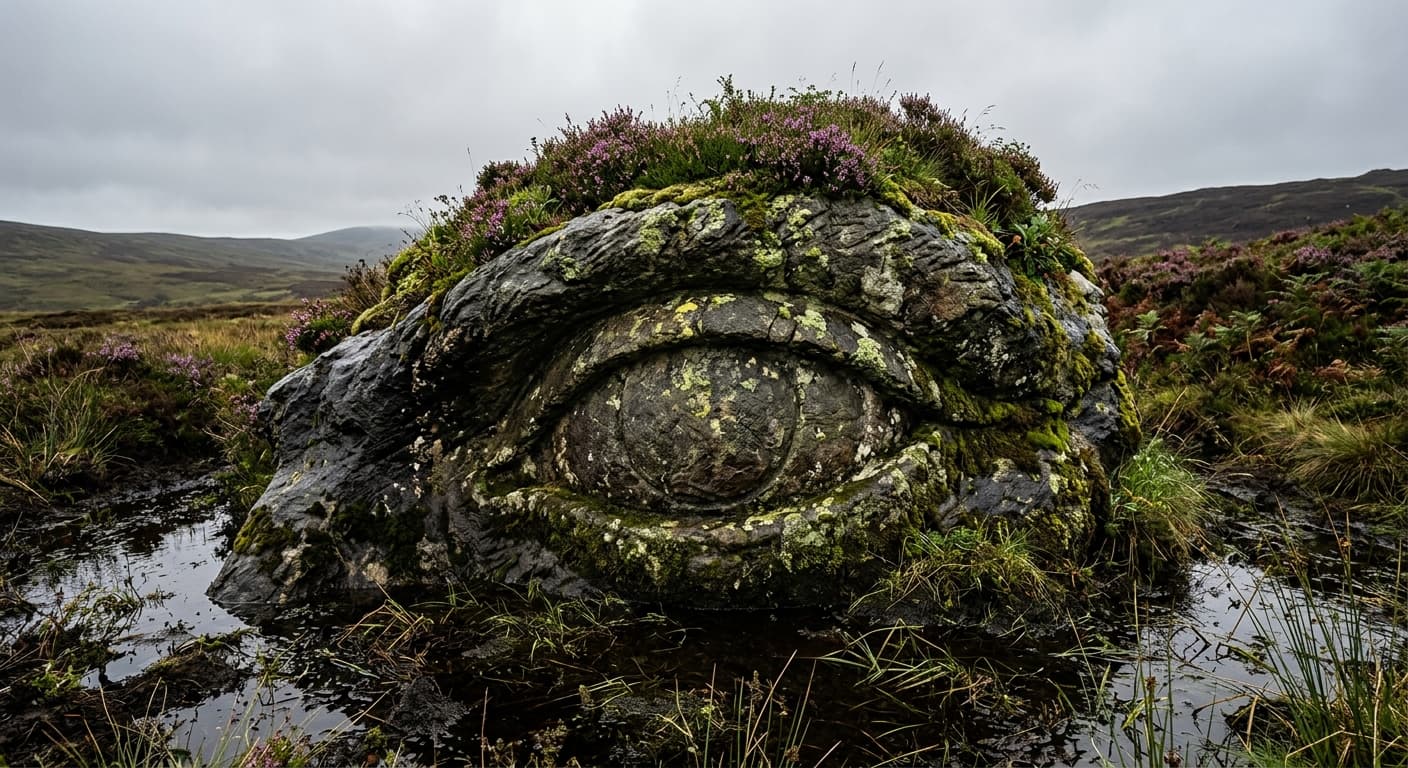
Pumlumon Fawr and the Sleeping Giant: The Legend Beneath Wales's Five Peaks
An unnamed giant is said to sleep inside Pumlumon. The mountain's name means “five peaks”, but the surviving folklore does not identify the summits as body parts or say the giant will wake to defend Wales.
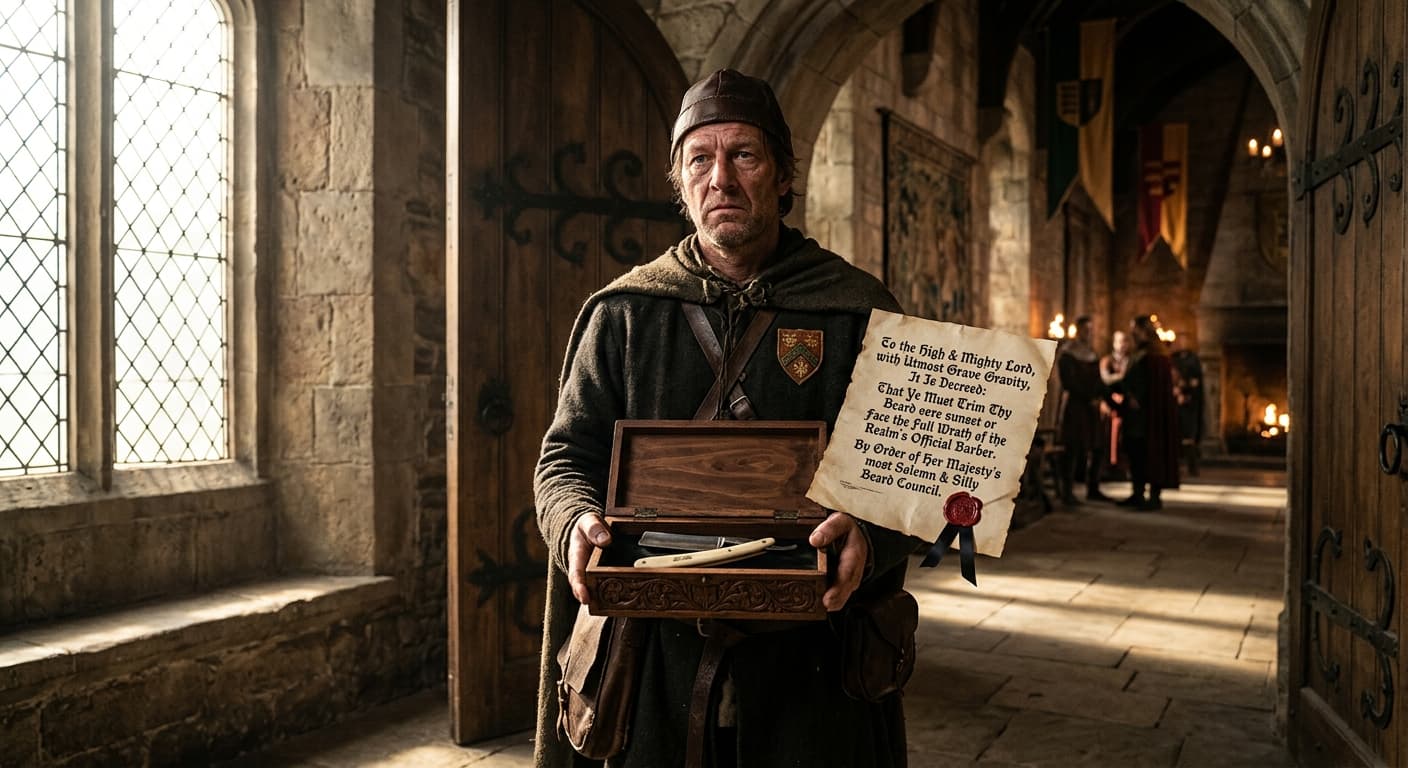
Yr Wyddfa and the Giant's Beard Cloak: When Arthur Killed Rhita Gawr for Wearing Kings
The giant Rhita Gawr took the beards of defeated kings for a cloak and demanded Arthur's. Geoffrey of Monmouth places their duel on Mount Aravius; later Welsh tradition links the fight and Rhita's grave to Yr Wyddfa.
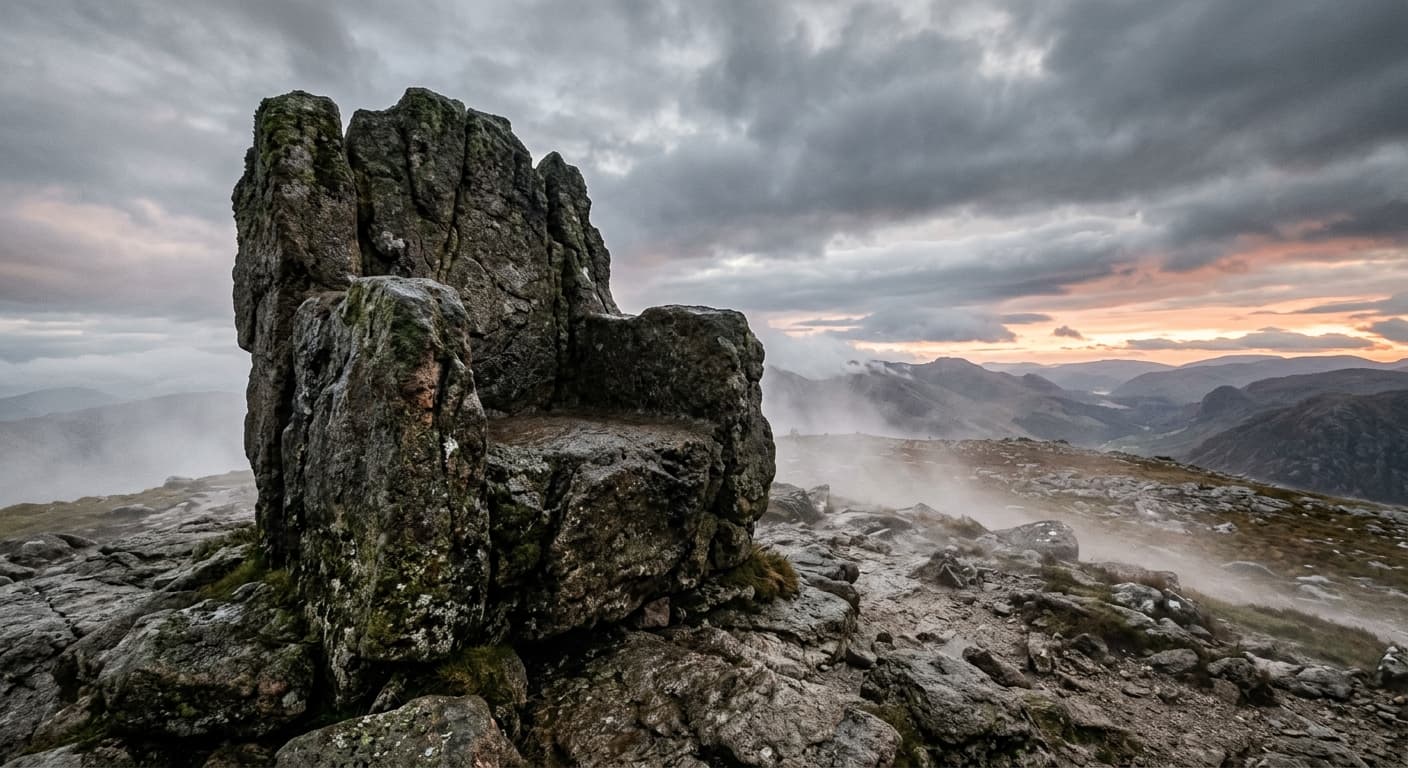
Cadair Idris and the Giant's Chair: When Sleeping on the Summit Meant Waking Up Mad or a Poet
Legend says anyone who spends the night on Cadair Idris will wake either mad or blessed with poetic genius. The mountain is linked to the giant Idris, while another explanation connects its name with the 7th-century prince Idris ap Gwyddno.