8 guides
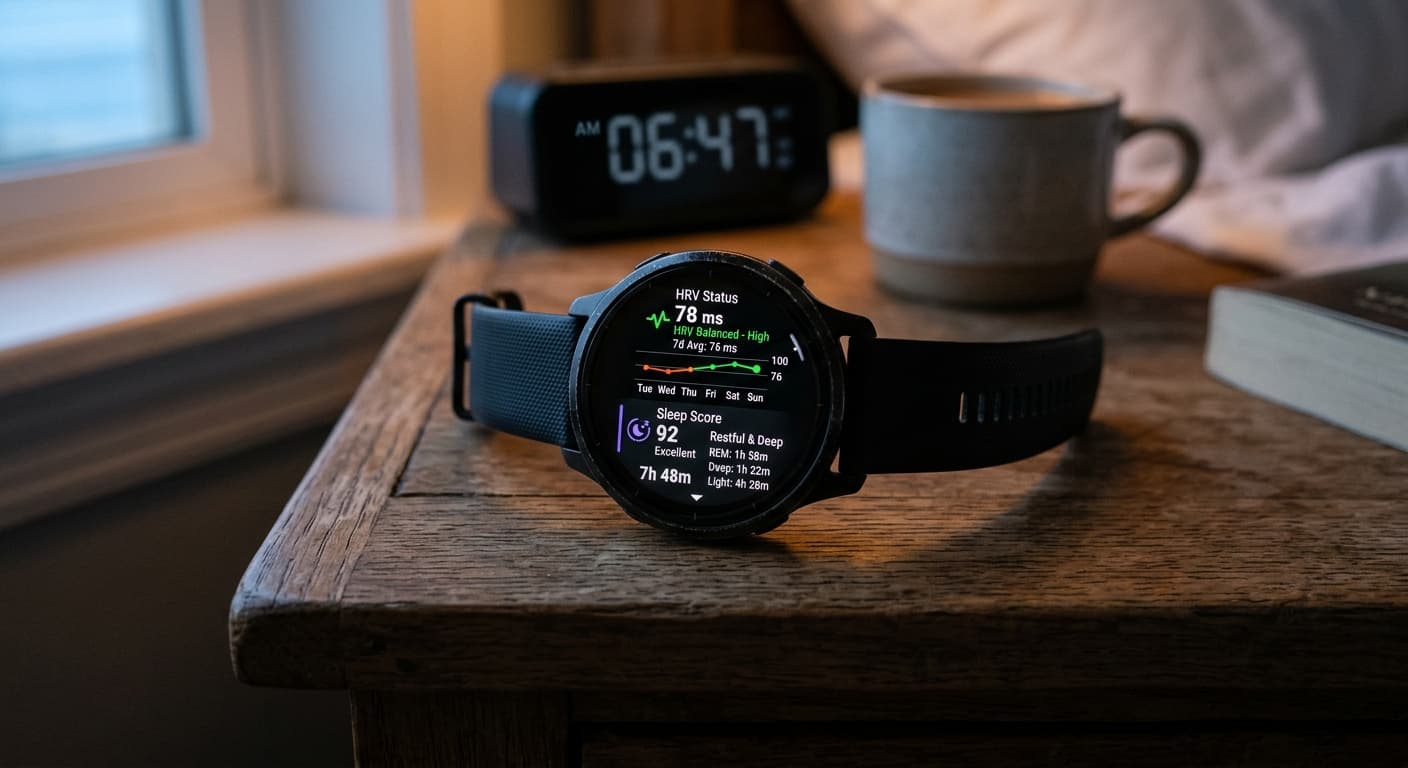
Why Your Heart Shouldn't Beat Like a Metronome
Heart rate variability measures the gaps between beats. Here's what those millisecond wobbles actually mean, why your number differs from everyone else's, and when to pay attention.
Why Your Fitness Tracker Is Obsessed With a 1960s Marketing Slogan
The 10,000 steps target came from a Japanese pedometer brand, not a laboratory. Turns out the research suggests you're probably doing fine with quite a bit less.
Your Watch Doesn't Know Your Lactate Threshold (But It Has a Decent Guess)
What lactate threshold actually means, how sports watches estimate it without blood samples, why they're often wrong, and what you should actually do with the number.
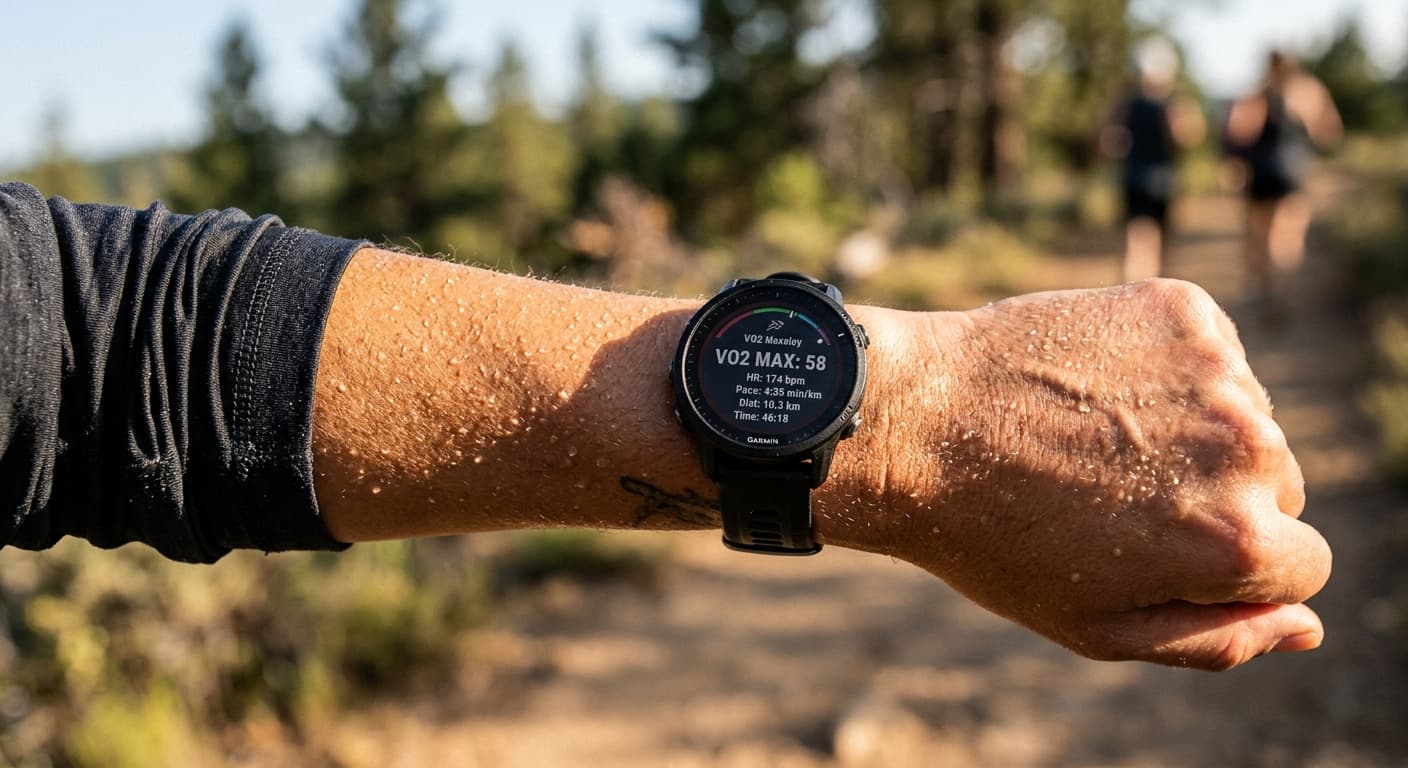
The Number on Your Wrist: Making Sense of Estimated VO2 Max
Your watch estimates your aerobic fitness using heart rate and GPS, not actual breath analysis. Here's what that score really tells you—and what it leaves out.
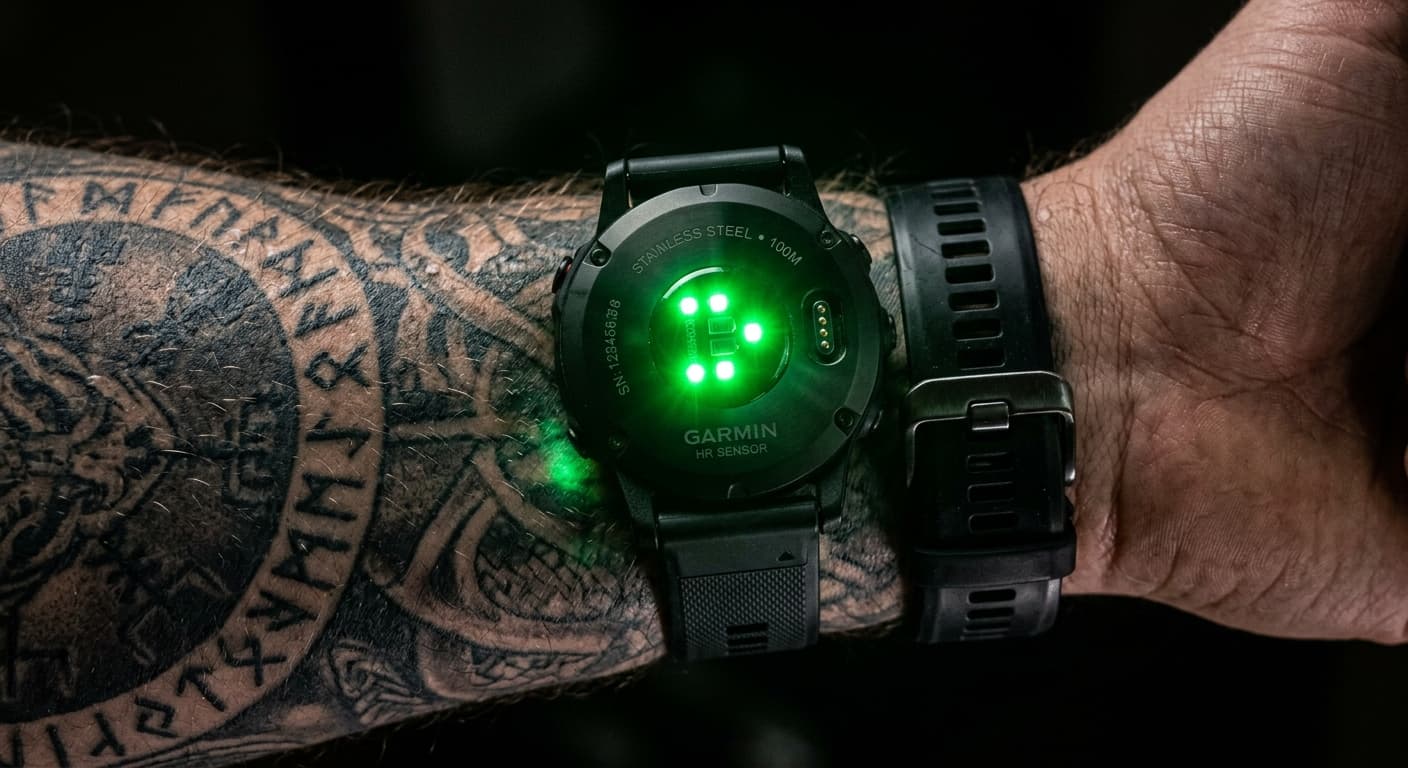
Your Watch Doesn't Know How Hard You're Working
Why heart rate zones are useful when set correctly but misleading when based on default formulas, dodgy wrist sensors, and blind faith in numbers over what your body is telling you.
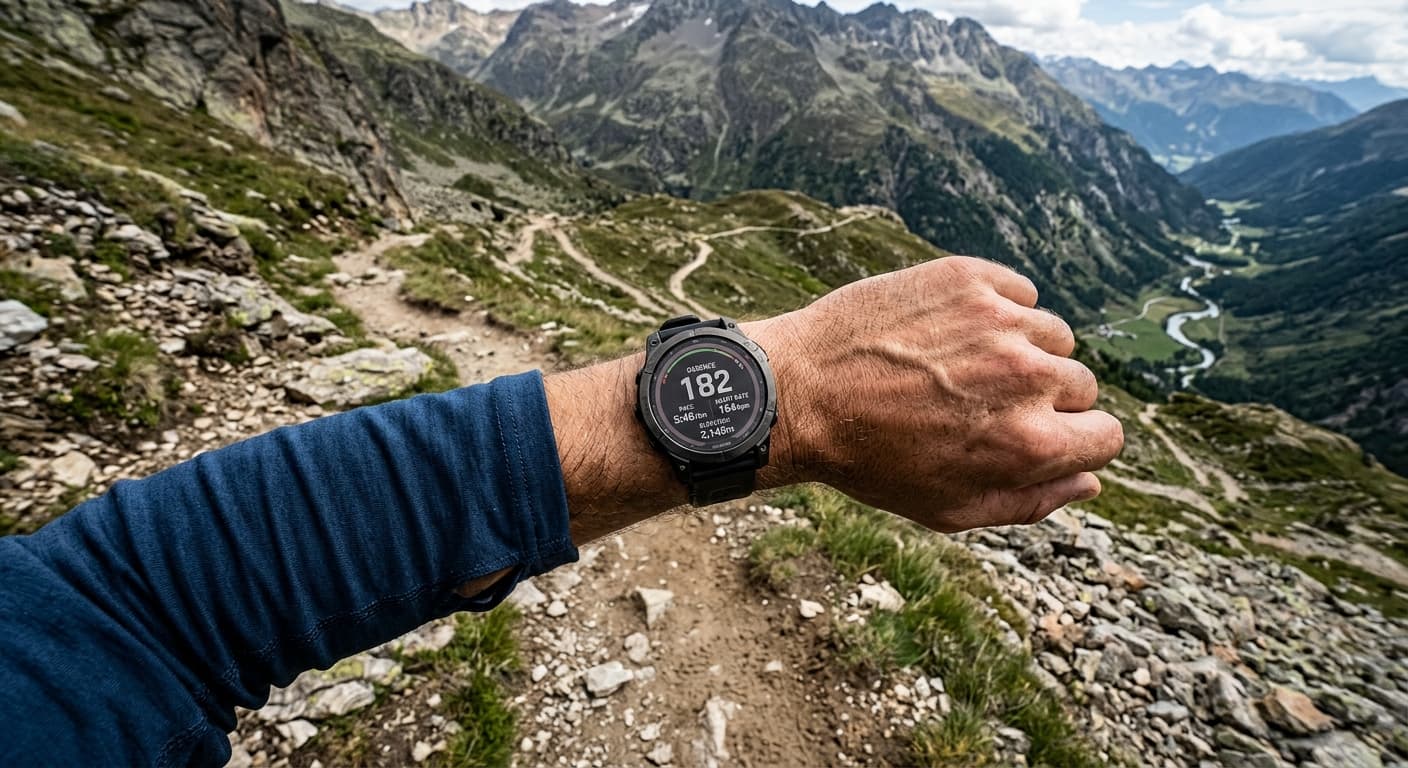
Cadence: What Your Step Rate Actually Tells You About Your Running
It's the number of times your feet hit the ground per minute. Here's what it reveals about your form, why 180 isn't magic, and when you should actually bother changing it.
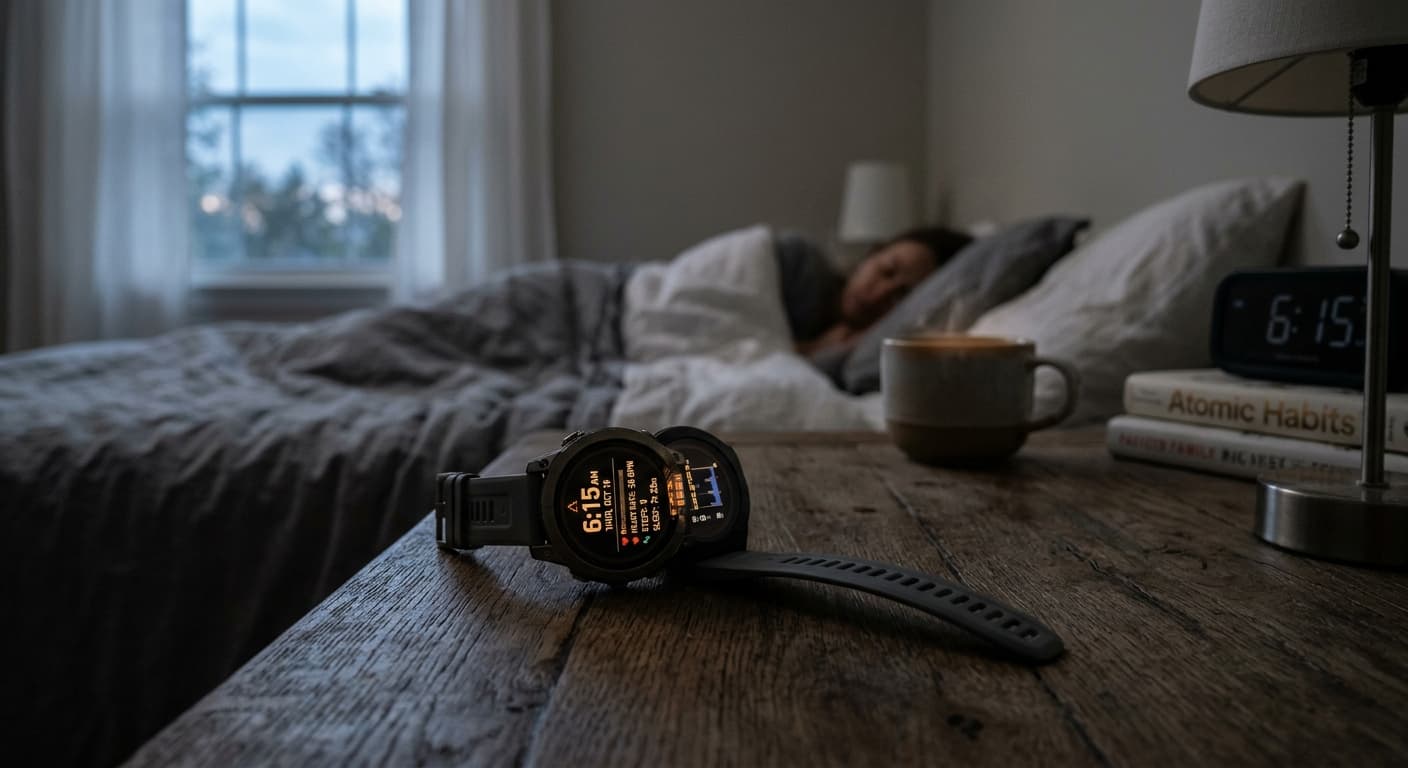
When Your Heart Rate Drops and Your Watch Starts Lying to You
Why chasing the lowest resting heart rate might mean you're missing what your body's actually trying to tell you, and how to use the number properly instead of treating it as a prize.
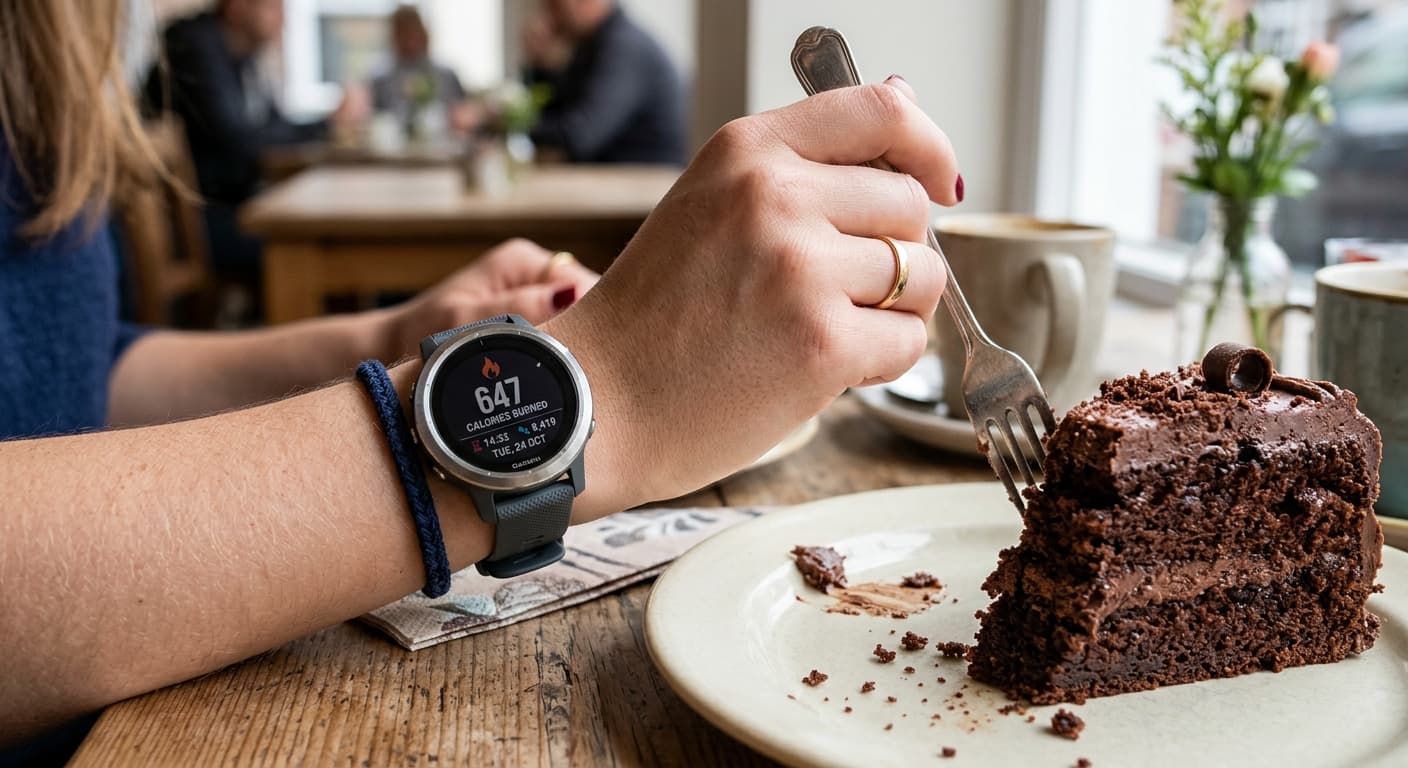
The Uncomfortable Truth About Your Fitness Watch's Calorie Counter
That precise calorie figure on your wrist? It's a guess with a 30% margin of error. Here's why you shouldn't make dinner decisions based on it, and what the numbers actually tell you.