11 guides
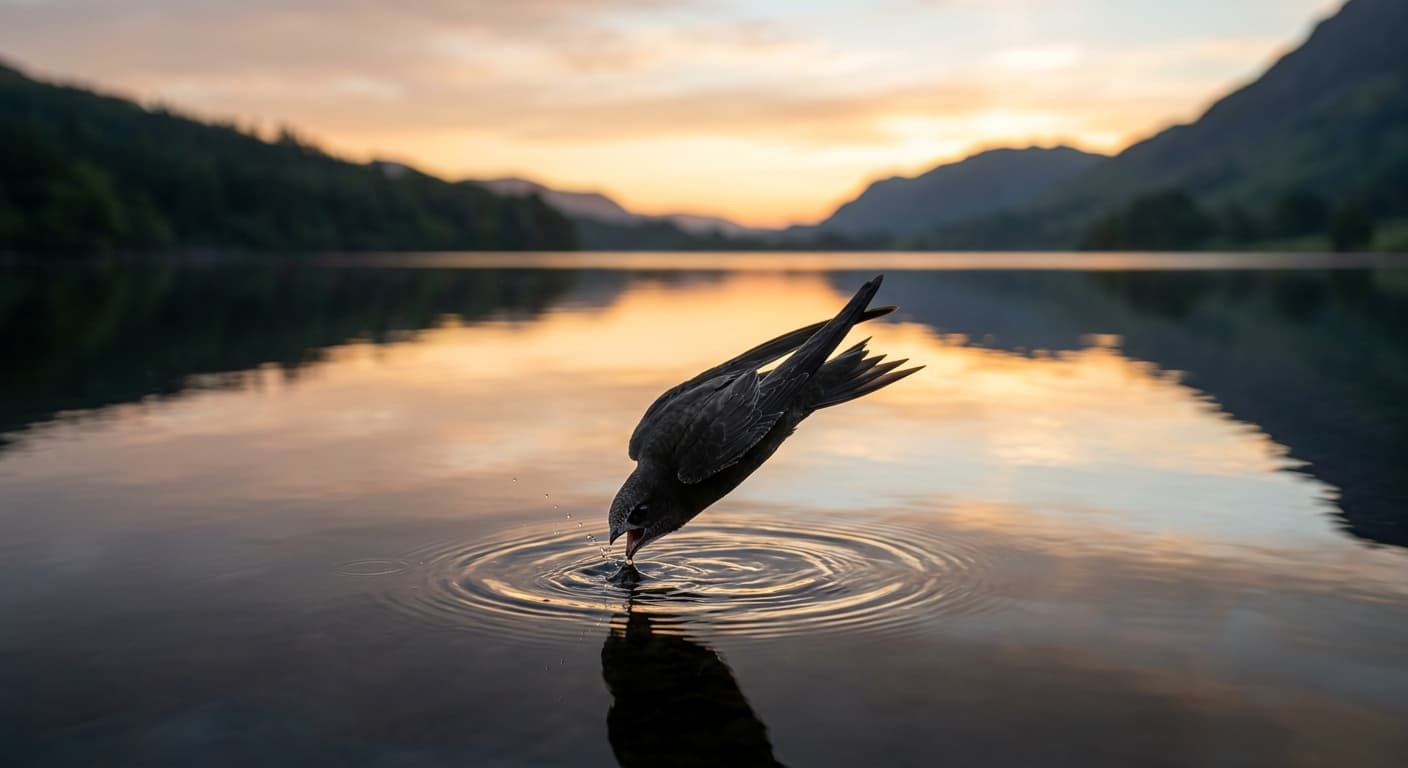
Swifts and Flight: How Long They Actually Stay Airborne
Swifts spend most of their non-breeding lives in the air—eating, drinking, sleeping on the wing—and only come to land to nest. The claim that individuals stay airborne continuously for two or three years is often repeated but not securely established, and the truth is impressive enough without the exaggeration.
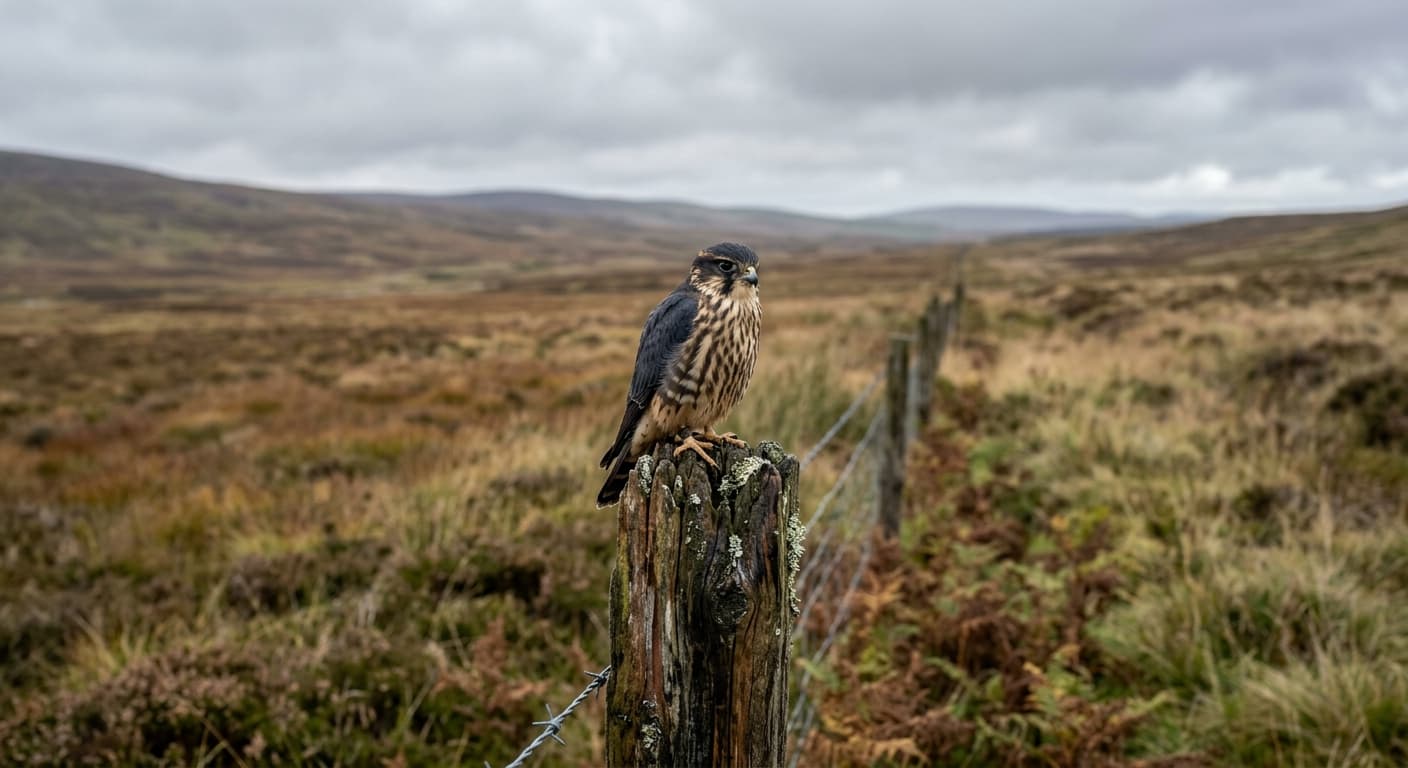
The Merlin: Britain's Smallest Raptor Hunts Like a Feathered Missile
Merlins are Britain's smallest raptor, yet they catch small birds mid-flight through sheer speed and manoeuvrability in short, brutal bursts. If you've actually witnessed one chasing down a meadow pipit across moorland rather than just seeing a distant speck on a post, you've seen something most people never will.
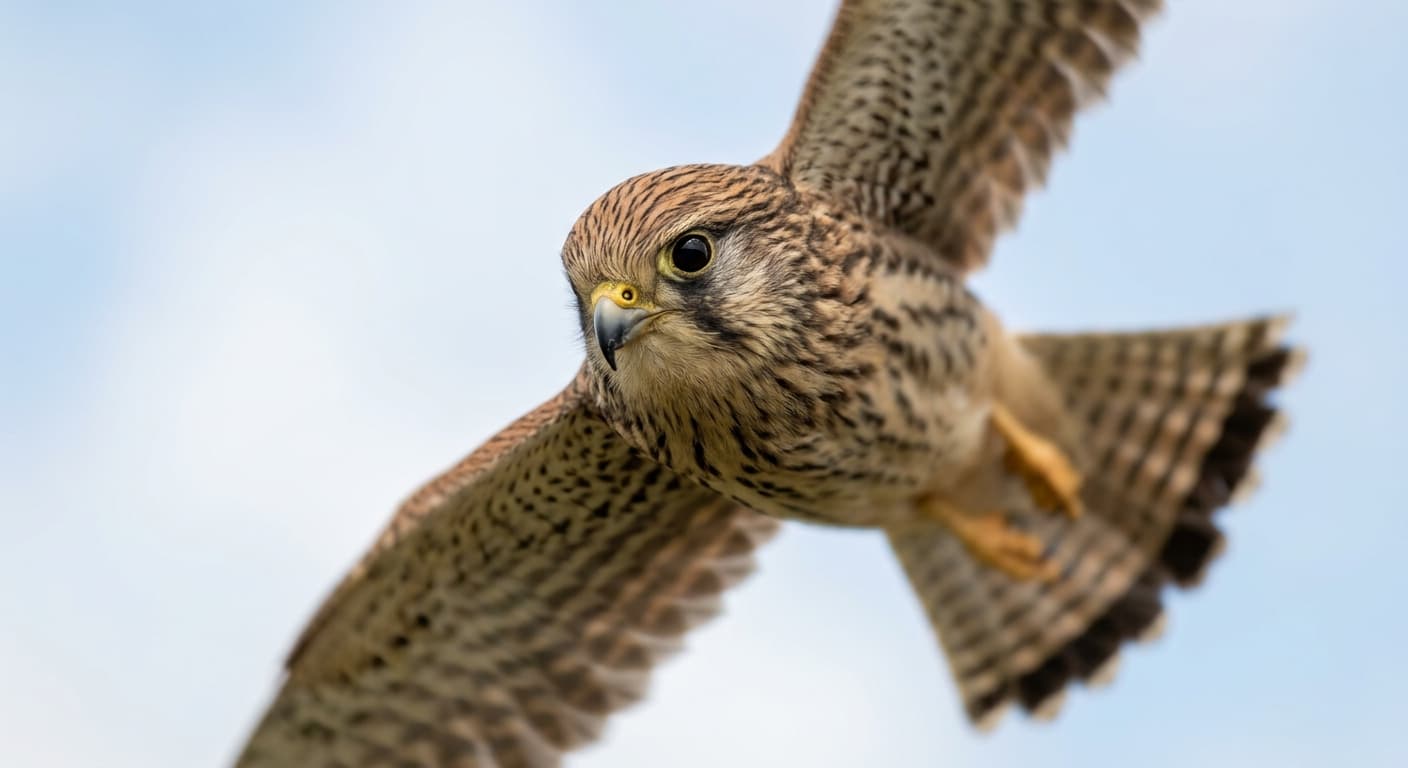
The Kestrel Hover Problem: When a Falcon Holds Position Like It's Nailed to the Sky
Kestrels hang motionless above verges and rough grassland with a wing-beat so rapid it looks like vibration, hunting voles with more precision than seems fair on the vole. The hover costs enormous energy, which is why you'll see them switch to fence posts when the wind picks up—same hunting strategy, less effort.
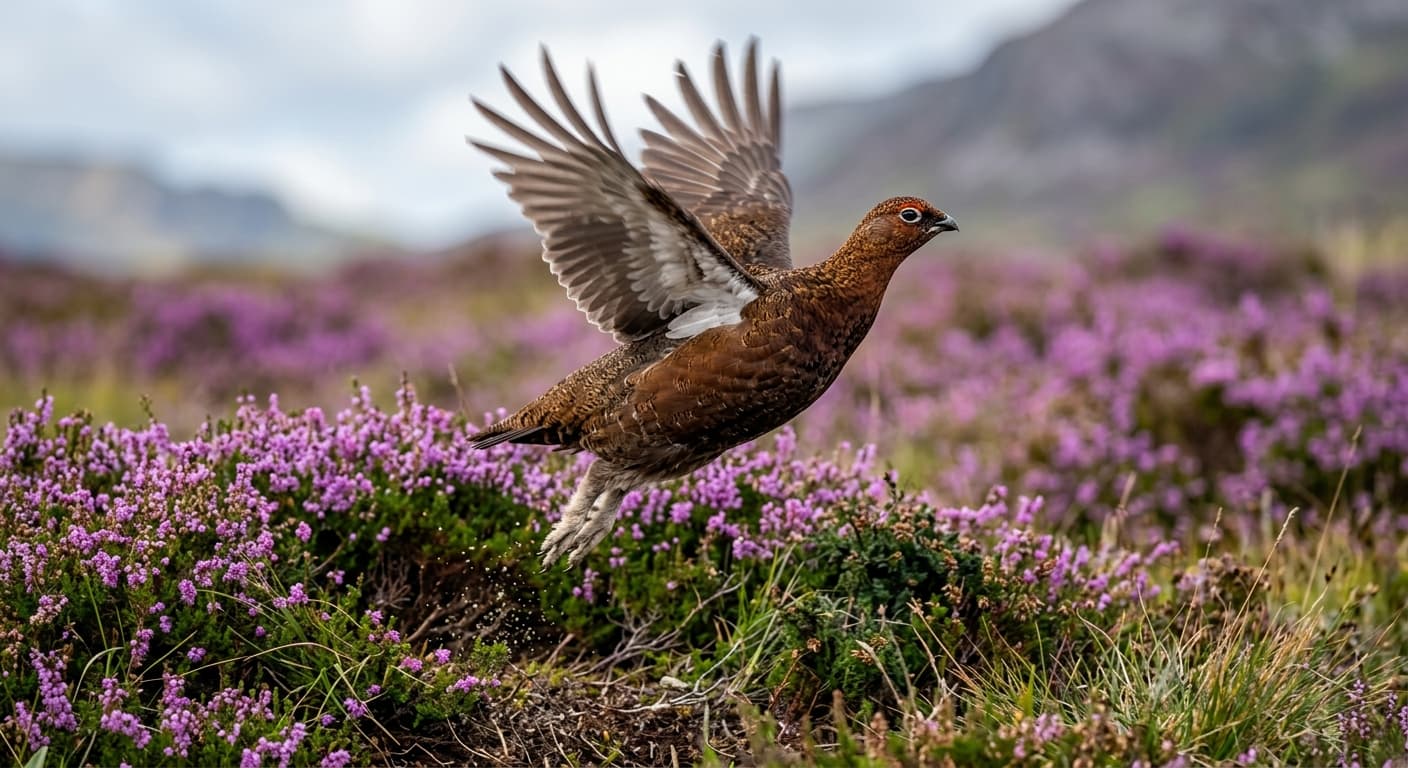
The Grouse Flush: When a Bird Explodes From Underfoot and Nearly Stops Your Heart
Red grouse wait until you're almost standing on them before launching upwards with a rattling alarm call designed to startle predators — and it works just as well on walkers. Why they do it, where you'll find them, and what the shooting season means for the landscape they live in.
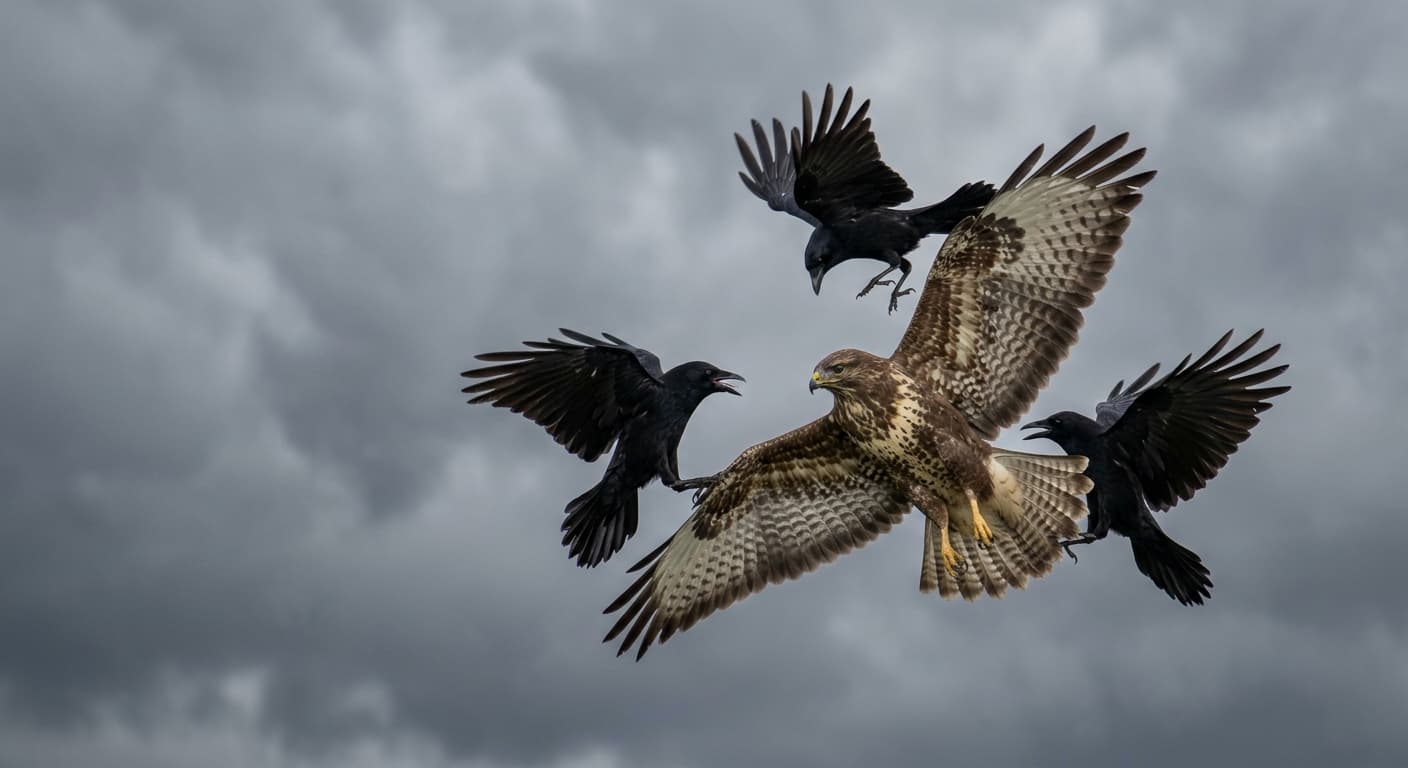
When Corvids Mob a Raptor: The Hill Politics of Crows vs. Hawks
Watch any buzzard or kestrel long enough near open country and you'll likely see a gang of crows harassing it mid-flight, an aggressive bit of airspace management that looks personal. The mobbing behaviour is surprisingly coordinated, often effective, and gives you a decent clue about where a raptor might be before you've actually spotted it.
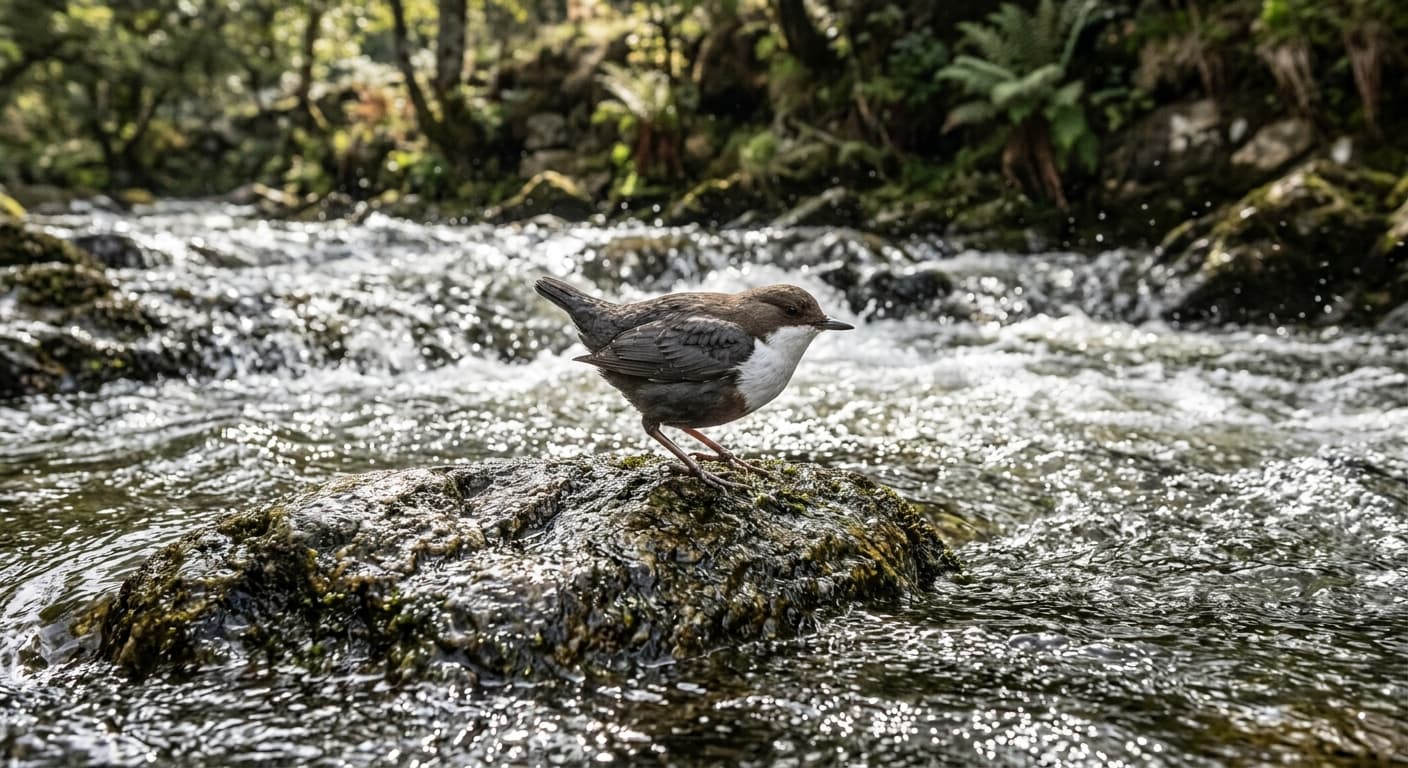
The Dipper Curtsy: When a Riverbank Bird Bobs Like It's Nervous
Dippers bend their legs repeatedly while perched on rocks mid-stream, a habit that looks compulsive but probably helps them spot invertebrates under the surface glare. They're also the only British songbird that walks underwater, which seems excessive but works.
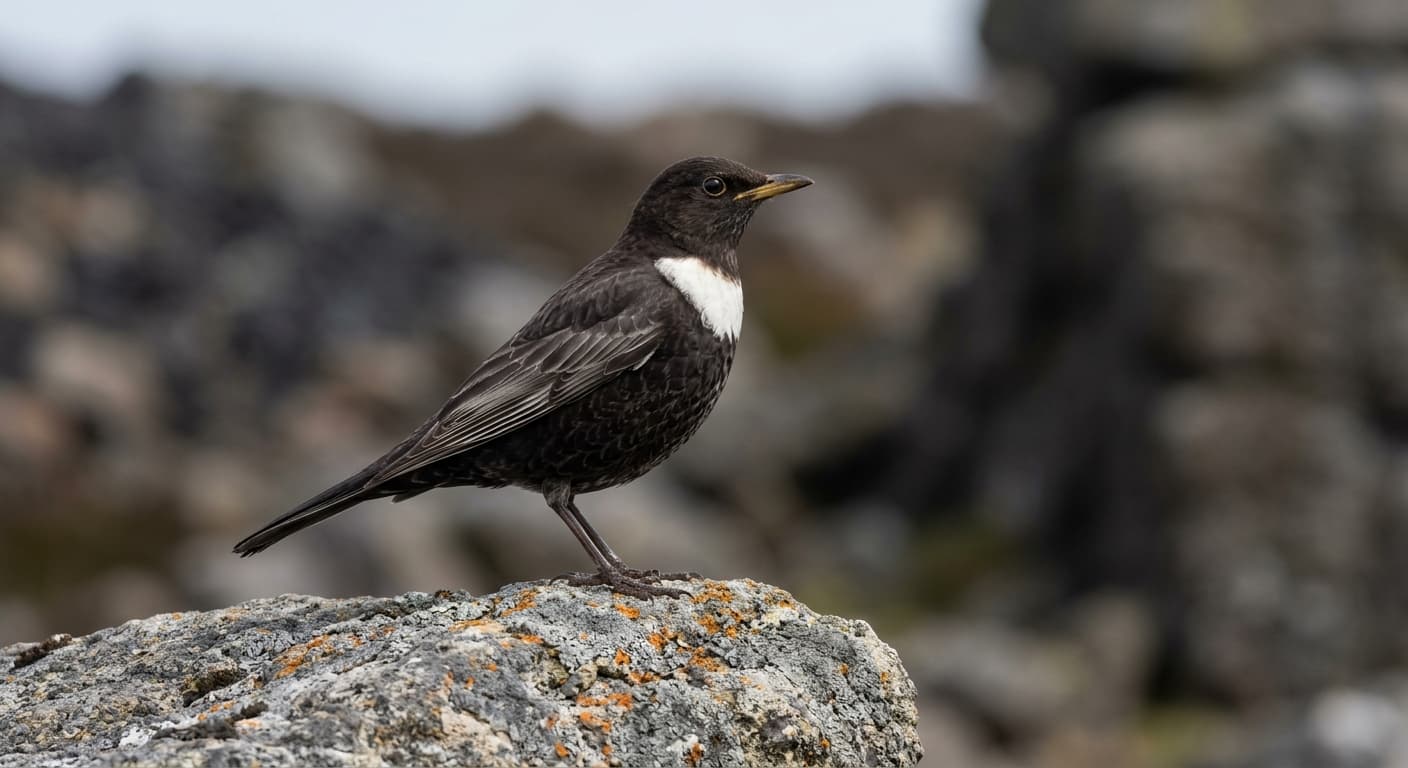
Ring Ouzels and Altitude: When a Blackbird Chooses the High Ground
Ring ouzels nest on upland crags and scree across much of Britain, but breeding altitude shifts with latitude—near sea level in the far north, over a thousand metres farther south. They're upland specialists, not birds with a fixed 300-metre floor, and their population decline makes every sighting worth noting.
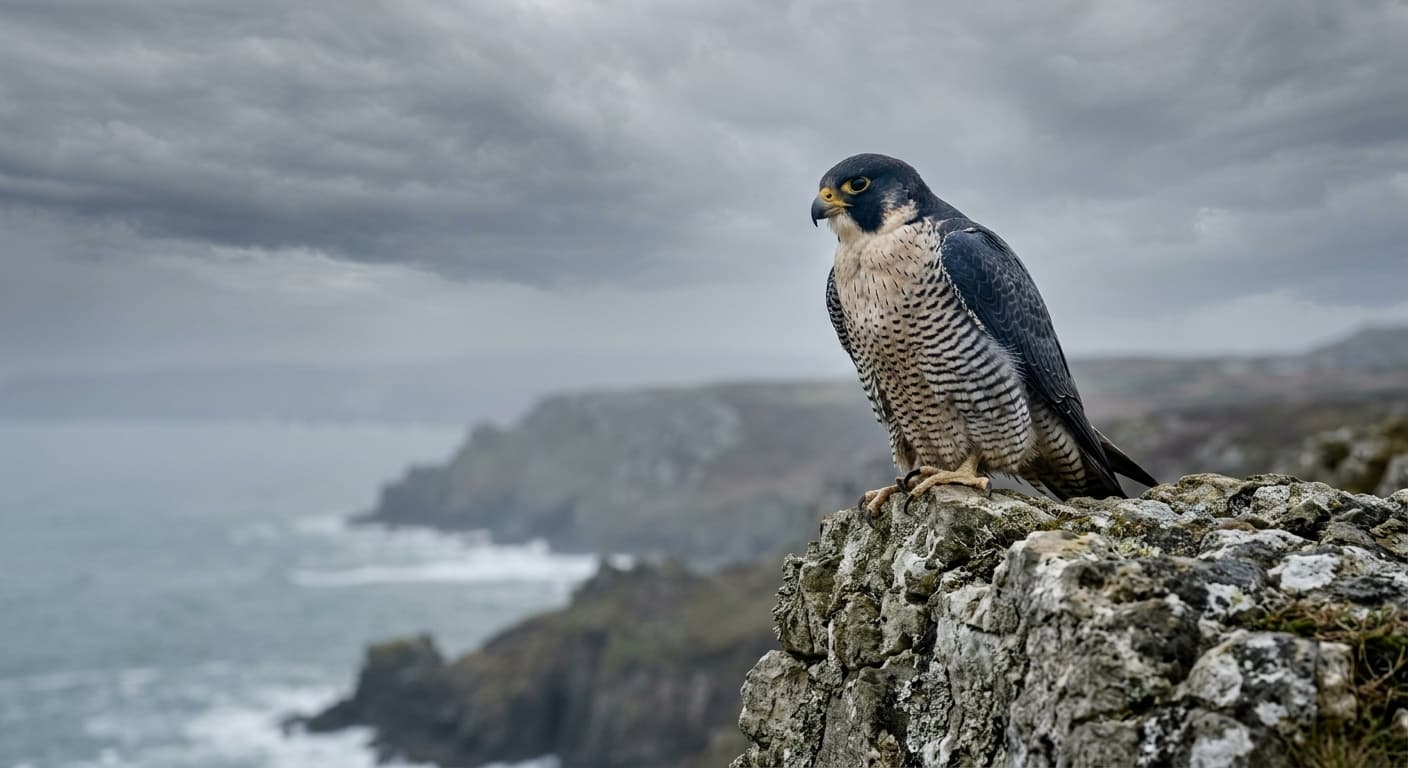
Peregrine Stoop: Speed, Hunting and Nest-Site Safety
A peregrine's stoop is one of Britain's most dramatic wildlife spectacles—but not every dive reaches 240 mph, and the bird does not always punch prey with a closed foot. Here is the evidence-based version.
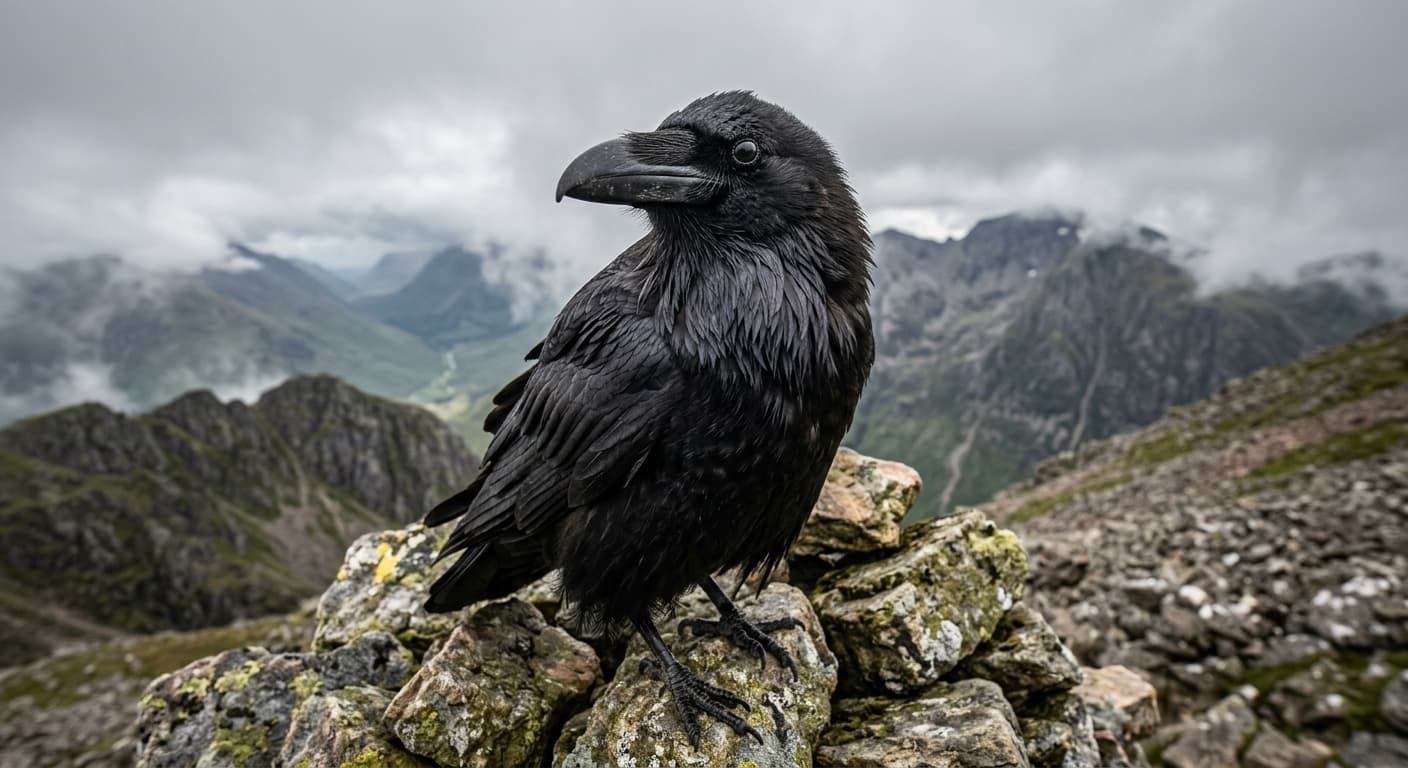
Raven or Carrion Crow? Size, Shape, Call and Flight
Ravens really are much larger than carrion crows, but not in every measurement and not only above an arbitrary mountain height. Use several field marks together for a reliable identification.
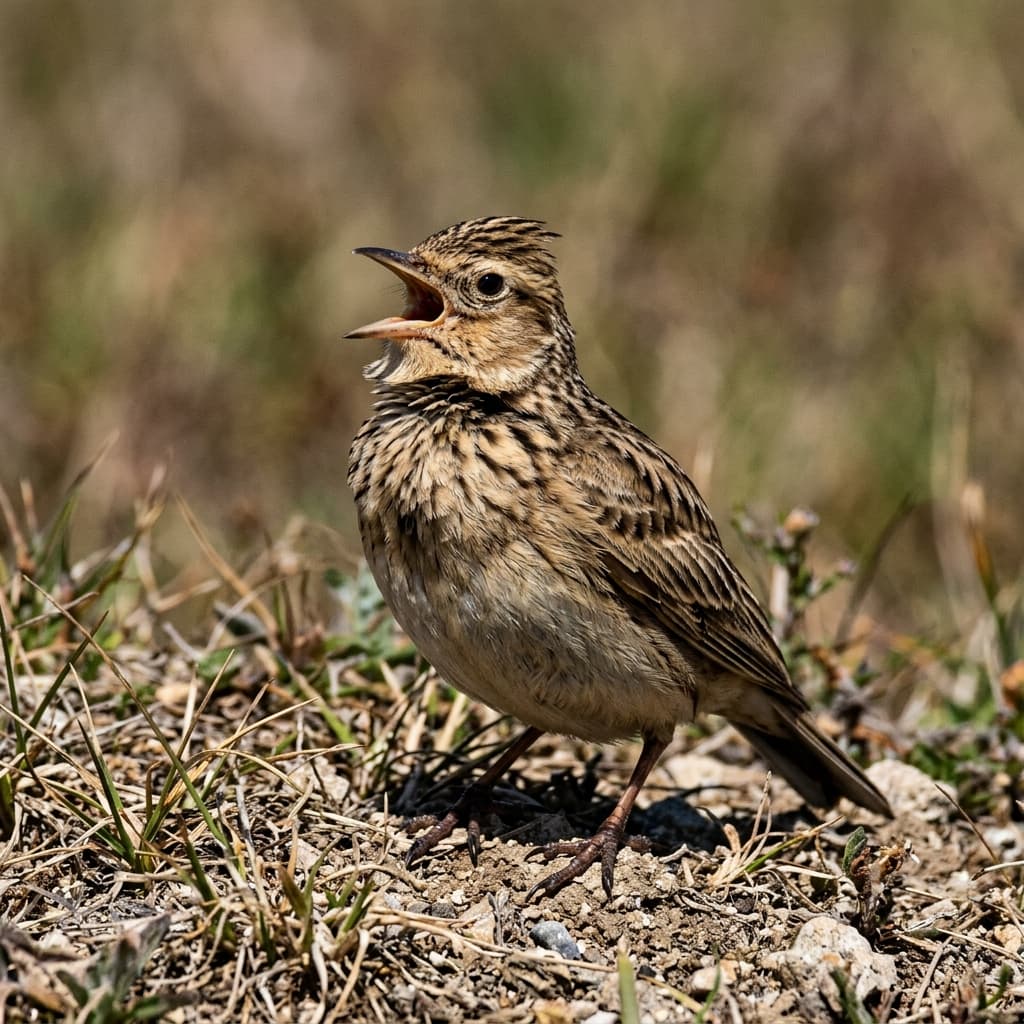
Why Skylarks Sing in Flight — and How High They Really Go
Skylarks sing through climbing, circling and near-stationary display flights. Most are tens of metres high, not routinely 300 metres, and their song advertises territory and courtship without proving a bird is parasite-free.
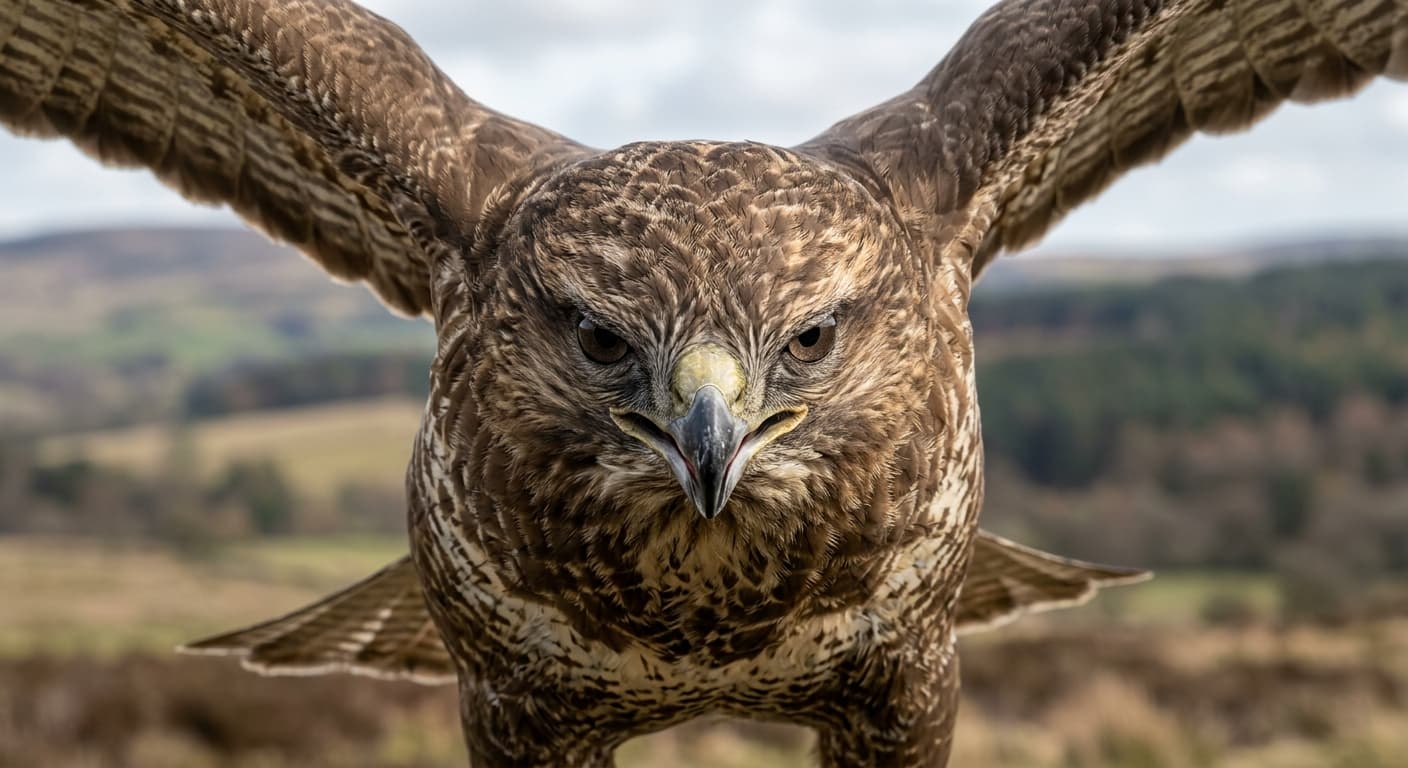
Do Buzzards Hover? What Kiting and Soaring Actually Mean
Common buzzards can hold nearly still in a headwind, but a 20-minute stationary hang is not their defining hunting method. Learn the difference between hovering, kiting, soaring and gliding.