9 guides
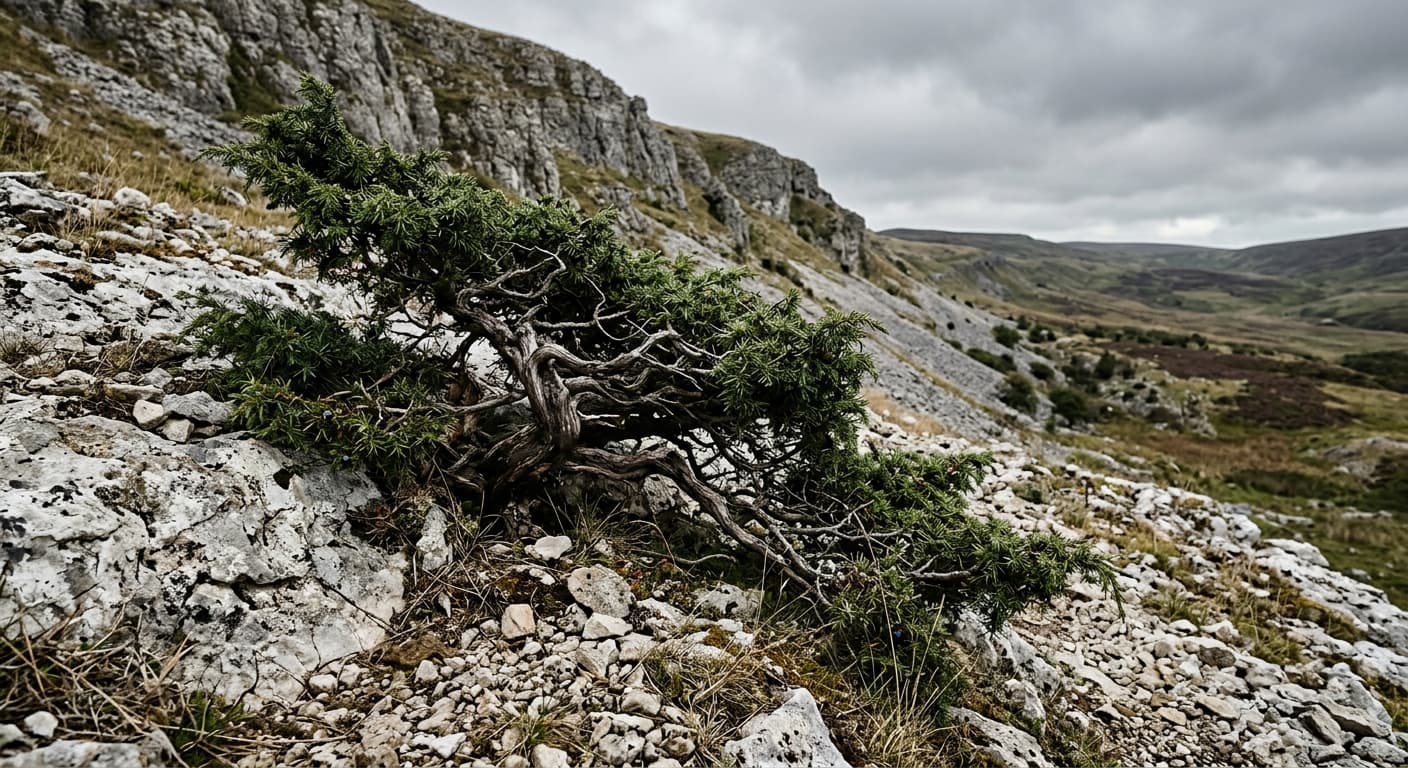
Juniper: One of Three Native Conifers, and Quietly Declining
Juniper bushes smell like gin when you brush past them, grow slowly on limestone hillsides, and haven't reproduced successfully in many locations for decades. They're declining across Britain, but they're not the only native conifer—Scots pine and yew were here first too.
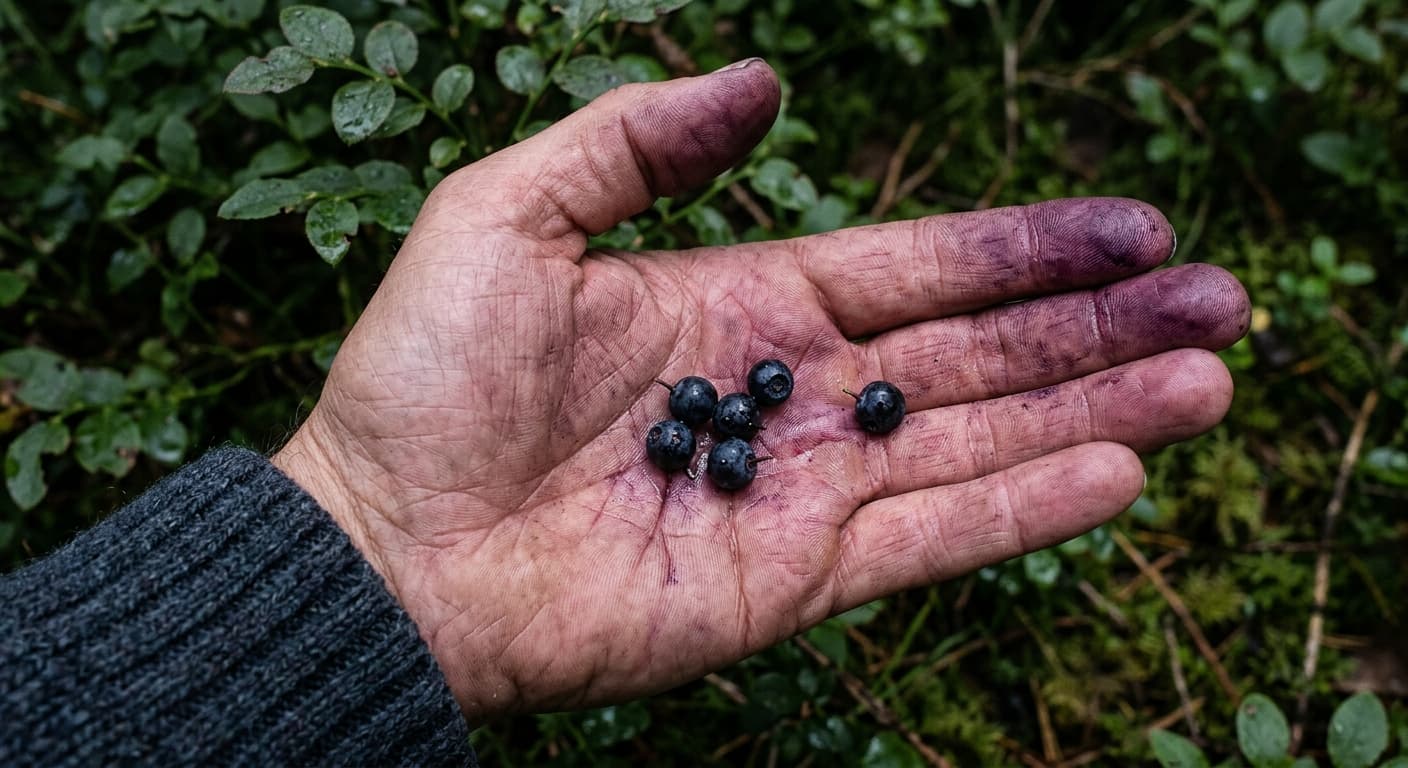
The Bilberry Stain Problem: When Your Fingers Turn Purple for Three Days
Britain's upland heaths are thick with bilberries in late summer, and they're perfectly edible if you can be bothered to pick enough. The real question is whether fifteen minutes of crouching for a handful of tiny fruit is worth the semi-permanent dye job.
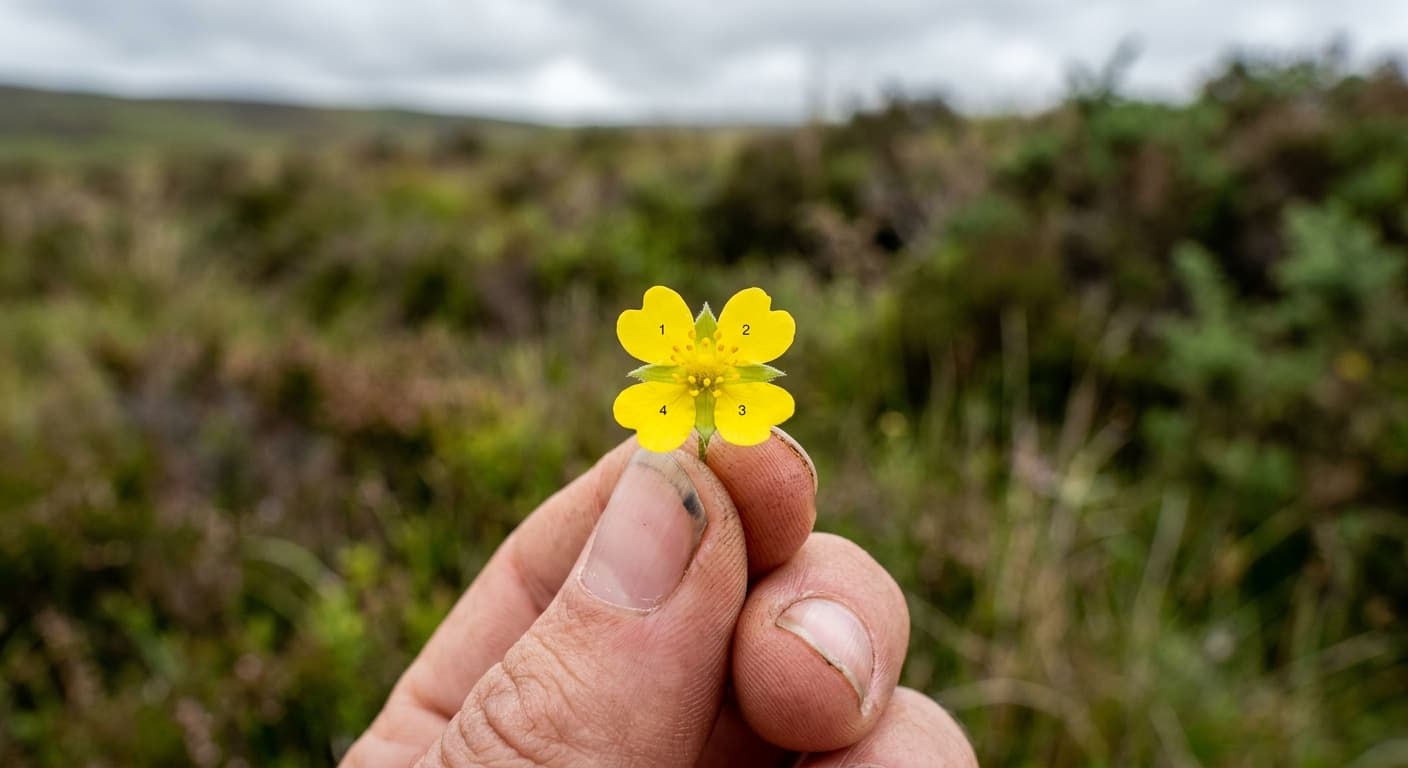
The Tormentil Problem: When Ground Cover Has More Names Than Petals
Four yellow petals, grows everywhere from bog to mountain path, and has been called everything from bloodroot to shepherd's knot. It's possibly Britain's most overlooked medicinal plant.
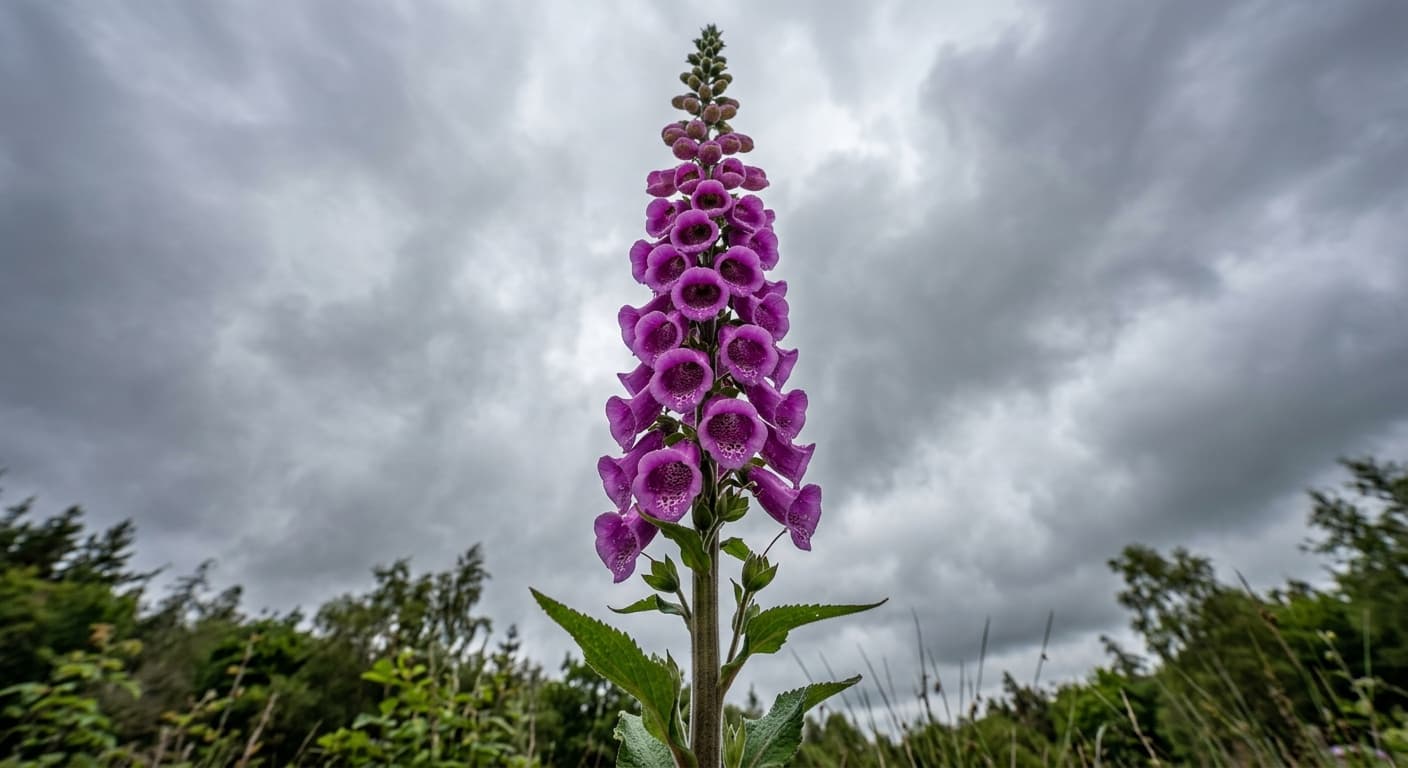
Foxgloves: Biennial, Sometimes Perennial, Always Tall
Purple spires that can reach six feet on woodland edges and disturbed ground, flowering once and often dying after—but not always. Foxgloves are commonly biennial, sometimes short-lived perennials, and the claim that half the population is invisible at any given moment doesn't hold up to how they actually grow.
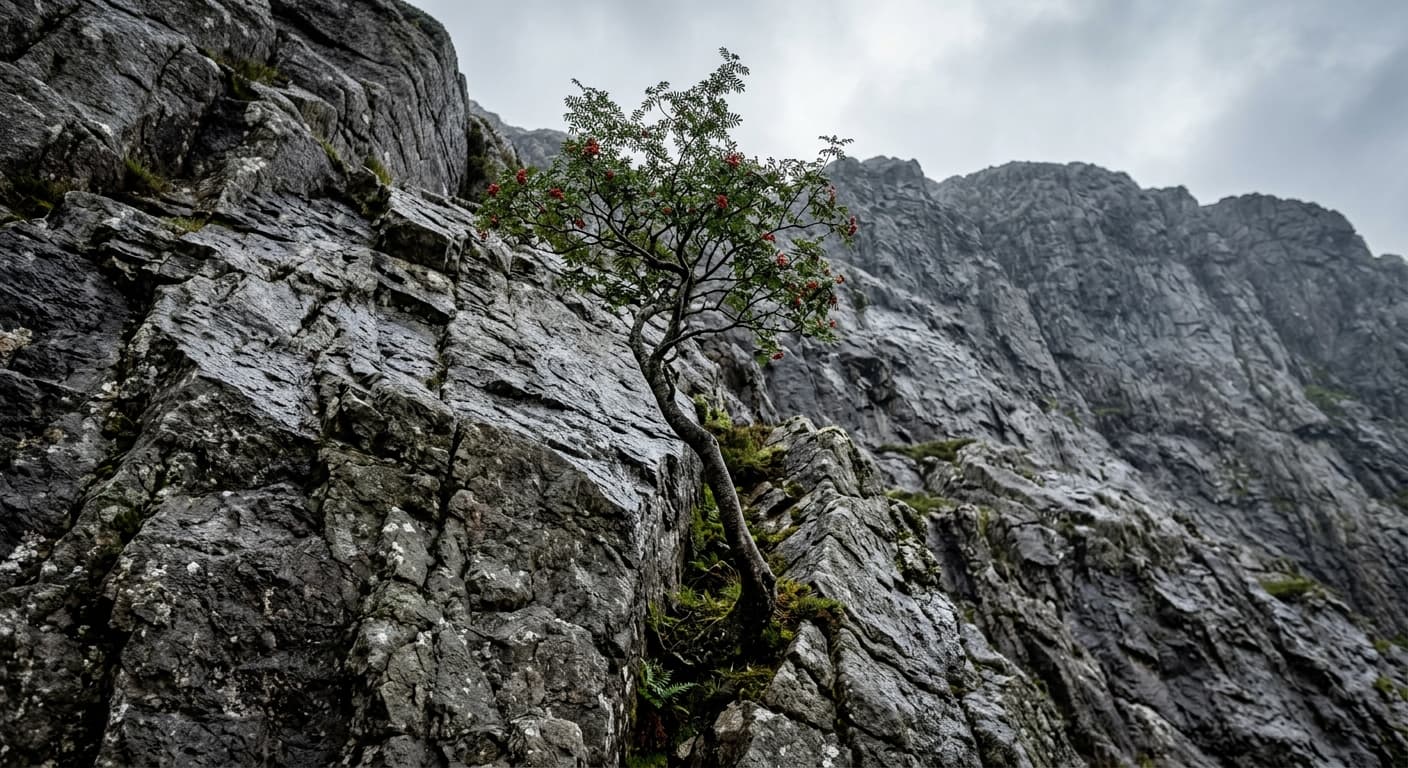
Rowan Trees: Native, Widespread, and Not All Planted by Farmers
Rowan grows naturally across British uplands, woodland edges, and crags, with bright berries and autumn colour that made it a favourite for planting near farms and folds. Some were planted for protection or superstition, but most upland rowans are wild, native, and growing exactly where they seeded themselves.
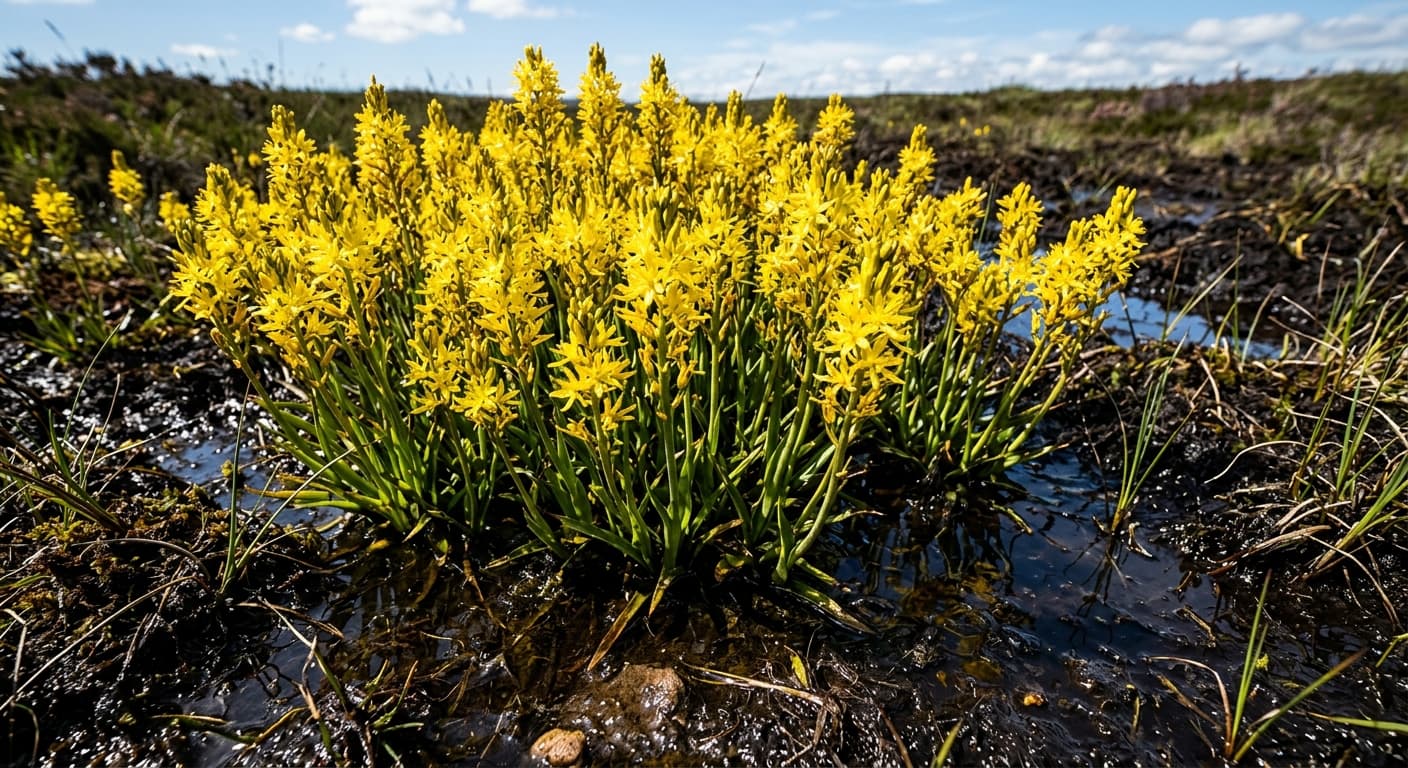
The Bog Asphodel Question: When Something That Yellow Shouldn't Grow Somewhere That Wet
Wet moorland in July produces an improbable shock of golden spikes that looks like someone's been planting daffodils in the peat. Bog asphodel thrives exactly where most plants give up, which tells you something about what 'ideal growing conditions' actually means.
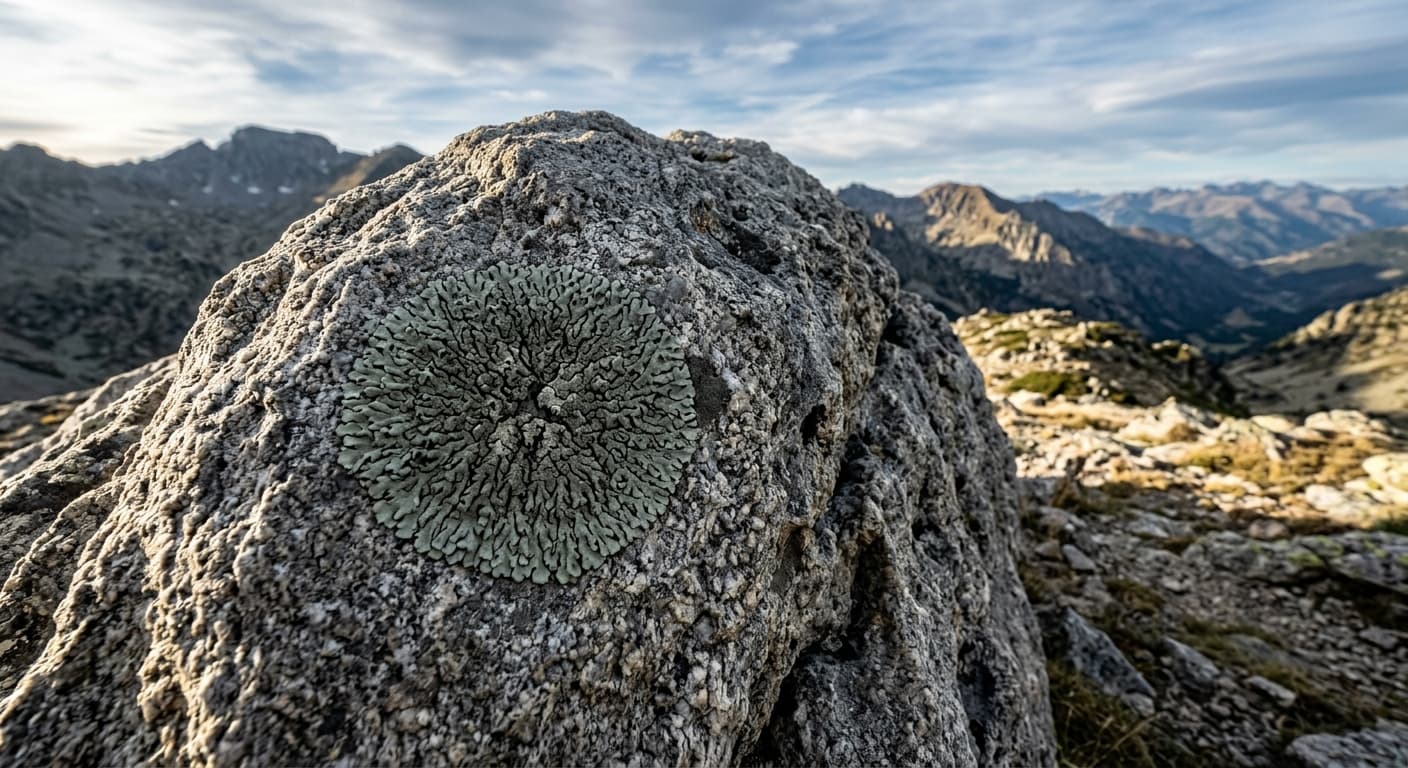
The Lichen Growth Rate: When a Patch the Size of Your Palm Might Be Centuries Old
Lichens on fell-top boulders can grow incredibly slowly, but that crusty grey-green circle cannot be aged from its size alone.
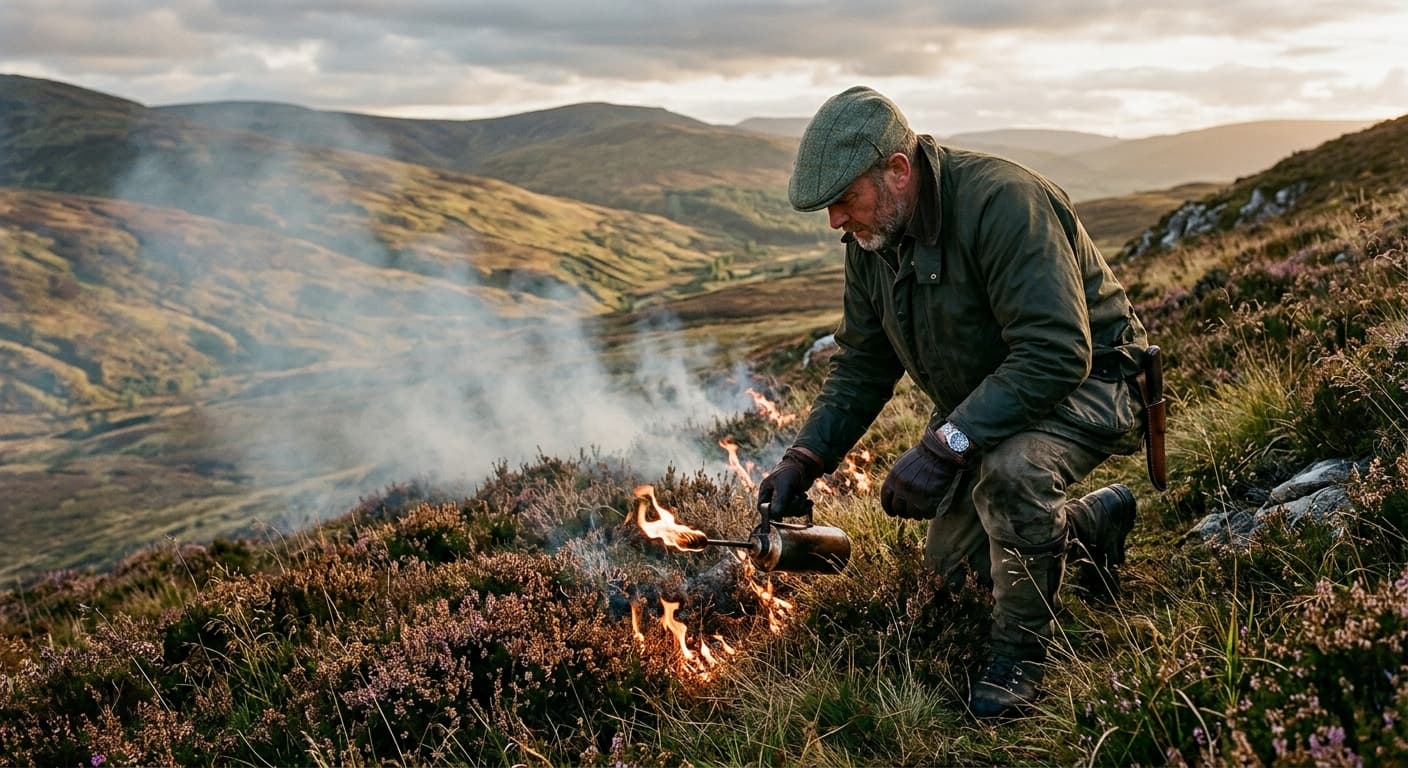
The Heather Age Map: How Grouse Moor Burning Creates a Patchwork Landscape
Those neat patterns across grouse moors may come from burning, cutting, grazing or restoration rather than a simple age calendar. Here's what the patchwork can—and can't—tell you.
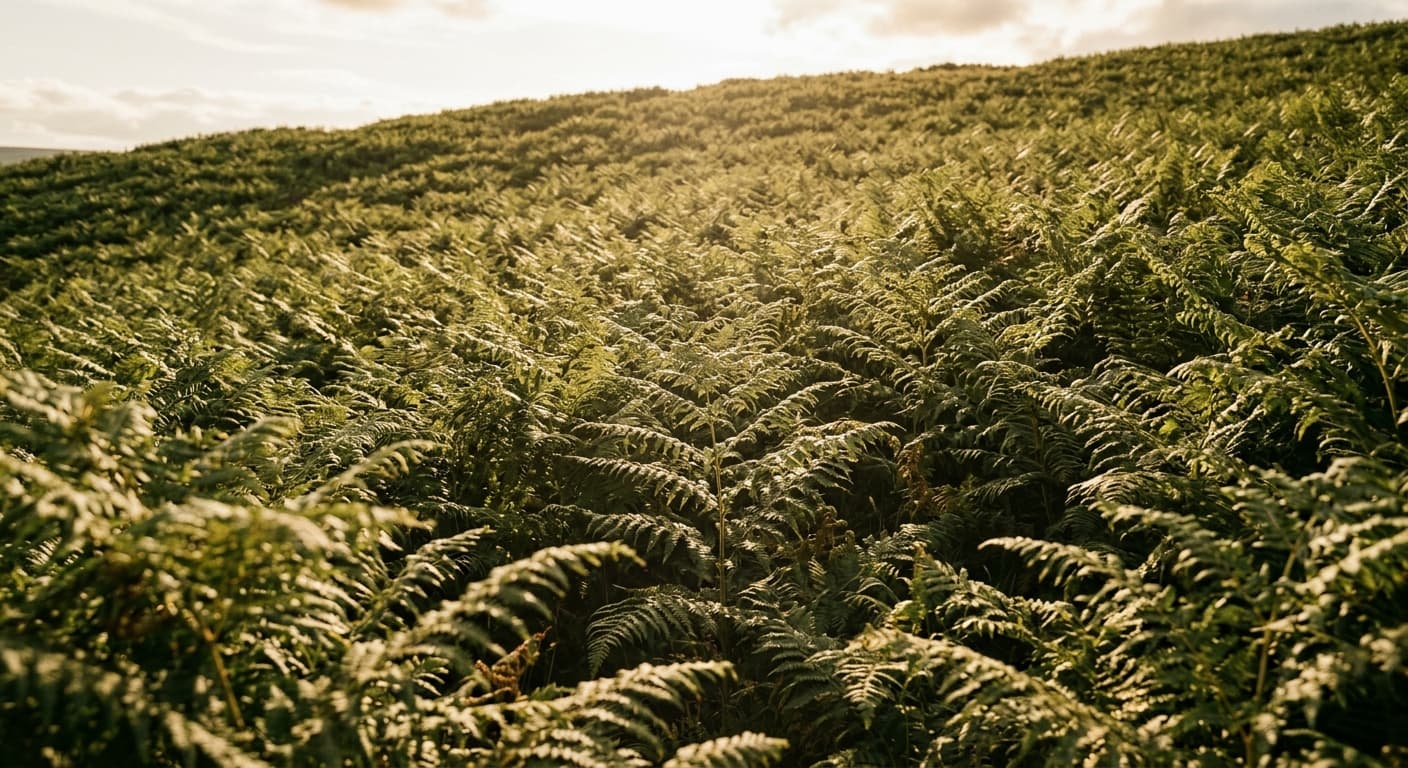
The Bracken Advance: When One Fern Decides to Own the Entire Hillside
Bracken spreads with an underground network of rhizomes and can dominate a hillside, but this native fern can also support wildlife in lighter mosaics.