5 guides
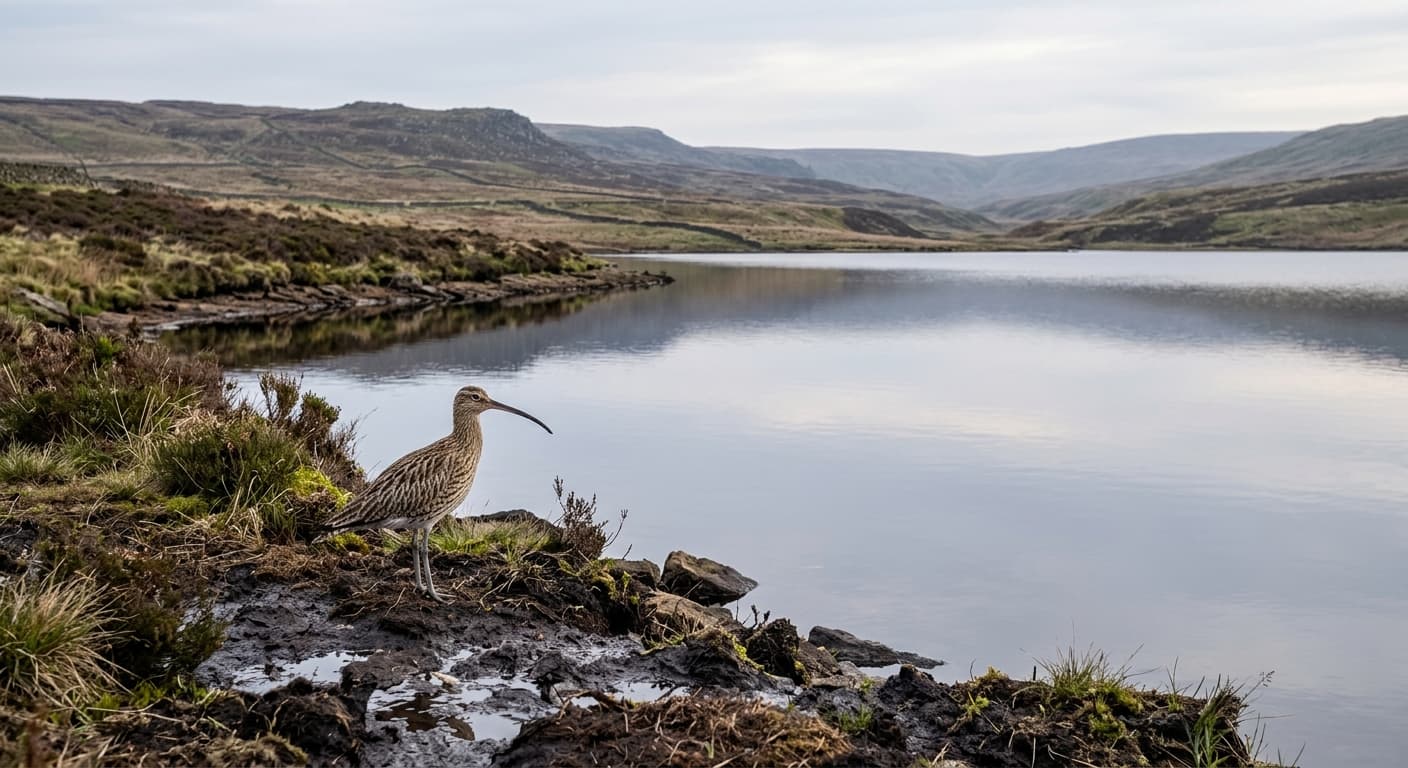
Gorple Reservoirs: Two Dams, One Catchment, One Modern Owner
Upper and Lower Gorple reservoirs sit half a mile apart in the Cliviger Gorge, built by different authorities two decades apart but now part of the same managed water-supply system. Any historical boundary between them has long since dissolved into unified catchment management.
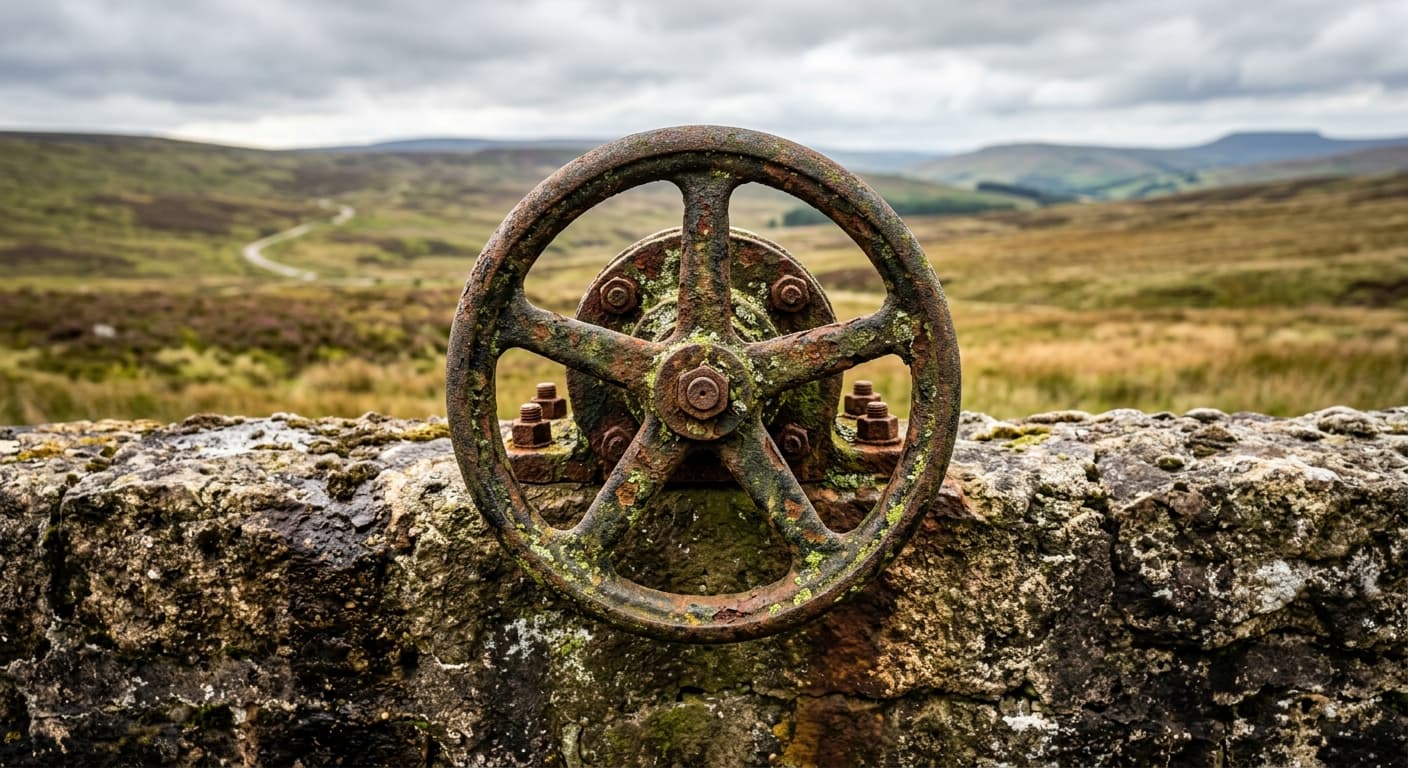
The Wessenden Valley Chain: Four Reservoirs Built for Mills and Huddersfield
Wessenden, Wessenden Head, Blakeley, and Butterley reservoirs climb the valley in stepped sequence, built between 1870 and 1908 to supply local textile mills and Huddersfield's growing demand. The chain never fed Bradford by gravity over fourteen miles; it served a different watershed entirely.
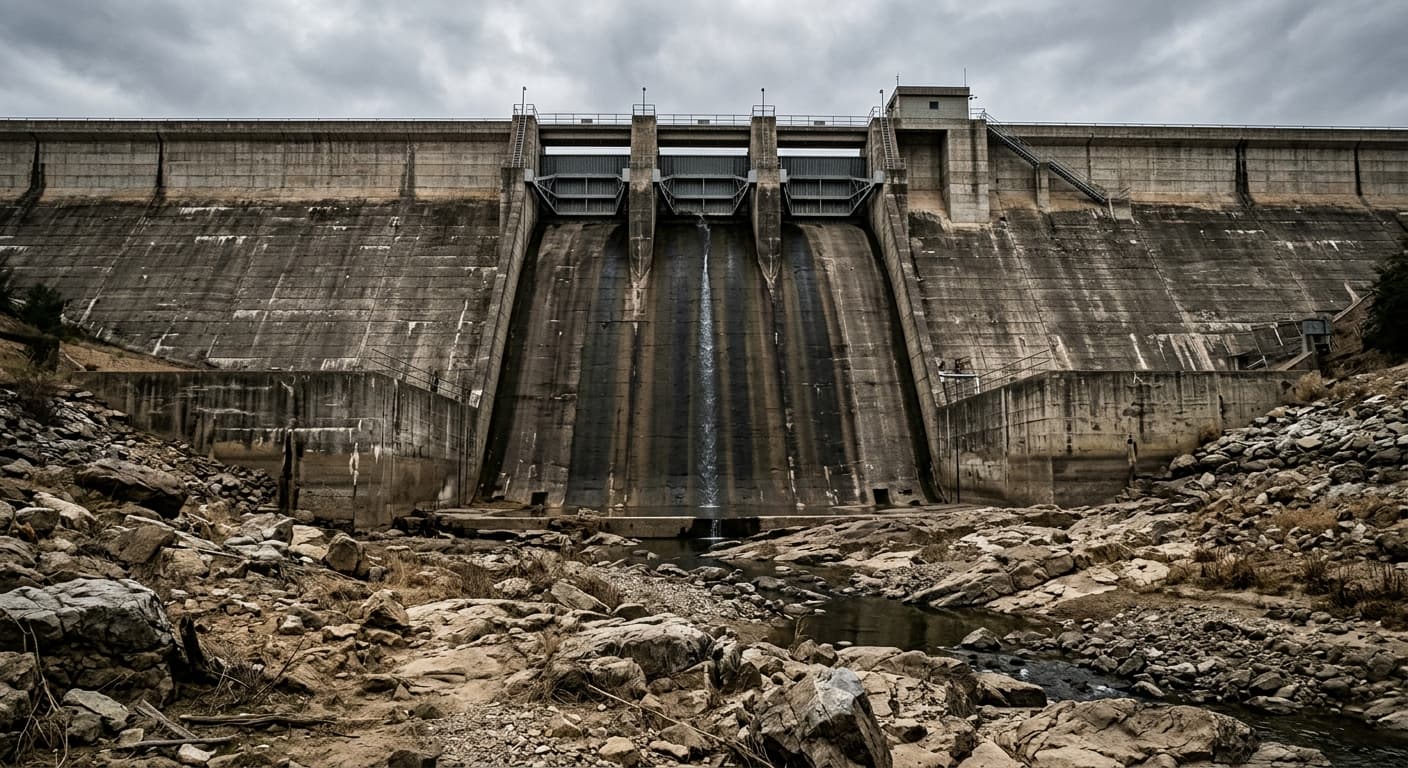
Chelburn Reservoir: The Idea of Compensation Flow, If Not the Fine Print
Reservoirs like Chelburn can be required to release compensation water downstream to sustain river ecosystems below the dam. The principle is real and enforced, but the specific claim of daily fixed minimums, live Environment Agency monitoring, and automatic penalties at Chelburn itself lacks supporting evidence.
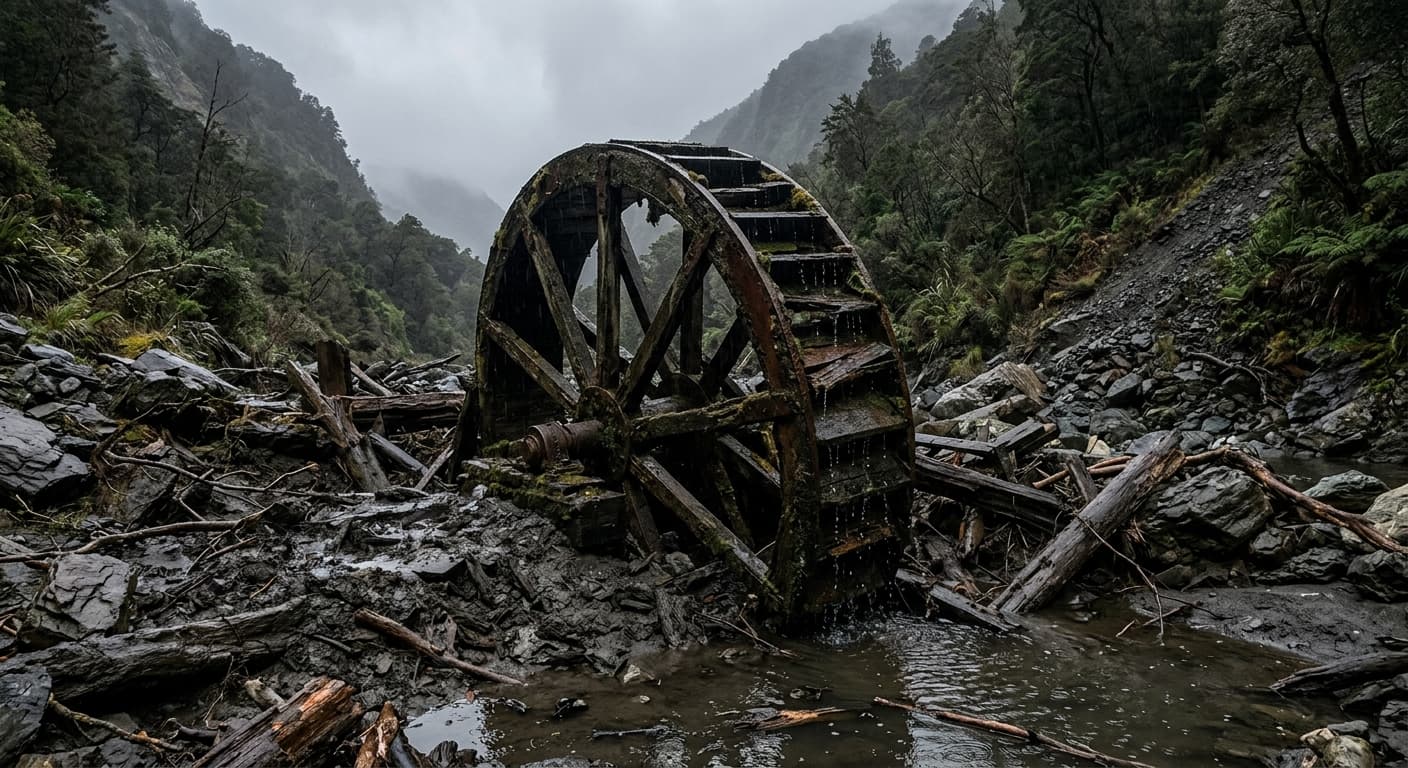
Bilberry Reservoir: The 1852 Dam Failure That Killed Eighty-One and Changed Nothing Quickly
When the Bilberry dam collapsed before dawn on 5 February 1852, eighty-one people died in the Holme Valley below. The disaster became a landmark case in reservoir-safety history, but meaningful regulatory reform took far longer than three years to arrive, despite the scale of the tragedy.
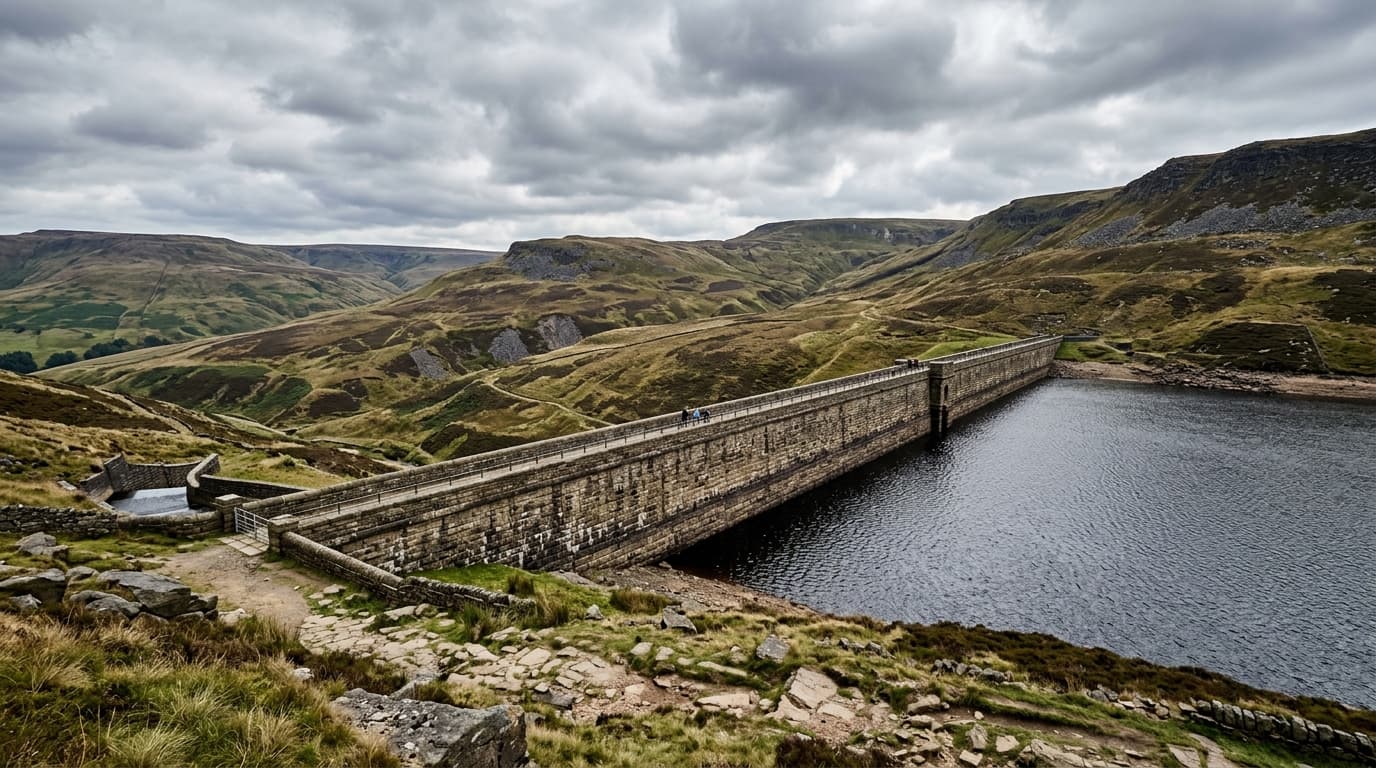
Blackstone Edge Reservoir: When the Roman Road Runs Alongside the Dam
Blackstone Edge Reservoir sits just below the stretch of paved track that might be a Roman road, might be a medieval packhorse route, and definitely predates the reservoir by centuries. The water board built the dam; archaeologists are still arguing about what runs past it.