11 guides
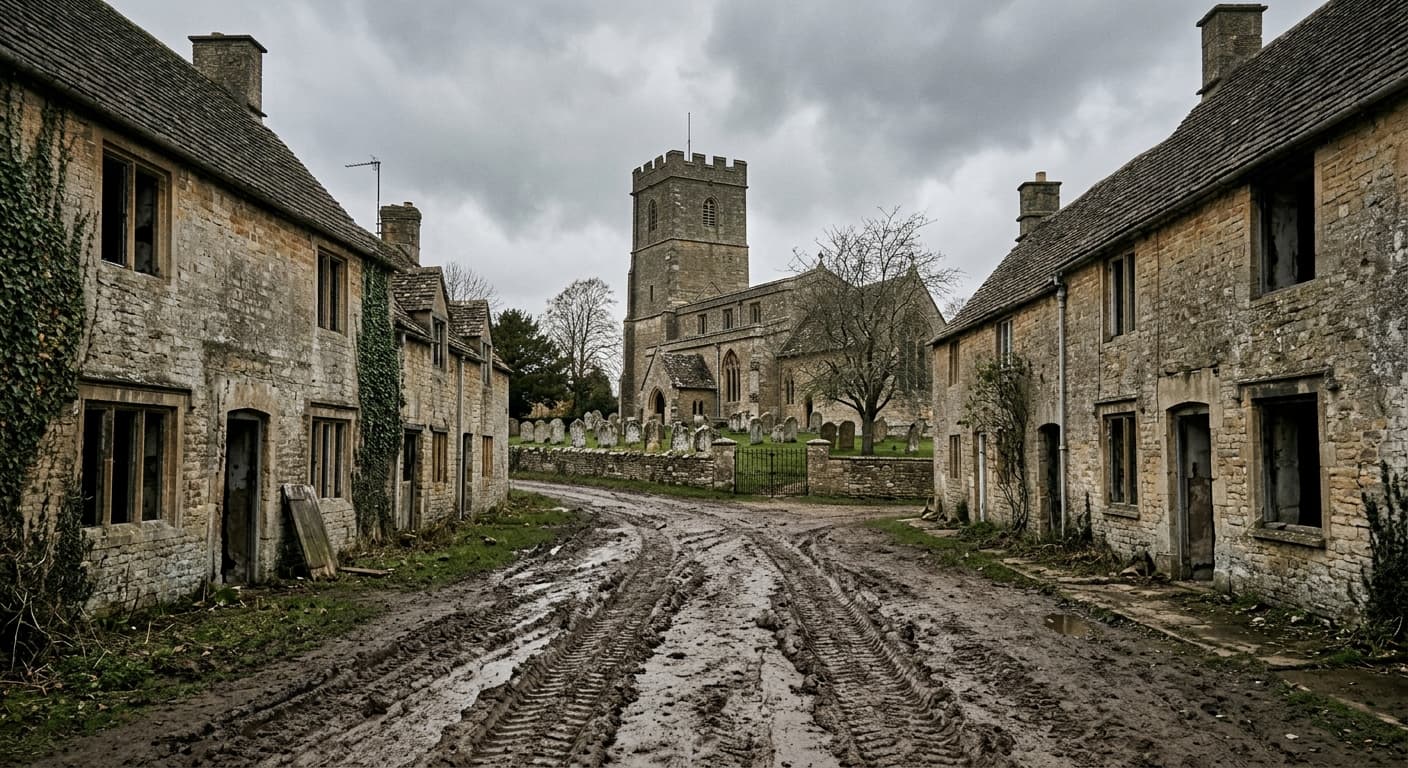
Imber: The Wiltshire Village Requisitioned for D-Day and Never Given Back
Imber's residents were evacuated in 1943 for military training exercises, promised they could return after the war. The War Office kept the land, the village remains inside an army training area, and the church opens once a year.
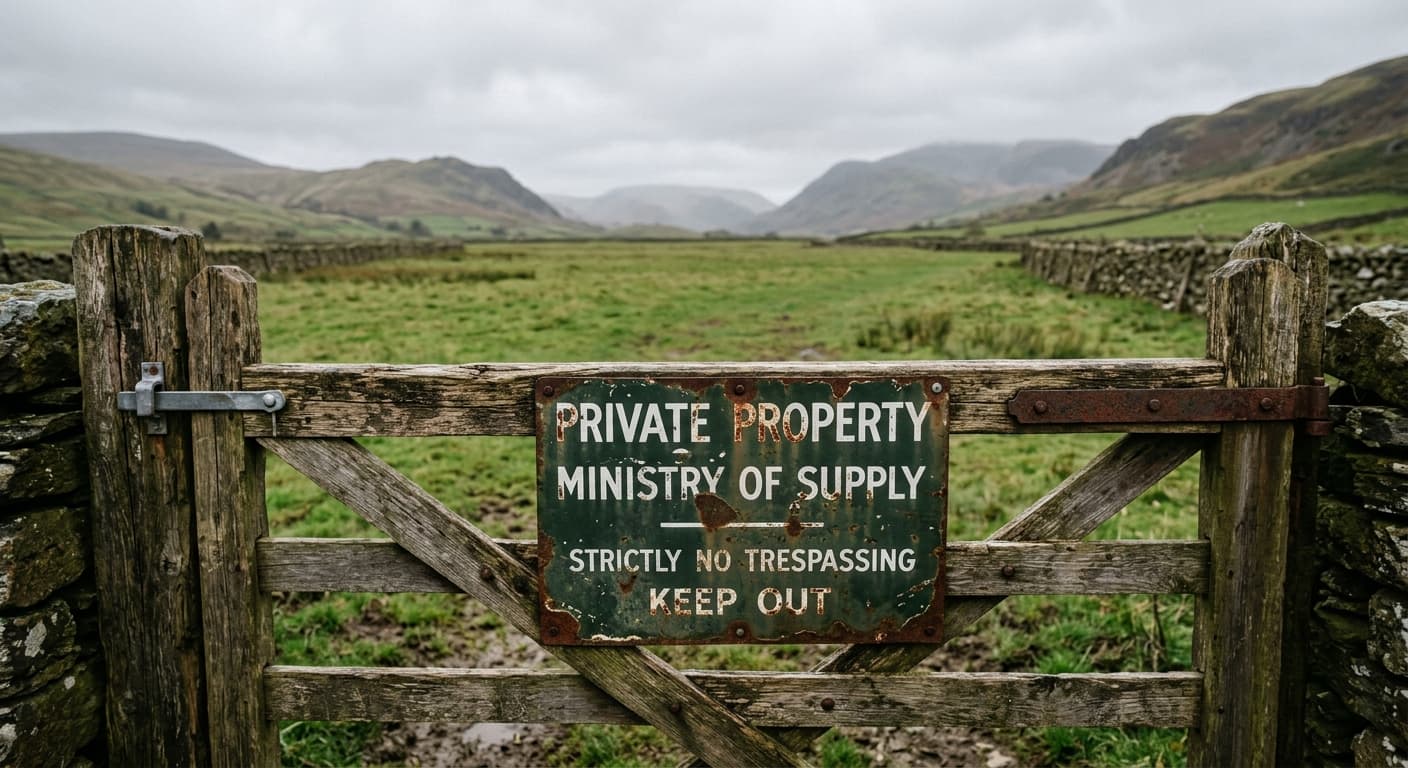
The Sellafield Buffer Zone: What Land Was Really Lost to Nuclear Expansion
When Windscale became Sellafield, the nuclear site did require land — but the scale of displacement has been considerably mythologised. Research confirms that three farms in particular were affected by compulsory purchase, a significant disruption for those families but a far cry from the folklore of vanished hamlets swallowed wholesale by atomic ambition. The real story is more measured, though no less worth remembering.
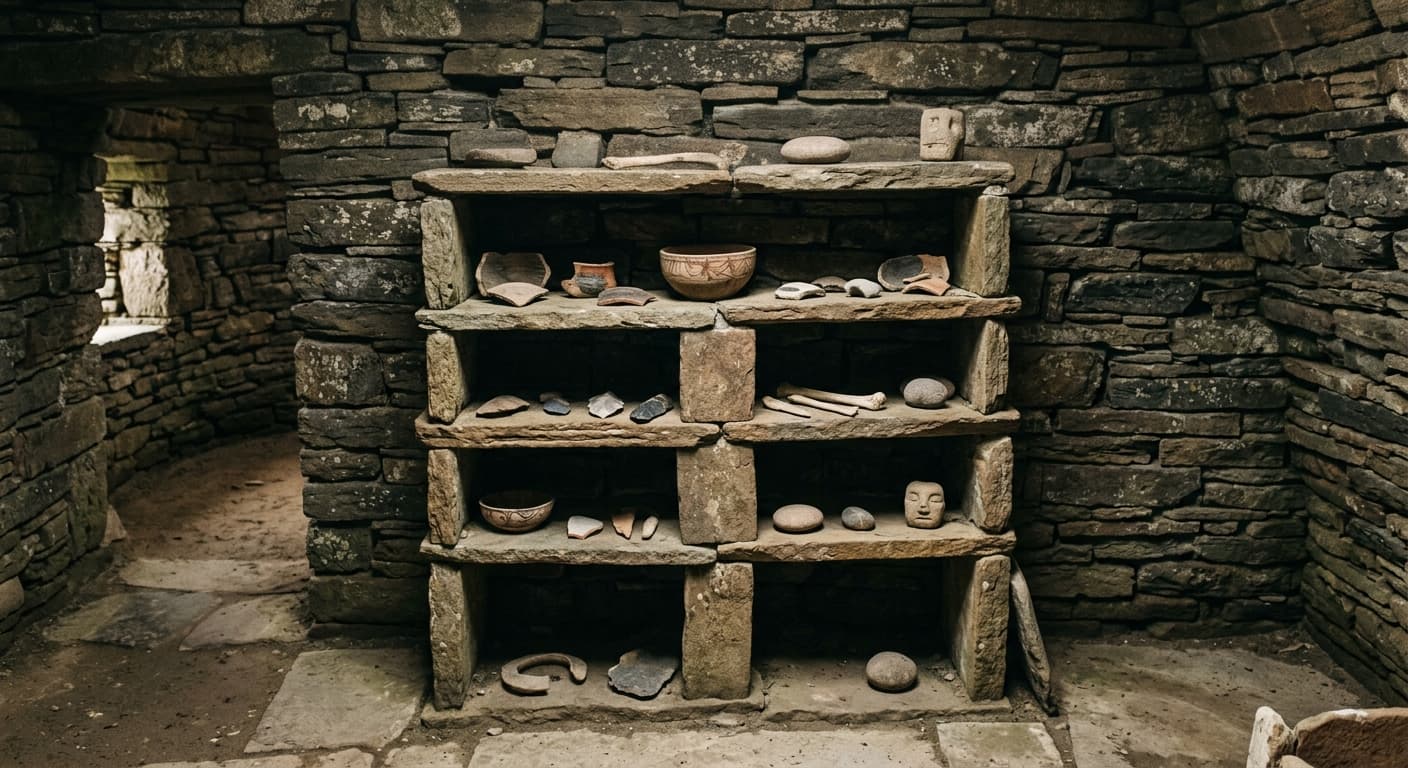
Skara Brae: When a Storm Uncovered a Neolithic Village in 1850
Skara Brae wasn't lost through modern displacement—it was abandoned around 2500 BCE and buried by sand until winter gales stripped the dunes from an Orkney bay. The stone furniture and hearths survived because nobody knew they were there.
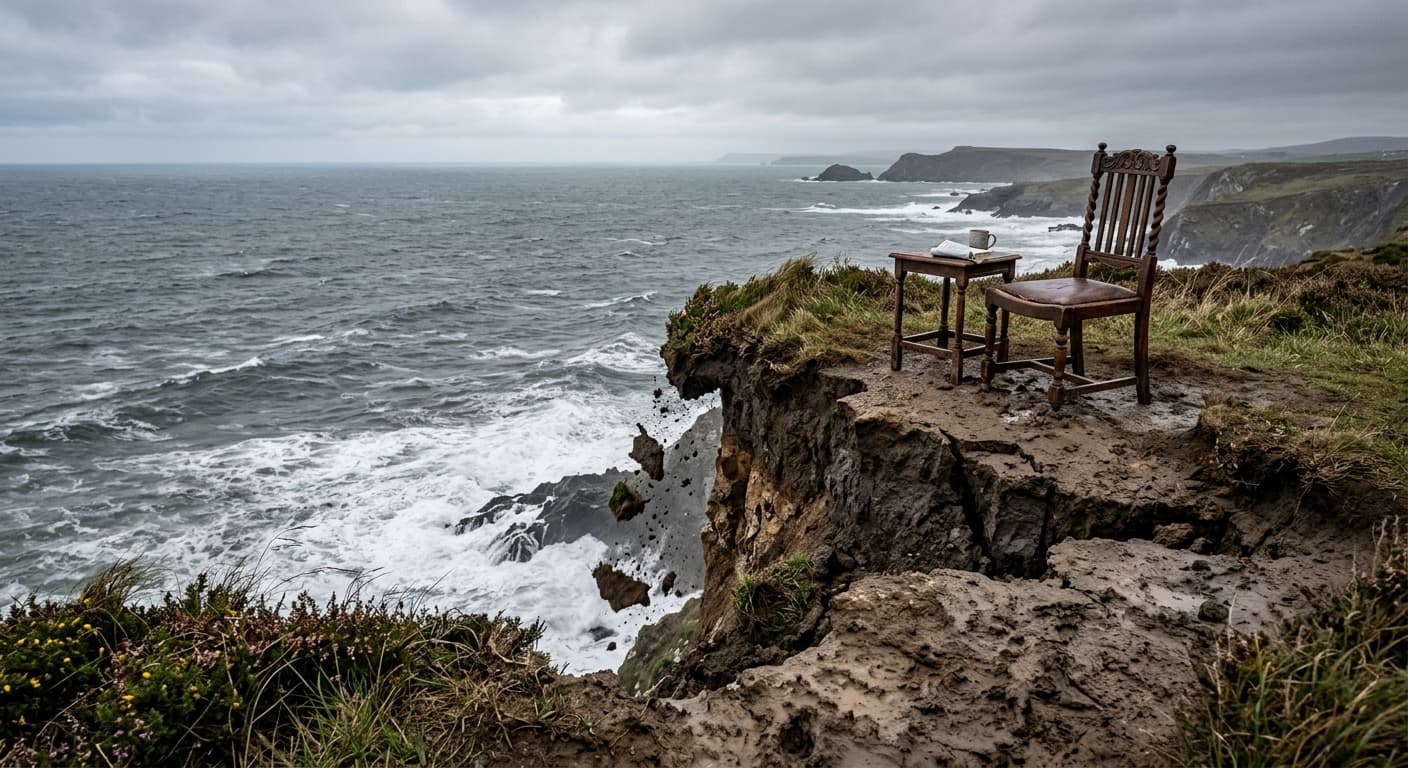
Hampton-on-Sea: When Erosion Took a Victorian Resort One House at a Time
Hampton-on-Sea was a planned resort on the north Kent coast, developed in the 1860s with a pier and hotel. Coastal erosion began immediately, the sea wall failed repeatedly, and by 1916 the last building had fallen into the water.
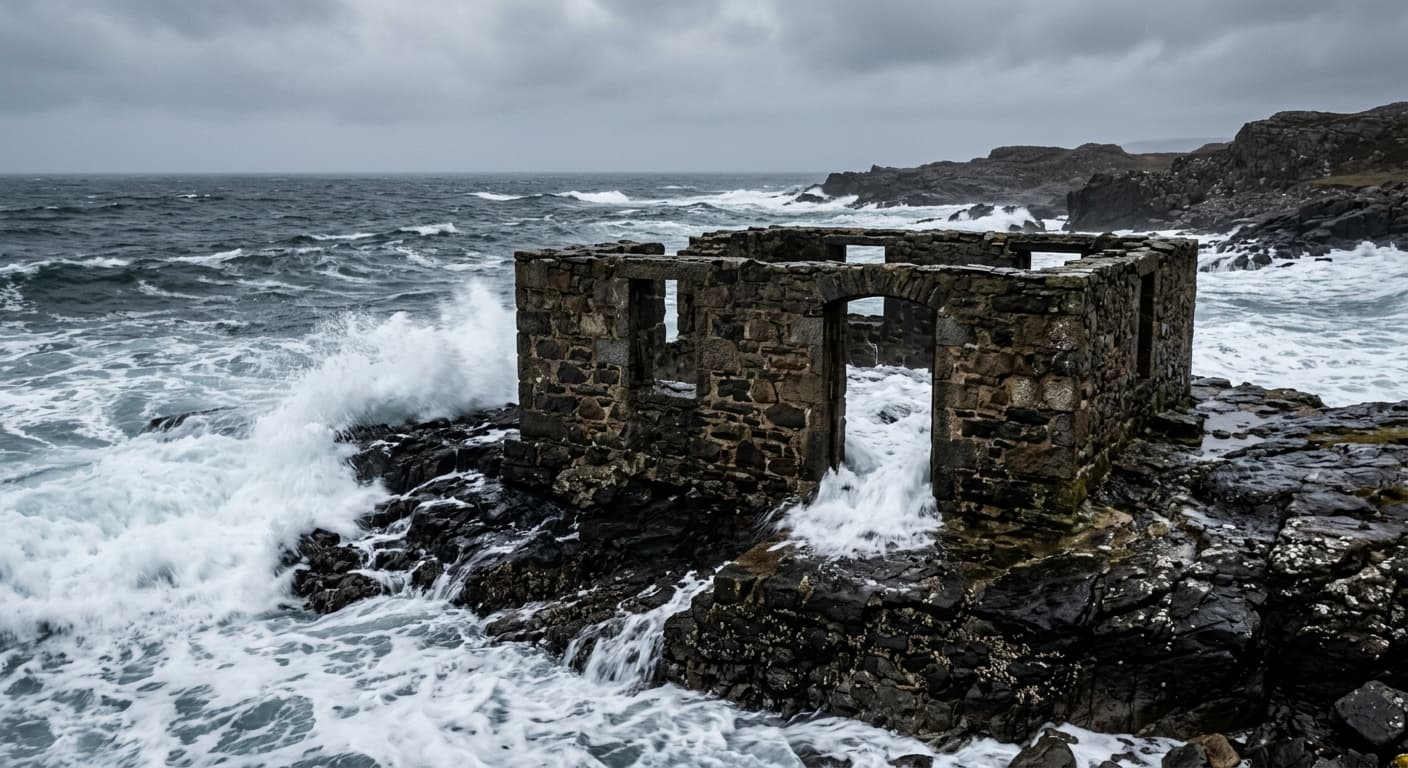
Hallsands: When the Sea Took a Devon Fishing Village in a Single Storm
Hallsands was a working South Devon fishing village until dredging offshore removed the protective shingle bank. When the January 1917 storm arrived, twenty-nine houses collapsed into the sea, and the community never rebuilt.
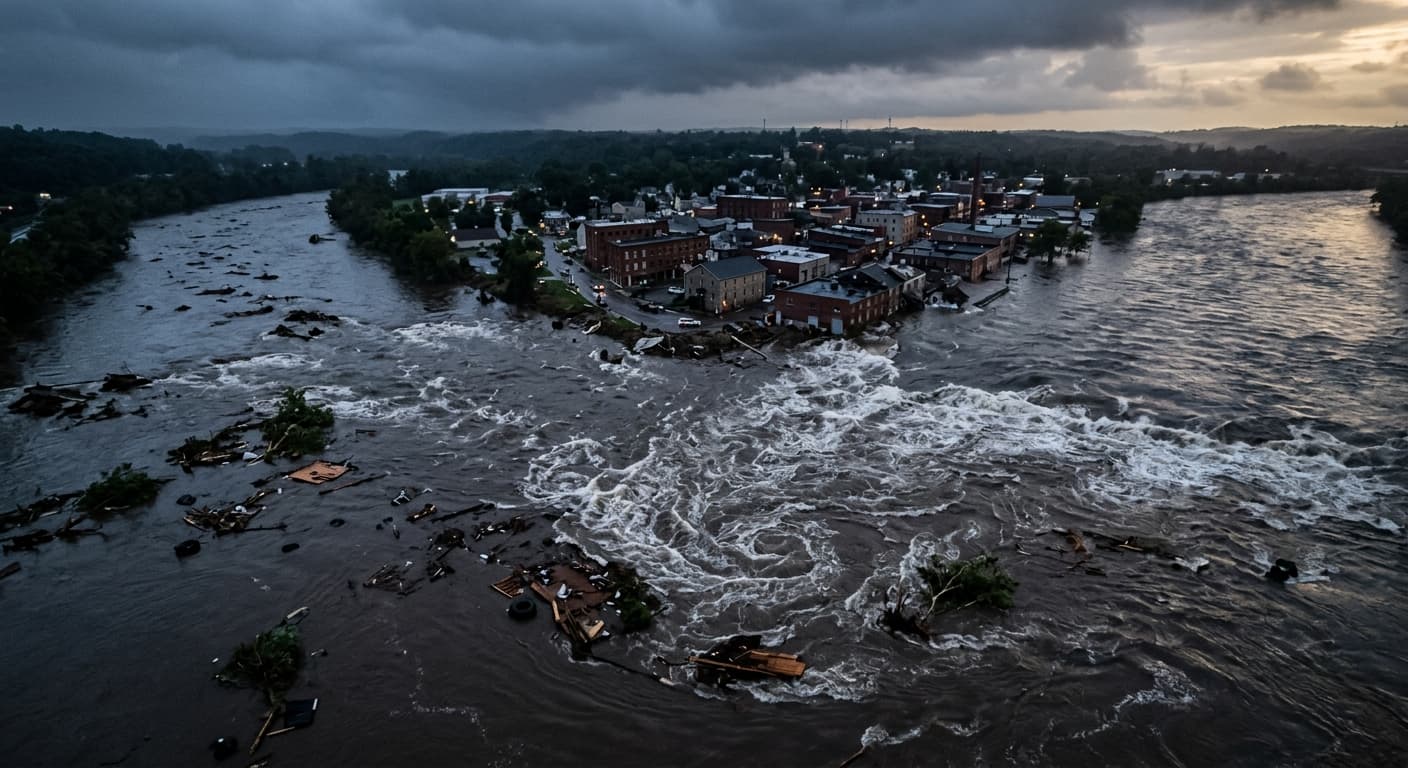
The Lynmouth Flood of 1952: When Two Rivers Destroyed a Village in One Night
On 15 August 1952, exceptional rainfall sent two rivers crashing through a Victorian resort, killing thirty-four people and obliterating buildings, roads, and bridges. The damage was catastrophic, the rebuilding total, and Exmoor's valleys proved how fast they drain when the rain won't stop.
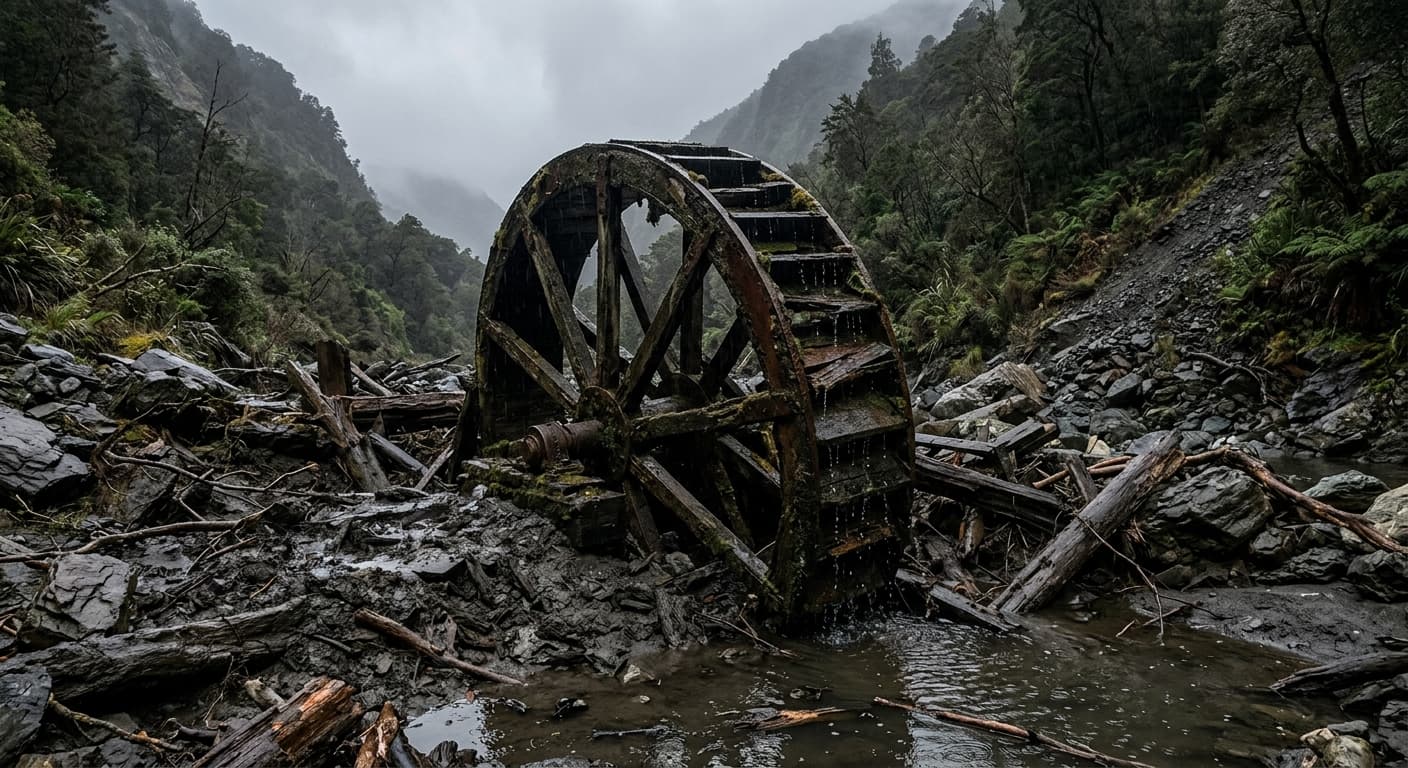
Bilberry Reservoir: The 1852 Dam Failure That Killed Eighty-One and Changed Nothing Quickly
When the Bilberry dam collapsed before dawn on 5 February 1852, eighty-one people died in the Holme Valley below. The disaster became a landmark case in reservoir-safety history, but meaningful regulatory reform took far longer than three years to arrive, despite the scale of the tragedy.
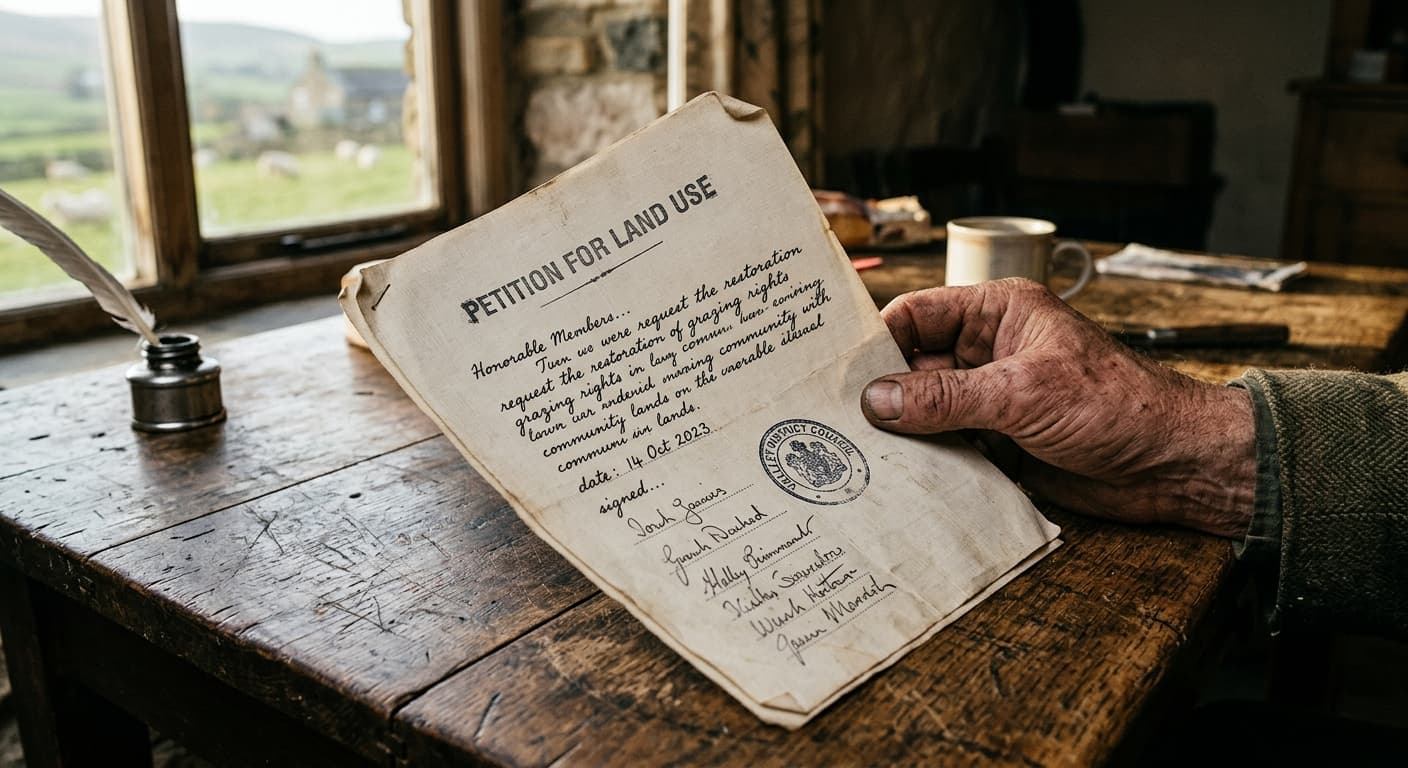
Mardale Green: The Hamlet Submerged Beneath Haweswater
Mardale Green was a small Lakeland farming hamlet, not a town of fifty families. Its documented story explains how Manchester Corporation enlarged Haweswater—and what can still be seen when water levels fall.

Derwent Beneath Ladybower: Village History and Dambusters Facts
Derwent was submerged by the Ladybower water scheme, not to create a wartime training ground. The valley does have a real Dambusters connection—but it belongs to the older Derwent dam, not the village church spire.
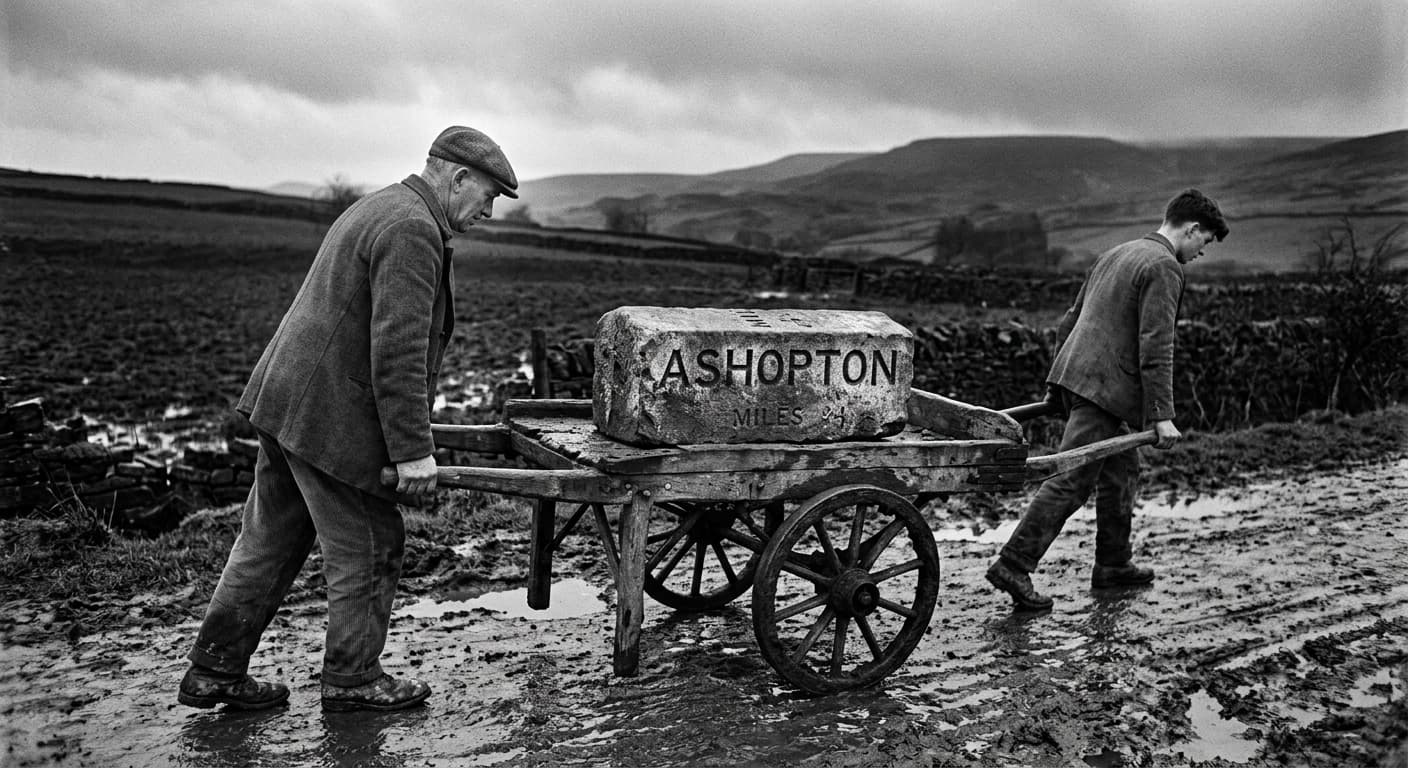
Ashopton: The Village Beneath Ladybower Reservoir
Ashopton did not pick itself up, move east and change its name. The hamlet was demolished for Ladybower Reservoir, while many residents were rehoused in a new estate at Yorkshire Bridge.
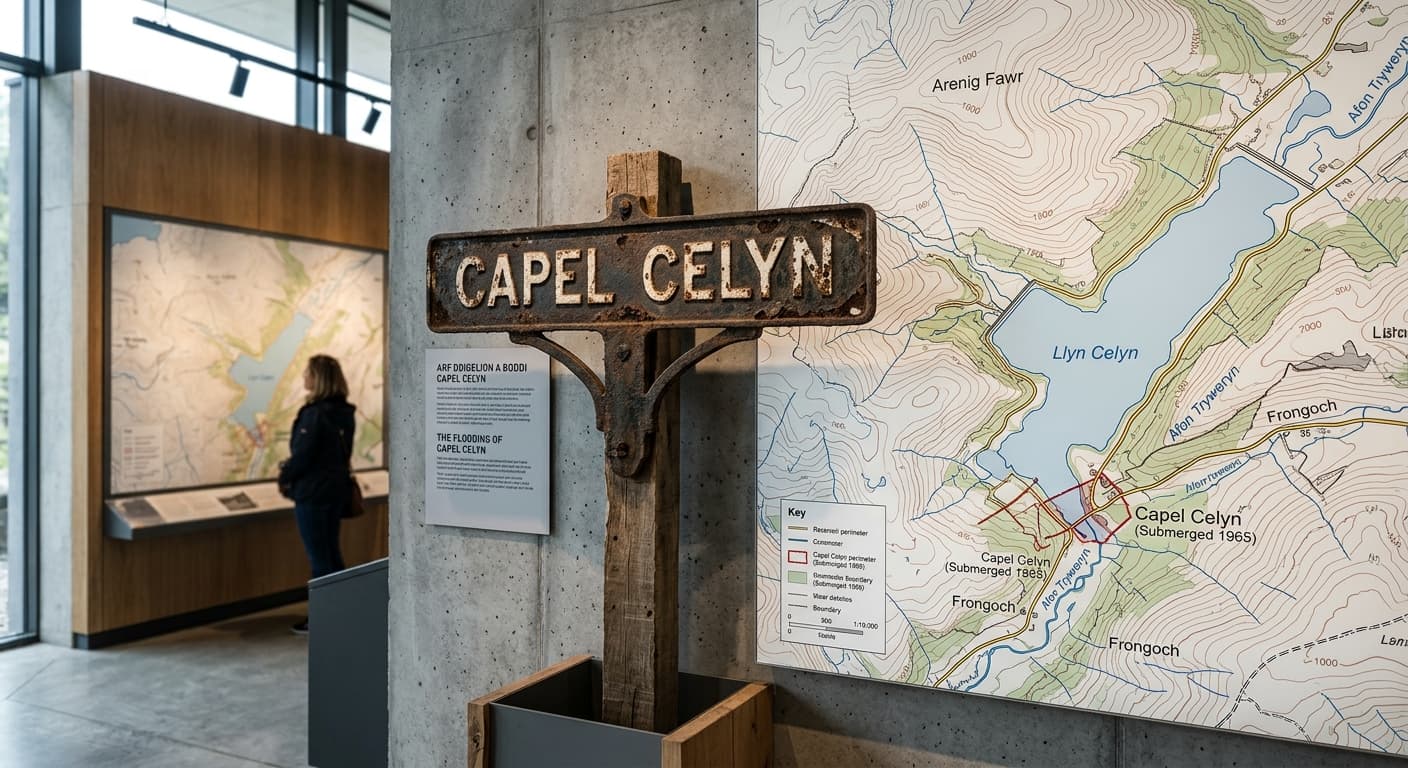
Capel Celyn: The Welsh Village Flooded for Liverpool
Capel Celyn was a Welsh-speaking farming community submerged by Liverpool Corporation's Tryweryn reservoir. Its loss became a defining political symbol—but several familiar statistics and claims need careful correction.