12 guides
What3Words vs Grid References
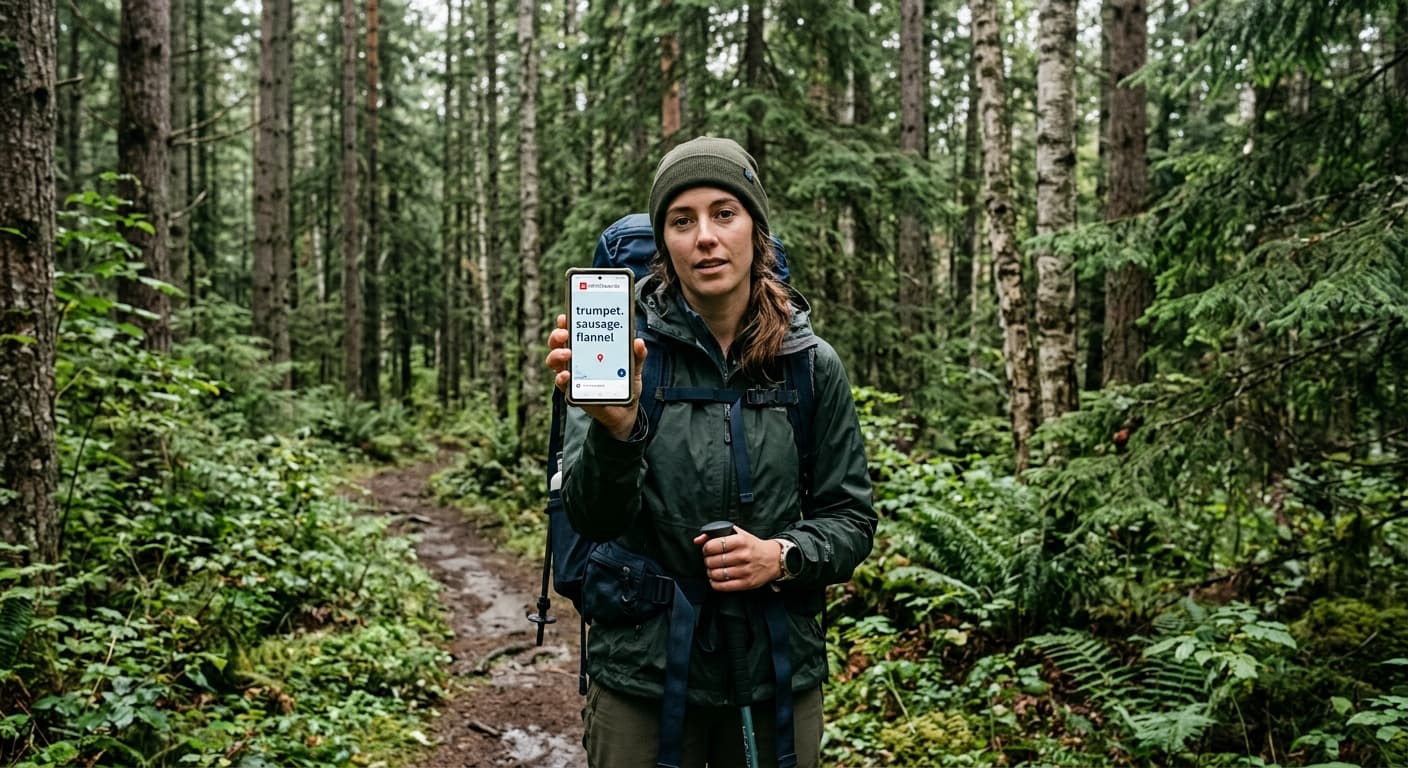
What3Words can display a three-word address using GPS without mobile data, but it still depends on a working phone and should be cross-checked before rescuers rely on it. Grid references work from a paper OS map without signal or battery, but require map-reading skills.
Basic Hill First Aid
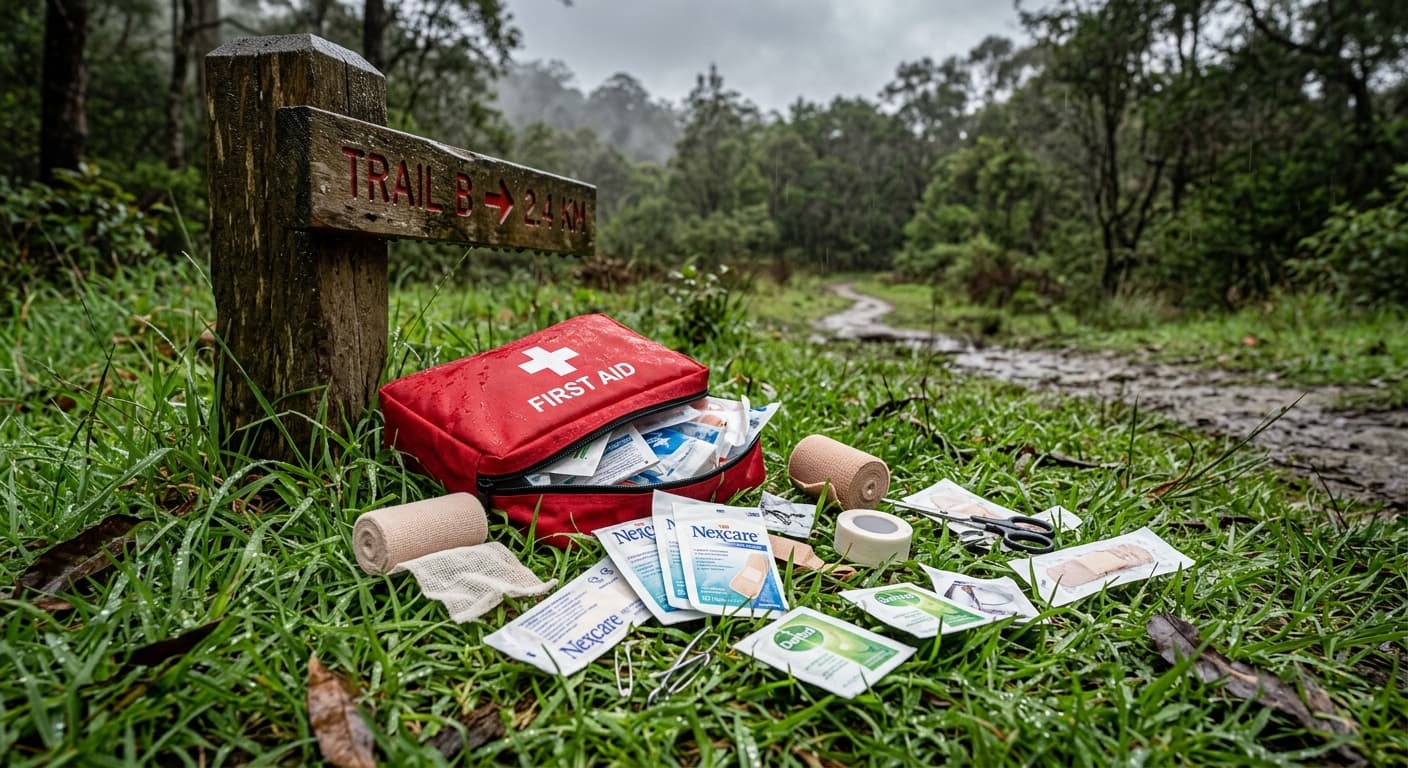
Common hiking problems include blisters, ankle injuries, cuts and hypothermia—not just dramatic trauma. Knowing how to protect a blister, avoid walking on a potentially serious ankle injury, clean and cover wounds, and call 999 for suspected hypothermia addresses problems you may actually encounter.
Calling 999 in the Mountains
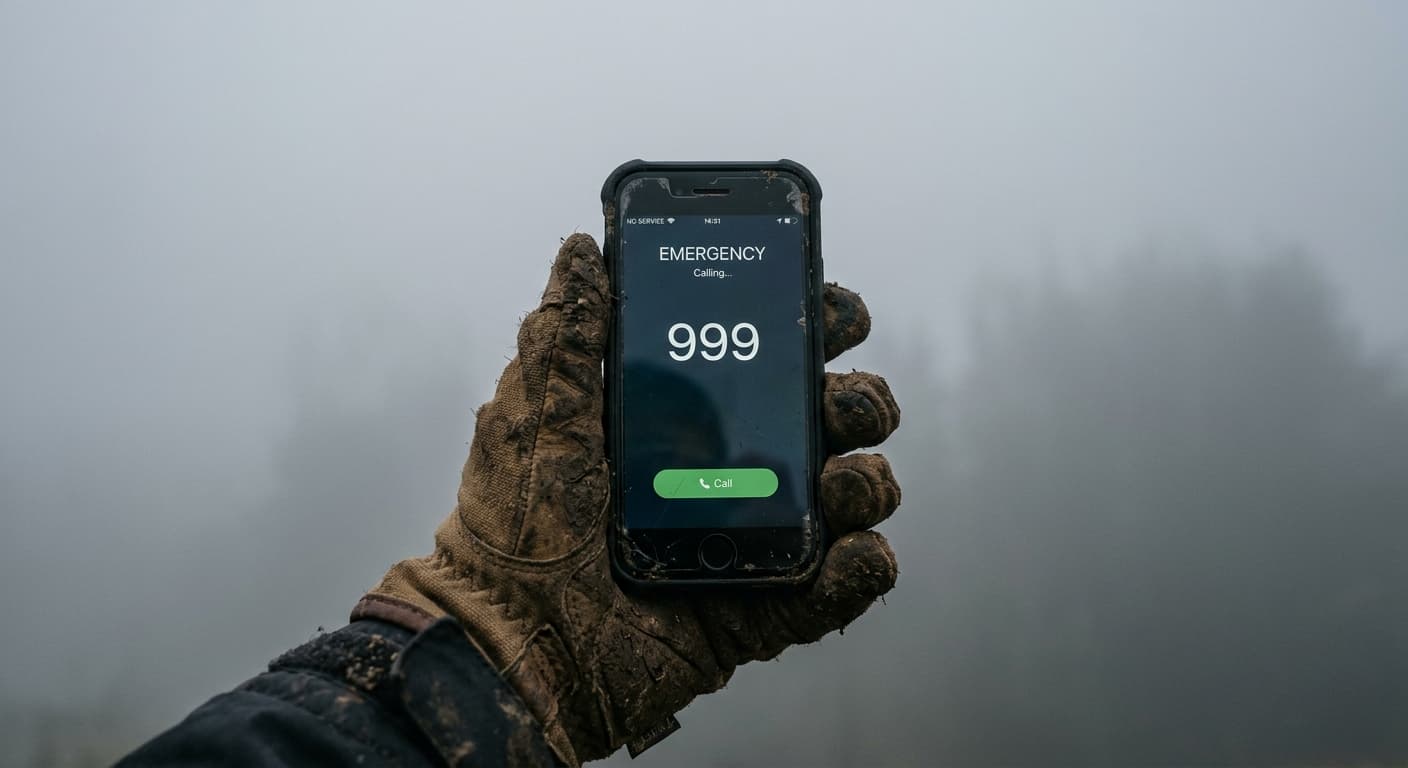
Calling 999 or 112 from mountain terrain means asking for police, then mountain rescue. Give the handler your precise location, casualty and group details, stay where instructed, and keep your phone available because the rescue team may call back.
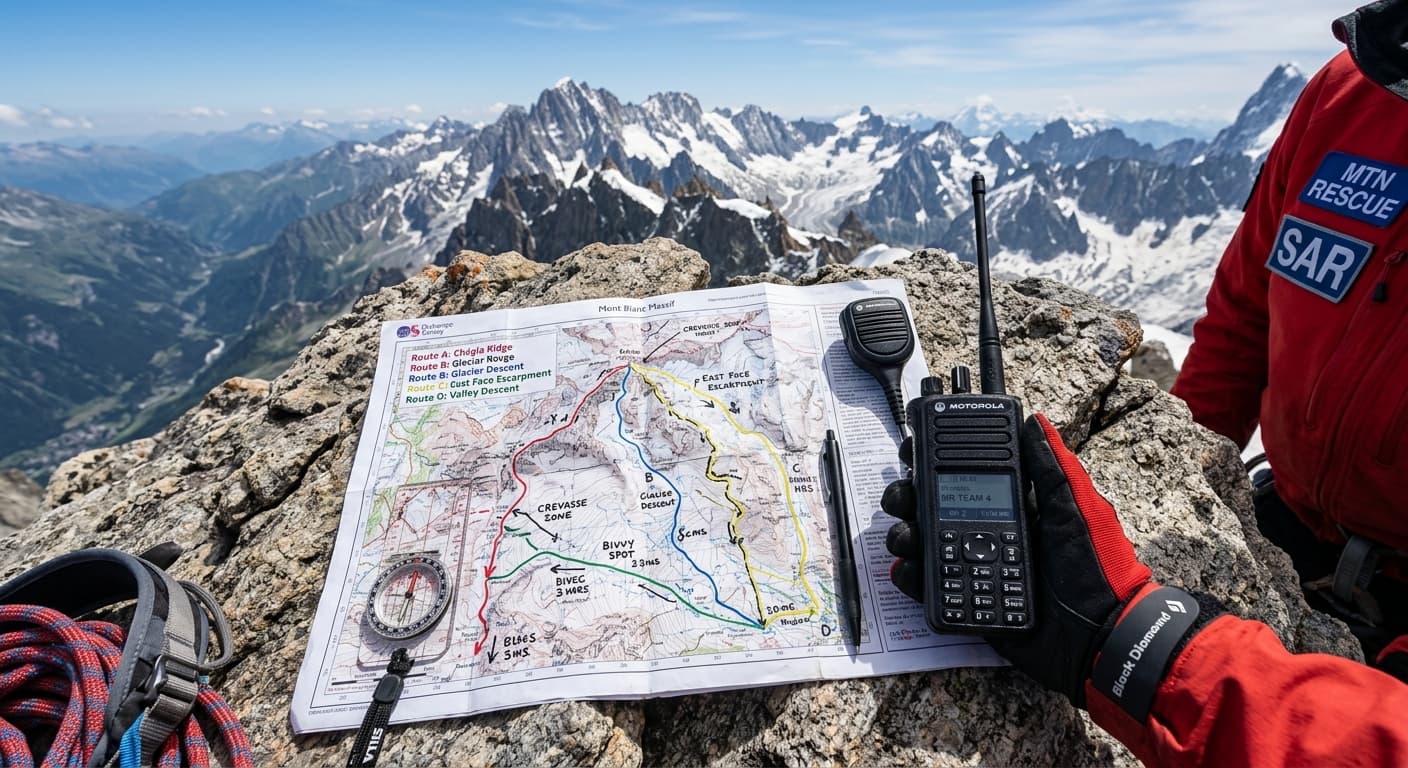
What Mountain Rescue Wants You to Do
Mountain rescue needs accurate information, a known location and a group that avoids unnecessary separation. Call promptly in a genuine emergency, stay put unless directed or in immediate danger, and know how to seek help safely if phone contact fails.
Why the Rescue Helicopter Isn’t Coming
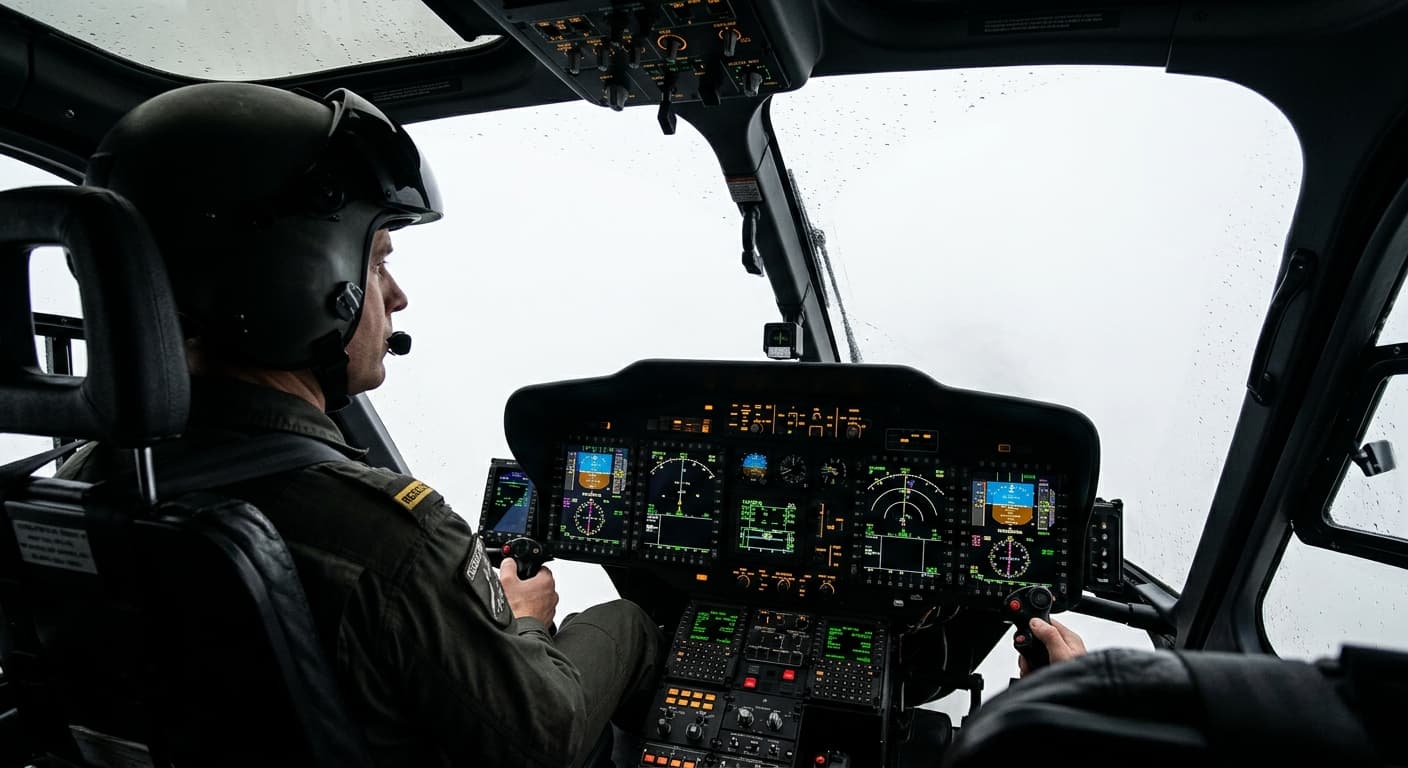
To someone cold and injured on a mountain, rescue can seem simple: send a helicopter. But low cloud can hide the ground, strong winds can make winching impossible and the aircraft may already be dealing with another emergency. This article explains why some of the most difficult rescues begin when the helicopter has to turn back.
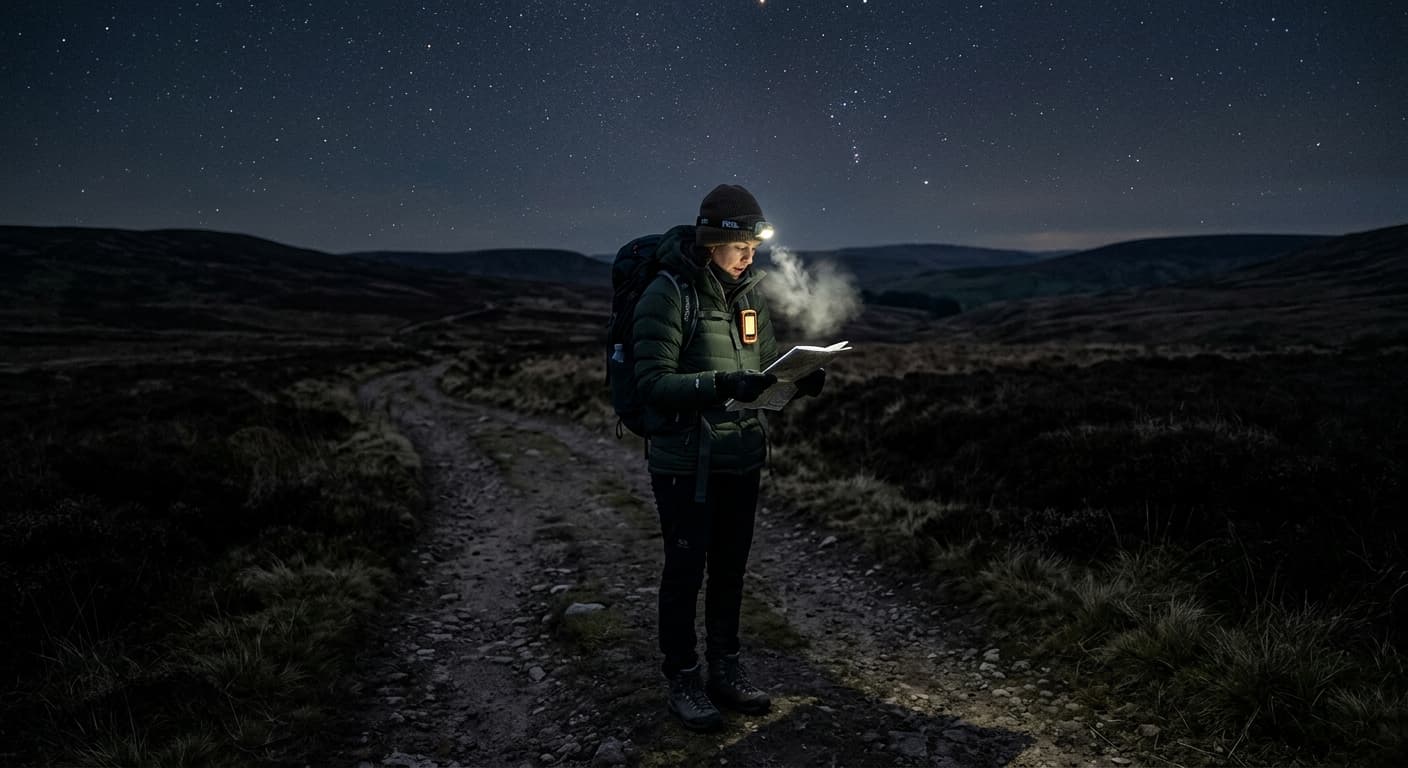
Walking After Dark: Kit, Navigation & Night Hiking Tips
Night walking needs proper lighting, navigation tools and warmer layers. Why terrain and familiarity matter more than fixed time rules.
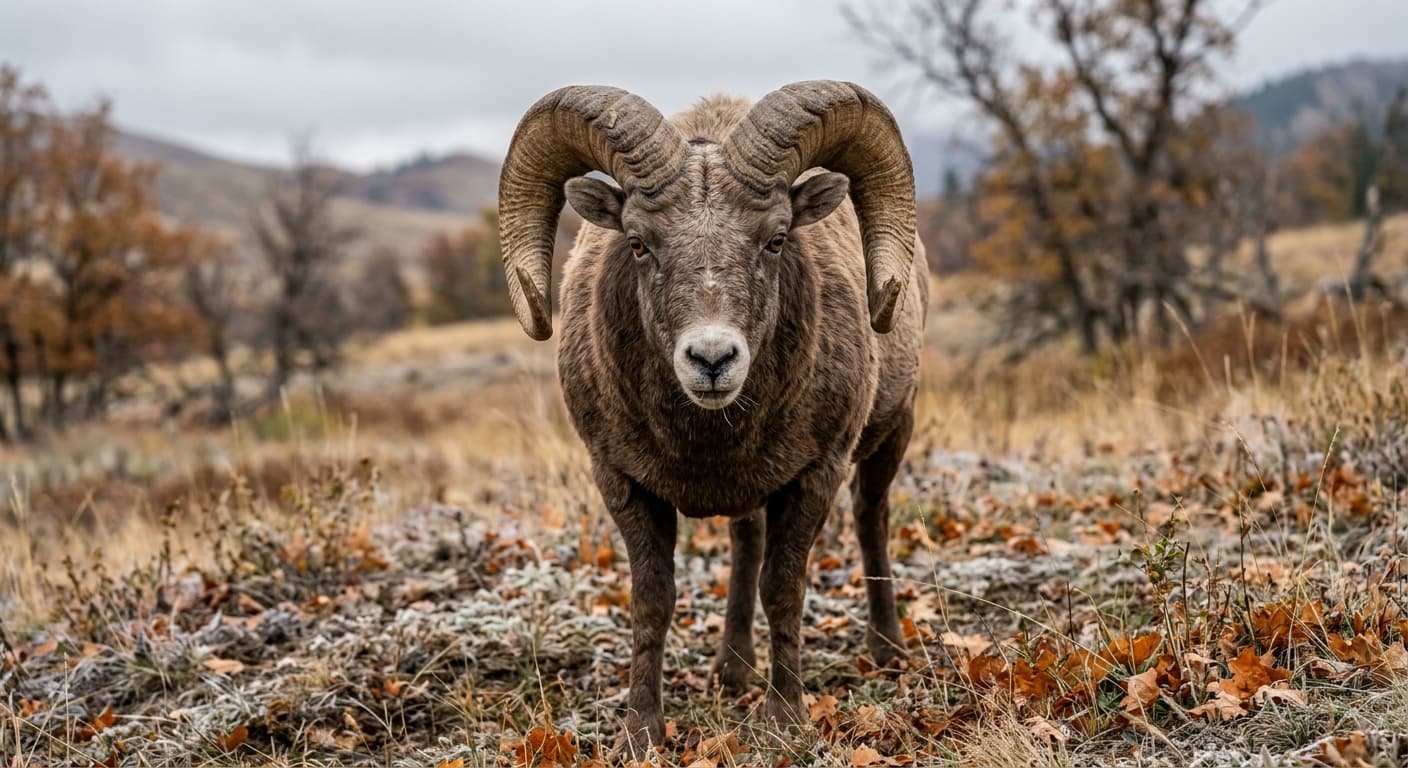
Livestock Safety
Cows with calves, rams during tupping season and any dog near sheep create situations that escalate from calm to dangerous in seconds. Knowing which livestock poses real risk, how to move through fields without triggering defensive behaviour and what to do when an animal approaches prevents most farm-related injuries.
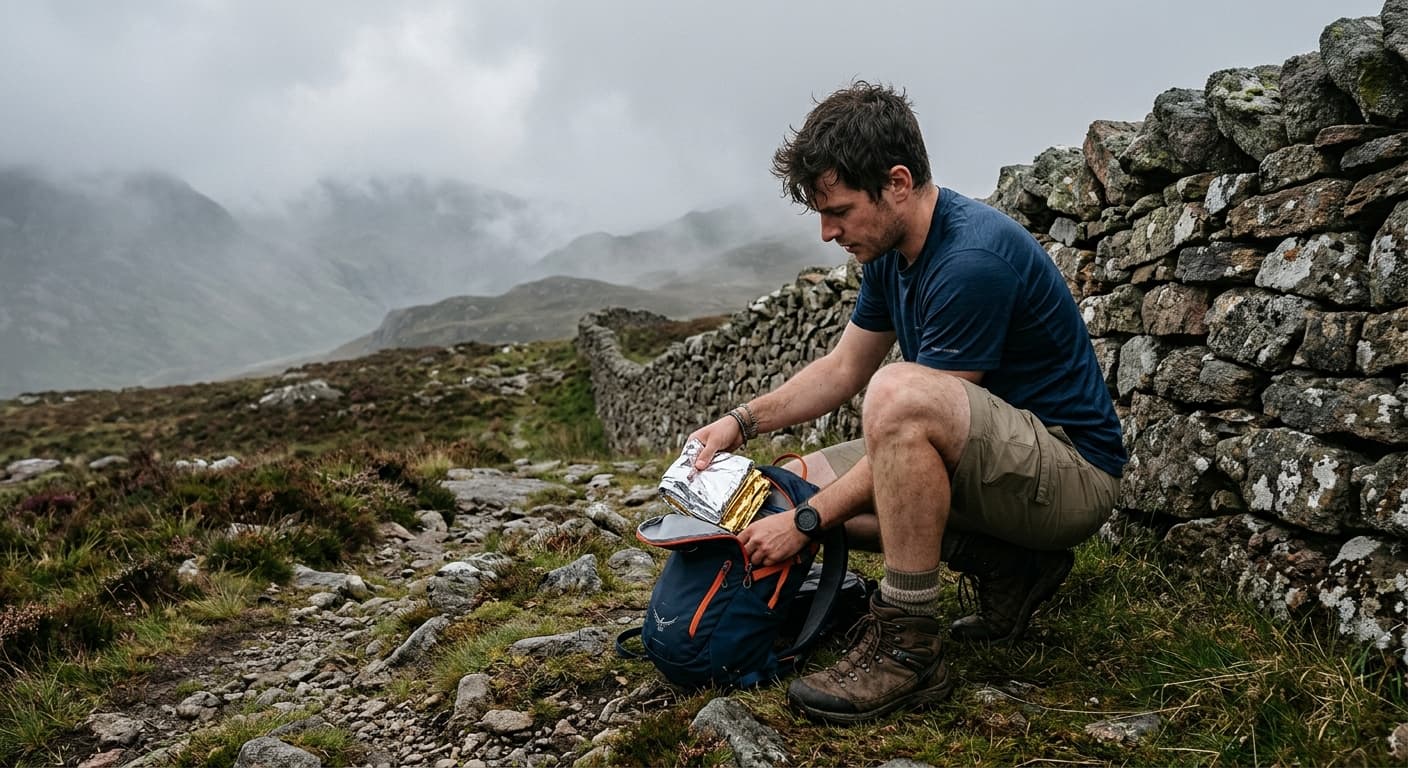
Surviving an Unexpected Night Outdoors
An unexpected night outdoors happens when you're lost, injured, benighted or trapped by weather, and survival means staying dry, maintaining core temperature and making yourself visible—not hiking through darkness or attempting descents you can't see.
When to Turn Back
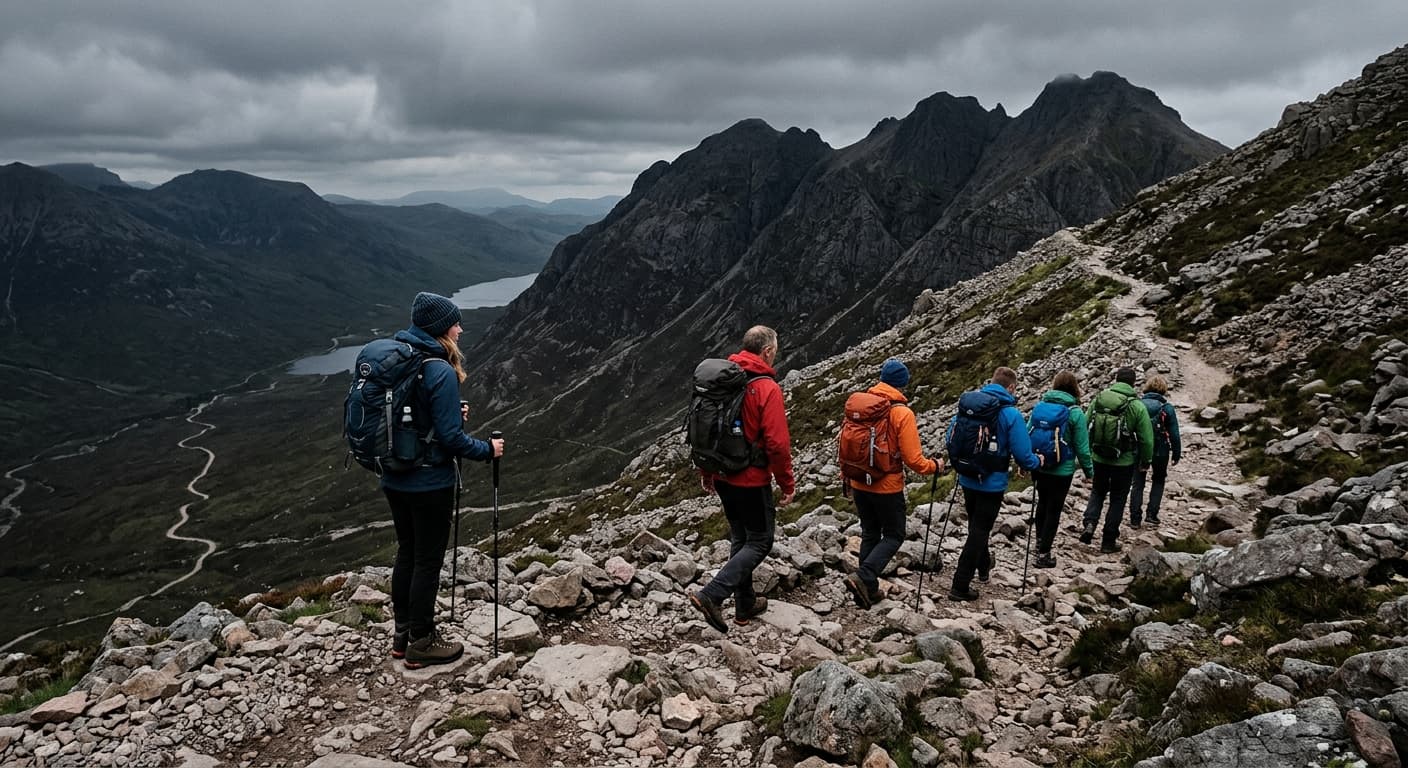
Most groups decide to continue long after conditions suggest retreat. The weather worsens gradually, the path becomes less distinct, someone starts lagging behind. Recognising the decision point before it becomes a rescue prevents most call-outs.
Emergency Shelters Explained
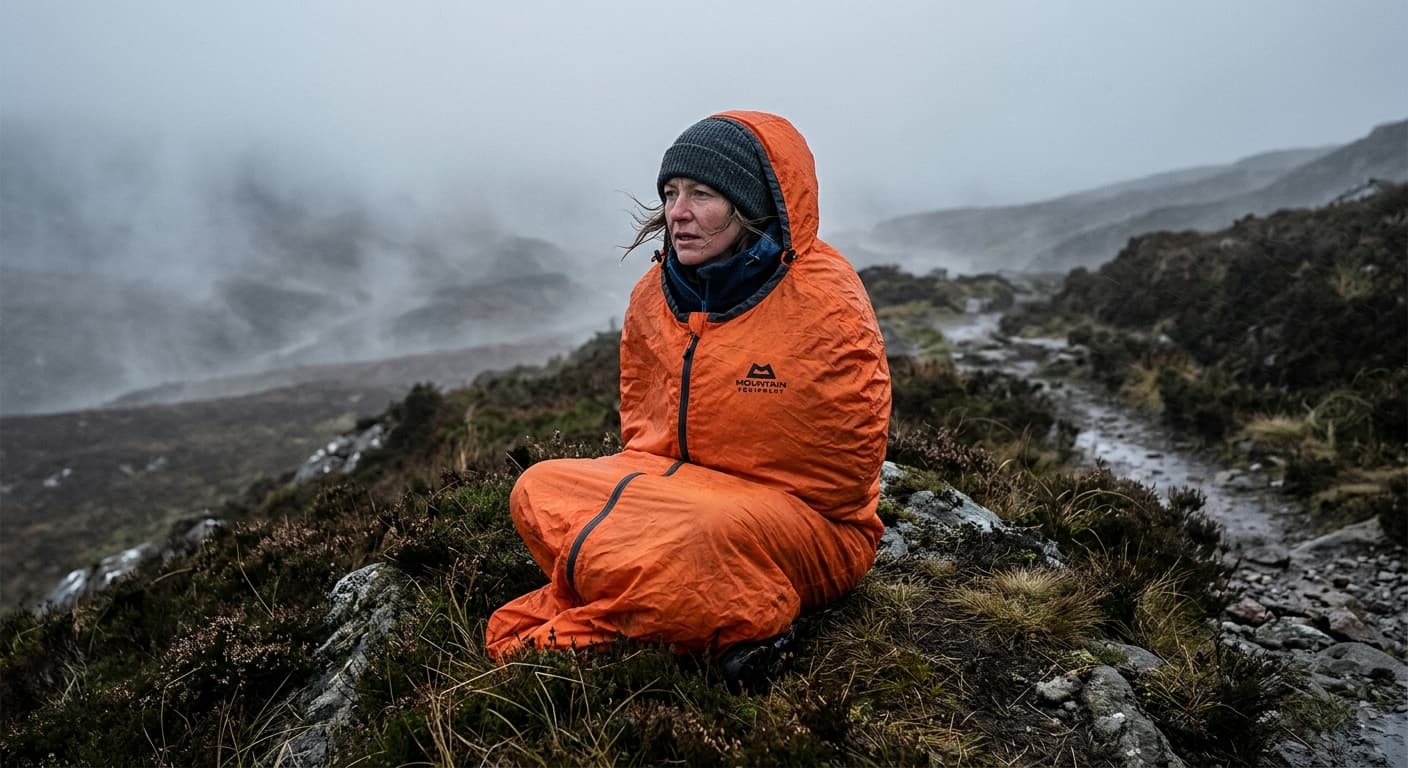
Emergency shelters range from survival bags and group shelters to stone windbreaks and emergency bivvies, each offering different protection, weight and deployment speed. Knowing which does what and when each type matters helps you carry the right one and use it effectively when weather turns or someone needs protecting quickly.
What to Do if Someone Else is Injured
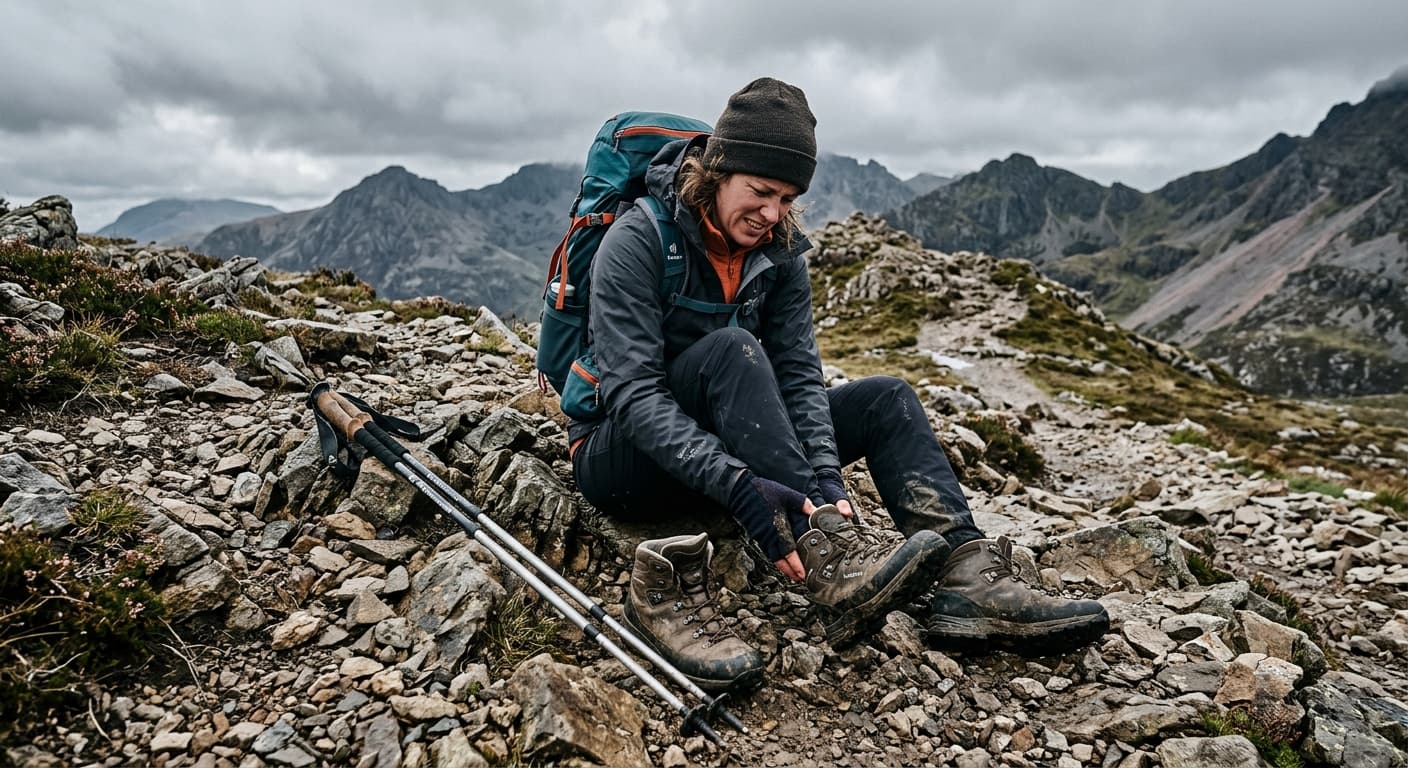
When someone in your group gets injured, you need to assess whether they can walk, keep them warm and calm, decide whether to call for help immediately or attempt self-rescue, and manage the rest of the group—all while making decisions that feel enormous but need making quickly.
What If You Can't Finish the Walk?
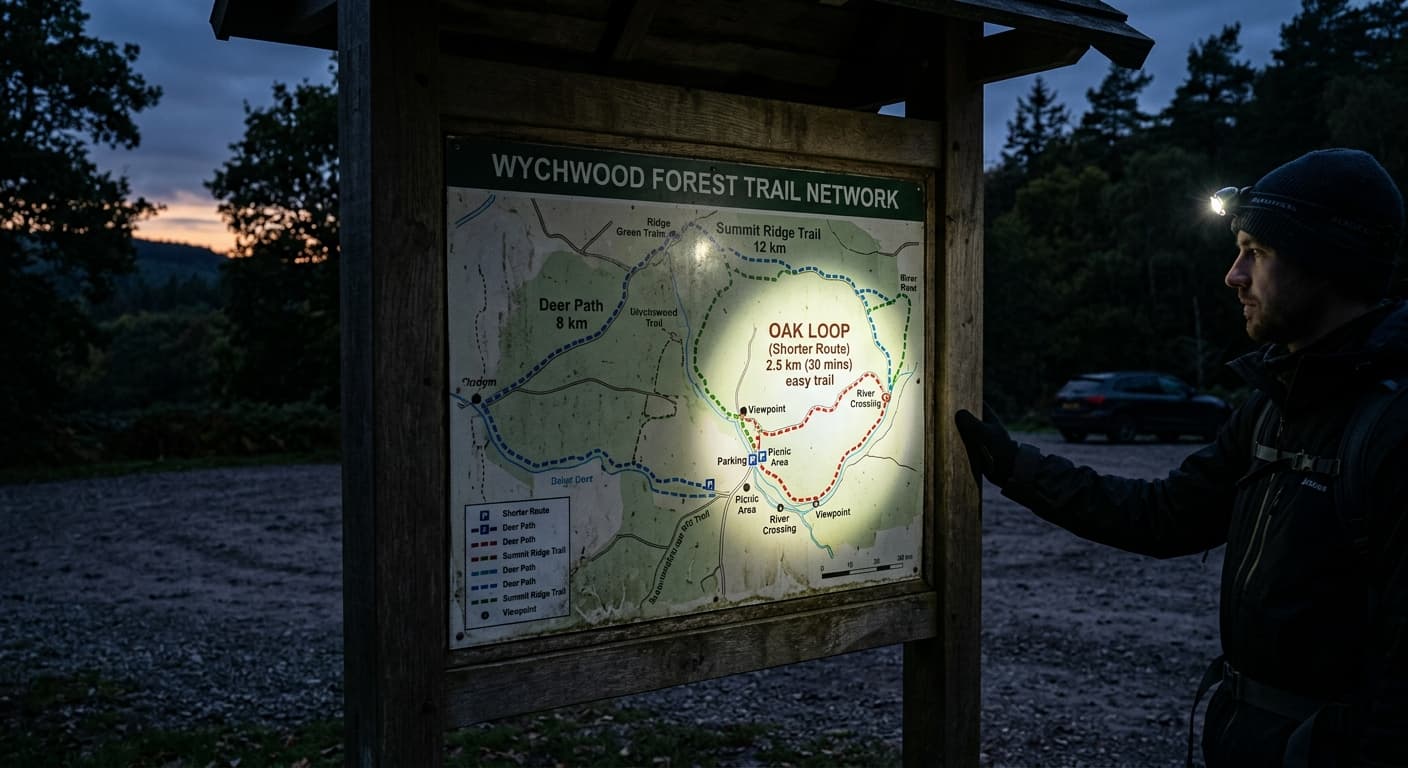
Not finishing a walk means choosing between turning back, using a known escape route, arranging a safe pickup or continuing only if you are equipped and conditions are stable. If nobody can continue safely, call for emergency help. Recognising the problem early keeps more safe options open.