13 guides
Reading avalanche forecasts: what they mean for your route
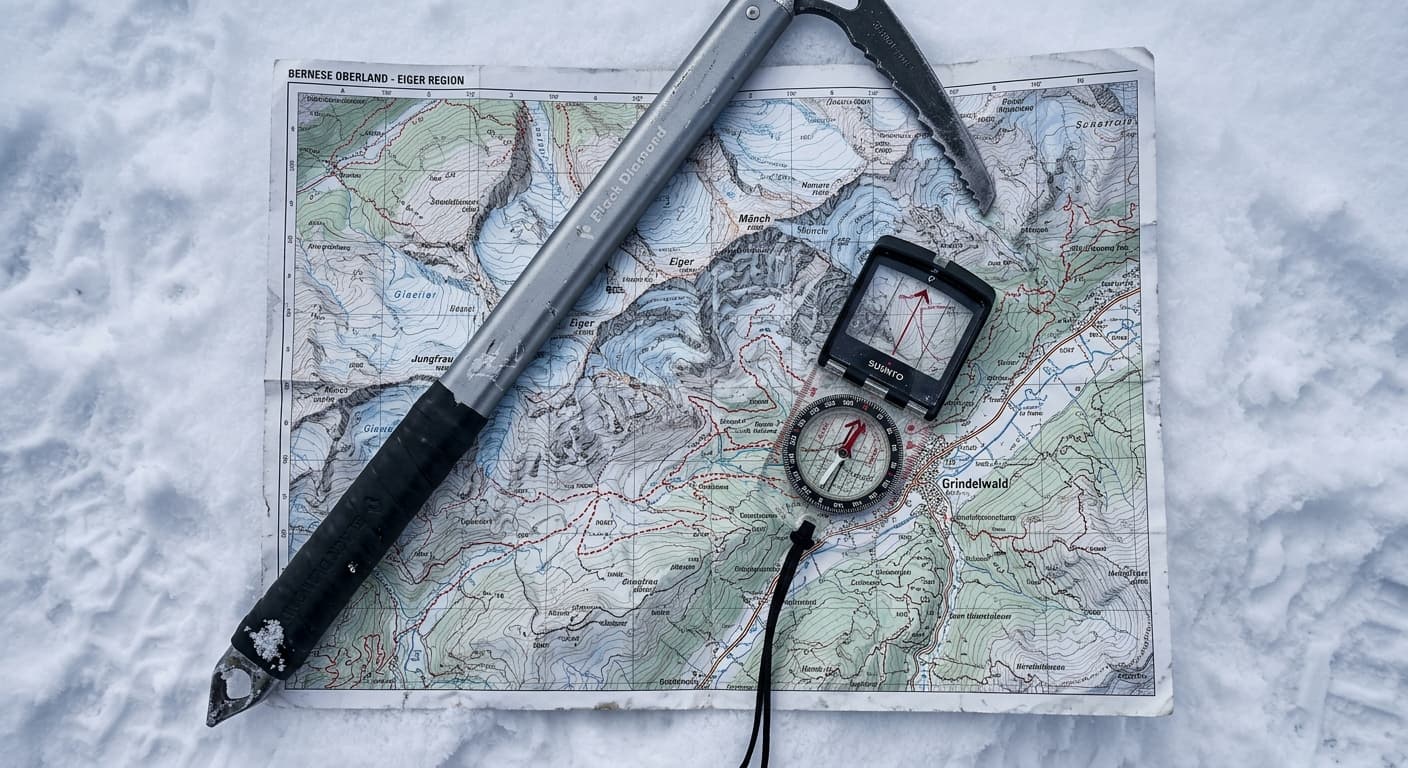
The Scottish Avalanche Information Service rates hazard by altitude and aspect, not as one blanket level for a whole area. The practical skill is reading location, elevation and slope angle together so you can choose a different route before you reach suspect terrain.
Can You Safely Drink from a Mountain Stream?
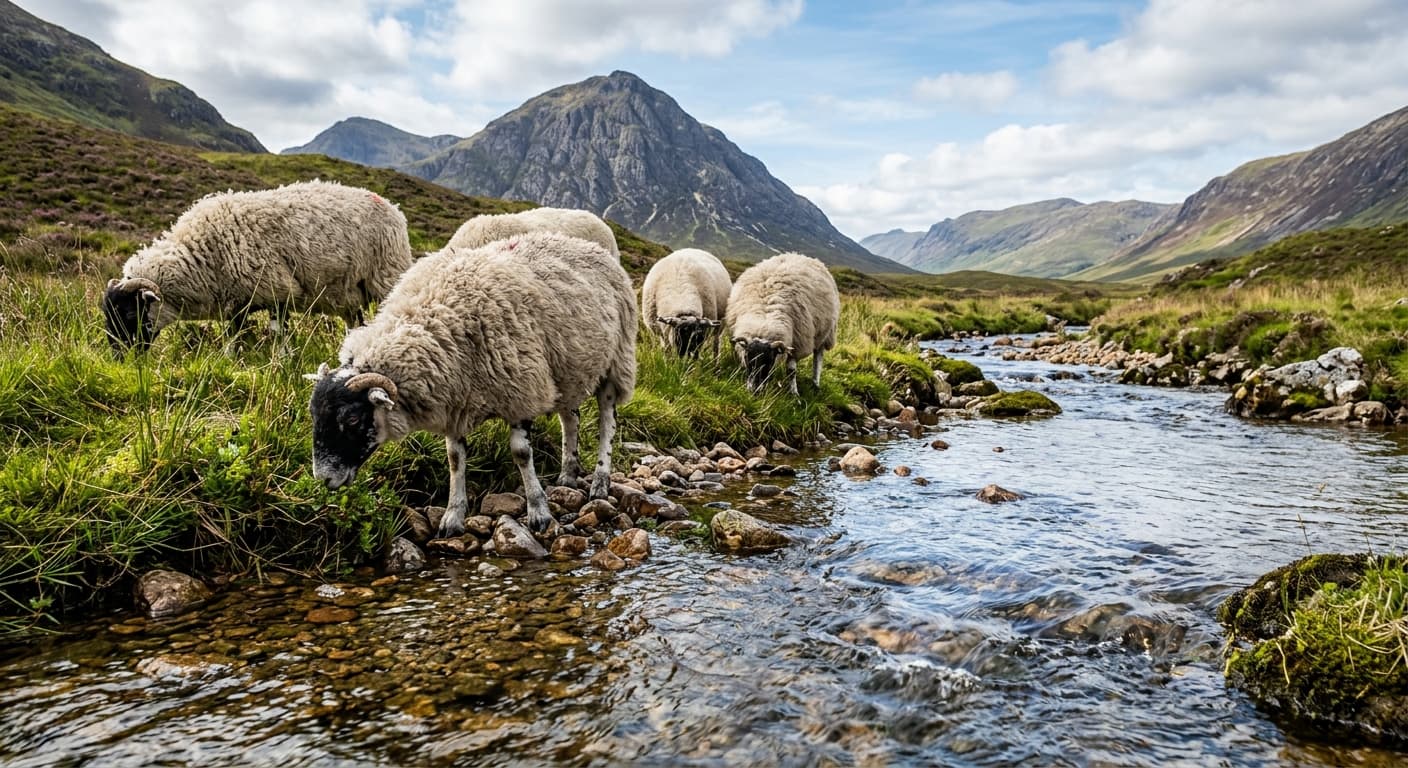
Clear, fast-flowing water high on a mountain can look cleaner than anything from a tap, but there may be grazing livestock, animal waste or even a dead sheep just beyond the next bend. This guide looks at how risky untreated upland water really is, whether choosing a fast-flowing source makes any difference, what filters and purification tablets actually remove, and what to do when the alternative is continuing the walk without enough water.
The River Crossing Problem: When Yesterday’s Ford Is Today’s Bad Idea
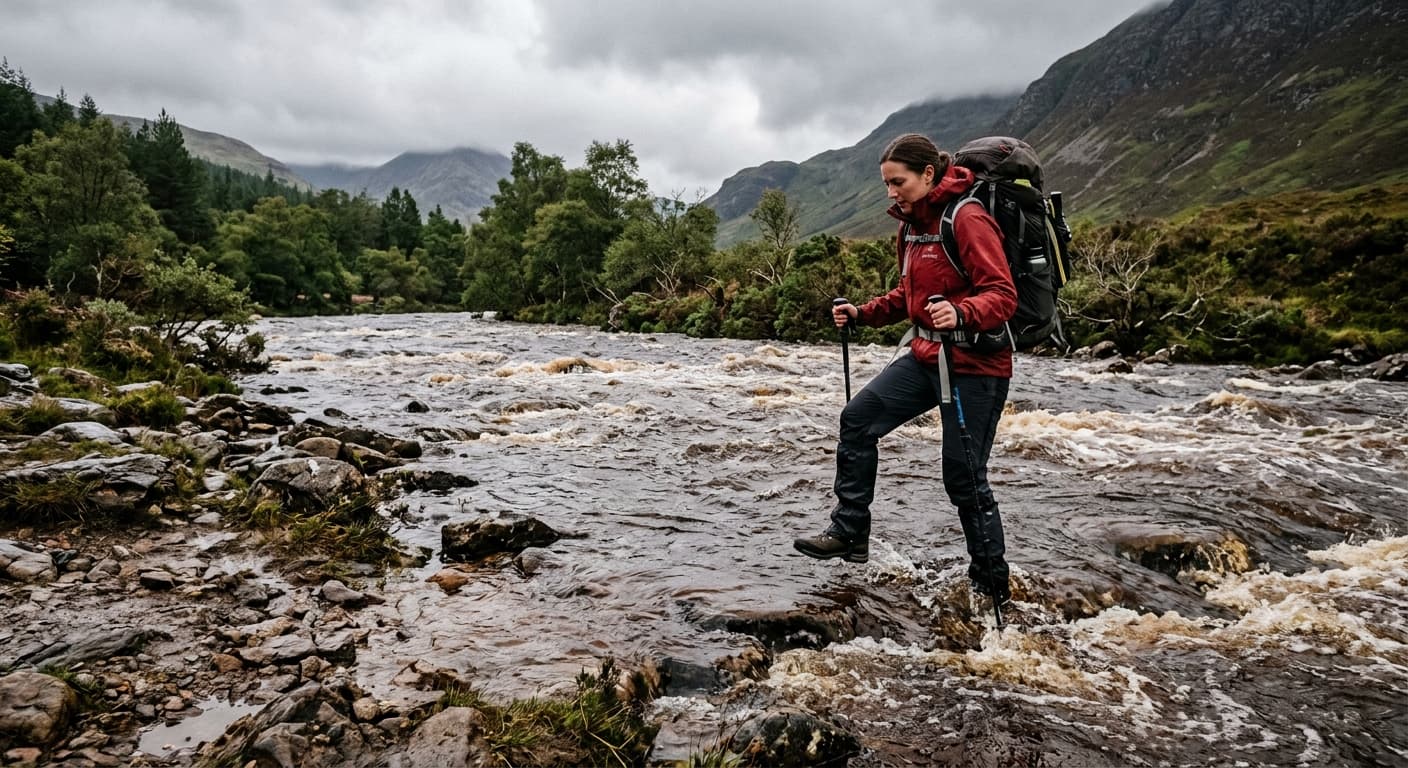
Rivers change character with rainfall—what was a gentle ford yesterday becomes a thigh-deep torrent today. Knowing where to cross, how to test depth and current safely, and when to abandon the attempt and find another route matters more than confidence or determination.
The Ankle Twist Sequence: What Actually Happens in the Two Seconds Before You Fall
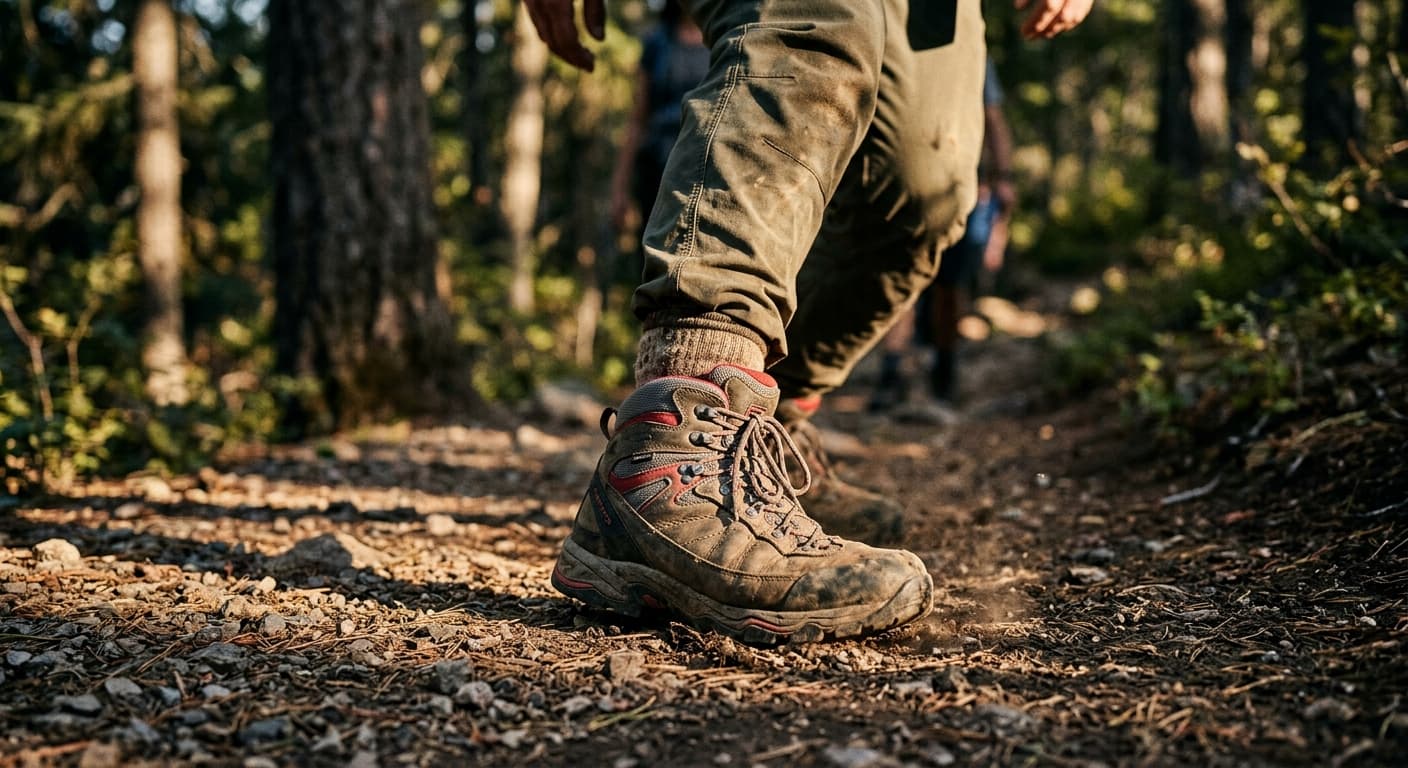
Most ankle injuries don't happen when you slip. They happen when your foot lands on uneven ground and your body decides to keep moving while your ankle stays put. Understanding the mechanical sequence helps you recognise the moment you can still save it.
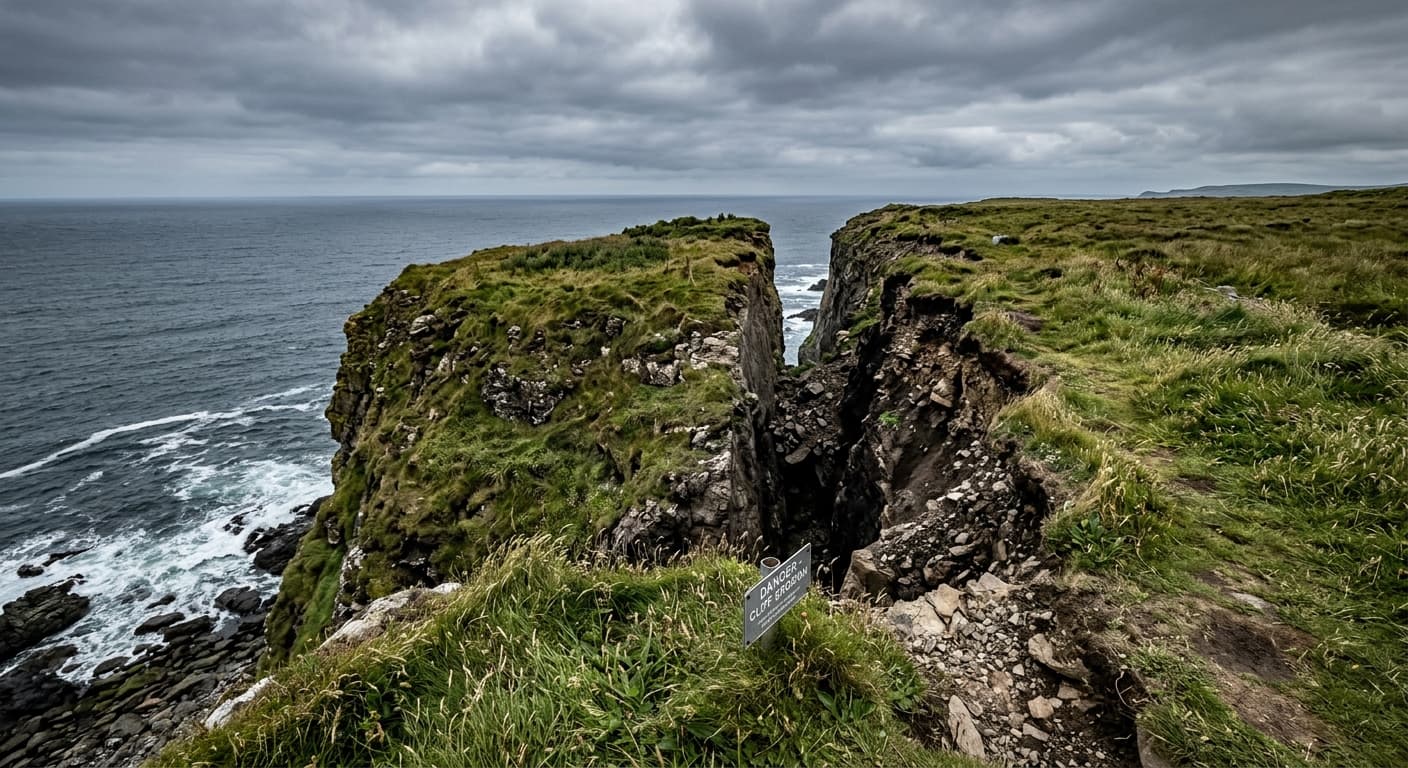
The Cornice Problem: When a Cliff Edge Is Further Back Than It Looks
Cliff edges crumble, cornices collapse and both look deceptively solid until your weight shifts the balance. Understanding how far back from the edge is actually safe, recognising cornice formations in winter and knowing that firm-looking snow overhangs empty air prevents the falls that happen to careful people.
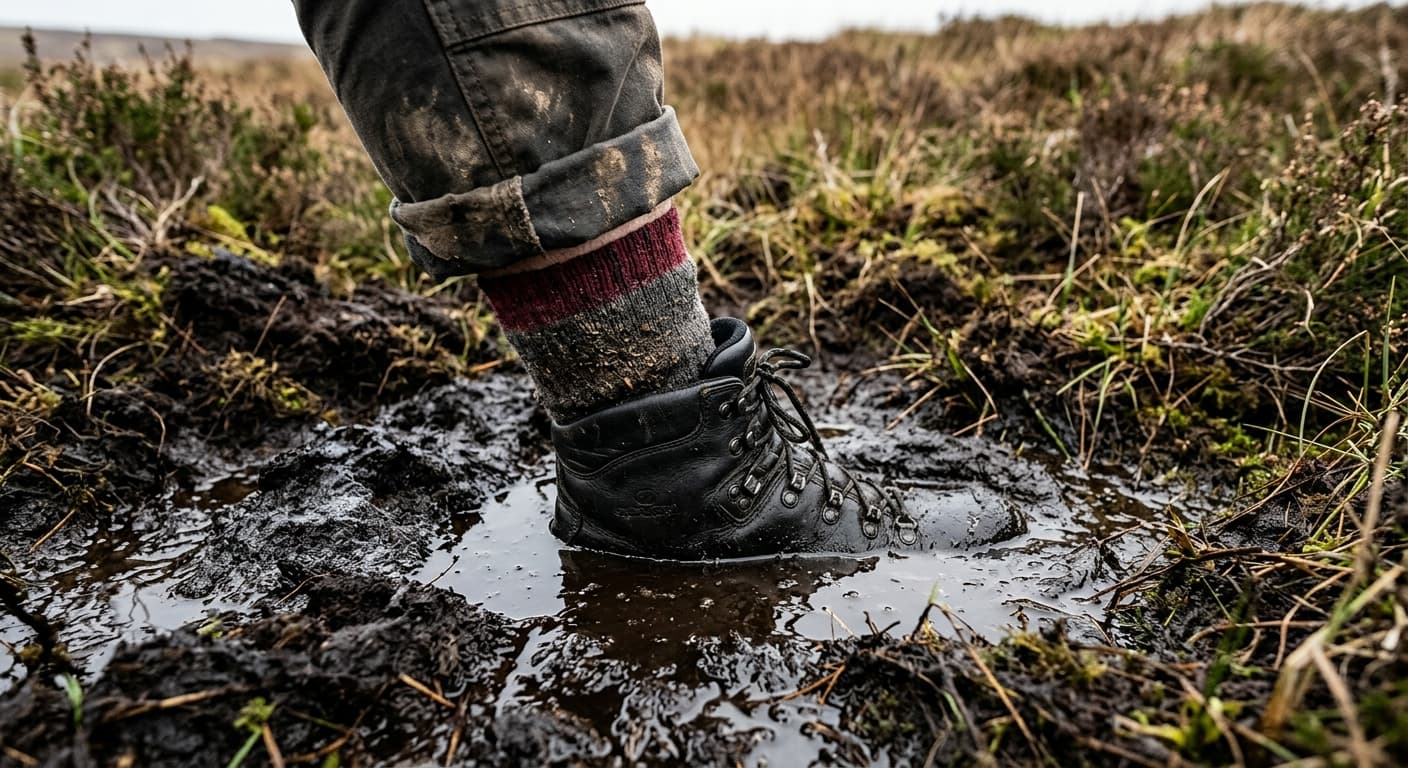
The Bog That Looked Solid: How to Cross Peat Without Becoming Part of It
Peat bogs look like solid ground until your boot punches through the surface crust and sinks into cold, acidic muck. Recognising bog terrain before you're knee-deep, understanding drainage patterns and knowing which vegetation indicates stable ground keeps you dry and upright.
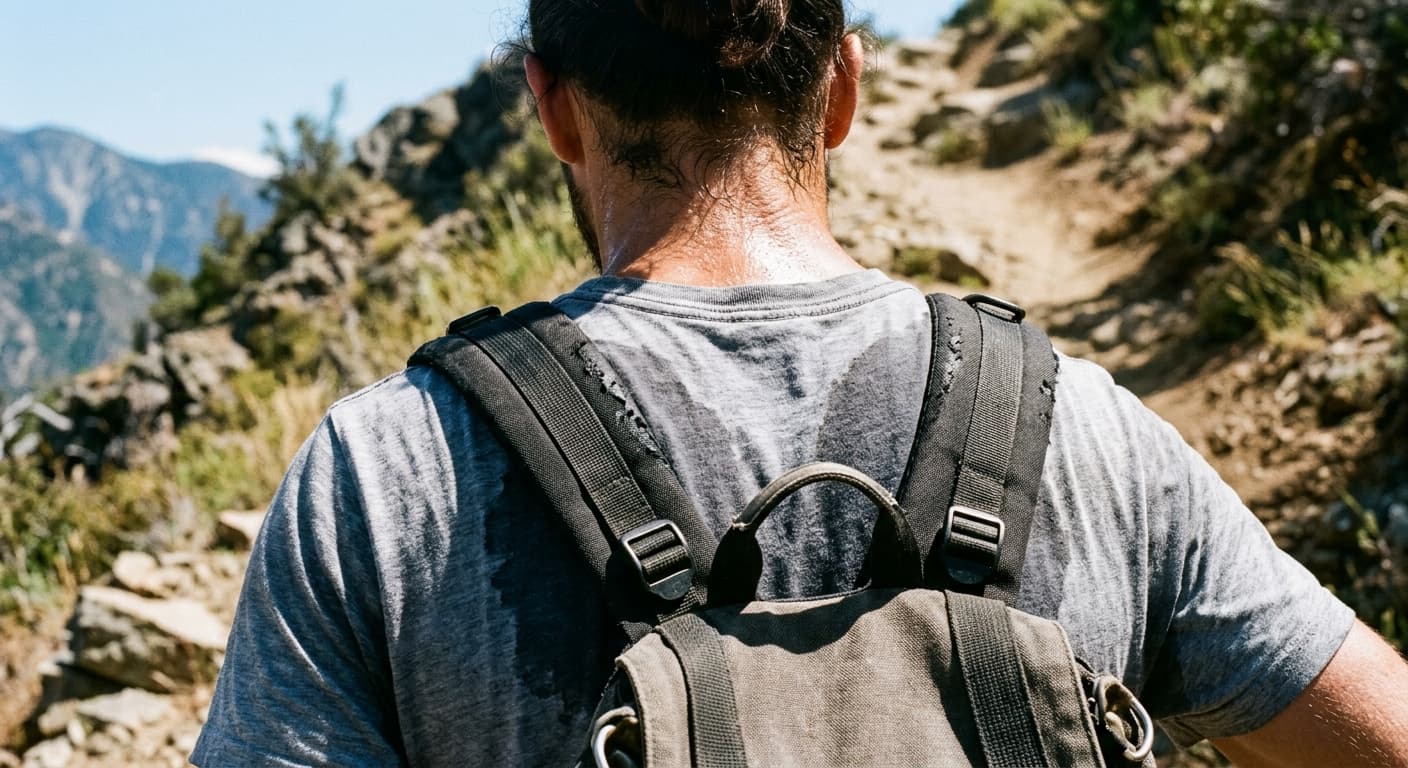
Heat Exhaustion on the Hills
Heat exhaustion happens on British hills more often than most walkers expect—warm days, sustained climbs and inadequate water combine to cause nausea, dizziness and confusion that people mistake for tiredness. Recognising the difference between fatigue and genuine heat illness, cooling down effectively and knowing when someone needs evacuation prevents heatstroke.
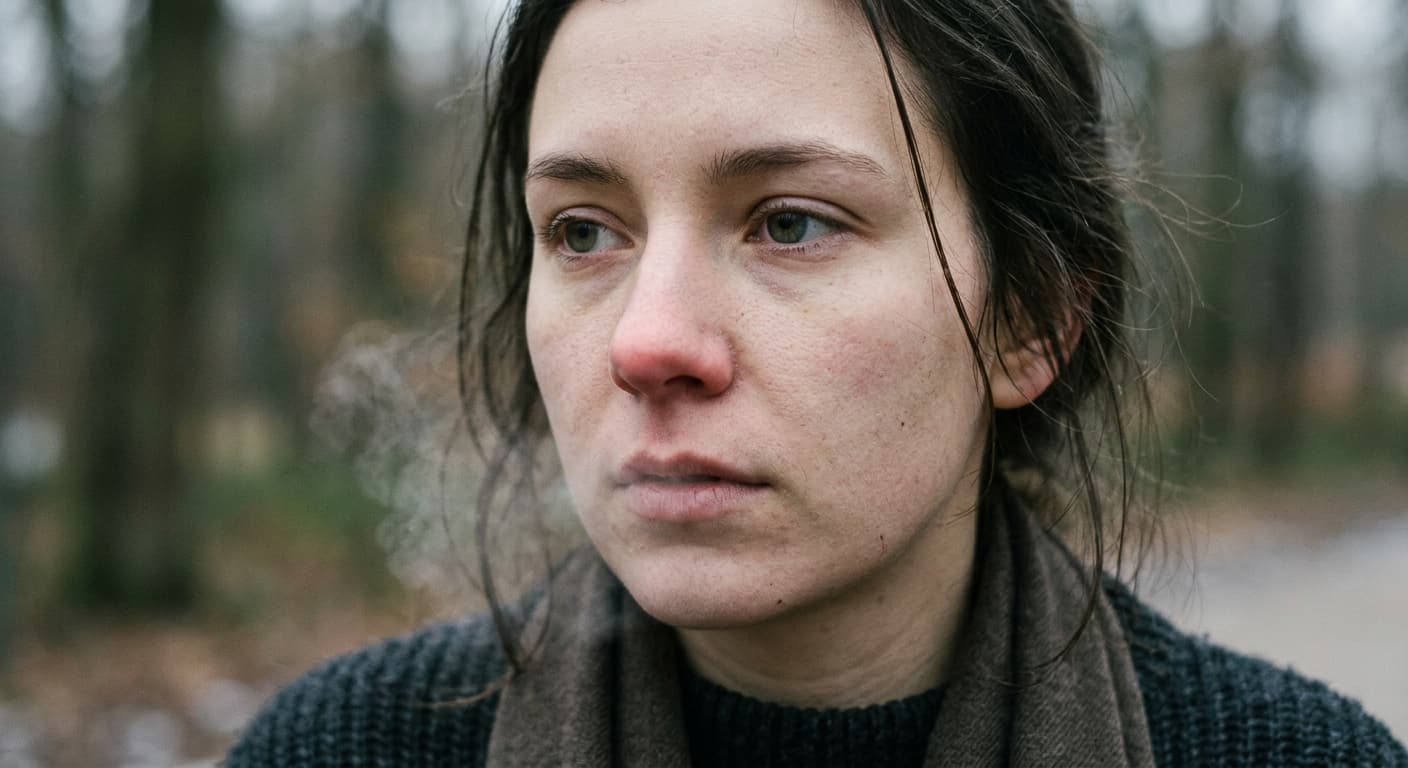
Hypothermia: The Warning Signs
Hypothermia starts with shivering and poor decisions, progresses through confusion and coordination loss, and ends with collapse—but each stage looks different and your group needs to recognise them in sequence. Spotting the early signs in yourself or others and acting before someone becomes dangerously cold prevents most serious cases.
Scree Slopes Explained
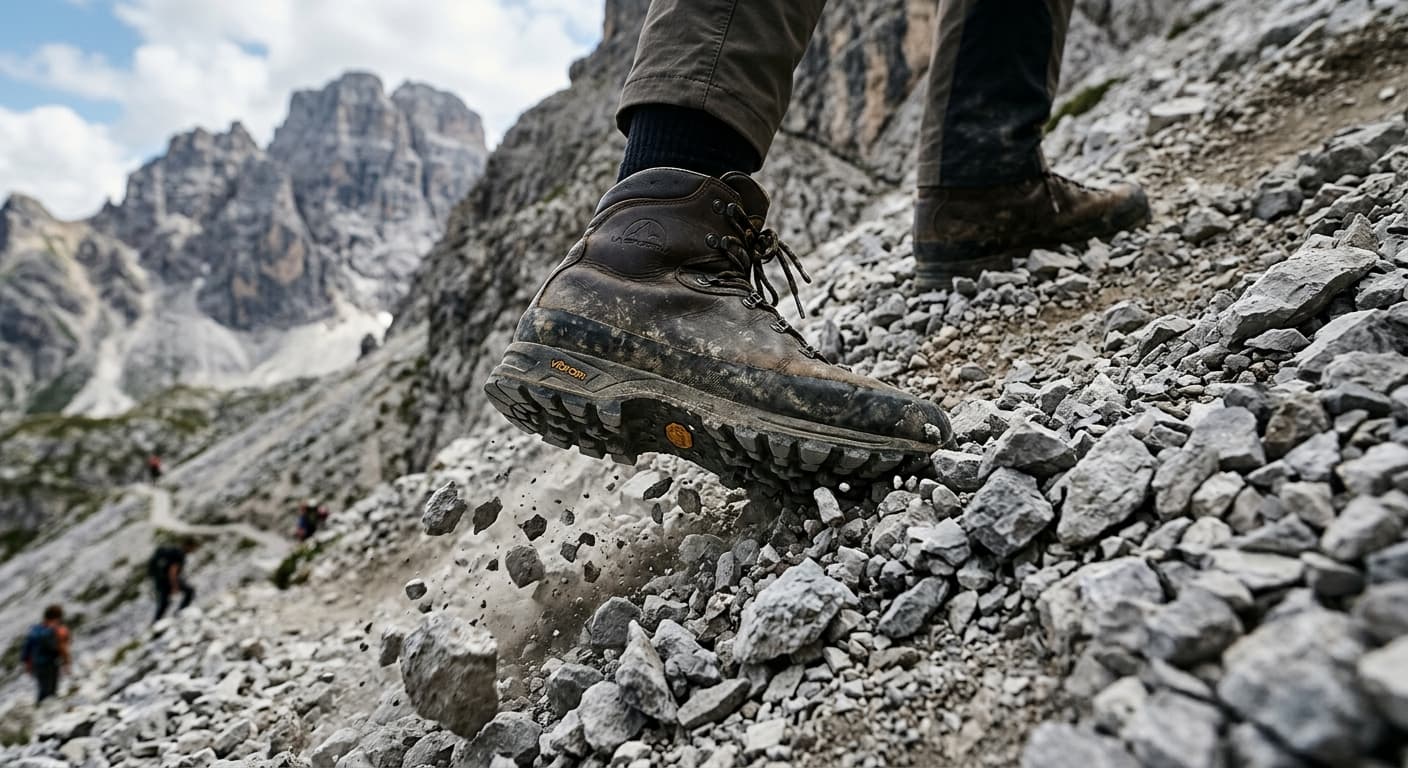
Scree slopes are fields of loose rock that shift under your weight, turning descents into ankle-twisting slides and ascents into exhausting backward slippage. Knowing whether to tackle them straight down, traverse diagonally or avoid them entirely depends on scree size, slope angle and what lies below.
The Lightning Position Problem: What to Actually Do When Thunder Counts Down
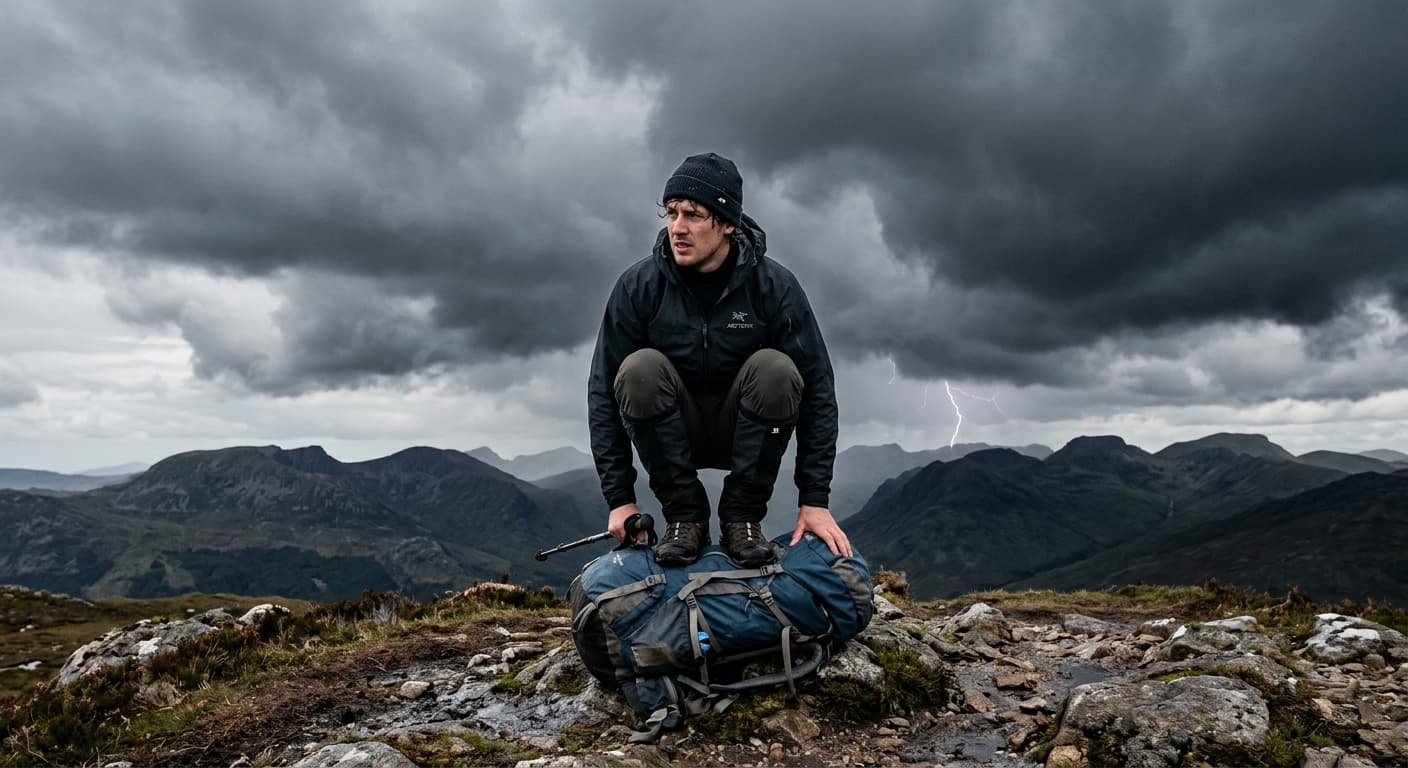
Standing under a tree is dangerous. Lying flat is dangerous. Sheltering in a shallow cave is dangerous. The safest position involves squatting on insulation while minimising ground contact, and most people get it wrong because it feels absurd.
How Much Water to Carry on Summer Mountain Walks
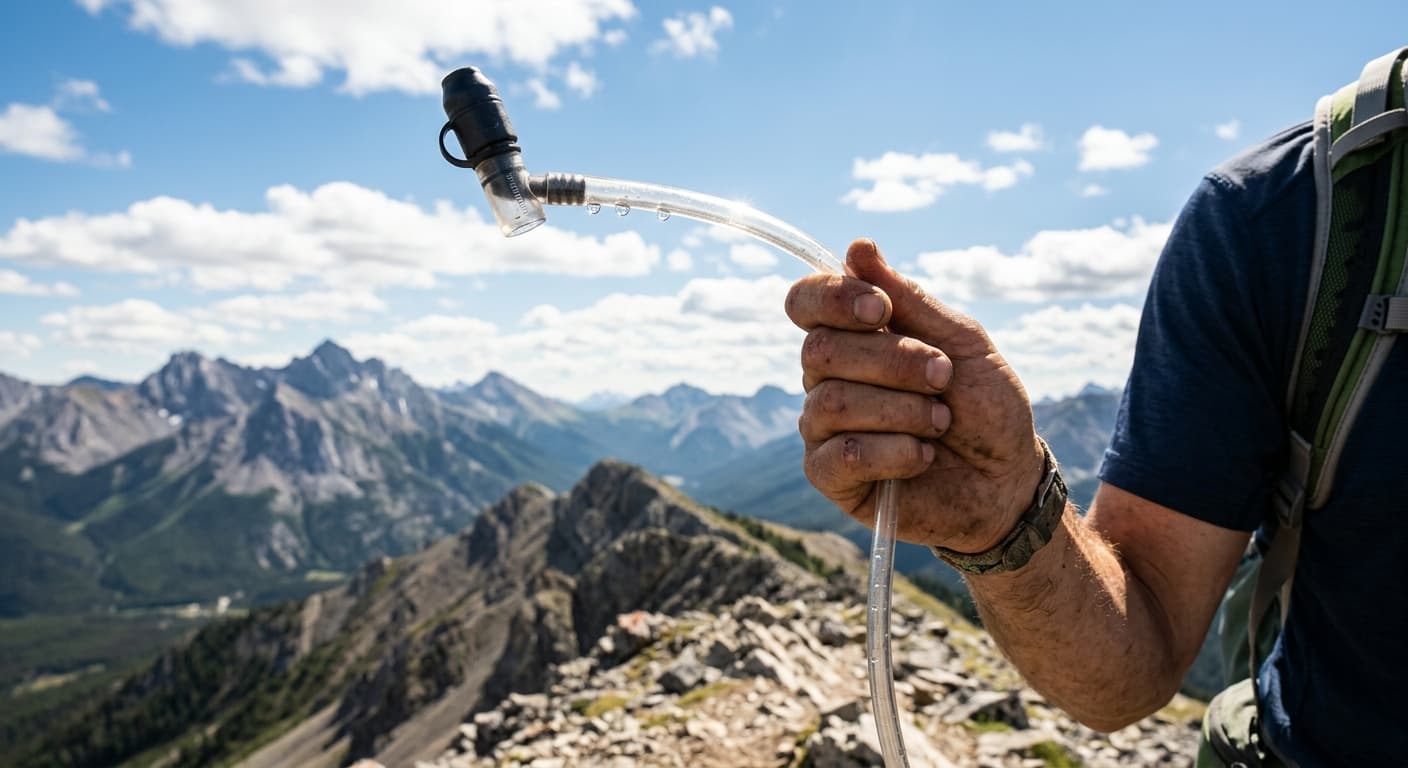
Work out how much drink you need for exposed upland routes when it's warm. Heat and exertion matter more than you think—two litres isn't always enough.
Ticks and Lyme Disease
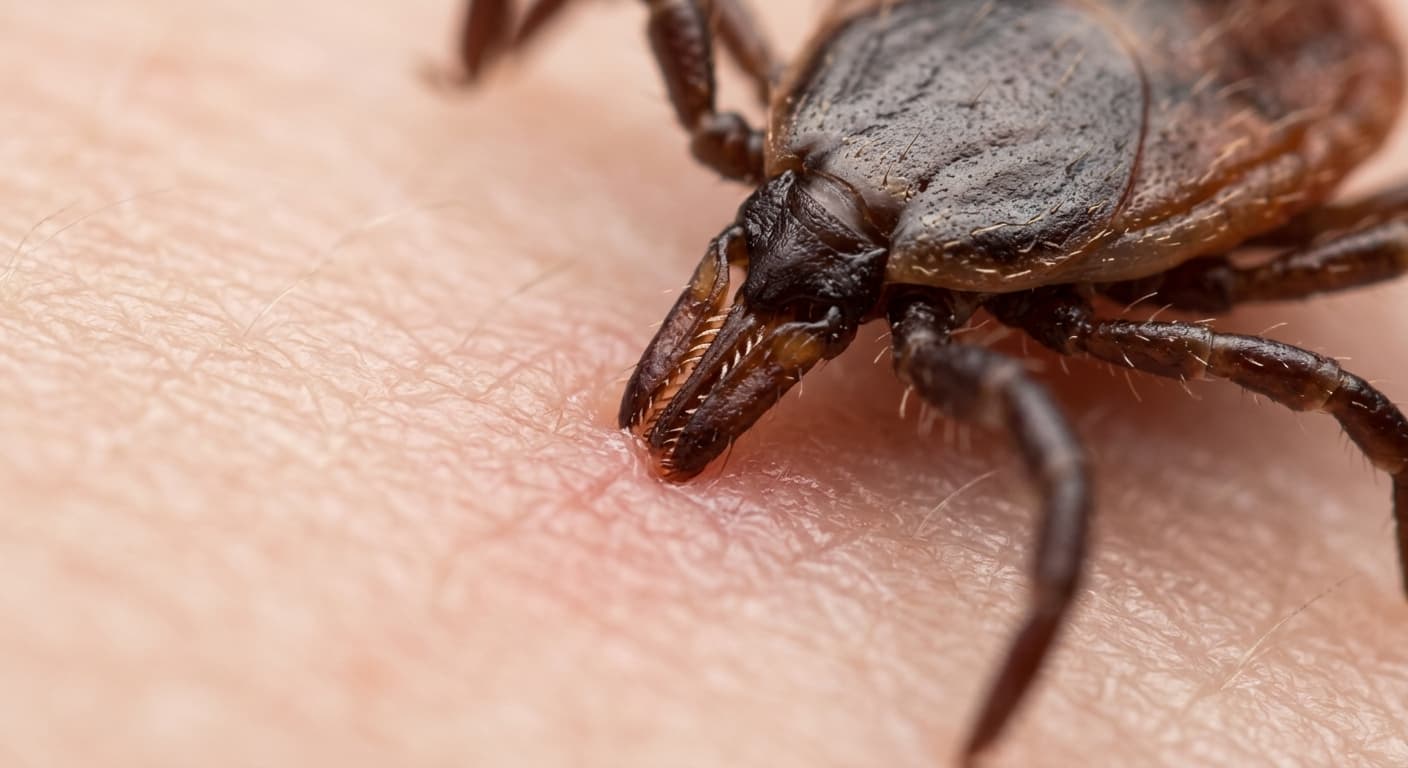
Ticks are tiny, their bites are often painless and most do not carry the bacteria that cause Lyme disease—but the minority that do can transmit it, potentially causing long-term health problems if untreated. Knowing where ticks live, how to check after walking and what a possible Lyme rash may look like matters more than panic or avoidance.
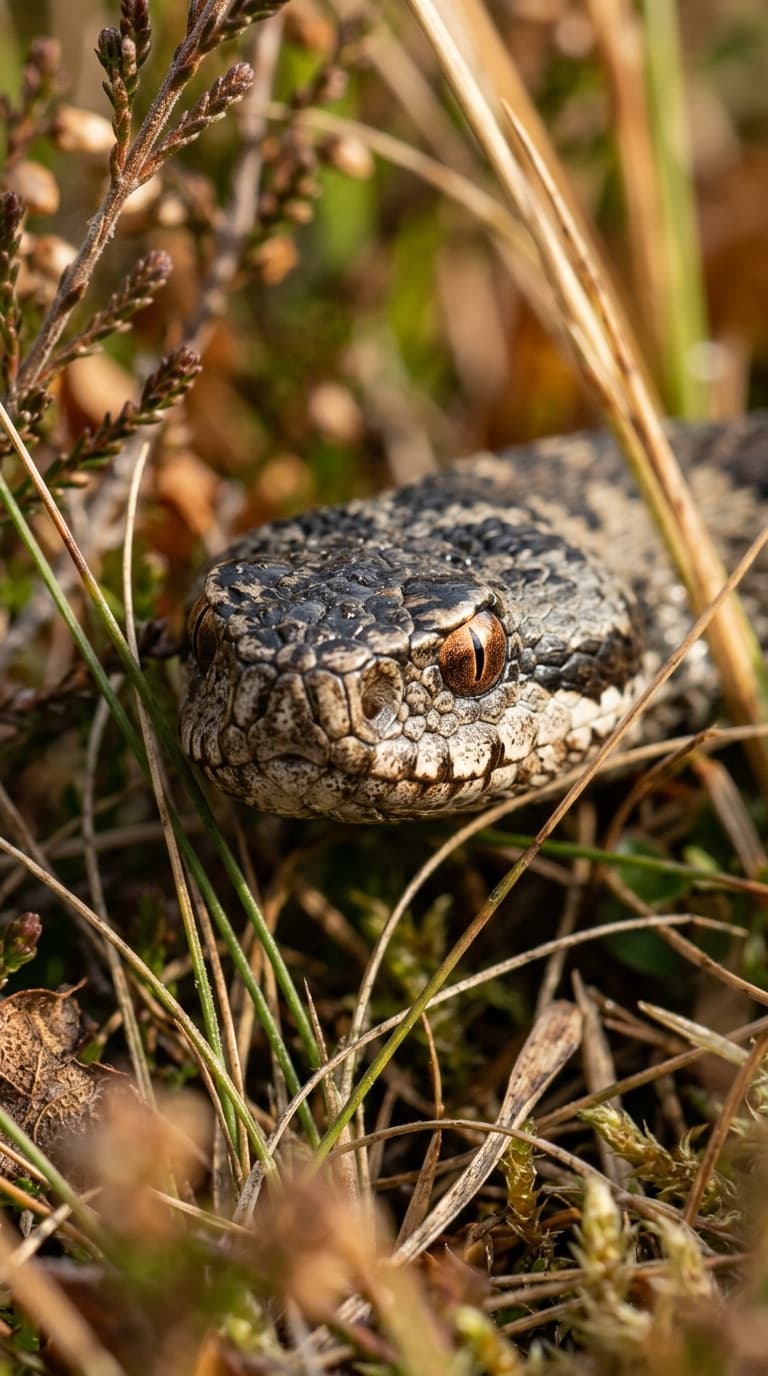
Adders: Should You Be Worried?
Britain's only venomous snake is shy and normally retreats, with bites most often occurring when an adder is handled or accidentally disturbed. Bites are rare but can be serious and always need urgent medical help—the actual risk is far smaller than the instinctive fear suggests.