14 guides
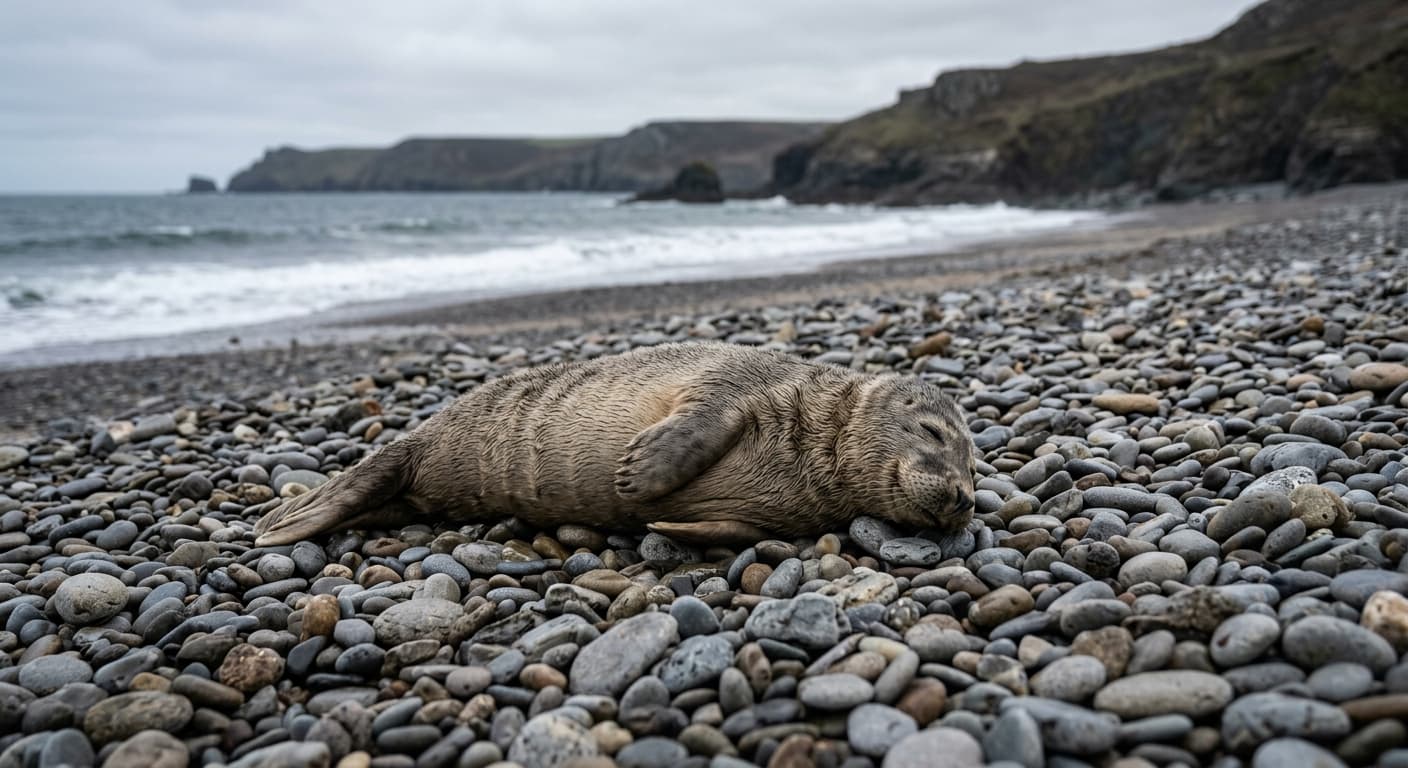
Watching Seals Ashore Without Driving Them Back Into the Water
Seals haul out to rest, moult, nurse pups or digest—and a lone pup isn't automatically abandoned. If they wake to watch you, raise their heads, move suddenly or rush into the sea, you're too close or your dog is. Disturbance wastes energy and disrupts feeding and breeding, so keep dogs away from haul-outs and give seals the space they need to ignore you.
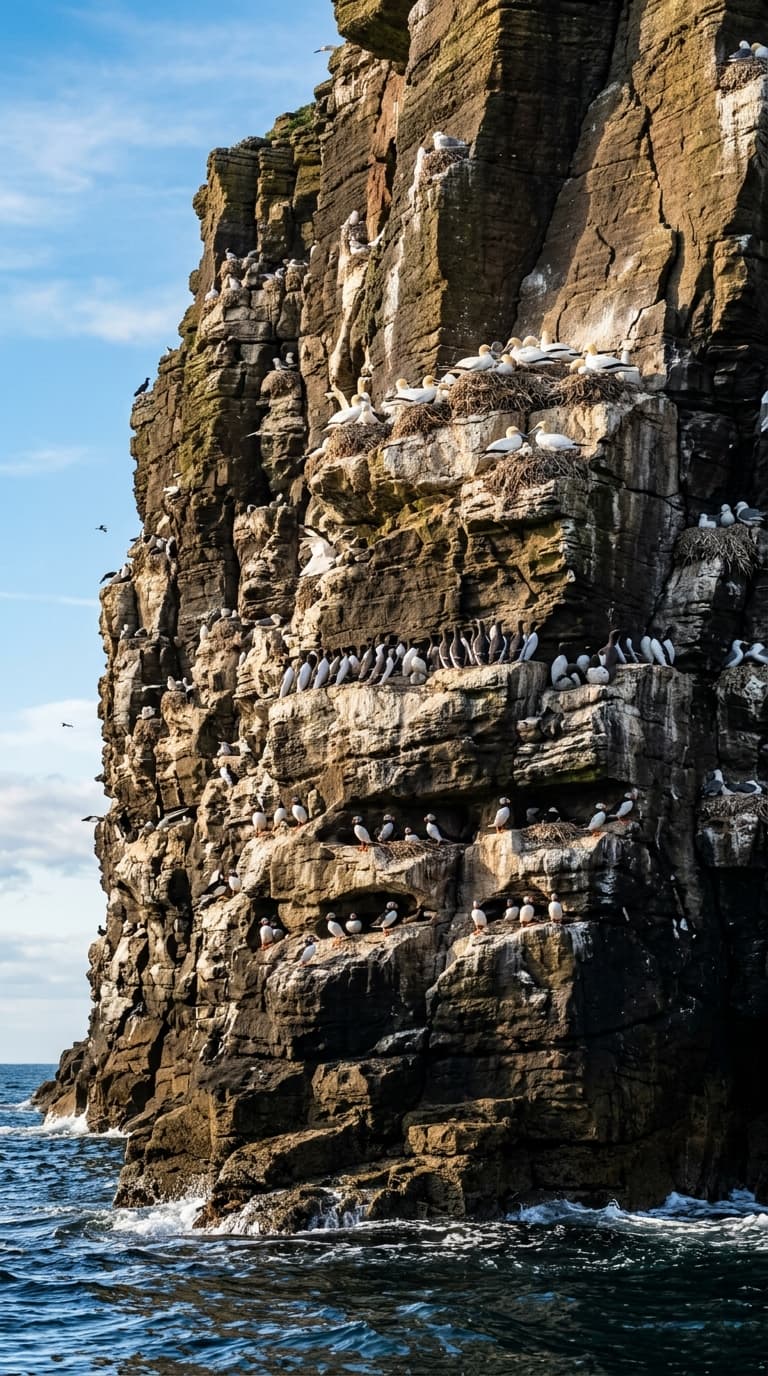
How Guillemots, Razorbills, Puffins and Kittiwakes Share a Breeding Cliff
Seabirds return to coastal cliffs each spring to breed, often using the same rock face in different ways. Guillemots and razorbills favour ledges; kittiwakes build nests there too; puffins use grassy edges, crevices or burrows they dig themselves. There's no fixed vertical zoning plan that applies to every colony—nesting positions vary with the site and what's available.
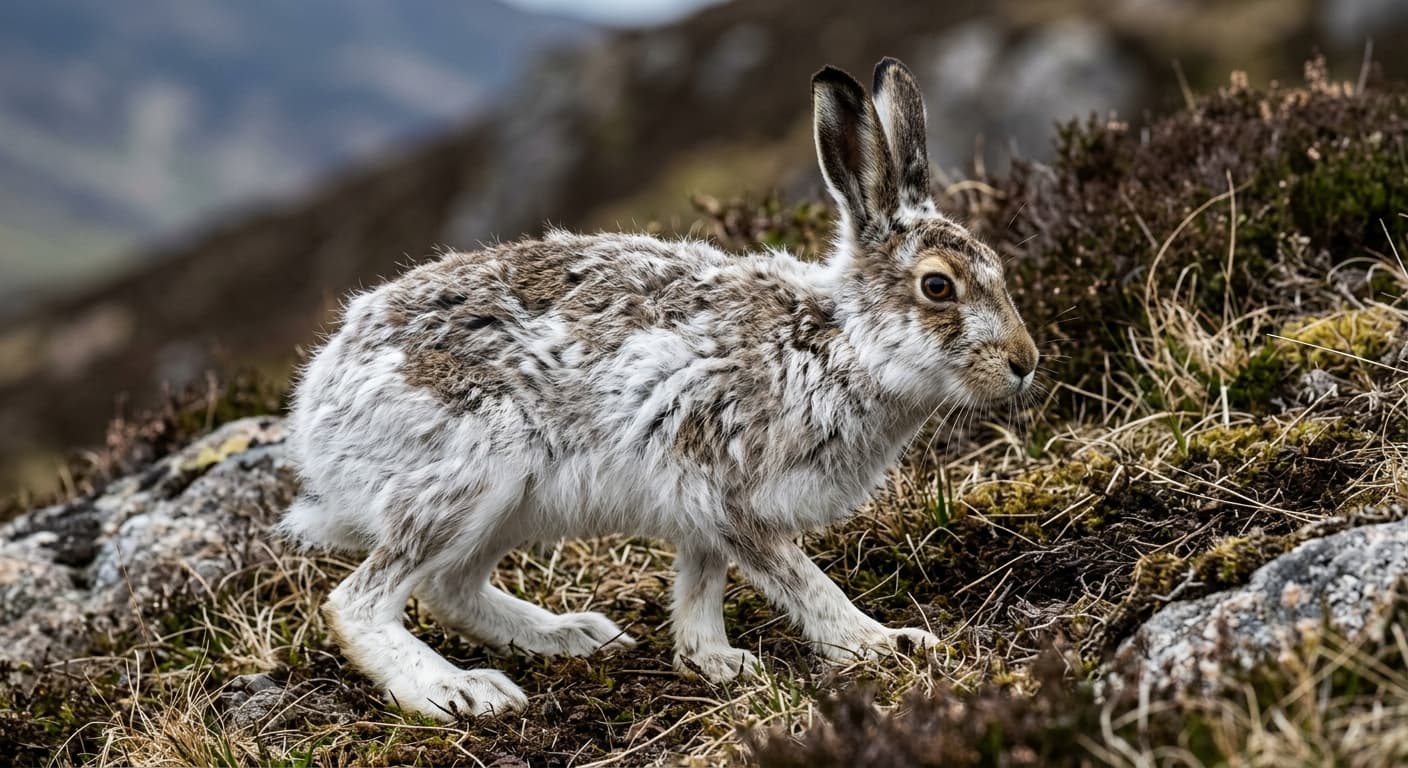
The Mountain Hare Moult: When Camouflage Arrives Three Weeks Late
Mountain hares turn white for winter, which works brilliantly until climate change makes the snow late and they end up sitting on brown heather looking like small luminous idiots. They're still there in summer, just harder to spot when they're actually the right colour.
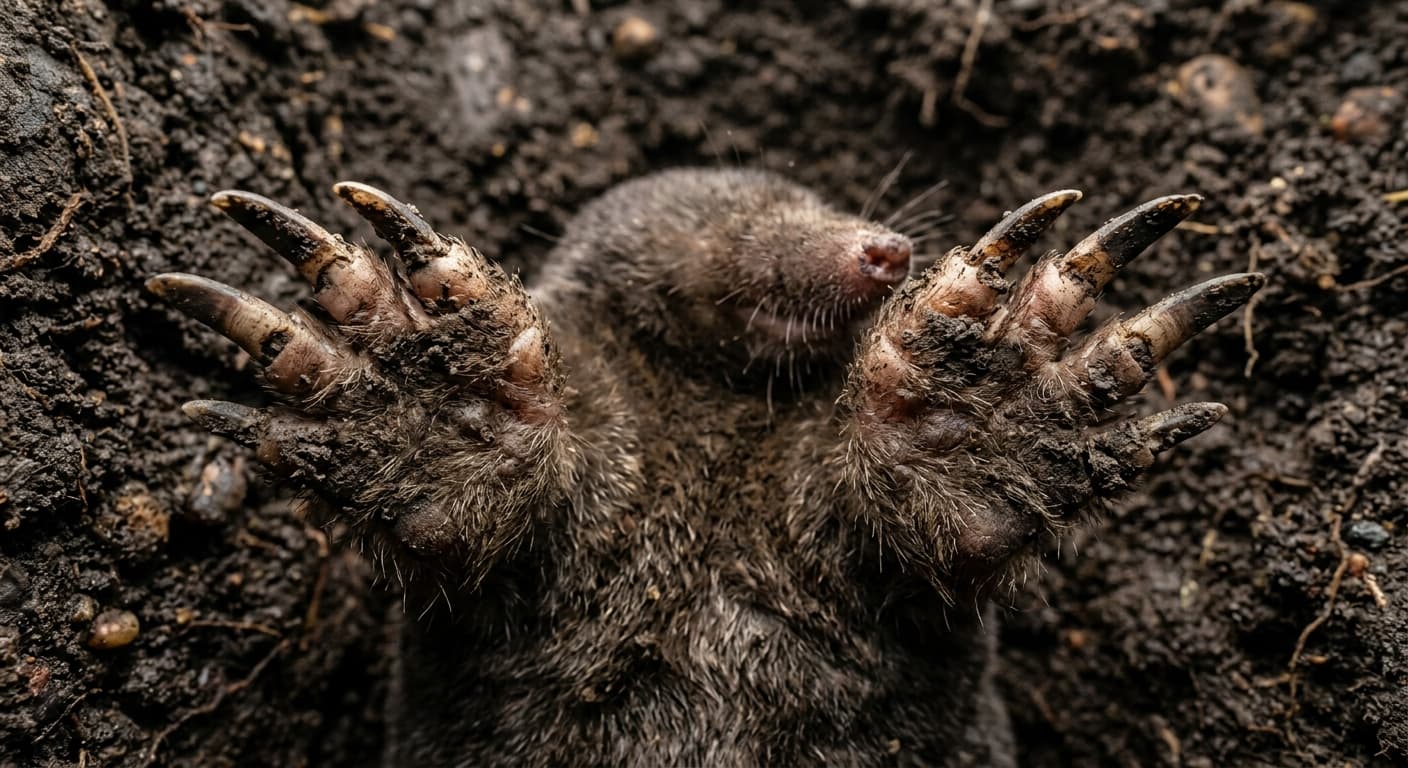
Moles: Underground Engineers Who Sometimes Surface
Moles live in tunnel systems that can extend well beyond 200 metres, and they do occasionally surface—for dispersal, foraging, or collecting nest material—not just when they're dying or expelled. The molehills are spoil heaps from constant excavation, and the animal responsible has reversible fur and hands like shovels.
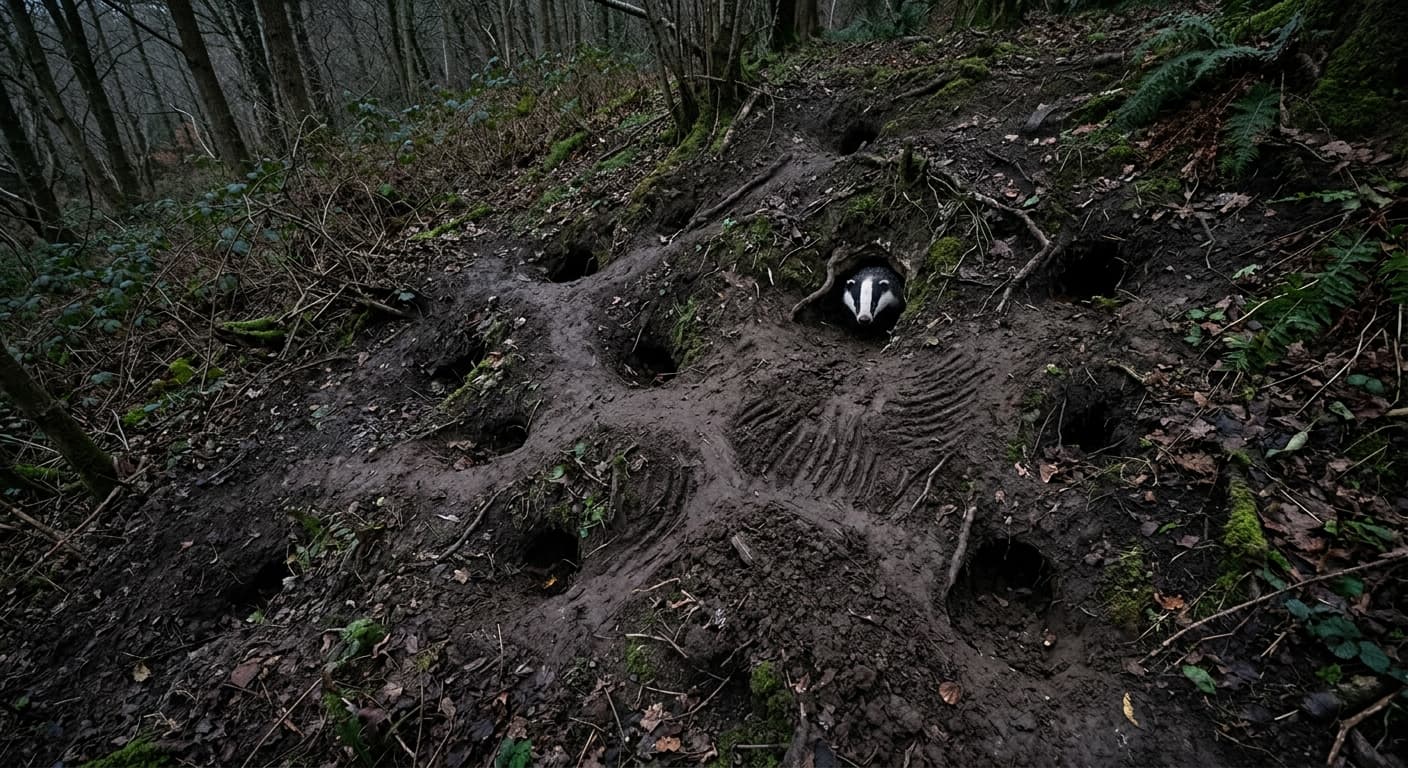
The Badger Sett Survey: When the Same Holes Have Been Occupied for Centuries
Badger setts in woodland edges can be decades or even centuries old, expanded room by room like subterranean terraces with astonishingly efficient drainage. You'll find the entrance by the pile of old bedding they've dragged out, which smells better than you'd expect but worse than you'd hope.
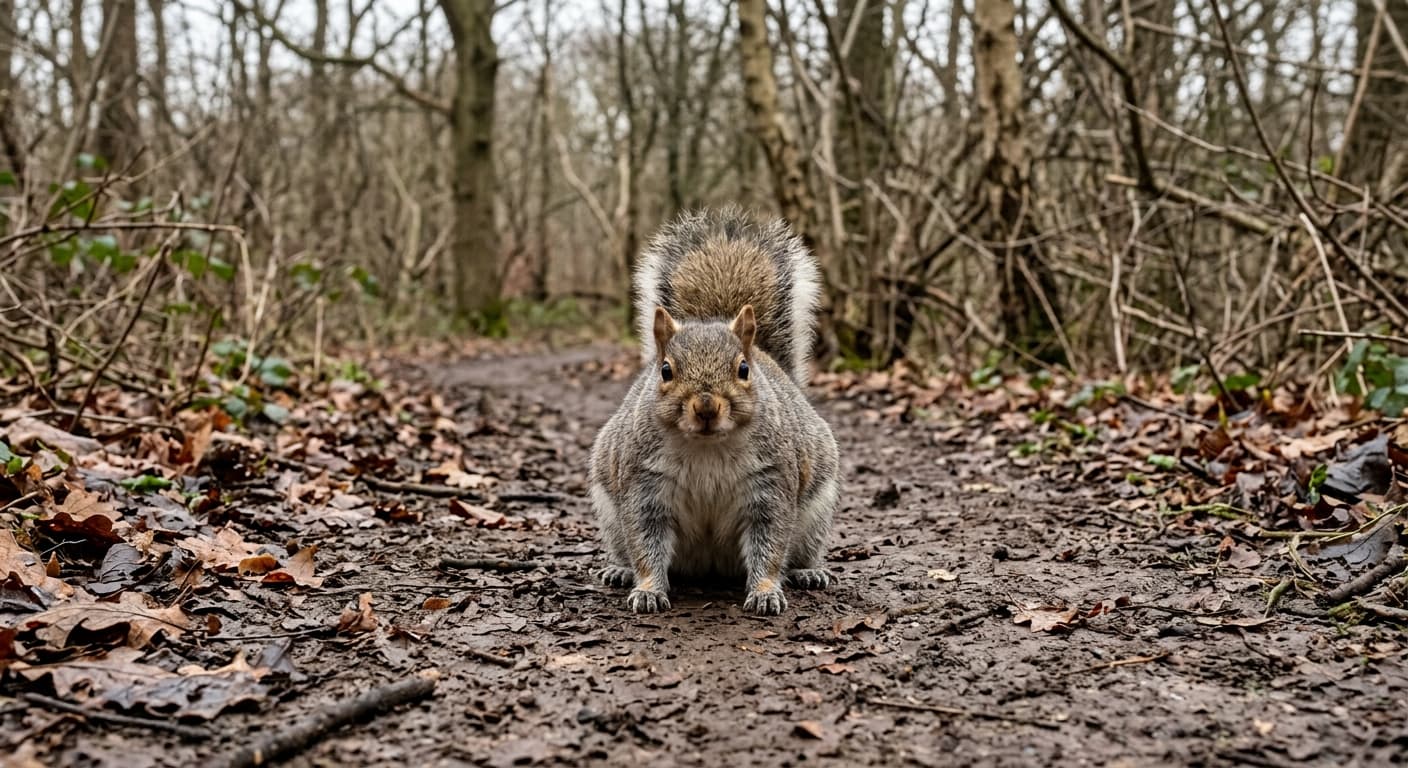
The Grey Squirrel Problem: When an American Import Owns Every Woodland Edge
Grey squirrels arrived in Britain in 1876 and have spent the last century and a half making red squirrels extinct across most of England. They're heavier, more aggressive, carry a virus that doesn't affect them, and they've turned every lowland wood into contested territory.
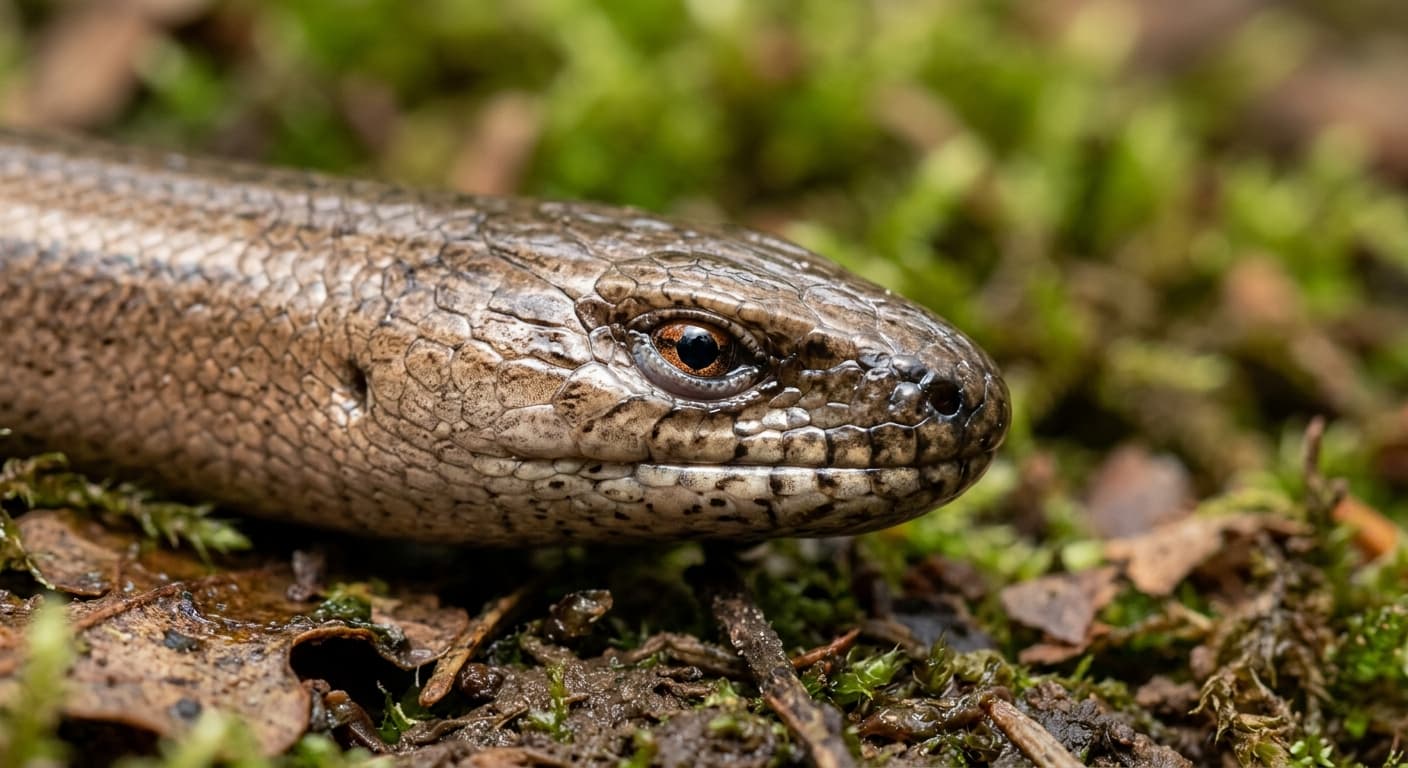
The Slow Worm Legless Question: When a Lizard Looks Like a Snake and Acts Like Neither
Slow worms are legless lizards that blink, give birth to live young, and spend much of their time hidden beneath flat stones, logs and other cover.
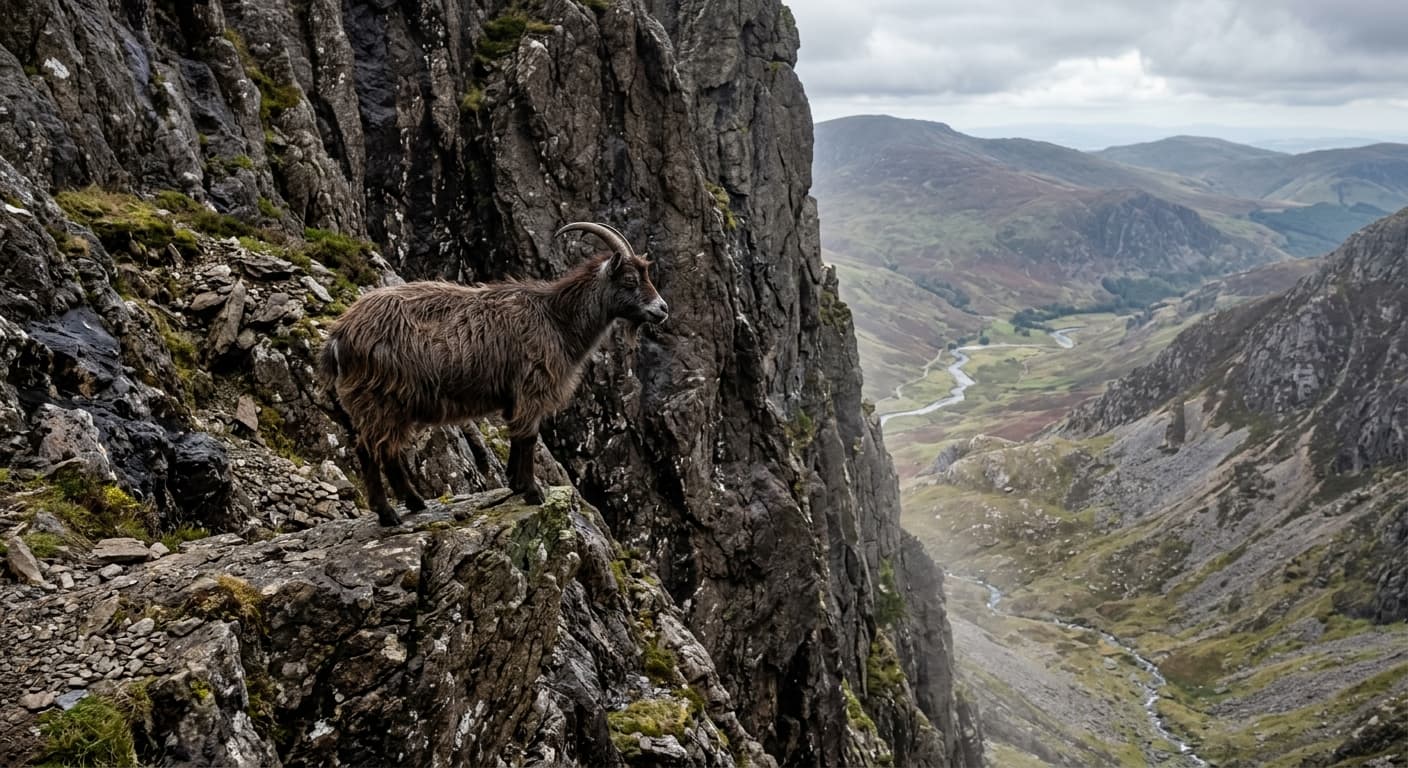
The Feral Goat Crag: Why Some Cliffs Have Permanent Residents
Britain's feral goats live on crags and cliff faces with hooves built for grip, though their origins and effects on vegetation vary from one population to another.
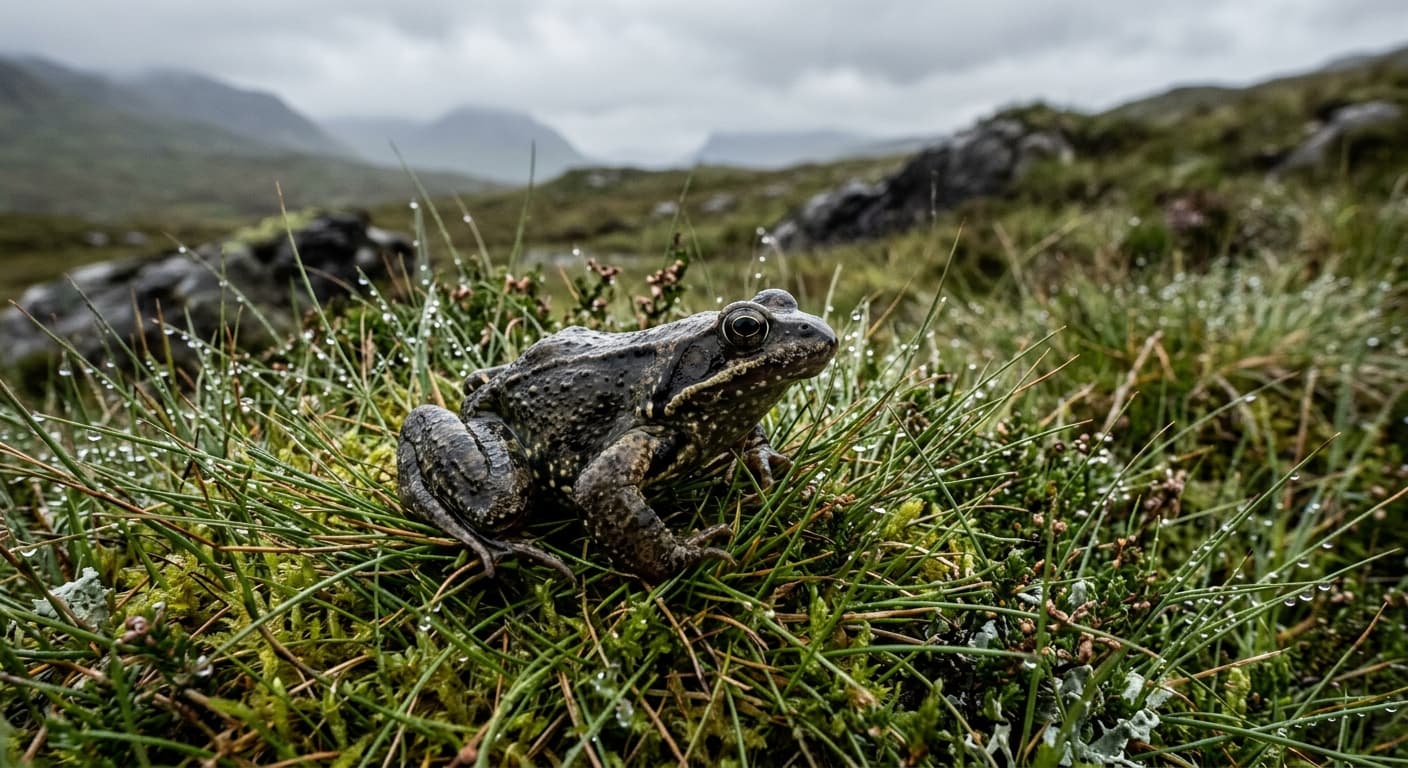
The Common Frog Altitude Question: When Amphibians Spawn Above 1,000 Metres
Common frogs breed in hill tarns and boggy pools above 1,000 metres, where tadpole development depends on temperature and some may overwinter. Adults tolerate cold, but cannot survive partial freezing.
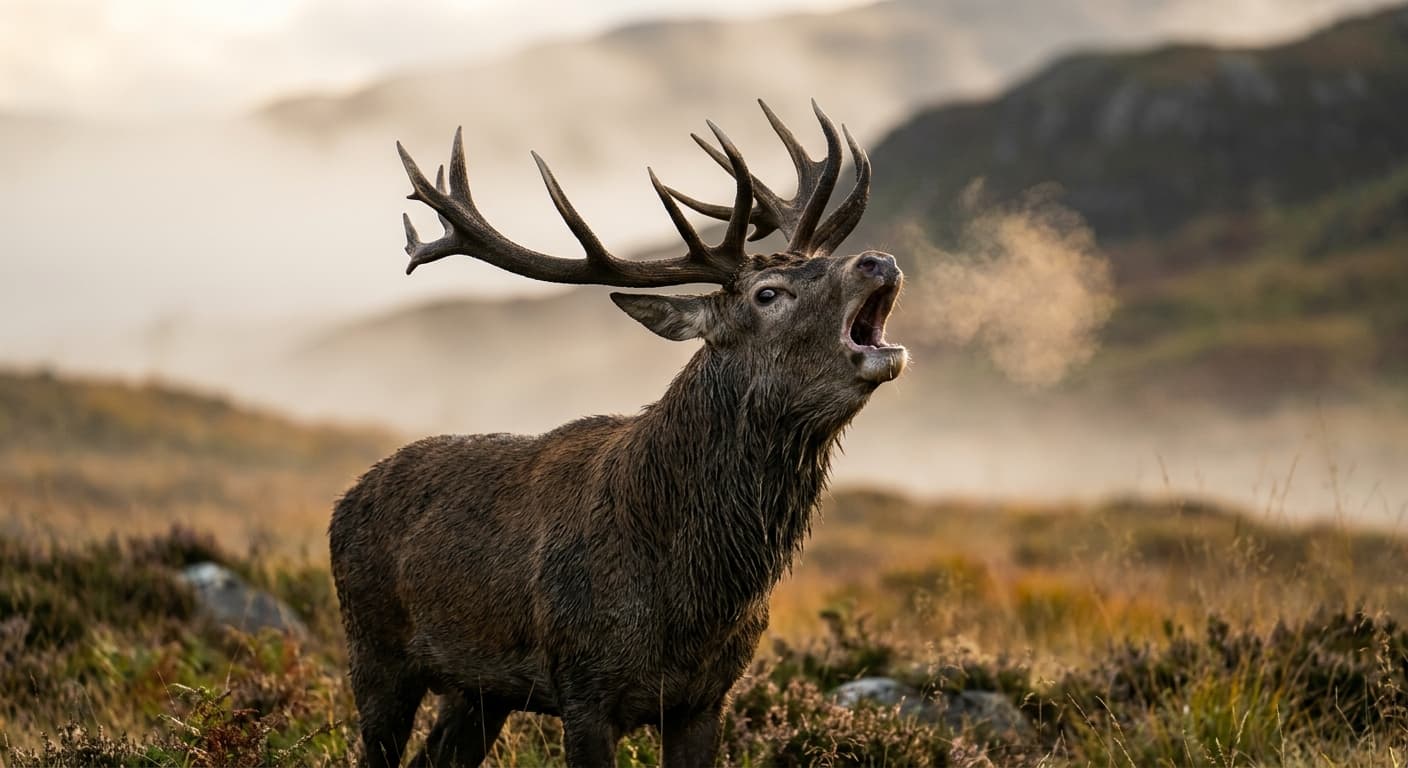
The Red Deer Rut Calendar: When Autumn Turns Stags Into Territorial Idiots
For eleven months of the year, red deer stags are relatively sensible animals. During the autumn rut, they compete for access to hinds—and watchers should stay at least 100 metres away.
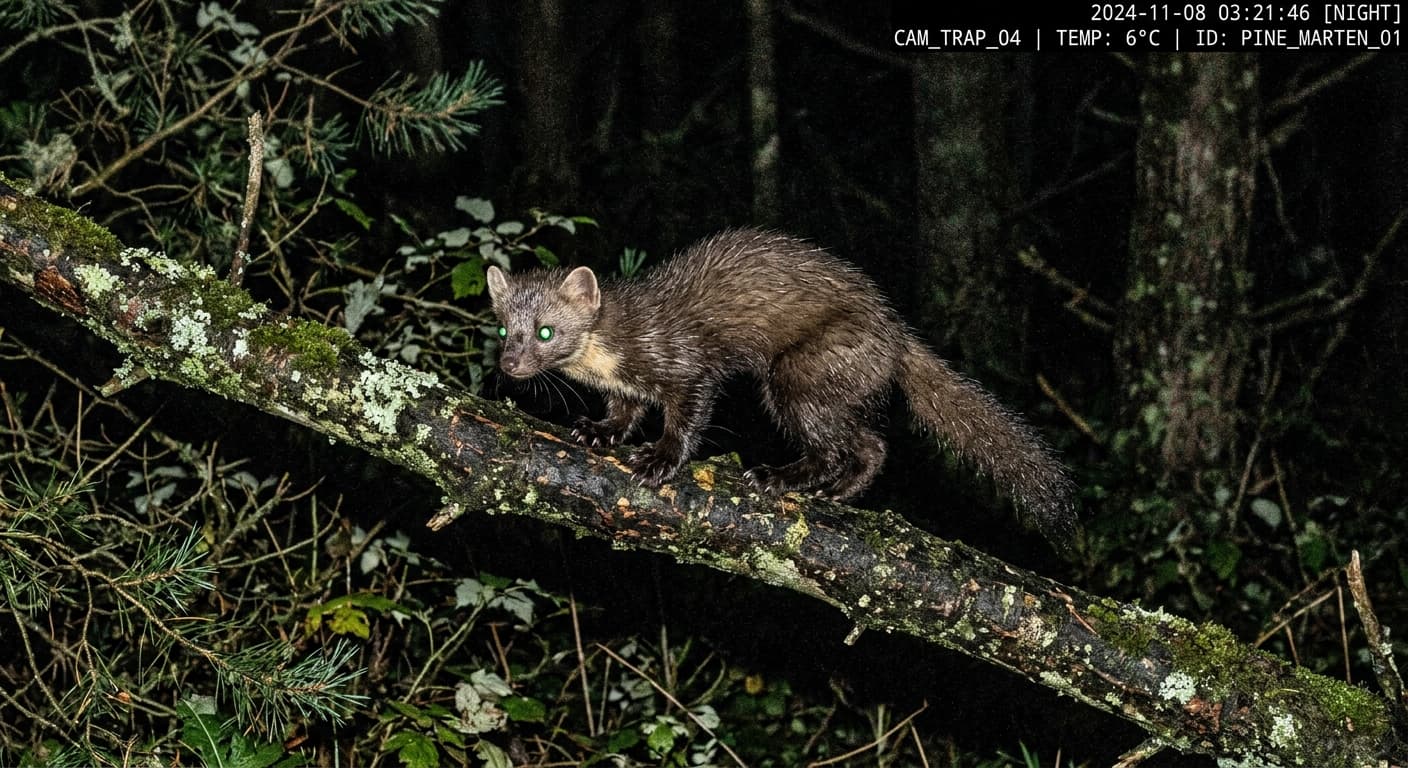
The Pine Marten Return Problem: When a Mammal Recolonises and Nobody Notices
Pine martens are recovering through natural spread and reintroductions, but they're elusive and roughly the size of a small cat, so your chances of actually seeing one remain somewhere between slim and extremely slim.
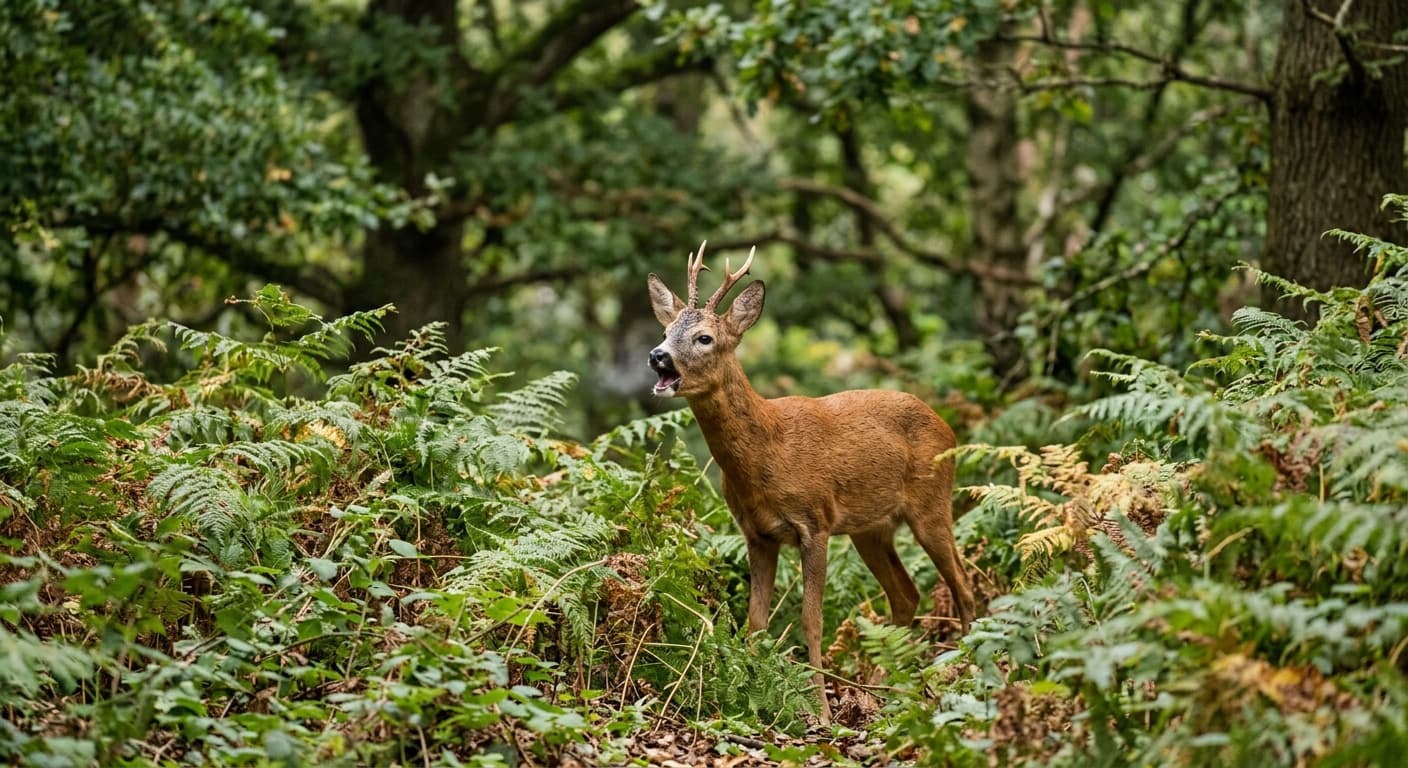
The Roe Deer Bark: When a Small Deer Sounds Exactly Like an Angry Dog
That sharp bark in the woods isn't a dog—it's a roe deer alarm call. Why these knee-high deer sound like angry terriers and where you'll hear them.
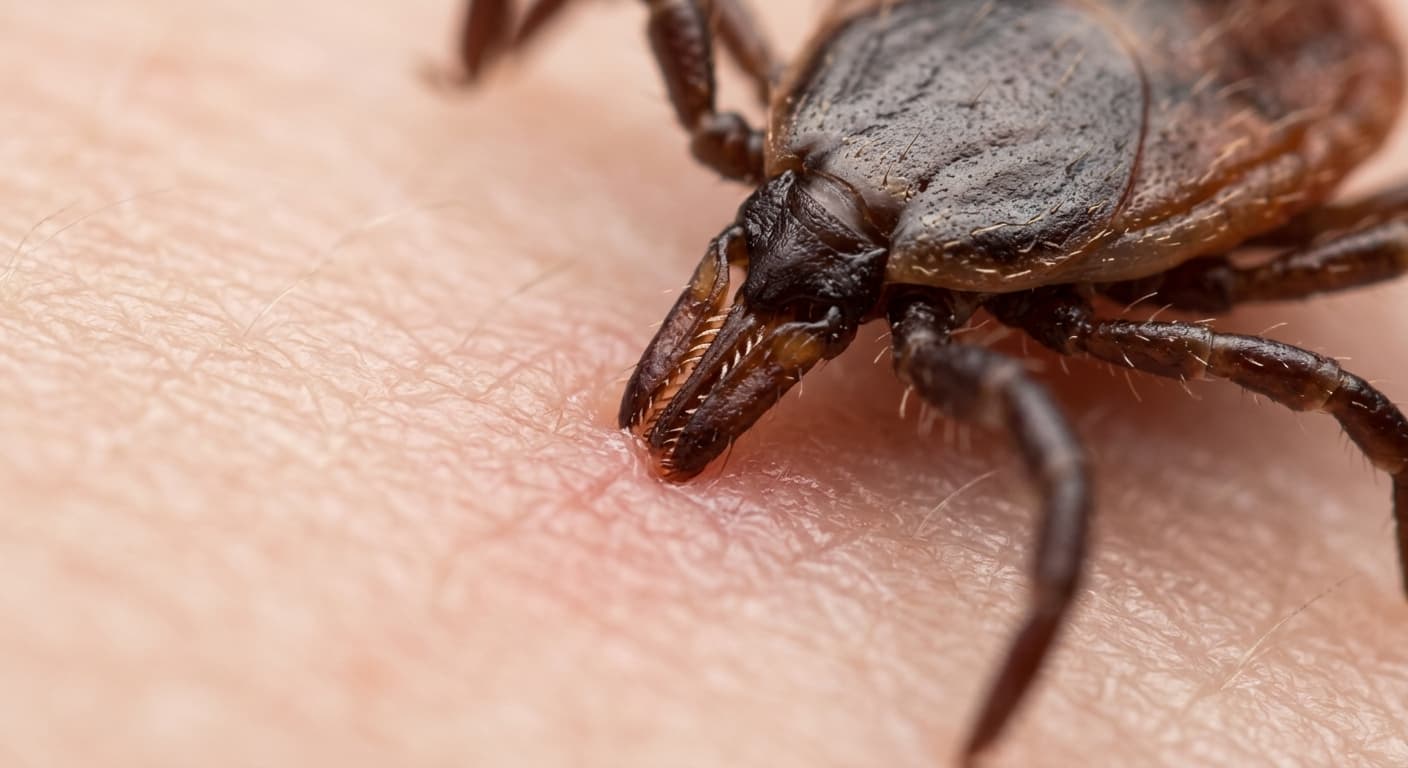
Ticks and Lyme Disease
Ticks are tiny, their bites are often painless and most do not carry the bacteria that cause Lyme disease—but the minority that do can transmit it, potentially causing long-term health problems if untreated. Knowing where ticks live, how to check after walking and what a possible Lyme rash may look like matters more than panic or avoidance.
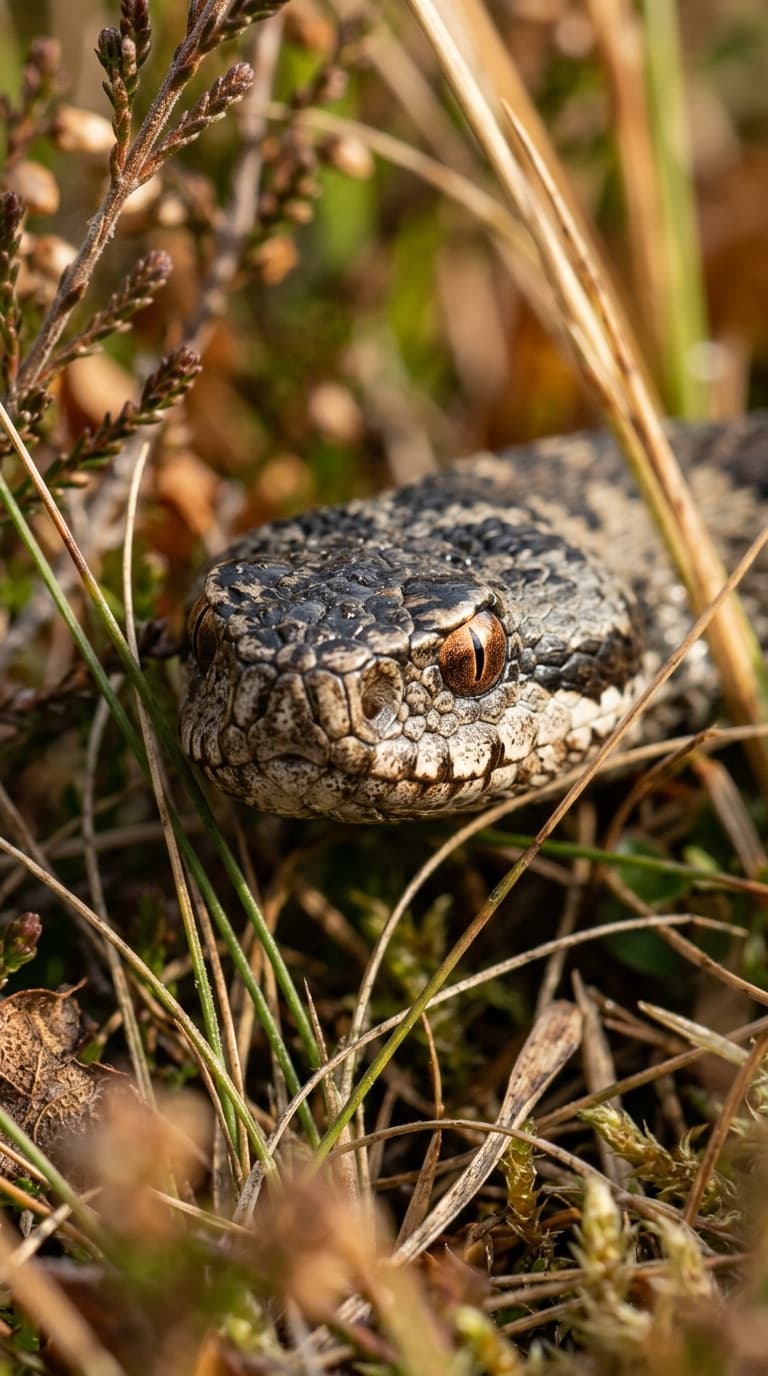
Adders: Should You Be Worried?
Britain's only venomous snake is shy and normally retreats, with bites most often occurring when an adder is handled or accidentally disturbed. Bites are rare but can be serious and always need urgent medical help—the actual risk is far smaller than the instinctive fear suggests.