6 guides
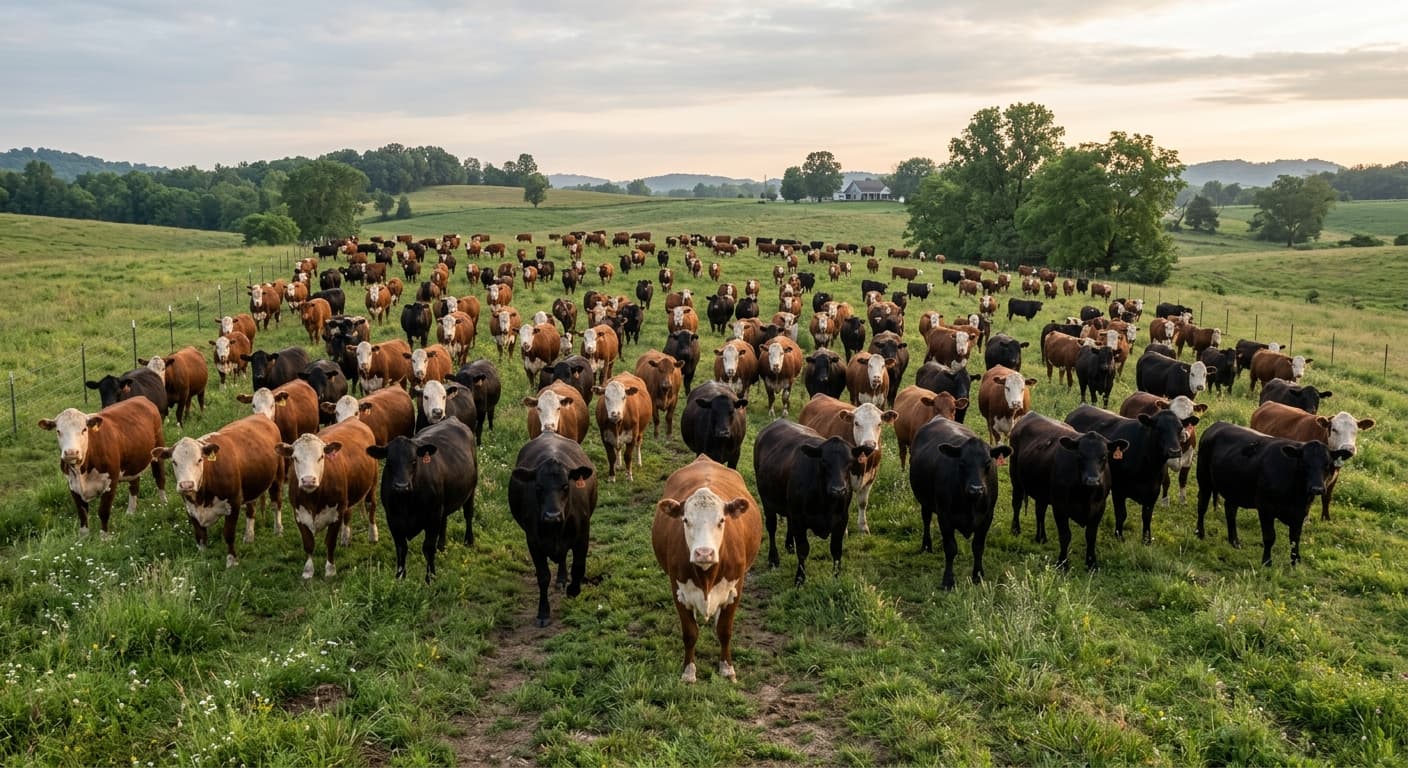
The Staring Contest: What Cattle Curiosity Actually Looks Like
When a herd stops grazing and turns to watch you cross their field, it's usually curiosity rather than hostility. Here's how to tell the difference between interested and agitated, and why turning your back too soon is a mistake.
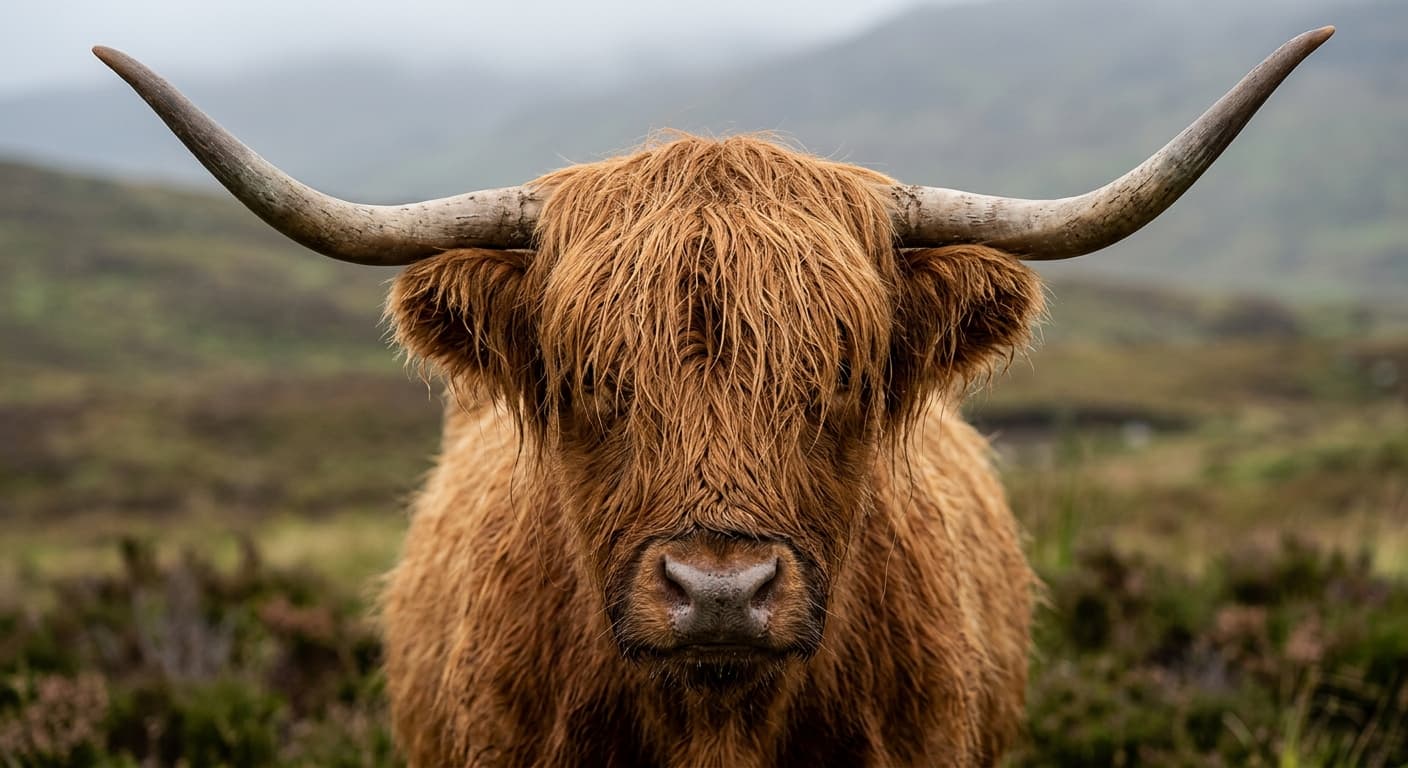
Highland Cattle: When Horns and Fringe Don't Mean Danger
With their long ginger coats and impressive horns, Highland cattle look more intimidating than they usually are. Here's what their body language actually tells you, and why that photogenic fringe exists in the first place.
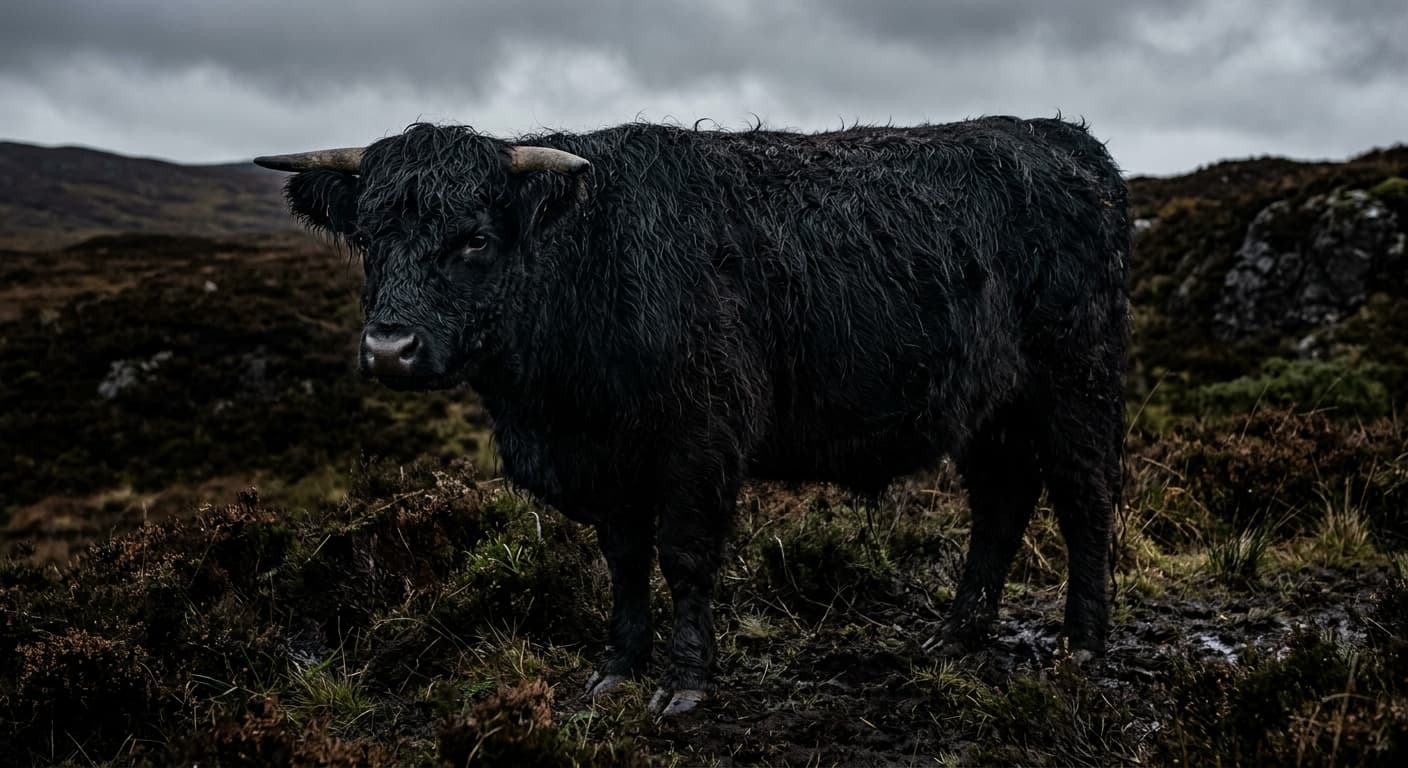
Black Galloways: When the Belt Goes Missing
They're stocky, shaggy, and entirely black—Black Galloways are Belted Galloways' solid-coloured relatives. Same hardiness, same upland temperament, less conspicuous colouring when you're trying to spot them on moorland grazing.
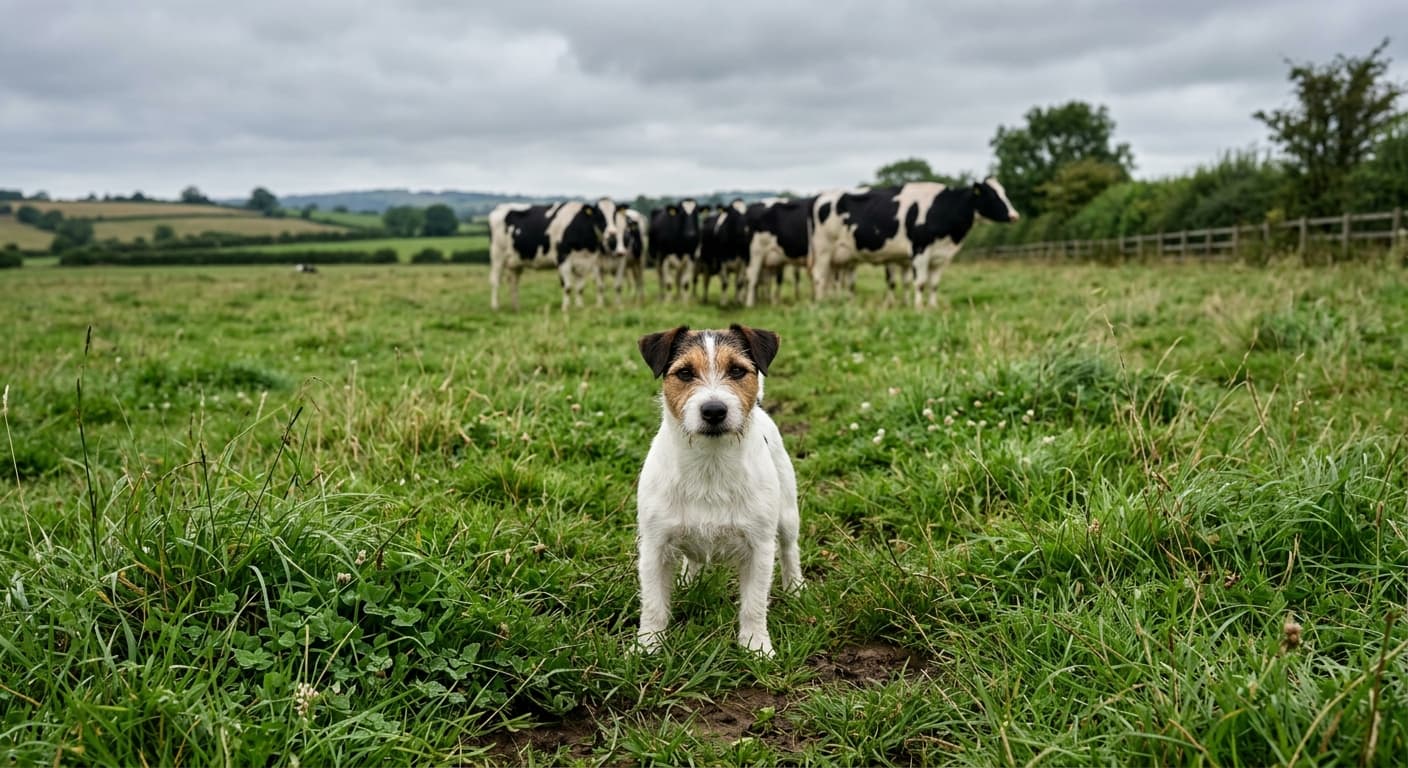
Let Go of the Lead: Cattle, Dogs and Getting the Safety Advice Backwards
Most walkers know to keep dogs under close control around livestock—but there is a peculiar exception. When cattle become aggressive, releasing your dog may be the safest thing you can do for both of you, even though it sounds precisely wrong in the moment.
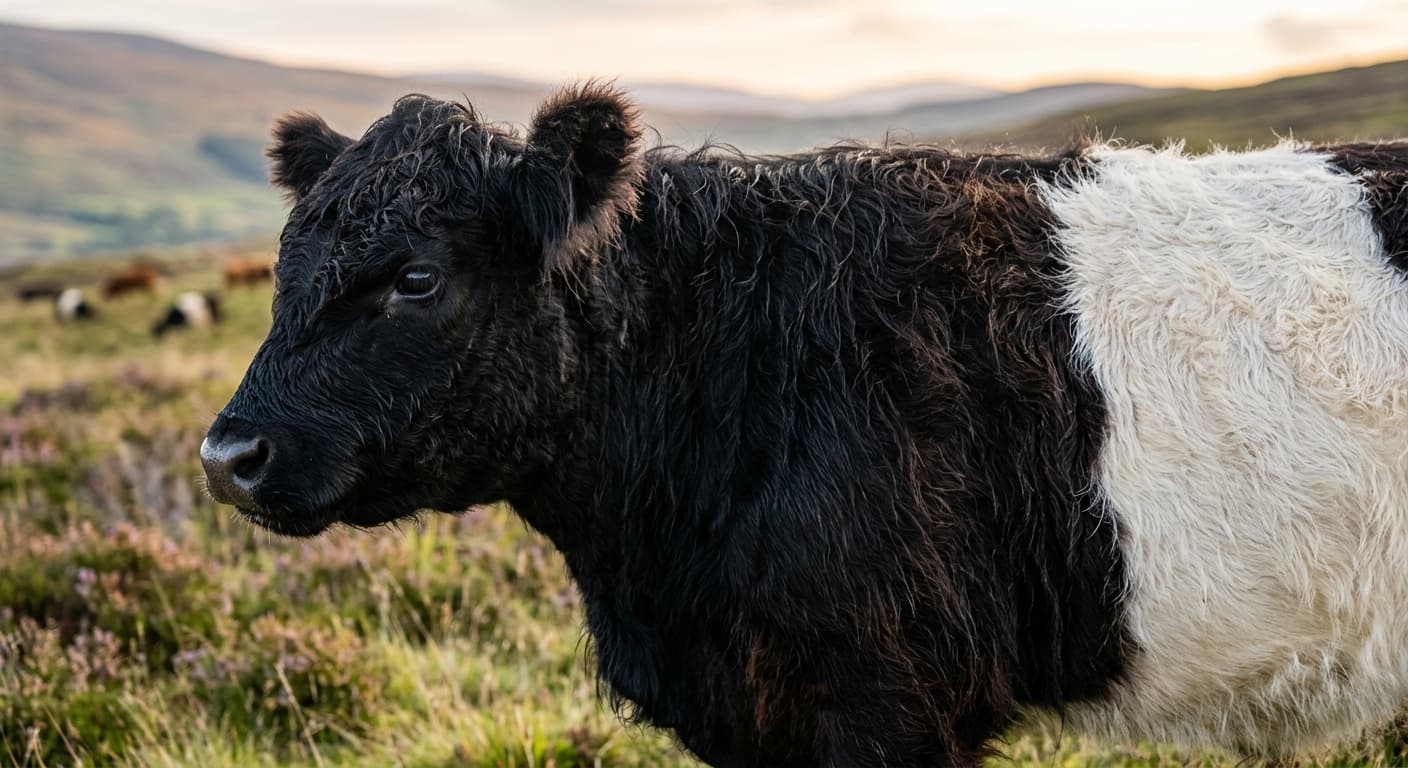
Belted Galloways: The Oreo Cattle of the Uplands
Black at both ends with a white middle, Belted Galloways look like someone designed them for maximum visibility. They're hardier than they look, and that belt isn't decorative—it's centuries of selective breeding for specific grazing conditions.
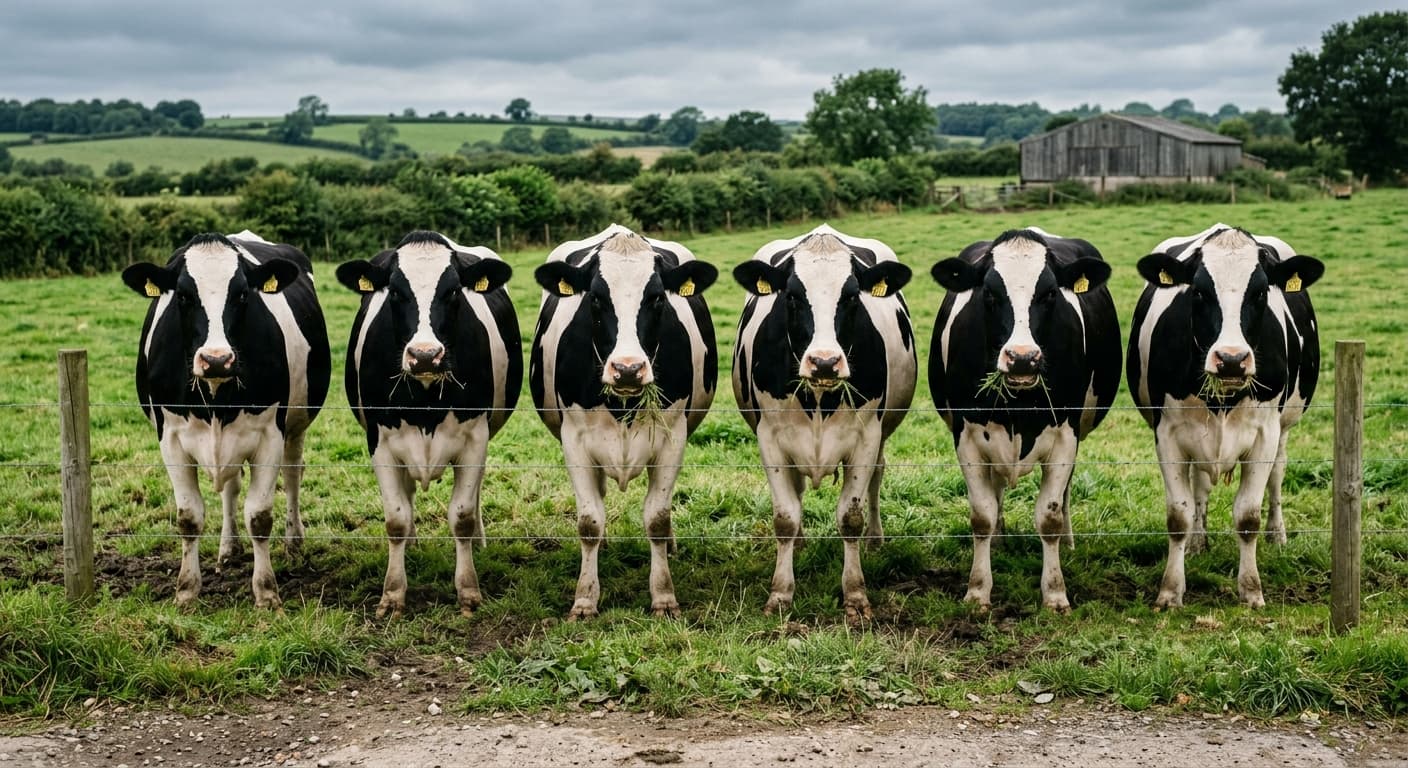
Dairy Cattle in Footpath Fields: Why They're Calmer Than You'd Think
Friesians and other dairy breeds are handled daily, walked to the parlour twice a day, and generally unbothered by humans. They're larger than beef cattle but usually less reactive—though a field of freshly-turned-out heifers is a different matter entirely.