10 guides
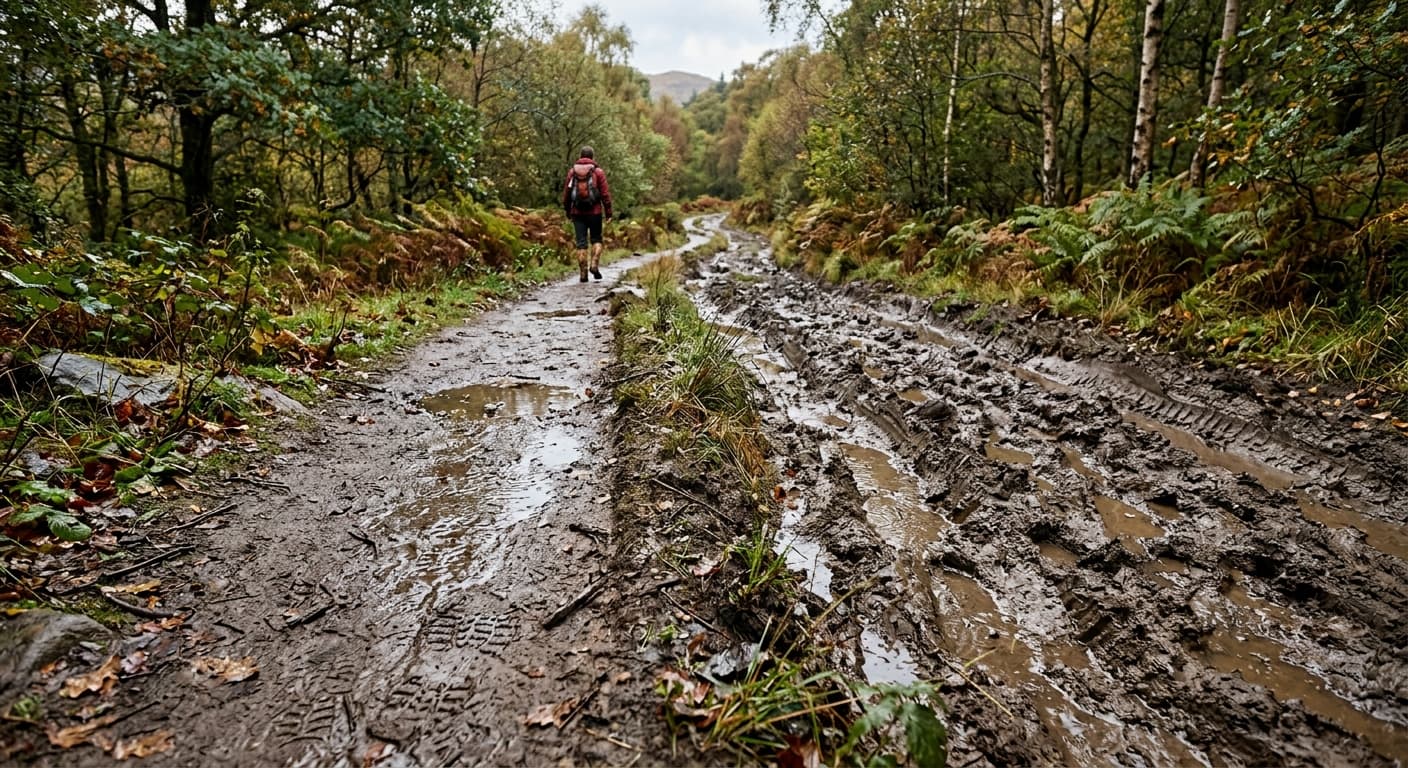
Why Some Paths Stay Dry While Others Turn Into Swamps
Bedrock, soil, slope and drainage determine whether rain soaks away or remains near the surface. Add peat, heavy footfall and poor drainage, and one path stays firm while another becomes boggy.
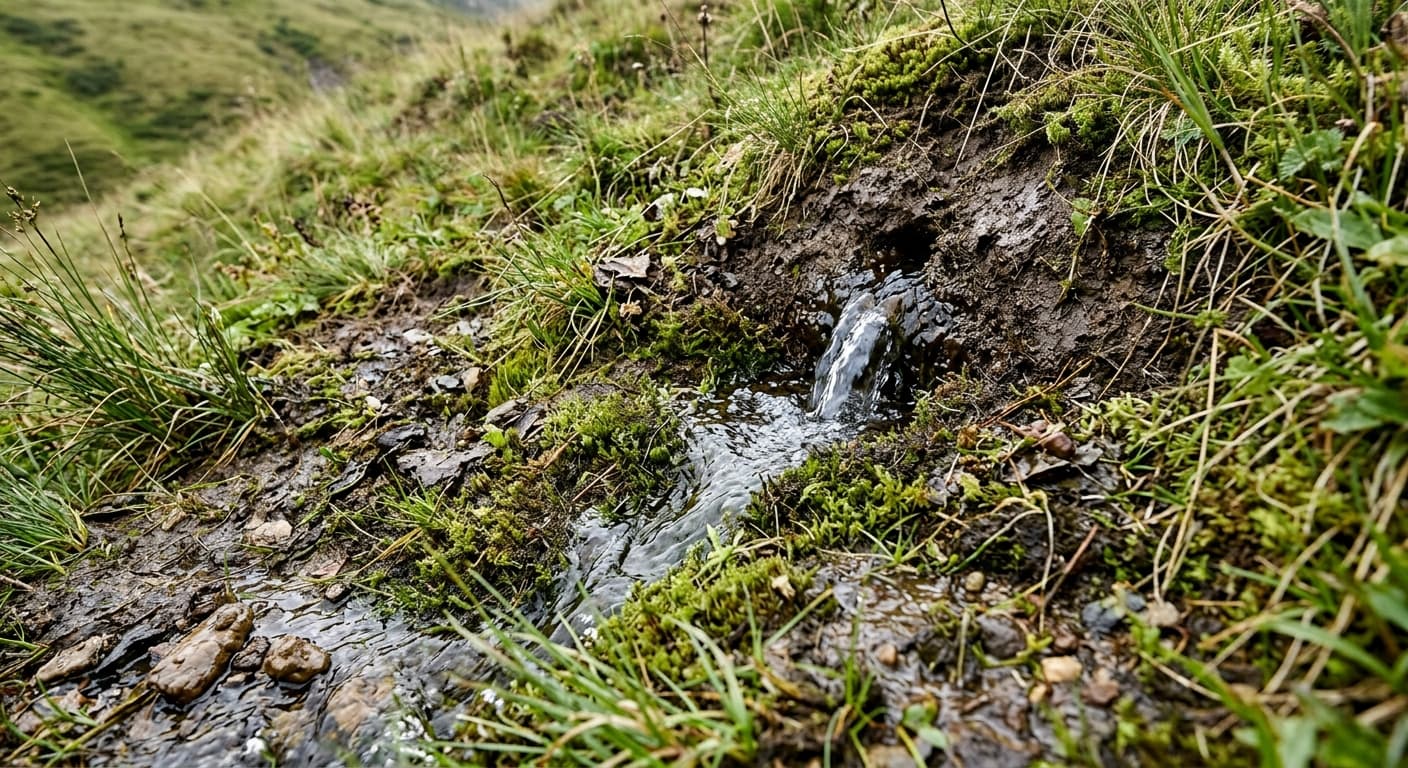
Why Springs Pop Out Halfway Up Hills
Rain sinks into permeable rock and moves downhill underground until it meets an impermeable layer or the water table reaches the surface. The water then emerges as a spring, often along a clear line across the hillside.
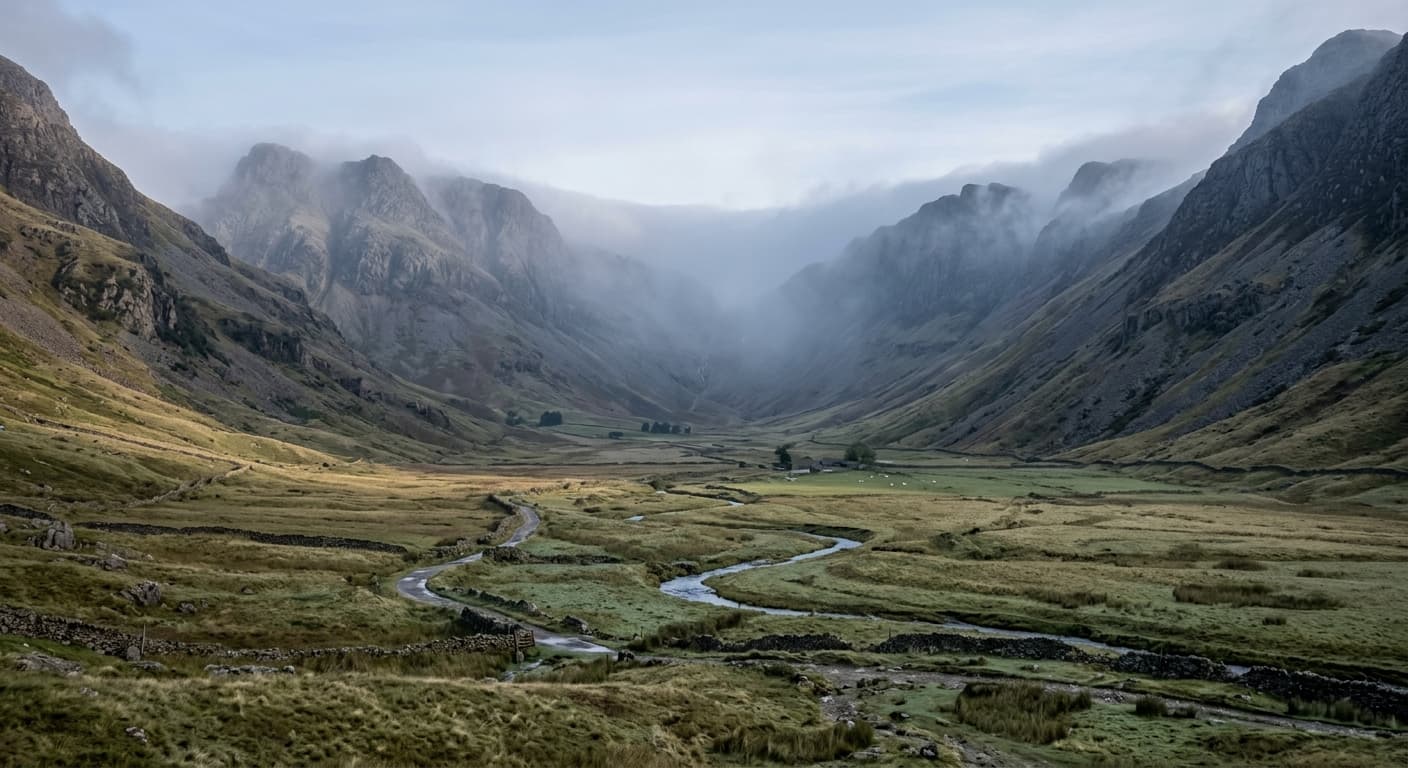
How Glaciers Carved Britain’s Valleys
Moving ice widened and deepened existing river valleys, grinding the floor and sides into the broad U-shape seen across Britain’s uplands. The article will explain corries, hanging valleys and the marks glaciers left on exposed rock.
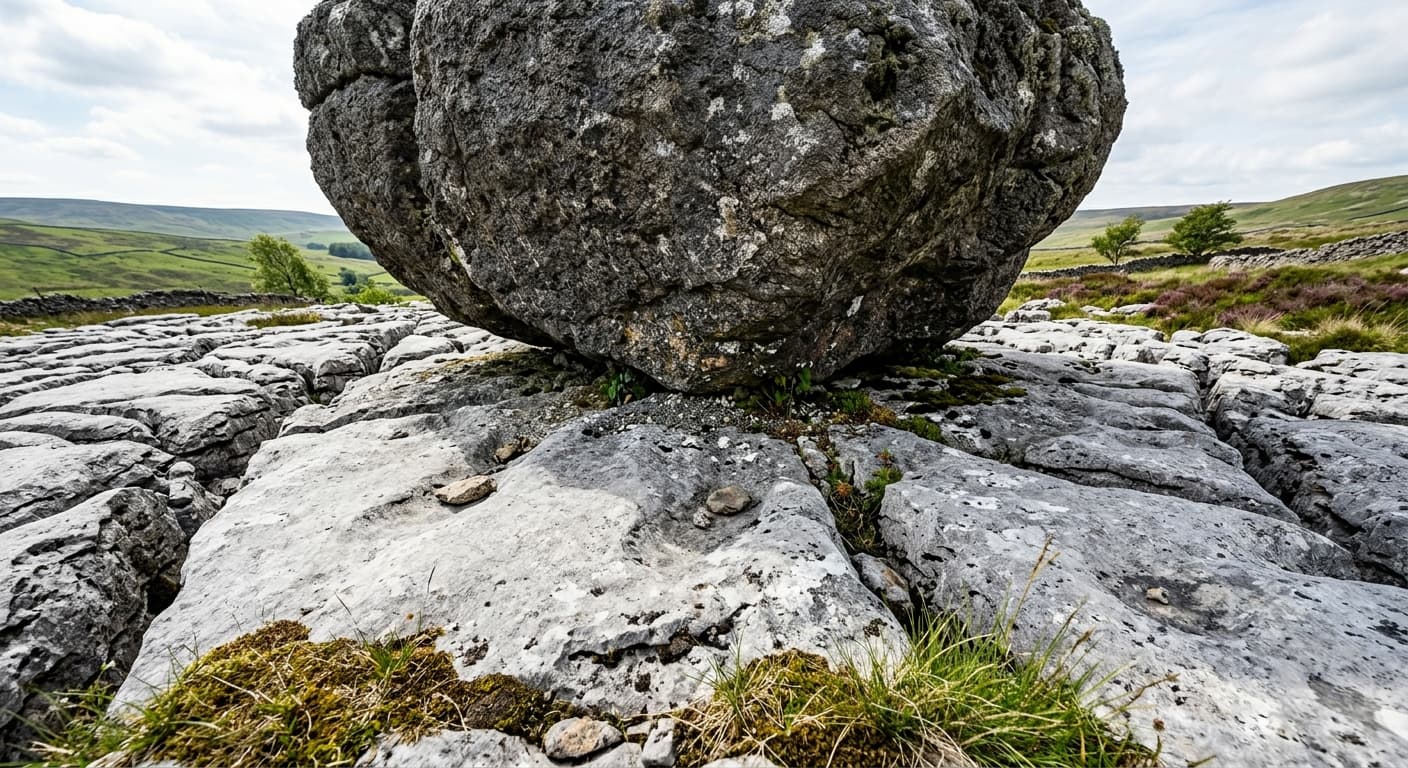
Where the Boulders on the Hills Came From
Glaciers picked up blocks of rock and carried them far from where they formed before leaving them behind as the ice melted. These glacial erratics reveal both the direction of ice flow and the distant rock they came from.
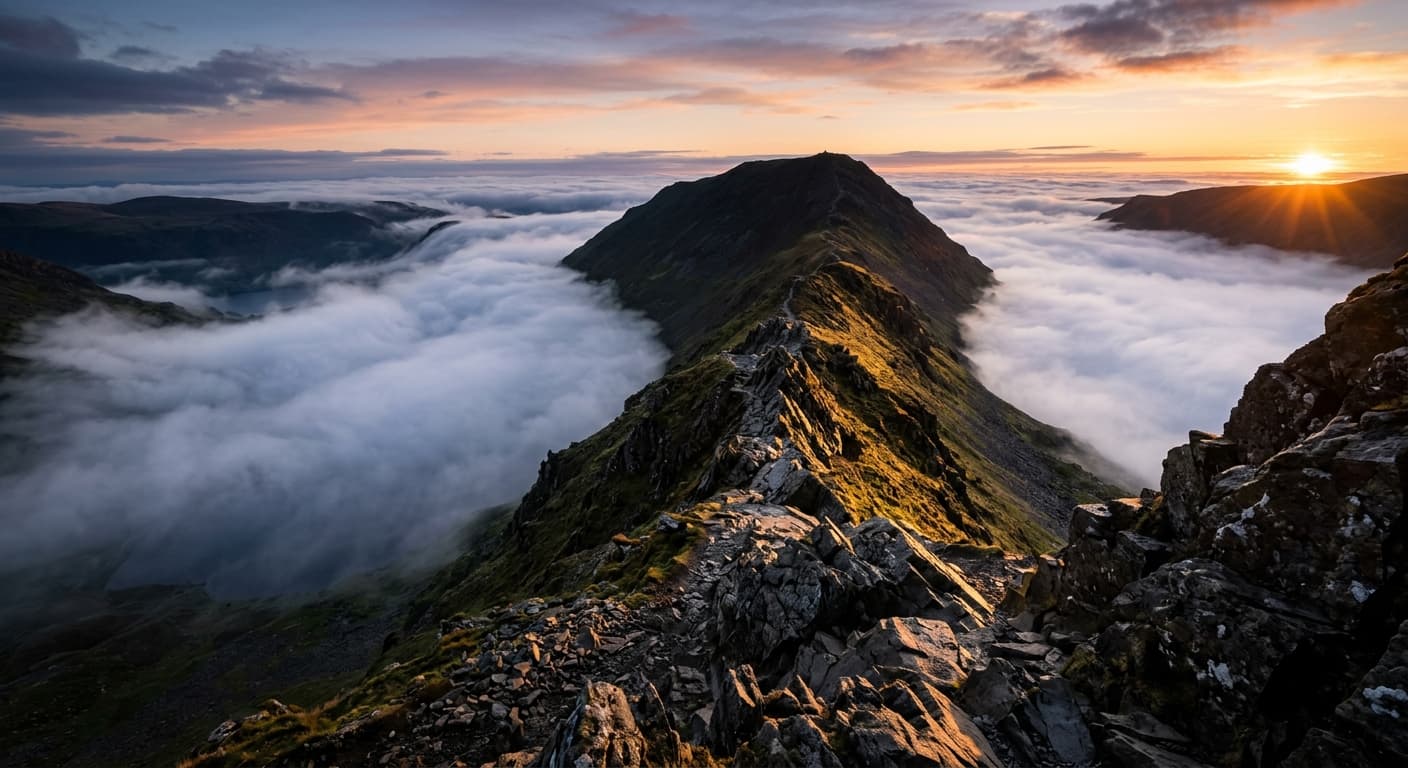
How Britain’s Mountains Were Made
Britain’s mountains were created by ancient plate collisions, volcanic activity and movement along faults. Millions of years of weathering, rivers and ice then shaped them into the ranges and isolated hills hikers see today.
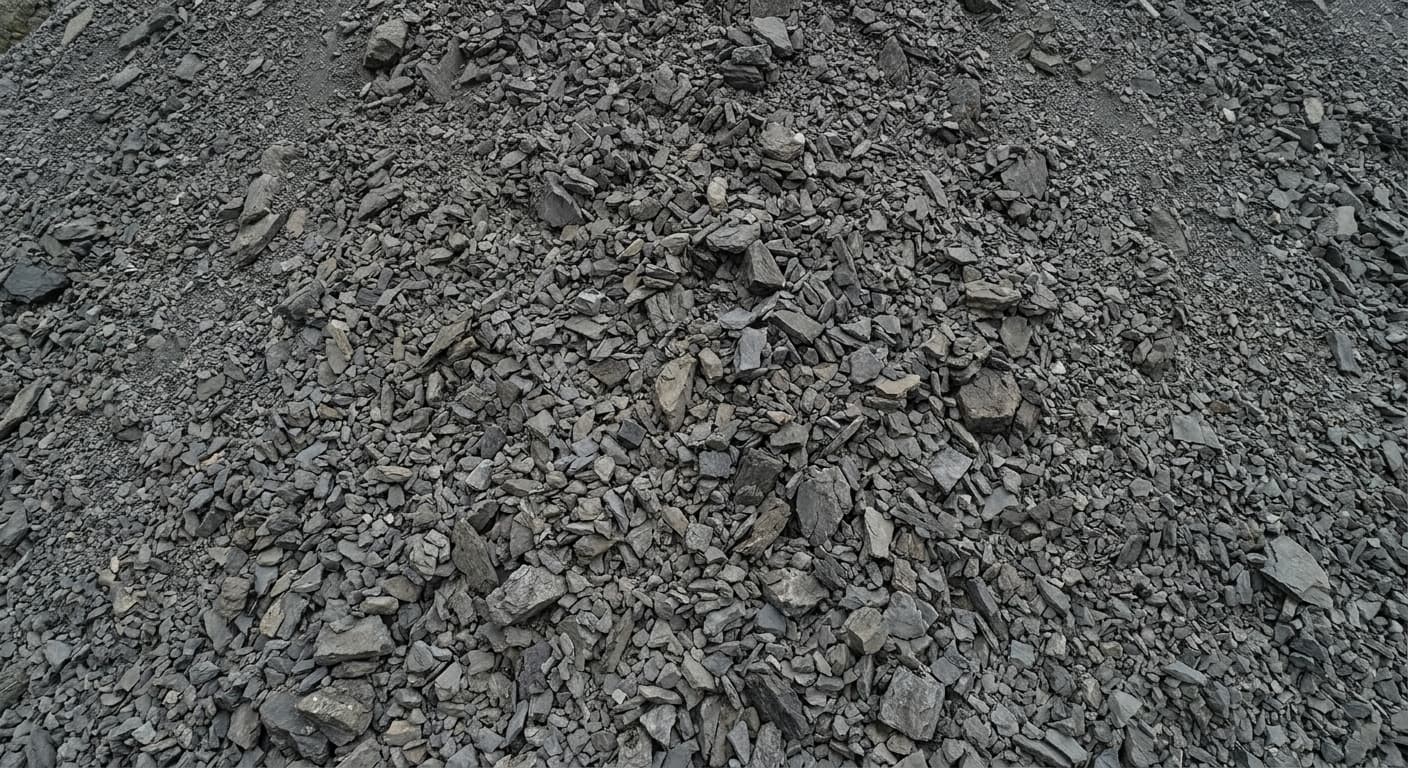
Why Scree Collects Below Crags
Water freezes in cracks beneath exposed crags, expands and loosens blocks of rock. Repeated freeze-thaw cycles send the fragments downhill, where gravity gathers them into the scree slopes walkers cross.
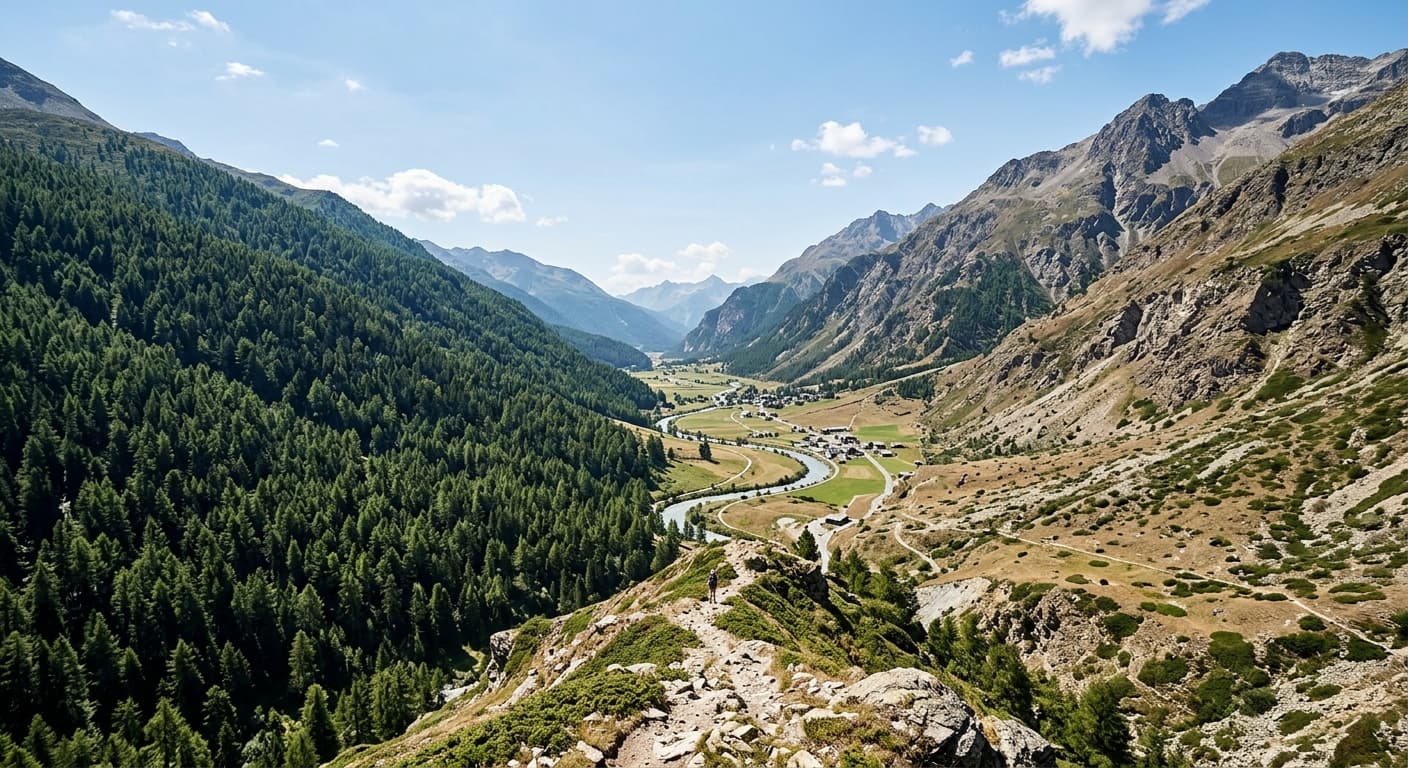
Why One Hillside Grows Trees and Another Doesn’t
Whether woodland takes hold depends on soil depth, drainage, altitude, exposure, slope direction, grazing and centuries of human land use. Comparing opposite hillsides shows why trees flourish on one while the other remains open.
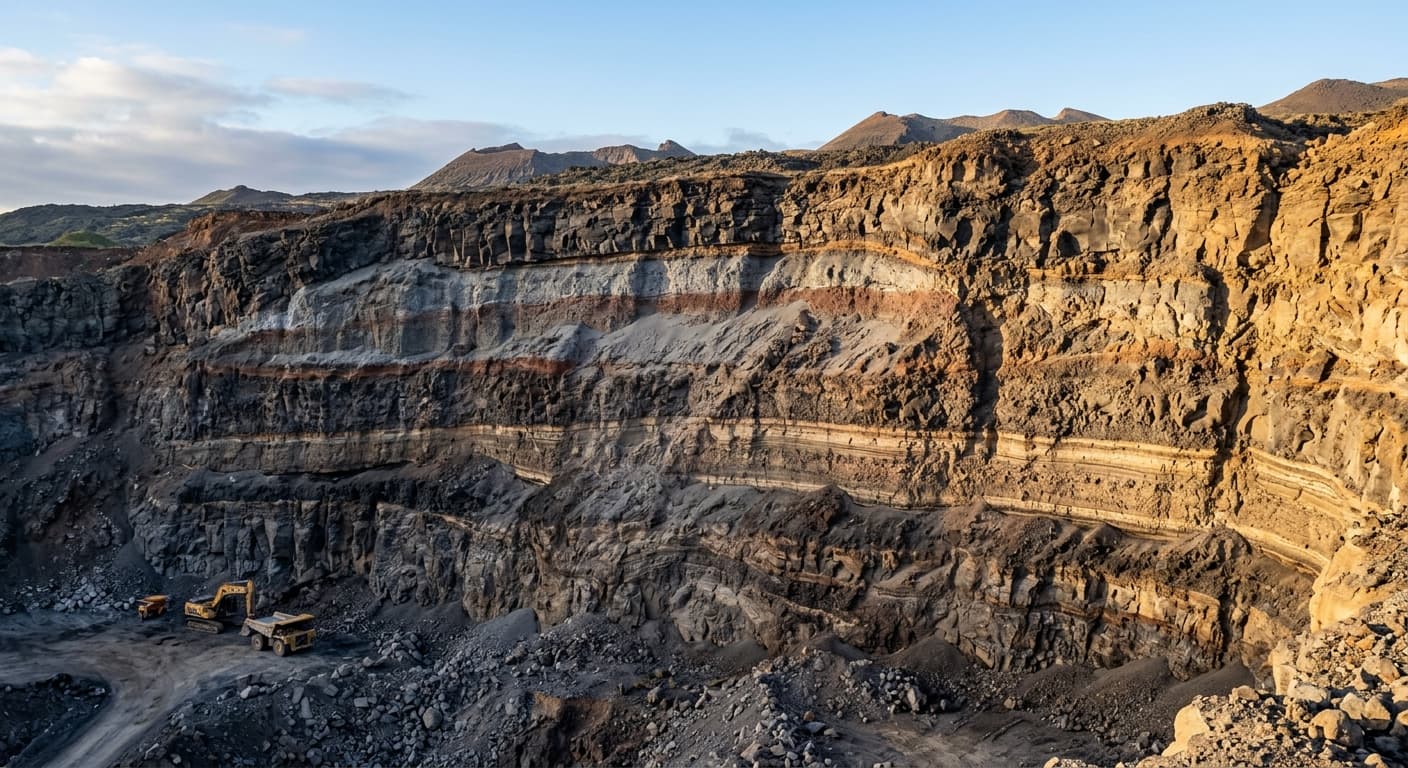
What Volcanoes Left Behind in Britain
Extinct volcanoes left lava flows, ash deposits, intrusions and collapsed calderas across parts of Britain. Their resistant volcanic rocks now form familiar crags, ridges and mountain landscapes.
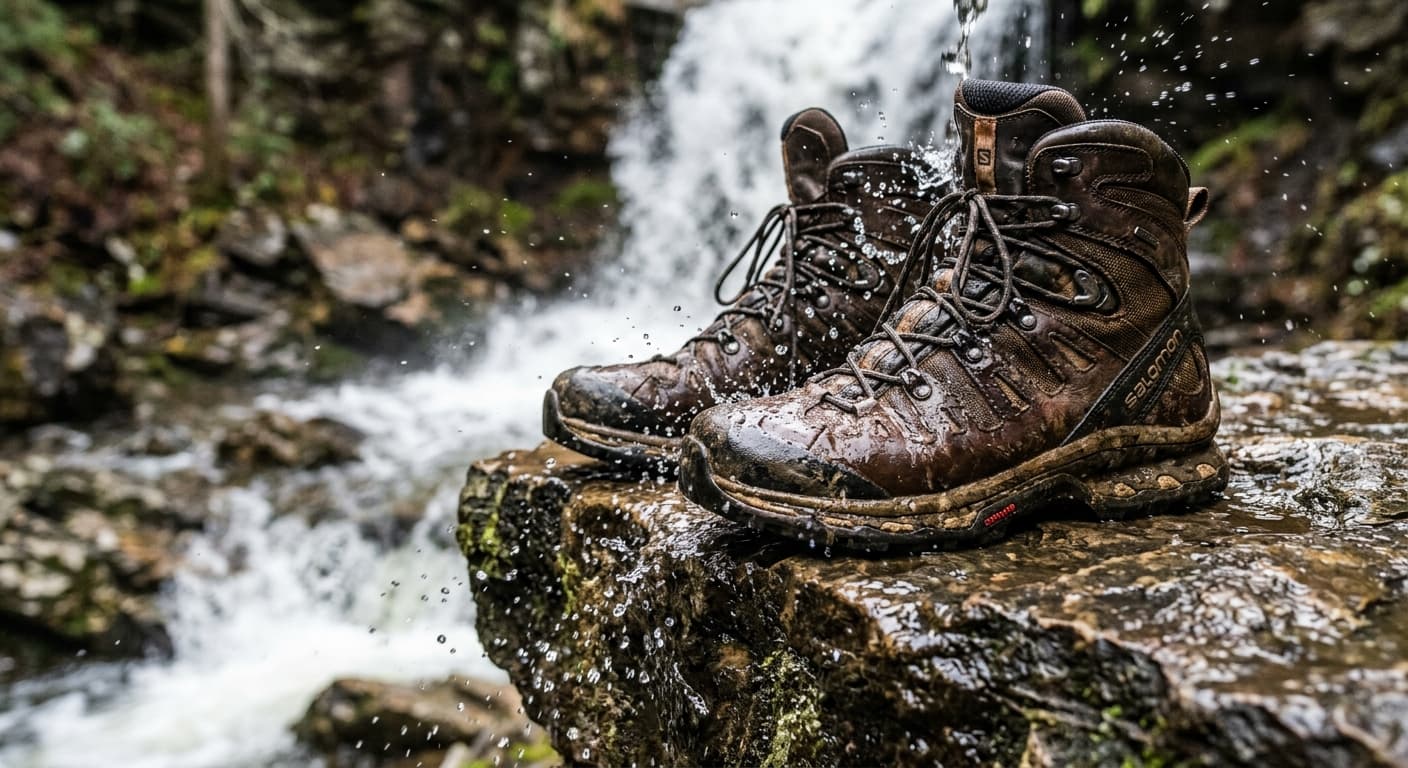
Why Waterfalls Form in Certain Places
Waterfalls commonly form where hard rock overlies softer rock, where faults create a step, or where a glacial hanging valley meets a deeper main valley. Erosion then changes the fall and can move it gradually upstream.
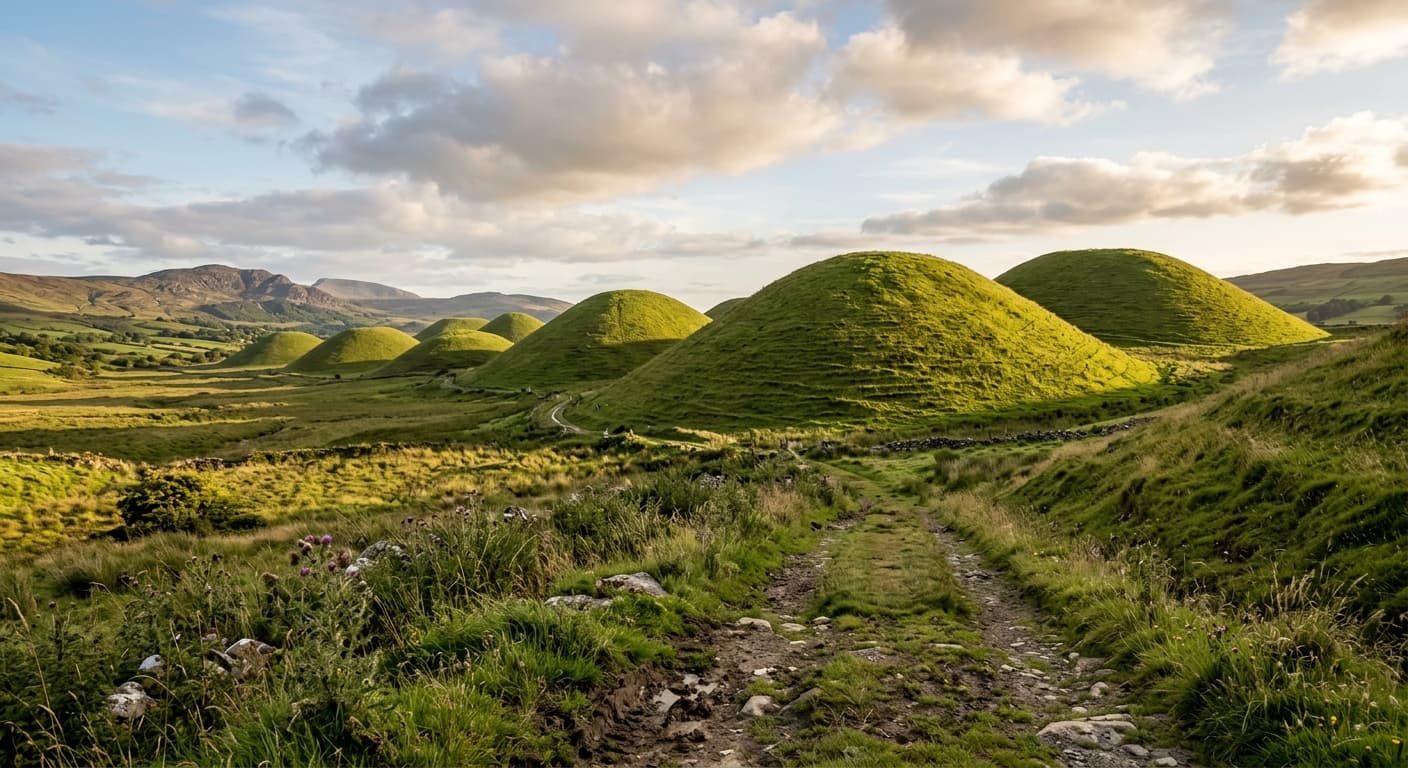
The Moraine Mounds That Look Like Hobbit Hills
Drumlins and hummocky moraines left by glaciers appear as smooth rounded mounds dotted across valleys and lowlands. Their green domed shapes and clustered arrangement can look uncannily like a film-set village waiting for small round doors.