11 guides
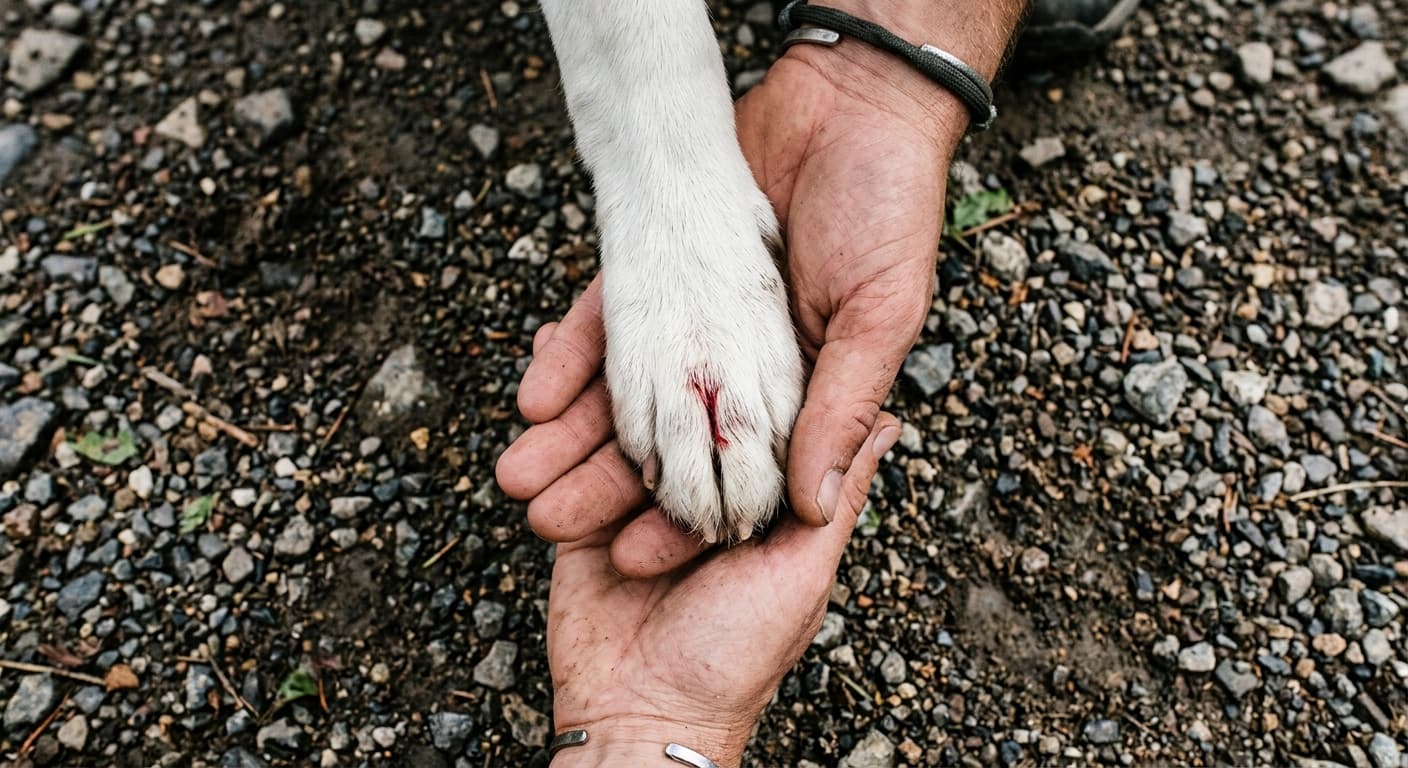
What to do when your dog cuts a paw halfway up a hill
You're miles from anywhere and your dog's started limping with blood on their pad. How to work out whether it's serious, what you can do on the spot with whatever's in your pockets, and how to get them back down without making it worse.
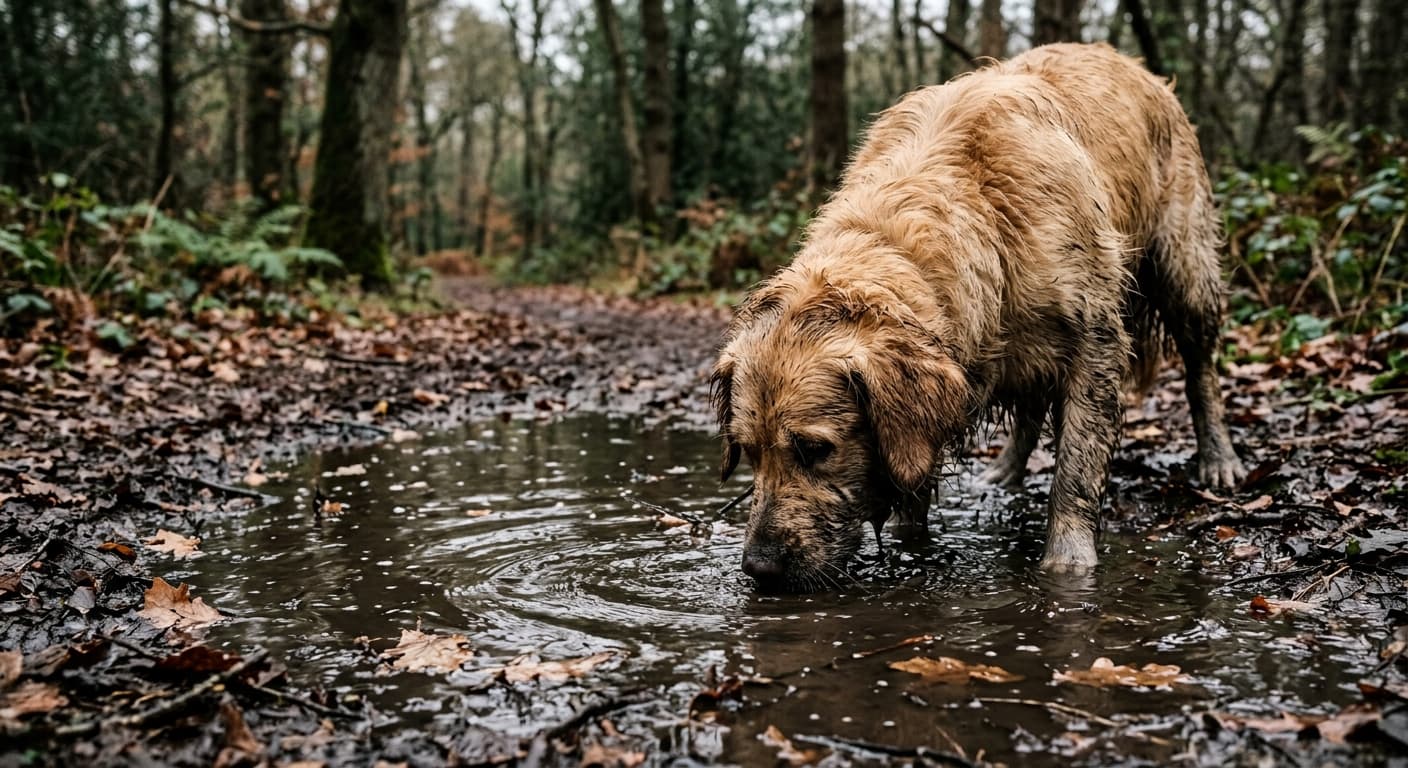
Why that muddy puddle might not be as harmless as it looks
If your dog treats every puddle like a free buffet, here's what you need to know about leptospirosis — the bacterial infection lurking in standing water that can damage their liver and kidneys, and why your annual vaccinations matter more than you might think.
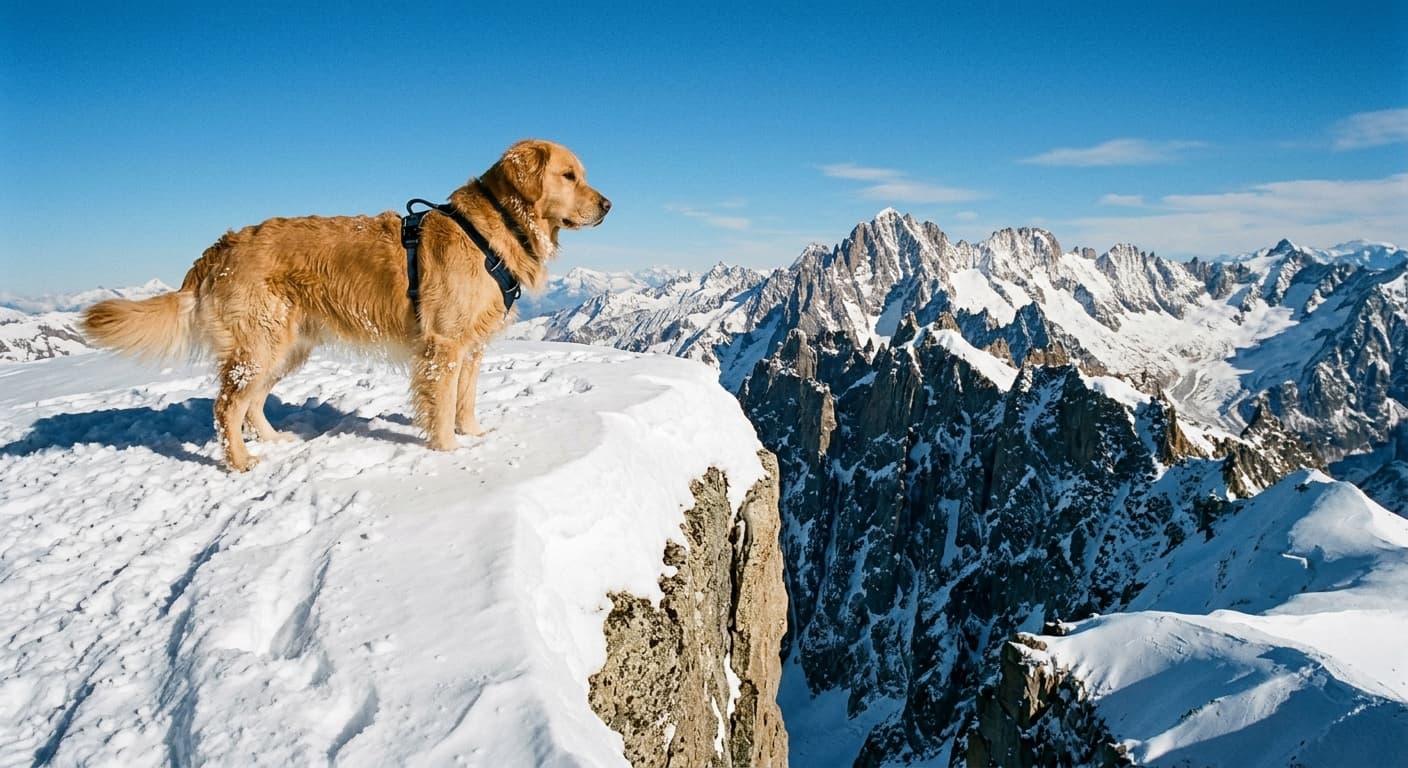
Your Dog Has No Idea What a Cornice Is
Winter mountains contain hazards dogs cannot read: overhanging snow that resembles solid ground, ice that turns paws into skates and steep frozen slopes where a slip becomes a long slide. Add crampons and compacted snow between the pads, and close control becomes essential.
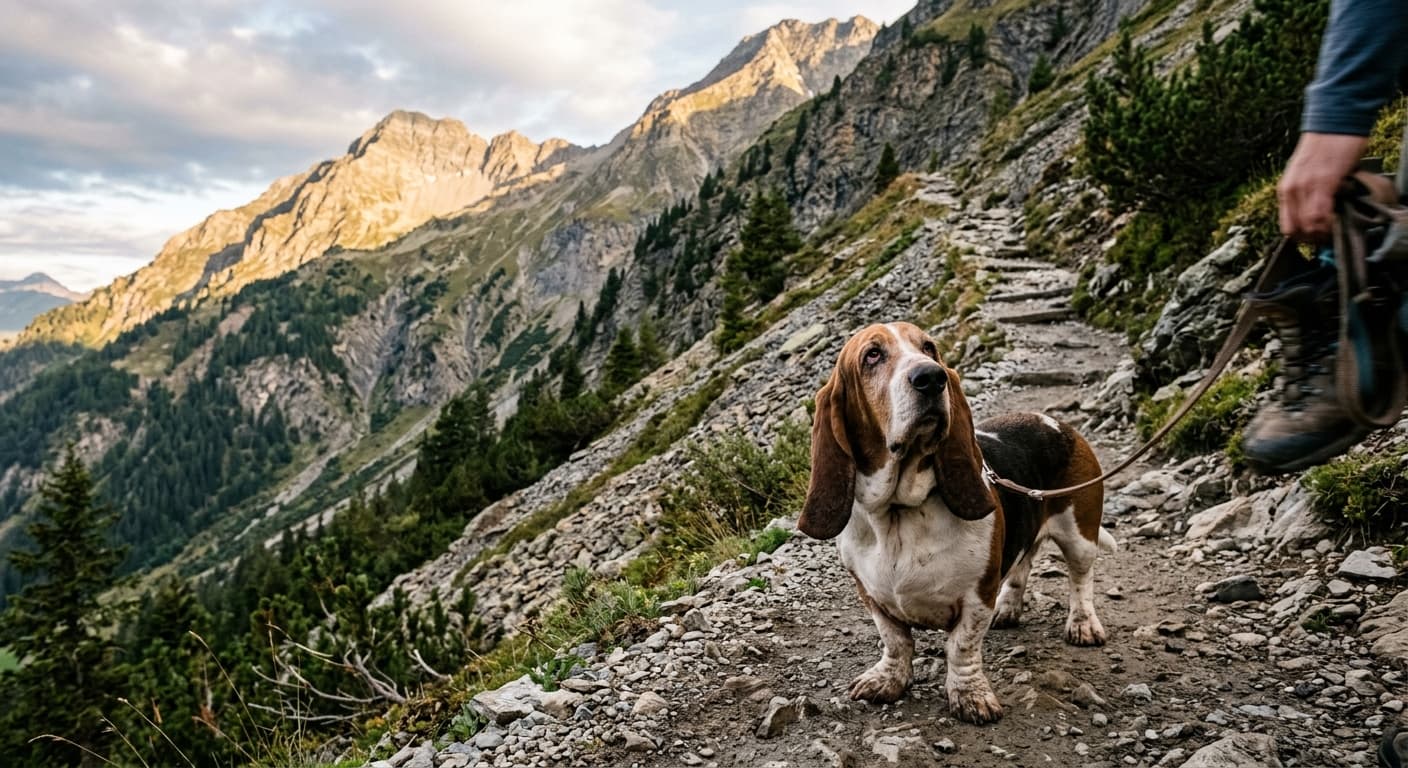
Building Your Dog's Fitness for Longer Hill Walks
A dog's suitable exercise depends on age, breed, health, current fitness and individual preference—there's no universal mileage rule. Gradually increase fitness before attempting a long or steep hike, plan routes that suit your dog's abilities, carry water and food, allow breaks, and consult a vet if your dog has health or fitness concerns.
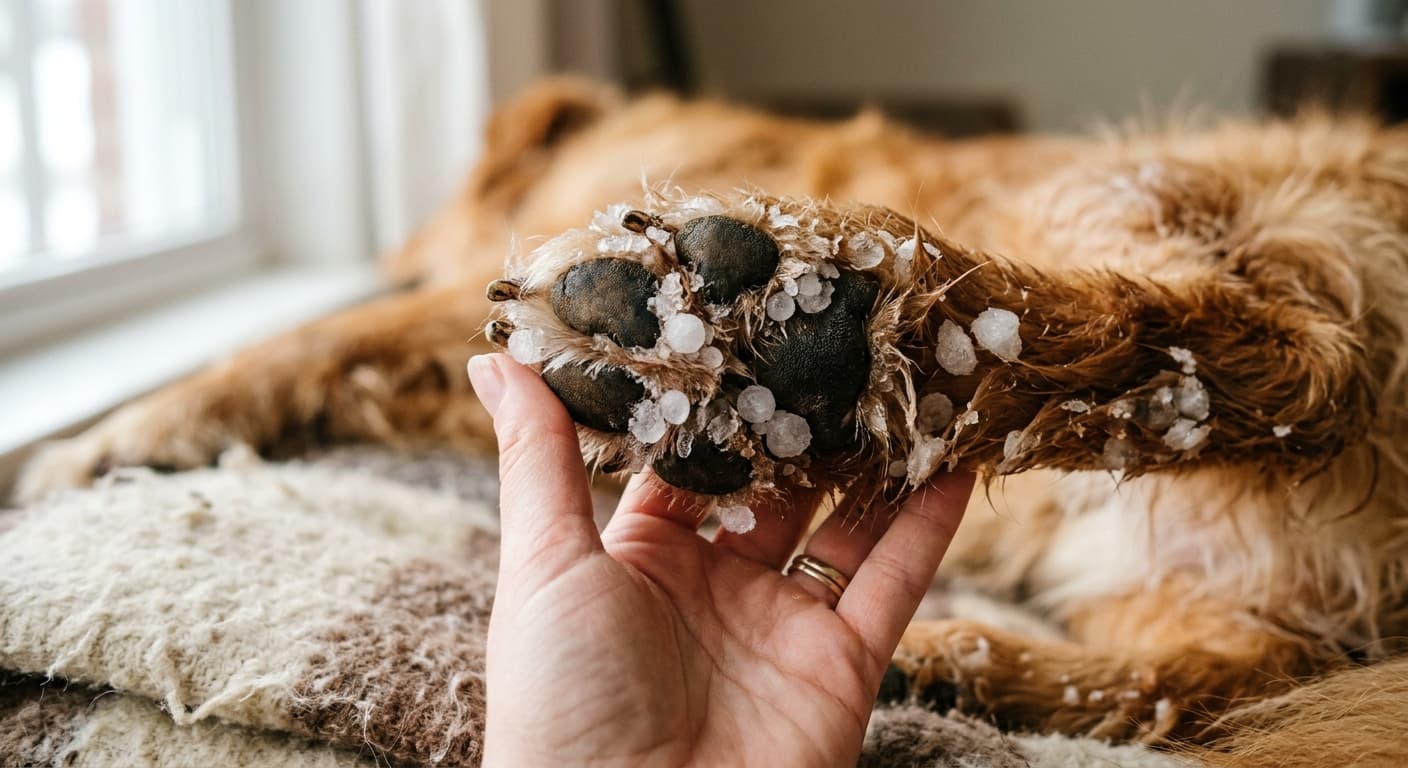
Road Grit, Snow and Your Dog's Paws: Winter Walk Checks
Snow can pack painfully between a dog's pads, while road salt and grit irritate skin and cause stomach upset if licked off. Trim long fur between the pads, check paws after winter walks, and rinse away ice and grit with warm water rather than tugging at frozen clumps—and keep your dog off frozen ponds, because the ice may not hold.
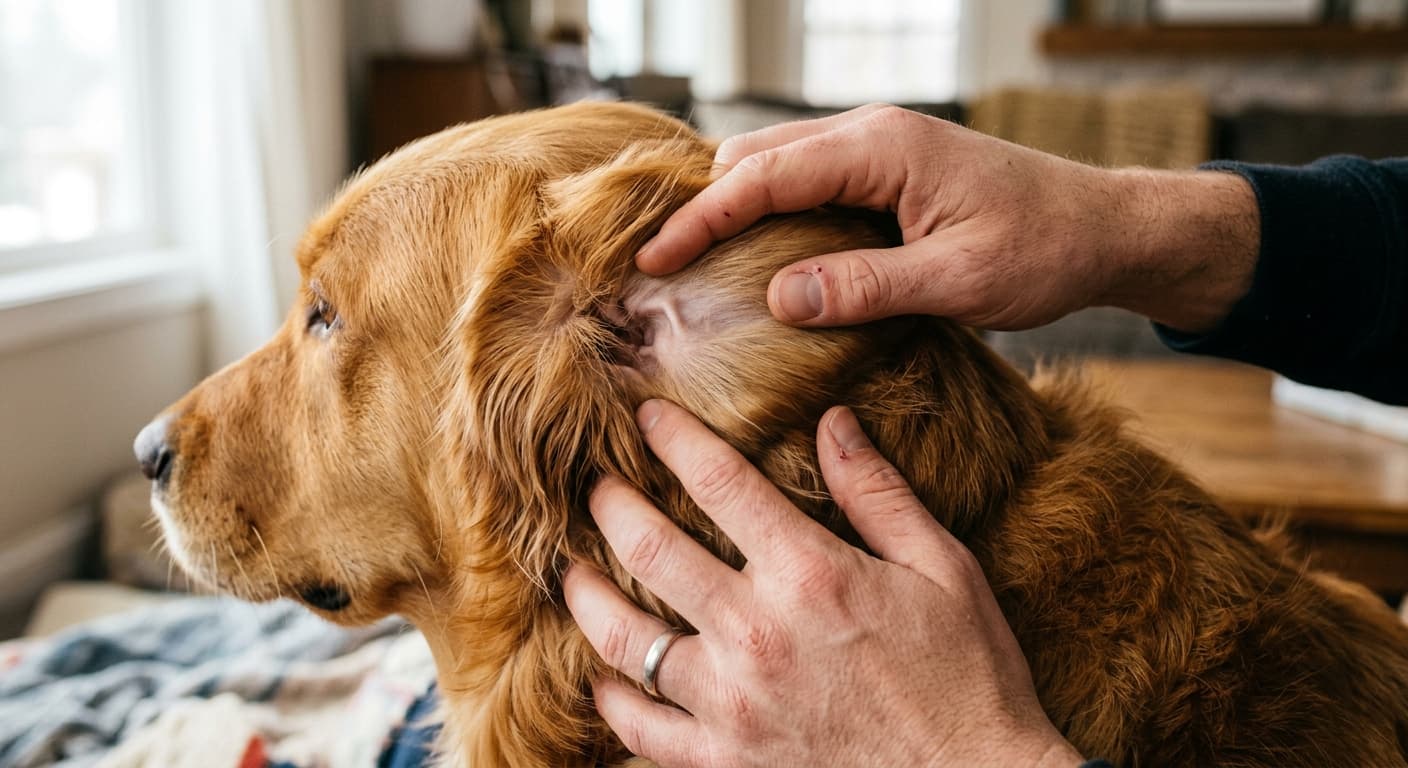
How to Check Your Dog for Ticks After a Walk
Ticks are common in woodland, moorland and long grass, especially in warmer weather, and they crawl onto dogs rather than jumping. Check your dog's head, ears, armpits, groin and belly after every walk—some UK ticks carry Lyme disease, so prompt removal matters, and a vet visit is sensible if part of the tick remains or your dog becomes unwell.
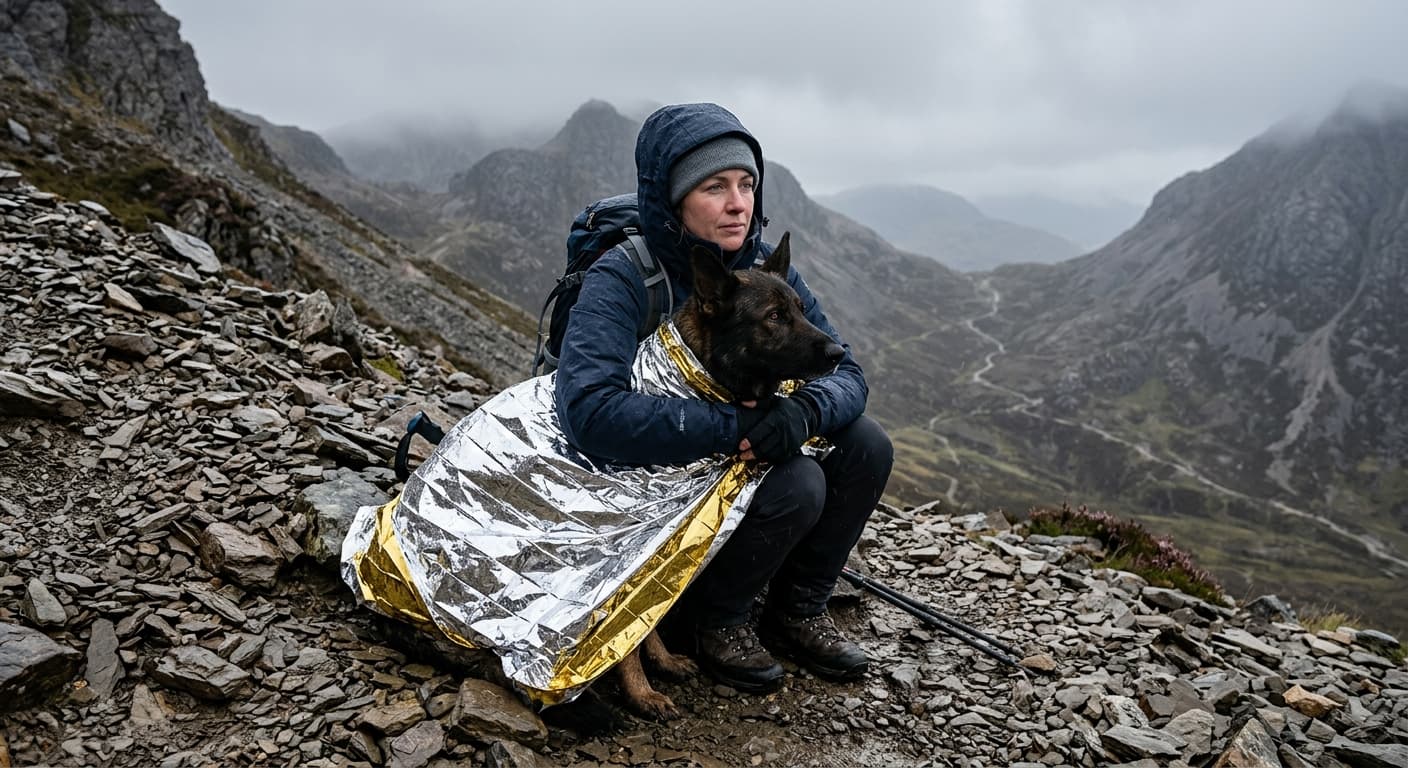
Carrying an Injured Dog Off a Mountain
A small dog may fit in a rucksack, while a waterproof coat can make a serviceable sling for a larger dog over a short distance. If movement would cause further pain or distress, the advice changes: keep the dog warm, stay put and call Mountain Rescue.
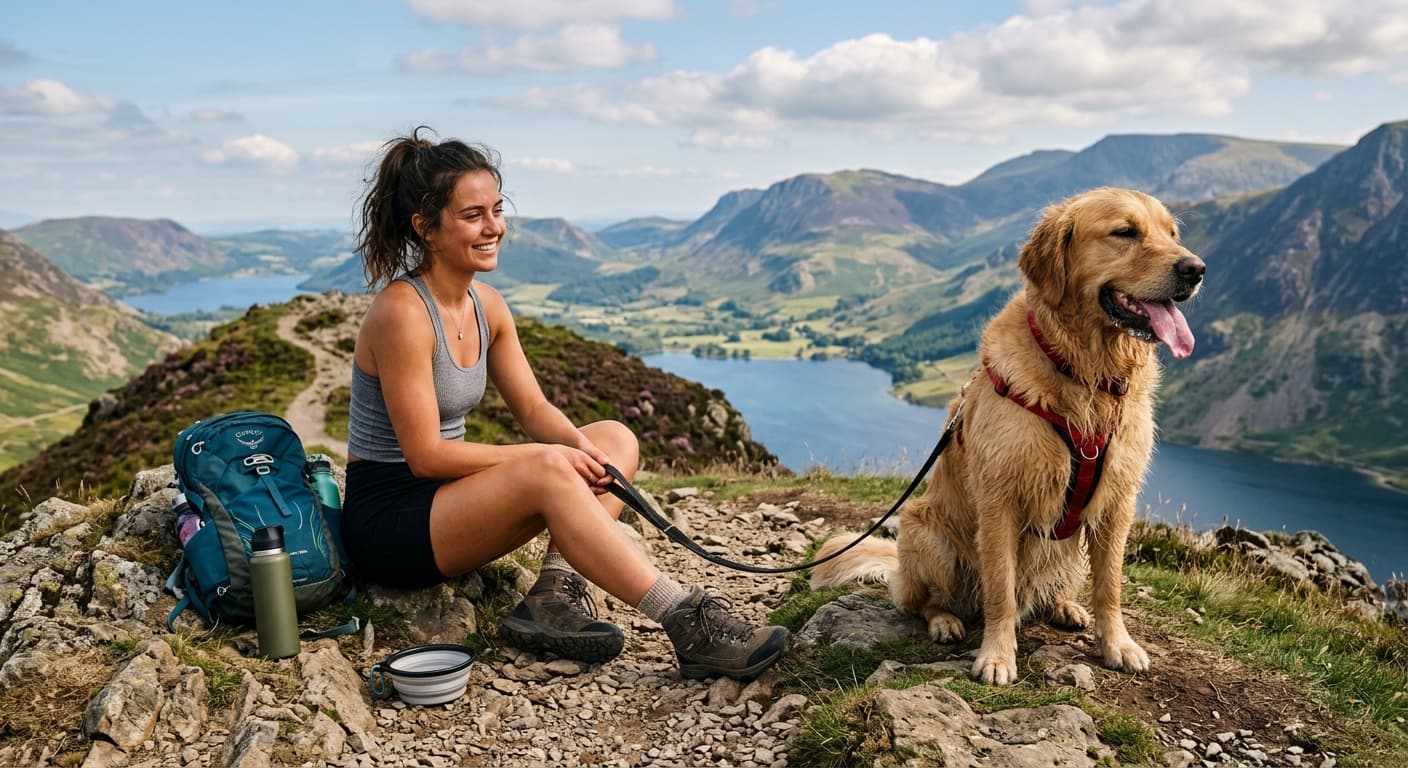
Your Dog Might Be Overheating Before You Notice
Dogs can’t tell you when they’re dangerously hot, and by the time they are visibly struggling, heat-related illness may already be taking hold. Flat-faced breeds and thick-coated dogs are particularly vulnerable, but any dog can overheat surprisingly quickly on an exposed ascent.
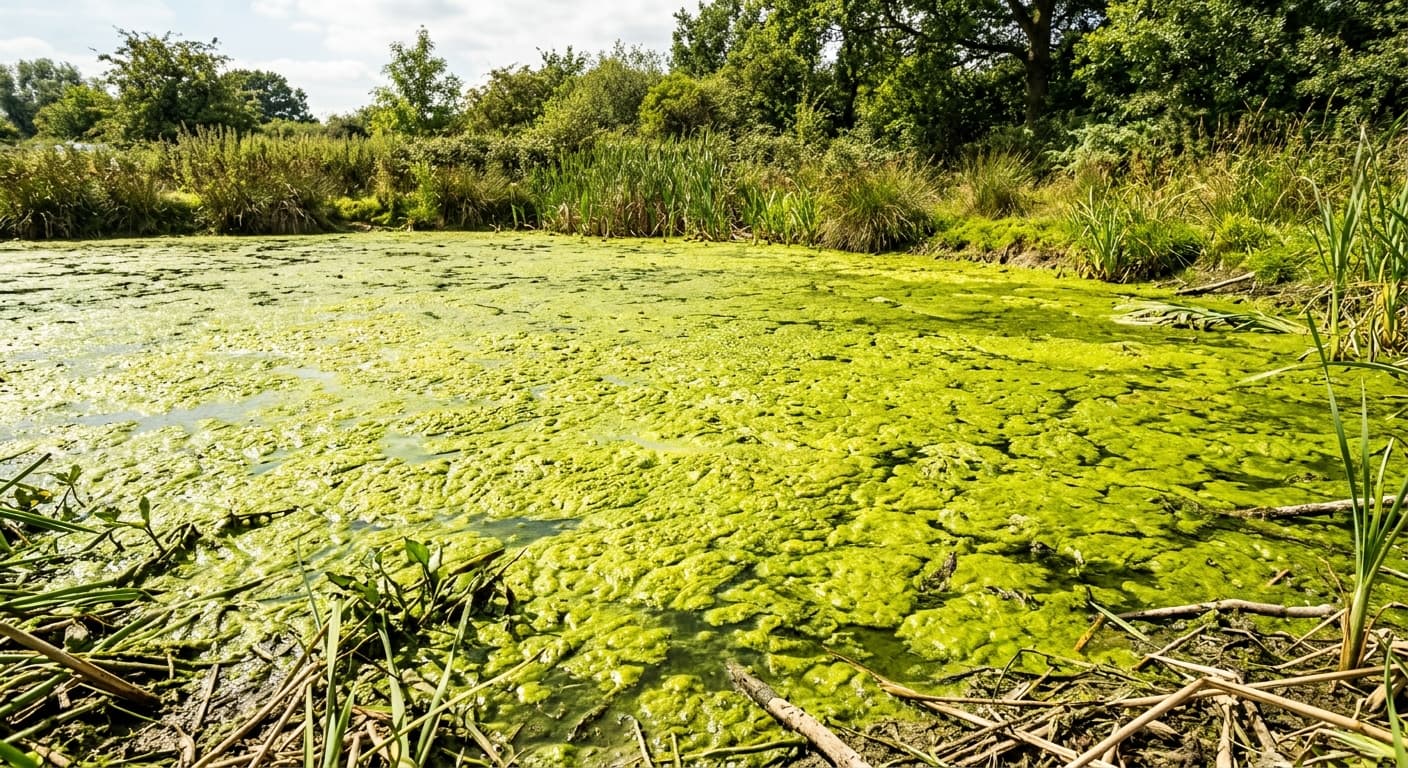
Green Scum Might Kill Your Dog
Blue-green algae can appear as floating layers of green, blue-green or brown gunk, and you cannot tell by looking whether it is harmless or toxic. Some blooms produce toxins capable of killing pets, making suspicious water something to avoid rather than investigate.
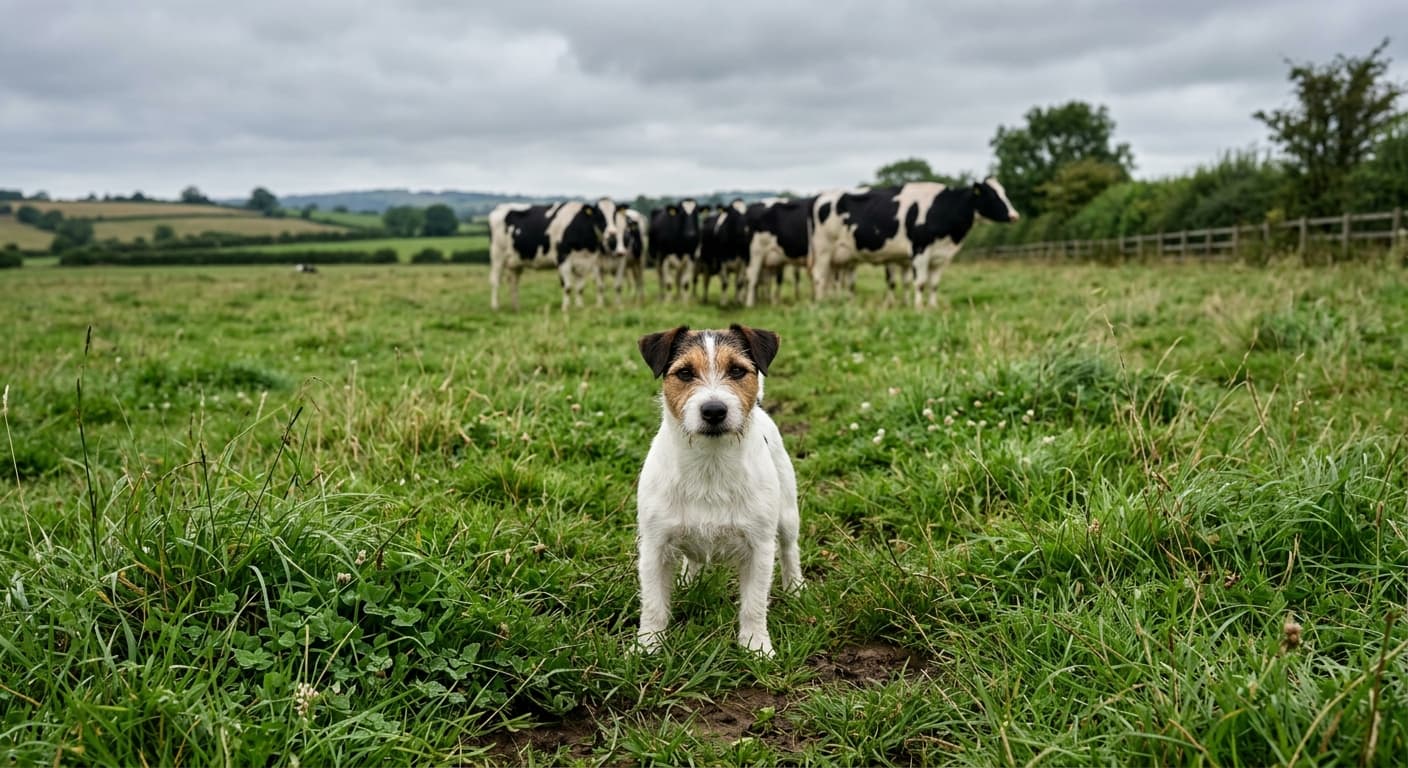
Let Go of the Lead: Cattle, Dogs and Getting the Safety Advice Backwards
Most walkers know to keep dogs under close control around livestock—but there is a peculiar exception. When cattle become aggressive, releasing your dog may be the safest thing you can do for both of you, even though it sounds precisely wrong in the moment.
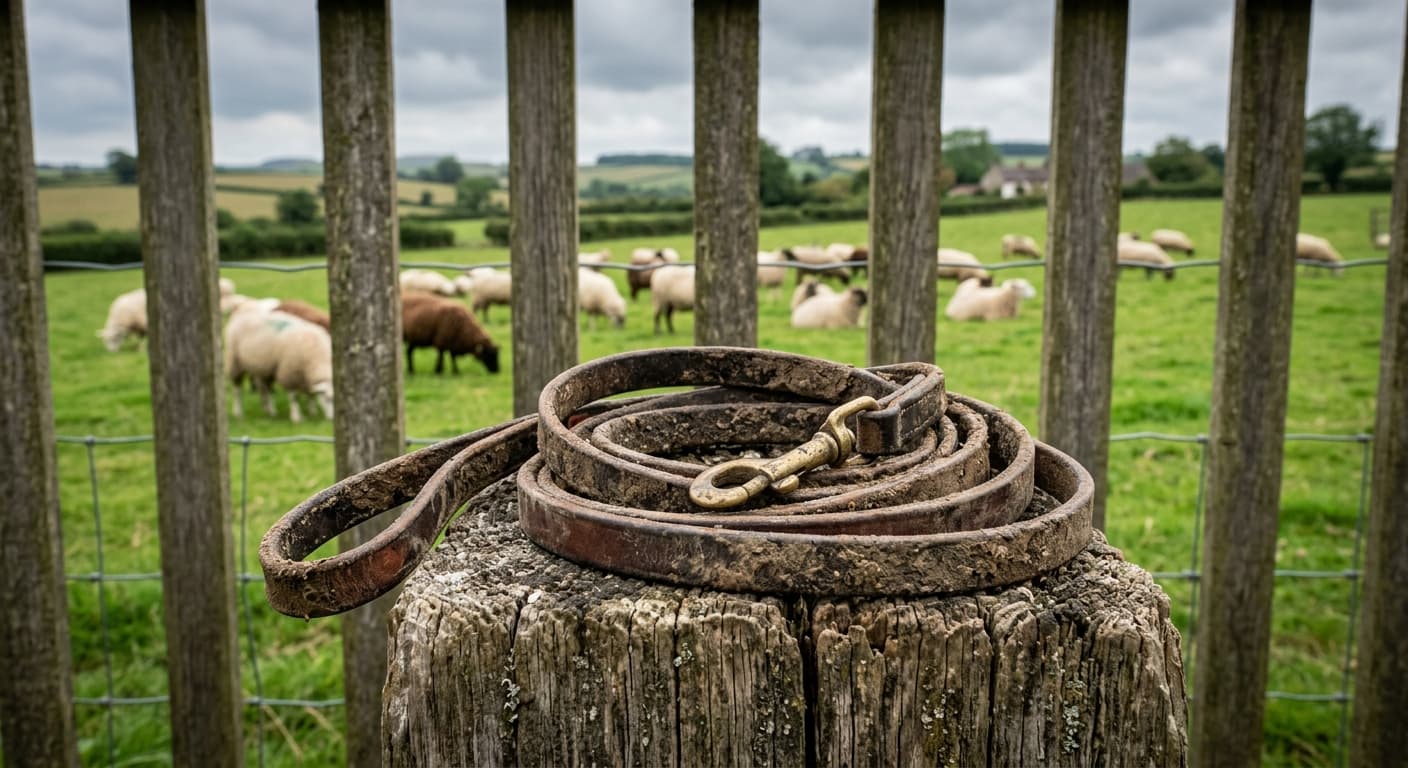
When Your Dog Actually Needs to Be on a Lead (Whether You Agree or Not)
The rules aren't quite as simple as 'my dog's friendly, so it's fine' — they change depending on where you're walking, what time of year it is, and whether there happen to be sheep in the next field. Ground-nesting birds get legal protection from March to July, livestock areas require leads all year round, and some access land doesn't want your dog there at all. Assuming 'under control' just means they'll probably come back when you shout can land you in trouble, and everyone else in a mess.