11 guides
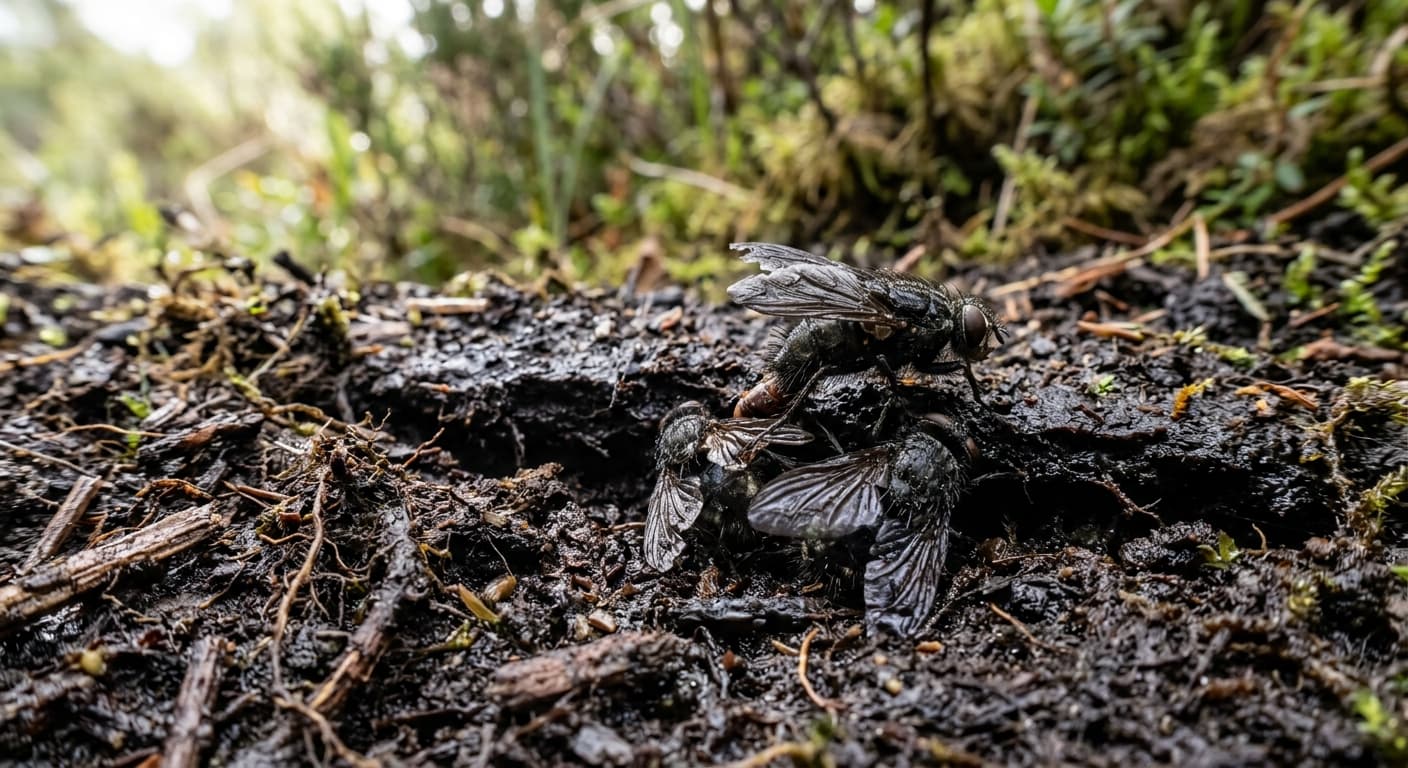
The Day a Hillside Hatches: When Flies Appear from Nowhere
One morning the moor is quiet; by afternoon it seethes with flies. True mass emergence, mating swarms and weather-driven timing all play a role, with heather flies among the likely upland candidates.
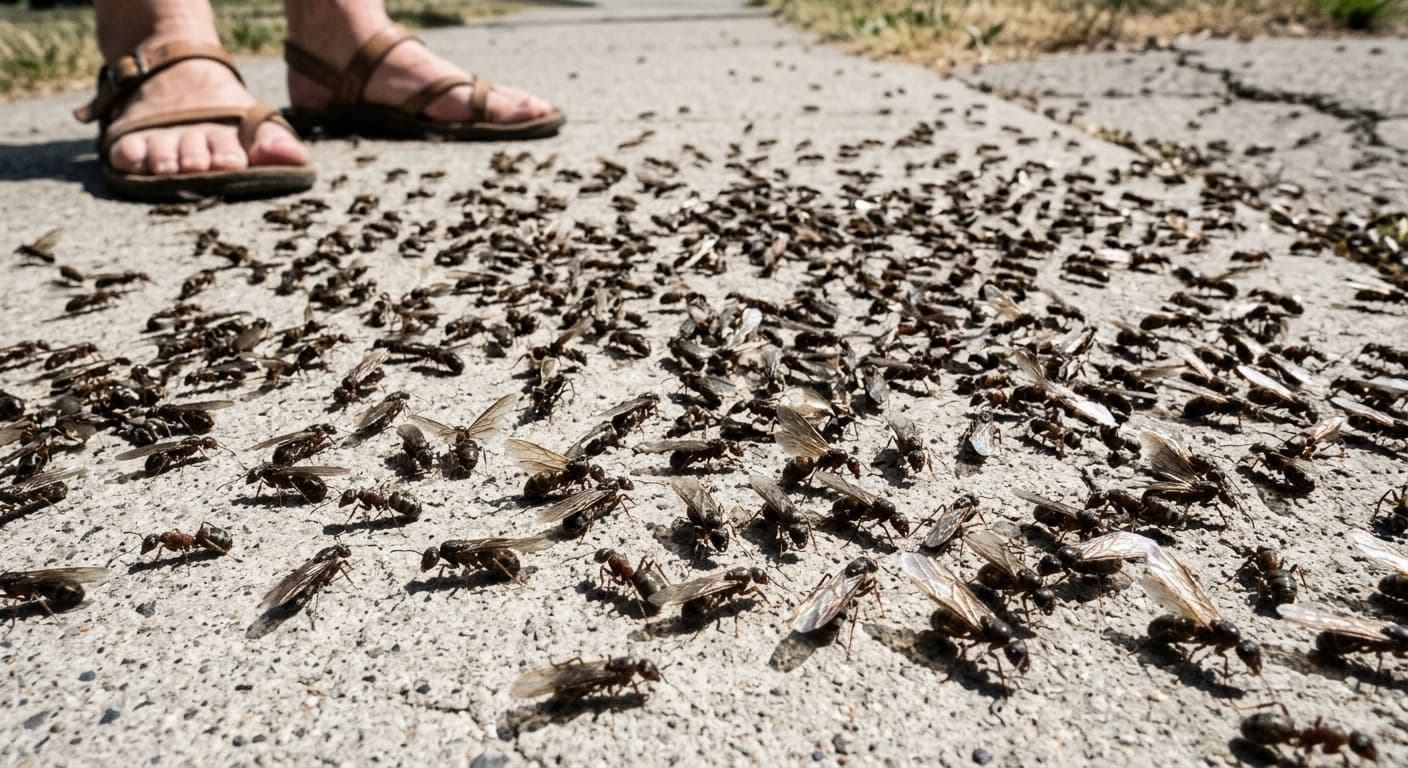
Flying Ant Day Doesn't Exist: Why Ants Take Off Together Anyway
Winged ants flood the air in staggering numbers, but there's no single national event. Weather triggers local peaks across a longer season, turning mating flights into a coordinated frenzy that feels like an invasion.

Why That Hovering Fly Isn't Actually a Wasp: Hoverflies and the Art of Bluffing
These harmless flower-visitors include convincing wasp and hornet mimics that fool predators and nervous walkers alike, and the larvae of some species helpfully feed on aphids. Adults stick to nectar and pollen, so the only sting is to your credibility when you flinch.
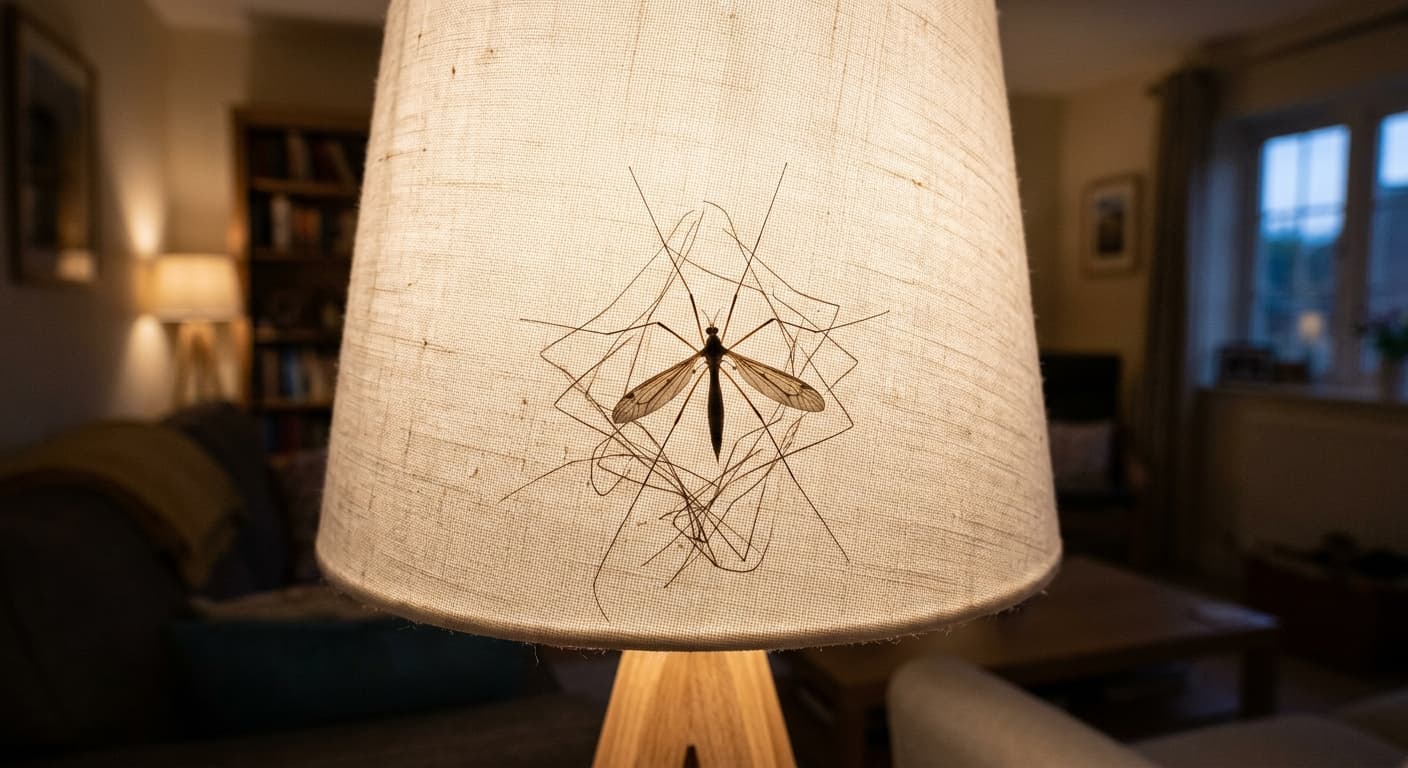
Crane Flies Can't Bite You: Clearing Up the Daddy-Long-Legs Confusion
Crane flies do not feed on blood and their mouthparts cannot pierce human skin, so the alarm is entirely one-sided. Their larvae live in habitats including damp soil, dead wood and around water, doing no harm to walkers whatsoever.
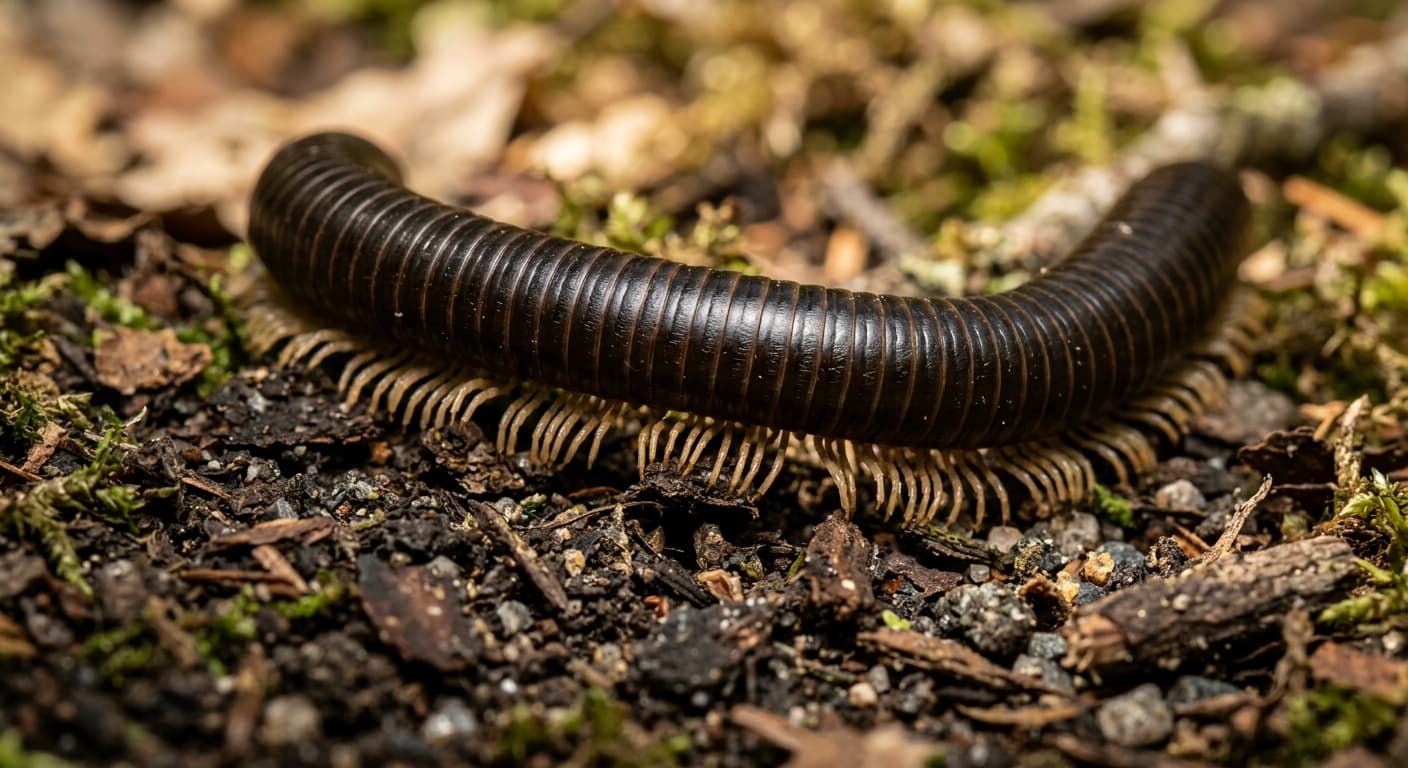
Millipedes Move Slowly for a Reason: Why More Legs Doesn't Mean More Speed
Most millipedes feed on decaying vegetation and are adapted for pushing through soil, leaf litter or beneath stones rather than winning races. Most coil defensively when disturbed, and some also release foul-tasting or foul-smelling substances, which is an excellent reason to let them proceed at their own pace.
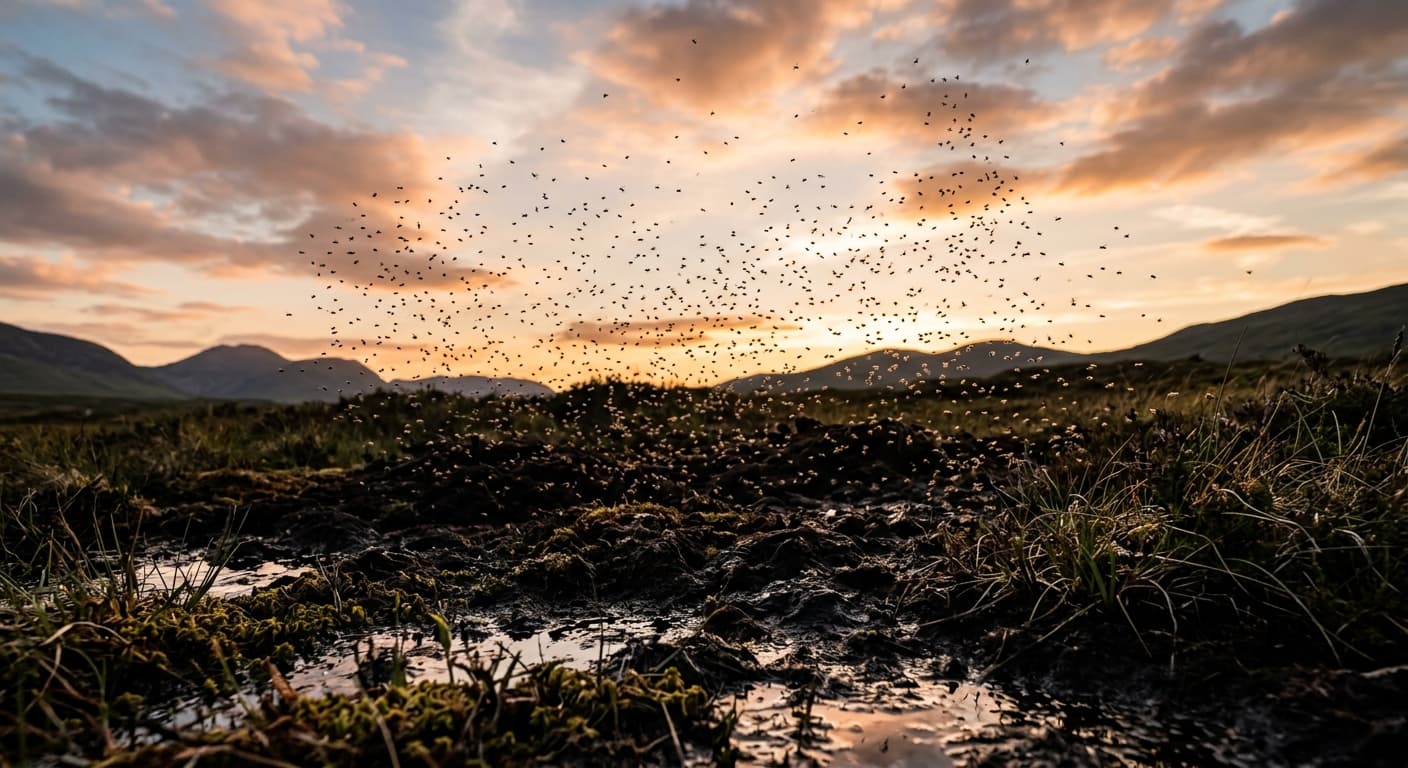
Why Eating Midges Doesn't Stop Them Eating You: The Predator Paradox
Highland biting midges aren't a major food source for birds or other insectivorous animals, and while pipistrelle bats do eat insects in the midge family, they make up only a small part of their diet. The larvae thrive in wet, acidic bog and poorly drained grassland, which rather explains why they're still here in such numbers.
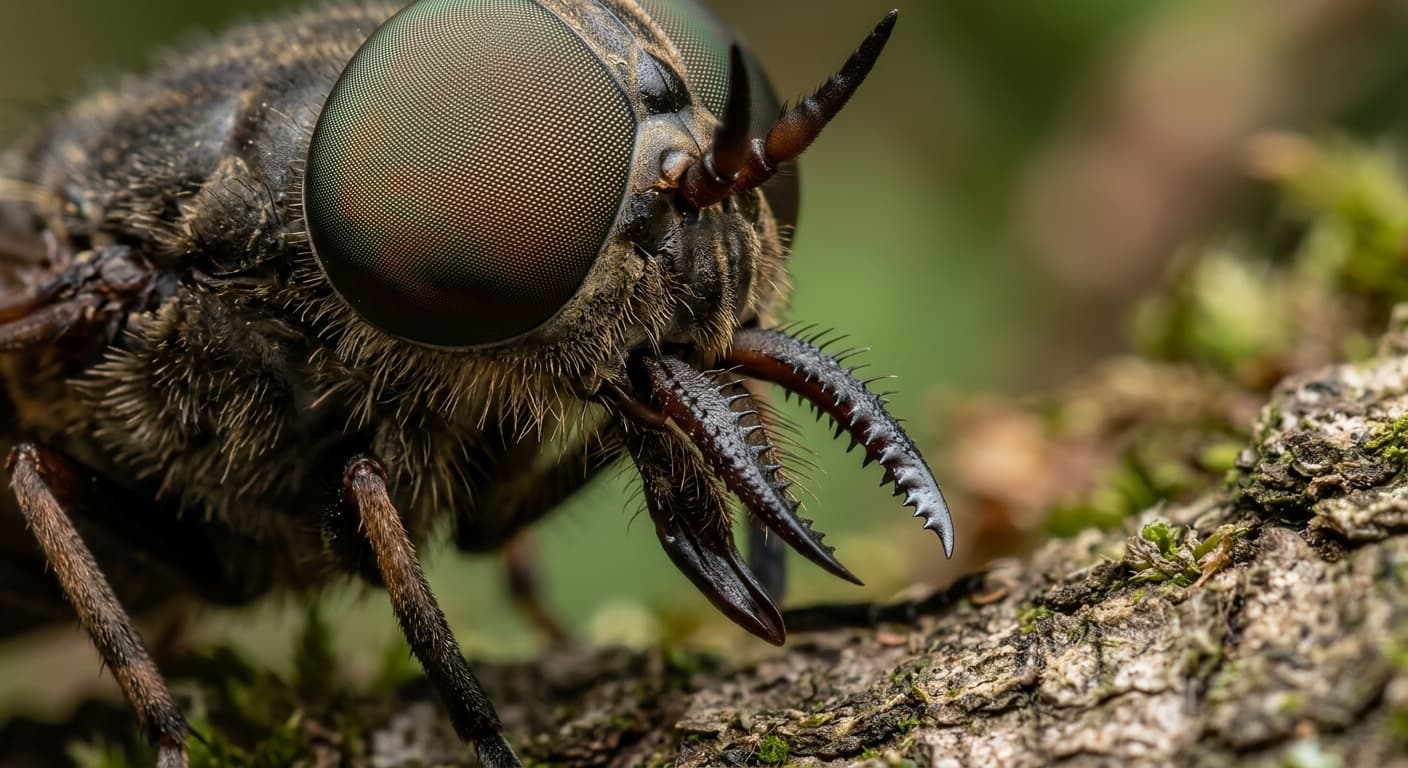
How Horseflies Find You: The Science Behind the Bite
Only the females bite, needing blood protein for egg development, and they deploy serrated mandibles to get it. There's evidence they locate their hosts partly by detecting exhaled carbon dioxide, which is mildly unsettling.
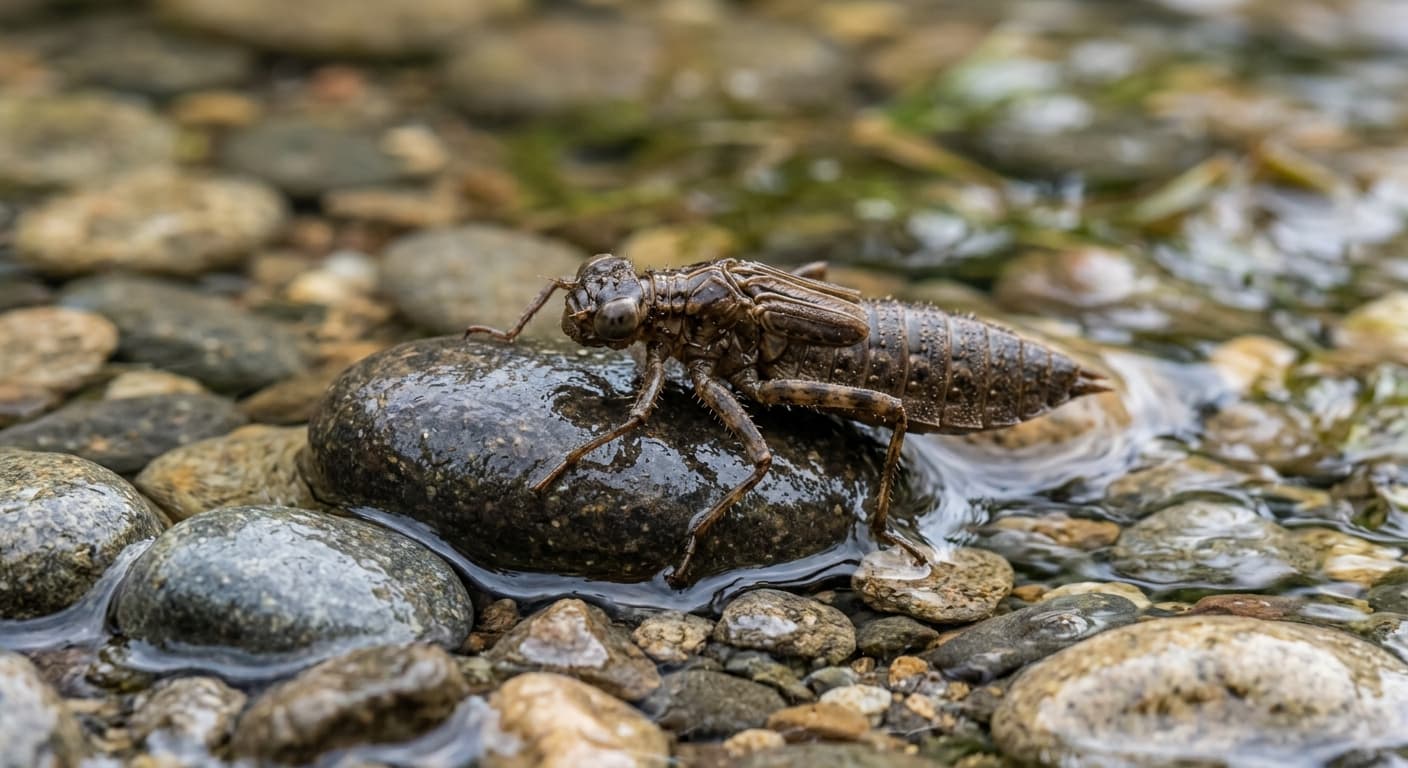
The Dragonfly Before Flight: Meeting the Upland Nymph
Dragonflies go through egg, aquatic larval (or nymph), and adult stages, with the larvae sporting six legs and an extendable hinged labium for catching prey. Larval development varies greatly between species, so patience is advisable.
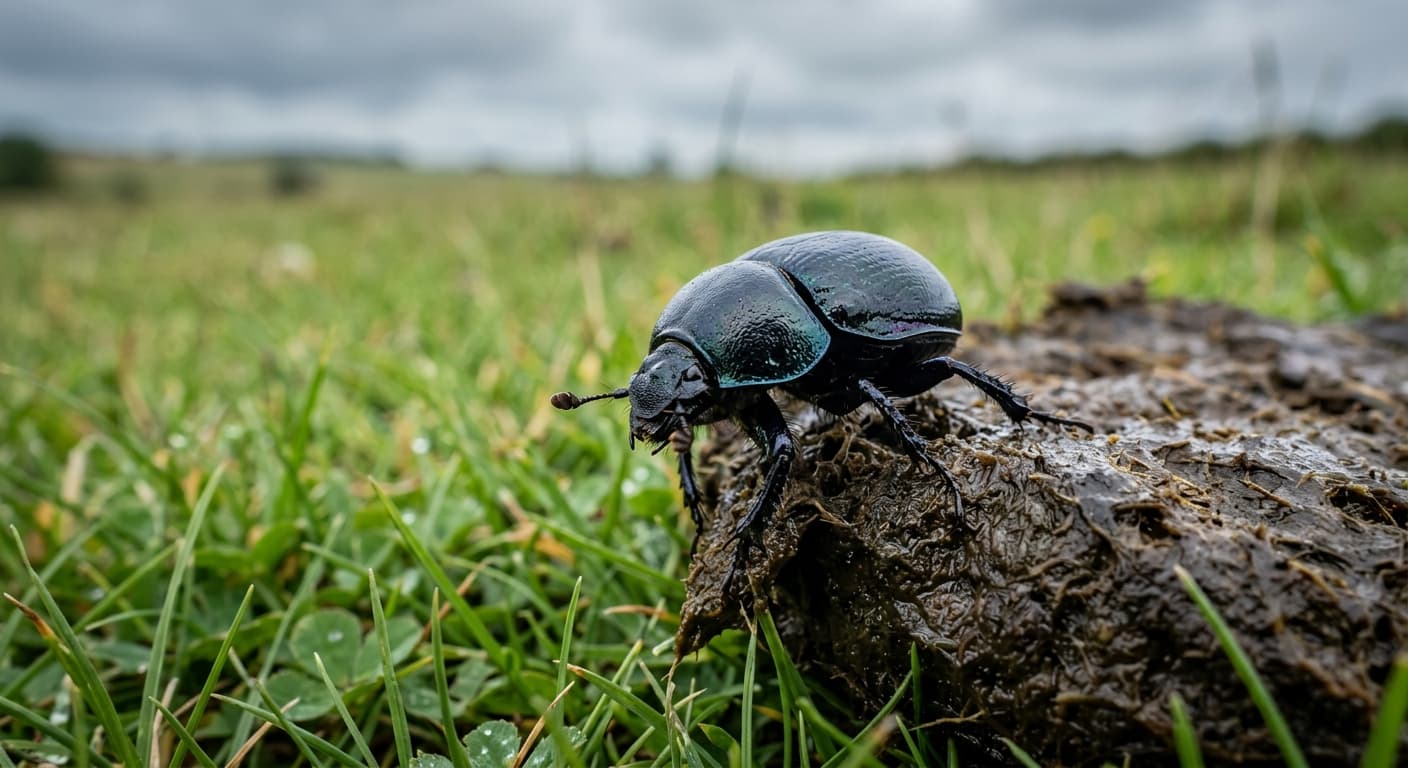
Dung Beetles and the Unglamorous Work of Keeping Hills Green
Both adults and larvae of UK dung beetles feed on large-herbivore dung, with earth-boring species carrying it into burrows beneath pats. There's a case to be made for their landscape benefit, though it's best not to oversell the glamour.
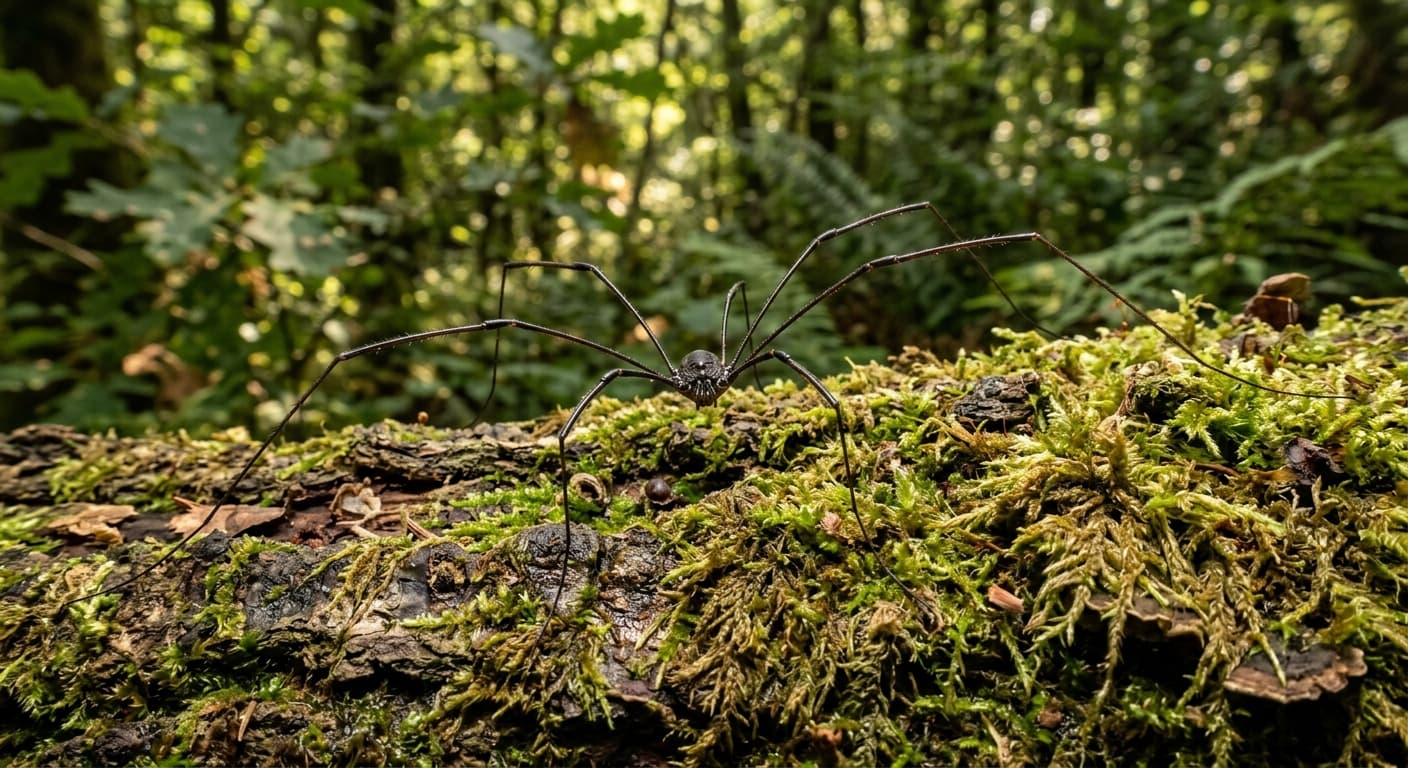
Eight Legs, No Webs: What Makes Harvestmen Different from Spiders
Harvestmen are spider-like arachnids but can't produce venom, don't make silk, and have a broadly fused body rather than the two main body regions you'd find on a spider. Their diet varies by species, so generalisations are risky.
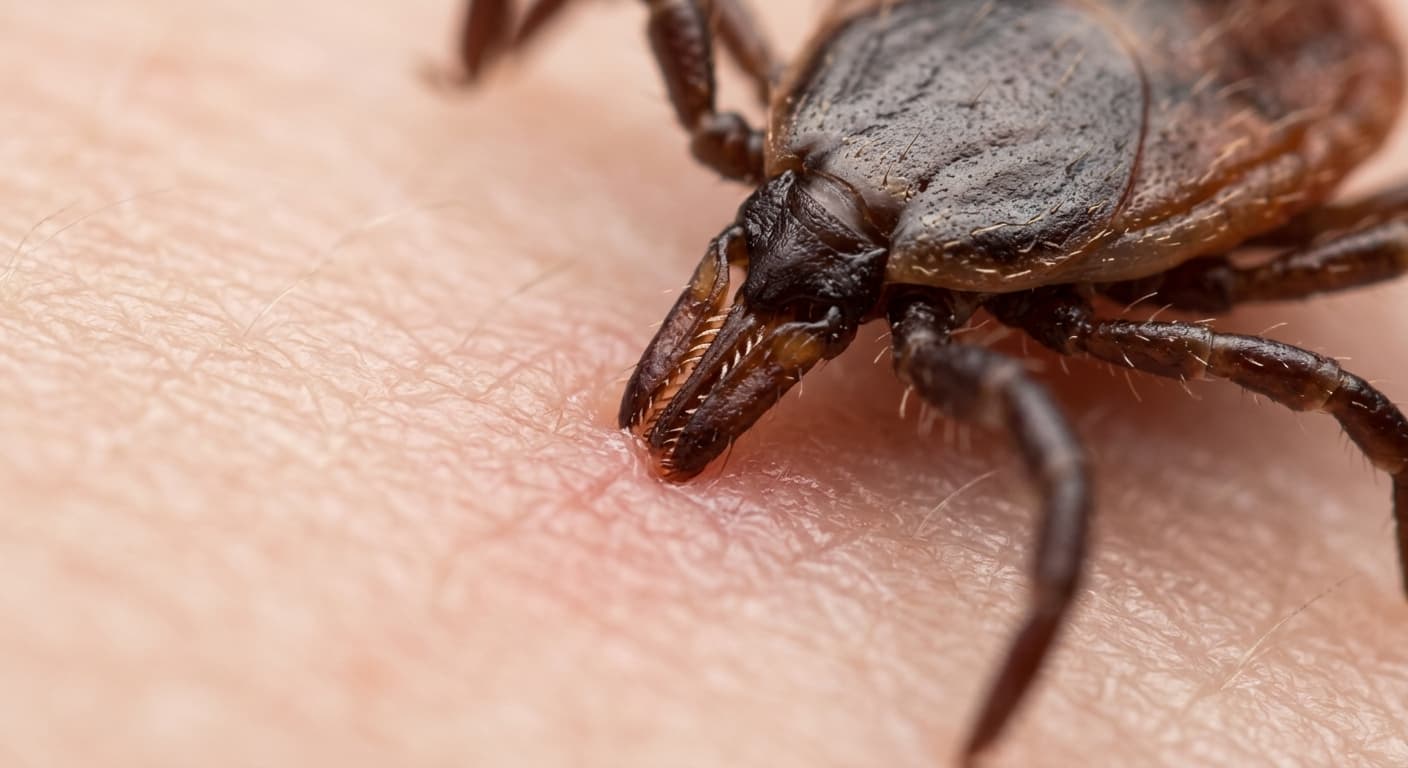
Ticks and Lyme Disease
Ticks are tiny, their bites are often painless and most do not carry the bacteria that cause Lyme disease—but the minority that do can transmit it, potentially causing long-term health problems if untreated. Knowing where ticks live, how to check after walking and what a possible Lyme rash may look like matters more than panic or avoidance.