
Lake District
Carrock Fell
662M
2173FT
About Carrock Fell
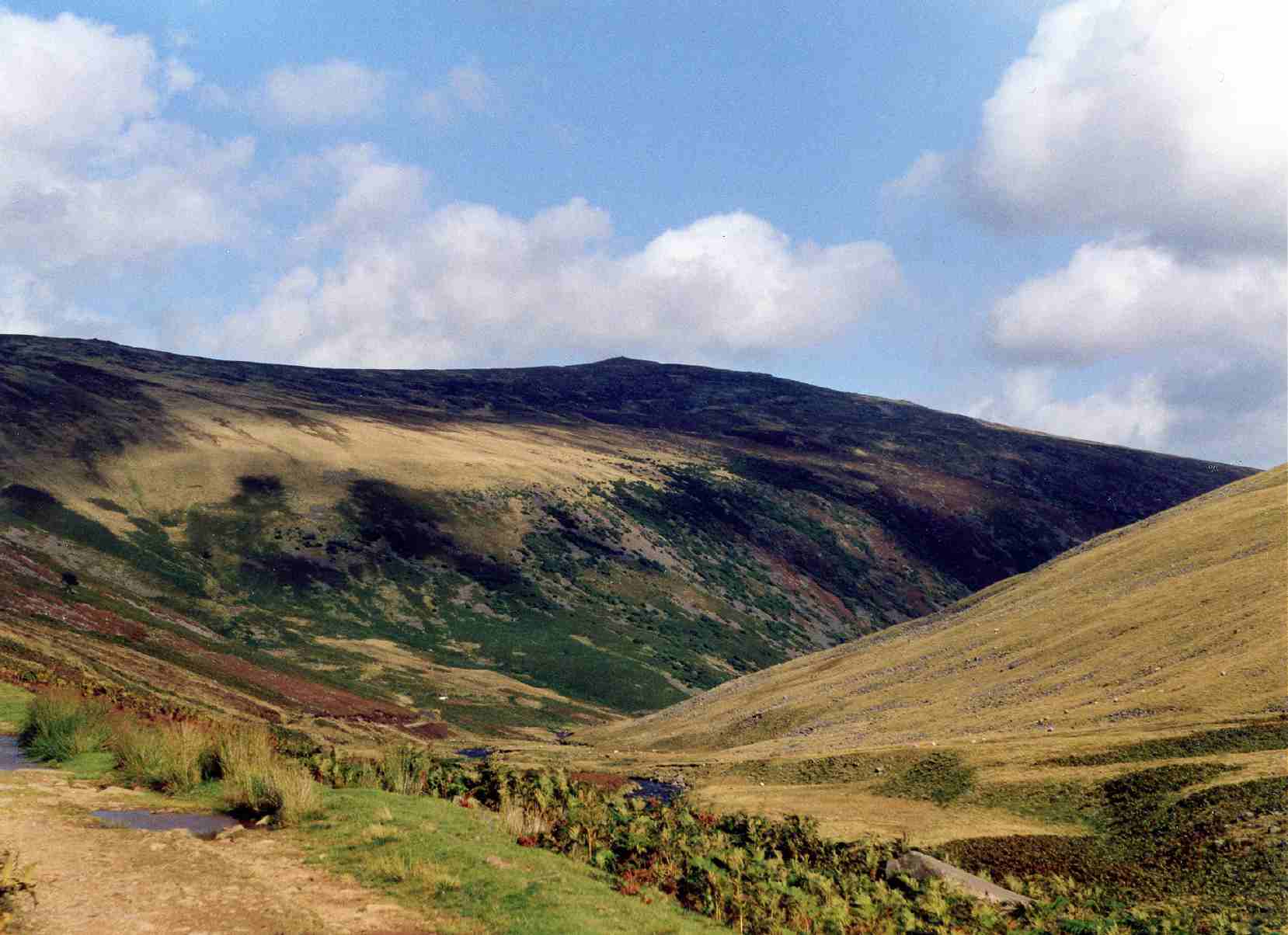
Rising steeply above the River Caldew, this rugged northern outpost is defined by its craggy, scree-covered slopes and unusual igneous geology. The summit is crowned by the collapsed walls of an ancient Iron Age hillfort, offering a gritty, distinctive character that feels worlds away from the smooth, grassy domes of its neighbours.
Key Statistics
Rank
195th Highest in Region
Parent Range
Northern Fells
Prominence
?
89.9m
Nearest Town
Caldbeck
Geology
You are walking on ancient, cooled magma. This fell consists of granite and dark, heavy rocks that formed deep underground before being pushed to the surface.
Classifications
Find It
OS Grid Reference
NY341336
Latitude
54.6935°N
Longitude
3.0229°W
Did You Know?
- •The name is a rare survival of the Cumbric language, derived from the Celtic word 'carreg', meaning 'rocky place' or 'stony hill'—an apt description for its boulder-strewn upper slopes.
- •The summit is enclosed by the remains of an Iron Age hillfort, featuring a collapsed stone rampart roughly 250 metres long. It is one of the few examples of a prehistoric fortified site in the Lake District, positioned to command the approach from the Eden Valley.
- •Geologically unique in the region, the fell is part of the Carrock Fell Complex, composed of igneous rocks like gabbro. This provides a rough, grippy texture underfoot that is more reminiscent of the Cuillin on Skye than the typical Lakeland slate or grass.
- •Alfred Wainwright was particularly fond of this fell, describing it as 'altogether different' from its neighbours. He praised the 'delightful' ascent via Further Gill Sike, which skirts the eastern crags to reach the summit plateau.
- •The summit offers a specific, far-reaching view north across the Solway Firth to the Criffel and the Southern Uplands of Scotland, contrasted by the dark, jagged profile of Blencathra to the southwest.
- •Despite the presence of a 2,000-year-old fort, many walkers unwittingly contribute to its ongoing demolition by moving the Iron Age stones to reinforce the modern summit cairn or windbreaks.